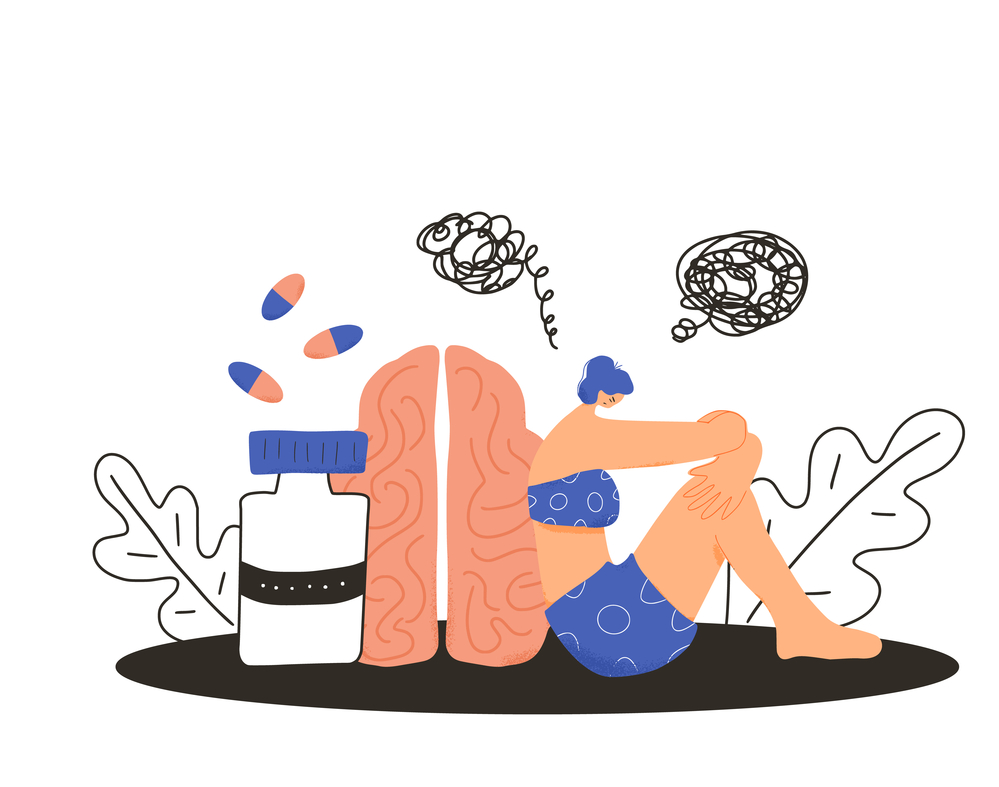
How Rehab Centers in Massachusetts Support Long-Term Sobriety

Addiction in its Many Forms Such as Gaming and Alcohol AbuseWritten Esme Wang

Achieving sobriety is a significant milestone, but maintaining it requires ongoing effort and support. For many, the journey doesn’t end after leaving a rehab program. Rehab centers in Massachusetts are renowned for their commitment to long-term recovery.

They provide comprehensive aftercare plans, relapse prevention strategies, and robust support networks.

In this article, we’ll explore how these centers help individuals build a sustainable, substance-free life.

The Importance of Long-Term Sobriety Support

Recovery is a lifelong process. The first few months after rehab are especially critical. Without proper support, the risk of relapse increases significantly. Rehab centers in Massachusetts understand this challenge.

They offer tools and resources to help individuals navigate life after treatment. From aftercare programs to alumni networks, these centers prioritize long-term success. Their goal is to empower patients to thrive in their new, sober lives.

Key Ways Rehab Centers in Massachusetts Support Long-Term Sobriety

  1. Comprehensive Aftercare Programs

Aftercare is a cornerstone of long-term recovery. It bridges the gap between rehab and everyday life. Massachusetts rehab centers design personalized aftercare plans for each patient. These plans often include outpatient therapy, support groups, and check-ins.

Regular follow-ups ensure patients stay on track. Aftercare programs address ongoing challenges and provide continuous guidance. They help individuals maintain the progress made during rehab.

  1. Relapse Prevention Strategies

Relapse is a common concern in recovery. Massachusetts rehab centers equip patients with tools to prevent it. They teach coping mechanisms for stress, triggers, and cravings. Patients learn to identify warning signs and take proactive steps.

Relapse prevention plans are tailored to individual needs. They include strategies for managing high-risk situations. These plans empower individuals to stay sober even in challenging circumstances.

  1. Alumni Networks and Sober Communities

Staying connected to a supportive community is vital for long-term sobriety. Many rehabilitation centers in Massachusetts offer alumni programs. These programs foster a sense of belonging and accountability.

Alumni networks organize events, meetings, and activities. They provide a safe space to share experiences and challenges. Building relationships with others in recovery reduces feelings of isolation. It also reinforces the commitment to sobriety.

  1. Ongoing Therapy and Counseling

Therapy doesn’t end when rehab does. Massachusetts rehab centers emphasize the importance of continued mental health care. Patients can access individual or group therapy sessions after treatment.

These sessions address unresolved issues and provide emotional support. Regular counseling helps individuals process life’s challenges without turning to substances. It strengthens the skills learned during rehab.

  1. Life Skills Training

Rehab centers in Massachusetts prepare patients for real-world challenges. They offer life skills training as part of their programs. This includes budgeting, time management, and communication skills.

Patients also learn how to build healthy routines and relationships. These skills are essential for maintaining stability and independence. Life skills training empowers individuals to navigate daily life with confidence.

  1. Holistic Wellness Programs

Long-term sobriety involves more than just avoiding substances. It requires overall well-being. Massachusetts rehab centers often incorporate holistic wellness programs.

These include yoga, meditation, nutrition counseling, and fitness activities. Holistic approaches address the mind, body, and spirit. They promote balance and reduce stress. Wellness programs help individuals develop healthy habits that support sobriety.

  1. Family Involvement and Support

Family plays a crucial role in long-term recovery. Massachusetts rehab centers encourage family participation in the treatment process. They offer family therapy sessions and educational workshops. These programs help families understand addiction and recovery.

They also teach how to provide effective support. Strengthening family relationships creates a stable foundation for sobriety. It ensures patients have a strong support system at home.

  1. Access to Local Resources

Massachusetts is home to a vibrant recovery community. Rehab centers connect patients with local resources. These include support groups, sober living homes, and employment assistance.

Access to community resources enhances long-term recovery. It provides ongoing opportunities for growth and connection. Local resources also help individuals rebuild their lives after rehab.

  1. Continued Medical Support

For some, recovery involves managing co-occurring health conditions. Massachusetts rehab centers provide access to medical professionals. This includes psychiatrists, physicians, and addiction specialists.

Ongoing medical support ensures patients receive the care they need. It addresses physical and mental health concerns that could impact sobriety. Regular check-ups and medication management are part of this support.

  1. Educational Workshops and Skill-Building

Knowledge is power in recovery. Massachusetts rehab centers offer educational workshops on various topics. These include addiction science, relapse prevention, and stress management.

Workshops provide valuable insights and practical tools. They empower individuals to take control of their recovery journey. Skill-building sessions focus on problem-solving and decision-making. These skills are essential for navigating life’s challenges.

Why Massachusetts Rehab Centers Stand Out

Massachusetts is a leader in addiction treatment. Its rehab centers combine evidence-based practices with compassionate care. The state’s natural beauty and supportive communities enhance the recovery experience.

Patients benefit from access to top professionals and innovative programs. Massachusetts rehab centers are committed to long-term success. They provide the tools and resources needed for sustained sobriety.

How to Get Started with a Rehab Center in Massachusetts

If you’re considering a rehab center, start by researching your options. Look for programs that align with your needs and goals. Reach out to facilities to ask questions and schedule tours.

Many centers offer free consultations to help you make an informed decision. Remember, seeking help is a sign of strength. It’s the first step toward a healthier, happier future.

Final Thoughts

Long-term sobriety is achievable with the right support. addiction rehab centers in Massachusetts are dedicated to helping individuals build sustainable, substance-free lives. From aftercare programs to alumni networks, these centers provide the tools needed for success.

If you or a loved one is struggling with addiction, consider reaching out to a Massachusetts rehab center. Recovery is possible, and it starts with taking the first step.


AUTHOR BIO:

Esme Wang is a copywriter and content strategist. She helps businesses stop playing around with content marketing and start seeing the tangible ROI. She loves writing as much as she loves the cake.


Please also review AIHCP’s Substance Abuse Counselor Certification and see if it meets your academic and professional goals.  These programs are online and independent study and open to qualified professionals seeking a four year certification

10 Myths About Digestive Health Debunked

Close up of a young multi-ethnic woman's stomach cupped by her hands. High quality photoWritten by Nadine Westwood

Misinformation spreads like wildfire in the age of TikTok and pseudoscience. Sadly, health myths, especially myths about digestive health, seem to have the most traction, leading to harmful practices or neglected conditions.

As people on the front lines, healthcare professionals are the first to witness the harm misinformation can cause. Therefore, it’s our responsibility to address and debunk these myths with clear, factual education.

This is what we’ll try to do in today’s piece, where we’ll analyze and debunk 10 of the most popular digestive health myths.

  1. Colon Cleansing is Necessary for Good Health

Some complementary health practitioners assert that the body stores toxins in the colon, necessitating a “detox procedure.” To “cleanse the colon,” they advise using enemas or laxatives (among other methods). Advocates maintain that this process eliminates accumulated waste, leaving you feeling more energetic.

However, studies show no scientific evidence supporting routine colon cleanses to remove toxins. The human body already has an effective detox system (the liver and kidneys) and filters harmful substances without external help.

Following this myth can harm more than help. Frequent cleanses may disrupt gut flora, leading to digestive imbalance and weakened immunity. Overuse can cause dehydration, electrolyte imbalances, or damage to intestinal walls.

Instead of cleanses, it’s best to focus on a fiber-rich diet and hydration, the natural ways the body stays healthy internally.

  1. Probiotics Are a Cure-All for Digestive Issues

Probiotics, often found in supplements and fermented foods, have reached superfood status (they are on a similar level of fame with kale and dark chocolate).

Due to this undeserved fame, a growing percentage of the population seems to believe probiotics can cure all digestive problems, including bloating, diarrhea, or irritable bowel syndrome (IBS). They are marketed as a one-size-fits-all solution for gut health.

Science tells a different story, though. While some studies show probiotics may benefit specific conditions (such as antibiotic-associated diarrhea or certain IBS symptoms), their effects vary widely by strain and individual.

In-depth studies show that probiotics aren’t universally effective and can even delay microbiome recovery after antibiotics in some cases. Therefore, the best way to benefit from probiotics is to get a recommendation from a dedicated gastroenterologist, who can use advanced diagnostic methods to determine which strains may help a specific individual.

This myth may not seem dangerous, but misleading marketing campaigns can convince people to ignore or delay more effective treatments. Additionally, probiotic supplements aren’t cheap, and there’s always the risk of introducing unnecessary strains into the body.

Sustainable gut health relies on personalized care through dietary adjustments, hydration, exercise, and consulting experienced healthcare providers.

  1. You Should Have a Bowel Movement Every Day

Some individuals feel uneasy if they don’t have daily bowel movements. According to this myth, a lack of bowel movements in a day is a sign of digestive health problems.

Bowel habits vary from person to person. Research shows that a normal frequency ranges from three times a day to three times a week. Factors like diet, hydration, activity levels, and stress all influence regularity.

Believing this myth can lead to the overuse of laxatives or unnecessary worry about irregularity. This may harm the natural rhythm of your gut and create dependency on stimulants for bowel movements. Self-treating can also mask underlying conditions that genuinely need medical evaluation.

  1. Juice Cleanses Detoxify your Digestive System

Juicing for detox is a trend that started somewhere in the 1970s as a means of absorbing healthy nutrients. Fueled by marketing efforts, the trend reached its peak in the 2000s and 2010, leading to a projected $75 billion market by 2026.

These cleanses involve consuming only fruit and vegetable juices for a designated period. According to claims, this is an effective way to cleanse the body of toxins, lose weight, and improve energy levels.

Science disproves these perceived benefits through studies that found no evidence supporting juice cleanses as necessary or effective. According to these studies, juice-only diets lack essential nutrients like protein, fats, and fiber for energy and gut health. Extended use of these methods may cause blood sugar spikes, muscle loss, fatigue, or electrolyte imbalances.

  1. Stress Causes IBD

Inflammatory Bowel Disease (IBD) manifests through symptoms like chronic diarrhea, abdominal pain, cramping, rectal bleeding, fatigue, and unintended weight loss. People may also experience urgent bowel movements and reduced appetite.

Alternative healthcare practitioners promote the idea that IBD is caused by stress. According to them, stress management (with the associated supplements) and emotional control should be enough to alleviate symptoms and even treat the problem.

However, research shows IBD is caused by a combination of genetic predisposition, immune system dysfunction, and environmental triggers – not stress. A 2019 study confirms stress may exacerbate symptoms but does not initiate the condition.

In conclusion, while managing stress can improve symptom management and overall well-being, treating IBD requires a comprehensive approach led by healthcare professionals.

  1. Everyone Should Follow a Gluten-Free Diet

Some believe that avoiding gluten leads to better digestion and overall health. A gluten-free diet is also marketed as a way to lose weight in a “healthy” way. Add to this the endorsement from high-profile celebrities and influencers, and it’s easy to see why so many people still believe gluten is harmful.

Scientific evidence doesn’t support this trend. Gluten-free diets are essential for individuals with celiac disease or non-celiac gluten sensitivity, but no data supports health benefits for the general population.

In reality, unnecessary gluten restriction may reduce nutrient intake because those who follow it adopt restrictive eating habits. Gluten-free products often lack fiber and key vitamins like B12 or iron, increasing the risk of deficiencies. It may also divert attention from other dietary issues which should be addressed correctly.

Unless you are diagnosed with a specific condition requiring it, there is no reason to avoid gluten. For balanced nutrition, focus on a diet rich in whole grains (like wheat or barley), fruits, vegetables, and lean proteins.

  1. Apple Cider Vinegar Cures Digestive Problems

Due to its antimicrobial properties, useful digestive enzymes, and anti-inflammatory properties, apple cider vinegar (ACV) is often perceived as a natural and safe alternative to conventional medicines.

ACV has a long history of use in traditional medicine, which has seeped into modern practices through homeopathic teachings and marketing. Some people believe it can cure digestive problems such as bloating, acid reflux, or indigestion.

While ACV may provide some digestive aid for individuals with low stomach acid, studies have shown that it offers no universal benefits for most digestive problems. In fact, excessive use could irritate the esophagus or erode tooth enamel.

Overconsumption can also disrupt the body’s natural pH balance and cause gastrointestinal discomfort rather than relieve it.

  1. All Fiber is Good for Digestion

Fiber promotes healthy digestion by supporting regular bowel movements, nourishing beneficial gut bacteria, and regulating blood sugar and cholesterol levels. This is a well-known fact within the scientific community.

However, we can’t assume that all fibers benefit digestion equally, regardless of type or source.

In reality, there are two types of fiber (soluble and insoluble), and their effects differ:

  • Soluble fiber (found in oats, beans, and fruits) helps regulate blood sugar and soften stools.
  • Insoluble fiber (in whole grains and vegetables) adds bulk to stool for regularity. Too much of this fiber can worsen bloating or diarrhea in sensitive individuals like those with IBS.

So, overloading on high-fiber foods indiscriminately is not the solution to healthy digestion. Fiber needs vary by person, and the wrong balance can upset your gut rather than help it.

  1. You Should Avoid All Fatty Foods

The “fat is bad” myth stems from dietary guidelines in the 1970s and 1980s when fat was incorrectly blamed as the primary cause of heart disease and obesity.

Influential studies, like the Seven Countries Study by Ancel Keys, linked saturated fats to cardiovascular issues. However, this research oversimplified complex nutrition science.

In response, both health-responsible agencies and the media started heavily promoting low-fat diets. Food manufacturers replaced fats with sugars and refined carbohydrates in processed foods to meet the demand for low-fat products. Ironically, this shift contributed to rising rates of obesity and metabolic disorders.

Today’s research recognizes that not all fats are harmful. Some fats, like those in avocados, nuts, seeds, and olive oil, are essential for nutrient absorption (especially vitamins A, D, and E), energy production, and supporting cell membranes.

While excessive intake of trans or saturated fats may cause issues like bloating or sluggish digestion in some cases, balanced fat consumption is vital for gut health and hormone regulation.

  1. All Probiotics are the Same

Probiotics gained popularity as more people became aware of gut health linked to overall well-being. Aggressive marketing amplified claims of benefits for digestion, immunity, and more. Modern trends favoring so-called natural wellness solutions further drove demand for probiotic-rich products like supplements, yogurt, and fermented foods.

While it’s not a bad thing to consume more foods perceived as being rich in probiotics, it’s important to understand the difference in strains.

Different strains serve specific purposes. For instance, Lactobacillus acidophilus helps with lactose digestion, while Saccharomyces boulardii targets antibiotic-associated diarrhea or IBS symptoms.

In conclusion, generic supplements may not address specific concerns. It also risks overlooking more effective dietary adjustments or treatments for digestive problems. For best results, it’s essential to choose probiotic products with clinically validated strains tailored to an individual’s unique condition.

Wrap Up

Misinformation is running rampant these days and can mislead patients, causing harm or delaying proper care. As health specialists, we must prioritize evidence-based guidance to counter harmful myths that keep people away from adequate treatments.

Author bio:

Nadine Westwood is a health coach and writer who helps her clients achieve phenomenal and sustainable results by combining nutrition, fitness, education and fun!


References:

Natural colon Cleansing & Detox: Is it necessary? (n.d.). WebMD. https://www.webmd.com/balance/natural-colon-cleansing-is-it-necessary

Debunking Detox: Your colon doesn’t need cleaning! (n.d.). Office for Science and Society.

Day, R. L., Harper, A. J., Woods, R. M., Davies, O. G., & Heaney, L. M. (2019). Probiotics: current landscape and future horizons. Future science OA, 5(4), FSO391. https://doi.org/10.4155/fsoa-2019-0004

Ciorba M. A. (2012). A gastroenterologist’s guide to probiotics. Clinical gastroenterology and hepatology: the official clinical practice journal of the American Gastroenterological Association, 10(9), 960–968. https://doi.org/10.1016/j.cgh.2012.03.024

Heaton, K. W., Radvan, J., Cripps, H., Mountford, R. A., Braddon, F. E., & Hughes, A. O. (1992). Defecation frequency and timing, and stool form in the general population: a prospective study. Gut, 33(6), 818–824. https://doi.org/10.1136/gut.33.6.818

Bóna, E., Forgács, A., & Túry, F. (2018). A léböjtkúrák és az atípusos evészavarok lehetséges kapcsolata. Kvalitatív előtanulmány [Potential relationship between juice cleanse diets and eating disorders. A qualitative pilot study]. Orvosi hetilap, 159(28), 1153–1157.

Sun, Y., Li, L., Xie, R., Wang, B., Jiang, K., & Cao, H. (2019). Stress Triggers Flare of Inflammatory Bowel Disease in Children and Adults. Frontiers in pediatrics, 7, 432. https://doi.org/10.3389/fped.2019.00432

Gluten-free diet gains popularity, despite no rise in celiac disease. (2016, September 6). Medical News Today.

Hadi, A., Pourmasoumi, M., Najafgholizadeh, A., Clark, C. C. T., & Esmaillzadeh, A. (2021). The effect of apple cider vinegar on lipid profiles and glycemic parameters: a systematic review and meta-analysis of randomized clinical trials. BMC complementary medicine and therapies, 21(1), 179. https://doi.org/10.1186/s12906-021-03351-w

Lattimer, J. M., & Haub, M. D. (2010). Effects of dietary fiber and its components on metabolic health. Nutrients, 2(12), 1266–1289. https://doi.org/10.3390/nu2121266


Please also review AIHCP’s Holistic Nursing Certification and see if it meets your academic and professional goals.  These programs are online and independent study and open to qualified professionals seeking a four year certification

Crisis Intervention Specialist Video Blog on Sexual Assault

Sexual assault is a heinous crime that is not just about lust and sex but also power and abuse.  Anyone can be a victim of sexual assault but most are women and children.  This video takes a closer look at the crisis state and trauma one feels while in the state of crisis and how crisis professionals can help

Please also review AIHCP’s Crisis Intervention Specialist Program and see if it matches your academic and professional goals.  Please click here

Building Stronger Support Networks for Mental Health Counseling

Proper attending of the client is key for good counseling. Please also review AIHCP’s Grief Counseling Certification

Written by Harry Wolf.

Mental health counseling often relies on strong support networks to make a lasting impact. Building these networks involves collaboration, outreach, and innovative strategies that connect individuals with the care they need.

Local communities offer diverse opportunities for counselors and other mental health professionals to create meaningful partnerships. From leveraging existing programs to engaging local institutions, each step strengthens the system around those seeking help.

So, learn how thoughtful teamwork can expand access and improve outcomes for mental health services where they’re needed most.

Collaborating with Schools and Educational Institutions 

Educational institutions play a vital role in identifying and addressing mental health challenges.

Mental health professionals working within schools often interact with young people who may face difficulties but lack access to resources.

Partnering with these institutions allows counselors to create targeted interventions and foster healthier environments.

Professionals can provide support by offering training for educators, hosting awareness events, or establishing on-campus counseling programs. This collaboration helps normalize conversations about mental well-being among students and staff.

Key ways to strengthen these partnerships include:

  • Providing workshops for teachers on recognizing early signs of distress.
  • Developing peer-led initiatives that encourage student involvement in mental health advocacy.
  • Setting up accessible, school-based counseling services tailored to different age groups.

According to the U.S. Centers for Disease Control and Prevention, the most common mental disorders in children are anxiety, depression, and behavior disorders. So, there should be an extra emphasis on diagnosing and treating children with those conditions.

Engaging with schools builds long-term resilience by equipping youth with coping tools at critical stages of their development while creating open channels for future care referrals when necessary.

Working with Existing Community Programs and Resources 

Mental health professionals can amplify their impact by collaborating with established community initiatives.

For instance, the organization CLUSTER, based in Yonkers (New York) and serving Westchester and Rockland counties, offers valuable opportunities for partnership.

Their Mental Health Residential Services programs provide critical support to individuals with mental health issues who are striving for stability through permanent housing solutions.

CLUSTER works alongside treatment providers to deliver comprehensive psychiatric care, socialization activities, and vocational training tailored to the residents’ unique needs.

These services not only help clients maintain stable living conditions but also foster personal growth within their communities.

By aligning efforts with CLUSTER housing programs in Yonkers, counselors can extend their reach while helping clients build fulfilling lives.

Many other regions also host comparable resources that offer collaboration opportunities tailored to local needs.

Expanding Telehealth Accessibility for Remote Communities 

Accessing mental health services can be particularly challenging for individuals living in rural or underserved areas. By prioritizing telehealth initiatives, professionals can bridge this gap and provide crucial support to those who might otherwise go without help.

Telehealth offers flexible options that meet clients where they are, eliminating travel barriers and expanding reach. It enables consistent care through video sessions, phone calls, or even text-based platforms, making counseling accessible in ways that traditional models often cannot.

Ways to implement effective telehealth strategies include:

  • Ensuring privacy by adopting secure digital tools tailored to mental health counseling.
  • Providing training for professionals on delivering compassionate virtual care effectively.
  • Collaborating with local organizations to spread awareness about available remote services.

Expanding telehealth doesn’t just extend professional networks – it also strengthens communities by addressing disparities and bringing vital resources into hard-to-reach places where they’re needed most.

Utilizing Workplace Mental Health Initiatives Effectively 

The workplace is an environment where many individuals spend the majority of their time, making it a key area to support mental health.

By integrating counseling resources and fostering awareness in professional settings, organizations can improve the overall well-being of their employees while enhancing productivity.

Mental health counselors can collaborate with employers to implement practical initiatives like employee assistance programs (EAPs) or mental health training for management. These efforts encourage early intervention and reduce stigma among workers.

Practical ways to strengthen workplace support include:

  • Developing anonymous helplines for employees seeking immediate guidance.
  • Providing regular workshops on stress management and coping strategies.
  • Collaborating with HR teams to design policies that prioritize psychological safety at work.

Fostering such networks benefits not only individual employees but also organizational culture as a whole.

Professionals who expand these services help ensure care is accessible in daily life settings, setting an example others could follow elsewhere too.

Partnering with Faith-Based Organizations for Outreach Efforts 

Faith-based organizations often serve as trusted anchors in their communities, making them valuable partners in promoting mental health awareness and support.

Many individuals turn to these groups during times of emotional or personal hardship, creating an opportunity for collaboration between counselors and faith leaders.

Mental health professionals can work alongside these organizations by offering training sessions on recognizing signs of distress or facilitating discussions about mental well-being within congregations.

Strategies to build partnerships include providing educational workshops tailored to the community’s cultural context and co-hosting support groups that integrate spiritual care with mental health counseling.

By working together, counselors and faith-based institutions can create holistic support networks that address both emotional needs and community connections.

Training Volunteers to Enhance Counseling Support Networks 

Volunteers can play a pivotal role in broadening access to mental health services. With proper training, they can become valuable allies for professionals, helping to create stronger support systems within communities.

Mental health counselors can organize programs that equip volunteers with essential skills like active listening and crisis intervention basics. This extends the reach of counseling efforts while fostering community-driven care models.

Effective ways to involve volunteers include:

  • Creating workshops focused on identifying signs of emotional distress in peers.
  • Setting up mentorship or buddy systems that pair trained volunteers with individuals in need.
  • Establishing clear referral pathways so volunteers know when and how to connect clients with professional services.

By empowering community members through education and involvement, professionals ensure broader availability of resources while reducing the stigma surrounding mental health care – a benefit that resonates well beyond local initiatives alone.

Promoting Family Involvement in Counseling Programs 

Families play a critical role in supporting individuals through mental health challenges. Their involvement can enhance recovery by providing emotional support, understanding, and stability.

Counselors who actively engage family members strengthen the client’s overall support network.

To achieve this, professionals can offer family counseling sessions that address dynamics affecting well-being. They can also host educational workshops to help families understand conditions and coping mechanisms.

Ways to involve families effectively include:

  • Organizing regular sessions focused on communication skills within the household.
  • Providing resources that guide families on managing stress together constructively.
  • Encouraging open dialogues about mental health to foster understanding and reduce stigma at home.

Family participation ensures clients feel supported both during therapy and in their everyday lives, creating an environment conducive to sustainable progress while inspiring deeper connections across relationships naturally built around care boundaries.

Building Peer Support Networks for Long-Term Recovery 

Peer support networks offer individuals a sense of belonging and shared understanding, which can be essential for long-term mental health recovery.

These groups bring people together who have faced similar challenges, allowing them to provide mutual encouragement and practical advice.

Mental health professionals can play a role by facilitating or guiding the development of these networks.

Creating safe spaces where participants feel comfortable sharing experiences strengthens trust within the group while promoting emotional resilience.

Strategies to establish peer support include:

  • Organizing structured group sessions moderated by trained facilitators.
  • Encouraging members to take leadership roles in maintaining regular meetups.
  • Providing resources on effective communication and active listening skills within groups.

By supporting peer-led initiatives, counselors can amplify community engagement and help build lasting connections among participants – offering stability far beyond traditional therapy sessions alone.

Developing Crisis Response Teams for Immediate Community Support 

Crisis response teams offer timely intervention during mental health emergencies, helping individuals access the care they need when it matters most.

These teams typically include trained professionals such as counselors, social workers, and medical personnel who work collaboratively to de-escalate situations.

Establishing a crisis team in the local community provides immediate support while reducing reliance on law enforcement for mental health crises. Professionals can better ensure individuals receive compassionate care tailored to their needs.

Here are some key steps to create effective crisis response services:

  • Partner with local agencies to pool resources and expertise for rapid deployment.
  • Train team members in de-escalation techniques and trauma-informed care practices.
  • Set up a 24/7 helpline that connects directly to the crisis response unit for accessibility.

This approach not only enhances safety but also fosters trust within communities by showing a commitment to addressing urgent mental health needs respectfully and professionally.

Leveraging Social Media to Promote Awareness and Access to Counseling 

Social media platforms serve as powerful tools for spreading awareness about mental health resources. They allow professionals to connect with diverse audiences, share valuable information, and normalize conversations around seeking help.

Counselors can use these platforms strategically by creating content that educates users on recognizing mental health challenges or accessing available support networks.

Additionally, social media offers a space to highlight success stories and community programs.

Ways to effectively utilize social media include:

  • Posting educational materials about common mental health concerns and coping strategies.
  • Hosting live Q&A sessions or webinars addressing frequently asked questions on counseling topics.
  • Collaborating with influencers or local organizations who share an interest in mental well-being advocacy.

By fostering engagement online, professionals can make counseling services more visible while encouraging individuals from all walks of life to take proactive steps toward their own care journeys comfortably.

Final Thoughts

Strengthening mental health support networks requires collaboration, innovation, and a focus on community needs.

By embracing partnerships and practical strategies, professionals can ensure accessible care for all – fostering environments where individuals can thrive emotionally and lead healthier, more fulfilling lives.


Author bio: Harry Wolf is a freelance writer. For almost a decade, he has written on topics ranging from healthcare to business leadership for multiple high-profile websites and online magazines.


Please also review AIHCP’s ADHD Consulting Certification and see if it meets your academic and professional goals.  These programs are online and independent study and open to qualified professionals seeking a four year certification

Integrating AI in Healthcare: Personalizing Patient Engagement

Doctor pressing a blue button with a medical cross on itWritten by Nadine Westwood.

Imagine logging onto your local hospital’s website, not just to find generic information, but to get a personalized health journey mapped out for you. With the click of a button, relevant medical advice pops up based on your unique history and recent visits. Welcome to the new era where AI transforms online interactions into meaningful engagements.

Gone are the days when healthcare websites merely served as digital brochures. Now they’re dynamic platforms offering tailored experiences driven by artificial intelligence. From predicting patient needs before they arise to enhancing how we connect with care providers online, these advancements redefine what it means to engage in digital health spaces.

Curious about how this tech-savvy approach enhances patient connections? Let’s dive into some exciting strategies reshaping healthcare websites today!

Integrating AI into Patient Portals for Customized Health Insights

AI integration in patient portals offers patients tailored health insights, transforming the standard online healthcare experience. By analyzing individual medical records and behaviors, AI algorithms provide personalized advice that guides users through their health journeys. This approach fosters a sense of involvement and empowerment.

Why is this crucial? Patients engage more when they receive specific recommendations rather than generic information. For example, if an AI system identifies patterns in a user’s data indicating potential dietary issues, it can suggest relevant lifestyle adjustments or resources directly on the portal.

Healthcare providers investing in these technologies might witness enhanced patient satisfaction and adherence to treatment plans. According to Gartner reports, organizations using predictive analytics see improved outcomes through better-informed decision-making processes.

Overall costs for implementing such systems often justify themselves by reducing administrative burdens while boosting engagement metrics. Providers find this investment strengthens patient relationships by creating meaningful interactions right from their digital platforms.

Overcoming Implementation Challenges in Existing Systems

Integrating AI into patient portals isn’t without hurdles, especially when existing systems vary widely in capability. Security concerns often top the list. AI systems need access to sensitive health data, which demands stringent compliance with regulations like HIPAA in the U.S.

Compatibility issues also arise as many healthcare providers use legacy software that struggles to support advanced technologies.

Consider a phased approach: start by identifying specific functionalities of AI that enhance current capabilities, then gradually expand integration based on system readiness.

Data quality and standardization present another challenge. Inconsistent records lead to inaccurate insights, diminishing trust in personalized recommendations. Developing standardized data entry methods and conducting regular audits ensure reliability.

Healthcare providers should also invest in staff training programs emphasizing both technical skills for managing these platforms and softer skills focused on guiding patients through new digital interactions, thus maximizing their engagement potential while maintaining robust operational efficiency.

Navigating Regulatory Compliance and Privacy Concerns

Regulatory compliance in AI-driven patient portals remains a key focus for healthcare providers. Ensuring adherence to standards like HIPAA is crucial, as these regulations safeguard patient privacy by mandating stringent data protection measures.

One major concern involves unauthorized access or data breaches. To counteract this, implementing robust encryption techniques can secure sensitive information during storage and transmission.

Another aspect is ensuring transparency in how personal data gets used by AI systems. Providers should clearly communicate what information the system analyzes and how it contributes to personalized care recommendations.

Regular audits of AI platforms help maintain compliance while identifying potential vulnerabilities before they escalate into significant issues. Additionally, partnering with trusted technology vendors experienced in regulatory frameworks minimizes risks associated with non-compliance.

By proactively addressing these concerns, healthcare providers reassure patients that their digital interactions on portals remain confidential and secure, meanwhile enhancing trust and fostering greater engagement within online health environments.

Advanced Virtual Health Assistants Beyond Basic Chatbots

Take for example a digital nurse guiding patients through their healthcare journey online. These advanced virtual health assistants go beyond simple chat responses.

They provide nuanced medical advice and seamless appointment scheduling, drawing on comprehensive data from patient histories.

Rather than offering standard replies, these systems use natural language processing to understand context and intent.

They adapt interactions based on individual needs or emotional cues. This technology empowers users with detailed answers while enhancing the efficiency of administrative tasks.

Healthcare providers implementing such systems can reduce strain on human resources and improve user satisfaction by delivering immediate support anytime someone visits their site. It’s like having a dedicated health advocate available at your fingertips around the clock.

Real-World Applications: Virtual Assistants in Action

Consider a busy cardiology clinic employing virtual health assistants to enhance patient interaction. These AI-driven helpers handle appointment scheduling, medication reminders, and even post-visit follow-ups through seamless web integration.

Patients receive tailored responses about heart health, lifestyle changes, or potential treatment options. The assistants also flag unusual symptoms for further evaluation by medical professionals. This ensures that care remains attentive and personalized.

By integrating these virtual assistants into their websites, healthcare providers not only optimize workflow but also elevate patient satisfaction by reducing wait times and ensuring round-the-clock support.

Moreover, exploring how such technologies can aid financial operations could lead to surprising efficiencies.

Dynamic Content Strategies: Tailoring Educational Resources to User Needs

AI-powered dynamic content strategies elevate healthcare websites by delivering personalized educational resources. When users access a hospital’s site, AI analyzes their behavior and preferences to tailor information that aligns with individual health interests or conditions.

For instance, if a user frequently visits pages related to diabetes management, the website could prioritize displaying articles or videos about new treatments and lifestyle tips. This not only enriches the user’s experience but also encourages ongoing engagement with reliable sources.

The benefits extend beyond improved user satisfaction; they enhance patient outcomes by ensuring timely access to relevant information that supports informed decision-making.

As healthcare providers integrate these strategies into digital platforms, they foster an environment where patients feel seen and understood, which is a vital aspect of modern care.

Implementing Machine Learning for Personalized Resource Delivery

Machine learning algorithms act like smart librarians on healthcare websites. They analyze user interactions and medical history to suggest the most relevant resources automatically. Think of it as a digital health assistant that knows what users need before they even ask.

By monitoring browsing habits, these systems offer articles, videos, or webinars tailored specifically to an individual’s current health focus. This level of personalization not only enhances engagement but also drives patient empowerment through easy access to targeted information.

Moreover, providing professionals with comprehensive knowledge is critical. A well-structured training program plays a crucial role in equipping future healthcare providers with necessary skills, significantly contributing to the quality of patient engagement and care delivery.

Implementing such systems involves training them with diverse datasets so they can make accurate predictions across varied conditions. While upfront investment in technology might be required, the payoff includes higher patient satisfaction and better-informed decision-making.

Leveraging Data Analytics to Understand Patient Preferences

Data analytics helps healthcare providers see the bigger picture by breaking down how users interact with their website content. It’s like reading your audience’s mind but backed by real numbers.

Providers gain insights into which topics draw attention or where drop-offs occur during visits. By understanding these patterns, adjustments can be made to improve navigation or highlight underutilized resources that match user interests more effectively.

Healthcare websites utilizing data-driven strategies ultimately offer an enriched experience, aligning educational materials closely with patients’ needs while enhancing overall online engagement.

Best Practices for Seamless Integration into Existing Web Platforms

Start by assessing your current website infrastructure to determine compatibility with AI technology. This ensures smooth integration without disrupting existing functionalities.

  • Select virtual health assistants that can easily adapt to the site’s design and workflow. Compatibility is key in maintaining a consistent user experience.

  • Work with experienced developers specializing in healthcare technologies to customize solutions tailored specifically for patient needs on your platform.

  • Implement thorough testing phases before launching, addressing potential glitches or usability issues through simulated user interactions.

  • Focus on user-friendly interfaces that make navigation intuitive. Users should find it easy to interact with virtual assistants and access needed information efficiently.

  • Continuously gather feedback from both staff and patients, using insights to refine systems over time, ensuring sustained engagement while adapting dynamically as expectations evolve.

Interactive Telehealth Features on Modern Medical Websites

Consider a hospital website that not only provides basic information but offers dynamic telehealth services directly through its interface. This transformation extends care beyond physical visits, making it accessible anytime and anywhere.

One key feature is virtual consultation booking. Patients select available slots with specialists, all within the site’s ecosystem, reducing scheduling hassles and improving convenience.

Web-based video call capabilities integrate seamlessly to offer face-to-face interactions between patients and providers. No need for additional software, just a reliable internet connection creates an engaging platform for quality healthcare delivery.

These sites also provide real-time chat options where patients ask questions or receive follow-up advice from medical professionals in minutes instead of days. Such responsiveness strengthens patient relationships while maintaining trust.

To ensure these features run smoothly, implement regular system updates and staff training sessions tailored to emerging technologies. With interactive elements like these, hospitals can deliver effective remote care solutions that resonate well with modern-day expectations.


Integrating E-Prescriptions and Digital Health Records 

Incorporating e-prescriptions into telehealth services streamlines medication management by allowing doctors to send prescriptions directly to pharmacies through the website.

Paired with digital health records, this integration ensures that both patients and providers have real-time access to comprehensive medical histories, facilitating informed treatment decisions quickly and efficiently.

Ensuring Secure Video Communications with Patients

Security in telehealth is paramount. Implement encryption protocols for video calls, safeguarding sensitive patient data from potential breaches during virtual consultations.

Using platforms compliant with healthcare regulations like HIPAA adds an additional layer of protection.

Encouraging strong password policies also minimizes unauthorized access risks. A focus on security builds trust between patients and providers, encouraging more frequent use of digital health services without concerns over privacy.

Enhancing Accessibility with User-Centric Design

Designing websites that accommodate diverse user needs ensures everyone benefits from telehealth features effectively. Incorporate clear navigation paths, large text options for readability, and keyboard shortcuts aiding those less comfortable using traditional input devices like a mouse or touchscreen.

Consider color contrast improvements beneficial to users with visual impairments as well as alternative text descriptions supporting screen readers in providing comprehensive content accessibly.

Additionally include multilingual support systems expanding reach across different linguistic backgrounds; offering crucial information comprehensibly while addressing varied cultural contexts enriches engagement possibilities online.

Embracing the Future: AI-Driven Patient Engagement Strategies

AI in healthcare websites isn’t just a trend; it’s reshaping patient interactions for good. By leveraging personalized content, advanced virtual assistants, and interactive telehealth features, providers create engaging experiences that truly resonate with patients.

The result? Enhanced satisfaction and better outcomes. Ready to take your healthcare platform into this exciting future?

Explore these innovations today, transform your digital presence tomorrow! Don’t miss out on the opportunity to redefine how you connect online.

Author bio:

Nadine Westwood is a health coach and writer who helps her clients achieve phenomenal and sustainable results by combining nutrition, fitness, education and fun!

Please also review AIHCP’s Health Care Manager Certification and see if it meets your academic and professional goals.  These programs are online and independent study and open to qualified professionals seeking a four year certification

Consultant-Approved Stress Management Tips for a Healthier, More Productive You

Stress can severely impact your well-being and productivity, making it crucial for you to adopt effective management strategies. In this post, you will discover consultant-approved tips that empower you to reduce stress and cultivate a healthier lifestyle. By implementing these techniques, you can create a more balanced routine that not only alleviates pressure but also enhances your overall efficiency at work and home. Let’s explore how you can transform stress into a manageable force for positivity in your life.  While you may think of stress primarily as a feeling of being overwhelmed, it is much more complex. Stress is your body’s natural response to challenges or demands, a reaction that can manifest both physically and emotionally. Whether it’s due to work pressure, personal life challenges, or even the ongoing uncertainties of life, stress can significantly impact your overall well-being. Recognizing what stress is and how it affects you can be the first step towards effectively managing it and improving your productivity and health.

Please also review AIHCP’s Stress Management Online Education to learn more about becoming certified.


What is Stress?

Please also review AIHCP’s Stress Management Consulting program

Beside being an emotional response, stress involves a combination of biological and psychological reactions that prepare you to deal with perceived threats. When faced with a stressful situation, your body enters a fight-or-flight mode, releasing hormones such as adrenaline and cortisol. These hormonal changes prepare you to either confront the challenge or retreat from it. While this reaction can be beneficial in short bursts, chronic stress can lead to negative health outcomes.

About 70% of Americans report experiencing physical and psychological symptoms due to stress. This highlights the wide-reaching impact stress has on your day-to-day life. Neurologically, stress affects the brain’s structure and function, particularly areas related to memory, decision-making, and emotional regulation. On a physiological level, chronic stress can lead to serious health issues, including heart disease, obesity, and mental health disorders, which underscores the need to develop effective stress management techniques.

In fact, studies reveal that prolonged exposure to stress hormones can alter your brain chemistry, making it less resilient to everyday challenges. Over time, this may result in increased anxiety, depression, and other mood disorders. Acknowledging the science behind stress can empower you to take proactive steps toward reducing its impact on your health and productivity.

By identifying common stress triggers in your life, you can begin to develop a personalized approach to managing them. Work-related demands, such as tight deadlines or challenging projects, often stand out as major sources of stress. Additionally, personal issues, such as relationship conflicts or financial troubles, can contribute to your overall stress levels. Recognizing these triggers allows you to be more mindful of your reactions and make adjustments where possible.

Considering how external factors like societal expectations, changes in work environments, or even significant life events can also heighten stress is vital. It’s important to reflect on what elements of your life create unease or pressure so that you can take informed action to alleviate these stressors. Having a clear understanding of your specific triggers can empower you to implement strategies that create a more balanced and healthier lifestyle.


Recognizing Symptoms of Stress


You may be unaware of how stress manifests in your life, but recognizing its symptoms is the first step toward better management. Stress can impact your health and productivity significantly, hindering your ability to function effectively at work and at home. If you’re looking for guidance on effectively managing stress, check out this helpful article on How To Manage Stress In The Workplace. Understanding your body’s signals is crucial for maintaining a healthy, productive lifestyle.

Symptoms of stress can show up in various physical ways. You may experience tension headaches, muscle tightness, or unexplained aches and pains. Additionally, stress can lead to digestive issues, fatigue, or even sleep disturbances. These physical manifestations are often your body’s way of signaling that it needs a break or a change in your routine. If you notice these signs, it might be time to evaluate your workload and find healthier coping mechanisms. Moreover, stress can compromise your immune system, making you more susceptible to illnesses. When you’re under chronic stress, your body produces excess cortisol, which can result in weight gain, high blood pressure, and heart problems. It is crucial to pay attention to these signals, as they not only affect your physical well-being but can also hinder your overall performance at work or in daily activities.


Any emotional signs of stress can be just as telling as the physical ones. You might find yourself feeling irritable, overwhelmed, or anxious. Additionally, you could experience feelings of sadness or mood swings that seem disproportionate to your circumstances. These emotional responses can create a vicious cycle, where increased stress exacerbates your emotional state, leading to further stress.  Considering these emotional signs, it is vital to explore your feelings and acknowledge when stress is affecting your mental well-being. Staying connected with supportive friends or family can act as a buffer against stress. Engaging in mindfulness practices or seeking professional help may also play a significant role in managing your emotional responses effectively.

Physical changes in your behavior can serve as significant indicators of stress. You may find that you’re withdrawing from social activities, neglecting tasks, or becoming more forgetful. Stress can make even routine tasks feel overwhelming, leading to procrastination or decreased productivity. Changes in eating habits, such as overeating or loss of appetite, can also be behavioral indicators that stress is at play. Also, your sleep patterns may suffer, leading to insomnia or excessive sleeping as a way of escaping stress. Being aware of these behavioral changes is crucial; they can reveal your current stress levels and highlight areas where you may need to seek support. Implementing stress relief strategies or discussing your experiences with a professional can foster healthier behaviors and improve your overall quality of life.


Essential Stress Management Techniques


Despite the myriad of challenges you face in your daily life, mastering stress management is within your grasp. By incorporating effective techniques into your routine, you can cultivate not only a healthier lifestyle but also enhance your productivity at work and home. This chapter explores into several vital stress management strategies that can serve as your personal toolkit for navigating the ups and downs of life with greater ease.  Above all, practicing mindfulness and meditation presents an invaluable opportunity to center yourself amid chaos. These techniques invite you to focus on the present moment, whether through deep-breathing exercises or guided meditation. Engaging in these practices regularly can reduce anxiety, elevate mood, and improve your overall mental clarity, making it easier for you to tackle tasks and maintain focus.  Moreover, a consistent mindfulness practice can create a buffer against daily stressors. You may find that by dedicating just a few minutes each day to meditate or engage in mindful reflection, you can improve your emotional resilience. Research indicates that mindfulness can lead to an increase in emotional well-being, helping you feel more in control of your responses to stress.

To effectively combat stress, incorporating physical activity into your routine is vital. Whether it’s a brisk walk, an invigorating run, or a calming yoga session, engaging in exercise releases endorphins—hormones that act as natural mood lifters. This not only alleviates feelings of stress but also enhances your overall mental health and cognitive function. Essentially, regular physical activity strengthens your body’s ability to manage pressure. Not only does it improve your physical health, but it also creates a powerful outlet for pent-up energy and anxiety. Aim to include at least 30 minutes of moderate exercise in your daily routine to experience the myriad benefits that come with a more active lifestyle. About effective stress management, refining your time management skills can significantly diminish feelings of overwhelm. Establishing clear priorities, organizing tasks, and setting realistic deadlines enable you to reclaim control over your schedule. Consider using tools such as planners or digital calendars to help you visualize your commitments and allocate your time wisely. By breaking tasks down into smaller, manageable segments, you can decrease feelings of anxiety associated with substantial projects. You’ll discover that a little bit of strategic planning can go a long way in boosting your productivity, allowing you to allocate time for relaxation and self-care—a vital component for maintaining balance in your life. Plus, implementing effective time management strategies aids in creating consistency in your daily routine. When you visualize your workload and understand how to navigate it, you can significantly reduce the stress that arises from last-minute deadlines or unexpected tasks. Building habits around time management can transform your approach to both work and personal commitments.


Setting Realistic Goals

Managing stress can be difficult but it is important to set realistic goals

About achieving personal growth and minimizing stress, setting realistic goals is a vital practice. When you establish objectives that are attainable within your timeframe and capabilities, it’s easier for you to stay motivated and focused. Recognizing what is feasible allows you to celebrate small wins, promoting a sense of accomplishment that combats feelings of stress and inadequacy. Additionally, clear and obtainable goals provide you with direction. By knowing exactly what you want to achieve and outlining the steps required, you can avoid feelings of confusion and frustration. This clarity fosters an environment where you can thrive, ensuring that stress does not derail your progress.  Activity involves continuously reassessing your goals and adjusting them as necessary, which is vital for maintaining your well-being. Allow yourself the flexibility to adapt to changing circumstances, ensuring that your goals remain aligned with your current realities. This adaptability can significantly enhance your ability to manage stress while pursuing your ambitions.

Once again, developing healthy routines is a fundamental part of managing stress effectively. It can transform your daily experiences, making them more manageable and less overwhelming. By establishing a structured environment, you can reduce unpredictability and allow for a more focused approach to tackling life’s demands. As you develop these routines, it’s also beneficial to stay informed about common stressors, such as those outlined in Stress Management Consulting – Top Stressors and How …. This understanding can provide context for your personal stress management strategies. An effective stress management routine often begins with prioritizing sleep. Getting sufficient rest is vital for your overall health, as it enhances your cognitive function and emotional well-being. Lack of quality sleep can increase feelings of anxiety and make you more susceptible to stress. Aim for 7-9 hours of sleep each night, as this duration has been shown to support both physical and mental health, allowing you to face daily challenges with a clearer mind.


Additionally, establishing a consistent sleep schedule can significantly improve the quality of your sleep. Try going to bed and waking up at the same time every day, even on weekends. This consistent routine can help regulate your body’s natural sleep-wake cycle, leading to more restorative rest. Over time, as your body adjusts to this routine, you may find that your stress levels decrease as you feel more energized and alert during the day.  By making intentional choices about your nutrition, you can significantly influence how your body reacts to stress. A diet high in whole foods, such as fruits, vegetables, lean proteins, and whole grains, can enhance your overall resilience and reduce stress levels. Certain nutrients, like omega-3 fatty acids and antioxidants, can help combat the physiological effects of stress, providing you with a stronger foundation to handle life’s pressures.

Nutritional strategies for reducing stress also include staying hydrated and managing your caffeine intake. Adequate hydration is crucial as dehydration can exacerbate feelings of stress and anxiety. On the other hand, while caffeine can provide a temporary boost, excessive consumption may lead to heightened feelings of jitteriness and anxiety. Strive to convey a balanced approach to eating that supports your mental and physical health.

Reducing stress is not just about what you put into your body, but also how you spend your free time. Engaging in leisure activities can be crucial for cultivating a healthy routine that alleviates stress. Whether it is reading, gardening, or participating in sports, making time for hobbies allows your mind to switch gears and provides a much-needed break from daily pressures. Finding activities you genuinely enjoy can restore a sense of control and purpose in your life.  Role of these leisure activities extends beyond mere distraction; they also contribute to your overall happiness and mental resilience. By dedicating time each week to activities that bring you joy, you create a buffer against stress. This practice enhances your ability to cope with challenges and fosters a healthier mindset. Prioritizing leisure is not a luxury, but a crucial part of your routine that supports your well-being and productivity.

All of us face stress in various forms, yet resilience is what helps you navigate these challenges effectively. Resilience is not just about bouncing back; it’s about adapting and thriving amidst stress. By building resilience, you can enhance your overall well-being and productivity. One necessary aspect of building resilience is cultivating positive relationships that can support you through tough times. Against the pressures of daily life, strong social connections can act as a buffer, helping you manage stress more effectively. Engaging with friends, family, and colleagues allows you to express your feelings, share your experiences, and gain different perspectives. These relationships are vital because they offer emotional support, enabling you to feel less isolated in your struggles. Investing time in nurturing these relationships can yield significant benefits for your mental health. Strong relationships are not just beneficial for emotional support; they can also enhance your professional life. Networking with like-minded individuals can open up opportunities and provide a sense of belonging. It’s necessary to surround yourself with supportive and encouraging people who inspire positivity and growth, as they will help you cope better with stress when it arises.


With every change comes uncertainty, which can be a source of stress. However, embracing change instead of resisting it can transform how you handle life’s challenges. By developing a mindset that views change as an opportunity for growth, you can adapt more easily to new situations. It allows you to expand your skills and foster a more positive outlook on life, ultimately enhancing your resilience and productivity. Building the ability to embrace change requires practice and self-awareness. Start by re-evaluating your perceptions of change; view it as a chance to learn rather than a threat. Adapting to new circumstances fosters a sense of control over your life, which can significantly reduce stress. This will pave the way for a more agile approach to your personal and professional challenges.


After understanding the importance of resilience, it’s vital to recognize that you can’t do everything. Learning to say no is necessary to protect your time and energy. Accepting too many responsibilities can overwhelm you, leading to increased stress levels and decreased productivity. By setting boundaries, you not only conserve your resources but also enhance your ability to focus on what truly matters. It’s important to practice saying no respectfully and confidently. You’ll find that when you prioritize your well-being, you are more equipped to handle necessary responsibilities that align with your goals. The power of saying no lies not in deprivation but in claiming your right to choose how you spend your time.


To effectively manage stress, understanding when to seek help from a professional can make a significant difference in your overall well-being. Many people face daily stressors that can build up over time, leading to overwhelming feelings and diminished productivity. It’s necessary to recognize the signs that you might benefit from professional support, such as experiencing persistent anxiety, difficulty in managing daily tasks, or a sense of hopelessness. If you find that stress is negatively impacting your relationships, job performance, or mental health, it may be time to reach out for assistance.

Professional support can be a valuable resource when you’ve exhausted personal methods of coping. If you find yourself feeling emotionally drained, irritable, or disconnected from your usual activities, these could be indicators that a professional is needed. Seeking help early can prevent difficulties from escalating and help you regain control over your stressors, leading to a healthier and more productive you.


Types of Professional Support Available

Stress Management professionals can help you learn to control and manage your stress

By exploring the various types of professional support available, you can identify the options that may suit your needs. Here is a breakdown of common types of support services:


Therapy           Individual or group sessions with a trained therapist.

Counseling      Short-term support focusing on specific issues.

Peer Support Groups   Groups of individuals with shared experiences.

Coaching         Guidance to achieve personal or professional goals.

Online Resources         Web-based programs and webinars for self-help.


Knowing the options available allows you to make an informed decision about your path to stress management. Professional help can come in many forms, including therapy, counseling, peer support groups, coaching, and a wealth of online resources. Each option offers unique benefits, and selecting the one that aligns with your personal preferences and needs can enhance your overall stress management efforts.  Between personalized support, coping strategies, and a safe space to express your feelings, counseling can significantly improve your ability to handle stress. Engaging with a qualified counselor helps you explore your emotions and develop practical skills to address stressors effectively. With their guidance, you can uncover underlying issues contributing to your stress and create tailored strategies to manage them successfully.

With the right counseling support, you can expect a range of benefits that enhance your daily life. You’ll gain improved emotional regulation, develop a deeper understanding of your stress triggers, and learn practical techniques to manage stress proactively. These benefits not only contribute to better mental health but also enhance your overall productivity and satisfaction in life. Recognizing your need for help is a strength, and taking that step can lead to transformative change.

Conclusively, adopting effective stress management techniques can significantly enhance your overall well-being and productivity. By integrating practices such as mindfulness, regular physical activity, and adequate sleep into your daily routine, you position yourself for success both personally and professionally. Recognizing the triggers of your stress and actively working to address them will empower you to lead a more balanced and fulfilling life.

Moreover, developing a support network through personal connections or professional resources allows you to share experiences and gain insights on managing stress. It is imperative to prioritize your mental health as it impacts various aspects of your life. By implementing these consultant-approved strategies, you can cultivate resilience, improve focus, and navigate challenges with greater ease, ultimately achieving a healthier and more productive version of yourself.

Please also review AIHCP’s Stress Management Consulting Certification program and see if it meets your academic and professional goals


Please also review AIHCP’s Stress Management Consulting Program.  Click here to learn more about AIHCP’s online and independent study program for qualified professionals looking to become certified.

How to Integrate Safety Measures in Healthcare Environments

A sign that says Safety First

Written by Charles Schubert.

Safety measures in healthcare environments are crucial for protecting both staff and patients. Implementing secure entry systems and automated gates ensures that everyone within the facility feels safe. These strategies help create a secure atmosphere where medical professionals can focus on providing care without distractions.

Gate barriers act like protective shields, controlling access and monitoring who enters or leaves the premises. This control deters unauthorized entry and instills confidence among those inside.

Effective access control solutions allow healthcare facilities to prioritize safety, fostering an environment conducive to healing and productivity. Let us explore practical ways to integrate these vital measures into everyday operations.

Implementing Secure Entry Systems 

One effective way to integrate safety measures in healthcare environments is to implement secure entry systems. These systems can include keycard access, biometric scanners, or even facial recognition technology. By controlling who enters the facility, hospitals and clinics can significantly reduce unauthorized access.

It is like having a bouncer at an exclusive event; only those with proper credentials get through. This strategy enhances security and helps monitor visitor flow and staff movements within the facility.

When patients feel secure upon entering a healthcare environment, it creates a calming atmosphere conducive to healing. Staff members also benefit from knowing that their workspace is safe and controlled. 

Enhancing Surveillance Systems 

Secure entry systems work best when paired with enhanced surveillance systems. Installing high-quality cameras in strategic locations allows for constant monitoring of both interior and exterior areas. These cameras act like vigilant eyes, ensuring that any unusual activity is detected promptly.

Surveillance provides an additional layer of security, helping staff respond quickly to potential threats. It also serves as a deterrent against unauthorized behavior, similar to having floodlights in a dark alley – light can dissuade wrongdoers from taking action.

Integrating advanced analytics with these systems further increases effectiveness. Features like motion detection and alerts notify personnel of real-time events, enabling swift intervention if necessary. 

Implementing Staff Training Programs 

Staff training programs are also a critical aspect to consider in ensuring safety within healthcare environments. Educating employees about emergency procedures and security protocols equips them to respond effectively during incidents. This preparation is similar to teaching someone how to swim before throwing them into the deep end; knowledge empowers individuals to act confidently.

Regular drills and workshops help reinforce these skills, fostering a culture of safety throughout the facility. Employees learn not only how to react in emergencies but also how to identify potential risks proactively. Encouraging open communication among staff further enhances this approach, as team members can share observations or concerns regarding safety measures.

Overall, well-trained personnel become vital defenders of patient and staff welfare in any healthcare setting.

Utilizing Access Control Technology 

Another effective strategy for integrating safety measures in healthcare environments involves utilizing access control technology. 

This approach ensures that sensitive areas, such as pharmacies and patient records rooms, remain secure. Implementing electronic locks or smart access systems restricts entry to authorized personnel only. 

This method operates similarly to a secret clubhouse where only members can enter; it protects valuable resources while maintaining a controlled environment. When sourcing all security equipment, facilities should prioritize systems that offer robust features and scalability to meet their specific needs.

These technologies often come with audit trails, allowing management to monitor who accessed restricted areas and when they did so. Such transparency adds an extra layer of accountability within the facility, enhancing overall security for both staff and patients alike.

Establishing Clear Signage and Navigation

Implementing clear signage and navigation systems significantly enhances safety in healthcare environments. Well-placed signs guide patients and visitors through the facility, helping them find their way to critical areas such as emergency departments or restrooms without confusion. This clarity reduces anxiety for those who may feel lost or overwhelmed.

Signs should include information about safety protocols, such as mask-wearing policies or hand sanitizing stations. Imagine a map at a busy theme park; it provides direction and reassures guests that they will not get lost amid the excitement.

Incorporating multilingual signs also accommodates diverse populations, ensuring everyone understands important instructions. Overall, effective signage promotes a sense of security while allowing smooth operations within the healthcare facility.

Enhancing Patient Identification Systems

Enhancing patient identification systems is also essential for integrating safety measures in healthcare environments. Accurate patient identification prevents medication errors and ensures that individuals receive the correct treatments. Implementing wristbands with barcodes or RFID technology allows staff to verify a patient’s identity easily before administering care.

This system acts like a security badge, confirming that each person belongs and receives tailored services. Hospitals can reduce the risk of mistakes through consistent verification processes, similar to checking tickets at an event to ensure everyone has proper access.

Regular audits of these systems help maintain their effectiveness and identify potential areas for improvement. Robust patient identification fosters trust between patients and healthcare providers while enhancing overall safety within the facility.

Implementing Infection Control Protocols 

Implementing infection control protocols is essential for maintaining safety in healthcare environments. These measures ensure that everyone remains healthy and protected during their time at the facility. Adhering to strict hygiene practices, such as handwashing and using personal protective equipment (PPE), minimizes the risk of spreading infections.

Regular training sessions on these protocols reinforce staff knowledge and compliance. This effort acts like a sports team practicing plays; consistent repetition fosters familiarity and readiness in real situations. Additionally, clear communication about infection risks encourages patients to follow guidelines, such as wearing masks or sanitizing hands.

Creating Emergency Response Plans 

Creating emergency response plans is also a vital part of ensuring safety in healthcare environments. These plans outline procedures for various situations, such as natural disasters or medical emergencies, preparing staff to act swiftly and efficiently. Well-structured response plans help everyone understand their roles and responsibilities during a crisis.

Regular drills simulate these scenarios, much like fire drills in schools; they ensure that staff can execute their duties confidently under pressure. 

Including all employees in these exercises fosters teamwork and communication while reinforcing the importance of being prepared. Patients also benefit from knowing that the facility has protocols to keep them safe during unexpected events.

Conducting Regular Safety Audits 

Conducting regular safety audits is another critical aspect of integrating safety measures in healthcare environments. These audits systematically evaluate existing safety protocols and identify areas that require improvement or updating. Frequent assessments help ensure compliance with health regulations and uncover potential risks before they escalate.

Regularly reviewing equipment, facilities, and procedures resembles routine car maintenance; it keeps everything running smoothly and safely. Engaging staff members in the audit process encourages a culture of accountability and vigilance, as they become active participants in promoting safety.

Documenting findings from these audits enables healthcare facilities to track progress over time while establishing clear action plans for addressing identified issues. This proactive approach fosters an environment where patient care remains the top priority while maintaining a secure setting for all involved.

Fostering Open Communication Channels 

Fostering open communication channels is essential for integrating safety measures in healthcare environments. Encouraging staff to share concerns or suggestions about safety practices creates an atmosphere of transparency and trust. When team members feel comfortable voicing their opinions, they are more likely to identify potential risks or areas needing improvement.

Regular meetings and feedback sessions allow employees at all levels to contribute insights, similar to a brainstorming session where every idea counts. Establishing anonymous reporting systems can further empower staff, providing them with a safe avenue for raising issues without fear of repercussions.

Involving patients in this dialogue also enhances safety; soliciting their feedback on processes helps facilities address concerns from the patient’s perspective. 

Establishing Mental Health Support 

Establishing mental health support is a final but crucial strategy for integrating safety measures in healthcare environments. Prioritizing the emotional well-being of staff and patients helps create a safer, more supportive atmosphere. Healthcare workers often experience high levels of stress and burnout; providing access to mental health resources can mitigate these challenges.

Offering counseling services, peer support groups, or stress management workshops promotes resilience among staff members. This proactive approach encourages individuals to seek help when needed, reducing potential errors linked to fatigue or emotional distress.

When facilities demonstrate care for their staff’s well-being, it reflects on the overall patient experience and contributes significantly to creating a secure healthcare environment where everyone can thrive.

Wrapping Up

Safety in healthcare environments hinges on a collective commitment to fostering secure spaces for both patients and staff. When facilities prioritize safety measures, they create a foundation for healing and productivity. Consider this: just as athletes rely on protective gear during competition, healthcare professionals need robust systems in place to shield them from threats.

Looking ahead, let us embrace innovative strategies and collaborative efforts to enhance security in every aspect of care delivery. As we continue advancing technologies and training programs, the focus remains clear – ensuring everyone feels safe within these vital institutions strengthens trust and improves outcomes for all involved. 

Writer’s Bio

Charles Schubert is a healthcare safety consultant and writer dedicated to improving security measures in medical environments. With over a decade of experience in healthcare operations, he focuses on practical solutions that foster safe and supportive spaces for patients and staff alike. Charles shares insights through articles and workshops, aiming to empower healthcare professionals with knowledge that enhances safety protocols across the industry.


Please also review AIHCP’s Health Care Manager Certification and see if it meets your academic and professional goals.  These programs are online and independent study and open to qualified professionals seeking a four year certification

The Role of Medical Cannabis in Managing Dental Anxiety and Pain

Mindful Meditation can help ease the anxiety of visiting the dentist.

Written by Veronica Turner.

Going to the dentist can be an unsettling experience for many. Whether it’s the anticipation of pain, the sound of drills, or discomfort during recovery, dental anxiety and pain are all too common. But options for relief continue to expand beyond typical sedatives or pain medications. 

Medical cannabis is gaining recognition as a promising tool in easing dental-related stress and improving recovery experiences. With its ability to calm nerves, reduce inflammation, and manage discomfort naturally, it presents an alternative worth considering – particularly for those seeking more holistic approaches. It can also be cheaper than traditional painkillers. 

By understanding how cannabinoids work within your body and exploring their potential uses in dentistry, you may discover new ways to make your next dental visit much more manageable.

Using Cannabis for Anxiety and Pain is Becoming More Common

You’ve probably noticed how frequently cannabis comes up in conversations about healthcare now. Its use has expanded far beyond recreational purposes, with more people turning to it for medicinal benefits like managing anxiety and chronic pain. 

This trend isn’t just anecdotal – research continues to explore the therapeutic properties of cannabinoids. For example, CBD, one of cannabis’s key components, is widely recognized for its calming effects without causing a high. Many patients who experience dental anxiety or pain are also exploring this option as an alternative or supplement to traditional medications. 

As awareness grows and stigma fades, using cannabis therapeutically feels less like an outlier choice and more like an accepted part of modern wellness management strategies.

Tackling the Myths Surrounding Cannabis for Anxiety/Pain

There are plenty of misconceptions surrounding the use of cannabis for anxiety and pain management. Misunderstandings often overshadow its potential benefits, leaving many hesitant. Let’s explore the facts and debunk some common myths about this treatment option.

Question: Doesn’t Cannabis Get You High? 

It’s a common question, and the answer really depends on the type of cannabis and how it’s used. The “high” often associated with cannabis comes from THC, one of its active compounds. 

However, many medical cannabis products contain little to no THC and instead focus on CBD, another compound known for its therapeutic effects without intoxicating you. When properly dosed, you can benefit from relaxation or pain relief without feeling altered. 

That’s why consulting a knowledgeable professional is crucial – they can guide you toward the right product or method. So, no, cannabis doesn’t always mean getting high; it can simply mean finding relief in a natural yet controlled way.

Question: Isn’t Using Cannabis Illegal?

The legality of smoking cannabis varies depending on where you live. In some places, both recreational and medical cannabis are fully legal, while in others, it may still be restricted or completely prohibited. However, when it comes to medical cannabis for anxiety or pain relief, many regions have specific laws allowing its use with proper authorization. 

Let’s look at the United States. Unlike Canada, a country who has completely legalized marijuana for both recreational and medical use, the U.S. allows each state to determine its own laws surrounding marijuana. As of writing, over half of U.S. states have legalized marijuana.

However, 4 states, Idaho, Wyoming, Kansas, and South Carolina, have made marijuana use or possession fully illegal and criminalized. If you want to smoke marijuana in a strictly medical capacity, guides like this Washington MMJ certification guide can help you get a card.

It’s important to understand that using cannabis medicinally often doesn’t involve smoking at all. Products such as oils, tinctures, edibles, or vaporizers offer alternative ways of consuming it without the risks associated with smoking. Always research your local laws and consult healthcare providers so you can safely explore whether cannabis is right for your needs.

Question: Can’t Cannabis be Addictive?

It’s true that cannabis can be habit-forming for some people, but the risk is often lower compared to substances like opioids or alcohol. This depends on factors such as dosage, frequency of use, and your own unique biology. When used responsibly and under medical guidance for managing anxiety or pain, the risk of developing dependence is generally low. 

For example, CBD-dominant products are non-intoxicating and typically not associated with addiction at all. The key lies in moderation and careful oversight by a healthcare professional who specializes in medical cannabis. By using it correctly and only when necessary, you reduce the chances of misuse while maximizing its therapeutic benefits for improved dental comfort.

How Can Marijuana Help You Manage Dental Pain and Anxiety?

Dealing with dental pain or anxiety can be overwhelming, especially if traditional treatments aren’t enough. Medical cannabis offers an alternative that’s gaining attention for its ability to ease discomfort and calm nerves in a safe, controlled way. Let’s see why that is.

1. Reduces Dental Procedure-Related Anxiety

Sitting in the dentist’s chair can feel intimidating, even for routine cleanings. If you struggle with dental anxiety, medical cannabis might offer a way to calm those pre-appointment jitters. 

One of its key components, CBD, has well-documented calming properties that help ease your mind without making you feel impaired. By relaxing your body and reducing stress, it allows you to approach procedures feeling more at ease. This can be especially helpful if you know certain treatments trigger fear or discomfort or traditional drugs make it difficult for you to focus.

Instead of dreading every moment leading up to your visit, cannabis may give you the emotional balance needed to stay composed while remaining aware and cooperative during the process.

2. Helps Relieve Inflammation-Induced Pain

Dental pain is often tied to inflammation, whether it’s from gum disease, an abscess, or recovery after a procedure. Medical cannabis has been shown to contain anti-inflammatory properties that can naturally ease this type of discomfort. For instance, compounds like CBD work with your body’s endocannabinoid system to reduce swelling and manage pain signals. 

This can lead to faster relief without the harsh side effects that sometimes come with over-the-counter painkillers. If you’re recovering from dental surgery or struggling with chronic inflamed gums, cannabis might provide a gentler alternative for managing those issues. 

By addressing both the inflammation and related discomfort, it supports smoother healing while keeping you comfortable throughout the process.

3. Better Than Traditional Sedatives for Some Patients

Not everyone reacts well to traditional sedatives used in dentistry. For some, these medications can lead to unpleasant side effects like grogginess, nausea, or even allergic reactions. Not only that but getting these sedatives can add to your already sky-high dentistry bill.

Medical cannabis offers an alternative that may work better for certain patients. Its calming properties help you relax during dental procedures without leaving you overly drowsy or incapacitated afterward. CBD-rich products are particularly effective since they ease anxiety and tension without the psychoactive effects of THC. 

This makes cannabis a gentler option for those who need to take the edge off but still want to remain alert and functional post-treatment. When you tailor the dose properly, it’s possible to feel both calm and in control throughout your dental care experience.

4. Calms Persistent Jaw Tension (TMJ Disorders)

TMJ disorders can be incredibly frustrating, often causing jaw pain and tension that interferes with daily life. If you experience clenching, grinding, or stiffness in your jaw, medical cannabis may help by reducing muscle tension and easing discomfort. Cannabinoids like CBD work to relax the muscles naturally, which can make a big difference for stress-related clenching. 

They also interact with pain receptors to reduce the constant ache linked to TMJ issues. Instead of relying solely on medications like muscle relaxants or anti-inflammatories – which often come with side effects – you might find relief from cannabis. It promotes both relaxation and pain management, helping you feel more at ease and preventing further wear-and-tear on your teeth.

5. Supports Sleep During Recovery Time Post-Treatment

Recovering from dental procedures can be exhausting, especially when pain or discomfort disrupts your ability to rest. Sleep is essential during recovery – it’s when your body does much of its healing work. Medical cannabis may help by promoting relaxation and aiding with sleep quality, particularly for those struggling with post-treatment aches. 

THC and CBD, the two well-known components of cannabis, both play a role here. While THC may induce drowsiness and ease pain, CBD can reduce inflammation and promote calmness without making you feel foggy. Together, they can create the ideal conditions for restorative sleep. And sleeping through the night is exactly what you need when you’re in pain.

By improving your rest during this critical time, cannabis helps support a smoother, more comfortable healing process overall. Don’t overlook this helpful little tool.

Medical Cannabis is Helpful for Dental Patients 

If dental anxiety or pain has been holding you back, it might be time to explore solutions like medical cannabis. Whether you’re looking for a way to stay calm during appointments or seeking relief after treatment, this natural option could bring the comfort and control you need. 

Talk with your dentist and a qualified healthcare professional about whether it’s right for you. Together, they can guide you toward safe and effective products tailored to your needs. 

Take that first step toward a more relaxed and pain-free dental experience – it might just change how you feel about oral care entirely. Who knows? It could even make you like the dentist!


Author Bio: Veronica Turner is a health and lifestyle writer with over 10 years of experience. She creates compelling content on nutrition, fitness, mental health, and overall wellness.


Please also review AIHCP’s Substance Abuse Practitioner Certification and see if it meets your academic and professional goals.  These programs are online and independent study and open to qualified professionals seeking a four year certification

Christian Counseling: What we Know About Mary Magdalen in the Gospels

Mary Magdalen stands out as one of the most significant women in the Gospels, often linked to powerful moments in the life of Jesus. You’ll discover that she is portrayed as a devoted follower, recognized for witnessing the crucifixion, and notably, the first to encounter the resurrected Christ. Her role has often been misrepresented, overshadowing her importance in early Christianity. For a deeper understanding of her significance, you can explore The Meaning of Mary Magdalene.

Please also review AIHCP’s Christian Counseling Courses

Historical Context of Mary Magdalen

Mary Magdalene repented from a sinful life to follow Christ. Please also review AIHCP’s Christian Counseling Program

Before entering into the life of Mary Magdalen, it is vital to understand the historical and societal context in which she lived. The Gospels present her as a pivotal figure in the narrative of Jesus Christ, yet her story unfolds within the broader tapestry of first-century Jewish society. This backdrop greatly influences how you perceive her role and significance within the Christian tradition.

Jewish Society and Women’s Roles

At the time of Mary Magdalen, Jewish society was heavily patriarchal, with strict delineations of gender roles that often relegated women to the background. Women had limited legal rights and were generally expected to fulfill domestic roles. Despite this, they played vital roles in their families and communities, often engaging in economic activities such as textile production and trade. The Gospels, however, present women like Mary Magdalen who, through their actions and devotion, challenge these societal norms.

At the same time, religious observance was a key aspect of daily life, with women participating in various rituals and festivals. Mary Magdalen’s presence and involvement with Jesus illustrate that despite societal constraints, women could hold positions of influence and significance within religious movements. Understanding these dynamics allows you to appreciate Mary’s role as one of the few women prominently mentioned in the Gospels and highlights her potential as a leader in a transformative religious movement.


Galilean Origins and Social Status

An exploration of Mary Magdalen’s origins reveals that she hailed from Galilee, a region characterized by its vibrant mix of cultures and beliefs. This setting was significant, as Galilee was not only a geographic boundary between the major centers of Jewish life—Jerusalem and the surrounding regions—but also a melting pot for various social and economic classes. It was here that Mary likely experienced both the challenges and opportunities that helped shape her character and commitment to Jesus.

An often overlooked aspect of Mary Magdalen’s story is her potential socioeconomic status. The Gospels imply that she may have come from a background that allowed her to support Jesus and his disciples financially, given her involvement with them. This raises interesting questions about her independence and agency as a woman in a society that typically restricted such freedoms.

Contextually, you may find it revealing that Mary is often referred to simply as “Magdalen,” which likely indicates her hometown of Magdala, situated near the Sea of Galilee. This etymological detail suggests a sense of geography and identity, providing insight into her heritage. The historical significance of her name also reflects a connection to her role as a follower of Jesus, emphasizing her impact on the early Christian community.

Name significance extends even further when you consider that “Mary” was a common name in ancient Judea, often associated with various women in the Gospels. This prevalence contributes to a layered understanding of her identity and the importance of distinguishing her from other figures, such as Mary the mother of Jesus. You can appreciate how this distinction enhances your understanding of Mary Magdalen’s unique mission and contributions to the early Church.


Mary Magdalen in the Synoptic Gospels

The portrayal of Mary Magdalen in the Synoptic Gospels—Matthew, Mark, and Luke—offers a glimpse into her significant role in the early Christian narrative. These texts, while varied in style and emphasis, consistently depict her as a figure of immense importance in the life and ministry of Jesus. Through her first mentions and early appearances, you will discover how she transitioned from an ordinary life to a devoted follower of Christ, a transformation that marks her as a pivotal character in the Gospels.

Across the Synoptic accounts, Mary Magdalen is introduced as a woman from whom Jesus expelled seven demons. Her initial appearances set the stage for her vital role in the Gospel narratives. In the Gospel of Luke (8:2), you can find her referenced among other women who supported Jesus and his disciples, highlighting her significance within the community. By the time you reach the Gospel of Mark (16:9), her identity as a devoted follower has been firmly established.

Around the time when Jesus began his public ministry, Mary Magdalen was dramatically transformed after her encounter with Him. The Gospels affirm that before meeting Jesus, she was possessed by seven demons, which in the cultural context of the time symbolized not just physical ailments but also deep spiritual turmoil. This striking narrative emphasizes the power of Jesus’ healing and the profound change it brought to her life.

And this remarkable story of deliverance serves as an illustration of her faith and the profound transformation she experienced. It underscores the idea that no matter your past struggles or the demons you may face, redemption and purpose are attainable through Christ. Mary’s journey from torment to tranquility resonates deeply, inspiring countless individuals in their struggles.

Early accounts of Mary Magdalen also highlight her role as a supporter of Jesus’ ministry. Alongside other women, she contributed financially, using her resources to assist Jesus and the disciples during their travels and teachings. This aspect of her story illustrates that women played an integral part in the ministry and outreach efforts, challenging the stereotypical views of their roles in society during that era. You may find it noteworthy that these actions depicted her as not just a passive follower but an active participant in the mission of Jesus.

The financial support provided by Mary and other women is a testament to their dedication and belief in Jesus’ message. You could consider this as a reflection of their understanding of the importance of facilitating Jesus’ work in spreading the Gospel. It portrays a strong community of women contributing significantly, often without the recognition they deserved.

Magdalen’s presence at the crucifixion of Jesus is a significant moment that highlights her unwavering loyalty. Unlike many of the male disciples who fled in fear, Mary stood at the foot of the cross, witnessing the culmination of Jesus’ earthly ministry and sacrifice. Her steadfastness during this harrowing time emphasizes not only her dedication but also her deep emotional connection to Jesus and his message.

But it is important to consider the broader implications of her presence there. It signifies that despite societal expectations, women played an important role in the narrative of Jesus’ life, death, and resurrection. They were witnesses to the events that shaped the Christian faith and helped bear the burden of grief. Mary Magdalen’s actions during the crucifixion serve as a powerful example of loyalty and the importance of women in the foundational moments of Christianity.


The Easter Narrative

Now, as you investigate into the Easter narrative, you may find Mary Magdalene’s presence to be particularly striking. Her role in the resurrection story marks a profound moment not only in the Gospels but also in early Christian tradition. If you’re interested in expanding your knowledge, you might explore the Gospel of Mary Magdalene: Summary, Dating, & Little-Known … This text provides unique insights that complement what you read in the canonical Gospels.

Below, you will find that Mary Magdalene is the first person identified in the Gospels as a witness to the empty tomb of Jesus. In all four Gospels, she plays a vital role in discovering that the body of Jesus is missing from the tomb, which sets the stage for the resurrection narrative. This moment signifies a pivotal turn in the story of Christianity, as the empty tomb proves the resurrection and provides the foundation for the faith that follows. Additionally, the Gospel accounts highlight her emotional reaction to this discovery. The despair and confusion she feels resonate strongly with many believers today, showing a deeply human side of this monumental event. Her initial encounter with the angels at the tomb further accentuates her importance in this narrative, as she is the bearer of the news of the resurrection.

After discovering the empty tomb, Mary Magdalene remains steadfast in her search for answers. You will notice that she is also the first person to encounter the risen Christ, which is a significant detail that reinforces her importance in the Easter narrative. In this very moment, when she recognizes Jesus, her role transitions from a grieving lover of Christ to a pivotal figure in the resurrection storyline.

The appearance of the risen Jesus to Mary is profound; it signifies not only her faithfulness but also highlights the honor bestowed upon her. In John 20:17, Jesus asks her not to cling to him but instead tells her to go to the disciples and announce the good news of his resurrection. This moment underscores her unique position and loyalty among Jesus’ followers.


The Apostle to the Apostles Role

Role as the “Apostle to the Apostles” is a title that some early Christians ascribed to Mary Magdalene. This designation stems from her mission that Jesus entrusts to her after his resurrection. In telling the disciples about the risen Christ, she not only acts as a messenger but assumes a leadership role among them. This elevates her status within the early church and challenges traditional gender roles of the time.

At this juncture, it becomes clearer how vital Mary Magdalene was in the establishment of early Christian doctrine. Her experience and witness give weight to her testimony, and early followers of Jesus recognized this by relying on her account. Her role as “Apostle to the Apostles” not only affirms her importance within the resurrection narrative but also signifies the broader acceptance of women in leadership positions within the early church. Mary Magdalene stands out as a figure who bridges the gap between the human experience of loss and the transformative power of faith.

Below the surface of John’s narrative, you uncover a distinctive Johannine portrait of Mary Magdalen that sets her apart from other Gospel accounts. Mary is depicted as one who possesses deep spiritual insight and an unwavering commitment to Jesus. Her character is marked by profound emotional intelligence, especially evident in the moments of her grief and confusion after the resurrection. You see her transformation from a mourning figure into the first apostle of the resurrection, illustrating that she holds a significant role within the early Church.

An necessary feature of John’s Gospel is the powerful garden encounter between Mary Magdalen and the risen Christ. This moment happens in the garden near the tomb where she initially confronts the reality of Jesus’ resurrection. You can observe how this encounter is filled with personal recognition and emotional depth as Mary initially fails to recognize Jesus, mistaking Him for the gardener. It is only when He calls her by name that she realizes who He is, which emphasizes the intimate relationship they share.

Another aspect of this encounter worth noting is the duality of grief and joy that permeates the scene. Mary, full of anguish over the disappearance of Jesus’ body, is quickly transformed into a messenger of hope. The shift from sorrow to joy encapsulates the essence of her journey and highlights her vital role in the resurrection narrative, making her not just a witness but a proclaimer of the incredible news that Jesus has risen.

Distinctive to John’s account is the special commission that Mary Magdalen receives from the risen Christ. After recognizing Him, Jesus instructs her to go and tell His disciples about the resurrection, giving her an necessary mission that validates her as a significant figure within the early Church. You can see how this commission not only elevates her status but also empowers you to appreciate that women held crucial roles in spreading the message of Christianity.

To further emphasize her important mission, it’s significant that Jesus chooses Mary to deliver the news of His resurrection, thus underlining her reliability and faithfulness. This act of commissioning Mary Magdalen serves as a powerful testament to her role as the first evangelist, demonstrating that the message of the resurrection was entrusted to her. In doing so, Mary exemplifies a model of discipleship that resonates with all believers, encouraging you to carry the promise of resurrection into your own life and community.

We should all emulate the courage of Mary’s conversion in our own spiritual life

Common Misconceptions

Many people hold misconceptions about Mary Magdalene, often conflating her character with other figures or attributing qualities and stories to her that are not supported by the biblical texts. By dissecting these misunderstandings, you can gain a clearer perspective on her role within the Gospels and her significance in early Christian history.

Biblical texts mention several women named Mary, which often leads to confusion. For example, Mary, the mother of Jesus, and Mary of Bethany, sister of Martha, are distinct individuals, yet many people mistakenly identify Mary Magdalene with these other Marys. This conflation diminishes Mary Magdalene’s unique contribution to the Gospel narratives where she is explicitly portrayed as a devoted follower of Jesus, present during critical moments of His ministry, crucifixion, and resurrection.

Your understanding of who Mary Magdalene really is must come from her specific portrayal within the Gospels. Unlike her namesakes, she is recognized for her dramatic transformation and steadfast loyalty; she was not just another follower but a pivotal witness to the resurrection, emphasizing the importance of her role in the early Christian movement.

Misconceptions about Mary Magdalene often include the erroneous belief that she was a prostitute. This narrative likely arose from a misinterpretation and conflation of Mary Magdalene with the unnamed sinful woman mentioned in Luke 7:36-50. However, the Gospels do not present any evidence that supports the claim of her being a prostitute.

Please also review AIHCP’s Christian Counseling Program.  To learn more, click here