How Smart Home Technologies Are Helping People With Anxiety

Written by Lucy Peters

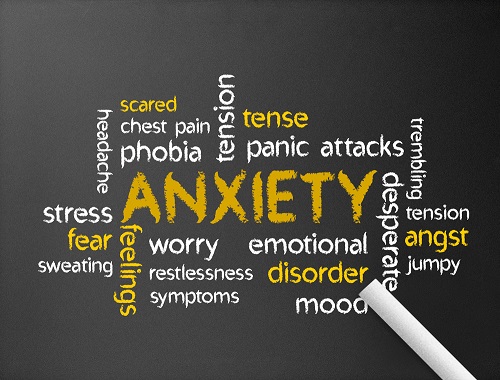
Anxiety disorders make up the largest amount of mental illness cases in the U.S., affecting 18.1 percent of the population each year, according to the Anxiety and Depression Association of America. Anxiety disorders can develop from various risk factors including genetics, personality, brain chemistry, life events, and the environment you live in. When left untreated, anxiety disorders can lead to other mental health problems, like depression, or even physical health problems, like high blood pressure. Thankfully, anxiety disorders are highly treatable and can be avoided by making some lifestyle changes. One thing that is changing how people deal with anxiety disorders is smart home technology. Thanks to new innovations, there are ways that smart home technologies can help people reduce their anxiety.

They take the stress out of home management

A potential source of anxiety and stress for homeowners is having to worry about whether or not some important home appliances or components are working properly. With smart home technologies, you don’t need to worry much about that. Most smart home technologies work independently and are built to work efficiently with as little maintenance as possible. For example, with a properly wired smart thermostat, you can relax knowing that your internal home temperature is always at your preferred level. You can use it to monitor or change the temperature in your home even when thousands of miles away.

You can use some smart home technologies to relax 

An anxiety attack can happen at any time when you are at home. If you suffer from an anxiety attack, you may require immediate guidance in dealing with it, which is where a smart speaker comes in. There are skills designed for smart speakers that can help you tackle some of your anxiety problems. For example, Mindscape is a free therapy skill for Google Home and Amazon Alexa that can help you relax by taking you through breathing exercises and asking you about the issues causing your mental distress. Through the smart speakers, the skill can offer you targeted advice on how to overcome what’s bothering you so that you can reduce your anxiety.

They boost safety and security at home 

Feeling perfectly secure at home is vital for people with anxiety disorders. You can use various smart home devices to boost security and safety at home. For example, smart cameras paired with smart sensors can keep an eye on your home at all times and alert you and the authorities immediately when there is an intruder. Similarly, smart fire alarms continually monitor your home and alert you when there is a fire so that you can spring into action and save yourself from property loss or injuries. Smart carbon monoxide detectors also give you peace of mind knowing that there are no traces of the dangerous gas in your home.

Anxiety disorders can make it hard to relax even in your own home. Luckily, you can invest in various smart home technologies that can drastically reduce your anxieties so that you can live a stress-free life at home.


Please also review AIHCP’s Stress Management Consulting Program and see if it matches your academic and professional goals.  The program in online and independent study and open to qualified professionals.
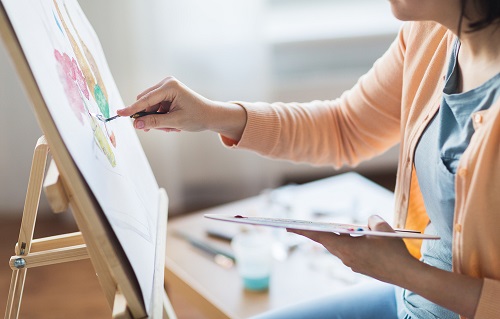
How can Art Aid in the Battle against Cancer-Related Anxiety and Depression?

Written by Lucy Peters

Depression affects up to 20% and anxiety 10% of people with cancer, compared to 5% and 7%, respectively, of the general population – as per a 2018 study (by Alexandra Pittman), published in the British Medical Journal. Treating these mental conditions is vital, say researchers, because when they are ignored, both quality of life and survival, are reduced. Specific types of cancer (e.g. lung cancer) are thought to release specific chemicals which are tied into depression, while some treatments (such as chemotherapy) are also linked to this mental condition. Because antidepressant medications can interact poorly with some cancer treatments, health professionals are constantly on the lookout for natural ways to combat anxiety and depression, especially in mild-to-moderate cases. Among a small group of therapies (which includes yoga and mindfulness meditation), art creation is also proving powerful, as found in specific studies.

Art Therapy Can Reduce Pain and Anxiety in Cancer Symptoms

A study (by researchers at Northwestern Memorial Hospital) published in the Journal of Pain and Symptom Management found that art therapy could quell a wide array of symptoms related to pain and anxiety in patients with cancer. The study involved 50 patients at Northwestern Memorial, who took part in the study for four months. During this time, said scientists, art therapy distracted patients from their disease, enabling them to focus on a positive activity they felt in control of. At the end of the study period, patients found that eight out of nine symptoms in the ESAS (Edmonton Symptom Assessment Scale) were reduced. These included depression, anxiety, drowsiness, shortness of breath, and poor appetite. The only symptom on the scale that was not alleviated, was that of nausea.

Art Therapy is Easy, Cost-Effective and Powerful

Art can essentially be practiced by people of all ages – not only those with talent. The advent of new digital technologies mean that the average tech user has many devices at hand that can help them create beautiful artworks. Those into pencil drawing, meanwhile, can find numerous tutorials on drawing faces, figures, and even nature forms – all with just a click or two of their tablet or smartphone. Therefore, art creation can extend to beyond the works created in a formal therapeutical setting. Art can become a hobby that fervent creators can get ‘lost in’ as they seize the present moment and use it to express their current thoughts and emotions.

Art Therapies and Cancer Carers

A study undertaken this year by scientists at Drexel University found that in the battle against cancer, art therapy can help those who care for those who are ill. This is true whether or not the carer is a professional – such as a nurse – or a loved one of the person battling the disease. The researchers stated that families and oncology professionals can experience negative effects while caring for someone who is ill – including compassion fatigue, not having enough time to self-care, and (in the case of family) financial concerns. In the study, a total of 34 caregivers enjoyed 45 minutes of art therapy, creating art and discussing its significance afterwards. Before and after each session, participants were given surveys to report positive and negative feelings (including stress and anxiety). After art therapy, they expressed increases in enjoyment and positivity, and a decrease in negative emotions.

Research has shown that art therapy can help cancer patients battle anxiety and depression. Art has also been found to be beneficial to carers, who can face significant stress when a patient or loved one is diagnosed with cancer. Art is increasingly being used to boost the quality of life of cancer patients, and reduce the stress associated with the disease itself and its treatment.


Please also review AIHCP’s Stress Management Consulting Program and see if it matches your academic and professional goals.  The program in online and independent study and open to qualified professionals.
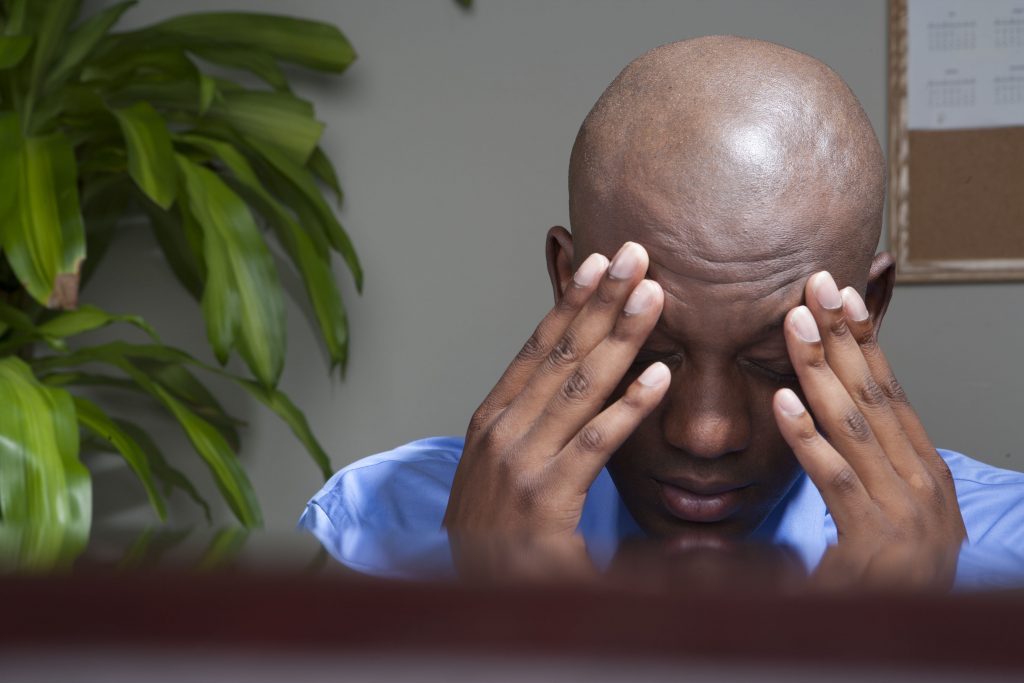
Exercise: A Natural, Powerful Way to Battle Anxiety in Teens

Written by Lucy Peters

Almost one in three teens aged 13 to 18 will experience an anxiety disorder at some point, as reported by the National Institutes of Health. The rise in anxiety is caused by a bevy of factors, including pressure to succeed academically and at sports, fears of threatening events such as shootings, and the link between their self-esteem and social media. Anxiety, when severe, can be debilitating, potentially stopping children and youths from attending school or leading a healthy social life. It is vital for children to learn how to stop an anxiety attack in its tracks, above all because this ability will place them in good stead for the rest of their lives. One method proven to be highly successful is that of physical activity – something that many children aren’t getting enough of (thus the growing obesity rates).

Exercise and Teen Anxiety

A study by researchers at the University of Vermont on highschool students found that regular exercise significantly reduces suicidal attempts by 23% in bullied teens. Research undertaken at the University of Toronto also found that participation in cardiovascular exercise and sports (including basketball, soccer, and gymnastics) enjoyed better mental health and lower levels of stress. As stated by Professor J. Raglin of the Kinesiology Department of Indiana University-Bloomington, working out regularly can improve clinical anxiety and depression “to such a degree that it rivals medication.”

Taking it Home

Older teens in particular can find it hard to find the time to play sport or head for the gym, particularly when they are preparing for final exams. Exercise in the great outdoors wields unique benefits, since nature itself is a powerful stress-buster. However, kids or parents with limited time can bring the gym home. Children can get their hearts racing by working out to recorded cardio sessions or by working up a sweat on a spin bike or treadmill. These machines have features that allow users to alter aspects like speed and inclination. Kids who are active and energetic can opt for either machine. However, if they have issues like backache or they simply prefer cycling, a stationary bike might be their best option. They are an ideal component of a home gym, which can also comprise a few free weights, space for dancing or doing aerobics, and a corner for a good sound system.

Welcoming Holistic Exercise

In addition to performing traditional forms of exercise, kids might like to try yoga or Tai Chi. Both practices have been found in various studies to lower levels of stress hormones like cortisol (which when present at high levels, can trigger anxiety and panic attacks). In one study published in the Journal of Developmental & Behavioral Pediatrics, researchers found that yoga classes have powerful psychological effects for high school students, improving mood and anxiety. As a deeply mindful activity, yoga can also help children improve self-regulatory skills like resilience and control over how they express anger.

When it comes to tackling anxiety in teens, exercise is a beneficial tool to include in one’s strategy. From playing sports to exercising at home, there are many ways to naturally lower stress levels while also working on improving body mass levels, strength, and flexibility. In addition to cardiovascular workouts, kids should also complete resistance exercises and consider including mindful activities into the equation – to further boost the stress-relieving effects of physical activity.


Please also review AIHCP’s Health Care Life Coach Program and see if it matches your academic and professional goals.  The program in online and independent study and open to qualified professionals.
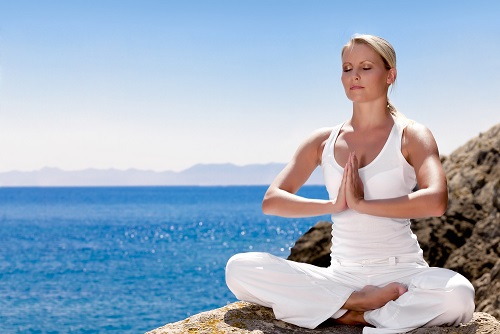
Mindfulness As A Panic Attack Treatment For The Modern Age

Written by Lucy Peters

Roughly four million American adults experience panic attacks, according to the National Institutes of Mental Health. While therapy, medication, a good diet and plenty of exercise are commonly prescribed for panic disorders, meditation is often overlooked. But it shouldn’t be. Filtering one’s thoughts can prevent, or stop, panic attacks just as effectively as any other technique. Although there are a few ways to meditate the panic away, mindfulness is especially effective for panic disorders that are enabled by contemporary culture.

Mindfulness Meditation

This type of meditation emphasizes the non-judgmental awareness of one’s thoughts as they arise. It also directs your awareness to the present rather than the future. Since panic attacks are generally caused by an overwhelming fear of a hypothetical future, mindfulness can be incredibly beneficial in such situations. When the feeling of panic strikes, people who have learned mindfulness techniques can investigate the panic, decide that it’s not worth being stressed about, take deep breaths to relieve the physical discomfort that accompanies a panic attack, and focus on their breathing to release negative thoughts and ground themselves in the moment. Mindfulness masters like Dr. Jon Kabat-Zinn can literally visualize the negative thoughts coming and going away, thus freeing themselves of suffering. Once this practice has been repeated and mastered, they will have control over the panic disorder, rather than the panic disorder controlling them.

The Cultural Cause

While there are countless causes for panic disorders, many experts agree that social media can exacerbate the anxiety symptoms that lead to panic attacks. This means that the cultural component of panic may be larger than in previous generations. People who use Facebook, Instagram, Twitter and Snapchat may be susceptible to feelings of inadequacy, dissatisfaction and paranoia: inadequacy because they compare their lives to those of the more affluent social media users; dissatisfaction because social media highlights events that they wish they could have been a part of; and paranoia because social media is a sensationalized version of the news. Since children devote a larger portion of their lives to social media than adults (2 hours 55 minutes a day for Gen Z versus 2 hours for Gen X, according to Global Web Index), they are more at risk of these social-media inspired cognitive distortions. To curb these feelings before they conspire for an all-out attack, both children and adult social media users should engage in mindfulness. In fact, meditation sessions can be a family affair. Parents can introduce mindfulness techniques to their children: members of a generation that is, according to the APA Stress in America survey, 12 percent more likely to report poor mental health than the generation that came before.

Living A Panic-Free Life

Once meditation has been incorporated into an individual’s self-care routine, there is no limit to what he or she can accomplish. Think of mindfulness as a superpower that is activated whenever its host is feeling mentally unwell. Meditation doesn’t only work on panic attacks, but on anxiety, depression, addiction and everyday stress and sadness. This person is then able to thwart negative thoughts of any kind with rationalization, deep breathing, and moment-by-moment awareness.

Although panic disorders are most often associated with adults, they can be experience by anyone, especially if they are entrenched in social media. While social media is not the sole cause of generational anxiety, it’s definitely an enabler. Luckily, mindfulness exists as a counterbalance.


Also please review our Meditation Instructor Certification and see if it matches your educational and professional goals.


Helping Patients Who Suffer from Both Addiction and Psychiatric Disorders

BY: Lizzie Weakley 

Often, mental illness and drug addiction go hand in hand. This is because when people use drugs, it is typically due to an underlying mental issue, such as depression and anxiety. Also, using drugs can trigger various types of mental disorders. Therefore, it is important to take a comprehensive approach when treating patients in order to determine if they have a mental disorder that needs to be addressed along with their treatment for addiction. The following information will provide a closer look at ways you can help patients who are suffering from both conditions in order to ensure a full and lasting recovery:

Develop an Integrated Treatment Plan

An integrated treatment plan will help to effectively address both the mental illness and the addiction. Examples of helpful methods include starting off with a medical detox when necessary. This will allow the patient to come off of the drugs or alcohol in a safe way. Once this is completed, the patient should be thoroughly evaluated in order to determine a proper diagnosis as well as a proper recovery plan. From here, it can be helpful to provide the patient with various types of therapy, such as one-on-one sessions and group sessions. This will allow them to work through their underlying issues that lead to addiction in the first place and can also give them the opportunity to relate to and empathize with others in a similar situation, which will show them that they are not alone and that they can work through their problems with others, which can help to achieve more meaningful and lasting results. Overall, a dual diagnosis treatment program can allow the patient to focus on healing from both their mental illness as well as their addiction and develop effective coping mechanisms for both issues.

Create an Aftercare Plan

Both mental illness and addiction can be an ongoing issue. Therefore, you will need to ensure that you provide patients with the proper tools they need to succeed beyond just the recovery phase. It can be helpful to encourage patients to continue attending therapy sessions during their transition back into normal life. It can also be beneficial to ensure that the patient is able to build a strong support system and is able to successfully navigate conflict. By building a support system, this will ensure that they have people who are there to help them during difficult times, and learning to effectively navigate conflict will ensure that they don’t become too overwhelmed when things go wrong, which will ensure they are able to fight the temptation to use again.

Overall, dealing with both addiction and mental illness can be a difficult process. There are likely many underlying issues that will need to be addressed and worked through. The aforementioned information makes a great starting point in order to ensure that patients are able to fully recover and go on to live normal healthy lives. Reintegrating back into society can often be difficult. So, it is important that you take the proper steps to ensure that patients are well-prepared to return to independent living and that they have the proper tools and knowledge needed to be successful.


Please also review AIHCP’s Substance Abuse Practitioner Program and see if it matches your academic and professional goals.  The program in online and independent study and open to qualified professionals seeking.

Vitamin A: An Effective Acne Treatment

BY: Dominick L. Flarey, Ph.D, RN, ANP-BC

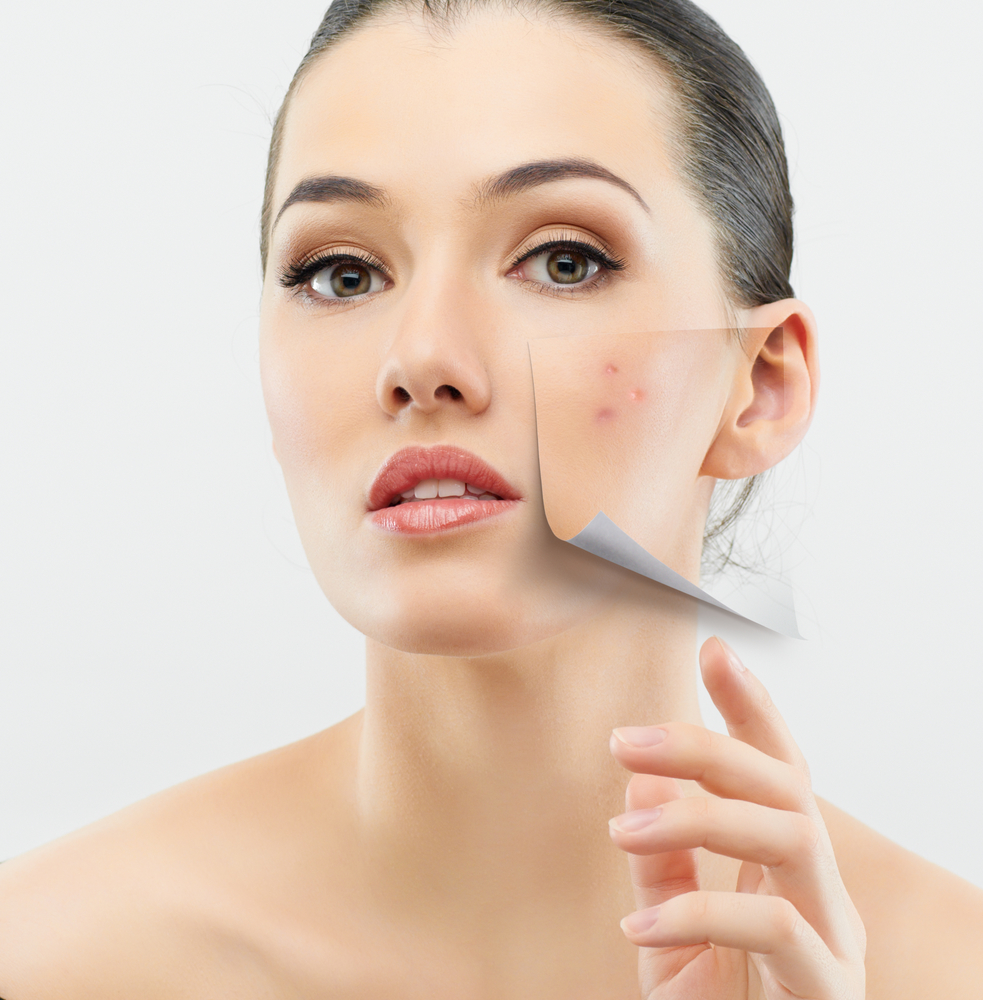
Acne has been found to have a genetic component to it. Its root cause is due to the skins pore cells turning over a large number of dead cells. This pathophysiology results in the development of acne. This is one scientific, modern day theory. Vitamin A works well for acne as its mechanism of action is to prevent and or significantly slow the rapid proliferation of cell turnover. (1)  The pharmaceutical companies have certainly capitalized on its high level of effectiveness. We see evidence of this in the prescription medications Isotrex and Accutane, in which Vitamin A make up a major component of the products. (2)

How can acne be treated effectively? We have found that there are really two main paths to its effective care and treatment: medications and nutrition. In both of these scenarios Vitamin A plays a significant role. A patient suffering with acne may be guided by a licensed health care practitioner to carefully increase their intake of Vitamin A in their diet through vitamin A enriched foods or by taking supplements. Another way is for clients to take prescribed medication treatments such as facial creams and lotions that contain Vitamin A, and have proven to be very effective treatments. (3)


Many patients prefer to use dietary means to boost their Vitamin A levels. However, this can be a difficult way to obtain the added boost needed to help with their acne problems. As such, it is often recommended by professional Dieticians and licensed Health Care Prof

essionals that clients also take a daily supplement of the Vitamin in order to provide effective care for acne. Many will recommend a dose of 5,000 IU a day. (4)  It is important that clients ask their health care provider what is the correct and recommended does to take for them. Clients should not self-medicate. Vitamin A is a fat -soluble vitamin and it stores up in the body. Taking too much Vitamin A can cause a toxicity and can ultimately be harmful.

It is interesting to note that one study that was conducted using the Vitamin to treat acne showed that is was non-effective. Doses used were somewhere between 50,000 and 100,000 IU. The researchers then repeated their study using very high doses; 300,000 IU for women and 500,000 for men. The subjects remained on these large doses for three to five months and then were gradually weaned off. The outcomes of the repeat study showed that the high doses were effective in treating the acne. It is noted that after controlling the acne in the research subjects, they went on to continue treatments without the use of Vitamin A, to remain in remission. (5)

More commonly today, physicians and other prescribing licensed health care practitioners are providing patients with topical creams and ointments which contain Vitamin A and are applied directly on the face or other areas of the body where the acne is. The pharmaceutical industry actually alters the Vitamin A and develops it into a Retinoid. The Mayo Clinic has stated that retinoids are actually a very preferred treatment for acne. They heal the skin rapidly and they have a real propensity to regenerate new skin. (6)

Can a Vitamin A deficiency in the body lead to the development of acne? It seems this can be so. When one is deficient in Vitamin A, the body can respond by developing inflammation and also by exacerbating any existing states of inflammation, such as an acne condition. (8) A high functioning immune system is dependent on many things, one of which is adequate and healthy levels of Vitamin A. Some of the benefits of having good Vitamin A levels include; keeping your skin resistant to acne causing bacteria, and balancing hormones so that your body does not produce excess sebum thus causing an acne breakout. (8)   Vitamin A is also vital in assisting the body to strengthen the skin’s tissues. (9)

In conclusion, as Vitamin A will rapidly increase skin cell maturity, stop over proliferation of cells, help balance hormones and actually strengthen skin tissue, it is really one of the best courses of treatment that we have available today in treating acne. It is important, again, to remember that with Vitamin A, too much is not good at all, and may even be toxic and harmful to one’s health. Always consult your health care provider before taking Vitamin A as a treatment for acne. You may also wish to consult with a Certified Health Care Coach who can help you learn all about Vitamin A and the safety issues when taking it.


References

  1. https://www.healthline.com/health/minerals-vitamins-for-acne]
  2. https://www.victoriahealth.com/editorial/take-control-of-your-acne
  3. https://www.md-health.com/Vitamin-A-For-Acne.html
  4. https://vitamins.lovetoknow.com/What_Vitamins_Are_Good_for_Acne


Passion Flower: Does it Really Calm Anxiety?

By: D. L. Flarey, Ph.D, RN, ANP-BC

Passionflower is mostly known for its calming qualities; it has an extensive history of use in calming those who are stressed and nervous. Passion flower was used by Native Americans for its sedative qualities, and was used in Europe as early as the 16th century for its ability to support a calm, positive state of mind. Current analysis has confirmed these practices, indicating passionflower’s calmative quality is due to a flavonoid called chrysin. Chrysin is thought to help regulate GABA (gamma-aminobutyric acid), a neurotransmitter in the brain and nervous system that manages nerve excitability. (1)

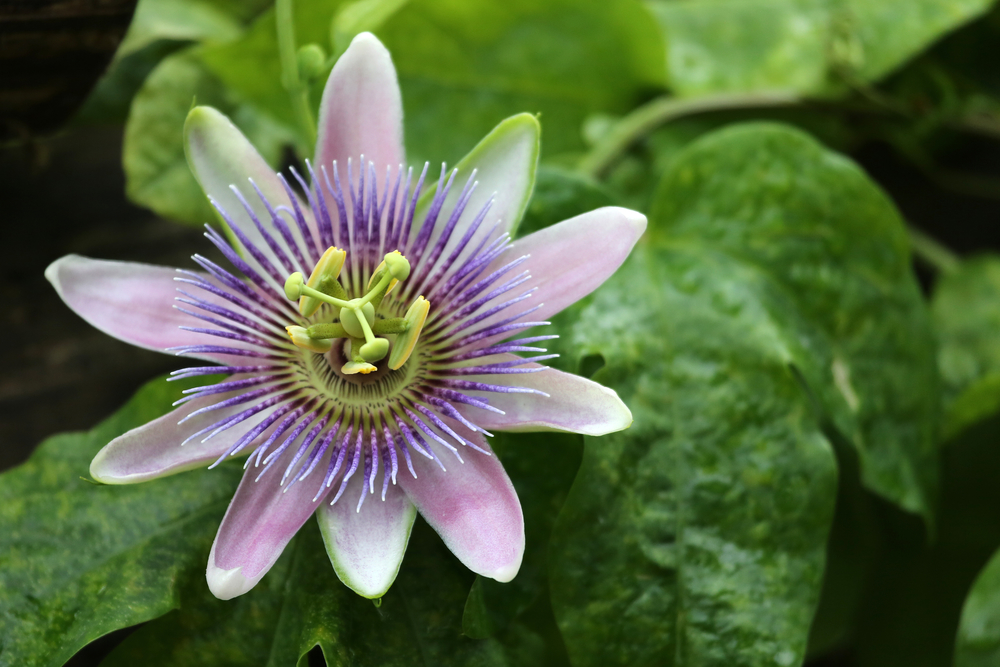
Passion flower was initially identified by the Spanish while exploring Peru. Its name was derived from the concept that the blossom was a symbol of Christ’s passion and also it was an indication of His favor of their exploration. The different parts of the flower petal are described as expressions pertaining to the passion of Jesus Christ, for instance, the crown of thorns being actually symbolized by the hair like fibers numbering in the hundreds in each petal. (2)


Calming Anxiety

According to the research, passion flower has typically been administered for nervous anxiety, insomnia, pain, restlessness, anger, and hysteria. The ability for passion flower to support these disorders is believed to be the result of the substance benzoflavone, chrysin, and the pyrone derivative maltol. (3)

Chrysin is a monoflavonoid, regarded to be the principal active component made from Passion Flower. In laboratory settings, specialists have demonstrated that Chrysin functions as a partial agonist of the core benzodiazepine receptors in the brain. Although the exact system of action is not precisely understood, it is thought that the blend of Flavonoids in Passion Flower contribute to its efficiency as an anxiolytic, helping to promote relaxation, alleviate stress and ease intermittent anxiety and panic triggered by emotionally charged tension. (4)

Working together, passion flower’s anxiety-soothing, sleep-promoting top qualities join abilities to give you one greatest health benefit in the end: relaxation and peace of mind. When working with different anti-anxiety natural combinations, the plant could very well possibly achieve much more for peace of mind and sleep. (5)

According to European medical data, passion flower is recognized for its effect in treating nervous restlessness, uneasiness, irritability, vegetative dystonia, agitated mind, and sleep disorders. Additionally, investigations have certainly shown improved cognitive focus levels and relief of anxiousness. (6)


Studies on Passion Flower

There actually have been research examinations completed on passion flower going back to the 1930’s which have identified it aids to induce relaxation which brings about a deeper sleep, and almost eradicates sleep loss. Its mechanism of action, however, is actually very distinct than prescription sleep drugs, thus an individual does not need to feel uneasy about an artificially prompted sleep or awakening with a drug-like experience. (2)

Animals administered doses of 150 milligrams per kilogram body weight passed even more time in open, unguarded and elevated areas during the course of a maze experiment. Also, the supplement did not necessarily lead to either a sedative or arousing effect. A report written in the March 2010 “Journal of Ethnopharmacology” found that low doses of passion flower extract reduced anxiety, while higher doses produced a sedative effect. (7)

Passion flower may also work as a mild relaxing natural treatment. The tranquil effect by itself does not typically lead to drowsiness, so it is a particularly beneficial day time tranquilizer. Moderate use supports a feeling of tranquility, without side effects, and without the likelihood of chemical dependency or habit-formation. (6)

People have indeed used passion flower typically to manage stress, and continue to do so today. A study written in the October 2001 issue of the “Journal of Clinical Pharmacy and Therapeutics” identified that passion flower was as beneficial as the pharmaceutical drug oxazepam for managing generalized anxiety disorder. An overview of research studies published in the February 2006 issue of the “British Journal of Psychiatry” reveals passion flower having potential for calmative use in many people with psychological health disorders. (8)

Passion flower typically has been less popular than Valerian Root, however, in a new study of well-known herbal calmatives in Great Britain, passion flower did slightly better than Valerian Root and took the leading honor. Passion flower is taken essentially as a calmative or nervine to combat excess anxiousness and anxiety, to tranquilize, and to induce sleep; as an anodyne, anti-spasmodic and anti-convulsant and to manage dysmenorrhea and muscle cramps. Primarily, passion flower is utilized world-wide as a light calmative that abates anxiety, nervous tension, high blood pressure, and encourages sleep. It has furthermore been utilized as an antispasmodic (or spasmolytic) in the treatment of muscle cramps, seizures, premenstrual tension, and even epilepsy. Passion flower preparations have actually been observed to eliminate nervous symptoms and cramps that restrict sleep, and to produce a tranquil and deep sleep free from constant awakenings and disturbances. The antispasmodic action is even effectively used in the treatment of respiratory asthma. Passion flower is well known for its analgesic or anodyne action. (9)

Even though investigators formerly believed that the alkaloids and flavonoids in passion flower caused its calmative and anxiolytic effect, modern studies suggest that the amino acids in the botanical herb may well be responsible. This is actually because these particular amino acids are able to increase GABA levels in the human body. (10)


Conclusion

Passion flower is generally regarded safe and very well tolerated by many people. There is insufficient data about negative side effects and possible pharmaceutical interactions. Passion flower may possibly interact with various other medications or treatments, so if changes to physical health develop, promptly contact a primary care physician (3) or a certified holistic nurse.


Assisting Your Patients in Overcoming Heroin Addiction

Written by Lizzie Weakley, a freelance writer from Columbus, Ohio.


With the unprecedented rise of opium addiction, you are probably seeing more patients with serious addiction issues who need medical help. Some are living basically functional lives, but their drug use is threatening to get out of control. Other users are hooked on heroin and have become unable to care for themselves, possibly facing overdose or death if they cannot stop using this destructive drug. The following strategies may be able to help heroin-addicted patients.

Cognitive Therapy

People who are addicted to a strong substance like heroin often benefit from cognitive therapy, or professional counseling. This approach assists patients in addressing core issues that may be causes or triggers for the addiction, such as a troubled childhood, mental health problems, or contributory circumstances like finances or dysfunctional relationships. Dealing with root causes can often help an addict to bring heroin use under control.

Detox Heroin Treatment

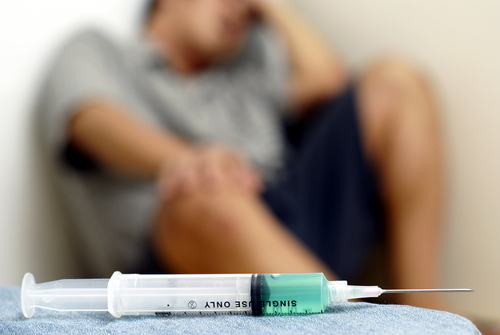
Heroin is both physically and mentally addictive. Used consistently, it disrupts normal life and puts someone on the path to destruction. Many addiction specialists recommend detox heroin treatment to completely clear the drug from both the body and the mind, and enable the person to regain normal function of both. There are both in-house and outpatient options, depending on the level of addiction the patient is struggling with, as well as lifestyle responsibilities like a job and family. Completing a detox heroin treatment program is often the first step toward a successful recovery.

Community Support Group

Heroin addiction recovery can also be reinforced by joining a community support group. The group is typically led by a professional therapist or a successfully recovered person with some level of education or training. Group members help each other by providing accountability, sharing encouragement, and reinforcing a recovery lifestyle. Support groups meet at different times, sometimes daily or weekly. Consistent attendance has been shown to be an effective tool in achieving and maintaining recovery. You can have information for support groups in your office, facilitate the meeting places for such places, or run them, if you have the required training.

Medical Referral

Some addicts are dealing with a number of physical or mental ailments, which may be contributing to the heroin addiction. If you are a general practitioner, you may need to refer your patient to a specialist who can treat the auxiliary problems that are debilitating the patient, along with facilitating heroin addiction recovery. Keeping pamphlets around the office and having the information on hand for patients who talk to you about their addiction is a good place to start.

Although heroin addiction is highly destructive, it can be effectively treated. Give your patients the tools they need to be able to treat their addiction at the root level in order for recovery to be successful. Teaming up with other doctors, therapists, and health care providers in your area can enable you to help patients who suffer from addiction, even if such treatment is outside of your expertise. Just by giving patients the information they need, by incorporating some of the above methods, or even just facilitating them, you can help save the lives of those under your care.


Please also review AIHCP’s Substance Abuse Practitioner Program and see if it matches your academic and professional goals.  The program in online and independent study and open to qualified professionals.

Legal Nurse Consulting Program Guest Blog Article

4 Common Auto Accident Injuries and How to Handle Them

Auto accident injuries can negatively impact your physical, mental and financial wellbeing in many ways. Getting the proper treatment if you’ve been in an auto accident and taking other measures to rectify the situation can help restore your quality of life. Here are some of the most common auto accident injuries and what you can do to treat them.


Burns

Burns can occur when a vehicle catches fire, when parts of the body are grazed, or parts of the body are pressed up against a hot surface during an accident. Burns may range from minor first-degree burns to major third-degree burns that need prompt treatment to prevent infection, minimize scarring and address other health concerns. Burn units in hospitals treat the most severely burned patients, but burns that aren’t as serious in nature can often be treated using antibiotic ointments or household items like honey or lotion containing aloe vera. After being seen by a professional, aloe and coconut oil are often very helpful in soothing the itching dryness that often accompanies burn injuries.

Broken Bones

Vehicle impacts can result in broken bones. Arm, leg and pelvic bones are among the most commonly broken in car accidents. You may also sustain damage to facial bones, which may need cosmetic surgery to fix. Doctors will usually prescribe casts, slings or splints to stabilize appendages where bone are broken and facility healing. Though bones will typically heal on their own with time, it is important to take time off of work as recommended by your doctor to allow the break to set before attempting to put weight on it again.

Concussion

A concussion is a traumatic brain injury that sometimes results in loss of consciousness, persistent dizziness and vision problems. Cognitive skills and emotional reasoning can also be negatively affected after sustaining a concussion. The best treatment for a concussion is usually prolonged physical and mental rest. If a concussion makes it difficult for you to return to your normal work functions, resulting in a loss of income, there are auto accident injury attorney services that can help you get compensation for your financial and personal losses.

Whiplash

The sudden back-and-forth movement of your head and neck that might occur during a collision can result in whiplash. This condition often causes symptoms like neck pain, muscle stiffness and headaches that can greatly interfere with daily life. Resting the head and neck can help facilitate healing and minimize pain. Chiropractic care and physical therapy are other treatment methods that often prove to be effective. While you may not recognize whiplash at first, prolonged back and neck pain after an accident are clear signs of whiplash that should be addressed as soon as possible.

Taking proactive measures to treat your auto accident injuries will increase your chances of faster recovery and help minimize the hassle of dealing with such an unfortunate incident. Seeking the right medical treatment and legal guidance can help you move on from your accident injuries while sustaining minimal losses overall to your personal and financial wellbeing.


Author Meghan Belnap, Blogger, Researcher and Freelance Writer

Also please review our Legal Nurse Consulting Program and see if it matches your educational and professional goals.