
4 Ways Aging Can Increase the Risk of Peripheral Neuropathy 

nurse examining elderly patient's hand. Written by Deepika

Has your pursuit of pathology created a kind of professional familiarity?

Perhaps the most precious thing that healthcare professionals must preserve is their awe of the sophistication of the human body. When studied closely, it is truly mind-blowing how extraordinary the most normal function is. 

Peripheral neuropathy offers a rare glimpse behind the veil. A single pain signal transferring between the brain and the spinal cord through various nerves can remind us of the wonders of biological engineering. 

Patients with this disorder may feel unusual sensations, like burning without heat or pain from the touch of a bedsheet. Every feeling of warmth, pressure, texture, etc., is not something the human body possesses, but one that is meticulously constructed. The dialogue is so silent that most people are completely unaware of the complexity that allows us to distinguish a handshake from a thorn. 

Peripheral neuropathy affects an estimated 1% of adults worldwide, and the risks tend to increase with age. This article will explore four ways in which this connection takes place and why understanding it is important for better patient care. 


Changes in Nerve Function 

This is perhaps the most obvious way in which aging and peripheral neuropathy are directly proportional. The nervous system has the power to remain remarkably resilient throughout an individual’s life. However, aging is one phenomenon to which it must succumb. 

With time, nerves become less efficient in transmitting signals. Plus, the body’s ability to repair damaged nerve tissue declines. 

As shared by the National Institute of Neurological Disorders and Stroke, most neuropathies are considered length-dependent. This means their symptoms typically develop first in the nerve endings farthest from the brain and spinal cord. The nerves serving the feet and lower legs are among the longest in the body. 

Consequently, feet and legs are frequently the first areas where nerve dysfunction is detected. As Neuropathy Relief Centres notes, symptoms may range from mild discomfort to severe pain that impacts everyday activities. 

So, when someone complains of tingling or numbness in their lower extremities, especially older adults, they must not be dismissed. Further evaluation and timely treatment for neuropathy in legs and feet may preserve function, mobility, and quality of life.

The Appropriate Healthcare Response 

  • Older adults should be checked for sensory symptoms. 
  • Each routine test should involve questions regarding changes in balance, mobility, and foot sensation. 
  • Regular neurological and foot assessments are essential. 
  • Patients must be educated about symptoms that cannot be treated as a normal part of aging. 


A Higher Prevalence of Chronic Diseases 

Aging itself is considered to be the biggest risk factor for almost every chronic disease out there, be it diabetes or cardiovascular problems. Albert Higgins-Chen, the assistant professor of psychiatry at the Yale School of Medicine, said something that supports this idea. 

He remarked that “If you cured cancer tomorrow, the average life expectancy would probably go up only by a couple of years.” That’s because the patient may end up battling some other chronic disease due to aging. 

Even peripheral neuropathy risk increases with age, since the body becomes more vulnerable to nerve damage under the stress of chronic diseases. Some conditions damage the nerves themselves, whereas others affect the blood vessels that supply rich oxygen and nutrients. Here are a few chronic conditions particularly associated with peripheral neuropathy:

  • Diabetes, where consistently high blood glucose levels can damage both nerves and the small blood vessels that support them 
  • Chronic kidney disease, where poor kidney function allows waste products to accumulate in the bloodstream and contribute to sensory disturbances 
  • Peripheral vascular disease, where poor circulation prevents a healthy supply of oxygen and nutrients to the peripheral nerves 
  • Autoimmune disorders, where conditions like rheumatoid arthritis and lupus contribute to inflammatory processes that affect the nervous system 

Healthcare professionals need to consider this connection in light of rising life expectancy. Many patients now live with conditions that once threatened to cut their lives short. Indeed, this is something positive, but it also means that nerves may be exposed to years (or even decades) of metabolic stress, inflammation, and medication effects. 

The Appropriate Healthcare Response 

  • Patients at a higher risk should be screened regularly. 
  • It is crucial to monitor the progression of chronic diseases closely. 
  • Patients must receive proper and thorough education on early symptoms. 
  • Multidisciplinary care is a must, especially for patients with multiple chronic conditions. 


A Longer History of Medical Treatments and Medication 

Certain medical treatments and medications act as a double-edged sword. While they can play a key role in managing diseases, their flip side is the increased risk of damage to nerve health over time. 

Now, this relationship is also closely tied to aging itself. With time, people are likely to develop chronic conditions, multiple in some cases, for which they opt for medication and other treatments. 

Each intervention may be necessary on its own, but the cumulative exposure contributes to adverse effects and complications. Here are the common treatment-related aging factors that increase the risk of peripheral neuropathy:

  • Certain chemotherapy agents may lead to chemotherapy-induced peripheral neuropathy (CIPN) 
  • Polypharmacy or multiple medications taken concurrently 
  • Long-term medication use in vulnerable populations 

A younger adult may not have the same level of interaction with the healthcare system as an older adult. After all, a 2025 systematic review confirmed that almost half of older adults had two or more chronic conditions for which they were undergoing treatments. 

This review involved over 700,000 older adults worldwide, and the prevalence of multimorbidity was 46%. Now, treatments in all these cases are likely to get complex with time, only to create more room for complications. 

The Appropriate Healthcare Response 

  • Medication lists need to be reviewed regularly. 
  • Patients receiving therapies known to affect nerve function need to be monitored closely. 
  • Medication interactions in patients with polypharmacy should be evaluated. 
  • Collaboration with other specialists is a must when treatment-related neuropathy is suspected. 


Greater Vulnerability to Nutritional Deficiencies 

Another way aging increases the risk of peripheral neuropathy is by making older adults more susceptible to nutritional deficiencies. Nutrition is often automatically linked with general health and energy levels. 

However, its role in nerve function cannot be denied. Peripheral nerves rely on a steady supply of vitamins and minerals to support repair processes and overall neurological health. In case of a deficiency, nerve function may gradually decline, thereby increasing the chances of numbness, weakness, and altered sensation. 

With age, several factors can make it more difficult to absorb and utilize essential vitamins and minerals. These include changes in appetite, dietary restrictions, and even digestive issues. 

As per recent research involving 231 healthy older adults, it was discovered that lower vitamin B12 levels were linked to slower neurological processing. Now, what’s interesting is that the study also found that nervous system threats prevailed even for those whose B12 levels fell within the normal range. This means the line is quite thin when it comes to the effects of nutritional deficiencies on neurological health. 

The following nutrient deficiencies have often been found in association with peripheral neuropathy:

  • Vitamin B12, which is essential for maintaining healthy nerve tissue 
  • Folate, which may impair cellular and nerve function 
  • Vitamin B6 imbalances, whether it be deficiency or excess intake 
  • Vitamin E deficiency, as this vitamin protects nerve tissue from oxidative damage 
  • Copper deficiency, which may lead to sensory changes 

The Appropriate Healthcare Response 

  • The nutritional status of each patient should be checked regularly. 
  • Those at a higher risk of nutritional deficiencies require close monitoring. 
  • Dietary patterns and barriers to nutrition should also be considered. 
  • Patient history must be assessed for any medications that interfere with nutrient absorption. 


FAQs 

What makes peripheral neuropathy more common among aging populations?

With age, nerves begin to lose their efficiency at transmitting signals to and from the brain. The body’s ability to repair nerve tissue is also affected. Furthermore, chronic diseases, multiple medications, and nutritional deficiencies only tend to accelerate the process, both of aging and nerve damage or peripheral neuropathy. 

What are some early signs of peripheral neuropathy in older adults?

The earliest symptoms of peripheral neuropathy are usually length-dependent. This means they tend to occur in areas farthest from the brain. So, feet and legs are the first to show the signs. These may include tingling, numbness, balance difficulties, and unexplained weakness. 

Can lifestyle and healthcare interventions reduce the risk of peripheral neuropathy with age?

While aging itself cannot be prevented, many risk factors associated with peripheral neuropathy can be addressed. Regular medication reviews, nutritional assessments, and effective management of chronic diseases can help protect nerve health. With early identification of symptoms, healthcare professionals can intervene before nerve damage progresses. 


Recent Data on Peripheral Neuropathy 

Adults worldwide experiencing peripheral neuropathy 1%
2025 systematic review on adults worldwide with two or more chronic conditions undergoing treatments  Almost half of the 700,000+ older adults, with 46% multimorbidity 
Recent research involving 231 healthy older adults on the link between Vitamin B12 deficiency and neurological processing  Lower B12 levels linked to slower neurological processing 
National Institute of Neurological Disorders and Stroke on neuropathies  Considered to be length-dependent
2025 discovery in the field of peripheral nerve regeneration Signaling molecule CCL3 may help in peripheral nerve regeneration following injury 


If healthcare can recognize the aging factors of peripheral neuropathy early, steps can be taken to improve patient outcomes. At the same time, emerging research has offered a glimmer of hope. In 2025, researchers identified a signaling molecule called CCL3. It appears to play a critical role in peripheral nerve regeneration following injuries. 

If anything, this discovery is enabling scientists to understand the mechanisms damaged nerves use to repair themselves. Perhaps new therapies are on the horizon that may enhance nerve recovery?

Thankfully, now is the era of restorative healthcare approaches, something that stands true even for peripheral neuropathy. However, they need to be combined with early detection and patient education to reduce the impact on aging populations. 

References 

  1. Mauermann L. Michelle, Staff P. Nathan, et al. 2025. Peripheral Neuropathy A Review. JAMA Network. Volume 335, 3. 

https://jamanetwork.com/journals/jama/article-abstract/2841552

  1. Peripheral Neuropathy. 2026. National Institute of Neurological Disorders and Stroke.

https://www.ninds.nih.gov/health-information/disorders/peripheral-neuropathy

  1. Backman Isabella. 2024. The biology of aging. Yale Medicine Magazine.

https://medicine.yale.edu/news-article/the-biology-of-aging/

  1. Zhu Xianshang, Wang Zengrui, et al. 2025. About half of older adults have two or more chronic conditions at the same time: a systematic review and meta-analysis. PubMed Central

https://pmc.ncbi.nlm.nih.gov/articles/PMC12738304/

  1. Richard-Beaudry Alexandra, et al. 2025. Vitamin B12 levels association with functional and structural biomarkers of central nervous system injury in older adults. PubMed

https://pubmed.ncbi.nlm.nih.gov/39927551/

  1. Emmenis Van Lucie, Caballero-Modol Guillem, et al. 2025. Identification of CCL3 as a Schwann cell chemotactic factor essential for nerve regeneration. ScienceDirect. Volume 44. 

https://www.sciencedirect.com/science/article/pii/S2211124725000932

Author Bio

Deepika has over six years of experience as a writer and editor. Passionate about words and learning, she takes an interest in a variety of niches. Her knack for turning complex ideas into relatable narratives allows her to resonate with the reader. 

When her pen falls silent, you can find her engrossed in a novel or getting her hands messy with fine arts. By these, Deepika is committed to keeping her curiosity and creativity alive. 


Please also review AIHCP’s Life Coach Certification program and Life Coach Courses see if it meets your academic and professional goals.  These programs are online and independent study and open to qualified professionals seeking a four year certification
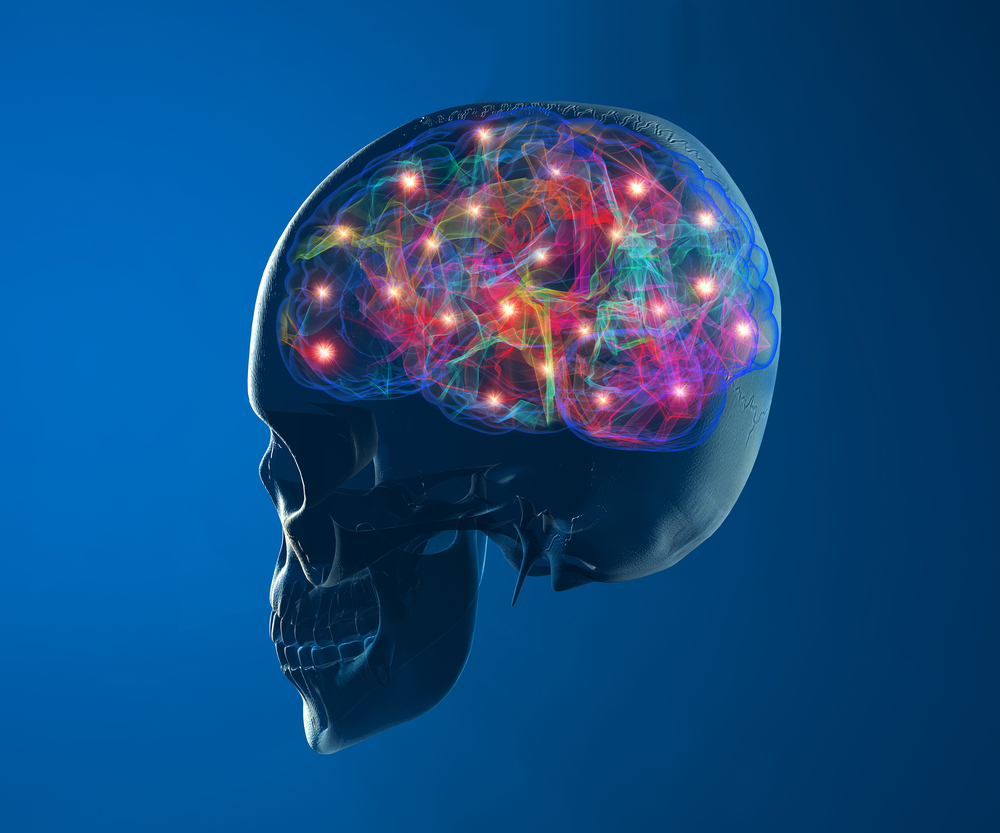
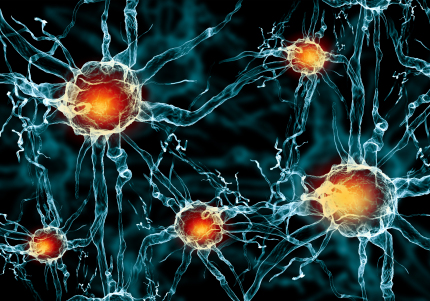
Neurotransmitters and Mental Health

The Impact of Neurotransmitters on Mental Health

Neurotransmitters play a crucial role in mental health, impacting mood, cognitive function, and overall well-being. Imbalances in neurotransmitters can lead to mental health disorders, including depression, anxiety, and schizophrenia. Understanding the modulation of neurotransmitters in psychiatric treatment is essential for addressing mental health challenges. This article explores the impact of neurotransmitters on mental health and the implications for treatment and well-being.

Neurotransmitters play a key role in our mental health in regards to depression and anxiety.


Key Takeaways

  • Neurotransmitters significantly impact mental health, influencing mood, motivation, and overall well-being.
  • Imbalances in dopamine and serotonin levels can lead to mood disorders such as depression and anxiety.
  • Positive mental health practices, such as mindfulness and stress management, have neuroprotective effects through neurotransmitter release.
  • Resilience and mental health are closely linked to the brain’s ability to adapt and recover from challenges, influenced by neuroplasticity and neurotransmitter activity.
  • Antidepressants impact neurotransmitters like serotonin, norepinephrine, and dopamine, encouraging neuroplasticity and mood improvement.

Neurotransmitters and Their Role in Mental Health

Understanding Neurotransmitters

Neurotransmitters are chemical messengers in the brain responsible for transmitting signals between nerve cells. These chemical messengers play a crucial role in influencing various functions, including moodmotivation, and emotional responses. Two important neurotransmitters, dopamine and serotonin, are known to increase the chances of happiness and a sense of well-being. They enable communication between brain cells, affecting the overall mental state. In the context of mental health, understanding the role of neurotransmitters is essential for developing effective treatment strategies and improving overall well-being.

The Impact of Neurotransmitters on Mood Regulation

Neurotransmitters such as serotonin (5-HT), dopamine (DA), and noradrenalin (NE) play a crucial role in mood regulation, motivation, and emotional stability. Imbalances in the production of these neurotransmitters can lead to mood disorders, including depression and anxiety. When serotonin and dopamine levels are well-balanced, individuals are more likely to experience emotional stability, happiness, and satisfaction in their daily lives. However, low levels of dopamine can result in a lack of motivation, pleasure, and feelings of reward, while low serotonin levels can impact mood and emotional well-being. Understanding the dominance and deficit of neurotransmitters in the body is essential for maintaining overall health and well-being.

Neurotransmitters and Cognitive Function

Neurotransmitters play a crucial role in cognitive function, impacting memory, learning, and decision-making processes. The table below provides a summary of the cognitive functions influenced by key neurotransmitters:

Neurotransmitter Cognitive Function
Acetylcholine Memory and learning
Serotonin Mood regulation
Dopamine Reward processing

Understanding the intricate relationship between neurotransmitters and cognitive function is essential for comprehending the complexities of mental health and neurological disorders. It is imperative to acknowledge the multifaceted nature of neurotransmitter activity and its profound impact on cognitive processes.

Neurotransmitter Imbalance and Mental Health Disorders

Recent research indicates that the disordered metabolism of neurotransmitters plays a significant role in the pathophysiological process of depression. Studies have specifically shown that three neurotransmitters – serotonin (5-HT)dopamine (DA), and noradrenalin (NE) – have a significant impact on the brain circuits involved in motivation, emotion regulation, cognitive performance, and psychological stress responses of Major Depressive Disorder (MDD). Dysfunction of neurotransmitter metabolism is associated with the severity of depression in first-diagnosed, drug-naïve depressed patients. It is reasonable to deduce that 5-HT dysregulation exists in the onset of MDD, while DA and NE are also abnormal. Additionally, research has discovered that the imbalance of tryptophan (TRP) metabolism is often present in patients with MDD.

Neurotransmitter Imbalance in Anxiety Disorders

Neurotransmitter imbalance in anxiety disorders is a complex phenomenon that involves the dysregulation of key neurotransmitters such as serotonindopamine, and norepinephrine. These neurotransmitters play a crucial role in modulating mood, emotional responses, and the body’s stress response system. The imbalance of these neurotransmitters can lead to heightened anxiety, panic attacks, and other symptoms associated with anxiety disorders.

To illustrate the impact of neurotransmitter imbalance in anxiety disorders, the following table presents the quantitative data on neurotransmitter levels in individuals with anxiety disorders compared to healthy individuals:

Neurotransmitter Anxiety Disorder Healthy Individuals
Serotonin Decreased Normal
Dopamine Fluctuating Stable
Norepinephrine Elevated Normal

It is important to note that neurotransmitter imbalance in anxiety disorders is a multifaceted issue that requires comprehensive assessment and personalized treatment approaches. Individuals with anxiety disorders may benefit from a combination of pharmacological interventions, psychotherapy, and lifestyle modifications to address the underlying neurotransmitter dysregulation.

Neurotransmitter modulation in anxiety disorders is a dynamic area of research, and ongoing studies are exploring novel therapeutic strategies to restore neurotransmitter balance and alleviate symptoms.

Neurotransmitter Dysfunction in Schizophrenia

Dysfunction of neurotransmitter metabolism is a critical factor in the severity of schizophrenia. The imbalance in the glutamine-glutamate-GABA cycle has been linked to elevated plasma γ-aminobutyrate/glutamate ratio, which may influence responses to antipsychotic treatment. This suggests a potential association between neurotransmitter dysfunction and the management of schizophrenia. Further research is needed to explore the implications of neurotransmitter imbalance in the pathophysiology of schizophrenia and its potential for targeted treatment strategies.

Neurotransmitter Modulation in Psychiatric Treatment

Pharmacological Modulation of Neurotransmitter Activity

Balance of certain amounts of levels of neurotransmitters are key to emotional and mental wellbeing


The pharmacological modulation of neurotransmitter activity plays a crucial role in psychiatric treatment. It involves the targeted manipulation of neurotransmitter levels to achieve therapeutic effects while minimizing side effects. This modulation is often achieved through the use of pharmacological agents that interact with specific neurotransmitter receptors and pathways.

In addition, recent studies have focused on the quantification of tryptophan metabolites and neurotransmitters in the serum and brain of mice using LC-MS/MS-based techniques. These studies have provided valuable insights into the quantitative aspects of neurotransmitter activity and its potential implications for psychiatric treatment.

Furthermore, while direct measurement of neurotransmitter levels in the living brain is technically impractical and unethical, there is growing evidence supporting the synchronization of peripheral neurotransmitter levels with brain tissues or CSF levels. This synchronization has opened new avenues for exploring the mechanisms of mental health disorders, particularly in relation to neurotransmitter imbalances.

Neurotransmitter-Based Therapies for Mental Health Disorders

Neurotransmitter-based therapies for mental health disorders focus on restoring the balance of neurotransmitters in the brain to alleviate symptoms of various mental health conditions. These therapies often involve the use of pharmacological agents to target specific neurotransmitter systems and regulate their activity. Additionally, lifestyle modifications such as exercise, diet, and stress management are recommended to support the effectiveness of neurotransmitter-based therapies.

  • Pharmacological agents target specific neurotransmitter systems
  • Lifestyle modifications support the effectiveness of therapies

It is important to emphasize the holistic approach to mental health treatment, integrating both pharmacological and lifestyle interventions to address neurotransmitter imbalances effectively.

Challenges in Targeting Neurotransmitters for Treatment

The challenges in targeting neurotransmitters for treatment are multifaceted and complex. Precise modulation of neurotransmitter activity in the brain is a significant hurdle, as direct measurement of neurotransmitter levels in the living brain is technically impractical and unethical. However, there is increasing evidence supporting the synchronization of peripheral neurotransmitter levels with the brain tissues or CSF level. This presents an opportunity for indirect assessment and modulation of neurotransmitter activity.

To address these challenges, researchers have explored the role of neurotransmitters and their metabolites in mental health disorders, particularly Major Depressive Disorder (MDD). A preliminary investigation was conducted to assess the feasibility of using neurotransmitters as a tool for anticipating MDD, highlighting the potential clinical applications of this research.

In a cross-sectional study, 87 first-diagnosed, drug-naïve patients with depression and 50 healthy controls were included. The study focused on the levels and turnovers of various neurotransmitters, including glutamine, glutamic acid, GABA, kainate, VMA, MHPG, NE, HVA, and dihydroxy-phenyl acetic acid. This quantitative approach aimed to establish a link between neurotransmitters and MDD, paving the way for objective laboratory prediction of neurotransmitter involvement in MDD.

Neurotransmitter modulation plays a crucial role in psychiatric treatment, influencing mood, behavior, and mental health. Understanding the impact of neurotransmitters such as serotonin, dopamine, and norepinephrine is essential in developing effective treatment strategies for various psychiatric disorders. At the American Academy of Grief Counseling, we recognize the significance of neurotransmitter modulation in addressing grief-related mental health challenges. Our grief counseling certification programs provide comprehensive education on the intersection of neurotransmitter function and psychiatric treatment, empowering counselors to offer holistic support to individuals coping with grief and loss. Connect with us to explore our certified grief counselor courses and continuing education opportunities.

Conclusion

In conclusion, the impact of neurotransmitters on mental health is profound and multifaceted. Understanding the role of neurotransmitters is crucial for improving both mental and physical health, as they impact sleep, anxiety, concentration, and overall well-being. Imbalances in neurotransmitters like dopaminenorepinephrine, and adrenaline can affect mental abilities, mood, and the ability to react sensibly to aggression. Additionally, neurotransmitters like acetylcholine and serotonin not only affect the brain but also have a direct impact on the body, including memory, cognition, body movement, and bowel movement. Restoring and maintaining a healthy gut can have a significant impact on overall health, including reducing symptoms of depression and improving the functioning of the nervous system. Understanding the dominance and deficit of neurotransmitters in our bodies can have a significant impact on our overall health and well-being.

Please also review AIHCP’s mental health certifications and see if they meet your academic and professional goals


Please also review AIHCP’s Mental Health Certifications.  The programs range from Grief Counseling to Stress Management  to Crisis Intervention to Anger Management.  There are multiple other topics that many licensed counselors, social workers, pastoral care givers would find useful in their work.  The programs are online and independent study.  Please review


Frequently Asked Questions

What are neurotransmitters and how do they impact mental health?

Neurotransmitters are chemical messengers in the brain that play a crucial role in regulating mood, motivation, and overall well-being. Imbalances in neurotransmitters can lead to mood disorders such as depression and anxiety.

Which neurotransmitters are associated with mental health disorders?

Dopamine and serotonin are two essential neurotransmitters associated with mental health disorders. Imbalances in their production can lead to mood disorders such as depression and anxiety.

How do neurotransmitters impact cognitive function?

Neurotransmitters like acetylcholine and serotonin not only affect the brain but also have a direct impact on cognitive function, memory, body movement, and bowel movement.

Neurotransmitter imbalances, particularly low levels of dopamine and serotonin, are associated with depression. Low levels of these neurotransmitters can lead to a lack of motivation, pleasure, and feelings of reward.

How do antidepressants impact neurotransmitters?

Antidepressants adjust how the brain uses certain neurotransmitters, such as serotonin, norepinephrine, and sometimes dopamine, to improve mood and behavior. They can also encourage a process called neuroplasticity, which allows the brain to change its structure.

What role does neuroplasticity play in mental health?

Neuroplasticity, the brain’s capacity to reorganize itself, plays a pivotal role in resilience and the brain’s ability to adapt and recover from challenges. It allows the brain to change its structure by strengthening or weakening connections between neurons.

Can restoring and maintaining a healthy gut impact mental health?

Restoring and maintaining a healthy gut can have a significant impact on overall mental health, including reducing symptoms of depression and improving the functioning of the nervous system.

What challenges exist in targeting neurotransmitters for treatment?

Challenges in targeting neurotransmitters for treatment include the complexity of the brain’s chemical balance, individual variations in neurotransmitter levels, and the potential for side effects from pharmacological modulation.

Meta Description

Explore the impact of neurotransmitters on mental health, from their role in mood regulation and cognitive function to their link with mental health disorders and psychiatric treatment. Understand the neurobiology of resilience and the role of neurotransmitters in brain health.

Additional Resources

“Neurotransmitters”, Cleveland Clinic. (2022). Access here

“What Are Neurotransmitters?”. Cherry, K. (2023).  Very Well Mind.  Access here

“What are neurotransmitters?”. Berry, Jennifer. (2024). Medical News Today. Access here

“Neurotransmitters and Mental Health: Understanding the Impact”. Khaliq, R. (2023). Med Vidi. Access here