Conversational Hypnosis

By: Dominick L. Flarey, Ph.D, RN-BC, ANP-BC, CH-C
       Certified Clinical Hypnotherapist by the American Board of Hypnotherapy
       Executive Director, The American College of Hypnotherapy


Conversational hypnosis (1), also known as covert hypnosis, is a type of hypnosis that is often used by therapists, counselors, and coaches to help their clients achieve specific goals. This type of hypnosis is different from traditional hypnosis in that it does not require the use of formal trance induction techniques. Instead, conversational hypnosis relies on the use of conversation and rapport-building techniques to induce a state of relaxation and suggestibility in the client.

Conversational Hypnosis article Photo of a woman holding up a sign that reads HYPNOSIS

Conversational Hypnosis is a technique employed in order to get others to do as you direct them to, during everyday situations, without their knowledge of your influence. All forms of hypnosis, conversational or therapeutic, are based on very simple rules, steps that eventually lead a person into a state of hyper-suggestibility. According to John Kappas, founder of the Hypnosis Motivational Institute, 25% of the people you encounter during your lifetime will be naturally suggestible to you; the other 75% you will have to work on in order to exercise influence over their subconscious thoughts. Subconscious thoughts are those that exist below the level of conscious awareness. They are the product of the unconscious mind, which is constantly active, even when we are not aware of it. Subconscious thoughts (2) can influence our behavior, emotions, and decision-making, even though we are not aware of them. This is where knowing the basic rules and processes of hypnosis can come in handy, and give you the edge over the competition.

The Steps of Conversational Hypnosis

Step I

Step one is building rapport. Rapport is built on trust, and trust is based on the belief that whomever you are dealing with is just like you, or at least has your best interests in mind. In order to build rapport with someone you have never met, you must see yourself through their eyes, and experience a dialectical exchange from their point of view. Mimicking their posture, attitude, and affection can send strong cues to them that you are two of a kind. During this phase of the process, it is all about listening to what the other person is saying, and how they are saying it, then agreeing and affirming that what they believe is valid. Without rapport it will be impossible to exercise any type of influence.

Building rapport is important for several reasons. First, when we feel comfortable with someone, we are more likely to trust them and feel safe around them. This is important in both personal and professional relationships. Second, rapport helps us to feel more connected to others, which can improve communication and lead to better relationships. Finally, building rapport can help reduce stress and anxiety, and create a sense of well-being.

Conversational Hypnosis Photo of a pocket watch that is swinging back and forth with blurring images in the background

Step II

Step two is to create an overload in the conscious mind (confusion). Overloading the conscious mind (3) refers to a state where the level of information or stimuli in the environment exceeds the capacity of the individual’s working memory. In this state, the individual is unable to process all of the information and may experience feelings of confusion.

At this point the other person should feel comfortable with you. “Hey, this guy isn’t so bad; he understands where I’m coming from,” and of course, you do.  Now, what is needed is a statement that while affirming what the subject believes to be correct, also seems to contradict that which has already been established as agreed upon. These statements should include words that appeal to the subject’s suggestibility type. Physical people respond to words that describe concrete ideas, while emotional subjects respond more readily to inferences and words that describe states of feeling. Crowding the subject and making physical contact, if they are physical, can also help create an overload in the conscious mind. This leads to the conscious mind’s desire for an outlet, an escape from the state of disequilibrium, which is exactly what will be provided in the next step.

Step III

Step three is where influence is exercised by giving the subject a suggestion that allows them to gain a state of homeostasis, and at the same time is beneficial to the cause. Giving the subject a weakly phrased statement they can agree with provides the subject’s conscious mind with the escape it needs, thereby allowing direct access to the unfiltered unconscious. The last statement is then followed immediately with a more strongly phrased suggestion that is in accordance with the directive. While in this state of hyper-suggestibility, the suggestion is implanted directly into the subconscious mind. It then becomes part of the subject’s belief system, without the subject’s conscious awareness. Hypersuggestibility is a state of heightened suggestibility in which individuals are more responsive to suggestions than usual. This can occur in both positive and negative contexts, with people being more likely to either accept or reject suggestions depending on the nature of the suggestion. Hypersuggestibility is often associated with altered states of consciousness, such as hypnosis or sleep, but it can also be induced by drugs, trauma, or other forms of psychological stress.

Conversational Hypnosis and Hypersuggestibility

The benefits of hypersuggestibility are numerous. For one, hypersuggestibility can help individuals overcome negative emotions and experiences. Additionally, hypersuggestibility can help people learn new information more quickly and easily. Finally, hypersuggestibility can also increase creativity and imagination.

Conversational Hypnosis Overview

That’s it. That is all there is to it: Creating rapport; overloading of the conscious mind leading to a state of disequilibrium, thereby triggering the conscious mind’s need to escape; providing a means of escape for the conscious mind, creating a direct route to the subconscious. The subconscious mind is the part of the mind that controls automatic processes and is not accessible to conscious awareness. It has been described as a hidden reservoir of knowledge and feelings that influence our conscious thoughts and behaviors. The subconscious mind is not a separate entity but is a part of the overall mind system. Franz Mesmer, the father of hypnotism, understood this from the very beginning. However, just knowing the techniques will not guarantee you success. As in the case of every good hypnotist, personality goes a long way and determines in large part how effective these techniques will be for you.

Conversational Hypnosis Woman laying on a table with eyes closed being hypnotized

In Conclusion

In conclusion, conversational hypnosis can be a powerful tool to influence others. When used correctly, it can help you get what you want and achieve your goals. However, it is important to use it ethically and responsibly, as it can be easy to abuse. Conversational hypnosis must be used in ethical and legal ways. This means that the trained hypnotist should only use suggestion for good, and never to exploit or control someone. When used correctly, conversational hypnosis can be a powerful tool to help people make positive changes in their lives. It is often used in sales and marketing, but is also becoming increasingly popular in healthcare. There are many potential benefits to using conversational hypnosis in healthcare, such as helping patients to relax and feel more comfortable during procedures, increasing compliance with treatment plans, and reducing stress and anxiety levels. We see it being used in pre-op anesthesia to help patients relax prior to surgical procedures. It is also being used in dental practices to assist patients to relax and become more calm prior to dental procedures. There are a wide range of uses of this type of hypnotic technique that are being employed in health care practices today.

If you are a health care professional and are interested in expanding your practice in the area of Clinical Hypnotherapy, The American Institute of Health Care Professionals, Inc. (AIHCP) offers a full curriculum of continuing education courses with Board approvals, leading to Certification. Upon successful completion of the program, graduates receive Certification as a Certified Clinical Hypnotherapist in the American College of Hypnotherapy. The American College of Hypnotherapy is a subdivision of the AIHCP. You may preview our Clinical Hypnotherapy Certification program here: access information here.

References

1. Convert Hypnosis. Wikipedia. access here.

2. Subconscious Definition: The Hidden Power of Your Mind. Matt Coates. Mindvalley. November 27, 2018. access here.

3. The Role of the Conscious Mind. Kendra Cherry. Very Well Mind. September 1, 2022. access here.

4. Franz Mesmer. Wikipedia. access here.

 

Insomnia and Clinical Hypnotherapy

Sleep is critical to any person.  It plays a central role in revitalizing and resting the body.  Those who deal with insomnia are stripped of the multiple benefits of sleep, especially REM sleep which permits the brain to receive the proper rest it requires to function everyday.  Studies have shown that various relaxation techniques including clinical hypnotherapy and hypnosis can help others achieve a better night sleep.  Clinical hypnotherapists can help train and teach individuals to utilize hypnosis as an assisting model to find relaxation and sleep.

Clinical Hypnotherapy can help many who suffer from insomnia find the sleep and peace their bodies need


Commentary

Hypnosis can help with sleep disorders and insomnia.

Insomnia is a condition that refers to difficulty falling or staying asleep. It can be caused by a variety of factors, including stress, anxiety, medications, and underlying medical conditions. Insomnia can lead to daytime fatigue, irritability, and difficulty concentrating. Treatment for insomnia may include behavioral changes, such as avoiding caffeine and establishing a regular sleep schedule. Medications may also be prescribed to help with sleep.  Hypnosis as pointed out is a non evasive way to also look at treating insomnia. Insomnia is usually tied to stress and hypnotherapy can help individuals deal better with stress

Insomnia strips the body of its most important type of sleep.  REM sleep, or rapid eye movement sleep, is a stage of sleep characterized by rapid eye movements and low muscle tone. It is named for its most prominent feature, the rapid eye movements that occur during the REM stage. REM sleep is associated with dreaming and is thought to be important for memory consolidation. It is also thought to be important for maintaining mental and emotional health. During REM sleep, the brain is active and dreams occur.

Hypnotherapy and Insomnia

Hypnotherapy is a form of therapy that uses relaxation and visualization techniques to induce a state of trance-like sleep. In the context of insomnia, hypnotherapy may be used to help people relax and fall asleep.  There is a growing body of evidence that suggests that hypnosis can be an effective treatment for insomnia. One of the mechanisms by which hypnosis may help people sleep is by reducing anxiety and increasing relaxation. In addition, hypnosis may help to break the cycle of negative thoughts and behaviours that can contribute to insomnia. For example, if someone is anxious about not being able to sleep, they may start to associate their bed with feeling anxious, which can then perpetuate the cycle of insomnia.  By inducing a state of relaxation, hypnosis can help ease the anxiety and racing thoughts that often accompany sleeplessness.  In addition, hypnosis can help people retrain their bodies to respond to sleep cues more effectively.

When using hypnosis to fall asleep, the individual is usually instructed to focus on a certain object or thing and to relax their muscles. They may also be asked to count down from a certain number or to breathe in and out slowly. The aim of these instructions is to help the individual focus their attention on something other than the thoughts that are keeping them awake and to relax their body so that they can fall asleep.  Hypnosis is a state of focused attention and increased suggestibility. When you are in a state of hypnosis, your conscious mind is less active and your subconscious mind is more open to suggestion. This means that you are more likely to accept suggestions from the hypnotist or from yourself.

Conclusion

Insomnia is a problem that many people face. It can be caused by a variety of things, and it can have a serious impact on your life. . There are treatments available that can help you get the sleep you need. Hypnosis is a tool that can be used to help people with insomnia. It is not a cure, but it can be used to help people fall asleep and stay asleep. Hypnosis is a highly effective treatment for insomnia. It is safe, non-invasive and has no side effects. Hypnosis can help you to relax, let go of worry and stress, and get a good night’s sleep.  If you are struggling with insomnia, talk to your doctor about whether or not hypnosis could help you.

Please also review AIHCP’s Clinical Hypnotherapy Certification and see if it meets your academic and professional goals.  The program is online and independent study and open to qualified professionals seeking a four year certification in Hypnotherapy.

Additional Resources

“Hypnotherapy and insomnia: A narrative review of the literature”. S.Mamoune, et. al. Complementary Therapies in Medicine Volume 65, May 2022, 102805.  Access here

“Hypnotherapy for Sleep Disorders”. Beng-Yeong Ng,MBBS, MMed (Psychiatry), FAMS, Tih-Shih Lee, MD, PhD, FAMS. Ann Acad Med Singapore 2008;37:683-8. Access here

“Hypnosis May Help Improve Deep Sleep”. Alan Mozes.  June 19th, 2014. WebMd. Access here

“Self Hypnosis For Sleep: What It Is and How To Do It”. Jack Harley. December 29th, 2020. MindsetHealth.  Access here

Hypnotherapy Certification Article on Benefits of Hypnosis

Hypnotherapy is emerging as a more common approach to helping individuals face trauma, phobias, bad habits and grief.  It is a alternative type of treatment but nevertheless a very effective treatment for some in helping the mind heal.   It is safe and can help many individuals suffering from a variety of mental issues.

Hypnosis has numerous benefits and is safe. Please also review AIHCP’s Clinical Hypnotherapy Certification


The article, “Is Hypnosis Therapy Real? Here’s How It Works” by Michelle Brooten-Brooks takes a closer look at the many things hypnotherapy can help someone with.  She states,

“Psychotherapy helps people with mental health conditions improve their well-being, usually through methods like talk therapy. Hypnotherapy, also known as hypnosis therapy or clinical hypnosis, is the therapeutic use of hypnosis in psychotherapy with a trained mental health provider.1 Hypnosis is a state of trance-like consciousness that makes the mind more open to suggestion.”

To read the entire article, please click here

Please also review AIHCP’s Hypnotherapy Certification and see if it meets your academic and professional goals.  The program is online and independent study and open to qualified professionals seeking to utilize clinical hypnotherapy in their practice.

Hypnotherapy Certification Blog on the Nature of Hypnotherapy

Hypnotherapy is a very misunderstood holistic therapy.  With many images of stage hypnosis, it is no wonder many doubt its effective nature, however this is farther from the truth.  Hypnotherapy under the guidance of a qualified professional can help one through deep trance and relaxation face past phobias, traumas and correct bad habits.

True hypnotherapy is holistic tool to help with emotional healing. Please also review AIHCP’s Hypnotherapy certification


The article, “What is hypnotherapy really like?” by Suzanne Shenderey looks at the true nature of hypnotherapy and how it has helped many people.  She states,

“Hypnosis as a healing tool has been seen in many cultures for centuries; ancient relics from Egypt depict something similar to hypnosis. Recounting the history of hypnosis in his book, Hidden Depths: The Story of Hypnosis, Robin Waterfield describes practices resembling the trance state used by Aboriginal Australian, Native American, and Hindu cultures. But in reality, these practices bear little resemblance to my work.”

To review the entire article, please click here

Please also review AIHCP’s Hypnotherapy Certification and see if it meets your academic and professional goals.  The program is online and independent study and open to qualified professionals seeking a four year certification in Hypnotherapy.

Hypnotherapy Program Article on Smoking and Hypnosis

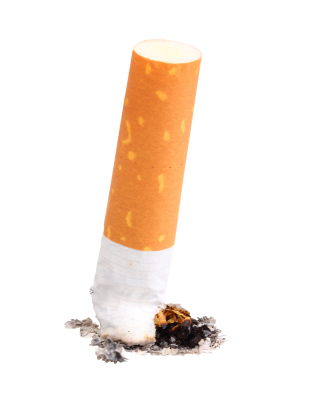
Hypnosis can help the subconscious mind find inner healing for the body.  It can re channel brain pathways to help the brain suppress bad behaviors.  It can help the intuitive right side of the brain find peace and affect the left side of the brain to make better decisions. It is through this rewiring and the plasticity of the brain that the body can eliminate bad habits.  One example is smoking.

Hypnosis can help the brain rewire itself against smoking addiction. Please also review AIHCP’s Hypnotherapy Program


The article, “Can Hypnosis Get Me to Quit Smoking?” from Healthline looks at what hypnosis is and how it can better retrain the mind and brain to deal with bad habits.  The article states,

“It’s no wonder why so many people want to quit smoking. A 2019 research review Trusted Source showed that it’s the top cause of preventable illness and death in the world. Stopping can improve your health, but for many people, quitting is a huge challenge. There are many methods and products for quitting smoking. One that gets a fair amount of attention is hypnosis. Some people credit hypnosis with helping them quit”

To read the entire article, please click here

Addiction and bad habits can be difficult to beat.  Using hypnosis and imagery in a meditative stance can help one find solutions and new ways of processing cravings and reactions to those cravings.  Hypnosis helps one find that state.

Please also review AIHCP’s Hypnotherapy Program as well as AIHCP’s Substance Abuse Counseling Programs.  The programs are online and independent study and open to qualified professionals seeking four year certifications in Hypnotherapy or Addiction Counseling Training.


Hypnotherapy Certification Program Article on Mindfulness Hypnotherapy

Stress and anxiety are common in today’s world and it is important to reduce stress for one’s health. Mindfulness and Hypnotherapy combined are useful tools to reduce stress.  Mindfulness focuses on the moment while hypnotherapy allows one at the subconscious to deal with issues that may linger.  Through these alternative therapies one can find greater peace and less stress.

Mindfulness Meditation and Hypnotherapy can help one deal with stress and anxiety. Please also review AIHCP’s Hypnotherapy Certification Program


The article, “Mindful hypnotherapy may reduce stress” from Medical News Today states,

“Combining mindfulness and hypnotherapy in a single session is a novel intervention that may be equal to or better than existing treatments, with the advantage of being more time effective, less daunting, and easier to use. This could be a valuable option for treating anxiety and stress reduction.”

Qualified professionals can help individuals benefit from the use of mindfulness and hypnotherapy.  Please also review AIHCP’s Hypnotherapy Certification Program and see if it meets your academic and professional goals.


Clinical Hypnotherapy Certification Article on the Benefits of Hypnosis

Like EFT, Hypnotherapy is a non evasive way to heal oneself.  Hypnotherapy, like EFT, is usually administered through a healthcare professional or someone with high certification credentials.  Hypnosis can help heal may traumas, but also help others face fears or quit bad habits.  Hypnosis can help the brain overcome many obstacles.

Hypnotherapy is becoming more main stream and is a useful tool for many people in healing. Please also review our Clinical Hypnotherapy Certification


The article, “HARNESSING THE HEALING POWER OF HYPNOTHERAPY” by Victoria Cristie reviews the numerous ways Hypnotherapy can help individuals heal.  She states,

“Many people still associate hypnosis with dated Vegas magic shows, and while Chisholm agrees that there’s some enduring skepticism around hypnosis in the medical field, it’s becoming a more common recommendation for drug-free pain management. “I’m very privileged to work with wonderful nurses and physicians who are open to [hypnosis] because they’ve seen it be effective,” she says. “They’re very supportive because they want what’s best for the patient.”

As hypnotherapy enters more and more into the mainstream, its benefits will help millions overcome pain, trauma and fears.  If you would like to read the entire article, please click here

Hypnotherapy is an excellent certification for healthcare and behavioral health professionals.  Please review AIHCP’s Clinical Hypnotherapy Certification and see if it meets your professional goals.

Use Hypnosis to Quit Smoking!


American Institute Health Care Professionals‘s insight:

Looking for yet another reason you need to quit smoking?   A new study shows that homes of smokers usually sell for less than those of non smokers.    Hypnotherapy has been found to help people quit smoking for a while now.   Maybe it is something you should try.

Hypnosis
Hypnosis

Go here: Hypnosis

See on www.digitaljournal.com

What exactly is Hypnosis?

What is Hypnosis?

A picture of a hand holding a watch by its chain
Hypnosis is a trance like state of mind.

Hypnosis refers to a trance-like condition, which is usually induced by a hypnotherapist. In this condition, a person experiences a heightened sense of focus and is more receptive to suggestions. A hypnotist can therefore help the person to gain control over undesirable behaviors, emotions and perceptions. If a person wishes to undertake hypnosis training, there are various academies and institutions that offer such training. These institutions are normally licensed and approved by the relevant authorities. In some cases, they are licensed by state education departments. A good program will be approved for its students to become certified in hypnosis. Hypnosis is mainly used for behavioral modification, enabling people to cope with certain medical conditions. It has been used in the treatment of various conditions such as phobias and obsessions. Hypnosis has also been used in helping people to stop smoking, while it has also been effective in facilitating weight loss. Doctors also use hypnosis for pain management, particularly with terminally ill patients.
By Matt Jackson

Working with the Subconscious Via Hypnosis

Working with the Subconscious Via Hypnosis

a doctor with a patient under hypnosis
Hypnosis can help doctors treat mental conditions.

One of the primary goals of hypnosis is to reinforce positive habits over negative ones. While smoking and weight loss are usually the primary requests by clients for hypnosis, one will discover that hypnosis is also used for a variety of other mental maladies. Such conditions include obsessive-compulsive behaviors and various phobias such as a fear or heights, surgery or spiders. The purpose is to calm the inner workings of the mind and reprogram the subconscious to new suggestive behaviors. The key to effectiveness in hypnosis is the quality and depth of hypnotic trance. Those with hypnosis certification are most qualified to work with and induce the trance state in clients. The hypnotist must be highly trained and skilled in working with clients in trance. The American College of Hypnotherapy offers courses in hypnosis training for qualified candidates who wish to learn this treatment modality. If you are interested in becoming certified in hypnosis, you may review the materials at The American College of Hypnotherapy and ascertain if the course work and certification correlates with your professional goals and aspirations.
For more information on hypnotherapy certifications please visit our webpage.