
The most vulnerable population during a crisis and disaster is children. Children naturally are physically, mentally and emotionally at a disadvantage when crisis strikes and when they become separated from caregivers, then their risk level of injury, exploitation, or loss become extremely higher than other populations. This blog will look at the natural vulnerability of children in disasters, risks they face, how to help them and as well how to protect them.
Please also review AIHCP’s Crisis Intervention Program as well as its Trauma Informed Care Program.
Children and Disasters
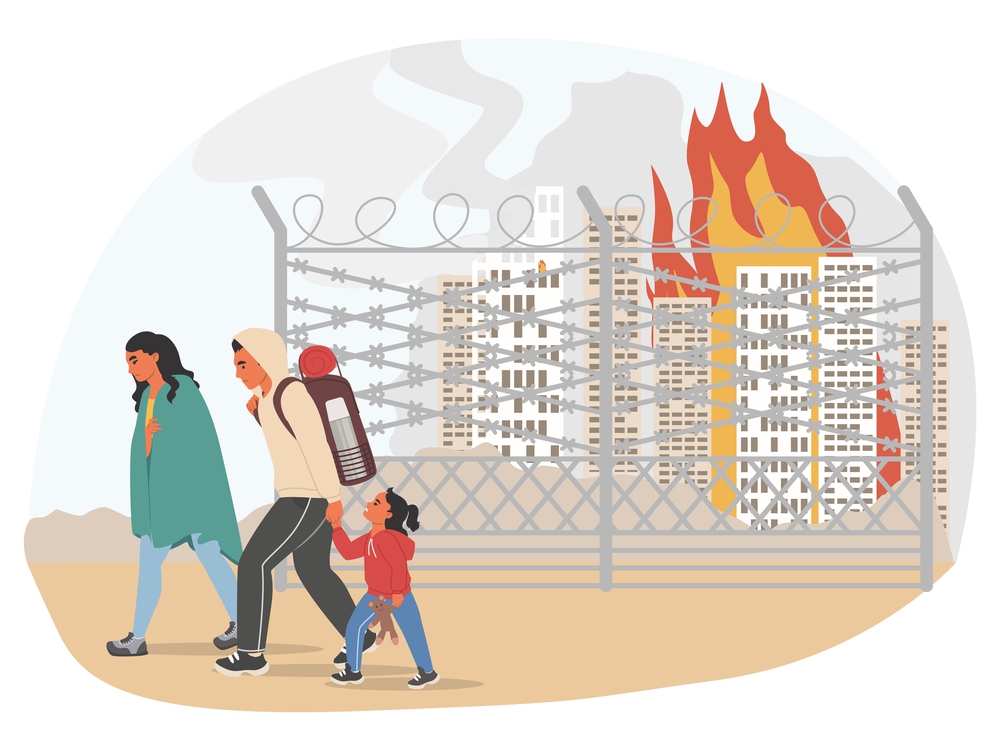
Unfortunately, many times, children are overlooked in a disaster. First responders can mistakenly assume parents or caregivers will attend their own child’s needs but the reality is many adults are in themselves a state of shock (Webber, et al., 2018). Some also mistakenly assume children have minimal responses to trauma but the reality is far different. Children may not understand what is going on but they have many concepts and ideas surrounding events which can have a lasting traumatic imprint on their memories and how they later reflect on things in adult life. Magical thinking, blaming oneself for something unconnected to their actions, or deep fears all manifest during traumatic events (Webber. et al., 2018).
Cognitive limitations can affect children and their sense of security and safety. In disasters, many children suffer separation anxiety and lack of security (Webber, et al., 2018). In addition, attachment schemas can be altered or damaged between the child and caregiver due to disasters which can later manifest in life (Webber, et al., 2018). Due to unresolved trauma, children can also suffer a a variety of acute stress disorders, or longer term PTSD (Webber, et al., 2018). PTSD is diagnosed for children of 6 years or older after 30 days of persistent symptoms that include intrusive thoughts, distressing dreams or play enactment, avoidance of trauma triggers, negative reactions in mood and behavior, persistent fear, difficulty concentrating or aggressive behavior (Webber, et al., 2018). According to Webber, 1 to 60 percent of children in cross sectional studies exhibit PTSD after an disaster or traumatic event (2018).
Caring for the Child
It is important to give the child a sense of security. This involves developing a rapport with the child and listening. Through listening, the counselor or responder can find out if the child is hurt or scared, and maybe who the child needs to find. It also gives the child comfort in a chaotic situation. It is important to present some source of security for the child as to minimize the traumatic experience as best as possible. The biggest solution is finding the primary caregiver. Until then, meeting basic needs, providing comfort, whether through connecting the child to familiar things or objects or toys can help put the child at some ease until a resolution is discovered. Placing the child in an similar environment until the caregiver is found can also be beneficial, such as at a church or school, or with familiar faces such as friends, or teachers (FEMA, 2015).
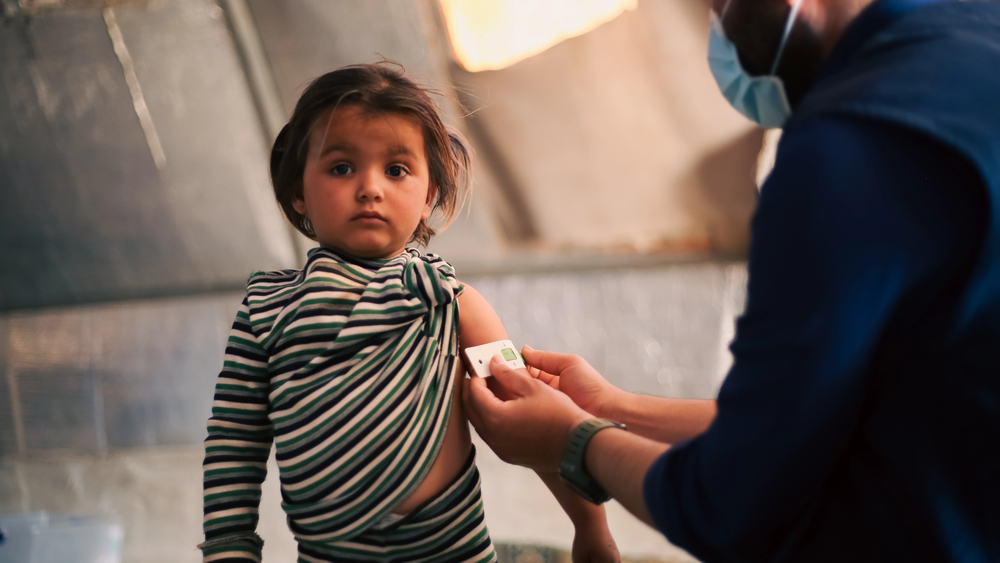
In regards to physical injury, children and minors who require life saving procedures absent a guardian in a disaster may need immediate assistance. Federal law grants first responders the right to provide these life saving procedures absent a missing parent or caregiver in an emergency (FEMA, 2015).
According to Webber, short term interventions include CHECK the child, CONNECT with the child, COMFORT the child, ASSESS the child physical and behavioral health, REFER to formal support or specialized services and EDUCATE the child on the situation according to their understanding (2018). Intermediate interventions include screenings that are weeks or sometimes a few months after the disaster. Webber includes screen instruments such as Child Stress Disorder Checklists to help diagnose and refer children for trauma related incidents (2018). Counselors can help normalize emotional reactions to the disaster and see how the child is coping and adjusting. Many children need normalization of activities with school, care, and routine. Unfortunately, many disasters prevent a return to the normal. Some families never return to original home or forever placed on a different path. This can disrupt family life, friends, routine, education, and security for the child relating into complex traumas. Unfortunately, families from different cultural and lower economic target groups are less likely to recover as quickly as those families with better financial resources and support systems. This leaves many children left in the rubble as their family tries to rebuild a new life. Long term, many children may also suffer from trauma and PTSD and if left untreated, can lead to many future issues well into adulthood.
Protecting the Child
Protecting the child is essential after a disaster. According to Webber, during the response Hurricane Katrina, over 5,200 children were reported missing in the wake of the Hurricane, as well as 1/3 of children separated from primary caregivers at some point during the aftermath (2018). According to FEMA, children are at higher risk for physical harm, exploitation and violence, psychosocial distress, recruitment into gangs, attacks by feral animals, family separation, abuses related to evacuation, and denial or disruption of education (2015). It is the duty of first responders, government agencies, schools and communities to ensure there are plans in place to protect children from these things. The fundamental and guiding principle is to reunify children with primary caregivers as quickly as possible!
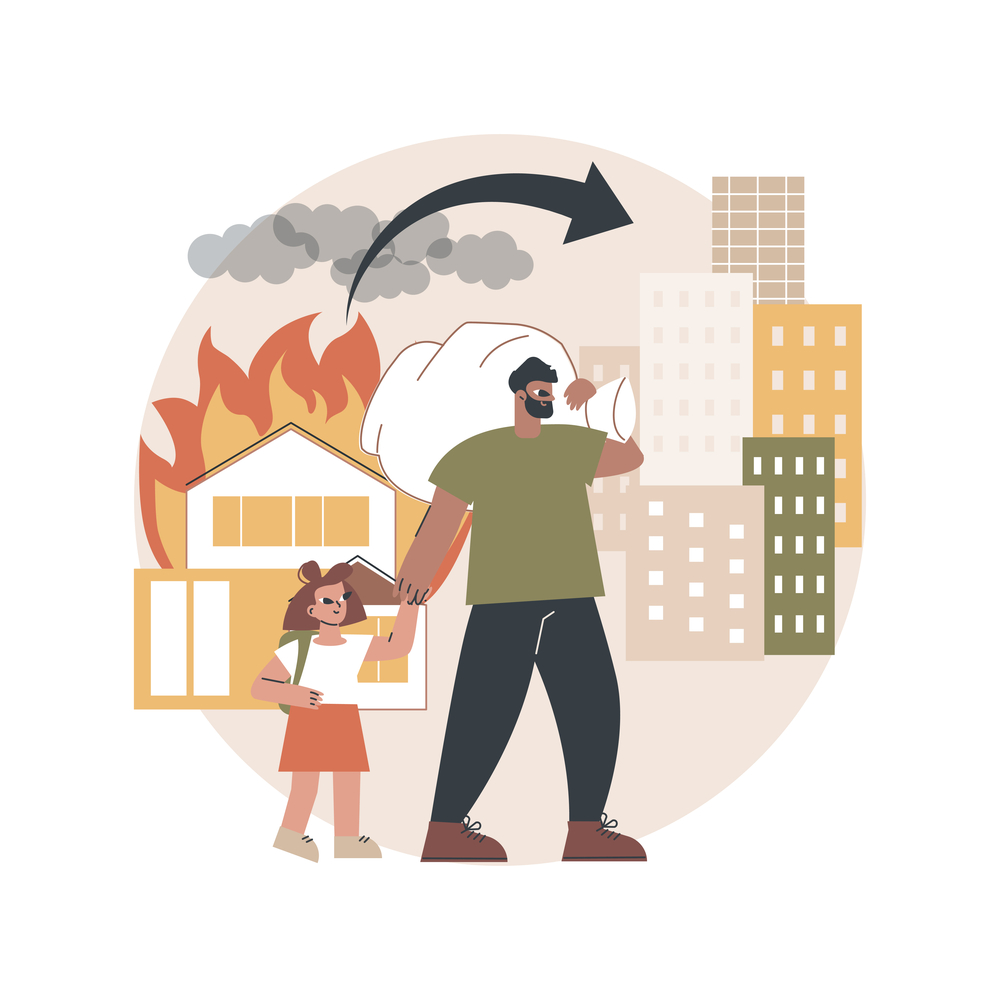
This involves during Psychological First Aid, the critical part of identifying things that seem out of place. Whether at the scene, or in the shelter, crisis counselors need to identify a child or group of children that seem disorientated, or separated from caregivers. According to FEMA, policies should be in place to prevent displacement of children. This includes wrist bands with information for separated children, appropriate credentials and badges on personal who care for the children, reporting to the proper authorities and agencies of misplaced children, as well as previous contacts with local schools or day cares about children. This can also involve pre-planned evacuation plans to certain approved day care centers, or as well as schools (2015). Obviously, no child should be released without proper screening to an identified adult. It is also imperative for first responders and caregivers to be aware of other adults in facilities. In some cases, during a disaster, individuals with criminal and sexual offenses may find themselves illegally in contact or in remote vicinity of children. This is why it is so critical to have protocol and awareness in these situations.
Following a disaster, if displacement continues, it is critical for social workers and other social services to ensure no child is left behind. This involves ensuring the child has lawyers who are appointed as a guardian et litem for their legal needs, as well including and securing all relevant documentation and legal papers regarding the child that are critical in domestic courts (FEMA, 2015). In addition, children of families who are hit hardest by disasters and are experiencing difficulties may require legal and federal help in ensuring the child receives care and assistance for the family. This includes addressing the child’s welfare and if the child’s needs are being met by the family in order to better assist the family, as well as providing legal assistance to ensure these needs are met by the state and federal government (FEMA, 2015).
Counseling the Child
Counseling the child who has experienced a disaster requires first helping the child find normalcy in his or her reactions and second helping the child cope with the changes following the disaster. This involves addressing any anxiety or trauma symptoms and also helping the child again feel secure and develop a routine (Webber, et al., 2018).
In helping build resilience, FEMA recommends core concepts for families that include connectiveness, participation with each other, understood structure, responsibilities and support and nurturance (2015). In this, families can help children feel secure, connected and part of a team. The child will learn that he or she has control despite the chaos and that there is a plan.
It is important for the child to also play a role in the recovery process. Children can draw pictures of first responders, or create songs or poems about how they feel, or even ask parents what small things they can do to help the situation (Webber, et al., 2018). Play therapy is very important for children. In play, children are able to process traumatic events. Play therapy helps children express the trauma narrative and find a emotional understanding of it so they can continue to develop in a healthy way (Webber, et al., 2018). The key elements to successful play therapy includes a relationship that is founded on trust and security, a highly qualified and trained therapist, appropriate toys to help the child express the trauma, and a safe environment and relationship for the child to explore oneself and be unable to communicate “stuck” traumatic images from the implicit memory (Webber, et al., 2018).
Preventing the Worst Case Scenario
Prevention starts with families. Being prepared involves understanding a community’s emergency sites and city plans. It involves also family meetings of where to meet in a disaster or what to expect in response. This also involves having the necessary supplies and equipment.
For communities, this involves frequent training and drills, as well as for schools, agencies and first responders. In particular, this involves educating children about what may occur during a disaster and what to expect. It also involves ensuring that children are protected and that plans are in place to properly protect and logistically move unaccompanied children to appropriate and safe places. The first key should be to reunite families. This is the first and fundamental concern in all disasters beyond physical injury or threat of death. The first thought when secure is where is my loved ones and family? The community, first responders, school officials, social services, and volunteers should be trained and ready to meet those questions and needs and have the available procedural plan and resources to answer those questions. This process involves identifying children, being able to properly find legal guardians, and if not, be able to secure the child with the proper authorities safe from exploitation. If these steps are in place, many worst case scenarios can be prevented (FEMA,. 2015).
Conclusion
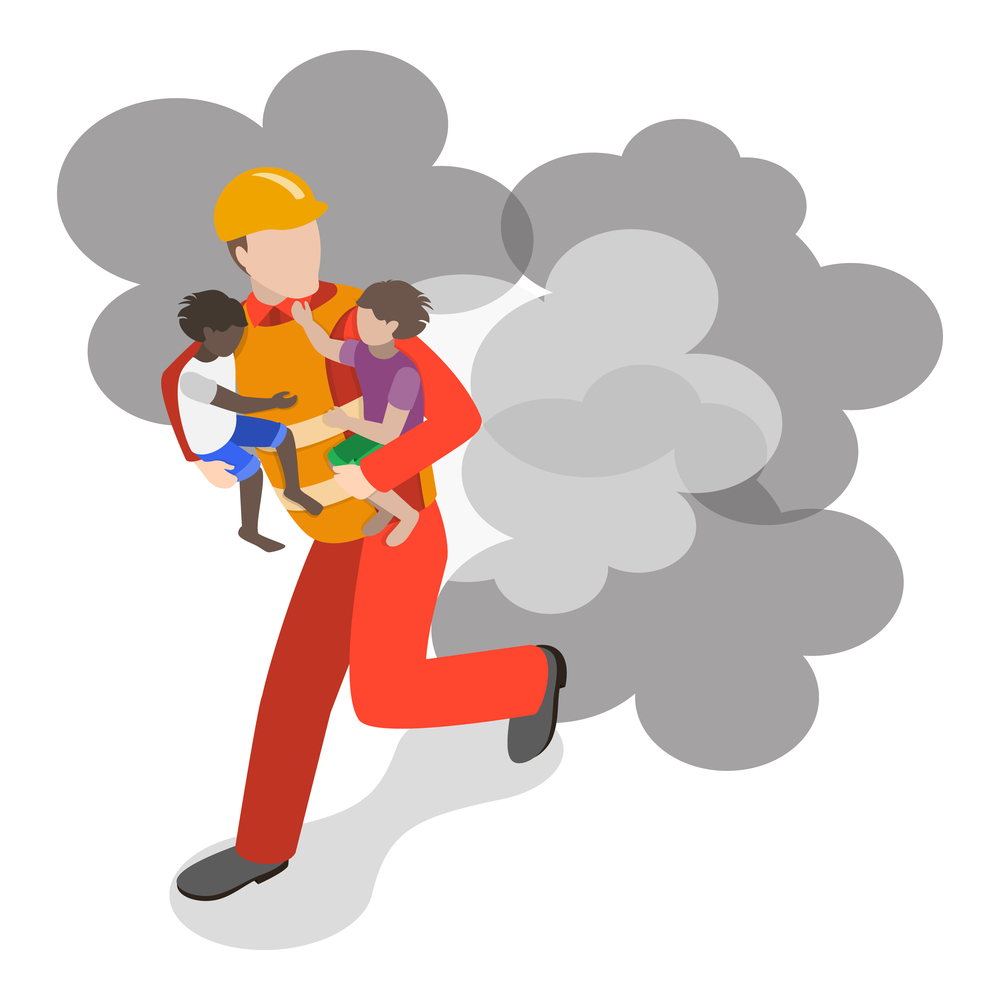
Children are the most vulnerable of any population. During disasters it is critical to protect and care for children. This ensures they are not injured further, exploited, misplaced, or subject to further trauma. Helping the child find his or her primary caregivers is the most essential step in caring for children in disasters, but it does involve more when children are unable to be reunited, or if reunited later, face displacement and other issues that prevent regular schedules and education. PTSD is a looming possibility for many children who do not receive the proper counseling after a disaster and if untreated can lead to many adult issues. Communities and families need to be prepared to meet these possibilities and help children find security, safety, treatment and return to normalcy as soon as possible.
Please also review AIHCP’s Trauma Informed Care program as well as its many Healthcare Certification programs.
Additional Blogs
ACE AND BCE in Childhood. Access here
References
FEMA (2015).
Webber, J. & Mascari, B. (Eds.) (2018). Disaster mental health counseling: A guide to preparing and responding (Fourth Edition). American Counseling Association.
Additional Resources
American Academy of Pediatrics. Disasters and children. Access here
CDC (2026). Children in Disasters: What CDC is Doing. Access here