Meditation can help someone find relaxation before sleep. Sleep meditation is a great tool to try to help someone who has insomnia or sleep issues. Meditation naturally relaxes and while many utilize meditation to stay in a awake state but relaxed, certain types of meditation can also be utilized for sleep purposes. Please also review AIHCP’s Meditation Instructor Program
Meditation can help one find better sleep. Please also review AIHCP’s Meditation Instructor Program
The article, “How To Add Sleep Meditation to Your Bedtime Routine” by Audrey Noble looks how Meditation Apps can help someone find better sleep. She states,
“When dealing with insomnia in general, Dr. Conroy says that one strategy is to set aside a winddown time one hour before bed. During this one hour, she says you can decide to meditate. This can include guided meditations found through an app or YouTube. ”
Please also review AIHCP’s Meditation Instructor Program and see if it meets your academic and professional goals The program is online and independent study and is open to qualified professionals seeking a four year certification as a Meditation Instructor.
Individuals with Major Depressive Disorder have more to deal with other issues than just the symptoms. There are numerous steps and follow ups and other administrative issues to deal with even before they can receive treatment itself. It can take a little time before everything is set up and a plan of action is ready to be utilized. Numerous obstacles can make it difficult for some to even get a proper diagnosis and treatment. This is unfortunate situation for many suffering with depression. Please also review AIHCP’s Grief Counseling Certification
Administrative and insurance issues can cause lack of treatment for many suffering from depression. Please also review AIHCP’s Grief Counseling Certification
The article, “Top 8 Issues in Major Depressive Disorder” by Sidney Zisook takes a closer look at issues regarding diagnosis and the process of dealing with depression from a professional standpoint. She states,
“In summary, while there has been an explosion of knowledge in the neuroscientific basis of mental disorders, genomics, neuroimaging and neuropsychology, there remains considerable room for growth in the way we provide equitable access to evidence-based treatments; define and diagnose MDD; create evidence-informed first- and next-step, personalized treatment decisions; conceptualize TRD and consider replacing or supplementing it with DTD; develop novel interventions that provide options for better tolerated, more effective, more sustainable treatments; and more effectively train future clinicians to competently employ a broader spectrum of evidence-based treatments than the current norm; and shift the culture of medicine to one that prioritizes optimizing our own wellness and mental health.”
Please also review AIHCP’s Grief Counseling Certification and see if it matches your academic and professional goals. The program is online and independent study and open to qualified professionals seeking a four year certification in Grief Counseling
Sexuality and intimacy are crucial aspects of human life. It allows two to bond and share the deepest feelings with a wholesome sexual experience. An experience that is pure and filled with love as opposed as corrupt and full of hate. During trauma, individuals can lose intimacy and a healthy understanding of love and sex. This can create obstacles to fully reacclimating into society because one is not able to form a new bond or attachment with another human being. The act of intimacy and the act of sex in themselves can also become triggers and reminders of past abuse and push the person away from these normal and healthy bonds. Please also review AIHCP’s Grief Counseling Program
One who has experienced trauma must eventually face intimacy, trust and friendship and if desired, a more deeper friendship in the contract of a sexual relationship. Unfortunately, trauma makes this difficult and can prevent the person from an important fountain of healing that can bring the person closer to becoming one again. In this article, we will look at a few issues of intimacy and sexuality that someone who has faced trauma will deal with and how that someone can learn to trust and love again. Please also review AIHCP’s Grief Counseling Courses

In intimacy, one opens oneself to another. This can mean many things to a survivor of sexual trauma or betrayal. One feels the loss of a control. In isolation, one feels one has the power to control what occurs and the fear of opening oneself, puts oneself partly at the power of another. It is exactly this power that a trauma survivor fears. In addition, trauma survivors fear abandonment. If one opens up, then one risks the chance of being hurt and betrayed again. Hence many experience abandonment issues. Intimacy also opens up the chance of rejection. Trauma survivors fear the thought of being rejected for who they are and may very well reject someone before they can be rejected.
It is important with intimacy to accept fears. This is the hardest part, but only until one dismisses the fears, can one again learn to have a trusting relationship. The fear may be in the other person, or in one’s own tendencies but one cannot have the healing powers of intimacy without trust and letting fears go. One also needs to reject ideas and notions that can block intimacy with others. Many who have been traumatized universally label everyone. All men/women are bad is a common over generalization. The perpetrator was not good but not all people are bad. This central concept can take time to finally become a reality again. Other false narratives include assuming no one has every experienced what one has experienced, or that one cannot ever burden another with one’s issues. In addition, others feel unloved and if anyone ever knew what occurred, then that person would no longer be lovable. Flaws are seen as more prominent and as a sign of weakness, when in reality everyone has flaws.
It can be difficult after trauma to again show intimacy and open oneself up. Please also review AIHCP’s Grief Counseling Program
Learning how to discuss the past and discuss the future are critical communication skills. Individuals who fear intimacy need to be better able to express to another and share how to handle issues and conflicts. Without releasing the fear, false notions and opening up communication, then a person suffering from trauma will not be able to open again and find the value and healing within a friendship or a deeper relationship.
One of the biggest blocks to a deeper relationship is again seeing sexuality as wholesome and natural. Sex in its very nature promotes union, trust, and love but the trauma has distorted the true value of intimacy and sexuality. Following an assault, sex itself can become a trigger to a PSTD response. A certain touch can remind one of the trauma and turn something of love into something of abuse. The person has a hard time viewing sex as holy and the person as sacred. The rape or assault has stripped sexuality and intimacy of its dignity and the person has difficult times again experiencing these feelings and senses in a positive way.
Sex can also be seen as a way to control others, or it may be a device to fix what went wrong before. Unhealthy expressions and sexual behavior can result in different directions from fear of sex to promiscuity later in life. It is hence important to remove these past negative images. One image that is especially unhealthy is seeing all sexual behavior and correlating it with a sense of disgust. It is important to learn skills to neutralize this feeling of disgust and help re-evaluate these past negative experiences with positive experiences.
In rebuilding oneself for intimacy and sexual relations, the traumatized need to overcome many hurdles of trust and intimacy but certain steps can help to start the healing process. Disgust and association with trauma can be overcame with patience and time and understanding from one’s new partner.
It is hence important to again see certain parts of the body as holy and good. They cannot be seen or associated as evil in themselves. The action must be separated from the part of the body itself. Second, one needs to learn neutralize disgust. Ideas that the body is an object to be used must be dismissed and replaced with ideals that the body is a temple and a gift. This not only deals with the other person, but also how one views oneself. One can further separate the feeling of disgust with sex itself and shame. The shame with trauma needs to be separated from the act itself. By learning to separate negative feelings and events from the body and act itself, one can better open up to others. One can then create a new narrative where the event with a different person is not hateful or abusive but instead filled with love and respect.
Unfortunately, while rebuilding each other, partners should be conscious of others past. Certain boundaries may initially needed and a slow crawl until mutual comfort is met. Flashbacks can occur and it is important to recreate intimacy and the sexual experience together to form new wholesome memories. This requires patience, counseling as well as awareness.
Healthy sexuality is the ultimate key. While intimacy does not necessarily involve sexuality, nor the necessity of entering into a sexual relationship, one must still restore a sense of the sacred to the sexual act. Sex is not about control, secretive, shameful, wrong, abusive, dis-connective, controlling, superficial, or selfish but instead is a spiritual, emotional and physical act that binds. It builds self esteem and gives proper pleasures associated with that. It is celebrated and gives deeper meaning to life. It does not abuse, but promotes a feeling of unity and safety. It honors and loves and builds two instead of breaking down another. Finally, it does not reject, but it also accepts the imperfect and celebrates the two.
For some, sex is more than naturally just beautiful but also sacred from a religious view. Sex in this regard binds two as one before God and calls forward a vocation that goes beyond the symbolic act of sex, but carries itself in all matters of life itself. Spiritually, the destruction of sex to anything less is not of God and is a misuse of this divine gift to not only bring forth new life but also unify two into one.
Restoring intimacy with a victim of abuse can take time and patience but it can again reveal the goodness of intimacy and love
One can restore intimacy, and if desired, a healthy sexuality after assault, but naturally, the traumatized must learn to reprogram one’s mind to not only not fear but to open up and let go past narratives that prevent the leap of love and faith. The traumatized must also learn differentiate the corruption of the perpetrator from the holiness and goodness of the action itself and how it can be experienced with a good person.
It is a most disgusting sin to harm another through sex because it injures the person not only physically but also emotionally. It affects one’s ability to feel intimacy again and feel trust. It is more than a theft of virginity or physical freedom, but is a theft of self, but fortunately, through healing, counseling and prayer, one can again heal.
Children without restraints become wild adults. It is especially true to help teach children to regulate and control their anger and rage. They need to learn to realize their emotions have consequences and when living in a society, it is important to act a certain way. Please also review AIHCP’s Anger Management Certification
Learning to regulate anger at a early age is critical. Please also review AIHCP’s Anger Management Certification
The article, “Anger Management for Kids: Teaching Emotional Regulation” by Nathan Greene looks into the importance and how to teach children to regulate their emotions. He states,
“When your child has a temper tantrum — whether at home or in public — it can be startling and disorienting to witness the amount of anger or rage coming from one tiny human. And when those tantrums start happening repeatedly, it can be concerning. You wouldn’t be alone in wondering what’s causing those outbursts, whether you’re reacting to them correctly, or if there is something else you could do to help your child. Anger management techniques, when age-appropriate — which focus on emotional regulation — may help.”
If you wish to read the entire article, please click here
Please also review AIHCP’s Anger Management Consulting Certification and see if it meets your academic and professional programs. The program is online and independent study and open to qualified professionals seeking a four year certification in Anger Management.
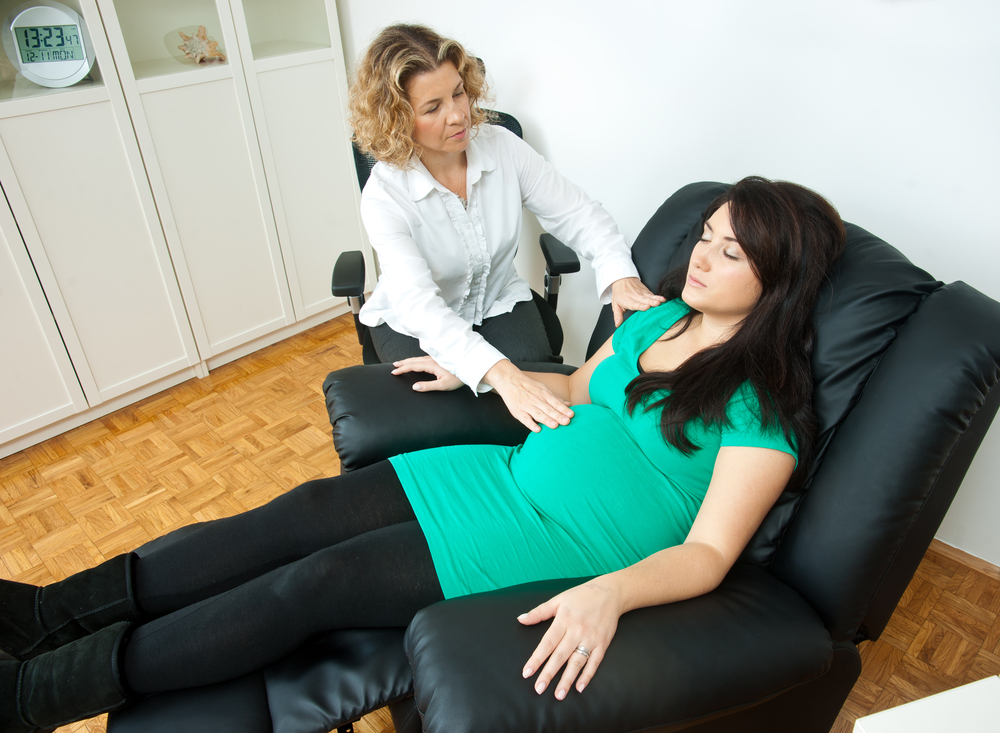
Hypnosis is a powerful alternative tool to healing. Many do not understand its inner workings and have many misconceptions what true hypnotherapy looks like. It is important to have a proper understanding of hypnosis and can how it can be utilized to help heal people. Please also review AIHCP’s Clinical Hypnotherapy Program
There is a true science behind clinical hypnosis. Please also review AIHCP’s Clinical Hypnosis Program
The article, “How Hypnosis Works, According to Science” by Eleanor Cummins reviews the inner workings of hypnosis and how it can work. She states,
“When you think about hypnosis, what do you visualize? For many, it’s a clock-swinging magician or a comedy act that forces an unwitting volunteer to make embarrassing public admissions on stage. But hypnosis has a surprisingly robust scientific framework. Clinical research has shown that it can help relieve pain and anxiety and aid smoking cessation, weight loss, and sleep.”
Please also review AIHCP’s Clinical Hypnotherapy Program and see if it meets your academic and professional goals. The program is online and independent study and open to qualified professionals seeking a four year certification in Hypnotherapy.
Many adults never go diagnosed with ADHD during childhood. Later in life these adults can feel like most of their life was a misunderstanding and if they had help they could have done so many things better. Others have other social issues to deal with due to the stigma of ADHD.
Adult ADHD is usually undiagnosed as a kid. Please also review AIHCP’s ADHD Consulting Program
The article, “How undiagnosed ADHD can impact children later in life” by Theresa Ho looks at the impacts of undiagnosed ADHD. She states,
“Nguyen, now 25, said that she didn’t think that she had ADHD because she always earned decent grades growing up, and she thought ADHD was a learning disability. She went to another therapist for a second opinion, and when that therapist confirmed the diagnosis, she went to a psychiatrist who also confirmed her diagnosis. Watson said that ADHD is a unique and complicated diagnosis.”
Please also review AIHCP’s ADHD Consulting Certification and see if it meets your academic and professional goals. The program is online and independent study and open to qualified professionals seeking a four year certification in ADHD Consulting.
School shootings are a fear of any parent or family member. It is a scary feeling knowing that a place of safety and knowledge can be dangerous. School shootings not only keep parents up late at night, but also students, teachers, administrators and the community. The fear of such a traumatic loss can haunt society every time it occurs and cause ripple effects across the nation. It is important to help stop these needless tragedies and help those who have suffered through them.
Please also review AIHCP’s Grief Counseling Certification and see if it meets your academic and professional goals. The program is online and independent study and open to qualified professionals seeking a four year certification.
The loss of a child via miscarriage is something many women and couples suffer alone. Since there is usually no body to bury, the miscarriage is seen as less than losing a child. The woman or couple are left with less support and not seen as parents that loss a child. This disenfranchisement can cause unresolved grief for the woman or couple. It is important to recognize the loss of a child via miscarriage.
Please also review AIHCP’s Grief Counseling Program and see if it matches your academic and professional goals. The program is online and independent study and open to qualified professionals seeking a four year certification in Grief Counseling.
Those who fall victim to sexually assault need not only mental care but immediate physical care. SANE nurses are the first line of defense for the vulnerable. These nurses provide care and attention to the victim but also collect the needed forensic evidence to help authorities collect evidence and and prosecute potential cases. SANE nurses are excellent candidates for Forensic Nursing Certification
SANE nurses make excellent candidates for Forensic Nurses. Please also review AIHCP’s Forensic Nursing Certification
The article, “What it’s Like To Work as a Sexual Assault Nurse Examiner (SANE)” by Chaunie Brusie takes a closer look at the importance of SANE nurses. The article provides an interesting and closer look at the job and work of a SANE nurse. The article discusses how SANE nurses play an important role in helping sexually assaulted victims find justice through immediate care and collection of evidence. Brusie in particular interviews Leah Helmbrect who at the time of the article is training to become a SANE nurse. Helbrect has many interesting perspectives on the role of Sane nurses. She states,
“On top of the injustices she sees for victims, Helmbrecht adds that she struggles with battling common assumptions the general public has about sexual assault and domestic violence. For instance, comments like, “Why don’t they just leave if the abuse is so bad?” blame the victim and overlook the reality that the most dangerous time for a victim of intimate partner violence is when a decision has been made to leave. ”
She also adds in regards to the difficulty of becoming a SANE nurse that it is not meant for everyone,
“Many positions require you to have between 2-5 years RN experience (preferably L&D or ER, but not always mandatory), says Helmbrecht. “Also, it can take its toll emotionally and mentally,” she adds. “It can become really easy to self isolate and turn away from romantic relationships after listening to so many terrible first-hand statements of what happened during these assaults. Make sure you are ready to not take on the trauma these patients have experienced, but also not put your past trauma on your patient.”
“What it’s Like To Work as a Sexual Assault Nurse Examiner (SANE)”. Chaunie Brusie. April 20th, 2022. Nurse.org
A SANE nurse is a Sexual Assault Nurse Examiner. This type of nurse is specially trained to provide care to sexual assault victims and collect evidence for use in law enforcement investigations and/or prosecutions. SANE nurses are typically employed in hospital emergency departments, but may also work in other settings such as community health clinics or standalone forensic exam centers.
What do SANE nurses do?
They work to promote healing and provide support to victims of sexual violence. SANE nurses conduct forensic examinations, collect evidence, and provide expert testimony in court. They also provide education and prevention programs to help reduce the incidence of sexual assault. They also work with law enforcement and other professionals to ensure that these patients receive the best possible care and treatment. SANE nurses are an important part of the team that works to keep our communities safe from sexual violence.
The role of SANE nurses is critical in providing comprehensive, compassionate care to patients who have been sexually assaulted or abused. SANE nurses are specially trained to provide high-quality, patient-centered care to these individuals. They are able to provide medical forensic exams and collect evidence, as well as offer emotional support and advocacy services. SANE nurses play a vital role in ensuring that these patients receive the care they need and deserve.
They work closely with county officials to ensure that these patients receive the best possible care and treatment. In addition, they work closely with detectives, law enforcement and prosecution. In this regard, they not only work within the emergency room, but are also called into court for possible expert testimony.
A particular nurse who looks to enter into Forensic Nursing and SANE nursing needs to have an interest not only in care, but also an understanding of law as well as an articulate ability to communicate and speak before others. They must also possess a strong character to seek justice for others. It can become traumatic to see so much violence, so SANE nurses must also be able o see past the broken and help others find justice without allowing the evil of the world to break their spirit.
SANE nursing is not meant for everyone in this regard. This does not mean one who cannot perform these duties is an inferior nurse but shows it takes a different type of person who can process this type of material and still be able to see a positive spin on he world. Hence SANE nursing is not for everyone. The job they do is a difficult one and requires a particular type of personality and professionalism. It is in many ways a calling.
Conclusion
in conclusion, SANE nurses provide an important service to their communities. They help victims of sexual assault receive the care and treatment they need. SANE nurses are specially trained and have the skills to provide care for these victims. They also work to educate the public about sexual assault and its effects on victims. SANE nurses play an important role in victim advocacy and support.
Please also review AIHCP’s Forensic Nursing Certification and see if it meets your academic and professional goals. The program is online and independent study and open to qualified professionals and nurses seeking a four year certification in Forensic Nursing. Many nurses who pass the SANE exam also pursue a Forensic Nursing Certification to add to their expertise and knowledge in helping the local county with sexual assault.
Additional Resources
“The First Year as Sexual Assault Nurse Examiner: Role Transition and Role-related Stress Within a New SANE Team”. Julia SSengPhD, CNM, RN, etc, al. Journal of Emergency Nursing Volume 30, Issue 2, April 2004, Pages 126-133. Access here
“Evolution of Forensic Nursing Theory——Introduction of the Constructed Theory of Forensic Nursing Care: A Middle-Range Theory”. Julie L. Valentine, PhD, RN, CNE, SANE-A, etc, al. Journal of Forensic Nursing. 2020 Oct-Dec; 16(4): 188–198. Access here
“From Forensics to Advocacy: The Importance of Sexual Assault Nurse Examiners”. September 16th, 2019. Georgetown University: School of Nursing. Access here
“SANEs: Who They Are, What They Do, and Why It Matters”. Elite learning. April 28th, 2021. Elite Learning. Access here
Good article on the importance of exercise and also the frequency. Many individuals exercise very little or they get on exercise binges but do not have a consistent schedule. It is important to exercise and keep to a schedule for optimal health.
How much should one exercise a week? Please also review AIHCP’s Healthcare Life Coaching Certification
The article, “How Often You Should Exercise” from Cleveland Clinic’s Healthessentials takes a closer look at the importance and frequency of exercise. The article states,
“According to the American College of Sports Medicine (ACSM), the ideal workout regimen balances cardiovascular work and strength training. Their guidelines recommend 150 minutes of moderate-intensity aerobic physical activity each week or vigorous-intensity aerobic activity for a minimum of 20 minutes three days a week. Additionally, you should do strength training twice a week.”
Please also review AIHCP’s Healthcare Life Coaching Certification and see if it meets your academic and professional goals. The program is online and independent study and open to qualified professionals seeking a four year certification as a Life Coach