Bad memories or hauntings can be difficult while grieving. Any type of memory can bring one back to the loss. Grief Monsters are these type of memories that resurface and if not confronted or properly understood can cause big problems.
Please also review AIHCP’s Grief Counseling Certification and see if it meets your academic and professional goals. The program is online and independent study and open to qualified professionals seeking a four year certification as a Grief Counselor.
Fandom to individuals or sports teams is a big part of American society. One forms close ties to public figures or actors or for one’s sports team. Whether football, baseball, basketball or hockey, or professional or college levels, individuals form tight bonds with their teams. They became entranced by the teams record, status, players, and play close attention to every move and play. In addition, individuals invest heavily financially in tickets, or sports clothes, pennants, or mugs. Family gatherings around sporting events become very important and the value of a particular team becomes identical to family tradition, history and local area. The team represents the person and his or her background. In many ways, it can become very personal.
Due to this type of bond that involves investment of self, the team is not merely an outside agent but part of the individual. While the person may not play the game, suffer the loss, or earn the win, the individual does mentally and emotionally share every play and outcome. This can lead to the pain of loss and grief when the team loses or suffers. It is a pain that is real because it involves the person’s life itself as well. The day or week may be greatly affected by a loss.
It is OK to experience sadness when your team loses but it has to be proportionate. Please also review AIHCP’s Grief Counseling Training
The degree of the loss and adjustment however determines the healthy response versus the pathological response. A healthy individual who finds great joy in sports has a greater connection than someone who sees it only as minor entertainment. The bond to the team hence will create a natural response of grief due to loss. If a team loses or is re-located, a true pain can set in that is personal. However, how one adjusts and is able to respond to life itself after the loss determines if the response is normal or pathological. If one feels low or bummed out, it is quite natural to feel this way for a couple days, but if one enters into a depressed state for weeks and is unable to interact or find interest in life, then the connection and the loss itself is pathological.
Fans can be fanatical. It is OK to have fun and it is definitely normal for the passionate fan to feel grief and sadness over loss. However, when that loss becomes so empowering that it prevents the person from enjoying life outside of sports, or prevents them from existing in the world, then one should seek counseling help and re-evaluate the bonds one has with the particular team.
Too many times, one sees violence at sporting events. This type of deep passion is associated with unhealthy bonds with the team. It involves associating the team with oneself so deeply, that anyone else becomes the enemy. Loss hence becomes extremely painful for these individuals and can negatively affect their life.
Sports is fun. It is good and for those who have deeper bonds to a team due to family history, community or identity, then one should find great pride in that, but one should not allow it to become disproportionate and cause massive depression or violent moods. One will suffer the grief of loss more than a regular outsider, if one is bonded with a team, and that is OK. The joy of having such a connection enhances the entertainment and value, but one needs to prevent such attachments from becoming pathological.
Please also review AIHCP’s Grief Counseling Training Program and see if it meets your academic and professional goals. The program is online and independent study and open to qualified professionals seeking a four year certification in Grief Counseling.
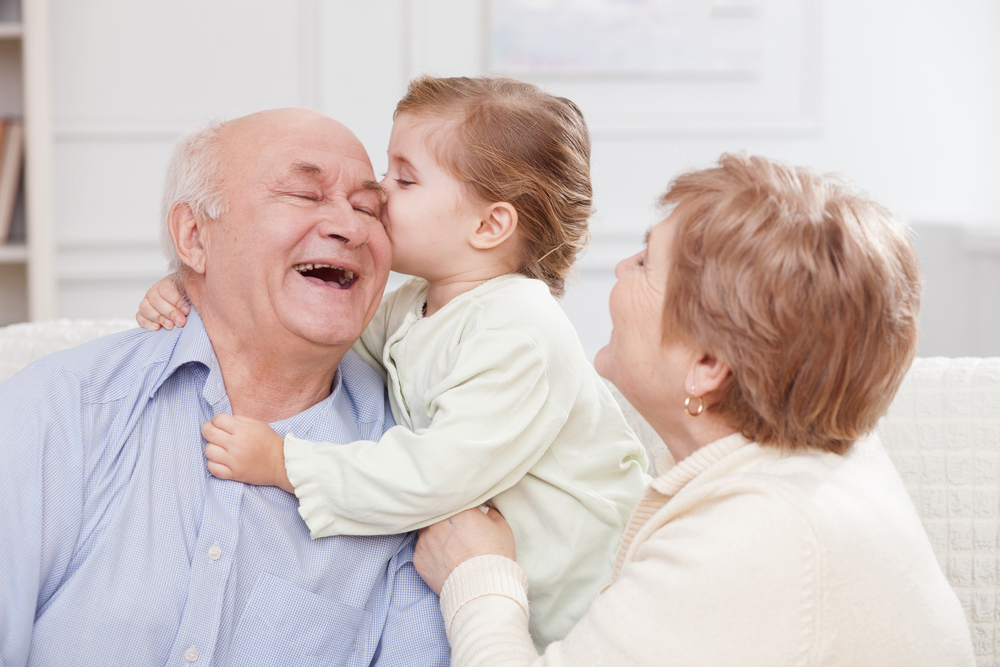
One of the first family losses a child experiences is the loss of a grandparent. This loss has ripples throughout the family dynamic and resets many traditions.
First it is twofold. It affects not only grandchild, but the parents as well who have lost their own parent. A twofold grief that manifests itself on two generations can be difficult within a home as parents and children grieve the loss. The intensity will depend on the bonds and closeness between individuals but for many losing a grandparent is a significant loss. For some, a grandparent is like a parent. Others they are nevertheless important figures in one’s raising and development. Some play more key and active roles in their grandchildren’s daily life. This will have an affect on the person and his or her loss.
Losing a grandparent is usually a person’s first serious meeting with death. Please also review AIHCP’s Grief Counseling Program
The death of a grandparent can occur very young or for those blessed, later in life. The time, place and details surrounding the loss can all affect the loss as well. One who loses a grandparent unexpectedly as opposed to over a long terminal illness will experience the loss differently. Classically, most will experience a loss of a grandparent due to terminal illness and be around their teen to 20s, but for those who fall outside those parameters will all experience different types of reaction to loss.
Secondary losses and exposure to grief maybe for the first time manifest. The person may have difficult process understanding loss and the shock it causes. For many, close relatives were always immune to death and dying but suddenly, the death of a grandparent can shock a grandchild into understanding the reality of death. This may come with difficulty especially since it is the first real experience with death. Life will change because of this loss. Family dinners, or holiday traditions will change. This can be difficult to process especially when this is the first experience with death and the person has to come to grips with the change in life.
Grandparent bonds can be very strong for many. Please also review AIHCP’s Grief Counseling Certification
Death is very terrifying but it is part of life. Losing a grandparent reminds individuals of the reality of death for the first time in many cases. It teaches one how to grieve the loss of someone close and how grief feels throughout its many phases. It is a great pain but also a teaching moment that will later prepare one for the death of parents, spouses and close friends. Pain is part of this fallen world and it is sad that losses to those we love occur, but grandparents represent the usually the first loss in life that has real meaning.
If you would like to learn more about Grief Counseling Training and how to help others, then please review AIHCP’s Grief Counseling Certification Program and see if it meets your academic and professional goals. The program is online and independent study and open to qualified professionals seeking a four year certification as a Grief Counselor.
There is fear in many pet owner hearts that if they get a new pet then they are replacing the old. This is common also with widows or widowers. The reality the dog or cat is not being replaced. Nothing can replace a beloved pet. No new dog or cat can ever be the same but one can love more than one. One can form new and unique bonds and share one’s hearts with other beautiful dogs and cats. Always treasure the individual but try not to close your heart to others.
A new dog is not a replacement but something unique. Please also review AIHCP’s Pet Loss Grief Support Certification
The article, “If you’re denying yourself the love of a new pet after a loss, please reconsider in 2022” by Dana Perino looks at finding the room in one’s heart to love another dog or cat in one’s life. She states,
“My mind flashed forward to a future without a dog — a human survival instinct to protect yourself against future heartaches. That would be fine. I could do it. I’d have to if I lost Percy so soon after falling in love with him. Fortunately, none of that came true.”
Her story of her own loss and experience can serve as an example to love more and not close. To read the entire article, please click here
Please also review AIHCP’s Pet Loss Grief Support Certification and see if it matches your academic and professional goals. The program is online and independent study and open to qualified professionals seeking a four year certification in Pet Loss Grief Support.
Many good intentioned physicians practice defensive medicine. While it looks to protect a doctor from malpractice it can also lead to hindrances, annoyances and extra cost. Extra tests and scans which are unneeded can be an end result. Like everything there needs to be a balance in any practice and defensive medicine is not necessarily the answer to mistakes. Instead good diagnosis and trust in oneself is key
Defensive medicine may have good intentions but it can also lead to malpractice. Please also review AIHCP’s Legal Nurse Consulting Program
The article, “Can defensive medicine lead to medical malpractice?” from the Augusta Free Press looks at what defensive medicine is and how it can possibly lead to bigger issues. The article reads,
“Defensive medicine has been around since the mid-20th century. However, there has been a resurgence in recent years, and it is triggering a concurrent wave of medical malpractice lawsuits. When defensive medicine causes more harm to patients than good, it defeats its purpose. Injured victims may file a medical malpractice lawsuit for compensation.”
Please also review AIHCP’s Legal Nurse Consulting Program and see if it matches your academic and professional goals. The program is online and independent study and open to qualified professionals looking to earn a four year certification as a Legal Nurse Consultant.
Suffering in Christianity is transformative. Through Christ, the Redeemer and Suffering Servant, suffering and death was forever altered. Through death is resurrection and life over sin. The story of Job is a prefigurement of Christ, or one who suffers without cause.
Please also review AIHCP’s Christian Grief Counseling Program and see if it meets your academic and professional goals. The program is online and independent study and open to qualified professionals seeking a four year certification as a Grief Counselor
Anger for many is not justified. Instead it is an unjust reaction to things where one turns to violence. This type of anger fuels an angry society with multiple shootings, riots, and domestic disputes. Those who lack empathy may also be more tied to unjust angry outbursts. Empathy helps one understand another but without it, one can selfishly resort to anger.
Empathy can help curb anger. Please also review AIHCP’s Anger Management Certification and see if it meets your goals
The article, “The Relationship Between Empathy and Anger Is Complicated” by Bernard Golden looks at the relationship between anger and empathy. He states.,
“Our capacity to empathize with others is further enhanced by our resilience to truly acknowledge our own pain. When we avoid acknowledging our own pain, we become blind to it in others. Such acknowledgment further supports the compassion with others that can powerfully curb anger arousal.”
Please also review AIHCPs’ Anger Management Certification and see if it meets your academic and professional goals. The program is online and independent study and open to qualified professionals seeking a four year certification in Anger Management
Death is such a feared subject that many families put off discussing it. This prevents communication that can enhance closeness as well as clear miscommunication and heal old wounds. Beyond the fear of death, discussing or thinking about the “what if” is even more dangerous if anyone neglects putting their wishes on paper if they die or if they are injured long term. This can not only lead to a disregard of one’s wishes but also lead to multiple assets being misused or lost.
Everyone should have a Will, a Living Will and Power of Attorney document. Like insurance, it does not mean one anticipates the worst, it merely means one is prepared for the worst. When such documents are not prepared, after death, ensuing chaos can occur with bills, inheritance battles, state interference and overall bitterness. Likewise, when someone is very sick, on a ventilator, a feeding tube, or in a coma, one’s wishes may or not be met. A legal bind document can resolve these issues and ensure that what one wishes is properly handled.
There are three basic documents that ensure a calm legal atmosphere after death, or during a dying phase or possible long term illness. The first is the Final Will and Testament. This document ensures that one’s financial and legal business is resolved according to one’s wishes after death. It first gives an individual the power to resolve all financial and legal issues in your name. This individual is your personal representative and ensures that all expenses of funeral, bills and debts are paid immediately following death. Utilization of existing funds as well as life insurance are used to pay off any debts. This individual also ensures sell of property and transfer of inheritance and fulfillment of any final wishes. Also extremely important are one’s final wishes at the funeral and how the body is to be respected, via burial or cremation. Obviously, the executer of one’s will is important to ensure one’s wishes are met This executive of your will must be a very trusted person that you know will be around after your death.
Secondly, there are a variety of beneficiaries that are listed on the will. You can distribute individual possessions but primarily, homes, cars, financial legacy are left to primary beneficiaries. They can be listed in order as well, if one is no longer alive, proceeding down a chronological order.
A Living Will is important to ensure that one’s medical wishes are met. Please also review AIHCP’s Pastoral Thanatology Program
The legal binding of a will depends merely upon a signing an official form and having a non family related witness and notary sign it. Some individuals prefer going to an attorney and that is fine as well. Ultimately, anyone, young or old, should have a Will in place. As one becomes married, has children or accumulates assets, this becomes even more imperative.
Not all disasters result in death and this is why it is also important that one’s wishes are met in the final two documents; A Living Will and Power of Attorney. These two documents are closely related. One deals with medical issues while alive if unconscious or unable to make decisions and the other deals with giving a particular person certain powers to carry out your life. A Living Will hence deals with a multitude of issues if you become extremely ill and unable to function. A Living Will dictates medical procedures according to one’s wishes.
Among the numerous things that can arise during a medical emergency in which you lose consciousness can be how your care is to be properly administered. How long do you wish to be left on a ventilator, or feeding tube? If a comma results and one is brain dead, how long do you wish extraordinary measures to be carried out? Do you wish to be resuscitated? What is your preferred pain management? Furthermore, do you wish to have organs donated if not listed on your license? These are extremely personal decisions and if no written documentation exists to guide physicians or family, then one’s medical care can be dictated from outside sources.
A Power of Attorney plays an important role in this. If a person is listed to fulfill your care needs while incapacitated then they can dictate the policies or if No Living Will is in place, carry out what you wanted from merely discussions although again this leads to the issue of trust. A Power of Attorney bound to the dictates of a Living Will are always best. The limit of the Power of Attorney is up to you. The person can have only power during the illness, or be given only a certain amount of time. Usually, the Power of Attorney also has other powers given to him or her. They are able to access all legal and financial matters, access accounts and pay bills in your absence. Again, the limitations are up to you in what your Power of Attorney can do and not do and for how long. Again, due to death of others, sometimes, these documents need to be updated, but to have a person in place you trust is essential in planning.
Yes, death can be a difficult discussion but it is an important one. This aversion to death and dying talk is not healthy. It is part of life and can open many conversations that are critical to relationships but most importantly it can open discussions about legal and medical ramifications that are critically important. Written and legally binding documents are essential to prevent disputes and one’s wishes not being honored.
Please also review AIHCP’s Pastoral Thanatology Program and see if it matches your academic and professional goals. The program is online and independent study and open to qualified professionals seeking a four year certification in Pastoral Thanatology
Unfortunately, many individuals and their grief are ignored, downplayed or ridiculed. Those who face such grief situations are considered disenfranchised. Individuals deserve to have every loss accepted and respected but sometimes due to the nature of the loss or type of loss, they feel embarrassed or belittled.
Please also review AIHCP’s Grief Counseling Certification and see if it meets your academic and professional goals. The program is online and independent study and open to qualified professionals seeking to a four year certification in grief counseling
The seven vices and sins are the foundation for all other foul and evil deeds. They are the root causes hence the term capital sins. It is important when such a vice consumes oneself, to find remedies to moderate and eventually eliminate it. When these vices are allowed to dominate the soul, bad characters and habits emerge that become a defining qualify of who one is.
Please also review AIHCP’s Christian Counseling Certification and see if it meets your academic and professional goals. The program is online and independent study and open to qualified professionals seeking a four year certification as a Christian Counselor.