Enhancing Patient Care Through Integrated Health Services: A Look at Technology’s Role

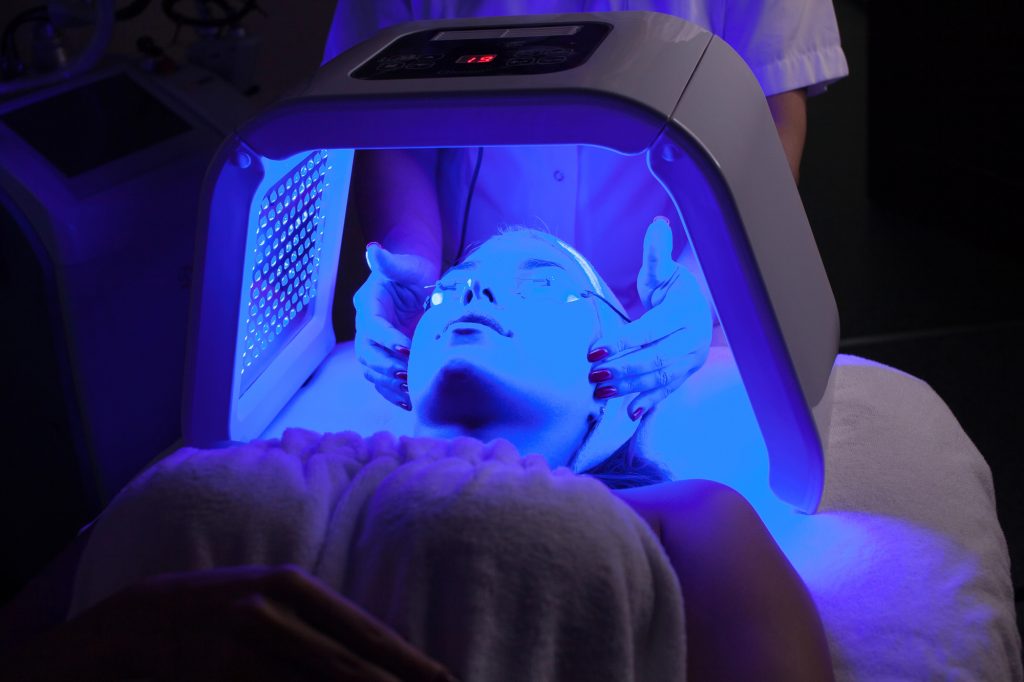
Young woman having LED light facial treatmentWritten by Veronica Turner

Why should the rejuvenating escape of spas and salons be any less sophisticated than a visit to a clinician’s office? Technology, often seen as cold and impersonal, is now lending a warm hand to enhance patient care in places devoted to holistic well-being. Integrating advanced systems allows these businesses to offer more than indulgence; they deliver personalized health experiences.

Embracing technology transforms how facilities operate – from managing appointments to tailoring wellness plans. This not only streamlines efficiency but also forges stronger links between your mental oasis and physical vitality, overlapping with the holistic healthcare movement that views beauty as one piece of the wellness puzzle.

To illustrate this further, come with us on a quest to unpick and unpack the impact of tech in a health services context, aligning the various influences it has with the real world results they deliver for providers and service users alike.

Digitized Harmony: Streamlining Wellness Workflows

Consider this: a spa or salon that functions with the precision of an army platoon and the empathy of a therapist. Integrated health services, powered by technology, make this vision possible. Comprehensive technology platforms adeptly manage scheduling, inventory, and personalized treatment plans. This integration is not about replacing human touch but enhancing it through efficiency and personalization.

The immediate benefit? No more juggling between disjointed systems. An all-in-one platform can significantly reduce administrative burden, allowing practitioners more time to focus on delivering exceptional care. This is critical, because studies show that fragmentation can hamper outcomes in healthcare, so cohesion is worth pursuing at all costs.

Moreover, such integrated systems house valuable data insights that can inform business decisions while supporting continuous improvement in patient services by understanding their journey innately. With every detail captured and analyzed, from product usage to peak booking times, businesses are better equipped to anticipate needs and foster an environment where both staff and clientele thrive.

Personalized Wellness: Bridging Technology with Care

In the dance of day-to-day operations, it’s the personalized touch that often resonates most with clients. For instance, once you’ve found the best salon management software to use, a world of possibilities opens up for enhancing this personalization through technology. Clients are no longer just appointments in a book; they become central characters in a narrative that can be attentively crafted around their unique preferences and needs.

With robust profiles at their fingertips, practitioners can access past services, product purchases, and even notes on client preferences—does Mrs. Smith prefer a quieter atmosphere? Does Mr. Jones have an allergy to certain massage oils? This depth of knowledge paves the way for preemptive customization of services.

This level of attention does wonders for client loyalty and satisfaction. But it goes beyond making people feel special; it’s about delivering wellness experiences that are attuned to each person’s health journey. When technology takes care of the details (and remembers them), service providers can deliver consistently exceptional care without fail.

Inventory Intelligence: The Unsung Hero of Holistic Health

Snuffing the candle of inventory management issues can be a daunting task. Yet, it’s crucial for ensuring that spas and salons are well-stocked with the elixirs and essentials that power their services. Here’s where technology steps in as an unsung hero. Automated inventory systems do more than track products; they safeguard the uninterrupted flow of holistic care.

These smart systems provide real-time updates on stock levels, alerting you before a popular product runs low—mitigating risks of disrupting treatment plans. And when considering the bigger picture, optimized inventory control contributes to sustainability by reducing waste—a value increasingly important to conscientious consumers.

But there’s also a direct link to patient care. When service providers have immediate access to necessary tools and products, each client interaction is smooth and stress-free (for both parties). This forethought can make or break the immersive experience your business promises—the difference between a good day and an exceptional one lies in such behind-the-scenes details.

Data-Driven Decisions: Tailoring Treatment to Trends

In the ecosystem of spa and salon services, each decision carries weight. The choice of which new massage technique to introduce or what product line to feature can pivot on a delicate balance of intuition and insight. Here is where the raw power of data becomes a strategic ally.

Technology that interprets client behaviors and service outcomes offers a treasure trove of actionable intelligence. It enables businesses to spot trends and adapt quickly—whether it’s capitalizing on a surge in demand for organic skincare treatments or identifying less popular services that may need reevaluation.

This approach ensures that offerings remain relevant and aligned with client expectations. It also promotes an agile business model, capable of evolving with market dynamics while preserving the core promise: optimized health benefits through personalized care. The outcome? A brand that not only responds to but anticipates the nuances of wellness demands (always staying one step ahead in the journey toward holistic health).

Seamless Synchronicity: Controlling the Client Journey

A client’s journey through your business is a little like an ensemble performance, where every aspect is minutely managed to make sure it hits the right notes at the right moments. The right technology ensures that each step—from booking to follow-up—is a note played in perfect time.

Synchronization begins with an intuitive booking system that aligns client preferences with available services and staff schedules. This forethought respects the client’s time and sets the stage for a stress-free visit. Upon arrival, check-in processes should be swift and seamless, greeting clients with efficiency rather than paperwork.

The interlude between services presents another opportunity. Automated reminders can prompt staff to prepare rooms or personalize setups in anticipation of their next guest, ensuring transitions are smooth and virtually unnoticed.

And when the curtain falls on their visit? An automated system can send personalized after-care tips or solicit feedback, keeping communication lines open. It’s this continuous engagement that builds trust and encourages clients to return, and should earn you a standing ovation for service excellence – if clients are feeling generous!

Empowering Practitioners: The Tech-Enhanced Touch

Often, the spotlight shines on the technological tools, but what of the artists who wield them? Empowering practitioners with tech is similar to giving a sculptor better chisels—precision and mastery become attainable in new ways.

Technology can serve as an educational platform, keeping staff informed about the latest wellness trends and techniques in this $1.8 trillion sector. Quick access to digital training resources helps professionals refine their skills or learn new ones, staying ahead in their craft.

In addition to this, a tech-enabled environment supports practitioners in delivering bespoke services. With a tablet at hand, they can adjust treatment plans on-the-fly based on real-time information and insights garnered from health trackers or client feedback—a responsive approach that underscores attentiveness and care.

Equipped with these advanced tools and even untethered from traditional workstations, service providers are liberated to focus where it matters most: creating memorable experiences centered around holistic patient care.

The Wrap-Up

Technology, when intelligently integrated into the spa and salon experience, does more than enhance operations; it redefines the essence of patient care. It acts quietly behind the scenes, putting together a well-rounded ecosystem of personalized well-being.

Embrace these tools with an open mind, and you’ll be able to sit back and watch as they transform your business. They elevate every aspect—from client satisfaction to practitioner expertise—ultimately giving health and beauty services the opportunity to become truly holistic, without the associated administrative headaches.


Author Bio: Veronica Turner is a health and lifestyle writer with over 10 years of experience. She creates compelling content on nutrition, fitness, mental health, and overall wellness.


Please also review AIHCP’s Health Care Certification programs and see if it meets your academic and professional goals.  These programs are online and independent study and open to qualified professionals seeking a four year certification.

How Therapists Can Integrate Holistic Therapy Methods to Support the Mental Wellness of Families and Couples

Side view of slim female in sportswear doing balance yoga asana on empty sea beach at sunset against colorful skyWritten by Veronica Turner

Going to therapy can be a transformative journey for families and couples, and when therapists infuse holistic methods into their practice, the potential for healing multiplies.

By considering the mind-body-spirit connection, you’re able to offer an all-encompassing approach that resonates deeply with clients seeking comprehensive support.

From mindfulness techniques to community connections, blending traditional counseling with holistic modalities can yield profound changes in relationships. Let’s delve into practical ways licensed married and family therapists (LMFTs) can expand their therapy repertoire.

10 Ways Therapists Can Help Families and Couples

Embarking on the journey to become an LMFT counselor opens up a world of strategies for healing. Here are 10 effective ways therapists can enhance family and couple relationships.


  1. Mindfulness-Based Techniques

In the realm of therapy, mindfulness-based techniques have emerged as a calming beacon for strained relationships within families and couples. Teaching clients how to ground themselves in the present moment serves as a powerful tool against the undertow of emotional turmoil.

By guiding them through breathing exercises or mindful meditation, you foster a shared sense of peace and awareness. These practices not only soothe anxious minds but also equip your clients with strategies for maintaining mental wellness amid life’s ever-swirling chaos.


  1. Nutrition and Diet Consultation

When families and couples step through the door, therapists should remember that their mental wellness may be intricately tied to their eating habits. A thoughtful nutrition and diet consultation can unravel threads of mood fluctuations, physical health issues, or energy imbalances.

Encourage clients to observe how fueling their bodies impacts their emotional states, nurturing a holistic understanding of well-being. By guiding them to make dietary choices that reflect care for the mind as much as the body, you set them on a path toward more harmonious living.


  1. Yoga and Movement Therapy

Integrating yoga and movement therapy into therapeutic practice can be a transformative experience for families and couples. This practice offers a harmonious blend of physical alignment and emotional release, providing an opportunity for connection without words.

As they move, stretch, and breathe in tandem, your clients learn the delicate dance of give-and-take that’s essential in relationships. Such embodied practices strengthen their bonds and promote individual self-awareness—crucial for the health of the unit as a whole.


  1. Art and Music Therapy

Art and music therapy hold a special place in the therapist’s toolkit for nurturing family and couple dynamics. By engaging in creative expression, individuals can explore complex emotions and share aspects of their inner world that might be difficult to capture with words alone.

These forms of therapy invite a symphony of color and sound into the healing process, providing alternative pathways for understanding, empathy, and connection. When you weave creativity into your sessions, you unlock silent doors to communication within relationships.


  1. Nature-Based Activities

Nature-based activities provide a serene backdrop for couples and families to engage with each other away from the buzz of daily life. As a family or couple’s therapist, recommending such activities can help bridge gaps in communication and foster deeper connections.

It could be as simple as a shared walk through the park or collaborative gardening—the natural environment acts as both a calming influence and an unspoken mediator. Intertwining therapy with the healing aspects of nature can often lead to organic growth in all relationships.


  1. Herbal Medicine Consulting

As you navigate the intricate web of mental wellness with your clients, considering the role of herbal medicine might provide an additional layer of support. While not a cure-all, certain herbs are known for their calming properties and can complement the therapeutic process.

For example, you could use chamomile for its soothing effects or lavender to ease stress. Partnering with a skilled herbalist allows for tailored recommendations that align with each family member’s physical and emotional needs, potentially enhancing overall resilience.


  1. Energy Work Practices

Energy work practices are becoming increasingly recognized for their potential to rebalance and restore emotional well-being within family and couple therapy. These potent techniques aim to clear blockages in the body’s energy pathways, fostering a sense of relief and release.

When introduced with care into your sessions, they can serve as a conduit for healing tensions that may impede communication and connection. For some clients, this non-traditional approach might resonate, offering solace and catalyzing positive change in their relational dynamics.


  1. Eastern Philosophy Applications

Incorporating teachings from Eastern philosophy into therapy offers a refreshing lens through which families and couples can examine their relationships. Concepts such as mindfulness, balance, and interconnectedness can shed light on the flow of life within these intimate units.

You might guide clients in embracing harmony rather than conflict or illustrate how the nature of yin and yang applies to partnership dynamics. These ancient wisdoms often inspire profound insights, fostering a more respectful approach to resolving relationship challenges.


  1. Journal Keeping Prompts

Encouraging journal keeping amongst families and couples can be a reflective and enlightening component of therapy. Through prompts intended to inspire introspection and communication, you facilitate a space where each member can articulate thoughts and emotions privately.

This practice often leads to breakthroughs in understanding both one’s self and others, as written words reveal patterns or feelings previously unexpressed. Moreover, sharing entries during sessions can become a springboard for deeper dialogue, promoting empathy and clarity.

  1. Community Connection Suggestions

Strengthen the therapeutic journey by suggesting involvement in community groups with a focus on holistic wellness. Being part of a group that prioritizes mind-body-spirit integration can extend the benefits of individual therapy sessions into daily life, offering additional layers of support.

This engagement fosters a sense of belonging and shared purpose that can enrich relational environments. When you guide your clients toward these communal spaces, you help them build networks of like-minded individuals who collectively contribute to their healing and growth.


In Conclusion…

As you stand at the crossroads of conventional therapy and the vast landscape of holistic approaches, dare to take the road less traveled. Let your practice be a sanctuary where clients discover not just coping mechanisms but pathways to genuine healing and connection.


Author Bio: Veronica Turner is a health and lifestyle writer with over 10 years of experience. She creates compelling content on nutrition, fitness, mental health, and overall wellness.


Please also review AIHCP’s Health Care Certification programs and see if it meets your academic and professional goals.  These programs are online and independent study and open to qualified professionals seeking a four year certification.

Understanding the Impact of Medical Device Litigation on Patient Care

Defensive medicine may have good intentions but it can also lead to malpractice. Please also review AIHCP's Legal Nurse Consulting ProgramWritten by Mr. Mark San Juan,

In the evolving landscape of healthcare, medical device litigation has emerged as a significant factor influencing patient care and industry standards. The Paragard lawsuits, among others, shed light on the complex relationship between legal actions, manufacturer accountability, and the safety of medical devices. These legal battles seek justice for affected individuals but also prompt a reevaluation of practices and protocols within the medical device industry. We delve into the broader implications of such litigation on healthcare practices and patient care, exploring how settlement amounts from lawsuits like the Paragard case can drive improvements in safety standards and enhance patient trust in medical technologies.

The Role of Litigation in Healthcare Improvement

Medical device litigation serves as a crucial catalyst for healthcare improvement. Such legal actions against manufacturers for complications related to medical devices prompt significant changes within the industry, driving the enhancement of product quality and safety. The U.S. Department of Commerce underscores the medical devices sector as a vital component of the healthcare industry, highlighting the critical need to ensure the safety and reliability of these products. Litigation not only brings to light existing deficiencies but also establishes new benchmarks for manufacturing and testing standards, thereby contributing to a safer healthcare environment.

These legal proceedings have far-reaching implications beyond the immediate rectification of identified issues. They set a precedent for the entire medical device industry, encouraging manufacturers to prioritize patient safety above all. The process of litigation, therefore, becomes a transformative force, pushing for advancements in product design, quality assurance, and safety protocols. This evolution within the industry is essential for fostering trust among consumers and ensuring that healthcare providers can rely on the tools at their disposal to offer the best possible patient care. By highlighting flaws and enforcing accountability through the legal system, medical device litigation plays an indispensable role in the continuous improvement of healthcare practices, ultimately benefiting patients and healthcare professionals alike.

Impact on Manufacturer Accountability

The ramifications of medical device litigation on manufacturer accountability are profound and multifaceted. Settlements reached in cases like the Paragard lawsuit are not merely financial transactions; they symbolize a broader expectation of responsibility from manufacturers towards the consumers of their products. These legal outcomes serve as a potent reminder of the consequences of failing to prioritize device safety, compelling manufacturers to institute more rigorous testing and quality control measures. The message is clear: negligence in ensuring the safety of medical devices will not be tolerated, and manufacturers are held to a high standard of accountability.

Settlements in such lawsuits are often categorized into tiers, reflecting the severity of injuries sustained due to the device. Preliminary estimates suggest that compensation could range significantly, from under $25,000 for those least severely injured to between $25,000 and $75,000 for moderate complications and even $100,000 to $200,000 for the most severely affected individuals.

These tiers and potential Paragard lawsuit settlement amounts underscore the legal system’s attempt to tailor compensation to the individual circumstances of each case, acknowledging the varied impact of medical device complications on patients’ lives.

This heightened sense of responsibility is crucial for the advancement of patient care and the integrity of healthcare practices. The financial repercussions, coupled with the public scrutiny that often accompanies such lawsuits, incentivize manufacturers to adopt preemptive measures in product development and monitoring, ensuring that safety is paramount. Furthermore, these legal actions foster a culture of transparency, where manufacturers are more forthcoming about potential risks associated with their products. Ultimately, the impact of litigation on manufacturer accountability leads to significant improvements in product safety and reliability, enhancing patient trust in medical devices and contributing to a safer healthcare ecosystem.

Enhancing Patient Safety Standards

The aftermath of medical device litigation often sees a shift towards enhanced safety standards. Settlements often include terms that require manufacturers to undertake corrective actions, such as modifying device designs or implementing additional safety measures. This legal pressure accelerates the adoption of higher safety standards across the industry, benefiting not only current but also future patients. The CDC’s statistics on contraceptive use emphasize the widespread reliance on medical devices, making the enforcement of stringent safety measures essential for protecting public health.

To further explore strategies that healthcare professionals, particularly nursing managers, can employ to enhance patient safety and reduce incidents related to medical devices and procedures, diving into the practices and insights offered by experienced nursing management can provide actionable solutions and significantly contribute to the ongoing effort to improve patient care and safety standards.

Educating Healthcare Providers and Patients

An indirect yet impactful consequence of medical device litigation is the increased awareness and education among healthcare providers and patients. As legal cases bring device-related risks to the forefront, both providers and patients become more vigilant in their choices and use of medical technologies. This informed decision-making process is critical in preventing adverse outcomes and ensuring that patient care is always aligned with the best available evidence and practices.

The Key Takeaways

The intersection of legal advocacy and healthcare has proven to be a vital force in driving enhancements in patient safety and manufacturer accountability. Through the lens of medical device litigation, we’ve seen a tangible shift towards more robust safety standards and a culture of transparency within the industry. This dynamic underscores the importance of legal recourse in advocating for patient rights and the overall betterment of healthcare practices. As we move forward, the continued collaboration between legal professionals, healthcare providers, and regulatory bodies will be essential in ensuring that the health and well-being of patients remain at the forefront of medical innovation and care.


Author Bio:
– Mark San Juan is a highly accomplished business author with a passion for sharing knowledge and insights in the world of commerce. With a background in business administration and extensive experience in the corporate sector, Mark has developed a deep understanding of various industries and possesses a keen eye for emerging trends.


Please also review AIHCP’s Health Care Legal & Malpractice Consulting Certification program and see if it meets your academic and professional goals.  These programs are online and independent study and open to qualified professionals seeking a four year certification.

15 Skills and Qualifications You’ll Need to Offer Therapy Online

Grief Counselors are trained to help the bereaved deal and cope with grief.  Please also review AIHCP's Grief Counseling CertificationWritten by Veronica Turner

The digital transformation of therapeutic practices necessitates a skillset tailored to the nuances of virtual environments. As you transcend the traditional office setting, your adeptness in specific competencies becomes critical for maintaining efficacy and client rapport. This involves not only an understanding of online platforms but also a mastery over certain skills that are unique to the delivery of therapy in a digital realm.

As health care professionals venturing into teletherapy, it is imperative to enrich your repertoire with qualifications that facilitate robust and secure virtual patient interactions. The shift from face-to-face consultation to screen-based communication introduces novel dynamics, where proficiency must extend beyond core clinical expertise to encompass areas such as technology management and digital ethics.

With all that in mind, let’s draw back the curtain on some of the lynchpin skills and qualifications that are part and parcel of flourishing in this brave new era for therapy.

Digital Therapy Basics: Essential Technical Proficiencies

Delivering therapy online introduces a distinct set of technical demands that clinicians must confidently manage. Grasping these proficiencies ensures seamless virtual sessions, so don’t skimp on any of the following:

Digital Literacy

A robust understanding of various telehealth platforms is non-negotiable. Familiarity with their features, troubleshooting common issues, and guiding clients through setup are all critical for smooth operation.

For example, the likes of SimplePractice or Doxy.me, which specialize in compliant healthcare communication, need to be in your wheelhouse. Understanding their interfaces, optimizing video and audio settings, and navigating in-built practice management tools is a must.

Cybersecurity Acumen

Safeguarding client confidentiality online requires stringent security protocols. This encompasses encryption methods, secure data storage solutions, and vigilant practice to protect sensitive information from breaches or unauthorized access.

Adopt encryption services like Advanced Encryption Standard (AES) for information transmission, and utilize secure client portals offered by services like Theranest or VSee that adhere to HIPAA standards. Also, continual updating of passwords and awareness of the latest data protection protocols is crucial to deter security threats, and to ensure patient trust.

Hardware Competency

Having the right tools — such as high-quality webcams, microphones, and a stable internet connection — is fundamental to providing an uninterrupted therapeutic experience.

Premium hardware choices include Logitech webcams, known for high-definition video quality, and Blue Yeti microphones whose superior sound pickup capabilities enhance verbal communication clarity. Meanwhile, dependable high-speed internet access minimizes session disruptions – a key factor that’s often overlooked until it becomes problematic.

Mastering these competencies means licensed healthcare professionals can ensure that technology enhances rather than hinders therapeutic outcomes.

Cultivating Online Rapport: Interpersonal Skills in a Virtual Context

Transitioning to online therapy not only requires technical adjustments but also demands an evolution of interpersonal skills. The challenge lies in establishing and nurturing the same depth of therapeutic connection through a screen.

Enhanced Communication Techniques

Adept use of verbal cues, deliberate tone modulation, and strategic pausing can compensate for the absence of physical presence. Additionally, effectively translating non-verbal gestures into words becomes more salient in virtual sessions.

Attunement to Visual and Auditory Subtleties

Acquiring sensitivity to changes in client’s facial expressions or vocal inflections is paramount, as these may be indicative of emotional states that are less discernible online.

Developing a Presence on Screen

Crafting a professional yet comforting digital persona involves considered frame composition during video calls; this includes mindful positioning, appropriate lighting, and an uncluttered background which can foster a contained therapeutic space analogous to an actual clinic room.

Enhancing these relational competencies for the digital domain lets therapists reaffirm their commitment to delivering empathetic care regardless of medium. Advanced adaptability in communication honed through continued practice underpins the effectiveness of online therapy just as much as face-to-face interventions.

What Type of Therapy Might You Specialize In?

Diversifying your practice through specialized online therapy options can significantly enhance the services offered to clients. With a multitude of therapeutic approaches available, obtaining additional certifications and training in specific methodologies allows for tailored online interventions that cater to varied client needs.

Cognitive Behavioral Therapy (CBT)

A certification in CBT equips you to conduct structured, goal-oriented sessions virtually. This modality is well-suited for an online format given its emphasis on didactic elements and active tasks.

Dialectical Behavior Therapy (DBT)

Obtaining specialized training in DBT can be beneficial for managing clients with borderline personality disorder or self-harm behaviors via teletherapy platforms that support secure sharing of worksheets and homework assignments.

Mindfulness-Based Stress Reduction (MBSR)

MBSR qualifications allow therapists to guide clients through mindfulness practices during video sessions, which can be as effective as face-to-face mindfulness training.

Family and Couples Therapy

Postgraduate certificates or diplomas in family and systemic therapy enable clinicians to facilitate relationship-focused therapies online, overcoming geographical barriers between family members.

Investing in continuing education relevant to these focus areas allows you to position yourself competitively within the expanding landscape of remote mental health professionals.

Mastering the Ethical and Legal Landscape of Teletherapy

With teletherapy’s ascent, practitioners must be vigilant in aligning with the intricate ethical and legal tapestries that govern digital therapeutic services. Mastery over these regulatory frameworks is essential for ensuring client welfare, maintaining professional credibility, and upholding the integrity of online practices.

Rigorous Knowledge of Health Privacy Laws

A practitioner should be conversant with laws such as the U.S. Health Insurance Portability and Accountability Act (HIPAA), Canada’s Personal Information Protection and Electronic Documents Act (PIPEDA), or the EU’s General Data Protection Regulation (GDPR). These regulations dictate stringent standards for transmitting health information digitally.

Licensure Across Jurisdictions

Varied state licensure requirements necessitate a clear understanding of rules for providing telehealth across state lines or international boundaries. This may entail obtaining licensure in multiple states or becoming familiar with specific provisions such as PSYPACT—an interstate compact allowing psychologists to practice telepsychology or conduct temporary in-person, face-to-face practice across member states without obtaining additional licenses.

Informed Consent Adaptations

Adapting consent processes to meet telehealth needs involves not only securing agreement on treatment but also educating clients about technology considerations unique to online services. This includes explaining the potential risks and limitations of teletherapy, such as privacy concerns or technical disruptions, and ensuring documentation captures this consent appropriately.

Ethical Boundaries and Best Practices

Teletherapists should be well-versed in guidelines provided by professional bodies such as the American Psychological Association (APA) or National Board for Certified Counselors (NBCC), which offer directives on how to maintain ethical boundaries and therapeutic best practices in a virtual setting.

Continuing Education on Relevant Legislation

Staying abreast of evolving standards requires commitment to continued education focused on legal trends in telehealth. Workshops, certification programs, and professional courses can provide essential updates that inform practice.

Through diligent attention to these comprehensive legal elements, clinicians not only protect their clients but also safeguard their own practice against potential liabilities. Active engagement with ongoing legislative changes further demonstrates a clinician’s dedication to excellence within the digital therapy domain.

Wrapping Up

As we’ve discussed, online therapy demands a sophisticated integration of technical skills, ethical diligence, and specialized knowledge. As clinicians invest in expanding their competencies to meet these criteria, they can deliver high-quality virtual care that resonates with professionalism and upholds the standards of modern telehealth practices.


Author Bio: Veronica Turner is a health and lifestyle writer with over 10 years of experience. She creates compelling content on nutrition, fitness, mental health, and overall wellness.


Please also review AIHCP’s Health Care Certification programs and see if it meets your academic and professional goals.  These programs are online and independent study and open to qualified professionals seeking a four year certification.

The Best Offense is a Good Defense: Easy Steps You Can Take to Guard Against Medical Malpractice Claims

Law concept - Open law book with a wooden judges gavel on table in a courtroom or law enforcement office on blue background. Written by Jim Ragain

Sooner or later, chances are that you will have to face a malpractice claim at some point. While many of these claims may be without merit or settled quickly for a nominal sum, the reality is that these claims can be time-consuming and emotionally draining. In short, even if you win, it can feel like you lost. Fortunately, there are some relatively simple steps that you can take that will reduce the likelihood of facing a malpractice claim.

Informed Consent

Medical professionals understand the importance of informed consent – in many ways, it is the first line of defense against malpractice claims. Obtaining the patient’s informed consent involves explaining the nature of the treatment, whether there are any alternatives available, and the potential risks and side effects that are associated with the procedure. The goal is to provide sufficient information to ensure that the patient can make an informed decision about their medical care.

While informed consent is not an ironclad defense against any malpractice claim, failure to obtain the patient’s informed consent needlessly exposes you to liability. For example, you may face a malpractice claim involving a common side effect that would have been easily disposed of had you obtained the patient’s informed consent.

As a result, many medical providers have systems in place to ensure that informed consent is obtained with every treatment. While this is a good start, problems arise when the process becomes overly formulaic and routine. Obtaining the patient’s informed consent becomes overly focused on getting the patient to sign an informed consent form.

Doctors and other medical professionals need to remember that the information must be provided to patients in a meaningful way. Reading a script may cover the bases, but it’s easy for patients to later claim they didn’t understand the information they were provided and felt pressure to just sign the form. Here are some things you can do to guard against this:

  • Encourage patients to bring a family member or other caregiver with them who can help them understand the information being provided. This is particularly helpful for elderly patients, patients with cognitive disabilities, or patients for whom English is a second language.
  • Allow for enough time to provide the necessary information so that the patient doesn’t feel rushed. Allow plenty of time for questions.
  • Ensure that medical staff are properly trained in how to provide this information in a meaningful way. Periodically take steps to ensure that procedures are being followed correctly.
  • As much as possible, avoid technical language – provide the information in layperson’s terms.

Lastly, we recommend that you document your policy and the emphasis on providing meaningful information in as much detail as possible.

Consider Your Bedside Manner

Many patients are seeking treatment at a difficult time in their lives. They are stressed, anxious, and possibly even angry. On top of that, many of them feel isolated and alone. As a result, they tend to behave irrationally or lash out at the people who are trying to help them. Without a doubt, this can test the patience of even the most experienced provider.

That said, many malpractice claims are brought out of a sense of retaliation when patients feel that their provider was dismissive, condescending, or didn’t listen. Patients are far more likely to engage a lawyer when they feel like they have been mistreated by their provider. While a patient’s likes or dislikes are largely a matter of perception, it is a reality for them that sparks their decision to pursue a medical malpractice claim.

Providers should of course strive to be friendly and welcoming, but the most important thing is to make it clear that you are listening to the patient, trying to understand their issues and concerns, and responding to their needs. Consider holding periodic training sessions for all patient-facing providers to go over things like active listening skills and how to put difficult patients at ease. Investing in these “soft skills” may help prevent a malpractice claim down the line.

Get Your Documentation Nailed Down

Documentation errors are one of the most common sources of medical malpractice. Failing to note vitals, symptoms, and other medical data can quickly lead to serious errors that can result in stress for the patient if not physical harm. Patient records should always be accurate and up to date.

At the same time, providers should be careful that patient records do not contain extraneous, unnecessary details that could be potentially damaging. For example, a nurse’s comments on a patient’s chart that suggest that they are being a hypochondriac could be especially damaging later on.

This is another area where providers would do well to invest in continued training and supervision. Making sure that medical staff are keeping on top of their documentation and including the right information could save you a lot of time and anguish later on.

Don’t Let Quantity Jeopardize Quality

Medical professionals are under intense pressure to deliver the highest quality patient care while being economically viable. Doctors are experiencing record levels of burnout, depression, and anxiety as they struggle with balancing their economic realities with their professional obligations. Obviously, deteriorating mental health leads to mistakes that can result in medical malpractice. However, doctors who aren’t experiencing depression or other mental health challenges should be mindful of the fact that a higher volume of patients means a higher likelihood of malpractice claims. Growth is a good thing, but providers should only grow when they have the personnel and resources in place to handle that growth.

Small, Consistent Efforts Can Pay Dividends Over Time

As medical malpractice attorneys, we see malpractice claims from start to finish. The initial intake is especially informative as we get to hear the client’s story from their perspective. Patients come to us because they feel confused and alone and are acting based on an emotional response to a difficult situation. Many malpractice claims could be avoided with some additional, continued attention focused on ensuring the patient understands the procedure, listening to their concerns, and responding to their needs. Committing to practicing good patient care can go a long way toward preventing medical malpractice claims.


With over four decades of dispute resolution and litigation experience, Attorney Jim Ragain represents businesses and individuals in various types of personal injury cases including medical malpractice. He is admitted to practice in Nebraska, Montana, and the US Court of Appeals for the 9th Circuit and some of his accolades include: Top 100 Trial Lawyers in Montana, Best Lawyers in America for Personal Injury, and Mountain States Super Lawyers for Products Liability.


Please also review AIHCP’s Health Care Legal & Malpractice Consulting Certification program and see if it meets your academic and professional goals.  These programs are online and independent study and open to qualified professionals seeking a four year certification.

How to Use Employee Awards to Keep Healthcare Staff Motivated and Engaged at Work

Group of happy business people discussing and working together during a meeting in office. Finance architect designer work conceptWritten by Veronica Turner

In the dynamic realm of healthcare, where staff face intense pressures and challenges every single day, finding effective ways to maintain motivation and engagement is key.

A well-thought-out employee awards program can be a shining beacon of appreciation, illuminating the efforts of those who dedicate themselves to caring for others. These awards recognize stellar performance and fortify the spirit of teamwork and continuous dedication.

Throughout this guide, we’ll dive into various strategies for leveraging employee awards to foster the kind of work environment that cultivates both individual growth and collective success.


10 Ways to Use Awards to Keep Healthcare Staff Motivated

Engaging and retaining healthcare staff requires thoughtful recognition. Discover 10 ways to use awards that will keep your team motivated, appreciated, and deeply connected to your mission.

  1. Recognize Individual Achievements Publicly

Acknowledging your healthcare staff’s achievements in public settings can significantly boost morale. A public commendation, like naming someone “Nurse of the Year” during a staff meeting, makes the recipient feel valued and noticed by their fellow peers and managers.

It also sets a precedent for excellence within the team, encouraging others to follow in their footsteps. This type of recognition becomes a powerful motivational tool that promotes a culture of acknowledgment and striving for high-quality care among all staff members.


  1. Celebrate Team Successes with Group Awards

When a group within your healthcare facility excels, it’s vital to celebrate their success collectively. By presenting group awards, you underline the importance of teamwork in providing outstanding patient care. This is essential, as your business couldn’t survive without teamwork.

Whether it’s finishing a major project ahead of schedule or achieving high patient satisfaction scores, acknowledging the collective effort builds unity and enhances collaboration. This recognition can take many forms, but all of them should demonstrate appreciation for the team.


  1. Create Custom Award Plaques for Your Team

Crafting custom award plaques and trophies shows your team that you recognize their unique contributions and value their dedication. These personalized and classic tokens of appreciation capture the essence of what makes each role within your healthcare staff special.

By incorporating symbols or phrases that reflect their hard work and commitment, you create a tangible representation of their achievements. Whether displayed on their desk or at home, these plaques become enduring reminders of the meaningful impact they have on patients.


  1. Provide Continuing Education Opportunities as Rewards

Using continuing education as a reward not only recognizes your healthcare staff’s hard work but also fosters their professional growth. When you offer courses or training sessions as incentives, it demonstrates your commitment to their career and personal development.

This approach transforms an award from a mere token of appreciation into an investment in their future and the future of patient care. It’s a win-win scenario: staff members expand their expertise while the practice benefits from updated knowledge and skills.


  1. Integrate Reward Programs with Career Advancement Paths

Linking your reward programs directly to career advancement opportunities can greatly motivate your healthcare staff. By doing this, you’re not just acknowledging their present accomplishments, but you’re also investing in their professional futures.

For example, a series of awards leading to a higher position or specialized training incentivizes consistent performance and loyalty. This strategic approach shows employees that their hard work and dedication can lead to tangible progression within the organization.


  1. Make Use of Peer-to-Peer Recognition Programs

Implementing peer-to-peer recognition programs can be an extremely effective way to boost morale and strengthen team bonds. In the high-pressure environment of healthcare, it’s the colleagues working side by side who best understand the challenges each of them faces.

Encouraging staff to nominate and celebrate their peers for exceptional work gives them a sense of ownership over the recognition process. This type of program promotes a supportive work culture where everyone’s contributions are valued by those they work with most closely.


  1. Offer Practical Gifts That Suit Each Individual

Understanding the individual needs of your healthcare staff and offering practical gifts as rewards show thoughtfulness and consideration. Instead of one-size-fits-all items, tailor your gifts to suit each recipient. If you’re not sure what to give your staff, simply ask them.

Personalized, practical gifts will not only be genuinely appreciated but will also enhance their day-to-day work life. Such gestures make it clear that you recognize and care about their personal contributions to the workplace, reinforcing their value to the team.


  1. Honor Years of Service with Special Celebrations

Celebrating the dedication and longevity of your staff with special recognition for years of service is a heartfelt way to express gratitude. These milestones are significant. They showcase an individual’s commitment not only to the healthcare field but also to your organization.

Whether it’s a personalized gift, an elegant dinner, or a tribute during a team gathering, these celebrations are memorable moments that affirm the value of loyalty and experience. Honoring these anniversaries inspires others to build their careers within your supportive environment.


  1. Incorporate Unexpected Surprises Throughout the Year

Sprinkling unexpected tokens of appreciation throughout the year can keep your healthcare staff engaged and feeling valued. It’s these unforeseen gestures, like surprising your team with a catered lunch after a hard week, that often make the most impact on your staff members.

Such surprises break up the routine and serve as delightful morale boosters, reminding employees that their hard work does not go unnoticed. This can also prove to your healthcare workers that there’s always something positive potentially around the corner waiting for them.


  1. Tie Recognition to Patient Feedback

Connecting employee recognition to positive patient feedback is a powerful way to affirm the impact of your staff’s work. When a patient goes out of their way to talk about the care they’ve received, acknowledging this praise reinforces the importance of patient-centered service.

It also provides a personal sense of accomplishment for the recognized healthcare worker, knowing that their efforts have made a significant difference in someone’s life. Rewarding this feedback with certificates or personalized gifts further highlights your appreciation.


In Conclusion…

Now that you’re equipped with a plethora of strategies to supercharge your healthcare team through thoughtful recognition, it’s time to put these ideas into action. Remember, the most vibrant workplaces are those where appreciation is a core part of the culture.

Start today—identify someone for public praise, design a custom award, or simply celebrate a team’s success. Every gesture counts. Embrace the power of personalized recognition and watch as motivation soars and engagement deepens within your healthcare staff.

Author Bio: Veronica Turner is a health and lifestyle writer with over 10 years of experience. She creates compelling content on nutrition, fitness, mental health, and overall wellness.


Please also review AIHCP’s Health Care Manager Certification program and see if it meets your academic and professional goals.  These programs are online and independent study and open to qualified professionals seeking a four year certification.

What is grief?

woman crying on a friend's shoulderWritten by Paul J. Moon, Ph.D, M.ED, BA, GC-C, FAAGC,
Grief is a human response to loss. When we sense loss, we can grieve.

Human grief has been referred to as the quintessential mind-body problem (see Genevro et al., 2004 for more), suggesting a holistic impact. As such, when we grieve, various emotions can well up and also fluctuate in us, sometimes drastically, unpredictably, surprisingly so. When we grieve our sleep cycle can be disturbed: some mourners sleep more than usual while others struggle to rest. We might find ourselves becoming easily (and uncharacteristically) irritated, confused, or forgetful. When we grieve we may even get tired of being around people (or certain people) at times. In grief, we can crave solitude and find some solace in being alone, being quiet. On the other hand, some of us in grief may prefer to have company more often than less.

Of course, there is sorrow and sadness that accompany grief. Sadness may involve tearfulness, but not always. We may also have our appetite to teeter: some of us may tend to overeat when in grief distress, while others of us go on a ‘hunger strike’, as it were. Moreover, our immune system can be weakened for a span of time, making us feel sapped of energy and vulnerable to illnesses. All these can be a part of grief.

Strangely enough, for some mourners, there can also be a sense of relief in the midst of sorrow. This can be a bit unsettling as it doesn’t feel like it fits with what grief ‘ought’ to be like. But sensing relief amid the pain of loss can be a part of grief. Human grief is rather complex.

Now, there’s a particularly important point to consider, and that is regarding individual differences. This means that not all human beings share identical grief responses. This makes sense as it is the individual who grieves: grieving is never separate from the individual-person who is enduring loss. As no two persons are precisely alike, grief, too, will be experienced differently to varying degrees from person to person.

So why is the point of personal differences so important to keep in mind? It is because we must take care to not judge another person’s grief experience. Pain (whether physical, psychological, or spiritual in nature) is a terribly personal – subjective – matter. There is no way I can truly know another person’s grief pain, just as there is no way for me to expect another person to truly know the grief pain that rages inside of me. It’s hard enough to really know one’s own grief, let alone know someone else’s. So being patient with other grievers is a virtue. It is a virtue we can only hope others would exercise towards us when we are grieving.


Author Biography:

Dr. Paul Moon is an instructor with AIHCP and you can review all of his credentials at the following link: Access here.


Reference.

Genevro, J. L., Marshall, T., Miller, T., & Center for the Advancement of Health. (2004). Report on bereavement and grief research. Death Studies, 28(6), 491–491.


Please also review AIHCP’s Grief Counseling Certification program and see if it meets your academic and professional goals.  These programs are online and independent study and open to qualified professionals seeking a four year certification.

Memory-Making Magic: Ideas for Building Lasting Bonds with Senior Loved Ones

Nice teen girl with her old grandmother.

Written by Ron from VEED,

Creating lasting bonds with our senior loved ones is a precious gift that can bring joy, comfort, and a sense of connection. As our loved ones grow older, their memories become powerful vessels of their identity and life experiences. Building meaningful memories with them not only enriches our own lives but also preserves their legacy for future generations.

In this article, we will explore the magic of memory-making and provide a range of ideas to help you create lasting bonds with your senior loved ones. From exploring family history to embracing shared hobbies, and even leveraging technology to connect across distances, these activities will nurture and strengthen the relationships you have with your senior loved ones, ensuring that their stories and presence continue to shape your lives. Join us on this journey of cultivating memory-making magic and building cherished moments that will be treasured for years to come.


Create a family tree

Many seniors love to talk about their heritage and remember family members and stories from their past. Collecting old family photos and documents and putting them together into a family tree or album is a great way to help them maintain a visual record of their family history. Not only is this a way to preserve memories, but it also creates an opportunity for seniors to share stories about their family members and provide a sense of connection to their past.


Go down memory lane with music

Our memories are often tied to sounds and music. Seniors have been exposed to different music styles throughout their lifetime, and revisiting songs from their youth or favorite era can help them recall and relive past experiences. Compile a playlist of their favorite tunes and listen together or attend concerts or local music events that feature their preferred genre. Not only is this a fun activity, but it is also great for sparking conversation and reminiscing about old memories.


Document their life story

Recording a senior loved one’s life story allows you to honor their legacy and commemorate their achievements. It also allows them to reflect on their past, share their experiences, and impart any wisdom they have gained through their life journey. You can create a written or audio biography or even a video of your loved one’s life story to share with future generations and keep as a cherished family keepsake.


Take a trip down memory lane

Taking a walk or driving around your loved one’s old neighborhood or town can help them remember and share stories about their past. Visiting landmarks or restaurants from their youth can trigger memories and bring back old feelings of nostalgia. This can also be a great way to discover new and interesting details about their past that might not have previously been shared.


Cook and share family recipes

Food has a way of bringing people together and eliciting fond memories. Cooking traditional family recipes with senior loved ones or passing down their favorite recipes to younger generations is a great way to create generational ties and share stories about family traditions. It is also an opportunity for seniors to impart their culinary expertise and pass along their tips and techniques to future generations.


Share a hobby

Engaging in activities together can help build stronger bonds between family members. Sharing a hobby or activity that your senior loved one enjoys can also provide an opportunity for them to teach you something new, allowing you to learn from their expertise and experience. Whether it’s gardening, crafting, origami, or playing a game of cards, taking the time to participate in the things they love can help create lasting memories.


Explore new interests

It’s never too late to try something new. Discovering new activities and interests together can be a fun and rewarding experience for seniors and their loved ones. It can be a dance class, learning a new language, or taking up painting. The key is to find things that are interesting and accessible to seniors that can also encourage physical exercise, social interaction, and mental stimulation.


Volunteer together

Volunteering together is an excellent way to give back to the community while also spending quality time with your senior loved ones. You might volunteer at a local food bank, hospital, or animal shelter, or sign up for a community event or charity walk. This type of shared activity can be fulfilling and can provide many opportunities to connect with seniors and create lasting memories.


Attend cultural events

Attending cultural events with senior loved ones can be a great way to connect with different traditions and learn more about their heritage. This includes playing traditional music, attending community events, visiting museums, or even attending religious celebrations. It is also an opportunity for seniors to share their cultural traditions and help younger generations appreciate different ways of life.


Celebrate birthdays and milestones

Celebrating birthdays and other milestones is an essential way to create lifelong memories with seniors. You can organize a special party, bake a cake, or even make a scrapbook to commemorate important milestones. It is always a good idea to let seniors know how much they are valued and appreciated.


Preserve Memories

Technology can also play a crucial role in connecting with senior loved ones who live overseas or far away. Using screen recording software can be a practical way to preserve conversations and interactions with them. By recording video calls or screen-sharing sessions, you can capture precious moments and ensure that none of the memories shared are lost. To preserve these videos without occupying excessive storage space, consider using a video compressor, which can reduce file sizes without compromising the quality of the content. MP4 compressors can easily help you store and share these videos with other family members, ensuring that the memories made with overseas grandparents are cherished and accessible for years to come.


Conclusion

Building lasting bonds with senior loved ones requires time, effort, and a willingness to listen, learn, and share. Though communication can be challenging, taking the time to understand their life experiences and perspectives can help create meaningful memories and lasting connections. By using these ideas as a starting point, you can create memory-making magic that will ensure your senior loved ones’ legacies are cherished for generations to come.


Ron is from VEED. He is a passionate content marketer with a wealth of knowledge in the online space. His curiosity and enthusiasm led to the development of a constantly expanding portfolio that includes anything from video editing services to publishing his original creations on top-notch websites.


Please also review AIHCP’s Pastoral Thanatology Certification program and see if it meets your academic and professional goals.  These programs are online and independent study and open to qualified professionals seeking a four year certification.

10 Different Career Paths for Medical Professionals Who Want to Help Couples Experiencing Fertility Issues

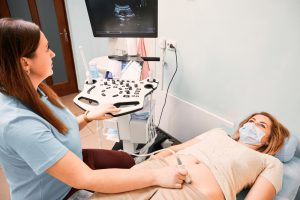
Sonographer doing ultrasound scanning procedure for young woman. Female patient in medical face mask lying on daybed during ultrasonography. Concept of healthcare, medical examination and sonography.Written by Veronica Turner

Approximately 17.5% of adults, or 1 in 6, experience infertility. Giving people access to affordable fertility treatment can improve many people’s ability to start a family.

But even with this access, we still need incredible medical professionals who have the training to educate couples and treat infertility issues at their source. If you choose one of the career paths in this article, you could be one of those professionals who help others with infertility.


10 Different Careers in Fertility Medicine

Going into medicine is a noble pursuit, and if you want to focus on fertility medicine, you have plenty of options. Here are 10 different careers in fertility medicine you should explore.


Sonographer

A sonographer is a medical professional who uses ultrasonic imaging equipment to diagnose various ailments. Getting an ultrasound during pregnancy is common, as it helps parents determine the age and health of the fetus. Ultrasounds can also be used for fertility issues.

After explaining the process to the patient, sonographers will capture clear ultrasounds of a patient’s uterus, ovaries, and endometrial lining to help physicians diagnose potential problems.


Lab Technician

A lab technician is responsible for performing technical, mechanical, and diagnostic tests in a laboratory. A lab technician who works for a fertility clinic or is trained to address fertility issues will use their knowledge to run the lab tests needed for a couple or an individual who is experiencing infertility.

Lab technicians may test samples for the presence or absence of hormones that help with family planning. They’ll also help with ordering supplies and managing equipment.


Medical Assistant

A medical assistant does a wide range of tasks, including showing patients to exam rooms, checking their height and weight, and taking them to the exam room. They would do the exact same thing in a fertility clinic, including sterilizing equipment with an autoclave.

A very experienced medical assistant will assist with on-site lab work (but is unlikely to take blood) and explain various fertility treatments or solutions to couples and individuals. They may administer the medications or explain the proper way to take them.


Patient Coordinator

A patient coordinator manages administrative tasks to ensure their patients receive comprehensive care. They’re often responsible for educating patients on registration, finances, and insurance companies. Some coordinators may speak to families about their fertility.

For example, they may suggest that patients work with a fertility app like Flo to track their menstrual and ovulation cycle.


Registered Nurse

A registered nurse (RN) is a medical professional who provides hands-on care in different medical and community settings. An RN in a fertility clinic could be responsible for administering in-vitro fertilization treatment and teaching patients how to self-administer treatment.

A fertility clinic RN will educate patients about their options before they make a decision. Nurses with a research focus or background, can help researchers come up with new reproductive technologies. A nurse can also pursue various certifications to expand their knowledge.


Embryologist

An embryologist works with patients, often indirectly, with fertility. They do this by helping with the different stages of IVF, from retrieval to the egg development and womb transfer. While they aren’t a doctor, their skills allow them to work with delicate cells like sperm cells and eggs.

Embryologists are also responsible for storing these cells for later use and relaying available treatment options to a patient’s doctor if they aren’t able to do this task themselves.


Midwife

A midwife can offer prenatal support to expectant patients. Some midwives are able to provide routine reproductive care, like Pap tests, but they often have to work alongside obstetricians and gynecologists. Many mothers choose a midwife to have a non-medicated/natural birth.

In regards to fertility specifically, midwives will provide psychological support and order medical tests to help parents through family planning. They may create comprehensive fertility plans.


Gynecologist

A gynecologist is a medical doctor who specializes in treating conditions of the female reproductive system. They administer multiple services and tests, including pelvic exams and pap tests. They’ll also consult patients on menstruation issues, diagnose reproductive diseases, and help with family planning.

If a patient sees a gynecologist for fertility issues, they will conduct fertility monitoring. They’ll also consider how other health problems may impact fertility and create treatment plans.


Fertility Specialist

Fertility specialists are trained medical doctors who specialize in infertility-related conditions for both men and women. They’ll educate patients on fertility preservation, infertility treatments, and genetic diseases. Some further specialize in conditions like polycystic ovarian syndrome (POS).

A fertility specialist can administer a wide variety of treatments, including ovulation induction therapy, intrauterine insemination, in-vitro fertilization, and testicular sperm extraction (TESE).


Urologist

A urologist specializes in treating diseases of the urinary system for both men and women. Since the reproductive systems of males and females are closely linked to the urinary system, a urologist may be needed to diagnose and treat various fertility and reproductive issues.

In some cases, a urologist will conduct analysis on reproductive cells, perform imaging tests, or recommend genetic testing. They often work closely with other reproductive specialists.

In Conclusion…

Fertility issues are difficult to work through on your own. If you pursue one of the career paths listed in this article, you could do a lot to help those experiencing infertility. Many of these careers don’t even require medical school, so you can more easily switch to these roles quickly.


Author Bio: Veronica Turner is a health and lifestyle writer with over 10 years of experience. She creates compelling content on nutrition, fitness, mental health, and overall wellness.


Please also review AIHCP’s Case Management Certificate program and see if it meets your academic and professional goals.  These programs are online and independent study and open to qualified professionals seeking a four year certification.

How Can Abuse and Trauma Affect The Health of a Young Person?

Women with purple ribbon symbols of stopping abuseWritten by Gemma Taylor

Society has undoubtedly made positive strides in breaking the taboo of talking about mental health and trauma. But it’s important to make these conversations a continual process, to ensure victims of abuse receive the support they need throughout their lives.

The American Psychological Association defines trauma as: “An emotional response to a terrible event”. While there are several natural responses to a traumatic event, including shock and denial, everyone is likely to deal with the situation differently. So while it is possible to get a better general understanding around common health implications caused by trauma, it’s important to treat every case individually, rather than taking a blanket approach to care.

Being subjected to abuse in the early stages of a young person’s life can have devastating consequences throughout their childhood and as they grow up. Sadly, while physical scars may recover, abuse can have irreparable impacts on a person’s psyche, altering their entire personality and cognitive functions.

Abuse and trauma are intrinsically linked, since the latter is often a result of harmful experiences. In this post, we’ll take a closer look at the different ways in which past abuse can impact the health of a young person emotionally, physically and mentally.


The prevalence of childhood abuse

Abuse can be physical, sexual or emotional. While it’s a hard topic to discuss, it shouldn’t be shied away from; especially as it remains a prominent issue in society today. In fact, around 600,000 children across the U.S. are abused each year. More than a quarter (28%) of abuse victims are no older than two. Neglect is the most common form of abuse, accounting for 76% of cases, and tragically, 2021 statistics show that 1,820 children died in a single year due to abuse. In the vast majority of cases, it is the parents that victimize their children.


Physical health

The connection between abuse, trauma and physical health is deeply rooted. Depending on the nature of the abuse, a child could suffer a range of physical injuries and even suffer from chronic pain. This can disrupt different aspects of their life, which have the potential to cause further health concerns, such as difficulty sleeping, a loss of appetite and fatigue, on top of their primary injuries.

What’s more, studies have shown that people who have experienced trauma may have an increased risk of developing chronic illnesses like heart disease, diabetes, or obesity. This link is not something that can be ignored, and those who have experienced abuse should seek support in both healing from trauma and addressing any physical health issues related to it.


How to mitigate the physical impacts of trauma and abuse

To cope with the psychological and emotional scars of negative past experiences, lots of victims seek support from therapists and counselors who will be able to provide practical advice for managing any triggers and scars. When it comes to managing the physical impacts, there are lots of other things people can do.

Perhaps the most important aspect is for victims to consider their lifestyle. Unhealthy lifestyle choices, which can often be used as coping mechanisms, will exacerbate the impacts in the long-term. Of course, making positive changes to a daily routine is easier said than done. However, by recommending they make small changes at a time, victims can gradually work towards implementing more healthy daily habits that can ultimately improve their physical wellbeing. This primarily pertains to nutritional choices, exercise regimes and sleep patterns.


Psychological and emotional health

Perhaps something less quantifiable than physical harm is the damage abuse can do to someone’s psychological and emotional health. For survivors, the impact can be devastating, leading to anxiety, depression, and post-traumatic stress disorder (PTSD). These individuals may struggle with feelings of guilt, shame, and worthlessness, and may find it difficult to trust others or form healthy relationships.

Additionally, abuse and trauma can affect a person’s ability to regulate their emotions, leading to intense mood swings and difficulty managing stress. This challenge is one of the most prevalent causes of self-harm in young people, often acting as a way for them to express their suffering. Despite the immense challenges that survivors face, with access to the right support – primarily from healthcare professionals – it is possible to heal and move forward from the trauma.


Cognitive and developmental implications

It’s clear that abuse and trauma can have a profound impact on one’s mental and physical wellbeing, but it can also be heavily detrimental to their cognitive development and learning abilities. In fact, research has shown that experiencing repeated trauma can actually alter the structure and function of the brain, particularly in areas responsible for memory, attention, and emotional regulation. Children who have suffered abuse or trauma may struggle with language development, memory consolidation, and attentional processing, which can ultimately impact their academic performance as they progress through school.

In addition, the emotional toll that can affect their mental health can further hinder a child’s ability to learn and participate in classroom activities. This underscores the importance of creating safe, supportive environments in and out of school where children can heal, grow, and thrive.


What can be done?

As medical professionals, it’s crucial to be able to identify and provide support for children who are victims of abuse. One way to show support is to create a safe and welcoming environment where children feel comfortable sharing their experiences. It’s important to communicate with the child in a manner that is age-appropriate and to listen to their concerns without judgment. Medical professionals can offer resources such as counseling and therapy, and work with social workers and law enforcement when necessary. Ultimately, providing a sense of care and trust can make all the difference in helping a child heal and move forward from their trauma.


Bio: Gemma Taylor

With over 10 years’ experience in the healthcare industry, Gemma now works in the youth sector, helping young people take back control and process traumatic incidents in their lives. She is passionate about adolescent care and aims to educate and share ideas with other professionals through her writing.


References

American Psychological Association – Trauma

https://www.apa.org/topics/trauma

National Children’s Alliance – National statistics on child abuse 

https://www.nationalchildrensalliance.org/media-room/national-statistics-on-child-abuse/

Khiron Clinics – Trauma and chronic illness

https://khironclinics.com/blog/trauma-and-chronic-illness/

NHS Wales – Trauma and the brain https://traumaticstress.nhs.wales/children-and-young-people/trauma-and-the-brain/

Please also review AIHCP’s Grief Counseling Certification program and see if it meets your academic and professional goals.  These programs are online and independent study and open to qualified professionals seeking a four year certification.