Angels are God’s other created beings that worship Him and aide us in our daily life. They are messengers of God and fulfill multiple roles in the will of God. They are important to us as well because they wish to help us be with God. It is important to learn more about their roles in our lives so we can better talk with them and have their influence in our lives.
Please also review AIHCP’s Christian Counseling Certification and see if it matches your academic and professional goals. The program is online and independent study and open to qualified professionals seeking a four year certification in Christian Counseling.
Well being is the balance of mind, body and spirit. It involves how we interact socially and find that perfect balance in life. It equates with happiness. However, when that balance is tipped through grief and depression, the balance can be lost and we may have trouble finding that balance again as we incorporate the new loss into our life
Please also review AIHCP’s Grief Counseling Certification and see if it meets your academic and professional goals. The program is online and independent study and open to qualified professionals seeking a four year certification as a grief counselor.
Losing a pet is painful but worrying about the right things to do before the pet dies can be difficult. Anticipatory grief may begin to enter and we may lose valuable time with our cat, horse or dog. It is important to make our pets last days as wonderful as possible as well as make the proper decision when to say goodbye. This is easier said then done unfortunately.
Please also review AIHCP’s Pet Loss Grief Support Certification and see if it meets your academic and professional goals. The program is online and independent study and open to qualified professionals seeking a four year certification in Pet Loss Grief Support.
Discipleship is key in Christian Mentoring. It involves being a good disciple of Christ and spreading the Gospel to others but also helping other develop in the faith. Christian Mentoring involves helping others find their potential within the Body of Christ.
Please also review AIHCP’s Christian Counseling Certification and see if it meets your academic and professional goals. The program is online and independent study and open to qualified professionals seeking a four year certification in Christian Counseling.
Post Traumatic Stress Syndrome is a severe reaction to a stressor so intense that it imprints upon the mind and brain its terrifying nature. The long lasting effects can result in intense anxiety as well as for some dissociation disorder. The effects can last months after or continue to haunt the person throughout life. In previous eras, it was referred to as Shell Shock as experienced by WWI soldiers but while many soldiers experience PTSD, it can happen to any group of person.
Traumas can be related to war but also to any type of traumatic event than can happen in civilian life as well. Among the type of traumas imposed upon the person include intentional traumas caused by other humans which are the hardest to overcome, as well as human caused accidents and acts of nature, which are usually easier to recover. It is more difficult to overcome intentional acts of humans because these acts of trauma are most associated with evil itself. War, abuse, rape, incest, torture, criminal assault, hostage, bombings, terrorism, suicide, kidnapping, riots, participating in violence, and death threats are a few examples of these severe types of trauma.
Human caused traumas not associated with evil intent still can cause trauma but they are not as mentally crushing to the individual. These types of traumas include industrial accidents, fires, explosions, motor vehicle or plane crashes, nuclear disasters or collapses of buildings. Less traumatic but still impactful or acts of nature, which include any type of storm or geological event, or sudden deaths not associated with evil intent.
Trauma so severe can cause anxiety and dissociation. Please also review AIHCP’s Stress Management Program
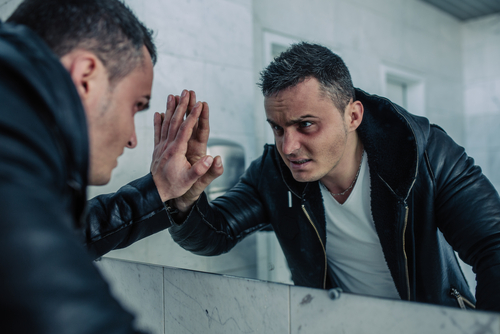
Many individuals suffer greatly in this world and the above stressors and trauma inducing events are well above one’s average bad day but are life altering events in many cases. This can cause severe trauma and not allow the mind to properly process the event. The exposure to this stressor leads to an intense fear or horror to the event itself. In assessing PTSD, the events must be re-experienced via intrusive recollections, dreams, and hallucinations that can be activated due to similar cues. The individual in turn will attempt to avoid numerous things to escape these intrusive reminders. The individual will try to block thoughts, feelings, places, and activities to avoid it. They will disassociate in events and people and try to detach themselves.
In essence, the PTSD interrupts life in all aspects. Individuals will have trouble sleeping, become irritable easily, not be able to concentrate, become hypervigilant, and have exaggerated responses to some stimuli. This type of behavior can last acutely for one month, chronically for six months or more and can even be delayed, well after the event and re-emerge months later.
Those who suffer from PTSD face two major symptoms, high levels of anxiety and dissociation.
Severe anxiety leaves the person in constant distress even if the stressor is no longer present. It can manifest physically upon the person through fatigue, tension, nausea, digestive track inflammation, hyperventilation, suffocating feelings, and a wide array of panic attacks. Emotionally it can cause irritation, fear, exaggeration of emotions and loss of confidence. Mentally, anxiety can cause confusion, lack of concentration, poor memory and inability to make decisions. Spiritually, one may encounter hopelessness and despair. Many look to avoid stressors that naturally cause these feelings and the person will become more reclusive.
In regards to dissociation, most healthy individuals possess an associated consciousness that engages in life, but when a trauma so terrible occurs, the mind does not process the terrible event in long term memory and it is trapped in short term memory. Without proper processing, the trauma continues to haunt the person. It is hence natural, during a horrible event to dissociate from it. When something is so horrible to comprehend, the body for its own protection will tune out. Unfortunately, the unprocessed and walled off trauma is highly unstable and very accessible. It is also very emotional and non verbal and hence impressionable via our senses. The trauma is very fragmented and associated with multiple triggers due to this. The senses of sight, sound, smell, taste, touch, pressure and pain can all awaken these fragmented traumas and cause recollections. The trauma can also be re-awakened by significant dates or seasons or events, as well as tied to strong emotions, thoughts and behaviors. Sometimes the arousal is due to a combination of senses.
Dissociation looks to defend the individual from the horrific nature of the event itself. During a horrible event, the person may depersonalize from the event itself, as if separating from oneself and watching. Another form of this is derealization where the person real believe the event was not real but a dream. Some individuals actually lose parts of the memory itself. Amnesia and forgetting the event looks to help the person forget the horrific nature of it all together, while some may enter into a fugue where an individual has no memory whatsoever of how one got from one place to another during the episode.
The worst type of trauma is the type caused intentionally by other people. Please also review AIHCP’s Stress Management Consulting Program
The most severe form of dissociation is Dissociative Identity Disorder when a person actually creates multiple identities to deal with the trauma itself. Also known as Multiple Personality Disorder, one creates other personalities with stronger characteristics to protect the host from the trauma itself.
Associated with dissociation and anxiety are a variety of associated features that can become attached to PTSD. Many individuals who suffer from PTSD also exhibit a variety of these features in their behavior.
When severe trauma occurs, many have a death imprint that forever changes their outlook on life. This leads to repeating within the mind how they wish they behaved or acted. In this, they may feel extreme shame or guilt, or survivor guilt. Others will develop a severe anxiety with any topic of death itself. With severe trauma, others may also experience shattered world views. One may doubt his or her faith or question how one exists. Such an existential crisis is very common.
There are also a variety of mood disturbances that one may encounter fights with depression and also addiction. Impulsive behaviors can also occur where individuals try to make sudden changes to escape the pain as well as over compensations in other roads of life. Some will also try to relive their trauma and re-enact them in contrast to others The mind also can negatively affect the body and there are a multitude of physical ailments that occur from chronic pains to fatigue and exhaustion.
To escape the mental pain, many will turn to other forms of pleasure. In addition to addiction, some become overtly sexual to find value, while others may turn to self mutilation. These cries for help are attempts to express pain that cannot be visualized or seen. In other cases, this type of behavior looks to cover mental pain with physical pain.
Ironically, it can paradoxically relieve pain and help individuals become addicted to self harm. Others remark it helps them feel alive or makes them feel empowered and in control. Others reiterate it can be used to make themselves less attractive to prevent further abuse or imitate what was seen or experienced.
Unfortunately, without guidance and help, these symptoms and unhealthy coping mechanisms will continue with individuals with PTSD unless helped. They need to face the trauma and understand it. Guidance is required to help process the horrible memory to the long term processing centers of the brain.
If you would like to learn more about AIHCP’s Stress Management Certification, then please review and see if it meets your academic and professional goals. The program is online and independent study and open to qualified professionals seeking a four year certification in Stress Management. AIHCP also offers programs in Crisis Intervention as well. Remember, that even if certified, one still need to be a licensed professional in the mental health fields to work with individuals suffering from PTSD.
Related Text
The Post Traumatic Stress Disorder Sourcebook: A Guide to Healing, Recovery and Growth by Glenn R Schiraldi, Ph.D
Falling asleep can be very difficult. Many adults deal with insomnia and unhealthy sleep habits. Whether stress or over active mind, falling asleep is critical to overall health. The body must find the rest it needs to function at a high level. Fortunately, instead of utilizing medications with various side effects, hypnosis can offer some help.
Hypnotherapy can help with sleep issues. Please also review AIHCP’s Clinical Hypnotherapy Certification and see it meets your goals
The article, “Sleep Hypnosis—What It Is, How It Works and Who Can Benefit” by Soo Kim looks closer at how hypnosis can help one find a good night sleep. The article states,
“In a basic sense, sleep hypnosis works by preparing your mind and body for sleep. “When your mind is calm, your body is relaxed and you are confident in your safety and ability to sleep well, you’re creating the perfect foundation for a great night’s sleep,” Garside said. The hypnosis process helps you to leave behind the events of the day that’s just ended and keep at bay any thoughts about the day ahead, placing you in the middle in “a bubble of protected sleep,” he said.”
Please also review AIHCP’s Clinical Hypnotherapy Certification and see if it meets your academic and professional goals. The program is online and independent study and open to qualified professionals seeking a four year certification in hypnotherapy.
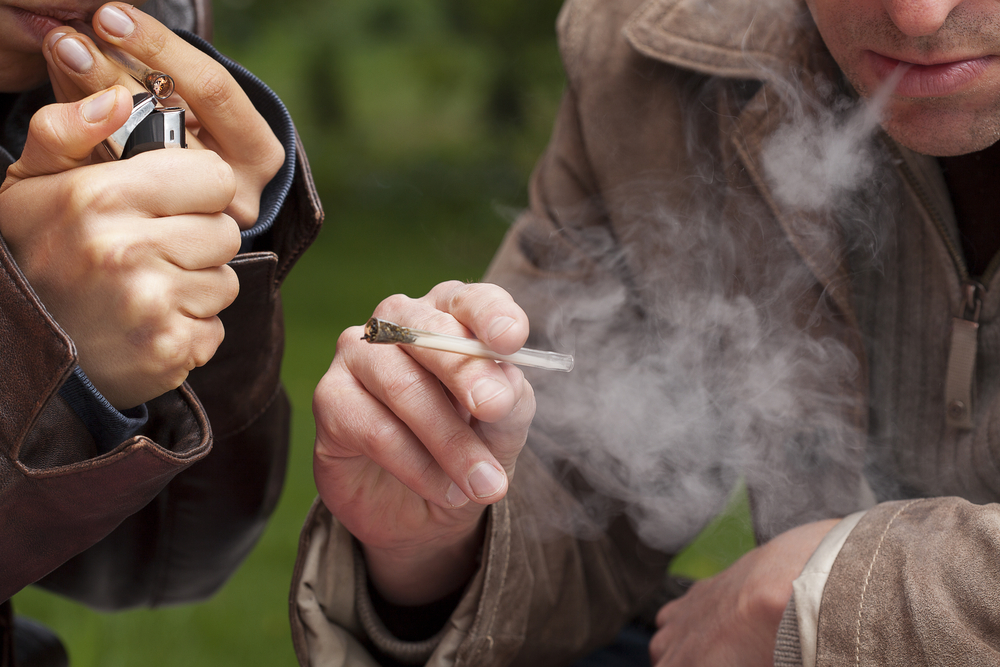
Marijuana may seem like an innocent drug but like any drug it can lead to addiction. While many states legalize it, like alcohol, this lower tier drug if misused can can cause problems for individuals who are unable to utilize it recreationally. Furthermore states that have not legalized it can still prosecute and jobs can still deny employment who fail drug tests due to it.
Like any substance, Marijuana can be abused. Please also review AIHCP’s Substance Abuse Counseling Training
The article, “Marijuana Abuse and Addiction: Know the Signs” by Jaime Herndon looks at Marijuana abuse and how to help those who have issues with it. She states,
“While many people use marijuana (it’s the third most commonly used addictive drug, after tobacco and alcohol) most won’t become addicted. About 1 in 10 people who use marijuana will become addicted; when they start using before the age of 18, the number increases to 1 in 6.2 Research suggests that about 30% of people who use marijuana might have marijuana use disorder, the severity of which can vary.3 Cannabis use disorder is widely defined as problematic use of cannabis that results in significant distress or impairment with at least two issues within a 12-month period, like the substance use results in not being able to meet work, social, or familial obligations, or the substance use continues even after it’s affected or caused interpersonal issues.”
While cannabis is not as likely as other drugs to cause addiction, it still can happen and like many things, it can disrupt life is misused. One needs to ask why one needs to utilize any substance, beer, wine or marijuana to escape life. To read the entire article, please click here
Please also review AIHCP’s Substance Abuse Counseling Training and see if it meets your academic and professional goals. The program is online and independent study and open to qualified professionals seeking a four year certification in Substance Abuse.
Grief and how it is expressed has greatly changed with the dawn of the internet. Stories can be quickly shared and individuals may look to the internet or social media to find outlets for their grief or find comfort and solace. Sometimes this is a good thing and in other cases it can open the person to ridicule.
Please also review AIHCP’s Grief Counseling Certification and see if it meets your academic and professional goals. The program is online and independent study and open to qualified professionals seeking a four year certification in Grief Counseling
Grieving over something that has not yet occurred is referred to as Anticipatory Grief. When someone is terminal and dying, Anticipatory Grief is common as one grieves the event before it occurs.
Please also review AIHCP’s Grief Counseling Courses and see if they meet your academic and professional goals. The program is online and independent study and open to qualified professionals looking for a four year certification in Grief Counseling
Holiday seasons are always difficult when the face of someone special is no longer present. While the first couple of years is most intense, it still forever lingers in one’s heart. It can be difficult to move forward and forge new traditions and it is OK. One should work slowly through such things because loss is not something one gets over with.
Please also review AIHCP’s Grief Counseling Training and see if it meets your academic and professional goals. The program is online and independent study and open to qualified professionals seeking a four year certification in Grief Counseling.