In addition to the many painful emotions associated with a terminal illness of a loved one, there are also numerous decisions that need to be made for his or her future. Whether an aging parent, or a young child, and anything in-between, the difficulty in helping the loved one through this final phase can be difficult.
Beyond the emotional pain of dealing with a terminal diagnosis of a loved one also involves numerous medical and legal decisions. Please also review AIHCP’s Pastoral Thanatology Program
One needs to start considering possible therapies and treatments but also quality of remaining life versus quantity of days. Should one remain in a healthcare facility with treatments unproven or accept the inevitability of death and find joy in the final days of life? These decisions are not easy and especially made harder when the person is unable to make choices regarding their own health.
Please also review AIHCP’s Pastoral Thanatology Certification and see if it meets your academic and professional goals. The program is online and independent study and open to qualified professionals seeking a four year certification in Pastoral Thanatology
The sin of self love, self ambition, and disregard for others started with Lucifer. The sin of Pride, the chief of the capital sins, distorted Lucifer into a glorified self love. Lucifer saw in himself perfection and his will was put before God. In turn, Lucifer was cast from Heaven into Hell for this delusional distortion of self value and worth. Vengefully and without remorse or humility, Lucifer in his pride vowed to destroy everything else God created and corrupt it. In reality, Lucifer was the first Narcissist.
Lucifer was the first Narcissist. Please also review AIHCP’s Christian Counseling Certification
Today, many times, the label of Narcissist is used too liberally. Many an offended partner, will diagnose one’s ex partner as a Narcissist, when in reality, the nature of breakups and divorces are difficult times when everyone is out for oneself. Selfish tendencies are inflated to point to Narcissism at every turn when in reality there is pathology but only selfish motives. Narcissism is beyond selfish motives at a given time, but is a habitual state of self love that becomes pathological in all dealing with other people. Narcissists have sociopathic tendencies, are incapable of empathy, and find total glory in the magnification of self. They are incapable of logical discussion and live in a world dominated by double standards. Any slight is seen as a grave offense and any lie to maintain their illusion of self is justified at all expenses.
Biblically, all human beings are inherently damaged due to the Fall of Adam. In that inherently exists a love of self. The will of a person naturally wishes to put oneself before the will of God. While the natural world does demand some type of self love for mere preservation, selfish individuals nonetheless exist that may not be Narcissists. In understanding this, think of selfish instance one may have found oneself in and how one acted. These random situations of selfishness may be more or less with different individuals but they are not a permanent habit nor moments that may bring remorse or regret at a later date. A Narcissist feels no regret and is habitually selfish.
Scripture speaks of the dangerous nature of selfishness. James 3:16 warns that “For where you have envy and selfish ambition, there you find disorder and every evil practice.”. James 4:1 continues, “What causes fights and quarrels among you? Don’t they come from your desires that battle within you?” and again Ephesians 2:3 declares, “All of us also lived among them at one time, gratifying the cravings of our flesh[a] and following its desires and thoughts. Like the rest, we were by nature deserving of wrath.”
Hence it is fallen human nature that creates selfishness within the heart. However, at a young age, individuals learn from experience and punishment, that their needs are not always the highest or most important and that others needs need to be understood and respected. The essence of the Golden Rule as “Do unto others, as you would wish done to you” should be a celebrated doctrine in any home. However, somehow, someway, some human natures are more inclined to certain things and desires. Like everyone, individuals have physical strengths and weaknesses, as well as mental, emotional and SPIRITUAL. For some, selflessness is easier, while other desires may be far more difficult. Some, may inherently find selfishness to be more of a hurdle in one’s daily life.
The desire for self preservation and self love is inherent in all human beings. It is important to nurture love and empathy for others at a early age to prevent Narcissistic tendencies from developing
Children and their personalities will exhibit certain spiritual talents and certain spiritual weaknesses. The duty of a parent is to instruct the child in God’s law to conform consciences to God’s will and to help develop spiritual virtues and talents and eradicate certain vices that manifest more easily within the child’s temperament. In this, parents can witness certain patterns that may be naturally imbalanced within their child. Selfish behaviors need to be reprimanded and properly explained to a child. Example, teaching and consistency in building virtuous habit over destructive vice is key when such signs of selfishness appear. There needs to be a true balance of nature and nurture to curb natural inclinations towards self love and other behaviors that lead to immoral indifference to others. Children who are not given consequences, taught empathy, shown restraint, or directed to share and give, can become not only very selfish adults but potentially Narcissists.
In understanding Narcissism from a more clinical view, the article “Narcissism” from Psychology Today points out the primary definition of a Narcissist, their needs and how to cope with them in different settings. The article states,
“Narcissism does not necessarily represent a surplus of self-esteem or of insecurity; more accurately, it encompasses a hunger for appreciation or admiration, a desire to be the center of attention, and an expectation of special treatment reflecting perceived higher status. Interestingly, research finds, many highly narcissistic people often readily admit to an awareness that they are more self-centered. A high level of narcissism, not surprisingly, can be damaging in romantic, familial, or professional relationships.”
It is very important then not to mistake Narcissism for self esteem, or random selfish moments but as a personality disorder that exhibits habitual selfish behavior. Not only is this behavior selfish, but it is also a pathological form of self love. Every movement is about the glorification of self and the needed admiration of others to acknowledge this illusion. When this image is challenged, the Narcissist will employ lies, gas lighting, and defamation against one who dares insult them. Some additional traits include pathological self esteem, sense of entitlement, extreme arrogance, lack of empathy, lying, exaggerations of achievements, extreme envy of others, and obsession with fantasies of power.
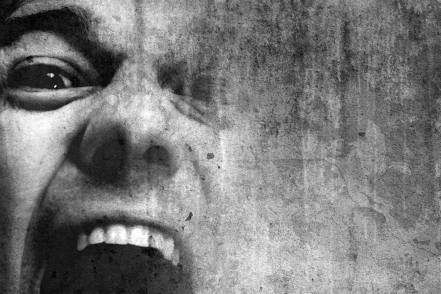
When a Narcissist’s self image is challenged, it can lead to rage, lies, and slander towards the other person
Narcissists may seem very charming at first, but overtime, the more than selfish nature of vanity becomes more and more extreme. They exhibit no empathy for others and find value in others only as ways to find their own glorification. Friends or family who challenge them or debate them quickly find themselves demonized. The need of others is to satisfy their own ego. Hence Narcissists in relationships may appear in love but they are in love more so with the energy they feed off of the other spouse or partner. When the parasitical feeding no longer feeds the hunger of the Narcissist, then the existence of the other person is no longer required or needed in their orbit.
With this detailed description of a Narcissist understood, how should someone deal with a Narcissist?
Direct confrontation, criticism, dwelling on the past or expecting an apology are all ways to enrage an Narcissist
In family life, Narcissists can destroy a family unit. They can make an intimate partner feel inadequate, or unworthy. They may insult or criticize a partner, or be dismissive or neglect the other if the other does not mean one’s needs. Some family members are able to cut ties, but if not, the relationship will be extremely taxing and stressful. In dealing with Narcissists, especially in family, it is more difficult to avoid them so it is important to make a decision in how one wishes to interact. Arguing with a Narcissist is impossible, so establishing boundaries is key and avoiding key confrontations. Sometimes it is best to nod one’s head to avoid outright confrontation. If at all possible, it is best to reduce time and situations with them. If possible, even cutting ties with a Narcissist is the best option, albeit difficult for individuals in careers or who love their Narcissistic spouse or loved one.
It is critical, whether at work, home or socially engaging a Narcissist to deal with them in particular ways to prevent issues. Obviously as mentioned, arguing or challenging a Narcissist is a recipe for disaster. Words must be chosen carefully without criticism. It is important to remain calm and precise, even when standing up for oneself. It is fine to stand up for oneself but it needs to be done so in a calm and refined way. If it hurts the Narcissist’s feelings, that is beyond one’s control if the need to stand up for oneself becomes critical. It is beyond useless to even try to have a comprising conversation, or expect an apology, or discuss the past. The Narcissist will never see one’s point of view, and will respond negatively to any direction or criticism.
Conclusion
Narcissism is a spiritually dangerous personality disorder. It is both a combination of nurture and nature. It is in itself the most Luciferic state a person can mold into. Biblically, all are selfish to an extent, but Narcissism is a habitual state.
Clinical Counseling and prayer are the only ways to change the heart of a Narcissist
Christ’s message is the ultimate rebuttal of Narcissism. Christ, unlike Lucifer, accepted the Father’s Will, and despite the His greatness, disguised it under the appearance of mere man. Christ throughout His ministry reminded the rich and powerful that they will be last in Heaven. He insisted we love one’s neighbor above oneself and to share with and love others. Christ is a paradigm of humility and how humility destroys the vice of pride. Humility and reverence to God are the first steps for any Narcissistic recovery. The ultimate subjugation of self to the infinite majesty of God can open the heart of any person. With clinical counseling and spiritual direction, any miracle is possible, even for a habitual state of sin that forbids remorse.
Christian Counselors can help individuals understand what Narcissism is and how Christians can better deal with these types of individuals on a daily basis. Christian charity and prayer is needed for them. No soul is ever lost but such personality disorders can prevent true conversion. When one is unable to say one is sorry is an extreme issue when no-one is perfect or without sin. Narcissism can prevent souls from asking forgiveness and seeking change due to these souls’ own inner pathology. This pathology is in no way a clinical excuse to sin and be unkind to so many. Hence it is an extremely dangerous spiritual state.
Please also review AIHCP’s Christian Counseling Certification and see if it meets your academic and professional goals. The program is online and independent study and open to qualified professionals seeking a four year certification. It is important to note, Christian Counselors who are not licensed counselors are not qualified to diagnose Narcissism but they can present sound Biblical advice on the nature of selfishness and how to interact with others in such states. They can also refer individuals to clinical counselors who may need clinical help with Narcissism.
Additional Resources
“How to Handle a Narcissist”. Kara Mayer Robinson. 2021. WebMD. Access here
“8 Ways to Handle a Narcissist”. Susan Krause Whitebourne. August 30th, 2014. Psychology Today. Access here
“How to Deal With a Narcissist”. Kendra Cherry. October 14th, 2022. VeryWellMind. Access here
Narcissistic personality disorder. Mayo Clinic Staff. Mayo Clinic. Access here
Coping is an essential element in human response to loss, grief and stress. Even at the most simple levels of existence, coping and adaptation to change is critical to survival. Human beings cope with loss and mental stress through a variety of ways. Initially, sometimes, the way one copes may not be the best way but it initially allows the person to retreat, review and respond but many negative coping habits over a long period of time can become pathological. Grief Counselors can offer basic grief support to help individuals avoid the pitfalls of bad coping.
Healthy coping is possible when the person is able to understand the situation and react to it in adaptive way that is not maladaptive or destructive. When one responds socially or emotionally in ways that attempt to numb the pain consistently. Avoidance is one of the most common themes of negative coping. While initially it may be beneficial, overtime, the the short fix to numb oneself and avoid things that incite pain, grief, shame, guilt or any emotion associated with the loss are key signs of negative coping. Negative coping may ease the initial pain, but it does very little in healing the person over time. It becomes an obstacle to healing.
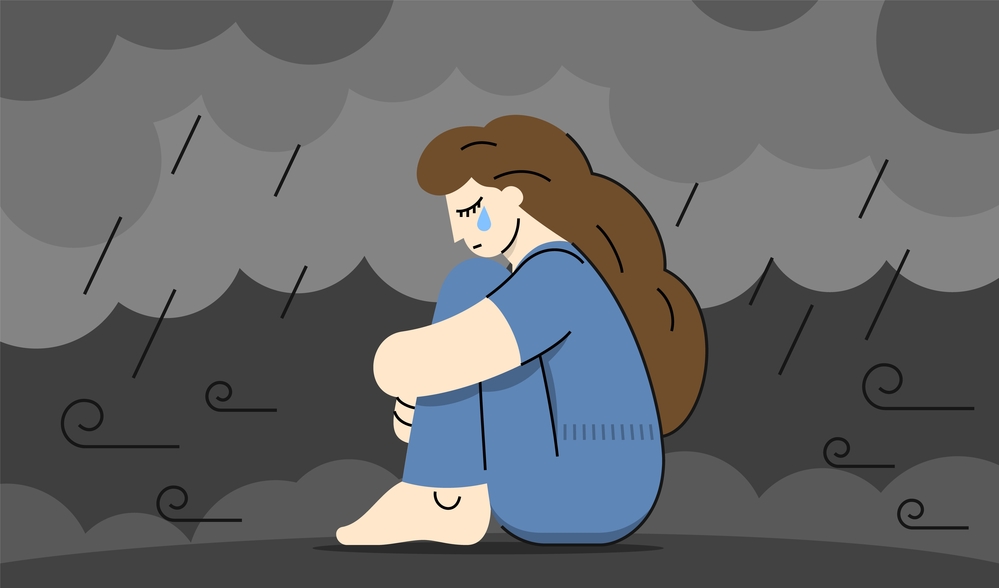
Poor coping strategies can lead individuals to avoidance behaviors of the grief itself where they either isolate or bury themselves in work
What’s Your Grief offers a very insightful article on negative coping in their article, “Grief and Negative Coping” by Eleanor Haley. The article looks at what negative coping is and various examples of the behavior in regards to work, socializing, and parenting. It also lists other ways individuals attempt to temporarily cover the pain. Haley states,
“Negative coping is like emotional aspirin. It numbs the pain temporarily, but the pain reappears once it wears off. Often these patterns of behavior end up making your stress worse because they are unhealthy and require a lot of effort to maintain. Moreover, they prevent you from effectively processing your emotions and experiences, which can lead to a prolonged sense of anxiety and emotional pain.”
“Grief and Negative Coping”. Eleanor Haley. What’s Your Grief
Haley points out three interesting ways adaptive versus maladaptive coping manifests in work, socialization and parenting. Many individuals will either relinquish responsibility or drown themselves in responsibility to avoid the pain of a loss. Haley illustrates how this occurs in work, life and parenting.
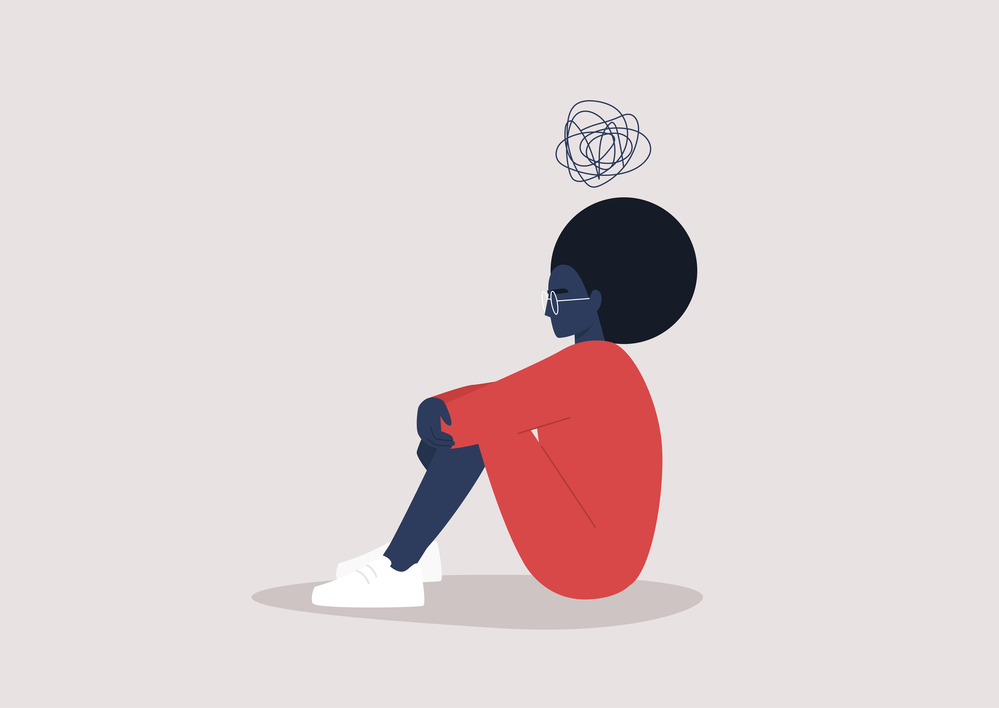
Poor coping looks for temporary numbness over facing the loss and finding healing
In working, some individuals will work long and exhausting hours, while others may not show up for work. Adaptive coping is the ability to handle the loss but still after a few days, show the ability to function within the work place. Likewise, with parenting, grieving parents may ignore their responsibilities with their children or over indulge in their life to cover the loss. Likewise, in the social sphere, one can see the same type of extremes with individuals who instead of normal engagement become a recluse in the house for weeks or turn to partying every night. All the extremes in these scenarios are examples of negative coping. In it, the individual is trying to mask the issue at hand by avoiding it through excessive work or depressive avoidance of life.
In addition, many negatively cope through the use of substance abuse. This in turn becomes a difficult endeavor to continue as one constantly seeks the numb feeling associated with the substance or drug. This can lead to greater issues with addiction and loss of relationships. Commonly, individuals who suffer may have a few days alone or have a couple drinks, but this type of abuse is far longer and in a greater scope. It is not a way to escape the initial pain to retreat and review, but is a permanent new life style that prohibits any response to the true problem and hence preventing any type of healing.
Other examples of negative coping include over-eating and food indulgences, as well as isolation, fighting, avoidance of places, people and things and any type of destructive behavior.
Instead of seeking a numbing experience, individuals need to finally respond to their grief. They need to learn to adjust to the new normal even if painful. This involves adjusting emotionally but also not allowing it to sidetrack life itself. Positive coping looks for cognitive reframing of the situation and an understanding of how the loss or stress plays a role in the overall story of life. Positive coping looks at ways to incorporate the loss into one’s life without ignoring it or harming oneself financially, emotionally or physically. It involves healthy decisions.
Some examples of healthy coping include meditation, prayer, exercise, memorializing the loss, discussing the loss with family and friends, and reframing the loss and finding its place of meaning and construction within one’s own life narrative.
Conclusion
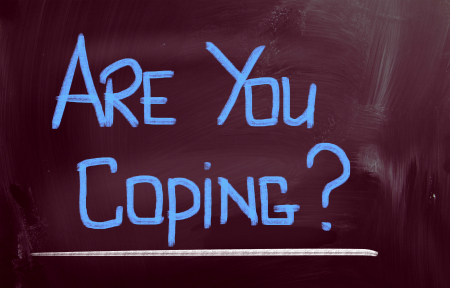
Do you find yourself utilizing positive or negative coping strategies? Please review AIHCP’s Grief Counseling Certification
It is natural to wish to avoid unpleasant things. It is natural to avoid pain. Humans are wired to react negatively to pain and instead look away. When emotionally hurt, one wishes to ignore the pain and avoid it. Individuals look to numb it instead of sometimes facing the horrendous lost. While initially this is natural, hence why many individuals deny first bad news, overtime, this can become detrimental to healing. The quick fix of avoidance and bad coping may numb something temporarily but the pain will always return. Eventually, one must perform grief work and cope in a healthy way to ever find healing itself.
Please also review AIHCP’s Grief Counseling Certification program and see if it meets your academic and professional goals and needs. The program is online and independent study and open to qualified professionals seeking a four year certification in Grief Counseling.
Additional Resources
“6 Coping Skills to Work Through Grief”. Hope Gillette and Sandra Silva Casabianca. July 21, 2021. PsychCentral. Access here
“How to overcome grief’s health-damaging effects”. February 15th, 2021. Harvard Health Publishing. Access here
“The Process of Coping with Grief and Loss”. Isaac P. Tourgeman Ph.D., M.S. September 1st, 2021. Psychology Today. Access here
“Grief: What’s Normal, What’s Not — and 13 Tips To Get Through It”. July 27th, 2018. HealthEssentials. Cleveland Clinic. Access here
While ADHD is a label that is thrown on children sometimes as merely a term for unruly children, the fact remains, it exists in a large enough population that it needs to be seriously examined. Parents are the first guard of their children and they can watch for a multitude of behavioral issues, ADHD symptoms included. If a child consistently displays certain traits over a period of time that matches ADHD behaviors, then it may be wise to have one’s child examined for possible ADHD diagnosis. Licensed professionals as well as ADHD Consultants can help in this process.
Is that child ill behaved or suffering from ADHD? Please also review AIHCP’s ADHD Consulting Certification
The obvious symptoms are inattention, hyperactive, lack of focus, extra energy, impulsiveness and within school and home an inability to complete tasks, sitting still and controlling impulses. While it is possible there is not an issue, if multiple symptoms exist and the child struggles at school and home, it may be important to find professional help. The article, “How to Deal With ADHD: A Guide for Parents” by Ugo Uche looks closer at what parents can expect and most importantly how they can work better with their child. The article states,
“If you have a child with ADHD, you’re not alone. According to the federal Centers for Disease Control and Prevention (CDC), nearly 10 percent of school-aged children have been diagnosed with the condition. While there are many different ways to manage ADHD, it can still be challenging for parents. There are so many things to think about and keep track of, and it seems like no matter what you do, your child is always acting out or getting into trouble. It’s hard to know where to turn for help. This post includes the information you need to start understanding the challenges facing your child and how to help them thrive.”
“How to Deal With ADHD: A Guide for Parents”. Ugo Uche. March 22nd, 2023. Psychology Today.
ADHD, or Attention Deficit Hyperactivity Disorder, is a neurodevelopmental disorder that affects a child’s ability to concentrate, control their impulses, and manage their energy levels. The symptoms of ADHD can manifest differently in each child, but they typically fall into three categories: inattention, hyperactivity, and impulsivity.
A child with ADHD may have difficulty focusing on tasks or completing them, forgetfulness, and being easily distracted. They may also exhibit hyperactive behavior, such as fidgeting, constantly moving, and talking excessively. Impulsivity can also be a characteristic of ADHD, where a child may act without thinking, interrupt others, and have difficulty waiting their turn.
It is essential to understand that ADHD is not a result of poor parenting, but rather a complex neurological disorder. There is no known cure for ADHD, but with the right treatment and support, children with ADHD can learn to manage their symptoms and lead fulfilling lives.
Signs and Symptoms of ADHD in Children
Inattentiveness and lack of focus are key signs of ADHD and its diagnosis
ADHD can be challenging to diagnose, as many of the symptoms can be attributed to typical childhood behavior. However, parents should look out for the following signs and symptoms:
Impulsivity: interrupting others, difficulty waiting their turn, acting without thinking
If a parent notices these symptoms in their child, they should consult with a healthcare professional to determine if their child has ADHD.
Diagnosis and Treatment Options for ADHD
Diagnosing ADHD involves a comprehensive evaluation of a child’s behavior and symptoms. A healthcare professional may conduct interviews with the child, parents, and teachers, and assess cognitive and behavioral functioning. Once diagnosed, the healthcare professional will work with the parents to develop a treatment plan tailored to the child’s needs.
Treatment for ADHD may include medication, behavioral therapy, or a combination of both. Medication can help manage symptoms of ADHD, such as inattention and hyperactivity. Behavioral therapy can teach children with ADHD how to manage their behavior and improve social skills. Parenting strategies also play a significant role in managing ADHD symptoms.
Parenting Strategies for Children with ADHD
Parenting a child with ADHD requires patience, understanding, and a willingness to learn. Below are some parenting strategies that can help children with ADHD:
Establish routines: Children with ADHD benefit from structured routines and schedules. Create a daily routine that includes time for homework, play, and rest.
Set clear expectations: Children with ADHD need clear and concise instructions. Use positive reinforcement to encourage good behavior.
Break tasks into manageable steps: Large tasks can be overwhelming for children with ADHD. Break them down into smaller, achievable steps.
Use visual aids: Visual aids, such as charts and checklists, can help children with ADHD stay on task and remember what they need to do.
Encourage physical activity: Regular physical activity can help children with ADHD manage their energy levels and improve focus.
Creating a Supportive Home Environment
A supportive home environment can help children with ADHD manage their symptoms and thrive. Here are some ways parents can create a supportive home environment for their child:
Minimize distractions: Children with ADHD can be easily distracted. Create a quiet and organized space for homework and other tasks.
Provide healthy meals: A healthy diet can help children with ADHD manage their symptoms. Provide nutritious meals and snacks.
Encourage sleep: Getting enough sleep is crucial for children with ADHD. Establish a bedtime routine and limit screen time before bed.
Stay organized: Help your child stay organized by creating a system for their belongings and schoolwork.
Discipline and Behavior Management for Children with ADHD
Disciplining a child with ADHD can be challenging, as they may have difficulty controlling their behavior. Here are some tips for disciplining a child with ADHD:
Use positive reinforcement: Reward good behavior with praise or small incentives.
Be consistent: Children with ADHD need consistency and clear consequences for their actions.
Avoid physical punishment: Physical punishment can be harmful and ineffective for children with ADHD.
Helping Your Child Succeed in School
Schools will sometimes seek to diagnosis whether a child has ADHD to better help the child
Children with ADHD may struggle in school due to their difficulty focusing and completing tasks. Here are some ways parents can help their child succeed in school:
Communicate with teachers: Keep open communication with your child’s teachers to ensure they are receiving the support they need.
Help with homework: Assist your child with homework and break down tasks into manageable steps.
Advocate for your child: Speak with school officials to ensure your child is receiving appropriate accommodations, such as extra time on tests.
Coping with the Challenges of Parenting a Child with ADHD
Parenting a child with ADHD can be challenging and stressful at times. Here are some ways parents can cope with these challenges:
Seek support: Join a support group for parents of children with ADHD or seek counseling.
Take care of yourself: Self-care is essential for managing stress. Make time for activities you enjoy and prioritize your own well-being.
Celebrate successes: Celebrate your child’s successes, no matter how small they may seem.
Resources and Support for Parents of Children with ADHD
There are numerous resources and support available for parents of children with ADHD. Here are some resources to consider:
CHADD (Children and Adults with Attention-Deficit/Hyperactivity Disorder): a national nonprofit organization providing education, advocacy, and support for individuals with ADHD.
National Institute of Mental Health: a government organization providing information and research on mental health conditions, including ADHD.
Understood: a nonprofit organization providing resources and support for parents of children with learning and attention issues.
Conclusion: Hope for the Future
AIHCP offers a certification for qualified professionals in ADHD Consulting
Parenting a child with ADHD can be challenging, but with the right strategies and support, children with ADHD can thrive. It is essential to understand that ADHD is not a result of poor parenting, and there is no known cure for ADHD. However, with early diagnosis and appropriate treatment, children with ADHD can learn to manage their symptoms and lead fulfilling lives. By creating a supportive home environment, using positive reinforcement, and seeking support, parents can help their children with ADHD reach their full potential.
Parents can also work with ADHD Consulting Specialists who can aid them with various coping strategies. ADHD Consultants can be individuals with a deeper understanding about ADHD but are also professionals in health and mental health care. Not all are licensed counselors but many licensed counselors also receive additional certifications in ADHD Consulting if their practice is heavy on helping individuals with ADHD. AIHCP offers a certification for qualified professionals in ADHD Consulting. The program is online and independent study and open to qualified professionals seeking a four year certification as an ADHD Consultant.
Additional Resources
“ADHD in Teens”. WebMD Contributors. June 14th, 2021. WebMD. Access here
“Parenting a Child With ADHD”. Reviewed by: Shirin Hasan, MD. May of 2022. Nemour’s KidsHealth. Acess here
“A Survival Guide for Parents with ADHD: Strategies from Preschool to High School”. David Anderson. December 5th, 2022. ADDittude. Access here
“Parenting a Child with ADHD”. Psychology Today Staff. Psychology Today. Access here
Working in the healthcare education field, I have seen first-hand the vital role that forensic nursing training plays in both patient care and legal proceedings. Forensic nursing is a specialized field of nursing that combines medical care with the criminal justice system. Forensic nurses are trained to provide care to patients who have experienced trauma, collect and preserve evidence, and testify in court as expert witnesses. They are extremely valuable to the criminal justice system and help many victims receive justice.
The article below showcases the ever growing need for forensic nurses and the increased need for Forensic Nursing Training. It is an excellent read and further illustrates the need for more nursing professionals in the forensic field.
UCHealth’s team of forensic nurses cared for 2,515 children and adults in this city last year who were sexually assaulted, choked or beaten and in need of a medical exam that could become evidence in a criminal case.
These exams — more than six per day on average — took place mostly in Memorial Hospital’s emergency department, a Level I trauma center punctuated by the sounds of beeping machines, shouting amongst doctors treating gunshot victims, and law officers standing guard outside of patient rooms.
The Role of Forensic Nurses in Patient Care and Legal Proceedings
Forensic nurses play a critical role in both patient care and legal proceedings. In terms of patient care, forensic nurses are trained to treat patients who have experienced trauma, such as sexual assault, domestic violence, and child abuse. They are also trained to collect and preserve evidence, such as DNA samples, photographs, and medical records. This evidence can be used in legal proceedings to help ensure that perpetrators are brought to justice.
In legal proceedings, forensic nurses are often called upon to testify as expert witnesses. They can provide testimony about the injuries sustained by the victim, the collection and preservation of evidence, and the medical treatment that was provided. This testimony can be crucial in helping to secure a conviction and ensuring that justice is served.
Importance of Forensic Nursing Training
Forensic nursing is a complex and specialized field that requires extensive training. Without proper training, forensic nurses may not be able to provide the level of care that is required or may not be able to collect and preserve evidence properly. Additionally, without proper training, forensic nurses may not be able to testify effectively in court.
Forensic nursing training is critical to ensuring that patients receive the best possible care and that justice is served in legal proceedings. Forensic nursing training provides nurses with the knowledge and skills they need to provide comprehensive care to patients who have experienced trauma. It also provides nurses with the training they need to collect and preserve evidence properly, which can be critical in securing a conviction.
Types of Forensic Nursing Training
There are several types of forensic nursing training available, including continuing education courses, certification programs, and degree programs. Continuing education courses are designed to provide ongoing education to nurses who are already working in the field. Certification programs are designed to provide nurses with a credential that demonstrates their expertise in forensic nursing. Degree programs, such as a Master of Science in Nursing (MSN) with a forensic nursing specialization, are designed to provide nurses with advanced knowledge and skills in the field.
Benefits of Forensic Nursing Training for Nurses and Patients
Forensic nursing training provides a wide range of benefits for both nurses and patients. For nurses, forensic nursing training can lead to increased job satisfaction, higher salaries, and more career opportunities. For patients, forensic nursing can lead to better outcomes, including improved physical and mental health, greater access to justice, and increased safety.
By providing comprehensive care to patients who have experienced trauma, forensic nurses can help to reduce the long-term physical and psychological effects of trauma. Additionally, by collecting and preserving evidence properly, forensic nurses can help to ensure that perpetrators are held accountable for their actions.
Challenges Faced by Forensic Nurses and How Training Can Help
Forensic nursing is a challenging and often emotionally taxing field. Forensic nurses may be exposed to graphic and disturbing images and may be required to testify in court, which can be stressful and intimidating. Additionally, forensic nurses may face challenges related to the collection and preservation of evidence, such as a lack of resources or support.
Forensic nursing training can help to address these challenges by providing nurses with the knowledge and skills they need to cope with the emotional demands of the field. It can also provide nurses with the training they need to overcome challenges related to evidence collection and preservation.
Forensic Nursing Certifications and Qualifications
Certifications and qualifications are an important part of the forensic nursing field. Forensic nursing certifications, such as the Sexual Assault Nurse Examiner (SANE) certification, demonstrate a nurse’s expertise in the field and can help to increase their job opportunities and salary. Qualifications, such as a Master of Science in Nursing (MSN) with a forensic nursing specialization, can provide nurses with advanced knowledge and skills in the field.
It’s important to note that forensic nursing certifications and qualifications vary by state and by institution. It’s important for nurses to research the requirements in their state or institution before pursuing certification or further education.
Conclusion: The Importance of Investing in Forensic Nursing Training
Forensic nursing is a vital and specialized field that requires extensive training. Forensic nurses play a critical role in providing care to patients who have experienced trauma and in ensuring that justice is served in legal proceedings. Forensic nursing training provides nurses with the knowledge and skills they need to provide comprehensive care to patients and to collect and preserve evidence properly.
Investing in forensic nursing training is critical to ensuring that patients receive the best possible care and that justice is served in legal proceedings. By providing nurses with the training they need to excel in the field, we can ensure that the forensic nursing profession continues to grow and provide the best possible care to patients.
With a growing need and a stable job market, becoming a forensic nurse is a great way to further your nursing career. If you feel Forensic Nursing would be a good idea for you, please feel free to visit our Forensic Nursing Certification webpage.
The opinions of senior nursing students about forensic nursing. Topçu, E.T., Kazan, E.E. Egypt J Forensic Sci 8, 16 (2018). https://doi.org/10.1186/s41935-018-0045-y
Forensic clinical nurses in emergency departments: An emerging need for New Zealand. Donaldson, A. (2019). Kaitiaki Nursing Research, 10(1), 54–58. https://search.informit.org/doi/10.3316/informit.836998773269269
Evolution of Forensic Nursing Theory–Introduction of the Constructed Theory of Forensic Nursing Care: A Middle-Range Theory. Valentine JL, Sekula LK, Lynch V. J Forensic Nurs. 2020 Oct/Dec;16(4):188-198. doi: 10.1097/JFN.0000000000000287. PMID: 32379251; PMCID: PMC7678647.
The polymorphism of crime scene investigation: An exploratory analysis of the influence of crime and forensic intelligence on decisions made by crime scene examiners. Tatiana Resnikoff, Et al. Forensic Science International, Volume 257, 2015, Pages 425-434, ISSN 0379-0738.
Age is a constant in life. From the moment of one’s conception, there is biological change taking place. One continues to change and age and grow physically and mentally and throughout each phase in life there are new challenges and expectations. The ability to adjust and alter with change and aging is key to a happy life but certain phases in life can come with more emotional disruption. Usually one’s teens is the first phase of large change as one leaves childhood and enters into teenage years and young adulthood. The multitude of changes both physically, mentally and emotionally are extensive as one learns how to become an adult and take on responsibility, all the while forming an identity.
Aging and change to previous held concepts of self are the triggers to a Mid Life Crisis.
Very close or even equal is mid life. Mid life change differs in that it does not look to form an identity but it actually reviews one’s identity and also the existential reality of that identity. One is faced with the notion of life and death itself. This can lead one into what is referred to as a Mid-Life Crisis.
Phases of Midlife Crisis
There are three phases to a Mid-Life Crisis. First, the trigger. Whether it is a death in the family or one’s own existential awareness, something triggers this state of alert to change. Deaths of loved ones, children moving out, new family structures or even one’s own perception of self due to change can trigger a Mid-Life Crisis. Whether this trigger causes an awakening or crisis is how one views the changes or how well they are able to adjust. The second phase is the acute crisis. During this phase, one experiences the fear, doubt, anxiety and changes that correlate with these feelings. The final phase is the conclusion, where answers or adjustments are made to correct the imbalance to the non finite loss. Like everything in change, loss and grief, one must find adjustment to the new normal. How well one can cope and accept the person in the mirror and make the necessary adjustments in a non pathological way determine the success of the transition.
Triggers for Mid-Life Crisis
Like adolescence, middle age brings multiple changes in life. For both men and women, this means potential weight gain. Wrinkling, greying and balding are also physical changes also come with steep emotional prices. Individuals begin to see themselves differently in the mirror. The avatar they have envisioned themselves as for the last Twenty years is fading. This type of loss regarding youthful appearance can vary among individuals but it is a change that eventually some need to accept.
In addition, energy levels drop affecting one’s once athletic abilities, or also sexual drives. This change in physiology can be a difficult time, as difficult it is for teens during their years of change. What can become confused in this lost of identity and begin question oneself. Confidence can drop and anxiety and depression can set in for some. For most, it is only an uncomfortable transition of acceptance, but for some, it becomes a roller coaster ride of extraordinary crisis.
With this non finite type of grief and loss, one is sought searching and longing for the past. One is in search of the symbolic Fountain of Youth. Some may attempt to fabricate change through miracle drugs, or surgical procedures to attempt to recapture that look. Others will attempt to revamp their entire robe ward . In itself, these attempts to stabilize confidence can be innocent and non harmful but when these attempts overwhelm an individual to drastic change and dangerous procedures, then one may need to seek counseling or help. One may also need to speak to grief counselors or even licensed counselors when one’s self esteem is becoming dangerously tattered from these physical changes.
Some enter into Mid Life Crisis through more mental perceptions. One may become dissatisfied with their progress in life. Unfilled happiness or goals may begin to enter into one’s mind as one realizes one is no longer in the prime of one’s youth. Lack of pursued education, relationships, travels, or dreams may all begin to haunt the individual. This can lead to aimlessness, self doubt, dissatisfaction and longing.
Grief Counseling and Support
Support and listening ears are ways individuals can navigate a Mid Life Crisis in a healthy and good way progressing forward
In response, individuals may seek to rectify some of these issues. In taking inventory of one’s life and looking and what is lacking or unfulfilled, one is not necessarily entering a crisis stage, but actually taking proactive steps to make a better life, but again, when done in haste, without plan, or financial consideration, these moves can become merely reactional and not well thought out. This may lead to a manic episode of off the wall purchases, such a dream car, or travel beyond one’s financial capabilities. Furthermore, if one is discontent with one’s relationship due to the change of time, one may be more daring to enter into an affair.
It is of no wonder then that suicide rates increase during Middle Age.
In dealing with a Mid-Life Crisis many may ask new questions about oneself. They may look where they came from and where they are going. They make take inventory of successes and failures and account new limitations and how to creatively balance them. In anything dealing with change it is crucial to have some relevance of coping ability and confidence in life. This is why it is crucial to acknowledge one’s feelings and the loss one feels. It is OK to feel uncomfortable and upset but one needs to be able to understand how is one going to react to these new challenges.
Optimistic outlooks point to the fact that life is growing and expanding and not becoming something less desirable. With each phase in life comes new advantages that someone can part take in. It is good to see optimism in one’s age and how one can make this phase of life the best it can be. Maybe through more exercise and health diets to maintain oneself better, or new hobbies or things that one has not accomplished as of yet but now financially can. It is important like any phase in life to take advantage of what each phase has to offer. If however one persists with depressive thoughts or suicidal ideas, it is important to seek counsel and help with a licensed healthcare professional. It is important to share these feelings with trusted friends and family.
Understanding change and how scary but wonderful it can be is sometimes a way to reframe it. Reframing is a key way to sometimes see the good over the bad. While one is changing physically and emotionally, this change may incur some disadvantages but they are natural changes that everyone is encountering. It is important to remain confident and secure in what one is while adjusting to the change through positive reaction or happy acceptance.
One needs an anchor in life. While accidental changes are occurring throughout, one is still oneself. One is must be anchored by that identity of self. True happiness in fleeting things will never allow one to find security and peace within. Placing happiness in eternal things over physical things is crucial. If religious, faith can play a key role in anchoring oneself. If not religious, ideals and concepts important to identity can help one find peace.
Mid Life Crisis can lead to substance abuse and other issues. Please also review AIHCP’s Crisis Intervention and Grief Counseling Certifications
It ultimately comes down to the ontology of happiness. The glows that excite oneself versus the spurs that cause discomfort. What does one place one’s sense of joy and happiness in? Are they in tangible things that can be lost or destroyed or does one find a deeper happiness in family and friends. Yet these people can be lost as well, so there must be something more within oneself that anchors oneself in relation to the many blessings one has. This anchor, allows one to retain balance and security even when things of joy are taken by loss and change. The ability to have focus and a goal that can never be stolen within one’s spirit is the primary tool to cope and to move with change gracefully. For many this is faith, others it is idealogy. It is critical for one to find that anchor to prevent one from being swept with the current of the ocean.
Those who have no true anchor will drift longer during a Mid-Life Crisis. This is why it is important to have a great sense of self and values. Unchangeable values retain one’s identity and self and no matter the accidental changes of life, one remains the same at the core. Those who can adjust to aging gracefully and find youth as not a number can also adjust far better to these types of losses. Their identity remains core despite the accidental changes.
Depression or Mid-Life Crisis
When a Mid-Life Crisis is not properly navigated, or without an anchor, it can lead to depression. If individuals exhibit the physical and mental symptoms associated with depression, it is important to contact a healthcare professional or grief counselor. Others can fall victim to substance abuse and risky behaviors. Those with better support groups or individuals to talk to or share experiences with have a better chance of exiting the crisis with new insight and hope, but for those without support or an internal anchor, it is important for them to seek the counseling help they need.
Conclusion
Loss of identity is a common issue in Mid-Life Crisis. Please also review AIHCP’s Grief Counseling Certification
Please also review AIHCP’s multiple counseling courses. AIHCP offers both a Grief Counseling Certification, as well as Crisis Intervention Counseling Programs. The programs are online and independent study and open to qualified professionals seeking training in counseling in these lay and pastoral fields. Of course licensed counselors can also become certified and utilize these skills in a clinical setting.
References and Additional Resources
“Midlife Crisis or Midlife Myth? What to Know About Going ‘Over the Hill’”. Crystal Raypole. July 8th, 2021. Healthline. Access here
“Midlife Crisis: Why We Reevaluate Our Lives at the Halfway Mark”. Amy Morin. February 23rd, 2023. VeryWellMind. Access here
“Midlife”. Psychology Today Staff. Psychology Today. Access here
“Midlife Crisis: Transition or Depression?”. Kathleen Doheny. November 11th, 2009. WebMD. Access here
Mourning is the outward expression of loss and grief. In many cultures there are precise and accepted mourning rituals in how one and society expresses grief. When other societies come into contact, sometimes mourning rituals may seem odd to others. Some may be more silent while others may be very dramatic. Whichever the case, when these types of mourning and expression are restricted by others, then the grief becomes suffocated. This can cause multiple issues to the griever. In some ways this is also a type of grief bullying.
This is also the case in certain places. For instance, in hospitals, individuals look to silence or quiet the loud sobbing or crying of an individual who is given bad news. In an attempt to keep others more comfortable, the mourning becomes restricted because the behavior is not meeting the societal standards of the time and place. This is an issue with different ethnicities and races in how they grieve and how society reacts to their grieving. Minorities can face a less receptive audience when grief overtakes them than others. This relates to their grieving in school as well as work. Such reactions to suffocate the public display of grief or silence it can have negative effects on the griever.
Please also review AIHCP’s Grief Counseling Certification and see if it meets your academic and professional goals. The program is online and independent study and open to qualified professionals seeking a four year certification in Grief Counseling.
Holistic and Integrative Practices in Healthcare have always existed side by side with Western medicine but not till the 20th Century did these other methods start to make an impact and entry into Western society. Many of these methods when utilized under the care of a healthcare professional can be very beneficial and can sometimes work in unison with Western medication. Various therapies that were once not mainstream such as chiro, massage therapy, hypnosis and acupuncture have no taken important roles in health and wellness within Western society.
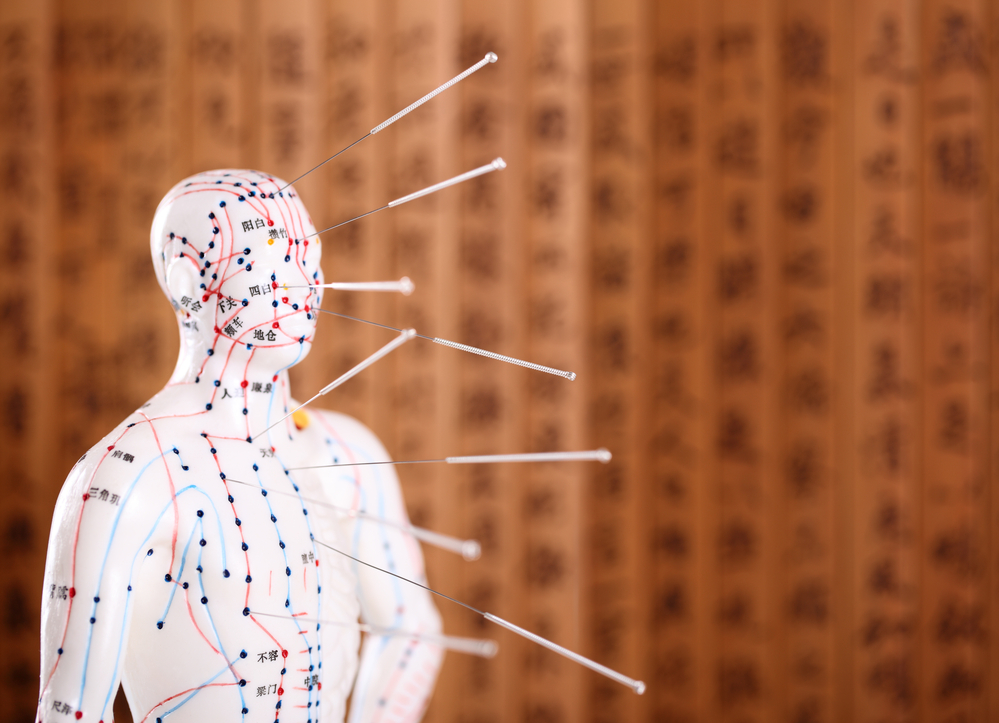
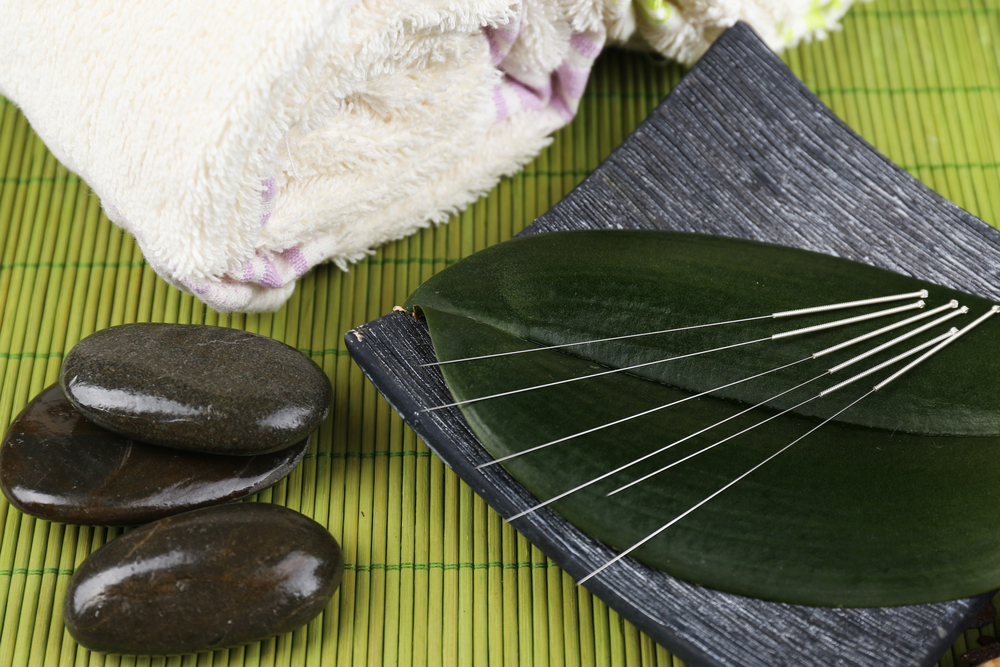
Acupuncture is a type of holistic and integrative healthcare therapy that is an alternative to many pain pills
Acupuncture is one such therapy that can help one with a list of maladies and issues from physical pain to mental stress. Utilizing a concept on various points of the body, the healthcare professional looks to alleviate pressure at certain points to manipulate negative energy. Of course, the concept is tied to deep spiritual concepts found in Eastern religions, but the concepts also from a physiological standpoint also bear merit in how the body reacts to acupuncture.
The article, “Acupuncture Explained: What is It & How Can It Help You” by Sophie Steiner and Dr. Evan Pinto looks closer at acupuncture. Within the article, they detail what acupuncture it is, its history and what is used to treat. While it may not be for everyone, the authors of the article are confident in its abilities to treat a broad range of maladies with many benefits. The authors state,
“Acupuncture, a form of alternative medicine and core component of TCM, is a welcome antidote to the prescription meds and quick-fix interventions typical of Western biomedical culture. By strategically inserting hair-thin, stainless steel needles into specific pressure points, acupuncture helps relieve the symptoms of a wide variety of conditions by shifting the body from attack mode to a more balanced, restful state. Acupuncture helps balance out one’s Qi, or energy center, leading to a calmer, healthier person.”
“Acupuncture Explained: What is It & How Can It Help You”. Sophie Steiner and Dr. Evan Pinto. March 17th, 2023. Thats
Acupuncture is an alternative therapy utilized by a variety of Holistic and Integrative Healthcare Specialists to treat a variety of pain and stress disorders
Acupuncture is a form of alternative medicine that involves the insertion of thin needles into specific points on the body. These needles are typically made of stainless steel and are about as thick as a human hair. Acupuncture is based on the belief that the body has energy pathways, or meridians, that can become blocked or disrupted, leading to illness or pain. By inserting needles into these specific points, acupuncturists aim to unblock the energy flow and restore balance to the body.
The History of Acupuncture
Acupuncture has been practiced in China for thousands of years and is believed to have originated in the Neolithic era. The earliest written records of acupuncture date back to the Han dynasty (206 BCE-220 CE), and the practice has been continuously used and refined ever since. In the 1970s, acupuncture gained popularity in the West, as practitioners sought out new approaches to healthcare that were less reliant on drugs and surgery.
How Acupuncture Works
The exact mechanism by which acupuncture works is not fully understood, but there are several theories. One theory is that acupuncture stimulates the release of endorphins, the body’s natural painkillers. Another theory is that acupuncture triggers the release of neurotransmitters, which can help to regulate the body’s nervous system. There is also evidence to suggest that acupuncture can help to reduce inflammation and improve blood flow to certain areas of the body.
The Benefits of Acupuncture
Acupuncture has been shown to be effective in treating a wide range of health conditions, including chronic pain, anxiety, depression, and infertility. One of the main benefits of acupuncture is that it is a natural and non-invasive form of treatment, which can be used to complement or replace traditional medical approaches. Unlike drugs or surgery, acupuncture has few side effects and is generally very safe when performed by a qualified practitioner.
Acupuncture and Holistic Medicine
Acupuncture points correlate with spiritual energy points that allow the movement of negative energy and promote healing
Acupuncture is an integral part of holistic medicine, which focuses on treating the whole person rather than just the symptoms of a specific condition. Holistic practitioners believe that the mind, body, and spirit are interconnected, and that any imbalance in one area can lead to health problems in another. Acupuncture can be used as part of a comprehensive treatment plan that includes other holistic approaches, such as nutrition, exercise, and meditation.
Acupuncture and Integrative Medicine
Integrative medicine is a broader approach that combines traditional medical treatments with complementary therapies, such as acupuncture. Integrative medicine practitioners believe that a patient’s overall health can be improved by addressing all aspects of their health, including their physical, emotional, and spiritual wellbeing. Acupuncture is often used as part of an integrative approach to treat a variety of conditions, from chronic pain to cancer-related symptoms.
Acupuncture and Pain Management
Acupuncture is perhaps best known for its ability to relieve pain. Studies have shown that acupuncture can be an effective treatment for a variety of pain conditions, including back pain, neck pain, and headaches. Acupuncture works by stimulating the body’s natural painkillers, such as endorphins, and by reducing inflammation in the affected area. For patients seeking a natural alternative to drugs or surgery, acupuncture can be an effective and safe option.
Acupuncture and Mental Health
Acupuncture can also be an effective treatment for mental health conditions, such as anxiety and depression. Studies have shown that acupuncture can help to regulate the body’s nervous system, which can lead to a reduction in symptoms of anxiety and depression. Acupuncture can also be used to treat insomnia, which is often a symptom of mental health problems. For patients seeking a natural and non-invasive approach to mental health treatment, acupuncture can be a valuable option.
Acupuncture and Fertility
Acupuncture is becoming an increasingly popular treatment for infertility. Studies have shown that acupuncture can help to regulate the menstrual cycle and improve blood flow to the uterus, which can increase the chances of conception. Acupuncture can also be used to reduce stress and anxiety, which can be a barrier to conception. For couples struggling with infertility, acupuncture can be a safe and effective complement to traditional fertility treatments.
What to Expect During an Acupuncture Treatment
During an acupuncture treatment, the practitioner will insert thin needles into specific points on the body. The needles are typically left in place for 20-30 minutes, during which time the patient may feel a slight tingling or numbness. The practitioner may also use other techniques, such as cupping or moxibustion, to enhance the effects of the treatment. Patients should wear loose, comfortable clothing and should avoid eating a large meal before the treatment.
Finding an Acupuncture Practitioner
When seeking out an acupuncture practitioner, it is important to choose someone who is qualified and experienced. In many states, acupuncturists are required to be licensed, so be sure to check their credentials before making an appointment. It is also a good idea to ask for referrals from friends or family members who have had acupuncture treatments. Many health insurance plans now cover acupuncture, so be sure to check with your insurer to see if your treatment will be covered. Many Holistic and Integrative Specialists can also help one find someone trained and qualified to perform acupuncture.
Frequently Asked Questions About Acupuncture
Is acupuncture painful?
Is acupuncture safe?
How many acupuncture treatments will I need?
What conditions can acupuncture treat?
How long do the effects of acupuncture last?
Conclusion
Please also review AIHCP’s Holistic and Integrative Healthcare Specialist Program and see if it meets your academic and professional goals
Acupuncture is a safe and effective form of alternative medicine that can be used to treat a variety of health conditions. Whether you are seeking relief from chronic pain, mental health issues, or infertility, acupuncture can be a valuable part of a holistic or integrative treatment plan. By working with a qualified practitioner, you can experience the many benefits of acupuncture and take control of your health naturally. Contact your healthcare professional or a holistic and integrative specialist to find a qualified practitioner in acupuncture.
AIHCP offers a Holistic and Integrative Healthcare Specialist Program for qualified healthcare professionals, especially in nursing, who look to utilize both Eastern and Western medicine in helping patients. It is important to have a qualified and trained professional in guidance of many of the alternative therapies. Holistic Nurses and other Holistic and Integrative professionals can safely guide individuals in utilizing these types of alternative therapies. Please review AIHCP’s Holistic and Integrative Healthcare Specialist Certification and see if it matches your academic and professional goals. The program is online and independent study and open to qualified professionals seeking a four year certification.
Additional Resources
“The Benefits and Side Effects of Acupuncture”. Cathy Wong. June 29th, 2022. VeryWellHealth. Access here
Acupuncture. Mayo Clinic Staff. Mayo Clinic. Access here
Acupuncture. October 14th, 2020. Cleveland Clinic. Access here
“Is Acupuncture the Miracle Remedy for Everything?”. Danielle Sinay. September 18th, 2018. Healthline. Access here
Affairs untended to after death can lead to a multitude of problems for surviving family. Division, arguments and issues with the state can follow the death of a loved one without a will in regards to possessions and financial funds. In addition, one’s wishes after death may not be properly carried out. In addition to death itself, sometimes individuals can become unable to make decisions due to an injury. A Medical Directive or Living Will can also list one’s affairs in order and lay out important medical decisions that one would make if conscious. These directives protect the individual from others making medical choices for them in regards to medication utilizing extraordinary measures.
Please also review AIHCP’s Pastoral Thanatology Program, as well as its Grief Counseling program. The program is online and independent study and open to qualified professionals seeking a certification in Grief Counseling or Pastoral Care.
In the meantime, realize it is not a morbid thought to contemplate death or accidents, but an intelligent one that does not wish to ignore this important part of life. Hence actively partake in what legally must be done with one’s life and health to prevent others from doing it for oneself.
Supplements and vitamins are important to overall health. With many diets lacking certain vitamins and minerals, individuals can face a variety of deficiencies within one’s body. Hence it is critical to sometimes supplement vitamins for overall health. It is important when taking vitamins to understand the dosage and frequency in taking them. Some vitamins such as C can be quickly passed through the body without negative results, while other vitamins can be stored and lead to higher levels that are detrimental to the body. This is why it is important to work with a healthcare professional whenever looking to address a deficiency within the body. Holistic and Integrative Healthcare Professionals can also present guidance and information.
Vitamin supplements can treat a deficiency within the body but should be started under the guidance of a healthcare professional or holistic and integrative healthcare specialist
Commentary
One of the main benefits of taking vitamins and supplements is that they can help to fill the nutritional gaps in our diets. Many of us do not get all the nutrients we need from the foods we eat, and taking vitamins and supplements can help to provide us with the essential vitamins and minerals we need to stay healthy.
Vitamins and supplements can also help to support our immune system, improve our energy levels, and support our overall health and wellbeing. For example, taking vitamin C supplements can help to boost our immune system, while taking a probiotic supplement can help to improve our gut health.
Another benefit of taking vitamins and supplements is that they can help to reduce the risk of certain health conditions. For example, taking calcium supplements can help to reduce the risk of osteoporosis, while taking folic acid supplements can help to reduce the risk of birth defects in pregnant women.
Common Types of Vitamins and Supplements
There are many different types of vitamins and supplements available, each with their own unique benefits. Some of the most common types of vitamins and supplements include:
Multivitamins: These are supplements that contain a combination of different vitamins and minerals.
Vitamin D: This is a vitamin that is essential for strong bones and teeth.
Omega-3 fatty acids: These are supplements that are commonly taken for heart health.
Probiotics: These are supplements that contain live bacteria and yeasts that are beneficial for our gut health.
Calcium: This is a mineral that is essential for strong bones and teeth.
Understanding Vitamin Labels
When choosing vitamins and supplements, it is important to understand how to read the labels. The label will provide information on the ingredients, dosage, and any potential side effects.
The label will also provide information on the recommended daily intake (RDI) of each nutrient. This can help you to determine whether the supplement is providing you with the right amount of each nutrient.
It is important to note that the RDI is just a guide, and the amount of each nutrient that you need may vary depending on your age, gender, and overall health. Holistic and Integrative healthcare specialists and holistic nurses can provide key insight. If one is not available, a primary physician can also guide one in understanding the label and dose.
How to Choose the Right Vitamins and Supplements for You
Choosing the right vitamins and supplements can be overwhelming, especially with so many different options available. The best way to choose the right vitamins and supplements for you is to speak to your healthcare provider.
A Healthcare professional can guide one to better diets and vitamin supplementation
Your healthcare provider or Holistic Nurse can help you to determine which vitamins and supplements you need based on your age, gender, and overall health. They can also help you to choose high-quality supplements that are safe and effective.
When choosing vitamins and supplements, it is also important to look for products that are third-party tested. This means that the product has been tested by an independent laboratory to ensure that it contains the ingredients listed on the label and that it is free from contaminants.
Best Practices for Taking Vitamins and Supplements
When taking vitamins and supplements, there are several best practices that you should follow to ensure that you are getting the most benefit from them.
One of the most important things to remember is to follow the dosage instructions on the label. Taking too much of a vitamin or supplement can be harmful and can cause side effects.
It is also important to take your vitamins and supplements with food, as this can help to improve absorption. Some vitamins and supplements are better absorbed when taken with fat, so taking them with a meal that contains healthy fats, such as avocado or nuts, can help to improve absorption.
Potential Risks and Side Effects of Vitamins and Supplements
While vitamins and supplements can provide many benefits, they can also come with risks and side effects. Taking too much of a vitamin or supplement can be harmful and can cause side effects such as nausea, diarrhea, and stomach cramps.
Some vitamins and supplements can also interact with certain medications, so it is important to speak to your healthcare provider before taking them.
It is also important to be aware of the potential risks associated with certain vitamins and supplements. For example, taking high doses of vitamin A supplements can be toxic and can cause liver damage.
Myths About Vitamins and Supplements
There are many myths and misconceptions about vitamins and supplements, and it is important to separate fact from fiction. One common myth is that taking high doses of vitamin C can cure the common cold. While vitamin C can help to support our immune system, there is no evidence to suggest that it can cure the common cold.
Another myth is that all supplements are safe and effective. While many supplements are safe and effective, not all of them are. It is important to do your research and choose high-quality supplements that have been third-party tested.
Tips for Incorporating Vitamins and Supplements into Your Daily Routine
Incorporating vitamins and supplements into your daily routine can be easy and convenient. One way to do this is to set a reminder on your phone or calendar to take your vitamins and supplements at the same time every day.
You can also try incorporating vitamins and supplements into your meals. For example, you can add a scoop of protein powder to your morning smoothie or sprinkle some chia seeds on your yogurt.
Conclusion: Unlocking the Power of Vitamins and Supplements
Vitamins and supplements can be a great way to support our overall health and wellbeing. By understanding the benefits, risks, and how to choose the right vitamins and supplements for you, you can unlock the power of these essential nutrients and take control of your health.
Please also review AIHCP’s Holistic and Integrative Healthcare Specialist Program
If you have any questions or concerns about vitamins and supplements, be sure to speak to your healthcare provider. They can provide you with personalized recommendations and help you to choose high-quality supplements that are safe and effective.
CTA: Speak to your healthcare provider today to learn more about how vitamins and supplements can support your overall health and wellbeing. Holistic Nurses and other Holistic and Integrative Healthcare Specialists can provide guidance as well.
Please also review AIHCP’s Holistic and Integrative Healthcare Specialist Program and see if it matches your academic and professional goals. The program is online and independent study and open to qualified healthcare professionals looking to earn a certification dealing with holistic health.
Additional Resources
“What are vitamins, and how do they work?”. Yvette Brazier. December 16th, 2020. MedicalNewsToday. Access here
“9 Vitamins and Minerals You Should Take Daily”. HealthEssentials. November 4th, 2021. Cleveland Clinic. Access here
“Why take vitamin and mineral supplements?”. Anne Harguth. August 23rd, 2022. Mayo Clinic Health System . Access here
Vitamin D. Mayo Clinic Staff. Mayo Clinic. Access here