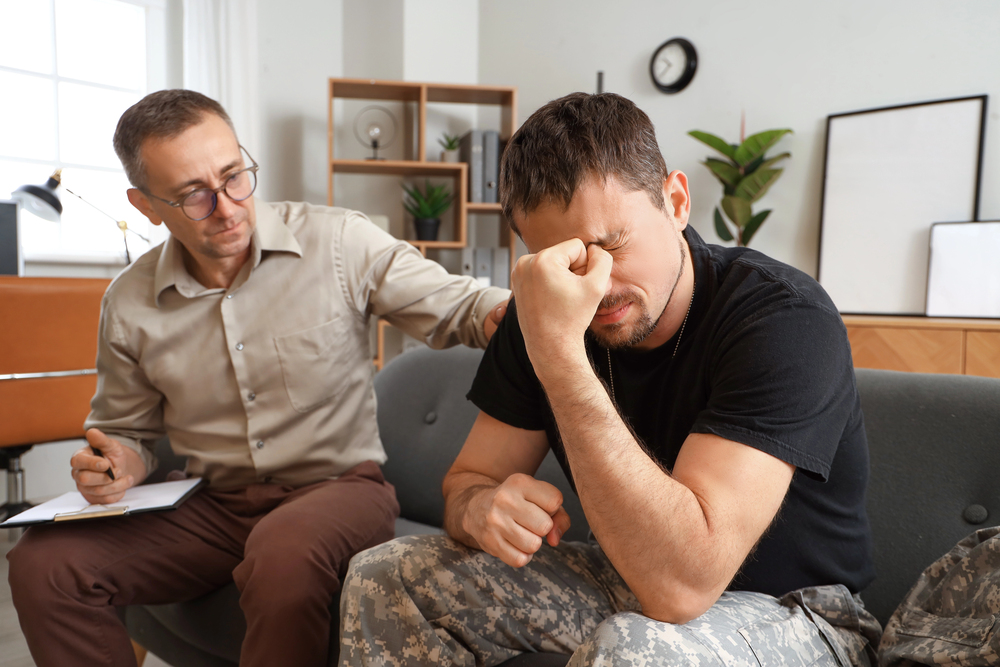
Helping clients regulate their emotion during counseling is critical in helping them heal. This video looks at a variety of grounding techniques.
Please also review AIHCP’s TRAUMA INFORMED CARE CERTIFICATION as well as its SPIRITUAL TRAUMA INFORMED CARE PROGRAM. AIHCP offers a variety of healthcare certifications to review. Please click here
There is nothing more insidious or disgusting or repulsive than the predatory nature of grooming a weaker, exposed, innocent or at risk community to sexual assault. Whether if one is of faith or secular, it cries to the most inner core of basic humanity for justice. Those who work with children, the disabled, the aged and other vulnerable populations need to show special and extra care for signs of potential grooming against these individuals. Ironically, statistically it is not the creepy person in a spooky van trolling down streets at night but grooming occurs in most cases from individuals of authority that have spiritual duties, or even care duties to these individuals. These persons are can be family members, friends of family, or individuals of supposed good name in the community. Many misuse their positions of authority and care to sexually assault. This short blog will look at grooming, the process of it, and special populations that need special guarding for potential grooming targeting.
Identifying grooming. Please also review AIHCP’s Trauma Informed Care Program
According to Compton, grooming is the methodical and deliberate process to create emotional intimacy with the intent of sexual abuse (2024, p. 159). The five phases of grooming include victim selection, gaining access/isolating, trust development, desensitization to sexual content and physical contact and finally post abuse maintenance (Compton, 2024. p. 159-160). As safe guarders, counselors, social workers, healthcare providers, and as well spiritual and pastoral caregivers, it is essential to be aware of these phases and to investigate anything that seems to illustrate this type of behavior between an individual and a victim. It is especially important to safeguard and show extreme diligence for at risk populations such as children, the disabled and elderly who are unable to protect themselves.
Selection of a victim is opportunistic. Like any predator, the easier prey is observed over a healthy and powerful one. Hence children, the disabled or elderly are opportune targets but not all children, or elderly or disabled are as easy to target than some. Children with healthy attachments and a strong family relationship can be more difficult to navigate as well as elderly who have strong support systems. Sexual groomers look not just for weaker populations but also those within those populations that are already broken, or isolated, or lacking the proper support to ward off these advances. Individuals with less parental supervision, or caregiver supervision, as well those with less financial resources and face economic hardships are easier targets for predators. In addition, those with lower self esteem, unhealthy attachment schemas, identity issues, or disabilities are far more easier to manipulate and control (Compton, 2024, p. 160-161).
The second phase is gaining access and isolating the victim. Predators may already be a member of the family or become close friends to the family or hold a position of spiritual or political power. They will use these connections and places of power as a way to become closer to the individual. Through family connections, or social interactions, the predator will then spend time with the individual. With children, the predator will spend more time with child than others at events as an attempt to know the child better but in addition they will also try to see the child or person beyond regular events and superimpose themselves into the selected victim’s life. This can be accomplished through sharing of social media or private messaging (Compton, 2024, p. 162). During these times, the predator will also try separate the victim from other resources and support systems. The predator will attempt to turn the child or person against the more secure relationships in order to weaken any resistance to advances.
Following this phase, the predator will attempt to form a bond of trust. As other relationships are pushed away, the predator will insert him or herself into such a way as to appear as a good friend, confidant, or guide. Unfortunately, children, disabled and the elderly rely on others more so than healthy adults. Children are taught to obey authority figures, the elderly are supposed to listen to caregivers and disabled are completely at the mercy of those who watch over them. Hence, when trust is established, victims can be very confused when that trust is used to hurt them.
The fourth phase includes introducing victims to sexual content or advances that look to normalize the abuse and permit more and more contact with the victim. In this phase, sexual jokes, quick touches, or sexual behaviors are normalized between predator and victim. The victim may doubt if anything is truly wrong, even one feels initial guilt or shame. In fact, the predator desires guilt and shame to exist within the person. The predator looks to break down moral barriers and replace them with shame and guilt as way to continue the relationship. When horrible things are normalized, then a predator can keep a victim trapped in the cycle.
The final phase is post abuse maintenance. In this phase, the predator in order to continue the abuse, as well as protect him or herself, will employ various lies to frighten, scare, shame and guilt the victim. Many will threaten violence against a loved one, or dehumanize the victim as dirty, or remind a victim that no-one will believe the victim (Compton, 2024, p.164). When grooming is successful, this emotional hold can confuse children into becoming cooperative or even feeling it is their choice to continue in the abuse.
As protectors, we need to be aware of red flags. When we notice odd amounts of time beyond reason with a child, disabled or elderly person, then we should investigate the nature of the other person’s interest. The person may be merely kind but we cannot risk children, the disabled or elderly until it is proven to be innocent. We also should be aware of odd flattery or gifts given to these at risk groups, as well as unusual favoritism, hugs, or jokes. When children speak of secrets between an adult and themselves, then these secrets must be made known and the other person approached upon the content of the secrets. Other red flags involve the use of providing drinks, or drugs or even smoking with children, disabled or elderly.
At Risk Populations
Sexual predators prey upon children and other at risk populations
It is of the most importance in trauma care, counseling, and even as a family member or friend to see potential grooming to children, the disabled or elderly. Professionals must report what they discover, but as observers, sometimes its important to put our nose into other people’s business when things do not look right. This is why it so essential to not only be aware of the signs of grooming ourselves, but also to help educate children, as well as the disabled and elderly who are potential victims.
Unfortunately, how many times are elderly dismissed as senile? How many times are their concerns or what they may say ignored? The disabled especially can have difficulty communicating or sharing stories of abuse. If they cannot communicate, trauma in the disabled can still be seen in their emotional regulation as well states of hyper or hypo-arousal. Children as well may have difficulty communicating sexual abuse since they do not understand it. Ultimately, it befalls upon us, not just as counselors but for everyone to observe and protect at risk populations to the potential of abuse. We do not want to become over scrupulous in seeing every hug as a potential grooming, but we need to see patterns and consistencies and most importantly listen to these at risk populations and understand how they communicate without dismissing.
In regards to children or those with disabilities, education is key. Teaching sexual and physical boundaries and identifying with at risk populations bad touches versus good touches is essential. As well as teaching children and others about the dangers of accepting weird gifts, or random flatteries that seem odd. Also, parents, caregivers and counselors need to be aware of at risk populations and their use of social media and messaging. It is essential to have limitations on the uses of these electronic devices as well as monitoring what is being viewed, sent, or read. Caretaking means being involved and being ready to discuss tough conversations by letting children, disabled or elderly that no conversation is awkward regarding potential abuse. Reassurance to believe and also teaching others is a big way to prevent grooming and to scare off potential predators.
Conclusion
We need to be alert for grooming to protect at risk populations. Please also review AIHCP’s Healthcare Certification programs
Grooming is a disgusting process but unfortunately something that needs spoken about and addressed despite the discomfort. Counselors as well as any person needs to understand the phases of grooming and be especially mindful of at risk populations. This also involves prevention by educating individuals about grooming and creating an opening for positive dialogue and concern to prevent it.
Other AIHCP Blogs: “The Devastating Impact of Trauma on Children. Please click here
Reference
Compton, L & Patterson, T. (2024). Skills for Safeguarding: A Guide to Preventing Abuse and Fostering Healing in the Church” Intervarsity Press.
Additional Resources
“What Is Grooming?” (2025). Cleveland Clinic: Health Essentials. Access here
“The Real Red Flags of Grooming | What Every Parent, Educator, and the Public at Large Needs to Know” (2025). National Children’s Alliance. Access here
“The Grooming Behaviors Every Adult Should Recognize” Center for Violence Prevention and Self Defense Training. Access here
“Online grooming: how predators manipulate their victims” (2025). NetPsychology. Access here
The interplay between fear and trauma recovery presents a complex landscape that merits thorough exploration. Trauma engenders not only immediate emotional distress but also long-term psychological effects, often compounded by societal misconceptions surrounding emotional harm and its validity. Judicial skepticism toward claims of emotional injury, as discussed in recent legal discourse, reflects a broader cultural reluctance to acknowledge the profound impact of fear. The limitations placed on emotional harm claims, as seen in the Restatement (Third) of Torts, hinder recovery for those whose lives have been irrevocably altered by trauma (Grey et al., 2015). This entrenched skepticism must be reevaluated, particularly in light of advancements in neuroscience that illuminate how fear reshapes the brain and influences recovery pathways (Grey et al., 2015). By comprehensively analyzing the role of fear in trauma recovery, this essay seeks to underscore the significance of addressing emotional harm within both psychological treatment and legal frameworks.
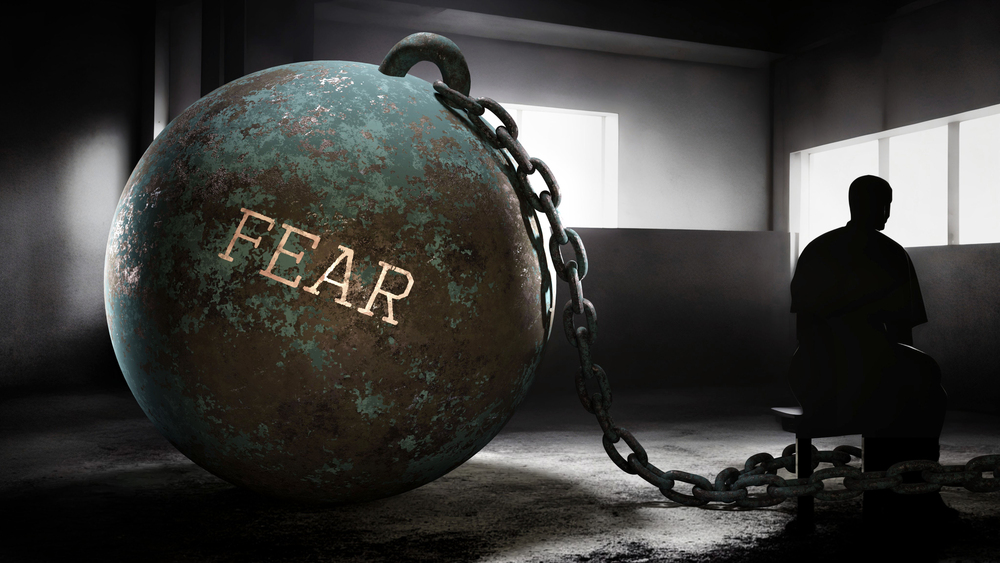
While fear is important in trauma response and fight or flight, it later can become an obstacle to healing when it distorts present threats and prevents the person from working through trauma.
A. Definition of trauma and its impact on individuals
Trauma is fundamentally defined as an emotional response to distressing events, significantly affecting an individual’s mental and physical health. This psychological phenomenon can arise from a range of experiences, including violence, accidents, or natural disasters, leading to lasting emotional scars that hinder everyday functioning. Recent studies indicate that psychological trauma may exert more profound effects on a persons well-being than physical ailments, highlighting the critical need for comprehensive understanding and intervention strategies . Individuals grappling with trauma often exhibit altered life perspectives, including negative assessments of their past and distorted hopes for the future, demonstrating how trauma reshapes one’s outlook on life (N/A, 2024). Ultimately, recognizing the complexities of trauma is essential in facilitating recovery, as the interplay of fear and healing becomes pivotal in the therapeutic process (N/A, 2024). Thus, understanding traumas definition and its multifaceted impacts is crucial for effective recovery strategies.
B. Overview of fear as a natural response in trauma recovery
In the context of trauma recovery, fear serves as a fundamental natural response that can profoundly influence the healing process. This emotional reaction, albeit distressing, is rooted in evolutionary biology; it acts as a protective mechanism, alerting individuals to potential dangers and fostering survival strategies during threatening situations. In trauma survivors, fear can manifest as hypervigilance, avoidance behaviors, or intrusive memories, which are common reactions to trauma that hinder recovery. However, understanding and acknowledging this fear is essential for therapeutic interventions. When fear is framed not merely as an obstacle but as a natural component of the fallout from trauma, individuals can begin to process their experiences more effectively. Engaging with fear through various therapeutic modalities can facilitate desensitization and promote resilience, ultimately aiding in the reconstruction of a safe emotional environment for recovery (Gingrich HD et al., 2017-12-19). This nuanced perspective highlights the complexity of fear in the long journey towards healing.
While fear is a natural response, it can become an obstacle when one hopes to later recover from the traumatic event. While the threat is no longer present, the mental state of fear can prevent individuals from facing it, as well as working in therapy to lessen its effects on recovery.
II. Understanding Fear in the Context of Trauma
Fear, as a fundamental response to trauma, significantly shapes the recovery process, manifesting in various psychological and behavioral challenges. This emotional response is not merely a consequence of the traumatic event but is intricately linked to the neurobiological changes that occur during such experiences. Research utilizing animal models indicates that a single traumatic event in childhood can alter fear learning strategies, predisposing individuals to increased vulnerability to post-traumatic stress disorder (PTSD) later in life (Emerenini S et al., 2017). Moreover, maternal mental health during pregnancy has been shown to impact both the mother and child, with fear of childbirth and postnatal PTSD affecting their emotional and psychological well-being (S Ayers, 2014). Understanding these dynamics is crucial in addressing trauma recovery, as it allows for targeted interventions that focus not only on the trauma itself but also on the complex emotions of fear that permeate the healing process.
Fear can play a negative role in trauma recovery. Please review AIHCP’s Trauma Informed Care program as well as its numerous other healthcare certification programs
A. The psychological mechanisms of fear in trauma
Understanding the psychological mechanisms of fear in trauma is critical for effective recovery strategies. Fear is not merely an emotional response; it activates complex neural circuits that can perpetuate trauma, especially in individuals suffering from post-traumatic stress disorder (PTSD). Research indicates that conditions such as PTSD can lead to significant alterations in brain regions like the anterior cingulate cortex (ACC), which plays a vital role in fear-conditioning processes, thereby influencing how individuals cope with traumatic memories (Boccia et al., 2015). This neurobiological basis underscores the importance of targeted therapeutic interventions that focus on desensitizing fearful responses. Furthermore, traditional judicial skepticism regarding emotional harm, often rooted in practical concerns about causation and credibility, has been challenged by advancements in neuroscience, suggesting a more equitable recognition of emotional distress claims (Grey et al., 2015). By integrating these perspectives, professionals can foster a more holistic approach to trauma recovery that acknowledges the profound impact of fear on psychological well-being.
B. The role of fear in the fight-or-flight response
Fear serves as a critical catalyst in the fight-or-flight response, an evolutionary mechanism that prepares individuals to confront or evade perceived threats. This physiological and psychological reaction is mediated by the autonomic nervous system, activating the release of adrenaline and cortisol, which heighten alertness and increase heart rate, thus preparing the body for immediate action . Such responses can be particularly influential in the context of trauma, where fear not only prompts survival behaviors but also significantly shapes the subsequent recovery process. For those who have experienced traumatic events, understanding and managing fear become vital to mitigating its potentially debilitating effects. Consequently, fear may hinder recovery if it remains unaddressed, perpetuating a cycle of avoidance and anxiety (Cardin F). By acknowledging fear as an intrinsic part of the healing journey, therapists can aid individuals in harnessing their natural responses to foster resilience and promote recovery from trauma.
III. Fear as a Barrier to Recovery
The presence of fear serves as a significant barrier to recovery, profoundly affecting individuals willingness to engage in therapeutic processes. This emotion can stem from a variety of sources, including the fear of stigma and the anticipated difficulty of confronting past traumas. As indicated by the findings of the Department of Behavioral Health’s Trauma Task Force, an ingrained reluctance to pursue recovery-oriented pathways can hinder progress within existing mental health frameworks (Sandra L Bloom et al.). Meanwhile, research on Mental Health and Psychosocial Support (MHPSS) highlights that fear often leads to the prioritization of immediate survival over long-term mental health needs, resulting in a cyclical pattern of trauma that affects not only individuals but entire communities (Palivani P, 2025). Consequently, it is crucial to create environments that mitigate fear, fostering trust and enabling individuals to embark on their recovery journeys without the burden of anxiety and self-doubt.
Overcoming fear is essential in healing
A. How fear can hinder the healing process
The intricate relationship between fear and the healing process in trauma recovery is profoundly impactful, often creating barriers that impede progress. Fear can manifest as a protective response, causing individuals to avoid confronting traumatic memories or situations, thereby hindering their ability to process and heal from these experiences. This avoidance can lead to a cycle of disconnection, where the individual feels increasingly isolated from both their personal emotions and supportive social networks. As highlighted in literature addressing trauma, cultural aspects and personal experiences greatly influence pathways to healing (Hook MV et al., 2016). Moreover, fear can distort perception, impeding engagement in therapeutic activities that might otherwise facilitate recovery. In a study examining the experiences of trauma survivors in a leisure-based psycho-educational context, participants revealed their fear often prompted resistance to change, highlighting the complex interplay between fear, leisure, and the healing process (Susan M Arai et al., 2008). Awareness and management of these fears are crucial for fostering resilience and promoting effective recovery strategies.
B. The impact of avoidance behaviors on trauma recovery
The role of avoidance behaviors in the recovery from trauma is profoundly detrimental, as these behaviors often serve to reinforce the cycle of fear and anxiety surrounding traumatic experiences. Individuals may engage in avoidance as a protective strategy, seeking to evade reminders of their trauma; however, such actions can impede the processing of traumatic memories and prevent emotional healing. Research indicates that difficulties in emotional regulation are closely linked with the severity of PTSD symptoms, rendering avoidance behaviors particularly problematic ((Bidart S et al., 2019)). Moreover, effective trauma recovery necessitates confronting and reprocessing traumatic memories, an endeavor often thwarted by avoidance mechanisms. Notably, advancements in the understanding of extinction learning suggest that addressing these behaviors through targeted interventions could enhance recovery outcomes ((Carpenter et al., 2019)). Ultimately, fostering an environment where individuals can confront their fears and engage in adaptive coping strategies is essential to facilitating meaningful trauma recovery.
IV. Transforming Fear into a Tool for Healing
Fear, often viewed as a debilitating emotion, can be transformed into a powerful tool for healing in the context of trauma recovery. By reframing fear as a catalyst for personal growth, individuals can utilize it to confront and process their traumatic experiences. This transformative approach aligns with the principles outlined by the Department of Behavioral Health, which emphasizes the necessity for a recovery-focused transformation in behavioral health systems, underscoring the importance of recovery and community integration (Sandra L Bloom et al.). Additionally, therapeutic techniques such as Focusing-Orientated Art therapy can facilitate this transformation by creating a safe space for expression, thereby enabling survivors to explore their fears without becoming overwhelmed (Husum C). This process not only fosters resilience but also cultivates a deeper understanding of the self, allowing individuals to harness their fear as a stepping stone toward healing, rather than as a barrier to it.
Transforming one’s fear and understanding its role and subjective status in trauma recovery is essential. Since fear is a conditioned response it can be reprogrammed
A. Techniques for confronting and managing fear
Dealing with fear, especially during trauma recovery, requires a blended approach that uses both psychological tools and a supportive care framework. One effective method is Accelerated Resolution Therapy, or ART, which has been shown to help ease trauma symptoms quickly while building emotional resilience. This treatment usually takes just a few sessions, giving patients a way to face their fears that feels structured but gentle, which helps build a sense of safety and trust (Finnegan et al., 2015). On top of that, understanding what survivors actually go through shows us just how important it is to personalize their care. Techniques that focus on who the individual is and encourage supportive communication help patients feel secure as they navigate their fears (Astin et al., 2018). By combining these strategies, healthcare professionals can improve the overall experience for patients and truly support their journey toward healing.
B. The role of therapy in reframing fear as a catalyst for growth
Therapy does a lot of heavy lifting when it comes to helping us see fear not as an enemy, but as a catalyst for growth. This is especially true during trauma recovery. By using trauma-informed frameworks, like those highlighted in (Sandra L Bloom et al.), therapists create a safe environment where clients learn to voice their fears instead of shoving them down. That process lets people look at the root causes of their fear, shifting the focus from avoidance to actually engaging with life again. On top of that, approaches like cognitive behavioral therapy (CBT) and recreational psychotherapy encourage clients to reconstruct what happened to them. It is about finding meaning and building resilience, as detailed in (IV S et al., 2025). This kind of reframing takes the paralyzing weight out of fear and turns it into motivation that drives personal development. Ultimately, therapy provides the insights and tools we need to face future challenges with a healthier outlook.
V. Conclusion
Fear plays such a complex role in trauma recovery. It brings plenty of challenges, sure, but it also opens the door to deep healing. When we stop trying to push the fear away and start acknowledging it, that is often when the real resilience kicks in. We are seeing this shift happening on a larger scale, too. Now that neuroscience can actually show us how trauma rewires the brain, the legal world is having to catch up and evolve how it handles emotional distress (Grey et al., 2015). This change is long overdue. It pushes us to rethink the old biases in tort law and finally admit that emotional wounds deserve just as much attention as physical injuries (Derluyn et al., 2012). At the end of the day, accepting fear as part of the ride empowers survivors. It gives them the tools to handle the hard days and creates a more complete, human approach to getting better.
Ultimately since fear is a conditioned response and subjective, it can be reprogrammed within the mind, understood as not immediate threatening and understood within its proper context. This permits the person to face the trauma without fear stepping in the way. In many ways, fear becomes a mental state than merely a reactive emotion in trauma survivors.
Please also review AIHCP’s Healthcare Certification Programs
A. Summary of the dual role of fear in trauma recovery
Fear plays a surprisingly complicated role in trauma recovery, acting a bit like a double-edged sword. It has the power to hold you back, but it can also push you forward. On the difficult side, fear often stands in the way like a wall. It keeps the cycle of trauma going by encouraging avoidance and spiking anxiety, which stops people from facing what actually happened to them. This avoidance just feeds the symptoms of post-traumatic stress and drags out the pain, making the climb toward recovery feel that much steeper. Then you have the other side of the coin. Fear can actually work as a powerful motivator. When you are able to acknowledge those fears and work through them, you start building real resilience and understanding your own story better. That willingness to confront the scary parts can be a release, helping you build coping skills that lead to genuine healing and growth (Prof. Dr. Bozdemir BS). This is why it is so important for practitioners to understand this balance. It allows them to craft therapy that helps people use fear as fuel for their journey instead of letting it block the road.
B. The importance of addressing fear for successful healing and resilience
In the world of trauma recovery, you cannot really move forward without looking at fear. It is often the wall that stops healing in its tracks. Fear can be paralyzing, keeping people from facing what happened to them and effectively pausing their recovery. But leaning into those fears is actually what helps build resilience. We are seeing more and more that resilience is not just a personality trait you either have or you don’t. It is a dynamic mix of your biology, your psychology, and your environment helping you adapt and bounce back (Patel P, 2025). By confronting these fears, people can go through a major shift, where the trauma actually becomes a push for personal growth. For instance, look at Ellie’s therapeutic journey. By recognizing and working through her fear of abandonment, she discovered a strength she didn’t know she had and developed new capabilities (Fosha D et al.). So, addressing fear is what clears the path for real healing. It allows people to reclaim their own stories and view life with a lot more resilience.
The complex interplay between trauma, resiliency, and post-traumatic growth serves as a profound area of study, offering insights into the human experience following distressing events. Trauma, often defined as a deeply distressing or disturbing experience, can have a far-reaching impact on individuals, challenging their psychological resilience and emotional fortitude. However, not all who endure trauma succumb to its debilitating effects; instead, many exhibit a remarkable capacity for recovery and transformation. This phenomenon, known as post-traumatic growth, encapsulates the notion that individuals can emerge from traumatic experiences with newfound strengths, perspectives, and appreciation for life. Understanding this relationship is vital, as it highlights the adaptive potential inherent in human beings, fostering a sense of hope and possibility even amidst suffering. Thus, this essay will explore these interconnected themes, seeking to illuminate how trauma can serve as a catalyst for personal growth and resilience (Richard G Tedeschi et al., 2025-07-23).
Post traumatic growth and new roads to travel after a traumatic event
A. Definition of trauma and its prevalence in society
Trauma, fundamentally understood as an emotional response to distressing events, manifests in numerous ways, affecting individuals mentally, physically, and socially. It encompasses a wide range of experiences, from personal losses and accidents to exposure to violence and natural disasters, resulting in significant psychological repercussions such as anxiety, depression, and post-traumatic stress disorder (PTSD) . Prevalence rates indicate that a substantial portion of the population encounters some form of trauma during their lifetime; studies suggest that nearly 70% of adults in the United States have experienced at least one traumatic event, with many grappling with the long-term effects (Bhugra D, 2021-02-04). This widespread incidence underscores the urgency to address trauma within various societal contexts, including healthcare, education, and community support systems, as its impacts extend beyond the individual, influencing familial relations and community dynamics. Understanding trauma’s definition and prevalence is vital for fostering resilience and facilitating pathways to healing.
B. Overview of resiliency and its importance in coping with trauma
Resiliency plays a crucial role in the process of coping with trauma, as it encompasses an individual’s ability to adapt and thrive despite adverse experiences. This psychological strength allows individuals to employ effective coping strategies, which can lead to post-traumatic growth (PTG). For instance, research focusing on survivors of the 2004 Indian Ocean tsunami reveals that those who utilized problem-focused coping were significantly more likely to experience PTG, highlighting the importance of adaptive strategies in long-term recovery (Hidayati SHS et al., 2025). Similarly, studies on veterans demonstrate that resilience and effective stress coping styles aid in their adaptation after combat experiences, allowing for personal growth and improved psychosocial well-being (T Kudrina et al., 2024). Therefore, fostering resiliency not only enhances coping mechanisms but also serves as a foundational element for individuals to find meaning and strength in their lives following trauma, ultimately facilitating their journey toward recovery.
C. Introduction to the concept of post-traumatic growth
The concept of post-traumatic growth (PTG) emerges from the recognition that individuals often derive positive transformations in the aftermath of trauma. This idea challenges the traditional view that trauma merely leads to psychological distress, emphasizing instead the potential for adaptive changes. Research indicates that those exposed to significant trauma, such as first responders during critical incidents, may exhibit varying profiles of post-trauma responses, including PTG alongside post-traumatic stress symptoms (Brickman S et al., 2023). Furthermore, qualitative studies among populations like female military veterans reveal that the meaning-making process following traumatic experiences can foster resilience and personal growth (A’mie M Preston et al., 2022). These findings underscore the complexity of trauma recovery, suggesting that while pain and suffering are prevalent, they can coexist with significant personal development. Understanding PTG not only enriches our comprehension of traumas effects but also highlights the importance of supporting adaptive coping strategies in therapeutic contexts.
II. Understanding Trauma
Trauma, an intricate and multifaceted phenomenon, profoundly affects individuals, often altering their psychological and emotional landscapes. It can stem from various sources, including personal loss, violence, or natural disasters, and its impact is not merely a fleeting experience but can lead to lasting effects on ones mental health and overall functioning. Understanding trauma involves recognizing both the immediate and ripple effects it can have on an individual’s life, as well as their relationships and sense of self. Importantly, the concept of trauma does not only encompass adverse experiences but also integrates individual responses to these experiences, which can lead to diverse manifestations of distress or resilience. Furthermore, examining the neurological and psychological mechanisms behind trauma helps illuminate pathways for healing and recovery, suggesting that recognizing ones trauma is the first step toward fostering resilience and facilitating post-traumatic growth (Ritblatt SN et al., 2022-09-28).
Trauma shakes us to the core. Please also review AIHCP’s Healthcare certifications
A. Types of trauma: acute, chronic, and complex trauma
Understanding trauma necessitates a distinction between its various types: acute, chronic, and complex trauma, each possessing unique characteristics and implications for recovery. Acute trauma typically results from a singular distressing event, such as a natural disaster or personal assault, leading to immediate psychological impacts often seen in symptoms of post-traumatic stress disorder (PTSD). In contrast, chronic trauma entails prolonged exposure to stressors, such as domestic violence or long-term illness, resulting in more deeply ingrained psychological issues and affecting an individual’s capacity for resilience. Complex trauma, characterized by exposure to multiple traumatic events, often in the context of interpersonal relationships, complicates recovery further by fostering feelings of helplessness and mistrust. Research highlights that addressing the specificities of each trauma type can improve therapeutic strategies, particularly for those recovering from complex conditions where acute episodes may emerge as complications, reflecting the critical need for tailored interventions in the aftermath of trauma (O Adegboye et al., 2025), (Litvinchik А. et al., 2025).
B. Psychological and physiological effects of trauma on individuals
Trauma exerts profound psychological and physiological effects on individuals, significantly shaping their resilience and potential for post-traumatic growth. Psychological responses to trauma often include anxiety, depression, and post-traumatic stress disorder (PTSD), which can hinder emotional stability and interpersonal relationships. Research indicates that individuals with a history of childhood trauma exhibit heightened trauma symptomatology, impacting their capacity to cope with subsequent stressors and increasing the risk of revictimization in adulthood (Brooks et al., 2015). Physiologically, trauma can precipitate changes within the brain and body, including alterations in stress response systems that may lead to chronic health issues. Furthermore, integrating arts and creative therapies has emerged as a promising avenue in addressing the health challenges faced by trauma survivors, thereby fostering healing and enhancing overall well-being (N/A, 2013). Understanding these intricate interactions is essential for developing effective interventions aimed at promoting resiliency and facilitating recovery.
C. The role of social and environmental factors in trauma experiences
Understanding the role of social and environmental factors in trauma experiences is crucial for comprehending the pathways to resiliency and post-traumatic growth. Social support significantly influences an individual’s ability to cope with trauma, as evidenced during the COVID-19 pandemic, where coworker support emerged as the strongest predictor of post-traumatic growth among nurses facing unprecedented challenges (Seo J et al., 2025). This highlights the importance of social networks in facilitating recovery and adaptation. Additionally, environmental factors such as job conditions and resource availability contribute to the potential for growth following traumatic experiences, underscoring the need for supportive organizational structures. Moreover, for emerging adults with a history of childhood trauma, external resources like professional services and social networks serve as protective factors that enable resilience and adaptation (Bahardeen FA et al., 2025). Collectively, these elements illuminate the complex interplay of social and environmental influences that shape trauma experiences and promote recovery pathways.
III. The Concept of Resiliency
Resiliency plays a critical role in how individuals cope with trauma, serving as a fundamental psychological resource that fosters adaptation and recovery following adverse experiences. It is important to distinguish resiliency from concepts such as post-traumatic growth (PTG), which refers to the positive changes emerging from crises. While PTG signifies a transformative process that can lead to enhanced personal development, resiliency encompasses a broader set of skills and traits that can be cultivated in response to any form of adversity, not just traumatic events (Yu.S Kotovska, 2023). In contexts fraught with instability, such as the ongoing conflict in Ukraine, fostering resiliency becomes essential for youth who are particularly vulnerable to emotional disturbances and anxiety (Syniakova V et al., 2025). Thus, interventions aimed at enhancing resiliency, such as emotional regulation and coping strategies, become vital components in the overall framework for psychological support and post-traumatic recovery.
A. Definition and characteristics of resiliency
Resiliency, defined as the capacity to adapt and recover from adversity, plays a crucial role in the process of post-traumatic growth. This characteristic is not merely about enduring but involves actively engaging with and transforming one’s experiences into opportunities for personal development. Individuals demonstrating resiliency often employ adaptive coping strategies, which can include acceptance and planning, as evidenced in studies where effective coping mechanisms mediated the relationship between resiliency and post-traumatic growth (Ogi Nńska-Bulik et al., 2015). Furthermore, resiliency embodies the ability to reframe traumatic experiences, allowing individuals to reconstruct their value systems and gain insight into their lives, as highlighted by recent findings in Positive Psychology (Poseck BV et al., 2006). By understanding the characteristics of resiliency, such as emotional regulation and social support, we gain valuable insight into how individuals not only survive but thrive following trauma, ultimately facilitating a path to growth and enhanced well-being.
B. Factors that contribute to individual resiliency
Resilience, that key ingredient for coping with trauma and even growing from it, comes from all sorts of places, like having people who support you, the way you think, and getting help from specific programs. Take online social support, for example. It really stepped up during tough times like the COVID-19 pandemic. Connecting with others and sharing what you’re going through can seriously boost your emotional resilience. Studies show it can make you more grateful and help you see things in a new light, which can lead to post-traumatic growth (Hao X et al., 2025). Then there are programs like the Maeum Program in South Korea. It’s a stabilization-centered intervention that has been shown to help people deal with psychiatric symptoms and actually grow after trauma. These types of programs usually focus on teaching people about what they’re going through and giving them coping strategies. This reinforces those resilience factors that are so important for recovering and adapting after something traumatic (Oh IM et al., 2025).
C. The impact of social support systems on resiliency
It’s hard to overstate how important social support systems are when it comes to helping people bounce back from trauma. Think of social support as a safety net – it boosts a person’s ability to handle stress and tough times. When people have strong bonds with family, friends, and their community, that really helps them stay emotionally stable, which is super important for resilience. Research has shown that people who have solid social networks tend to report fewer trauma symptoms and are generally doing better overall in their lives. This highlights just how crucial those community connections are for healing. On top of this, certain systemic issues – we’re talking about things like implicit racism and stigma – hit marginalized groups especially hard. This makes it clear that we need support systems designed to address those specific issues (Rich J, 2016). When we really get how different trauma experiences can be, and how they affect people in different ways, we can see that having comprehensive social support systems is essential for helping people grow after trauma and supporting them as they work toward recovery (Brooks et al., 2015).
IV. Post-Traumatic Growth
Post-traumatic growth, or PTG, shows how people can actually grow after really tough times. It’s not just about bouncing back to normal like resilience; PTG means that bad experiences can actually make you see things differently, feel stronger, and have better relationships. Studies show that after trauma, people might find a new love for life, feel more for others, and rethink what’s important to them (Shakespeare-Finch J et al., 2024-02-27). These changes often happen because of big questions and struggles that come up when you’re healing, pushing you to really think about what you believe in. Because of all this, PTG highlights a hopeful part of being human. It shows that we don’t just sit back and take trauma—we can actively rebuild who we are and make our lives better even after we’ve suffered.
Recovering and moving forward after trauma. Please also review AIHCP’s Trauma Informed Care program
A. Definition and key components of post-traumatic growth
Generally speaking, post-traumatic growth, or PTG, considers positive psychological shifts that may follow difficult life events, especially trauma. This idea has become noteworthy because it emphasizes that individuals, in most cases, may come away from such experiences with a greater sense of personal strength, deeper connections with others, and a changed perspective on what they value in life. Key elements of PTG involve changes in how one views themself, a heightened feeling of purpose, and the formation of new priorities and values. Furthermore, PTG emphasizes the significance of how individuals perceive their growth, rather than relying just on what can be observed outwardly (Keidar M, 2013). The resilience shown while dealing with trauma highlights that, even though such events are exceptionally difficult, they also provide chances for deep personal change and revitalization, as studied within Positive Psychology (Poseck BV et al., 2006).
B. Stages of post-traumatic growth and personal transformation
Generally speaking, post-traumatic growth illustrates a pretty significant transformation that people might go through after experiencing trauma. It’s marked by several stages that help with healing and personal development. At first, someone might feel shock and confusion, which leads them to rethink what’s important and how they see life. As they work through their emotional stuff, they often find they’re more resilient, so they can adapt and take on new chances to grow. For example, studies have shown that renal transplant recipients often report positive changes in their mental state after surgery, seeing optimism and personal growth as key results of their experience (Kamran F et al., 2016). Moreover, research suggests people often rebuild their values after trauma, implying that even when things are tough, there’s room for positive changes in life. Ultimately, these stages of post-traumatic growth emphasize the human capacity to become stronger and more resilient when facing life’s challenges (Poseck BV et al., 2006).
C. Case studies illustrating post-traumatic growth in individuals
Considering specific instances of people who have gone through traumatic events gives insight into the nuanced connection between hardship and development after the trauma, which shows a route of strength and change. A good example of this is the psychological changes seen in those who lived through the Iran-Iraq war. (Hashemi M et al., 2025). Their enduring early trauma could nurture better emotional strength and coping tactics. Even when trauma’s effects remain, their stories show how people can build resilience and improve their cognitive abilities. Similarly, young adults from Klang Valley, Malaysia, said that social support and creative activities were essential in their growth because they assisted them in overcoming challenges brought on by past traumas (Bahardeen FA et al., 2025). These particular cases emphasize that even though trauma frequently results in tremendous pain, it can also spark significant personal growth, which reinforces the idea that strong coping mechanisms can emerge from even the worst situations.
V. Conclusion
To sum up, the ways that trauma, resilience, and post-traumatic growth interact really shows how complicated it is for people to react to upsetting situations. Like recent research shows, including looking at how palliative care nurses use self-reflexive blog writing, people can still grow and become more resilient even when dealing with big problems, like those that came up during the COVID-19 pandemic (N Lalani et al., 2025). Also, what mental health workers went through during the Israel-Hamas conflict points out how trauma has two sides: personal resilience can help protect against feeling anxious and stressed, but it can also lead to post-traumatic growth (Dahan S et al., 2024). This complicated relationship suggests that trauma, while obviously upsetting, can also kick-start big personal changes if people have the right ways to cope and good social support. For that reason, it’s very important for people and professionals to understand these things when working on trauma recovery, which opens the door for ways to use resilience to help people heal and grow.
Resiliency to bounce back and post traumatic growth to find new meaning in life after loss are key parts of recovering from trauma
A. Summary of the relationship between trauma, resiliency, and growth
Navigating tough times involves a complex dance between trauma, resilience, and personal growth. Sure, trauma can hit hard, but research suggests resilience often softens the blow, influencing how much growth we see afterward. For instance, (Her T et al., 2025) points out that resilience and, interestingly, thinking things over intentionally can really help in reflecting and processing emotions post-trauma. Empathy and a belief in one’s own abilities also play a role. Studies on nursing students, for example, show that these traits can lessen the negative impacts of trauma and encourage positive results ((Doaa L Shahin et al., 2025)). So, boosting resilience and empathy in education and therapy is key. It’s not just about bouncing back; it’s about growing and changing for the better because of what we’ve been through. Adversity, then, holds surprising potential for transformation.
B. Implications for mental health practices and interventions
For those in the mental health field, it’s incredibly important to really grasp how trauma, resilience, and even growth after trauma can affect how we treat and help people. Recognizing the important part that spirituality can play – as a resource – is vital for helping people build resilience and heal after tough times. When people use their faith to cope, it seems they often function better and even find ways to grow from the experience, like seeing loss and suffering in a new light (Dr. Bajpai P, 2025). Moreover, schools can be key in supporting the mental well-being of teenagers. A caring and understanding environment helps them bounce back from difficulties and maybe even grow stronger (Khoirunnisa M et al., 2025). So, using trauma-informed approaches, focusing on spirituality, and encouraging supportive settings can greatly improve our methods of intervention. Ultimately, this can lead to better results for people dealing with the many layers of trauma.
C. Final thoughts on fostering resilience and promoting growth after trauma
To summarize, when thinking about trauma, promoting resilience and personal development isn’t just important for individuals—it can really help whole communities. Interventions that work best focus on improving mental resources. Things like resilience, belief in yourself, and good memories are key; research shows they help people grow after hard times (Ime Y et al., 2025). A complete view suggests older models need updating. It is important to think about values. People will need to reconstruct their personal priorities and beliefs after trauma (Y Nazar, 2024). Acknowledging the psychological and value-based elements, practitioners can then design specific therapies to help survivors heal. Personal strengths mixed with social factors greatly affect how each person recovers. Resilience is key, and it is a communal asset in overcoming life’s difficulties.
Additional Resources
Sutton, J, (2019). “What Is Post-Traumatic Growth? (+ PTG Inventory & Scale)”. Positive Psychology. Access here
Collier, L. (2016). “Growth after trauma”. APA. Access here
Gills, K. (2024). “What Makes Us Resilient After Trauma?”. Psychology Today. Access here
“6 Essential Lessons from a Survivor: Building Resilience After Trauma”. Mind Resilient. Access here
When a person is confronted with a life and death situation, the body responds with a fight, flight, or freeze response. Other responses can include fawning, or complete total shutdown of the body. These behavioral responses to stressors, life altering events, or trauma in forms of abuse or loss correlate with inner workings of the sympathetic nervous system which activates the body to respond. While in the acute phase of reaction to threats, this evolutionary reaction system is good and beneficial but when trauma becomes stuck and unresolved resulting in constant hyperarousal or hypoarousal manifested in PTSD, then it can become pathological and require intense therapy to resolve the unresolved trauma. This article will review the inner workings of trauma response within the brain and why unresolved trauma becomes an issue for some individuals.
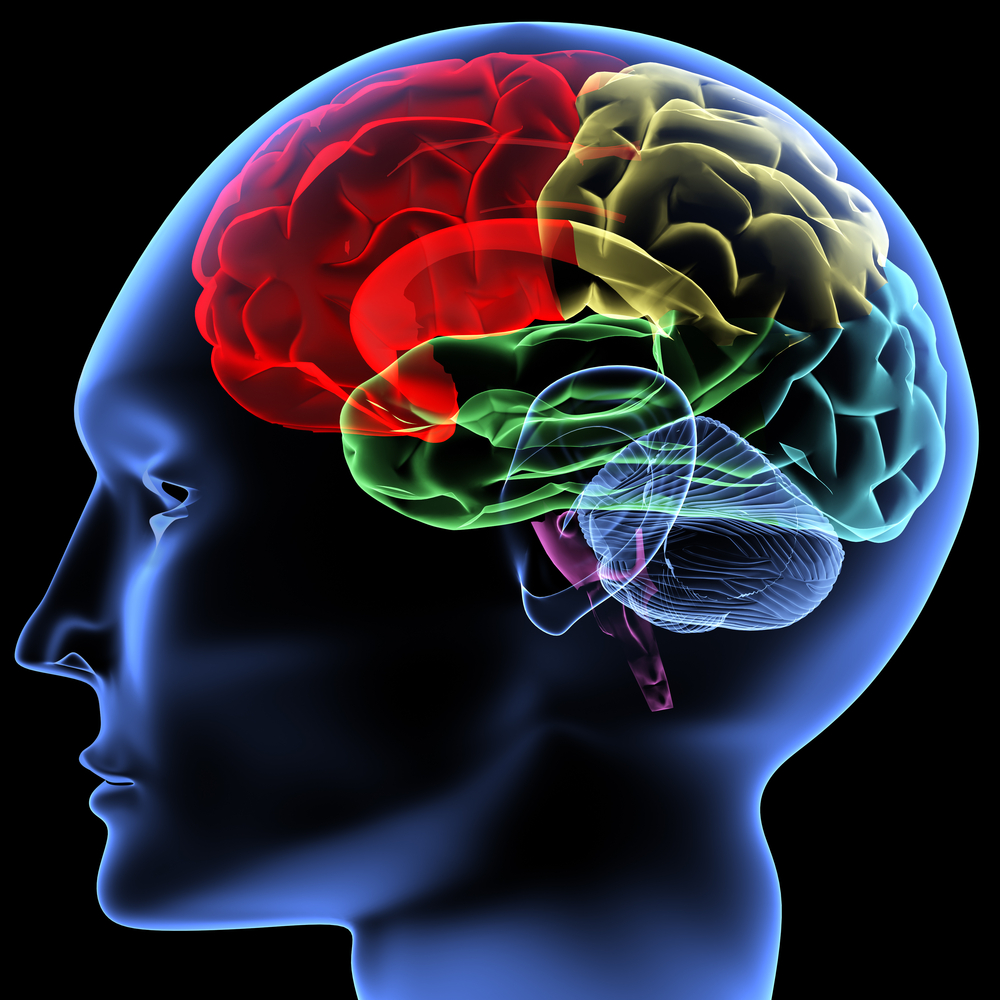
The limbic system plays a key role in the brain in accessing threats and dealing with trauma, Please also review AIHCP’s Trauma Informed Care Program
Please also review AIHCP’s Healthcare Certifications, especially in Trauma Informed Care, Grief Counseling and Crisis Intervention
The Brain and Threat Reaction
All reactions within the body are due to stressors. When something is perceived as a threat, the body responds. This fear circuitry promotes safety and survival (Evans, 2014, p. 20). The old part of the brain is the emotional part and possesses the feelings while the newer more evolved part of the brain processes the feelings from an intellectual perspective. Both these processes interact in stress response over riding each other. The primary reactions to stress include the autonomic nervous system which activates the sympathetic for fight or flight, the hypothalamic-pituitary-adrenal axis which releases hormones and cortisol for stress response and the limbic system of the brain which processes threats and emotions during a threat.
Evans notes that the fear response to threats is a crucial part of human survival and the process in which human beings react to fear in the brain is essential (2014, p. 21). Unfortunately, some events are not processed properly in the moment due to extreme emotional imprinting and this leads to unresolved issues.
In any fear, terror, or stress moment, the brain analyzes the threat. Within seconds, the sympathetic nervous system is activated to the perceived threat. The body releases norepinephrine and epinephrine , also known as noradrenaline and adrenaline into the body. The hypothalamus and pituitary gland also then releases cortisol into the body. This increases blood flow and heart rate, tightens muscles and prepares the body for fight or flight. In turn the amygdala processes these emotions and stores them. While the amygdala is operating, the prefrontal cortex or thinking part of the brain is less active. Once the threat is distinguished, the body is supposed to return to a base line state. Evans refers to this process as fear extinction (2014, p., 21). Individuals who continue to experience heightened fear responses when the threat is no longer an issue exist in a state of dysfunction with unresolved trauma since the brain cannot tell the difference between the memory and current non-threatening state.
Key to stress response are three key parts of the brain. This includes the hippocampus, the amygdala and the prefrontal cortex which make up the limbic system. These three interplay with each other and are key to fear extinction, emotional regulation and cognitive reasoning (Evans, 2014, p. 22). They also play a key role in storing memories from short term to long term storage and differentiating between past and present threats. The hippocampus deals with memory and context. It plays a key role in processing and storing memories and when the hippocampus is in dysfunction this can negatively effect trauma resolution. The amygdala during the stress response also becomes activated. The amydala is the alarm system of the brain. Those with PTSD are said to have a hyperactive amygdala due to unresolved trauma which prevents fear extinction (Evans, 2014, p.24). The pre-frontal cortex which manages cognitive thought, emotional regulation and decision making. It can also become impaired during trauma. When not working, it can lead to subjective fears and lack of emotional regulation and loss of rationale. Under normal circumstances, fear is extinguished and the body returns to a normal state via the hippocampus processing the context of here and then, the prefrontal cortex processing the event, and the amygdala activation decreasing. In cases when trauma is unresolved, the hippocampus is unable to process the here and now, while the amygdala remains hyperactivated, preventing the prefrontal cortex from processing the event. This hinders the ability of the hippocampus to store the memory properly in the past and the hyperactivation of the amygdala inhibits the prefrontal cortex from problem solving (Evans, 2014, p. 31-32).
Unresolved Trauma and PTSD
Individuals exposed to extreme cases of pain, loss, abuse, war, or inhumane treatment have the potential for PTSD. Post Traumatic Stress Disorder or PTSD is one of the most common forms of unresolved trauma disorders that individuals face. Once considered only a war time disorder, it now can effect any trauma survivor of abuse, rape, or natural disaster. Yet it is important to note that the same horrific event may be processed by some and not others. Most can process the traumatic event within 3 months, while others may experience prolonged trauma (Evans, 2014, p. 29). Numerous subjective variables about the person’s genetics, brain structure, past trauma, resilient traits and social support all play roles why some persons process trauma without dysfunction and others do. It is not a sign of weakness but merely an inability for a particular case and reason that the brain is unable to properly process the situation. As seen above, this sometimes has much to do with the amygdala and the inability to extinguish the fear.
While many only correlate PTSD with veterans it can also affect survivors of abuse or other traumatic experiences
Due to these issues, hyperarousal or hypoarousal can occur in those with PTSD. This leads to re-experiencing symptoms, avoidance, as well as hyperarousal which can lead to hypervigilance (Evans, 2014.. p. 29). Those with PTSD are unable to regulate emotions when hyperarousal or hypoarousal occur. To learn more about hyperarousal or hypoarousal and emotional regulation, please click here. Whether hypoarousal and its symptoms of numbing, withdraw and dissociation, or hyperarousal and its symptoms of anxiety and hypervigilance, the brain is unable to differentiate the past trauma with current triggers. This can cause flashbacks where the person loses contact with time, or location. Only until the person learns grounding techniques and ways to regulate emotion can he/she find a window of tolerance to experience the event, process it, recreate new neuropathways associated with the memory, and store it long term without unresolved trauma symptoms.
Many counselors utilize exposure therapies such as EMDR, or cognitive therapies such as CBT to help clients and victims revisit and reframe the event in a healthy fashion and learn to process it as well as manage and regulate emotions that can be triggered due to the event.
Conclusion
The purpose of this short article was more so to understand the parts of the brain associated with the stress response and how the brain normally operates to better understand why when it does not operate correctly, one experiences unresolved trauma and PTSD. An overactive amygdala and underactive prefrontal cortex play off each other and cause the inability for the body to continue the process of fear extinction. This causes an inability of the hippocampus and prefrontal cortex to properly process, understand and store the memory. While most resolve traumatic experiences within 3 months, some do not. There are many subjective variables as to why one person and not another may experience unresolved trauma. Trauma Informed Care specialists understand the neuroscience behind PTSD and help the client or victim find windows of tolerance and teach them emotional regulation and grounding techniques to heal from cope as well as heal from past trauma.
Please also review AIHCP’s many healthcare certification programs and see if they meet your academic and professional goals
It is only natural for many counselors to become sickened, disgusted, angered, or enraged when discussing trauma with a victim. The stories of abuse against the innocent cry for justice. As counselors, or safe guarders, in many ways, these emotions are important in helping the counselor or social worker become instilled with the desire to find justice of the victim and legal punishment for the perpetrator. Hence, it is natural to feel. Counselors are not robots and as human beings, they can become influenced and effected by the details of the stories of victims. These effects can appear in forms of vicarious trauma, compassion burnout, or even loss of emotional control in a counseling session. As healthcare professionals, it is imperative that counselors, social workers and pastoral caregivers are able to monitor themselves in order to be there for the client/victim. In this article, we look at vicarious trauma, burnout and regulating self and how it is important to identify these things and utilize the skills of regulation in counseling, but also every day life.
Vicarious trauma is indirect trauma that affects the counselor or caregiver. Please also review AIHCP’s Trauma Informed Care program
Absorption Vulnerability: What is Vicarious Trauma, Compassion Fatigue and Burnout?
It falls under the umbrella of vulnerability absorption. Counselors can become affected by their clients and the stories told by them. Within these types of absorption, counselors can face compassion fatigue, vicarious trauma, or burnout. Within compassion fatigue, the trauma and stories of the victim wear down the counselor emotionally. It affects their ability to be empathetic and optimistic in the therapeutic relationship.. Vicarious trauma, on the hand has a different type of reaction to trauma. Vicarious trauma is when a counselor or mental health professional is indirectly affected by the trauma of the client/victim (Compton, 2024, p. 236) but in this type of trauma, the counselor experiences types of post traumatic stress symptoms. It goes beyond the emotional wear of compassion fatigue but also affects the beliefs and behavior of the counselor. Burnout on the other hand does not include the trauma of the victim, but has more to do with large caseload, working long hours and inter stress dynamics at work (Compton, 2024, p. 236). All symptoms of burnout as well as vicarious trauma and compassion fatigue are detrimental to the therapeutic relationship because it weakens the counselor’s ability to actively listen, employ empathy, help the client heal and remain regulated. Some may overlap and also play on each other.
Compton points out that counselors who are more susceptible to vicarious trauma and absorption vulnerability usually have past trauma that is triggered in counseling through the indirect trauma of the client (2024, p. 238). Hence indirect exposure to horrible stories of abuse, one’s own past trauma history and the triggers associated with it can engage within the counselor various trauma responses. Like the client, the counselor can experiences challenges to one’s own beliefs and world views and also cause an existential crisis of faith (Compton, 2024, p. 237). This can later filter into the counselor’s home life causing counselors to either avoid those in need, or to overcompensate with becoming to involved. Overinvolvement and lack of professional boundary can lead the counselor into seeing the client as oneself and lead to clouded vision as well as trying to do too much beyond one’s skill level in some cases.
Regulating One’s Emotions
When hearing horrific stories of abuse, it can be difficult during a session for a counselor to be able to maintain the needed co-regulation for a client. A counselor, like a trauma survivor, can enter into states of hyperarousal or hypoarousal. In other articles, we discussed the nature of hyper and hypoarousal states of the client, but these same states can also affect the counselor in negative ways. In regards to hyperarousal, a counselor may become more irritated, anxious, or upset, while also feeling an increased heart rate as the sympathetic nervous system is activated. Likewise, a counselor may become dissociated, numb or lost due to the reaction of the parasympathetic system. In both cases, the counselor is losing the ability to regulate.
Settling oneself without upsetting the client is key. In the hyperarousal state, the counselor needs to settle and ground oneself by calming the mind through breathing, grounding, or other cognitive exercises that relax the sympathetic nervous system, while in the hypoarousal state, a counselor needs to activate by stimulating the brain or creating movement. Many times, it is encouraged in these activation or settling techniques to discreetly include the client who may well also be experiencing tension. Hence any of deep breathing exercises or cognitive grounding techniques, as well as movement, stretching, or even a cold glass of water can help a counselor and client regain emotional regulation. Many of these grounding techniques and how to utilize them are mentioned in other AIHCP articles. Please click here to review grounding and containment strategies.
While counselors track clients emotional and physical reactions, counselors can also scan their own body for hyper or hypoarousal. Compton recommends scanning one’s own body in intense moments to detect these emotional changes within the body. In addition, Compton recommends evaluating ones subjective unit of distress on a scale of 1 to 10 via the SUDS scale (2024,. p. 249). It is important to understand not only the window of tolerance of one’s client but also oneself. Again, the window of tolerance refers to the optimal time a person is able to discuss trauma in a rational and calm way without triggers activating a fight, flight or freeze response. In charts, the window of tolerance is colored as a green zone, while hyperarousal is dictated a red zone, while hypoarousal is regarded as the gray zone. When in the red zone of hyperarousal, a counselor needs to stop and engage in calming activities, while when in the grey zone of hypoarousal, a counselor needs to activate and arouse the mind and body (Compton, 2024, p. 248-249).
Intense emotions of clients can cause vulnerability absorption in counselors. Counselors need a others-orientated empathy to properly help clients heal
Key regulation, a counselor needs to identify triggers that can cause these reactions. As human beings counselors too have triggers that can cause various reactions to a story or person. Past trauma, one’s own biases, and one’s own way of handling things can cause internal division with the client and it is important to identify these triggers. These triggers can cause issues with providing unconditional positive regard and empathy to the client. In displaying empathy, sometimes, according to Compton, can fall into two categories- self-orientated empathy and others-orientated empathy. In regards to self-orientated empathy, one feels the pain of others but it affects the person directly and impacts their ability to help, while others-orientated empathy allows one to feel but gives the necessary space and distance to help others in suffering (2024, p. 254). To review AIHCP’s previous article on unconditional positive regard and empathy, please click here.
Counselors when they do feel emotions should not dismiss the feeling as bad or good. Emotions, according to Compton, are not dangerous in themselves but a counselor simply needs to allow and notice them but constrain them for the benefit of the client (2024, p. 256-57). In addition, certain stories may also lead rumination or the inability to shake a certain thought or memory that has invaded the mind during counseling. Compton suggest focusing such worries and thoughts to goal solving thoughts (2024, p. 258). Again, emotions and thoughts are natural, but as professionals, one needs to identify them and properly regulate them in counseling.
Self Care
Counselors, like any caregivers or safe guarders, experience many terrible thing through the stories they hear. The ability to absorb but yet to effectively care is a thin line from falling victim to vicarious traumas. Hence it is so important for counselors to be skilled in self-regulating, but also skilled in understanding professional and emotional boundaries. Counselors need to ensure that their brain and body is able to find the necessary time to heal and rest. Self care is in many ways stewardship of self. It involves understanding that one is not the ultimate solver of all problems and understanding the value of time and how to utilize it for the greatest good. Sometimes, it is the mind that needs the most rest. Allowing the mind freedom from unnecessary trauma or images when away can allow one to find peace at home. Instead images or stories or movies that may invoke triggers should be avoided. Hence according to Compton, it is important to be a steward of one’s mind, body, time and relationships with others. This involves boundaries as well as enjoying the good in life. It can be very difficult to avoid the fog and darkness of abuse and the counselor needs to have balance. Spirituality, hobbies, time off, boundaries, as well as utilization of grounding techniques and the mastery of them is key. Deep breathing, relaxation, meditation, and digesting good and wholesome content is important for counselors to be able to continue to give quality care to each hurt soul
Conclusion
Please also review AIHCP’s Trauma Informed Care program as well as its Healthcare certification programs
Counseling and safe guarding victims of trauma takes a toll on healthy minds. Positive energy and coregulation of the counselor in the therapeutic relationship can be weakened through vicarious trauma, compassion fatigue or burnout. Hence it is critical to understand one’s own triggers, as well as the ability to regulate one’s emotional responses. Self care is essential to maintain a healthy balance to keep counselors up to the large task of helping victims heal.
Compton, L & Patterson, T (2024). “Skills for Safeguarding: A Guide to Preventing Abuse and Fostering Healing in the Church” Intervarsity Press.
Additional Resources
Compton, L., & Patterson, T. (2024, March 14). Absorption Vulnerability: A New Look at Compassion Fatigue.Traumatology. Advance online publication. Click here
Vicarious Trauma: “What To Do When Others’ Distress Impacts Your Well-Being”. (2024). Cleveland Clinic: Health Essentials. Access here
Matejko, S. (2022). “What Is Vicarious Trauma?”. PsychCentral. Access here
Luster, R. (2022). “Vicarious Trauma: A Trauma Shared”. Psychology Today. Access here
It is imperative within trauma informed care to be aware of and looking for signs of trauma or abuse in clients. This video looks at some signs of abuse and trauma. Please also review AIHCP’s Trauma Informed Care program, as well as its Crisis Intervention program and Grief Counseling program. AIHCP offers a variety of healthcare certification programs. Please click here
Trauma informed care specialists in counseling are aware of the existence of trauma in clients. Sometimes, trauma emerges in counseling. How the counselor or social worker presents oneself is key in helping the victim/survivor feel secure and safe in discussing it. In some cases, counselors may need to help the person ground oneself due to the increase of anxiety and panic when trauma emerges. This video looks at trauma and how to help clients who need help regulating emotion due to unresolved trauma
Please also review AIHCP’s Trauma Informed Care program as well as all of AIHCP’s healthcare certifications.