Hypnosis and the Subconscious Mind

Hypnosis and the Subconscious

The concept of hypnosis is not a stage trick or parlor game but has its roots in basic alpha states of the mind.  While many conceive hypnosis to be mind control, it is in reality merely voluntary rewiring of the subconscious to be more willing to obey the wishes of the conscious mind.  To better understand how the true science of hypnotherapy works and how it helps individuals face issues in their life, it is important to understand hypnosis and how it works with the natural subconscious mind to help produce change in people.

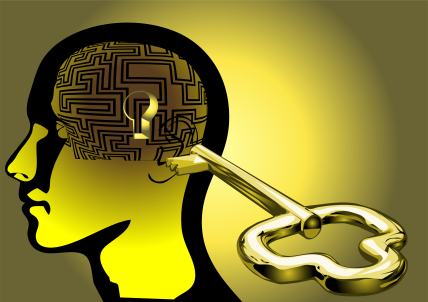
Hypnosis looks to guide the subconscious mind into making change at the conscious level

Please also review AIHCP’s Clinical Hypnotherapy Program.

There are four states of the mind.  The first brain wave is beta, or the conscious mind when individuals are awake and fully operating.  The second state is alpha when the person is day dreaming, meditating, or prior to falling asleep.  The final two states are theta, the dream state, and delta, the deep sleep state (Hunter, 1998, p. 21).  According to Hunter, the brain waves of alpha which are between 8 and 13 cycles are a state between conscious and subconscious are most open to suggestion (pg. 21).   However, even in this state, the person maintains complete control, the hypnotherapist is merely a guide that helps induce the deeper state and help the individual find resolution to conscious habits or issues.  Ironically, one is under the state of alpha many times without realizing it when intently watching a movie, or television show, especially during commercials.  One is also in the alpha state while day dreaming, or prior to sleep.  Hence it is a very natural state and not something unnatural or dangerous in itself.

According to Hunter, hypnosis is important because no matter what change one wishes to implement, the subconscious wins over the conscious mind (1998, p. 43).  Hunter points out that habits are controlled by the subconscious mind (1998, p. 15).   All habits are a direct result of past programming in our life at the subconscious level due to various motivators.  It is hence important to anchor new ideas into the subconscious mind and establish triggers for the conscious mind to utilize when facing change in life.  Many  negative triggers can push one to again smoke, but new ways of thinking that are anchored into the subconscious can help individuals promote change in life.  All habits or change are difficult because they are cemented within the unconscious and because of that, it is important to strengthen the subconscious.  In facing the subconscious, Hunter points out that the subconscious usually does not change because the conscious mind decides one day to suddenly start a new habit or change of life.  The subconscious does not comply to force but only persuasion at the subconscious level.  New ideas and ways to form new habits need to be implemented (1998, p. 16).   Hunter states that this involves a conscious decision to change but one that is truly backed with motivation to do what needs to be done and a responsibility to accept one’s part in the habits (1998, p. 17).  Like a rebellious child, the subconscious needs to be gradually subdued without brute force but time and patience.

Hunter recommends various “gateways” to better strengthen the subconscious.  Repetition is the first gateway but it can be a long trek in replacing old habits with new habits.  The subconscious mind holds tightly to past habits, yet, repetition is key to forming new habits (1998, P. 47).   The second gateway to the subconscious is authority.  Authority can play a key role into a our subconscious molding as children.  It is good to find positive authority motivators as opposed to negative authority motivators in breaking old habits (Hunter, 1998, p. 49).  The third gateway is ego.  Within ego, one is subconsciously pressured for good or bad via peer pressure, various mentors, recognition and rewards, or identification within a particular group (Hunter, 1998, p. 49-53).  The fourth gateway is the utilization of the alpha state.  According to Hunter, hypnosis is merely guided day dreaming that utilizes the imagination, the language of the subconscious, to help one change (1998, p. 53). Finally, Hunter lists the power of emotion tied to one’s subconscious mind as the most powerful motivator to change.  Whether fear or joy, emotion plays a powerful role in our ability to change or not change (1998, p. 55).  Hence these various gateways are possible ways to help the subconscious mind accept change, albeit, some take too long, or resistant, but ultimately if understood and utilized properly, they can work together to help the subconscious accept change.

While these gateways are productive, these motivators can also be inhibitors within the subconscious programming.  Repetition of bad habits, rebellion against authority, bad identifications, bad habits in alpha and negative emotion and triggers associated with those bad habits may need reworked to help the person change (Turner, 1998, p. 59).   Replacing these gateways with positive aspects of each, can help the person escape the negative associated with them and drive the subconscious into new habits that are good.

Please also review AIHCP’s Clinical Hypnotherapy Program and see if it meets your academic and professional goals

To learn more about hypnotherapy, the The College of Hypnotherapy and AIHCP offers certification in Clinical Hypnotherapy for qualified professionals.  While hypnotherapy at the current moment (2025) is rarely regulated, a few states require a licensure, but most require merely utilizing within the scope of ones education and training.  Hence, clinical professionals can utilize hypnosis for deeper pathological issues of trauma, while non clinical are limited to basic stress management and changing bad habits.  AIHCP accepts both non clinical and clinical into the hypnosis program.  Via the required courses, qualified professionals can become certified in clinical hypnotherapy and practice within the scope of their practice and education.

Please click here to learn more about AIHCP’s program to see if you qualify!

Resource

Hunter, C. Roy, 1998. “Master the Power of Self-Hypnosis”. Sterling Publishing Company.

Additional Blogs

Is Clinical Hypnotherapy Safe?  Click here

Additional Resources

“What Is Self-Hypnosis and How Do I Do It?”. (2023).  Cleveland Clinic. Access here

Harley, J. (2020). “Self-Hypnosis: What It Is & How to Do It”. Mindset  Health.  Access here

Watts. T. “The Subconscious Mind and Hypnosis”. Self Hypnosis. Access here

Anbar, R. (2025). “Consulting the Subconscious in Everyday Life”. Psychology Today.  Access here

Self Hypnosis and It’s Applications

One great way to manage stress, overcome anxiety, stop bad habits, or lose weight is through self hypnosis.  Self hypnosis is not as hard as some people think and it has many benefits.  It can help reframe one’s mind and outlook on life and help make real change.  As stated, it can help with a variety of issues.  Some utilize it as a way to handle sleep issues, others utilize it for weight loss.  Others who need aid in stop smoking, will turn to self hypnosis to help deal with the urges.  It is an excellent stress management tool to help people also overcome anxiety and other stressors, including reframing and self confidence as well as pain management.  A certified Clinical Hypnotherapist can also aid individuals in learning the skill of self hypnosis.

Self hypnosis is an easy and peaceful way to manage stress, anxiety and other habits that are detrimental to mental and physical health.


The article, “What Is Self-Hypnosis and How Do I Do It?” from HealhEssentials of the Cleveland Clinic look at the variety of ways self hypnosis can benefit and help individuals.  In addition, the article gives a preliminary look at how to induce basic self hypnosis.  Certified hypnotherapists can also help individuals learn how to do this simple procedure.  The article states,

“Self-hypnosis is one of many useful techniques for changing negative thoughts, emotions and behaviors. It can also help you achieve your goals and persevere in the face of setbacks. But it’s not a cure-all. And, as Williams puts it, “it may take some time and practice to achieve your desired results.” Retraining your mind takes time and can’t happen in isolation. Whether you’re seeing a therapist, practicing meditation or using other methods to effect change in your daily life, make sure you’re not relying exclusively on self-hypnosis. After all, the magic isn’t in the practice. It’s in realizing your own power to make change happen.”

“What Is Self-Hypnosis and How Do I Do It?”. HealthEssentials. February 17th, 2023.  Cleveland Clinic.

To read the entire article, please click here

Commentary

Self-hypnosis is a psychological phenomenon in which an individual induces a hypnotic state through self-suggestion. It is typically characterized by intense relaxation and heightened suggestibility, which allows the individual to focus their attention on specific mental tasks or experiences such as cognitive restructuring, imagery rehearsal, and memory enhancement. Through self-induced hypnotic states, individuals can access their subconscious mind to explore areas of personal growth and development.

Self hypnosis is typically achieved by inducing a trance-like state, often through relaxation techniques such as deep breathing, progressive muscle relaxation, and guided visualization. The individual then focuses attention on a specific suggestion or image to reinforce desired behaviors or to access past memories or repressed emotions.  Self hypnosis is a process whereby an individual induces a state of suggestibility and heightened awareness that can be used to address maladaptive behaviors, improve self-regulation, and enhance wellbeing. It typically involves four distinct steps: (1) creating a conducive environment; (2) entering into a relaxed state; (3) inducing the hypnotic trance; and (4) inducing therapeutic suggestions.

Self-hypnosis offers a range of potential psychological benefits, ranging from improved cognitive functioning and stress reduction to enhancing goal attainment and promoting greater personal insight. This is accomplished by accessing the subliminal power of one’s subconscious mind through the induction of an altered state of consciousness. As such, self-hypnosis may be considered an effective psychotherapeutic tool for addressing a variety of mental health issues and for creating positive behavioral changes in the individual.  It can help one with sleep issues, diet issues, altering bad habits such as smoking, as well as help one with anxiety and stress.  It can also help one reframe situations in life as well as serve as a way to manage pain.  The benefits are immense for those looking to utilize it.

Self Hypnosis vs Clinical Hypnotherapy

Hypnosis and hypnotherapy are related psychological phenomena, but distinct in terms of their practice and application. Hypnosis is a state of altered consciousness in which the individual’s attention is focused, typically resulting in greater suggestibility, enhanced concentration, and relaxation. Hypnotherapy refers to the use of hypnosis to induce change in behavior or thought patterns through suggestion or visualization.  This state is induced by an external agent, typically referred to as a hypnotist. The hypnotist then employs various techniques, such as relaxation or imagery, to help the individual reach this altered state of consciousness.

Conclusion

In conclusion, self hypnosis is a simple and effective tool that can be used to bring about positive change in one’s life. It has many benefits, such as improving concentration and creativity, reducing stress, promoting relaxation, improving self-esteem and confidence, and helping to manage pain. It can help to reduce stress, create positive thoughts, increase focus and productivity, and even improve self-confidence. Self hypnosis is an accessible method of relaxation and healing that anyone can learn how to do. With patience and practice, it may lead to improved wellbeing for many individuals.  It is important to remember that although it can result in quick results, the success of self hypnosis depends on practice. Self hypnosis should also not be used as an alternative for professional mental health care if needed.

Self hypnosis has many benefits. Please also review AIHCP’s Clinical Hypnotherapy Certification and see if it matches your academic and professional goals


AIHCP offers a certification in Clinical Hypnotherapy for those seeking more than mere hypnosis.  The program is online and independent study and open to qualified professionals seeking a four year certification as a Clinical Hypnotherapist.  Please review AIHCP’s Clinical Hypnotherapy Certification and see if it matches your academic and professional goals.

Additional Resources

“Self-Hypnosis Is Essentially A Deep Meditation: Here’s How It’s Done”. Sarah Regan. February 21st, 2021. MGBMindfulness. Access here

“This Self-Hypnosis Technique Will Bring You Instant Calm”. Sarah Garone. August 31st, 2018. Healtline.  Access here

“Self-Hypnosis for Everyday Life”. Beverly Flaxington. September 13th, 2013. Psychology Today.  Access here

“Self-Hypnosis for Anxiety: How to Use Hypnosis to Reduce Anxiety”. Jack Harley. December 11th, 2020. Mindset Health. Access here


Relaxing the Busy Mind Via Self-Hypnosis

The busy mind can become strained and weary.  It is important to know how to refresh the brain and allow it to perform at optimum ability.  Individuals with stressful jobs and careers that involve a very actively involved mind need more than mere rest but also a freshness of the brain that allows them to perform.  Self Hypnosis is a way one can remain sharp and fresh.  Self Hypnosis throughout the day is an excellent tool for individuals who need to be mentally alert and ready to resolve issues

Self Hypnosis can help the mind stay calm, fresh and sharp. Please also review AIHCP’s Clinical Hypnotherapy Certification


The article, “Master the art of self-hypnosis to find your inner peace” by Paul McKenna reviews the importance of self hypnosis in keeping the brain fresh and sharp.  He references how Einstein would utilize microsleep as a way to keep the mind fresh.  Likewise, the importance of the mind’s reset prior to sleep onset can make the mind more fresh.  Studies have shown that those with this type of micro sleep performed better even solving math problems.  Hence McKenna compares this type of midpoint between sleep and consciousness as critical to a more peaceful, calm and fresh mind.  Self-Hypnosis is an excellent way to achieve this state.  He states,

“Sleep is where you are unconscious — you go through different stages and you dream. Hypnosis is much more like daydreaming for the majority of people. Commonly, people lose awareness of time, they stop focusing on things going on in the external world and they start focusing on things in their internal world. They usually feel profoundly relaxed.  If I have a creative problem, I will often do self-hypnosis to help me unlock whatever is blocking the free flow of my thoughts. “

“Master the art of self-hypnosis to find your inner peace”. Paul McKenna. January 1st, 2023. Daily Mail.

McKenna continues within the article by introducing the reader to the best ways for self hypnosis and its many benefits. To read the entire article, please click here

Commentary

Hence, self hypnosis can bring about a calming effect on the brain but also allow it to reset and be more sharp.  Below is more detail on self hypnosis, how to do it and its benefits.

Self Hypnosis

Self-hypnosis is a form of psychotherapeutic technique in which an individual induces a trance-like state of heightened suggestibility, through the use of mental imagery, relaxation techniques, and verbal repetition. It can be used to facilitate cognitive and behavioural change, reduce stress, enhance creativity, and increase self-awareness. Self-hypnosis is thought to work through enabling an individual to access inner resources for problem solving or goal setting that may not otherwise be readily available.

Self hypnosis is a process of inducing a heightened state of psychological receptivity and focus which allows for the reprogramming of thought patterns via conscious suggestion. In order to access this altered state, it is necessary to engage in a series of preparatory activities that facilitate the entry into the trance-like state. These activities include relaxation, concentration, ideomotor response, and imagery/visualization.

Self hypnosis has been associated with a variety of beneficial psychological outcomes, such as enhanced emotion regulation, improved decision making and increased resistance to pain. Research suggests that self-hypnosis can reduce levels of anxiety, depression and stress, as well as increase the individual’s ability to cope with difficult situations in their life. Moreover, this psychological tool has been linked to better concentration and memory performance due to its ability to aid in cognitive restructuring and mental focus.  Through self hypnosis, individuals may be able to facilitate change at the neurological level by making use of neuroplasticity. This allows for the development of new neurologic pathways that are associated with improved cognitive functioning and enhanced emotional regulation.

Micro Sleep 

Microsleep is a phenomenon characterized by brief periods of sleep that occur involuntarily and unexpectedly during wakefulness. It has been found to be beneficial in certain contexts due to its ability to increase alertness and improve cognitive performance. Specifically, microsleep can improve reaction time, attentional processes, and motor control during the period of time following its occurrence. In addition, microsleep may have protective effects against excessive fatigue.

Microsleep and hypnosis are two distinct phenomena that have been studied extensively over the years. Microsleep is a brief episode of sleep that occurs involuntarily in the midst of an individual’s normal waking activity, typically lasting from one to thirty seconds. It is a phenomenon characterized by brief periods of sleep that occur involuntarily and unexpectedly during wakefulness. It has been found to be beneficial in certain contexts due to its ability to increase alertness and improve cognitive performance. Specifically, microsleep can improve reaction time, attentional processes, and motor control during the period of time following its occurrence. In addition, microsleep may have protective effects against excessive fatigue.  Hypnosis, on the other hand, is a trance-like state that involves heightened suggestibility and responsiveness to verbal or non-verbal cues. It is characterized by a deep relaxation of the body and alterations in perception, cognition, and behavior.

Both have similar effectiveness though in helping the mind become more fresh.  Self Hypnosis obviously is more intentional and can provide many of the benefits in refreshing the mind.

Conclusion

Self Hypnosis is a beneficial tool for professionals to unlock the best the mind has to offer.


In conclusion, self hypnosis can be a powerful tool for personal growth and development. It can help you to achieve your desired outcomes, reduce stress, and work through difficult issues. Self hypnosis has been used by many people with success in managing physical pain, improving sleep quality, and overcoming anxiety and phobias. However, it is important to note that self hypnosis should not be used as a substitute for professional medical or mental health advice.

Please also review AIHCP’s Clinical Hypnotherapy Certification and see if it meets your academic and professional goals.  The program is online and independent study and open to qualified professionals seeking a four year certification in Hypnosis.

Additional Resources

“Yes, Self-Hypnosis Can Really Work — Here’s How to Give It a Try”. Crystal Raypole. August 16th, 2021. Healthline.  Access here

“What to know about self-hypnosis”. Mathieu Rees. May 29th, 2022. MedicalNewsToday. Access here

“Hypnosis” Cleveland Clinic.  April 1st, 2022. Cleveland Clinic.  Access here

“Self-Hypnosis: What It Is & How to Do It”. Jack Harley. June 30th, 2020. MindSetHealth. Access here