Integrating Service Dogs into Healthcare Teams: Enhancing Patient Care and Emotional Support

Service dog wearing a vest
Written by Vivian Kane,

Medical care continues advancing past conventional treatments, incorporating innovative methods that address patients’ physical and emotional requirements. Introducing specially trained dogs into healthcare settings represents a notable development in comprehensive patient care. These animals connect clinical expertise with human compassion, converting clinical environments into comforting healing spaces. 

The partnership between medical professionals and service animals creates valuable opportunities for thorough patient support. This collaboration exceeds traditional therapeutic approaches, establishing new benchmarks for managing complex medical conditions, emotional distress, and rehabilitation needs. Integrating these service dogs effectively demands careful assessment of procedures, training standards, and individualized applications.

Specialized Training for Medical Environment Adaptation

Medical settings present unique challenges requiring specialized canine preparation beyond standard assistance training. Animals must acclimate to medical equipment sounds, chemical odors, and unpredictable patient behaviors. Training programs should expose dogs to hospital environments during off-hours. Gradually introduce them to various medical scenarios.

Advanced training includes recognizing medical emergencies, maintaining composure during chaotic situations, and responding appropriately to different patient conditions. Ongoing education ensures animals remain current with evolving medical practices and sustain peak performance standards throughout their service careers.

Targeted Support for Psychiatric Conditions

Mental health care receives substantial improvement via thoughtfully incorporated canine support. Individuals facing anxiety, depression, PTSD, and additional psychological disorders gain from the soothing effect and particular duties these animals can perform. Service dog partners can disrupt nightmares, offer stabilization throughout panic episodes, and establish spatial boundaries in busy areas for people with agoraphobia.

Psychological assistance demands focused preparation emphasizing emotional awareness, emergency response, and treatment alerts. These dogs develop skills to identify their owner’s mental condition shifts, delivering preventive help before symptom intensification. Their companionship frequently decreases pharmaceutical reliance, enhancing general treatment adherence and healing results.

Mobility and Physical Assistance Integration

Patients with mobility challenges require comprehensive support extending beyond traditional assistive devices. Trained assistance animals provide stability during ambulation, retrieve dropped items, and assist with balance during transfers. Their support enables greater independence while reducing fall risks and injury potential.

Physical therapy sessions benefit significantly from canine integration, as animals can motivate patients through difficult exercises while providing emotional encouragement. The animals’ presence often increases patient participation rates and extends therapy session durations, improving rehabilitation outcomes and shortening recovery periods.

Seizure Detection and Response Protocols

Epilepsy treatment success significantly advances with the inclusion of trained seizure alert dogs. These remarkable partners can identify seizure warning signs as early as 45 minutes before occurrence. This allows individuals and care providers to implement necessary safety measures. Throughout seizures, these canines can activate emergency systems, place themselves to shield the person, and retrieve critical medications.


After seizures, these dogs help by guiding confused people to safe areas, providing steadiness throughout recuperation, and locating extra help if necessary. This thorough assistance significantly improves seizure patients’ daily living while reducing hospital visits and urgent medical responses.

Memory and Cognitive Assistance Programs

Individuals with memory deficits, dementia, or cognitive disorders gain substantial advantages from specially trained support animals that provide memory prompts and mental assistance. These animals offer reminders about routine activities, direct patients to specific areas within healthcare facilities, and provide stabilization during confusion or disorientation episodes.

Cognitive support training emphasizes identifying memory-related behaviors, gentle redirection during confused states, and ensuring patient safety during wandering incidents. Animals develop skills to interrupt potentially dangerous actions, such as unsupervised departures from secure areas, while delivering comfort during anxiety or agitation frequently associated with cognitive deterioration.

Diabetic Alert and Management Support

Specially trained animals can detect blood sugar changes through smell, providing significant advantages for diabetes care. These animals warn patients about dangerous low or high blood sugar levels before symptoms appear, preventing medical crises and hospital visits.

Training covers teaching animals to fetch glucose supplies, notify family members during overnight episodes, and track medication timing. Their continuous monitoring offers reassurance to patients and families while supporting more active lives and better diabetes management.

Autism Spectrum Disorder Assistance

Individuals with autism spectrum disorders experience benefits from specially trained animals. These animals provide a calming influence during sensory overload. They interrupt harmful repetitive behaviors and assist with social interaction challenges. Their presence often reduces anxiety levels while improving communication attempts and social engagement.

Training focuses on recognizing autism-specific behaviors, providing pressure therapy during meltdowns, and facilitating social interactions in medical settings. Animals can also assist with routine establishment and transition management, which are crucial elements for successful autism treatment and daily functioning.

Pain Management and Distraction Techniques

Chronic pain management benefits significantly from animal companionship. Their presence often reduces perceived pain levels and decreases reliance on pharmaceutical interventions. Animals provide a natural distraction during painful procedures while offering emotional support throughout treatment.

Training includes recognizing pain behaviors, providing appropriate comfort responses, and maintaining calm during medical interventions. Their support often enables patients to participate more fully in rehabilitation programs while maintaining better overall mood and treatment compliance.

Cardiovascular and Cardiac Alert Services

Cardiovascular patients benefit substantially from animals trained in cardiac event detection and immediate response. These specialized companions identify arrhythmias, recognize pre-cardiac event indicators, and notify medical staff about dangerous cardiovascular episodes before they become critical.

Cardiac alert animals receive specialized training to detect odor changes associated with heart conditions, blood pressure variations, and cardiac distress. Their detection capabilities provide essential early warning, enabling prompt medical intervention and preventing serious complications.

Training encompasses emergency alert system activation, safe patient positioning during cardiac events, and appropriate support during recovery. These animals also learn medication schedule recognition and assist with cardiac rehabilitation exercises, providing consistent motivation throughout treatment protocols.

Surgical Recovery and Post-Operative Support

Post-surgical recovery presents distinct challenges where service animals deliver essential patient support during difficult healing. These animals assist with mobility in early recovery, provide emotional comfort during painful rehabilitation, and help maintain critical medication schedules.

Surgical recovery animals learn to identify post-operative complications, assist with gentle movement protocols, and offer stability during initial walking attempts. Their presence reduces post-surgical anxiety and depression while encouraging more active participation in recovery programs. Their emotional support significantly influences healing rates, as stress reduction enhances immune function and accelerates tissue repair.

Surgical support training includes wound care protocol awareness, complication recognition, and assisting without disrupting medical equipment. These animals learn to work effectively around medical devices while maintaining their supportive function throughout recovery.

Long-Term Partnership Development

Successful integration requires commitment to long-term partnerships between healthcare facilities, patients, and animal handlers. These relationships develop over time, with animals becoming familiar with specific patients, medical routines, and facility protocols. Regular evaluation ensures continued effectiveness while identifying opportunities for expanded services.

Partnership development includes ongoing training updates, health monitoring for working animals, and continuous assessment of patient outcomes. Successful programs often expand to additional departments and services, creating comprehensive support networks that benefit entire patient populations.

Rehabilitation and Physical Therapy Enhancement

Recovery programs gain significant momentum through animal integration, as patients often demonstrate increased motivation and participation when working alongside canine partners. Animals can assist with specific exercises, encourage difficult sessions, and help maintain consistent therapy schedules.

Training focuses on understanding rehabilitation equipment, recognizing patient fatigue levels, and providing appropriate motivation techniques. Their support often accelerates recovery timelines while improving patient satisfaction with treatment programs.

Emergency Response and Crisis Intervention

Medical emergencies require immediate, coordinated responses that trained animals can significantly enhance. These animals can alert medical staff to patient distress, provide immediate comfort during crises, and assist with evacuation procedures when necessary. Their training includes recognizing various emergency scenarios and responding appropriately to each situation.

Crisis intervention training prepares animals for chaotic environments while maintaining focus on their primary responsibilities. They learn to differentiate between routine medical activities and genuine emergencies, ensuring appropriate response levels for each situation.

Pediatric Care Enhancement

Children with medical conditions demonstrate remarkably positive responses to animal-assisted interventions. When supported by trained animal companions, Young patients experience reduced anxiety about medical procedures. These animals provide distraction during uncomfortable treatments, promote cooperation with healthcare providers, and offer comfort during prolonged hospitalizations.

Pediatric implementation requires specialized training addressing child-specific requirements, safety measures, and developmental factors. Animals must exhibit exceptional patience, gentleness, adaptability to fluctuating energy levels, and unpredictable behaviors characteristic of pediatric settings.

End-of-Life and Hospice Care Support

Patients with terminal conditions and their families receive significant comfort from trained support animals during challenging end-of-life periods. These animals offer unconditional emotional support, alleviate feelings of isolation, and provide solace during life’s final stages. Their presence often facilitates meaningful family discussions and assists with grief processing.

Hospice implementation requires nuanced training covering death awareness, family support approaches, and maintaining proper boundaries during emotionally charged situations. Animals develop skills to provide comfort without disrupting medical care while supporting both patients and grieving family members.

Establishing Clear Integration Protocols

Successful integration begins with comprehensive protocols. It outlines responsibilities, boundaries, and expectations for all team members. Healthcare facilities must develop guidelines addressing hygiene standards, patient interaction procedures, and emergency protocols. These protocols should specify which departments can accommodate canine partners, identify appropriate patient populations, and establish clear communication channels between handlers, medical staff, and administration.

Training programs for healthcare workers must address proper interaction techniques, recognition of canine stress signals, and understanding of legal requirements surrounding assistance animals. Regular protocol reviews ensure adaptation to changing regulations and emerging best practices, while documentation systems track outcomes and identify areas for improvement.

Endnote 

Incorporating trained support animals into medical teams constitutes an innovative approach to patient care that simultaneously addresses clinical and psychological needs. These exceptional partnerships establish therapeutic environments that surpass conventional medical treatments, delivering hope, comfort, and functional assistance to patients confronting diverse challenges. As healthcare progresses toward more comprehensive approaches, these canine team members become increasingly essential in creating thorough, empathetic care experiences that effectively support complete patient wellness.

Author Bio

Vivian Kane is a health writer with a passion for improving care for the elderly. With over a decade of experience in healthcare policy and senior care, she focuses on educating the public about innovative trends and best practices in eldercare. Vivian has contributed to various healthcare journals and blogs. Her work aims to bridge the gap between healthcare professionals and caregivers, ensuring that the latest trends in eldercare education are accessible to everyone. When she’s not writing, Vivian volunteers at local senior care centers and advocates for better care standards for aging populations.


Please also review AIHCP’s Pet Loss Grief Support Certification programs and see if it meets your academic and professional goals.  These programs are online and independent study and open to qualified professionals seeking a four year certification
When a Pet is Lost

The anxiety and pain associated with a misplaced loved one is tremendous.  A parent that discovers a son or daughter soldier that is overseas that becomes missing in action, or a lost child, if even for those first seconds at a store are intense pains.  The continuing agony over the next days, months and years lead to a unresolved and ambigiuous grief that has no ending or conclusion to heal from.   The constant suffering of wondering what happened can torture the soul.   The desire to hope can also be a paradox.  On one side, hope can be inspirational, but on the other side, it can become delusional and a prevention from acceptance and adaptation to the loss.   This deep fog of grief with no conclusion can lead individuals to variety paths of despair or unhealthy hope.

Unresolved Loss in Losing a Pet

It is important to not forget pet owners.  This disenfranchised group many times are overlooked in pet deaths.  The common quirks that is only a cat or dog, or one can simply get another one are all too common insensitive remarks that pet owners are exposed to.  It is no wonder then, that pet owners are sometimes also forgotten when a pet is stolen or lost.  It is important to not assume that many of the same feelings of anxiety and depression are not present for a pet owner.

There is nothing more terrifying and anxiety inducing than losing a pet. Please also review AIHCP’s Pet Loss Grief Support Certification


In fact, a pet owner who loses a dog or cat, or has a pet stolen will indeed experience the same questions.  They will wonder what happened, or if my pet is OK, or if my pet is hurt, or if my pet is being treated horribly and these thoughts will torture them.  As the years go by, the same imprint of doubt will exist within the pet owner.  They will experience the same trauma as any person who loses a loved one.  Of course, some pet owners, may  not form attachments with their pets, as some, but for those who understand the true bond between human and pet, the pain remains the same.

Imagine losing a dog and never knowing what became of the once beloved dog that everyday welcomed you home and depended on your love and care?  When dogs or cats or horses or other pets are lost or stolen, the same fears, doubts and anxiety exist in pet owners.   There is also the same decision to give up hope or to continue the belief that maybe one day one will be reunited.  There is also the emotion of falling into complete despair and giving up.  Ultimately, the inability to form some type of conclusion as to what happened to one’s pet can keep one up all night.  Unlike, a pet who had died, one is left with terrifying thoughts of what possibly could have happened.  Was my pet hit by a car and left to the side of the road?  Was my pet mistreated by some unscrupulous person?  Was my pet hopefully found by a loving person?

Sometimes good things can happen.  For those lamenting the most horrible, allow me to introduce one small story.  My family discovered one day on the side of the road a beautiful black and white Siberian Husky.  As a family that loves Siberian Huskies, my family immediately retrieved the hungry and tired boy and fed him and gave him shelter.  Various online and paper ads were given out but to no answer.  After numerous months, the Siberian Husky became well adjusted to his new family and other dogs.  He lived a long 8 to 10 years and had a very loving and peaceful happy death.

Hope, Despair, Guilt, Blame

So hope or despair?  How the mind copes in unresolved grief varies on individuals.   Resiliency, support mechanisms, and outlooks all vary from person to person in these types of losses.  It important to note that since it grants no finality, this type of grief is prolonged, can lead to severe anxiety and also develop into depression.  When individuals fail to cope, they can lose interest in daily life and activities.  They can also start to isolate and find little joy in life.  When these situations occur, it is imperative to find the proper professional counseling that can help with cognitive therapies or provide necessary medications.  Some pet owners may also in their despair enter into extreme guilt.  They will second guess their choices or wish they would have done this or that, or they may have been temporarily angry at their pet before the pet went missing.  These issues of guilt will need addressed in counseling and logically dismissed.  There is also the issue of resentment and blaming of other family members who may have made a mistake in letting the pet loose.  In these events, all parties are deeply hurt and sad and once passed the raw emotion, it is time to move past and forgive.  The reality is one’s pet is greatly loved and despite short comings or mistakes, or could have or would have scenarios, one needs to focus on the love that was shared not the mistakes or temporary emotions.

The pain of not knowing what has happened with one’s pet is the greatest pain of unresolved and ambiguous grief


If one chooses to hope, then this should not be dismissed.  Obviously, one must identify pathological hoping that places unrealistic expectations and negative coping.  For instance, if one feels they can never again leave the house for fear they may miss the return of their dog, or develop sleep disorders for fear of missing the sound of a bark, then an individual may need professional help, but if one wishes to push forth hope in productive ways, then it can be a beneficial way to help adjust to the loss itself.

Many individuals who deal with unresolved grief through missing persons utilize their energy in ways to produce social change.  For MIA soldiers, many families may form organizations or movements that bring recognition to it.  Some who lose a pet may feel the need to supply helpful tips to prevent losing a pet or bring recognition to various animal shelters, or be a voice against animal abuse.  In this way, their energy and loss bears some fruit and value and ultimately allows one to find some purpose in the loss itself.

How Can I Prevent Losing a Dog or Cat or Horse?

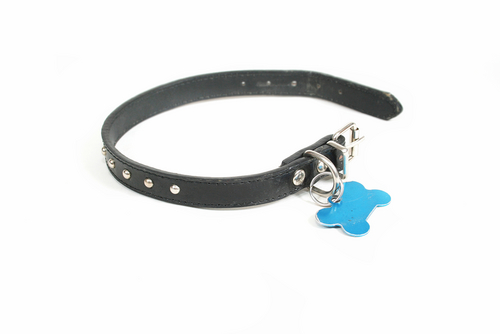
Despite all best efforts, a pet can get loose, run away, or be stolen but there are some preventative measures one can take to minimize these things.  First, it is important to tag your animal with a collar with appropriate contact information.  Second, all pets should be electronically chipped.  One can even list on the tag that your pet is electronically chipped if someone finds your pet.  In addition, one can have trackers put into a pet’s collar that sends information to one’s cell phone.  Of course, this is only as good as the collar staying around the pet’s neck and the device’s battery charge.  Third, be sure that your surrounding neighbors know your pet and his or her name.  Fourth, secure your home.  Ensure visitors understand that doors need shut and windows need closed.  Many individuals need to build fences around their home.  Ensure your fence is equipped for the task and make any modifications needed.   Fifth, purchase proper collars and walking gear that is equipped for the breed’s urges and size. Sixth, when walking your pets, let them know their surroundings.  Let them mark the surrounding areas and teach them the word “home” in case they ever become lost.   Seventh, train your pet to return when called upon.  Treat and positive reinforcement for returning upon call are critical. Eighth, know your breed.  Some cats may be outside cats and return, other may be more nomadic. In regards to dogs, some breeds have great homing abilities, while other breeds like Siberian Huskies, will run and run until they become completely lost.  Some breeds may chase small mammals and become easily lost as well.

Make sure to chip your pet and ensure all vital information is listed on his collar ID


When losing a pet, it is important to discern when.  Quickly running out and looking is imperative to tracking down a pet but unfortunately sometimes, pets vanish when while one is away or asleep or preoccupied, it is important to be decisive within the first hours, days and weeks.  In my personal experience, I have lost pets from 20 minutes to 2 hours to a full week.  Every single one of incidents is an anxiety ridden and fear filled episode of life.  So it is critical to be proactive early.   After searching and calling friends and family and even stopping every stranger on road if he or she has seen one’s pet, one must remain proactive.  This includes calling all vet clinics.  If one’s pet is chipped, there is a good chance a good Samaritan will take one’s pet to a local vet.  The more clinics called, the better chances of finding one’s pet if indeed he or she was picked up.   In addition to animal clinics, one should also contact animal shelters and any municipal animal centers as well as fire, police and mail services.  In addition, posting on FB and other social media platforms can be extremely helpful.  Numerous times, individuals post they have found a dog.  In fact, this is how I found one of my Siberian Husky’s through a random person on a bike who said he had seen the description of my dog on his feed.  (Miraculous).    Yet despite the 21st Century many social marvels, do not discount the power of basic 20th Century social contacting by merely posting a picture on a telephone pole or listing an ad in the paper with promise of reward.

Conclusion

It is my sincere hope, losing a pet is never permanent, but for those who suffer this deep pain, realize there are support groups and professional help that will recognize your pain.

Please also review AIHCP’s Pet Loss Grief Support Program and see if it meets your academic and professional goals


For those looking to help others with pet loss or losing a pet, please also review AIHCP’s Pet Loss Grief Support Program.  The program is online and independent study and open to qualified professionals seeking a four year certification in Pet Loss Grief Support.


Additional Resources

“Incomplete Endings: Coping With a Runaway or Lost Pet”. Clark, A. (2017). Psychology Today. Access here

“Lost Dog? What to Do If Your Pet Goes Missing”. AKC Staff. (2021). American Kennel Club. Access here

“What Ambiguous Loss Is and How To Deal With It”. HealthEssentials. (2022). Cleveland Clinic.  Access here

“What Is Ambiguous Grief and How to Begin Healing”. Sarazln, S. (2023). Psychology Today.  Access here


Pet Loss Grief Support Certification Video on Pet Loss Grief

Losing a pet is a painful loss that many try to diminish.  The true reality is that losing a pet is like losing family.  One’s grief for this loss must be recognized and not reduced to such horrible statements as “he was just a dog” or “she was just a cat”

The American Academy of Grief Counseling offers a Pet Loss Grief Support Certification for qualified professionals.  The program is online and independent study and open to qualified professionals seeking a four year certification in Pet Loss Grief Support.  Please review the program and see if it meets your academic and professional goals

 

Please also review the video on Pet Loss Grief Support

Pet Loss Grief Counseling Certification Article on Pet Grief and Guilt

Losing a pet, especially a dog is a big loss.  People should not feel guilty in sharing their grief.  The loss can be as painful as losing a family member and should not be shelved away or not discussed as secondary to a human life.  This type of disenfranchisement can hurt individuals grieving their pet or dog.  It does not permit them to grieve and discuss the loss and how it has affected their lives.  It is important to recognize pet loss in a person’s life.

Losing a pet, cat or dog is a big loss. It is like losing family. Please also review our Pet Loss Grief Counseling Certification and see if it meets your professional goals


The article, “My Beloved Dog Just Died. I Don’t Know How To Grieve Without Feeling Guilty.” by Ann Gorewitz discusses her grief and guilt for grieving her pet.  She states,

“Our pets’ lives have value ― they matter! ― even though society often trivializes our relationships with them. And though I feel like I’m not supposed to grieve Cassie’s death as intensely or profoundly as I do ― especially during a pandemic when so many other truly awful things are happening ― her life and the loss of it is momentous to me, and maybe more so because of COVID-19.”

To read the entire article, please click here

Please also review AIHCP’s Pet Loss Grief Counseling Certification and see if it meets your academic and professional goals.

Pet Loss Grief Counseling Certification Article on Explaining a Pet’s Death

Great article on talking to a child about the death of a pet.  The death of a pet is a horrible loss but is also usually the first death experience for a child.  It is important to properly grieve the loss but to also use it as teaching moment to explain death.   While a teaching moment may be very difficult for the loss of a dog, horse or cat, it may be easier if it is a goldfish, or hampster.

Explaining to a child how a family dog or cat died can be a difficult thing. Please also review our Pet Loss Grief Counseling Certification

The article, “The Dog Isn’t Sleeping: How To Talk With Children About Death” by Cody Turner states,

“My parents exchanged pained glances. I know now that life had put them in an impossible bind. Mingo had been dying for months and suffering for weeks. The vet urged euthanasia then and there. My parents reluctantly but humanely agreed. But how to tell me? So they didn’t, hoping to wait until after my birthday.”

To read the entire article, please click here

Please also review our Pet Loss Grief Counseling Certification and see if it matches your academic and professional needs.

Pet Loss Grief Counseling Certification Article on Mourning a Pet

Grieving a pet is critical to recovery.  With pets being so much as like family, if one does not take the time to grieve the loss of a pet, then one can face further grief complications.  Allowing oneself to grieve the loss of a pet can help one ultimately recover and accept the loss in a healthy fashion

The article, Paw Prints: Grieving process can bring you relief from pet’s death, by 

“Most people love their pets enough to consider them members of the family. Pets provide companionship, emotional support and unconditional love. When a beloved pet dies, it’s natural to feel sorrow and experience grief.”

To read the entire article, please click here

For children, the death of a pet may be the first experience with death. A child may blame himself, his parents or the veterinarian for not saving the pet. A child may also feel guilty, depressed and frightened that others he loves may be taken from him.

Please also review our Pet Loss Grief Counseling Certification