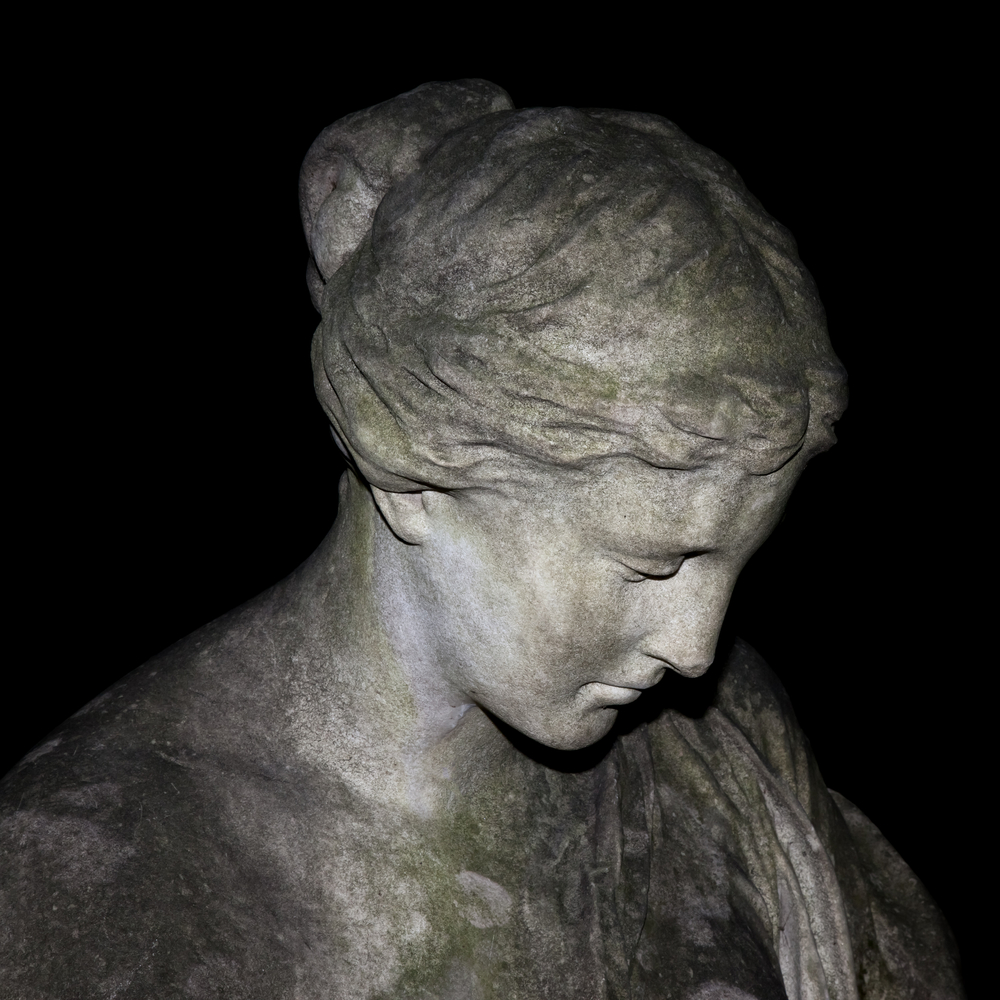
Grief Counseling Certification Article on Types of Depression

Depression can be acute and have a reason behind it that develops from Prolonged Grief or it can be chronic.  It can also have no true origin.  It can be Clinical Depression or Seasonal Depression Disorder due to the seasons.  It can be due to having a child and be post partum, or due to bio polar disorder.

Depression can manifest in different ways. Please also review AIHCP’s Grief Counseling Certification

The article, “W

hat to Expect From Therapy for Depression—and How to Start the Process”  by Ashley Abramson looks into the various types of depression.  She states,

“Depression can be an insidious condition that looks and feels different for everybody. It may present as feelings of hopelessness for one person and irritability or overwhelming fatigue for someone else. If you experience at least five of the following signs of depression for most of the day, nearly every day, for at least two weeks, your physician or therapist might diagnose you with some form of depression:”

To review the entire article, please click here

Please also review AIHCP’s Grief Counseling Certification and see if it meets your academic and professional goals.  The program is online and independent study and open to qualified professionals seeking a four year certification in Grief Counseling.

Grief Counseling Certification Video on Traumatic Grief

Sometimes grief and loss can be so vicious, so cruel and sudden that it can tear a person apart.  What a person can see, witness and experience can traumatize the soul.  In these intense types of death and loss, a person may experience various trauma and complications within the grieving process.   War, crime, natural disaster, mass death, and sudden losses can all cause intense trauma for the griever.

Please also review AIHCP’s Grief Counseling Certification and see if it matches your academic and professional goals.  The program is online and independent study and open to qualified professionals seeking a four year certification as a Grief Counselor

Grief Counseling Certification Article on Avoidance in Grief

Good article below from What’s Your Grief .

Avoidance can be big issue in anything we do not wish to face.  It is natural to avoid distasteful things in our life that bring back bad memories.  Places, things, even scents can remind one of the past.  We naturally tend to gravitate towards things of happy memory.

Trying to avoid grief and its emotions never works. Please also review AIHCP’s Grief Counseling Certification


However, with grief, while initially helpful, one needs to eventually face the issue or the bereavement process will halt.  One cannot keep avoiding a certain room, or a particular place.  Many try to cope by avoiding by immersing themselves in work, or other things to silence the pain.  However, avoiding the pain can cause bigger issues that prevent overall healing.

The article, “What is Avoidance Behavior? An Explainer” by Eleanor Haley takes a closer look at avoidance behaviors and how they can negatively affect.  She states,

“When you are grieving, every person, place, or thing connected with your loss takes on the risk of reminding you of something painful. And in the early days of grief, reminders are everywhere. Not only are they all around you, but they’re inside, too, in your thoughts and memories. ”

To review the entire article, please click here

Please also review AIHCP’s Grief Counseling Certification Program and see if it meets your academic and professional goals.  The program is online and independent study and open to qualified professionals seeking a four year certification in Grief Counseling


Grief Counseling Certification Video on Grief Models

Individuals experience and react to grief differently.  There are multiple different ways individuals grieve.  Some are more extrovert, while others are more introvert.  What type of griever are you?  How do you express grief?  Do you express grief in a healthy way or a detrimental way?  Please also review AIHCP’s Grief Counseling Courses and see if they offer the training you need to become a better griever but also a better grief counselor.  The program ultimately leads to a four year certification for qualified professionals

Grief Counseling Video on Romantic Loss

Beyond the loss of a person due to death, many suffer the pain of breakups and divorces throughout life as well.  The loss of a person or a relationship can be very emotionally painful and take much time to fully adjust to life without that person.  From simple breakup to messy divorce, the loss and adaptation varies on the connection and bond between the couple.

Please also review AIHCP’s Grief Counseling Certification Program and see if it meets your academic and professional goals.  The program is online and independent study and open to qualified professionals seeking a four year certification as a Grief Counselor.  The video below reviews the problems and issues facing those dealing with romantic loss


Please review the video  below

Grief Counseling Certification Video on Suicide

Suicide is a tragic loss.  It is not only a stigmatizing loss but it is also one that many feel can be prevented.  Those who survive suicide, or family members who deal with the after loss all have enormous grief.  The wake of suicide can be devastating.  Grief Counselors and Crisis Counselors need to be able to help individuals through issues to prevent suicide or future attempts and help families cope with a successful suicide of a loved one

Please also review AIHCP’s Grief Counseling Certification video on suicide

Grief Counseling Certification Video on Complicated Grief

Complicated Grief is a result of not naturally processing through the grieving cycle.  It can result in Prolonged Grief, or turn into a Clinical Depression.  Complications in grief are due to the nature of the loss, the subjective uniqueness of the person experiencing grief, or other supporting factors or lack of.  Please also review AIHCP’s Grief Counseling Certification

Please review AIHCP’s Video on Complicated Grief

Grief Counseling Certification Article on Complicated Grief

Grief is natural but sometimes it can go wrong during the adaptation process.  Individuals can fall into grief complications.  Prolonged Grief is one type.  Usually complications to loss are due to a variety of reasons regarding the  nature of the loss, a persons own coping abilities and support.  Prolonged Grief can turn into Depression if not careful.  When complications in the grieving process manifest beyond normal grieving, it is important for individuals to find help from a licensed counselor who is certified or well versed in grief counseling.

Prolonged Grief is a complication in the grieving process. Please also review AIHCP’s Grief Counseling Certification


The article, “What Is Complicated Grief?” by Markham Heid takes a closer look at the nature of Complicated Grief, its symptoms and how to deal with it.  He states,

“Complicated grief is now called ‘prolonged grief disorder,’” says M. Katherine Shear, MD, the author of the study in The New England Journal of Medicine and the Marion E. Kenworthy professor of psychiatry at Columbia University in New York, who studies grief and bereavement. “The difference between normal or healthy grief and prolonged grief is related to whether certain defensive responses that are a normal part of early grief become persistent and overly influential in mental functioning.”

To read the entire article. please click here

Please also review AIHCP’s Grief Counseling Certification and see if it meets your academic and professional goals.  The program is online and independent study and open to qualified professionals seeking a four year certification as a Grief Counselor.

Grief Counseling Certification Program Article on Disenfranchised Grief

Those who are unable to properly express their grief due to belittlement, stigma, social indifference, or ignorance experience Disenfranchised Grief.  Examples include pet loss grief,  loss of a loved one who died under stigmatic circumstances, or those who are not considered close enough to the loss to deserve attention.  The belittlement or total disregard of those who grieve for certain reasons is a big problem in society.  All loss and grief from that loss should be treated with empathy and love.

Many are not able to openly grieve. Please also review AIHCP’s Grief Counseling Certification


The article, “Disenfranchised Grief: How to Cope & When to Get Help” by Hart Haraguchi takes a closer look at the nature of Disenfranchised Grief.  She states,

“Disenfranchised grief, sometimes called hidden grief, occurs when a loss is not publicly acknowledged or validated through traditional norms and rituals. Those experiencing disenfranchised grief feel isolated, stigmatized, and ashamed. While it can feel overwhelming, there are ways to support yourself through your grief including creating a mourning ritual, connecting with others who understand, and talking with a therapist.”

To read the entire article, please click here

Please also review AIHCP’s Grief Counseling Certification Program and see if it meets your academic and professional goals. The program is online and independent study and open to qualified professionals seeking a four year certification as a Grief Counselor.

Grief Counseling Certification Article on Grief, Loss and Identity

Loss alters life.  It also changes the individuals who experience the loss.  The loss of identity and who one is can be a very difficult phase for the bereaved.  Some may struggle with finding new meaning while others will cling to the past.  Others will feel who they were is completely gone.  Balance and understanding of how loss changes is important for the bereaved.  One is different, things change, but identity is critical to keep.

Grief can alter our sense of self in life. Please also review AIHCP’s Grief Counseling Certification and see if it meets your academic and professional goals


For instance, a person who was a mother and lost a baby, may feel her motherhood has been stripped.  Her identity was a mother, now that identity appears gone.  These are important discussions for the bereaved to have in understanding their relationship with the loss and how change affects them but also does not steal who they are in the heart.  Grief Counselors can help the bereaved better understand the identity loss and properly correlate it with reality.

The article, “Change, Identity Loss, and Grief” by Eleanor Haley from What’s Your Grief  presents an excellent insight into loss of identity due to loss.  She states,

“But sometimes, life changes are significant enough to cause drastic shifts, like becoming a parent, losing a loved one, getting sober, getting a diagnosis, and the list goes on. These changes can shatter your sense of self and create a web of loss that quickly splinters in and around you.”

To read the entire article, please click here

Sense of self can become loss in the chaos and grief.  It is important to maintain it but also understand the changes surrounding you.

Please also review AIHCP’s Grief Counseling Certification and see if it meets your academic and professional goals.  The program is online and independent study and open to qualified professionals seeking a four year certification in Grief Counseling.