There are a variety of anxiety based disorders that can affect mental health. This video takes a closer look at the different ways anxiety affects a person as well as the listed disorders in the DSM-V-TR. Please also review AIHCP’s Stress Management Consulting Certification
Personality disorders are both nurtured and natured in life. They became undesirable traits that become habitually natural to the person creating anti-social and emotional behaviors that contradict the social norm. This video takes a closer look at the types of personality disorders found in the DSM-V-TR. Please also review AIHCP’s Behavioral and Mental Health Care Certifications offered by AIHCP.
Mood disorders can range from different emotional states. Their primary ingredient is instability and outside the range the norm of usual emotional experience and ability to operate in the world. This video reviews the core mood disorders as described in the DSM-V-TR. Please also review AIHCP’s numerous Healthcare Certifications
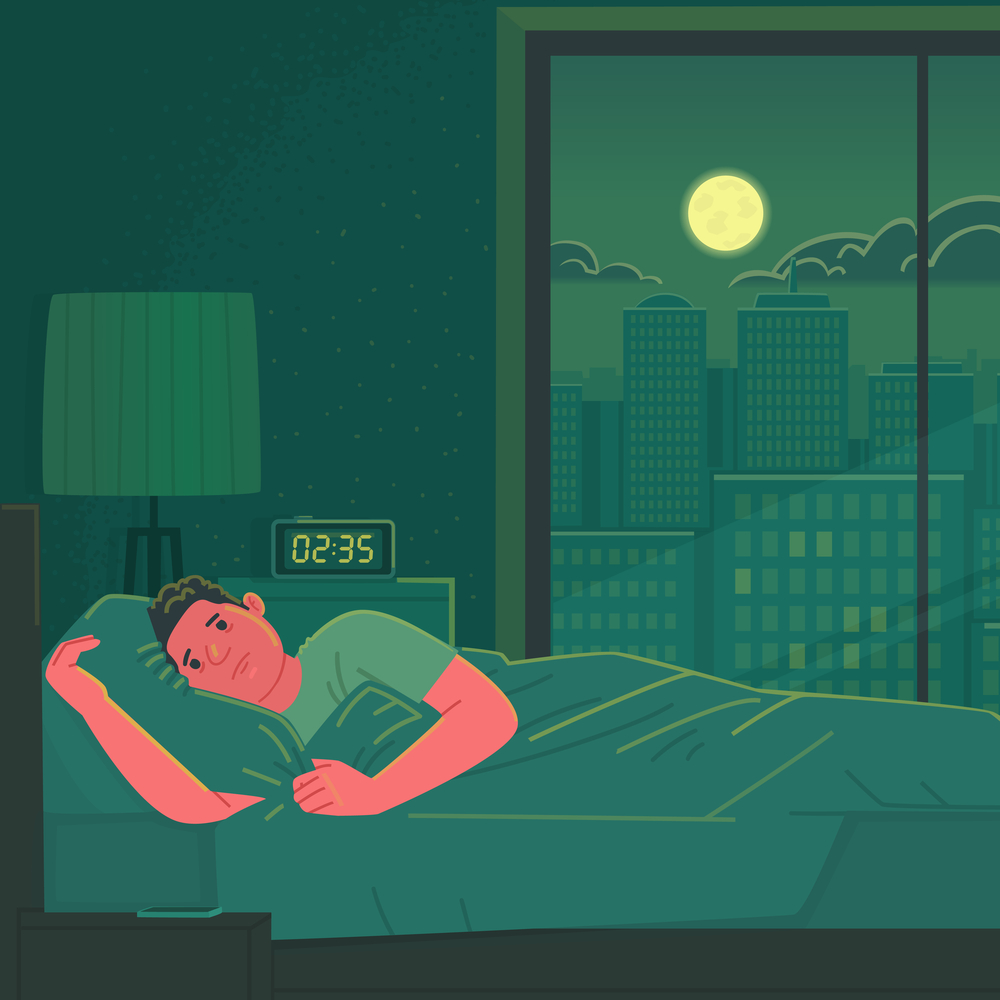
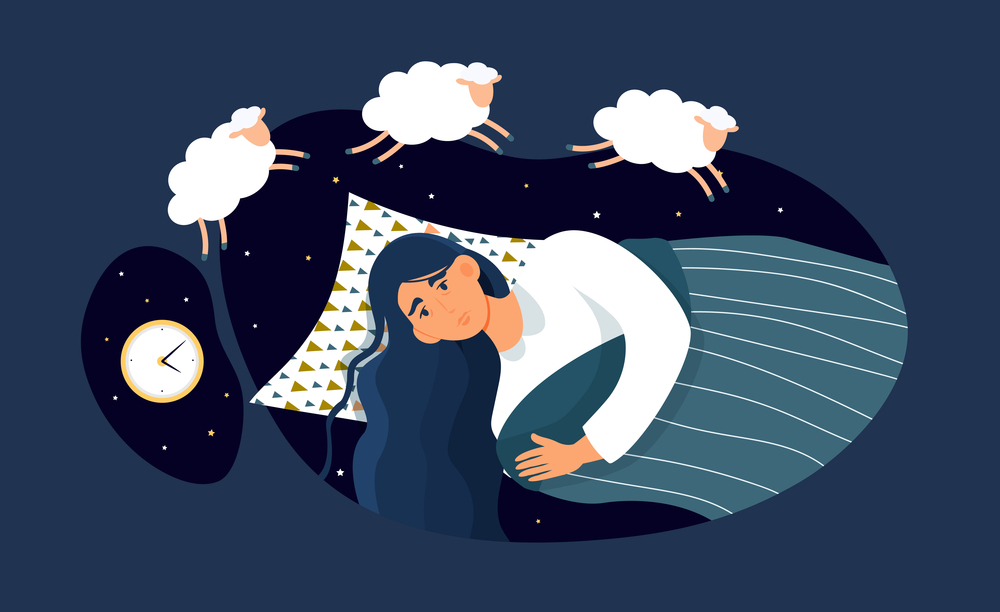
Sleep is essential part of existence. It is when the body and brain repairs itself. It allows one to be resilient in life and return to the next day with new vigor, energy and determination. When sleep is disrupted, reduced, or prevented, critical functions for both brain and body are impaired. Lack of sleep is a major health issue and when disorders arise that prevent healthy sleep, individuals suffer the consequences. This blog will examine the nature of sleep, why it is needed and the various disorders listed within the DSM-V-TR related to it.
Sleep disorders can cause significant impairment to social, professional and academic life. Please also review AIHCP’s Healthcare Certifications
Please also review AIHCP’s Healthcare Certifications for both those in healthcare and behavioral health.
The Nature of Sleep
Human beings spend 1/3 of their life sleeping (Barlow, et al., 2023). It is during phases of sleep that individuals recoup, recover and repair both mind and body. This includes memory consolidation and emotional processing, physical restoration and neural development ((McLeod & Guy-Evans, 2026). Sleep experts utilize a modern scale of sleep phases that that include different periods of human sleep. NREM1 through REM include the four most critical phases (Cleveland Clinic). These stages repeat themselves every 60 to 90 minutes so disruptions or disorders can be harmful long term.
This transitions to phase 2 is referred to as light sleep and is dominated by theta waves but has spikes of activity referred to as sleep spindles that help in memory recovery
(McLeod & Guy-Evans, 2026). This transitions to phase 2 is referred to as light sleep and is dominated by theta waves but has spikes of activity referred to as sleep spindles that help in memory recovery (McLeod & Guy-Evans, 2026). This stage refreshes the body and is involved with the highest percentage of total sleep (around 50%), but it is imperative that it gives way to phase 3. Phase 3 is referred to as a deep sleep. Within deep sleep, the person’s brain and body finds healing and restoration with various repairs throughout the body. This deep sleep is associated with delta waves, the lowest and calmest brain wave. Deep sleep occurs in the first hours of sleep. Finally REM sleep is the final stage but its frequency spikes with a mixture of low delta but with spikes of actual beta or the awake waves. This is tied to the essential aspect of the dreaming phase found in rem. The other phases constitute non-REM states, but the Rapid Eye Movement phase of REM correlates with the process of vivid dreaming. These phases spike throughout the night and should constitute 20% to 25% of one’s sleep ((McLeod & Guy-Evans, 2026).
Sleep quality and quantity is essential to good health. Please also review
Without a sleep regiment that is consistent and possesses the proper percentages of the various stages, then individuals will suffer short term and long term. Lack of sleep is associated with fatigue obviously, but also forgetfulness, agitation, lack of mood regulation, slow responses, yawning, and loss of motivation (Cleveland Clinic). Individuals can suffer from sleep deficits that gradually build up over time as individuals overwork, stay up later, wake earlier, or even face occurrences known as jet lag, where time zones can disrupt sleep cycles (Barlow, et al., 2023). Different individuals also possess different chronotypes where they are naturally more active or fresh in the morning versus the night or vice versa (Barlow, et al., 2023).
Whatever the case, when sleep is reduced via quality, or quantity, individuals suffer. It is no wonder then that a type of torture involves purposeful sleep deprivation to prisoners which is outlawed by all civilized nations. One case study and research involved keeping 350 volunteers awake for 112 hours. Seven volunteers engaged in behaviors that seemed psychotic (Barlow, et al., 2023). With this realities in mind, sleep disorders can present mild to serious issues for individuals who suffer from both quality and necessary quantity of sleep.
Sleep Disorders and the DSM-V-TR
Sleep disorders are divided into dyssomnias and parasomnias. Dyssomnias deal with issues and difficulties regarding sleep quantity and quality, while parasomnias deal with abnormal or psychological events that occur during sleep (Barlow, et al., 2023). The DSM-V-TR also stipulates that many sleep disorders are comorbid with a variety of other issues, including anxiety and depression (2022).
Dyssomnias
Insomnia Disorder is one of the most cultural known sleep disorder. It is frequently used in everyday language when someone cannot fall asleep but the disorder itself is more than one night of lack of sleep but a consistent issue over time. The DSM-V-TR lists that the occurrence must happen at least 3 times a week over a period of at least 3 months. In addition to lack of quantity or quality of sleep, the individual has difficulty initiating sleep, maintaining sleep, and early awakening. These disturbances cause significant impairment in social, educational and occupational settings throughout the addressed time frame. These issues furthermore are not tied to substance abuse, other physiological issues, as well as co-existing and comorbid issues (DSM-V-TR, 2022). Specifiers include with mental disorder, condition and can be episodic, persistent or recurrent (DSM-V-TR, 2022).
Hypersomnolence Disorder refers excessive sleepiness despite sleep with at least 7 hours. During the day it can include recurrent periods of sleep or lapses or one prolonged main period of sleep during the day lasting at least 9 hours but not offering any refreshed feeling. This must last for at least 3 times a week for a minimum of 3 months (DSM-V-TR, 2022). In addition to causing various impairments and having no other explanations, specifiers can include with medical or mental disorder and acute, subacute and persistent degrees. It can be considered mild, moderate and severe as well (DSM-V-TR, 2022).
Sleep disorders such as insomnia prevent sleep quantity and quality
Narcolepsy is also a commonly known disorder displayed on television shows that portrays a person who suddenly and completely falls asleep. The DSM-V-TR states the person falls asleep but immediately enters into a REM state (2022). This can last a few seconds or even minutes. These occurrences again need to happen at least 3 times a week over a 3 month period. These events can occur with cataplexy or weakened or paralyzed muscles or without it. They can also be tied to a hypocretin deficiency which results in lack of alertness and energy balance. Specifiers indicate if Narcolepsy is tied to with or without either of these conditions. Finally, the condition can also be specified as mild, moderate or severe (DSM-V-TR, 2022).
Obstructive Sleep Apnea Hypopnea and Central Sleep Apnea deal with abilities to breath while sleeping. The DSM-V-TR lists these disturbances to breathing as snoring, gasping or breathing pauses during sleep that results in daytime drowsiness (2022). Central Apnea is not a result of any obstruction but a more serious situation in correlation with respiratory system during sleep. The DSM-V-TR lists idiopathic, Cheyne-Strokes and Central Sleep Apnea with opioid use (2022). Many individuals who suffer from this result in needs a sleep apnea machine to help regulate breathing and to maintain proper oxygen saturation within the body while asleep.
Other sleep disorders within this family include Sleep-Related Hypoventilation as well as Circadian Rhythm Sleep-Wake Disorders. Again how one breathes during sleep or one’s internal clock of waking are internally affected. To learn more, please refer to the DSM-V-TR.
Parasomnias
Non-Rapid Eye Movement (REM) Sleep Arousal Disorders are recurrent incomplete awakening from sleep during the first third of the the major sleep episode. Among the issues tied to this are sleep walking and sleep terrors. Sleep walking includes episodes of rising from bed and moving without knowledge, or simply sitting up. It includes a blank stare and unresponsiveness of the person despite communication from others. Awakening the individual is very difficult. Often again this symptom is displayed comically in many cartoons or television programs but the reality of it extremely serious (DSM-V-TR, 2022). Night terrors result in vivid and terror arousals from sleep. It is tied to all the fight or flight mechanisms that induce high heart rate, sweating and rapid breathing within the autonomic nervous system (DSM-V-TR. 2022). One has basic amnesia to the dream or event itself. These issues result in social impairment and daily fatigue. Specifiers include sleep walking with eating, or sexual behavior, or with sleep terror (DSM-V-TR, 2022).
Nightmares and Night Terrors are symptoms of Nightmare Disorder
Nightmare Disorder is beyond a bad dream. Bad dreams do not awaken individuals, while nightmares awaken (Barlow, et al., 2023). Nightmare Disorder is also beyond the occasional nightmare but recurrent and well-remembered dream that threatens security, survival or physical integrity. These dysphoric dreams cause intense reaction upon awakening and are not due to any substances, medication, or comorbid issues. They can be specified as mild (1 per week), moderate (multiple per week) or severe (nightly)and also acute and lasting 1 month, subacute and lasting 1 month to 6 months and persistent with a duration of 6 months or more (DSM-V-TR, 2022). In some cases, sleep paralysis can manifest in which the body itself is paralyzed from movement. This phenomenon can be tied to nightmare disorder or be independent. It can result in awareness while being unable to move. This is tied sometimes to completely explainable issues for alien abduction or demonic attack although these natural explanations may not rule out special cases without certainty.
Obviously, Freud and Jung associate nightmares with psycho analysis and meanings. Dreams can also stem from traumas and unresolved issues. These nightmare disorders are a far more severe than a typical nightmare and are tied to multiple issues that need addressed in counseling.
Rapid Eye Movement Sleep Behavior Disorder involves repeated episodes of arousal during sleep associated with talking or movements. This occurs during REM. Upon awakening the person is completely alert and not confused (DSM-V-TR, 2022). Another motor control issue during sleep is Restless Legs Syndrome.
Etiology and Treatment
Sleep issues that are not comorbid with the other related substances, or anxieties or depressions or traumas usually have biological or genetic etiologies. Sometimes they are tied together. Most sleep disorders are treated medically, but some also require counseling (Barlow, et al., 2023). Psycho analytical treatments look for unresolved issues that may be causing sleep disorders. Carl Jung identified various archetypes associated with dreams and sleep to help individuals understand their dreams and what the subconscious mind is relating. In addition, more holistic methods can attempt to cause the mind with herbs and calming teas, as well as hypnosis and meditation as ways to prepare the mind and body for sleep. Slowly preparing oneself for bed and allowing one’s mind and body to destress, and lower brain waves to more a relaxed state can play a role in better sleep and dreams, as well as keeping a regular sleep schedules. Various apps and health rings can give updated scores on sleep efficiency and give sleep scores. While these holistic methods are important to compliment and help, many times, core issues need professional counseling and medical assistance. Medical professionals who are sleep experts can give better diagnosis and aid in helping individuals with more severe and serious issues.
Conclusion
Finding help for sleep disorders is sometimes essential to regain a healthy sleep regiment. Please also review AIHCP’s Healthcare Certifications
Since sleep is essential to mental and physical health and it is critical to have a healthy sleep pattern. Sleep restores the mind and body and without it basic functioning is impossible. Due to biological, genetic, or past or current issues in life, sleep as well as dreams can be affected. Sleep quality and quantity can be negatively affected by sleep disorders that are either dyssomnias or parasomnias in origin. These can lead to inabilities from a variety of angles in preventing sleep or maintaining it. Some sleep issues deal with the sleeping mechanisms of the body while others deal with the mental aspect of the body. Various medical as well as counseling aids can be employed to overcome these difficulties. In addition various holistic methods can be employed with the consent of one’s primary physician. The sleep cycle is critical to health so if one is suffering from any of these disorders, it is critical to seek the appropriate medical and mental health providers.
Spiritual Nature of Dreams and Dream Analysis. Access here
References
American Psychiatric Association. (2022). Diagnostic and statistical manual of mental disorder” DSM-5-TR (5th ed., text revision). American Psychiatric Association Publishing.
Barlow, D.H., Durand, V.M., & Hofmann, S.G. (2023). Psychopathology. An integrative approach to mental disorder (9th ed.). Cengage Learning
Additional Resources
“Sleep: How Much You Need and Its 4 Stages” (2021). Cleveland Clinic: Health Essentials. Access here
McLeod, S. & Guy-Evans, O. (2026). “5 Stages of Sleep (REM and Non-REM Sleep Cycles)”. Simply Psychology. Access here
This blog looks to give a short description and analysis of the DSM and its purposes and ways of classifying mental illness. The Diagnostical Statistics Manuel of Mental Disorders or DSM is a series of editions that looks to help mental health professionals diagnose mental pathology. It lists numerous types of psychopathologies and looks to classify and aid mental health professionals through the diagnostic process. It is meant as an aid not necessarily a replacement of one’s professional acumen.
The DSM-V-TR is a helpful tool in diagnosing mental illness. Please also review AIHCP’s Healthcare Certifications
The first edition of the DSM appeared in 1952 (DSM-V-TR, 2022). Since then there have been five editions with the most recent appearing in 2022. This edition is the revised text of the fifth edition which appeared in 2013. In 1999, the American Psychiatric Association (APA) launched an extensive evaluation of strengths and weaknesses of the previous DSMs. In efforts with the World Health Organization (WHO), as well as the National Institute of a Mental Health (NIMH), the revision began to correlate closer with the International Classification of Diseases (ICD). This led to sharing the same codes with ICD-11 instead of separate coding for mental health and diseases (DSM-V-TR, 2022). This led a better harmonization with the ICD and a regrouping of mental disorders to correlate with developmental and life span considerations of mental disorders (DSM-V-TR, 2022). The DSM-V also removed its previous multiaxial system of diagnosis which involved assessment on various axes which referred to different domains. Axis I was previously clinical disorders, Axis II included personality disorders and intellectual development disorders, Axis III included other medical disorders, and Axis IV included psychosocial factors.(DSM-V-TR, 2022). These axis are no replaced in the DSM-V with diagnosis and conditions correlated with the ICD z coding. The final axis V which included Global Assessment and Functioning was replaced by the WHO Disability Assessment Schedule (DSM-V-TR, 2022) (McRay, B., et al., 2016).
Emphasis is also placed within the new revision of cultural and social norms and the danger of abnormality being measured universally without proper context of different cultures and expression. In addition, the new revision calls for a greater focus on mental issues caused by biases and prejudices caused by race, gender, sexual orientation and culture.
The new edition also defines key terms regarding diagnosis. This includes the differences between a primary diagnosis and provisional diagnosis. Within a primary diagnosis, the diagnosis deals with the presenting issue or reason for visit. This diagnosis is based on the inpatient setting and the available information. A provisional diagnosis occurs when current information is insufficient at the time to make an official diagnosis based on needing more records or more time to unfold according to the DSM for a particular disorder to manifest (DSM-V-TR, 2022).
Important terminology for diagnosis also explains the etiology or origin of the disorder. In some cases, it will be attributed to substance abuse or medical disorders and in other cases independent mental disorder. Instead of past diagnosis with labeled disorders as organic or physical versus nonorganic or purely of the mind, current systems utilize these labels to help understand the etiology of the disorder (DSM-V-TR, 2022).
If a clinician were to review a patient’s symptoms and cross reference it with the DSM-V-TR, they would discover various headings to help one further a diagnosis. First, the Diagnostic Criteria heading lists the various symptoms that must manifest and how many the patient must possess. Second, Diagnostic Features, as well as Associated Features, Development and Course, and Risk and Prognostic Factors all provide more insight and information for the clinician to review and refresh upon. In addition to the primary diagnosis, the manual also has headings for Comorbidity and Differential Diagnosis which illustrates other possible disorders to review that are related to the patient as well as possible concurrent disorders that can co-exist with the primary disorder (DSM-V-TR, 2022).
Classification and Etiology
Diagnosis of mental pathology is a complex and multi-faceted process.
Many modern psychopathologies are classified according to different schools of thought but ultimately, psychopathology is a complex system. Nosology refers to the scientific process of categorizing phenomena (McRay, B., et al., 2016). Three approaches to classification involve the monothetic approach, the polythetic approach and the dimensional approach. The monothetic diagnosis is based on a “yes” or “no” classification if the agent meets the model of criteria for something or not. The polythetic which is more attuned to the true nature of psychopathology permits for a broader criteria of prototype for membership of a particular class or disorder. Criteria is more than merely pathognomonic but due to correlation, can fit some of the criteria to be included and hence creating a more heterogeneity class membership (McRay, B., et al., 2016). Dimensional models are also more diverse because they do not merely focus on qualitative distinctions between normal and abnormal but more so on a continuum of health that reviews extremes of traits (McRay, B., et al., 2016).
Most theoretical classifications fall under various schools of thought. Ultimately a multidimensional approach is critical and is what the DSM utilizes. Among theoretical perspectives there are biophysical theories which emphasize physiological factors that determine psychopathology. Included also are intrapsychic which primarily assume psychological factors, phenomenological factors which stress experience and perception, and behavioral theories which focus on how a person’s learning and personality was determined by reinforcement (McRay, B. et al., 2016).
The primary foundations for all mental illness finds itself in four broad models of psychopathology: Biological, psychosocial, socio-cultural, and spiritual. Biologically, mental maladies can be due to genetics and physiological factors. Psychosocial reviews the formation of psychopathy from the numerous branches of psychology. Whether from a psychoanalytic perspective, or a behavioral perspective, or even a humanistic perspective, psychopathology and illness is an expression of underlying personality dynamics, environmental factors, internal thinking processes or learned habits that create pathology (McRay, B., et al, 2016). The socio-cultural pinpoints where some psychopathologies can emerge due to cultural and family aspects of development and how they play a role in a person’s mental health. This includes the role of social labels and roles, as well as social connections and support play in the development of one’s mental health. Finally, spiritual models look at the power of identity, meaning and existential realities and how these spiritual practices help or hinder a person’s mental health (McRay, B., et al, 2016).
Caution when Utilizing any Diagnosis
The DSM-V-TR when used by untrained professionals can be dangerous. Also, even for trained individuals, it is important to understand that the DSM-V-TR despite based on a wealth of knowledge, empirical research, as well as multiple health organizations is still limited in diagnosis. According to McCray, DSM V categories are more descriptive than explanatory. He also points out that diagnostic labeling needs to be done with sensitivity and care to avoid damaging the self worth of an individual (2016). Ultimately, the field of psychotherapy is not an exact science and false diagnosis can occur. While the most current DSM is the premiere resource, it is only as reliable as the trained user utilizing and applying it. Humility and thoroughness in assessment and diagnosis is key, as well as a Rogerian sensitivity in discussing an mental disorder. A person should not be a seen as “this” or “that” but a person exhibiting traits of “this” or “that” or suffering from “this” or “that”. This prevents labeling, mental stigma, and including the identify of the person with the disorder itself.
Conclusion
Please also review AIHCP’s Healthcare Certification Programs
The DSM-V-TR is the most current edition of the DSM at the time of this blog. As science and the medical field discovers more, new editions will emerge. As new strategies and ways of viewing mental illness emerge, new editions will incorporate them as well. In the meantime, those in behavioral health and the clinical side must adhere to the best and most current ways of understanding, diagnosing and treating mental health.
It is important to remember that non-clinical members of AIHCP who may be certified are not entitled to diagnosis and treatment. Individuals in grief counseling who are not licensed need to refer clients to the appropriate professionals. Please also review AIHCP’s healthcare certifications for both clinical and non-clinical counseling in grief, stress, anger, crisis, trauma informed care, spiritual and Christian counseling programs.
References
McRay, B., Yarhouse, M., & Butman, R. (2016). Modern psychotherapies: A comprehensive Christian appraisal (2nd Ed). IVP Academic