Vitamin B6, otherwise called Pyridoxine, is very important to perform all your health/body functions. This critical nutrient is directly involved in amino acid metabolism, neurotransmitter production, and red blood cell formation. Its insufficiency may give rise to symptoms like fatigue, irritability, or weakened immune function. Meanwhile, with appropriate consumption of Vitamin B6, your mood and cognitive function could improve. Consuming foods that are rich in Vitamin B6 may reward you with various health benefits(Andrews et al., 2017; Brahmachari, 2014).
Key Takeaways:
Vitamin B6 is vital to protein metabolism because it is important in breaking proteins down into amino acids, which are needed for other body functions.
It is a vitamin involved in serotonin and dopamine production. These major neurotransmitters are associated with mood and mental health(Mesripour et al., 2019).
Vitamin B6 supports immune function by aiding in the formation of antibodies and maintaining lymphoid organs, thus contributing to overall health and disease avoidance.
It participates in the synthesis of hemoglobin, which is necessary for the transportation of oxygen via blood, thereby allowing better delivery of oxygen to tissues and organs.
Adequate levels of vitamin B6 have been shown to positively affect cardiovascular health in that they help reduce levels of homocysteine, an amino acid associated with heart disease.
What is Vitamin B6?
Definition and Overview
 There are various nutrients needed by your body to ensure its optimal functioning, one of the necessary vitamins, Vitamin B6, also called as pyridoxine, is vital in many of the bodily functions. On a biochemical level, Vitamin B6 is a water-soluble vitamin that is part of many enzymatic pathways (around 100) and involves many proteins in metabolism. It is also an essential vitamin when it comes to producing neurotransmitters, which are chemicals that transmit signals in your brain and hence, influence your moods and cognitive abilities.
Your blood also needs hemoglobin, the oxygen-carrying protein in red blood cells, for good health. Vitamin B6 contributes significantly to keeping the immune system active. Besides its metabolic roles, this vitamin can reduce the symptoms of depression while improving mood through the support of serotonin production. Therefore, it is an essential vitamin not just for the body, but also for mental health(Akbarzadeh et al., 2025).
Sources of Vitamin B6
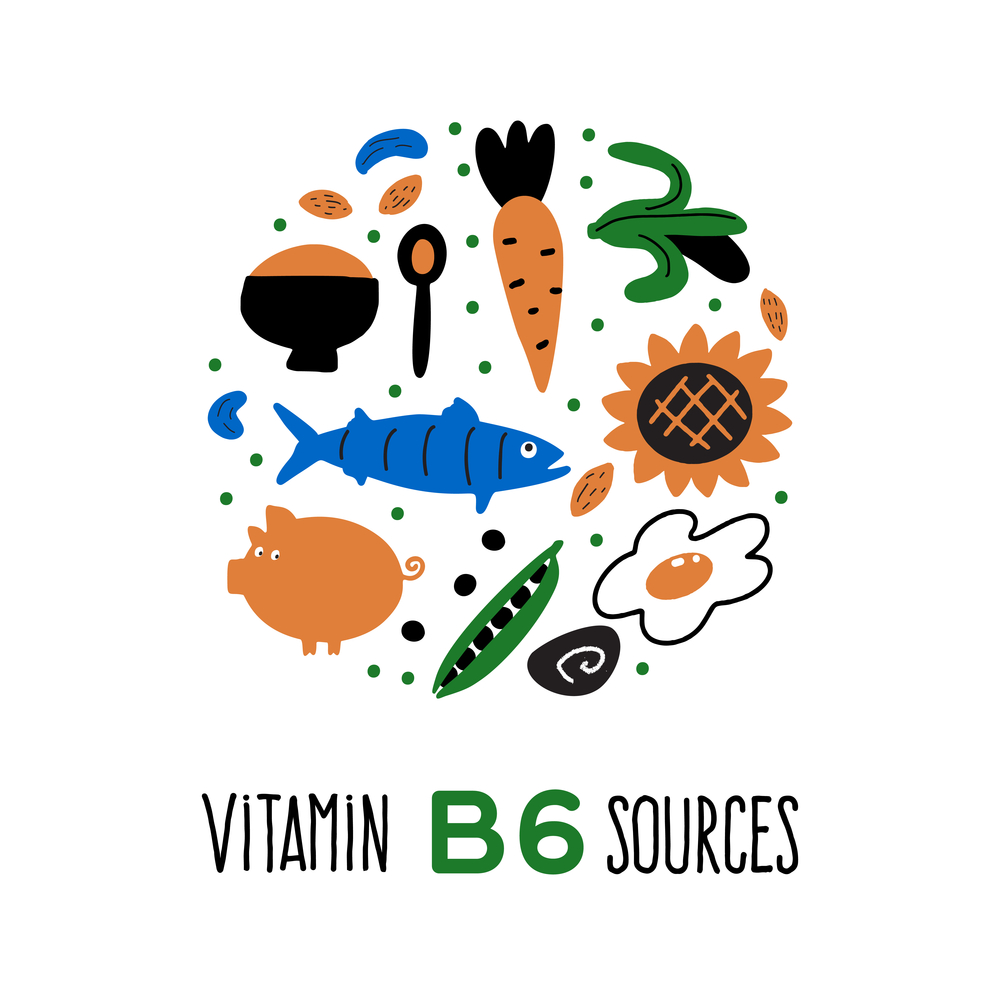
The good news, really, is that Vitamin B-6 levels in the body can be acquired easily through a regular diet. The common diet contains sources of this vitamin so it is generally not scarce. Most famous and richest sources of it are chicken, fish, potatoes, chickpeas, bananas, and often it is found with fortified cereals. You need to add a diverse mix of these foods to ensure that you obtain this necessary vitamin daily.
Considering the great importance of Vitamin B6, it is an advantage to include foods that are rich in this important nutrient in daily meals. Animal products like chicken and fish are great sources of the nutrient, but vegetarians and vegans may have legumes, nuts, and a rainbow of fruits and vegetables to help meet their needs. Thankfully, focusing on whole foods with a mix of these resources is a good way to deliver the various benefits of Vitamin B6 while promoting a generally healthy lifestyle.
Vitamin B6 and the Body
Every time you talk about overall health, you simply cannot omit Vitamin B6 also referred to as pyridoxine. Just this vitamin alone is responsible for a thousand and one functions in your body-from metabolism, to brain function, and everything in between. Upon reading the Health Benefits of Vitamin B6 (Pyridoxine), it is quite clear that you should understand that the health imperatives concerning this vitamin are very high. It will convert your food into energy, which you can help you to be more energetic and productive(Jungert et al., 2020).
Metabolism and Energy Production
One of its many functions, Vitamin B6 is involved in metabolism, particularly concerning protein, carbohydrates, and fats(Andrews et al., 2017; Jungert et al., 2020). This vitamin also works with glucose, which is the primary source of energy for cells within the body from consumed foods. When your body has adequate Vitamin B6, you are better suited to fully optimizing these metabolic processes, ensuring that you maximize the energy from your meals most efficiently and effectively.
Immune Function and Brain Health
There is much that Vitamin B6 can do for your mood, immune function, and brain health. This nutrient plays a key role in the process of synthesizing neurotransmitters, such as serotonin and dopamine, which usually play their crucial parts in maintaining mood and cognition(Leahy, 2017). Adequate levels of Vitamin B6 help keep the immune system healthy so it could not only protect the body against infections but also aids in ameliorating inflammations in the body(Loay et al., 2024; Ueland et al., 2017).
According to health professionals, adequate levels of Vitamin B6 would usually mean better cognitive performance and far fewer depression or anxious symptoms(Mesripour et al., 2019). This vitamin strengthens immune response for the healthy fight against infections but at the same time is protective against cognitive decline brought about by age. Additionally, lack of Vitamin B6 causes one to suffer conditions that could result in reduced healthy outcome changes, such as risk in chronic diseases or negative influences on brain functions. Therefore, prioritizing this nutrient in your diets would help build a strong foundation for your physical and mental health as well.
Health Benefits of Vitamin B6
 Everyone is aware of the importance of vitamin intake for one’s health, and Vitamin B6 or pyridoxine is essential to many functions in the body. B6 participates in more than 100 enzymatic reactions that mainly concern protein metabolism and is crucial in synthesizing neurotransmitters. To know all about Pyridoxine (Vitamin B6), including its benefits and possible adverse effects, click here. Aside from this, the possible mood regulation and mental health benefits of Vitamin B6 present encouraging prospects for those hampered by emotional balancing issues(Brahmachari, 2014).
Mood Regulation and Mental Health
Health practitioners are of the opinion that adequate levels of vitamin B6 can enhance your mental state and emotionally equilibrate you. Thus, science acknowledges that this vitamin has a fair share to do with moods and depressive disorders. Vitamin B6 contributes in the formation of serotonin and other neurotransmitters in balancing emotional states. Therefore, eating foods high in vitamin B6, like bananas, chickpeas, and fish, may help in making a difference to your mental health.
Cardiovascular Health
In an age when heart diseases are on an alarming rise, concentration on heart functioning is attained with the health of the cardiovascular system in being preserved. Along with other processes, Vitamin B6 lowers the levels of the homocysteine amino acid since its increased level is associated with a higher risk of heart disease. Elevated homocysteine levels cause damage to arteries and promote clotting; thus, maintaining good levels of Vitamin B6 may help to maintain prized heart health. Regular Vitamin B6 obtained from sources such as fortified cereals, potatoes, and poultry can surely help maintain heart health and place one at a lesser risk of cardiovascular episodes(Jungert et al., 2020).
For cardiovascular health, Vitamin B6 works in cooperation with other B vitamins such as B12 and folate to maintain an ideal homocysteine status. Low levels of Vitamin B6 are associated with a higher incidence of the heart disease state. Hence, a balanced diet containing food sources of Vitamin B6 will not only help the heart but will also contribute toward overall wellness.
Daily Requirements
If one is to optimize one’s good health through diet, then it is necessary to learn and know about the RDA recommendation for Vitamin B6 (Pyridoxine). The RDA for vitamin B6 thus depends on age, sex, and stage of life. An example is that adult males 19-50 years require about 1.3 mg daily, while women in the same category also require the same amount. Importantly, pregnant and lactating women have more of a requirement, where the RDA is increased to 1.9 mg and 2.0 mg respectively. The levels of intake should be such that these are adjusted to fill the demands of your body efficiently.
General Requirements for Daily Intake
 Using these guidelines, one can confidently assert that across populations, daily requirements for Vitamin B6 are for critical metabolic functions and cognitive health. These guidelines have been set forth by the Institute of Medicine on the basis of extensive research and have emphasized the need for adequate vitamin intake in the general well-being of an individual. Adopting a well-balanced diet containing sources rich in Vitamin B6 in a diet such as poultry, fish, potatoes, chickpeas, bananas, and fortified cereals and consuming them regularly will help meet the requirements without deliberately striving to.
Factors Affecting Needs
Various factors affect the intake requirements for Vitamin B6, and here we take a look at factors that may alter the body’s needs for this essential nutrient. This includes the level of physical activity, health conditions among individuals, and certain dietary choices. For instance, people with kidney disease and some types of metabolic disorders would require greater amounts of Vitamin B6(Loay et al., 2024). Moreover, alcohol intake would negatively affect the efficiency of the body’s utilization of Vitamin B6.
Physical activity Health condition Dietary choices Alcohol consumption
Thus, this would require your assessment in relation to personal lifestyle and health conditions to consider sufficiency in Vitamin B6.
The personal eating habits and lifestyle choices have much to do with determining how much vitamin B6 you need every day. Others, such as athletes or those who have experienced high levels of stress, may increase their metabolic demands and thus require more vitamin needs. Also, older people often need to reconsider their dietary intake because of absorption changes that occur with age.
Athletes
Individuals underscored with stress
Older adults
Ingredient absorption
Therefore, maintaining optimal levels of Vitamin B6 isn’t merely about meeting the RDA; it also concerns acknowledging all other lifestyle factors that are pertinent to your overall being(Andrews et al., 2017; Brahmachari, 2014).
The deficiency symptoms include
Unlike most other vitamins, symptoms of vitamin B6 deficiency can be slightly subtle at the beginning. More often than not, you will overlook them, for they present themselves as general fatigue, irritability, and mood swings. The individual deficient in pyridoxine may present skin signs like rashes and cracking along the corners of the mouth. These signs may easily be attributed to the common stressors, which is why it is important to pay attention to any ongoing discomfort, as it could indicate a depletion of this important nutrient(Leahy, 2017; Ueland et al., 2017).
Recognizing Deficiency
Below are some of the most common symptoms that can help you point out a potential deficiency in vitamin B6. With this, you would also likely notice a compromised immune response making you more susceptible to infections and neurological issues like confusion or neuropathy, causing tingling. Moreover, vitamin B6 deficiency can also alter sleep patterns, leading to insomnia or fragmented rest. Awareness of such indicators can encourage further investigation into increasing this most important vitamin in the diet.
Health Implications of Reduced Levels
Should one ignore the symptoms linked with vitamin B6 deficiency, the consequence would be grave health risks. For instance, low levels of pyridoxine can lead to anemia, with resultant museums of reduced oxygen transport in the body, thus leading to chronic fatigue and weakness. A deficiency of vitamin B6 may increase the risk for developing heart disease because it plays a significant role in the regulation of homocysteine, an amino acid associated with troubles of the heart(Bian et al., 2025). Identification in terms of these prospective long-term impacts can trigger movement toward establishing adequate dietary levels of vitamin B6 in one’s body.
Gradually, its deficiency would also extensively affect the entire health of the individual. According to studies, low amounts of this vitamin cause certain cognitive deficits that can restrict one from developing symptoms of depression and anxiety(Leahy, 2017; Mesripour et al., 2019; Ulvik et al., 2020). Most importantly, one ripening with a vitamin B6 deficiency is subject to having higher immunity against infections and chronic diseases, which justifies the reason for keeping pyridoxine levels in balance for the optimal health and resilience of one’s body.
Supplements and Dosages
Forms of Vitamin B6 Supplements
 Now that you have learned the importance of Vitamin B6 (Pyridoxine) in maintaining optimal health, it also has essential roles to play when considering the numerous variations of supplements. Pyridoxine hydrochloride, the most commonly occurring form of the supplement, has also shown its usage in the stability and efficacy of vitamin B6. Additionally, there is Pyridoxal 5′-Phosphate (PLP), which, being the active form of this vitamin, could benefit the metabolism of amino acids and neurotransmitter synthesis more effectively for some individuals. Perhaps you might also run into Vitamin B6 as part of the B-complex vitamins, providing a more comprehensive way of supplementation.
Recommended Safe Dosage
Age and gender determine the recommended dietary allowance (RDA) for Vitamin B6 intake. In adults, the RDA averages from 1.3 to 2.0 mg per day. You should not go beyond these recommendations since they may end up causing adverse side effects. Vitamin B6 is usually of high doses, and in most cases, it goes beyond 100 mg, leading to nerve damage and other health problems. Therefore, knowing your limits is very important in supplementation.
Safe dosages come into understanding when ascertaining adequate levels of importance for your well-being. Although it is quite harmless as long as it is taken within dosage limits, exceeding the upper intake level can also have severe adverse effects, such as neuropathy, along with the loss of muscle control. It is best to consult with a healthcare professional before initiating any supplementation, especially about underlying health conditions and the effects that might be worsened by other medications. Using supplements wisely and understanding how they fit into an individual’s overall dietary needs makes that person healthier.
Last Words
From a health point of view, all that can be said about Vitamin B6 (Pyridoxine) and its health benefits is that it maycontribute greatly to improving your quality of life. It plays a vital role in critical bodily functions such as metabolism, immune function, and maintaining a healthy nervous system. Eating more B6-rich foods such as poultry, fish, potatoes, non-citrus fruits, and fortified cereals can support the overall health of your body and boost its infection-fighting capacity(Brahmachari, 2014).
Knowing the importance of Vitamin B6 further fuels the desire to engage in all possible activities that might optimize your nutrition. Proper vitamin levels contribute to better mood, cognitive function, and even management of chronic conditions. As an informed eater and perhaps an alternative supplementer, you cause a setting for healthier tomorrows that will one day unlock fantastic benefits Vitamin B6 can offer to body and mind.
FAQ
Q: What are major health benefits of Vitamin B6 (Pyridoxine)?
A: Vitamin B6 actually plays many important roles for overall health. It is vital for protein metabolism, which means it plays an important part in breaking down proteins into amino acids, the building blocks of life. Neurotransmitters, such as serotonin and dopamine, important in regulating mood, can be synthesized through its action. It also affects immune function and brain development and maintenance. It helps in the formation of red blood cells and puts a limit on homocysteine, a factor found in blood that increases the risk of cardiovascular diseases(Brahmachari, 2014).
Q: How do I know if I am eating enough Vitamin B6?
A: To ensure a healthy dose of Vitamin B6 in your diet, include a variety of foods high in that vitamin among your daily nutritional requirements. Good sources of Vitamin B6 are poultry, fish, potatoes, chickpeas, bananas, and fortified cereals. Cooking can affect the amount of nutrients in a food, so steam or bake rather than boil to avoid losing vitamin. In some cases, supplements can also be considered, but the best choice would involve first consulting with a health expert before adding any supplements into your routine.
Q: Are there any risks or side effects associated with excessive intake of Vitamin B6?
A: Crucial for your health, Vitamin B6 can cause toxicity upon overuse, including intake of high-dose supplements(Andrews et al., 2017; Bossard et al., 2022). Symptoms of Vitamin B6 toxicity are damage to nerves, numbness and tingling, or loss of feeling in the limbs. It can potentially lead to other neurologic manifestations. The recommended dietary allowance (RDA) varies by age and sex of the individual; hence, adherence to these instructions will be essential unless stated otherwise by a practitioner. Source priority will be to dietary sources rather than supplements for best health.
References
Akbarzadeh, F., Talaei, A., Nematy, M., Ganji, D., Ebrahimi, A., & Talaei, A. (2025). Short-Term Effects of Folate Supplementation in Combination With Vitamin B6 for Treating Acute Manic Episodes in Bipolar I Disorder: A Randomized Controlled Trial. Brain Behav, 15(4), e70432. https://doi.org/10.1002/brb3.70432
Andrews, K. W., Roseland, J. M., Gusev, P. A., Palachuvattil, J., Dang, P. T., Savarala, S., Han, F., Pehrsson, P. R., Douglass, L. W., Dwyer, J. T., Betz, J. M., Saldanha, L. G., & Bailey, R. L. (2017). Analytical ingredient content and variability of adult multivitamin/mineral products: national estimates for the Dietary Supplement Ingredient Database. Am J Clin Nutr, 105(2), 526-539. https://doi.org/10.3945/ajcn.116.134544
Bian, X. Y., Cui, C., & Zhang, Q. Y. (2025). Relationship between blood pressure variability and vitamin B level in essential hypertension. J Physiol Pharmacol, 76(1). https://doi.org/10.26402/jpp.2025.1.02
Bossard, V., Bourmeyster, N., Pasini, S., Dupuis, P., El Balkhi, S., Richard, E., Alarcan, H., Hauet, T., & Thuillier, R. (2022). Problematic rise of vitamin B6 supplementation overuse and potential risk to bariatric surgery patients. Nutrition, 102, 111738. https://doi.org/10.1016/j.nut.2022.111738
Brahmachari, G. (2014). Natural bioactive molecules : impacts and prospects. Alpha Science International Ltd.
Jungert, A., McNulty, H., Hoey, L., Ward, M., Strain, J. J., Hughes, C. F., McAnena, L., Neuhauser-Berthold, M., & Pentieva, K. (2020). Riboflavin Is an Important Determinant of Vitamin B-6 Status in Healthy Adults. J Nutr, 150(10), 2699-2706. https://doi.org/10.1093/jn/nxaa225
Leahy, L. G. (2017). Vitamin B Supplementation: What’s the Right Choice for Your Patients? J Psychosoc Nurs Ment Health Serv, 55(7), 7-11. https://doi.org/10.3928/02793695-20170619-02
Loay, H. A., Rajab, S. H., & Saleh, E. N. (2024). Protective role of vitamin B6 on some histological changes in the liver and kidneys and measure some indicators of oxidation balance in male rats. Cell Mol Biol (Noisy-le-grand), 70(11), 160-165. https://doi.org/10.14715/cmb/2024.70.11.23
Mesripour, A., Alhimma, F., & Hajhashemi, V. (2019). The effect of vitamin B6 on dexamethasone-induced depression in mice model of despair. Nutr Neurosci, 22(10), 744-749. https://doi.org/10.1080/1028415x.2018.1442184
Ueland, P. M., McCann, A., Midttun, Ø., & Ulvik, A. (2017). Inflammation, vitamin B6 and related pathways. Mol Aspects Med, 53, 10-27. https://doi.org/10.1016/j.mam.2016.08.001
Ulvik, A., Midttun, O., McCann, A., Meyer, K., Tell, G., Nygard, O., & Ueland, P. M. (2020). Tryptophan catabolites as metabolic markers of vitamin B-6 status evaluated in cohorts of healthy adults and cardiovascular patients. Am J Clin Nutr, 111(1), 178-186. https://doi.org/10.1093/ajcn/nqz228

 Written by Daniel Mercer