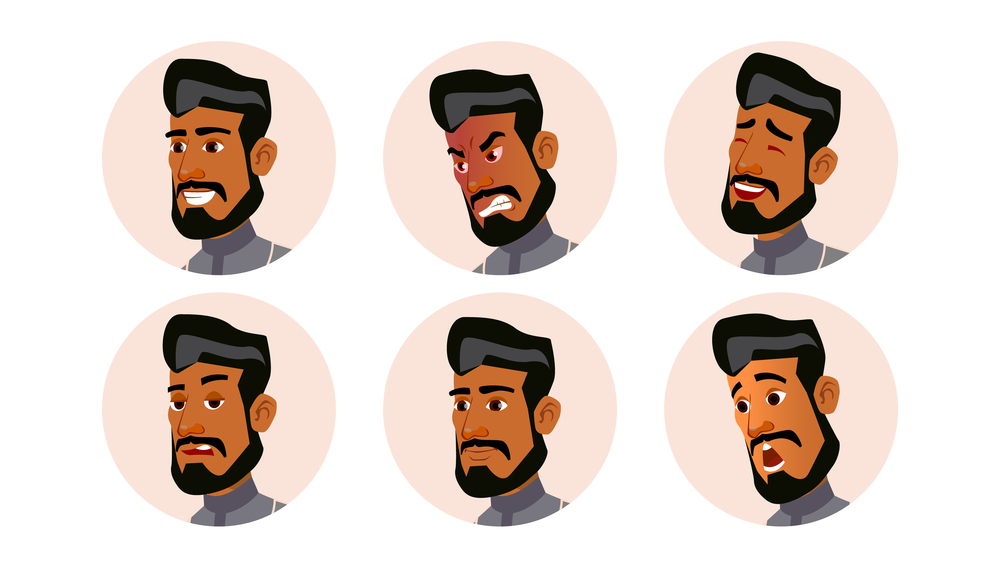
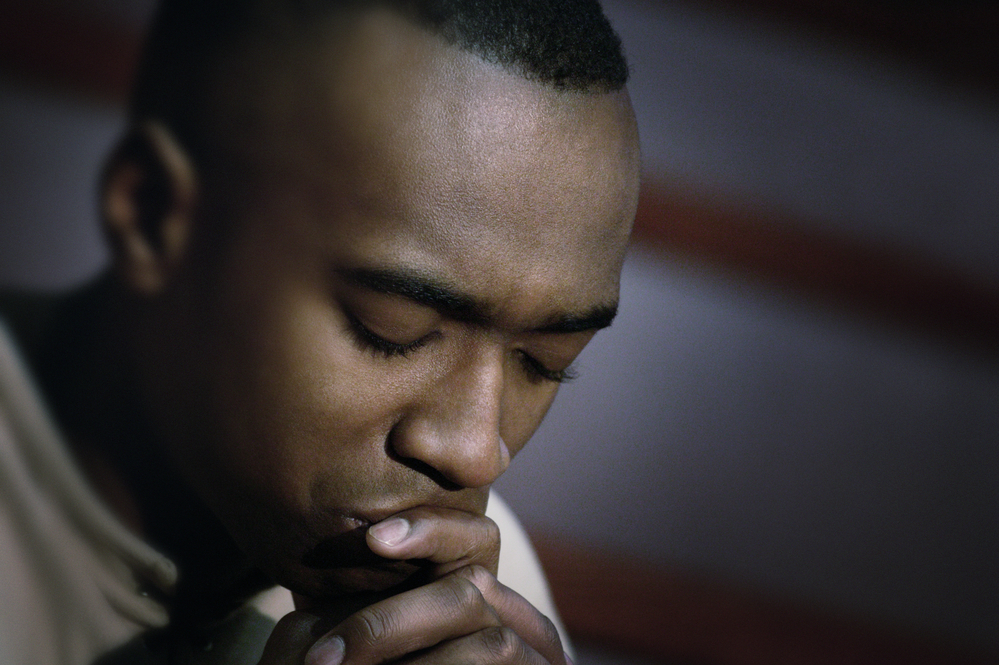
Grief and loss affect the brain and the results are the many experiences we feel when we lose someone. The emotional imprint of the event itself is usually strengthened as it is processed through the Amygdala without much time for reason. The emotionally charged memory of the event also sticks with one. In addition, the Hypothalamus commands the Pituitary Gland to initiate a Fight or Flight Response hence creating an emotional and physical response to the stressor of the loss. These feelings take time to control and for reason to return. Hence why in so many cases when those who hear bad news or in denial, angry or extremely emotional.
Please also review AIHCP’s Grief Counseling Certification and see if it matches your academic and professional goals. The program is online and independent study and open to qualified professionals seeking a four year certification
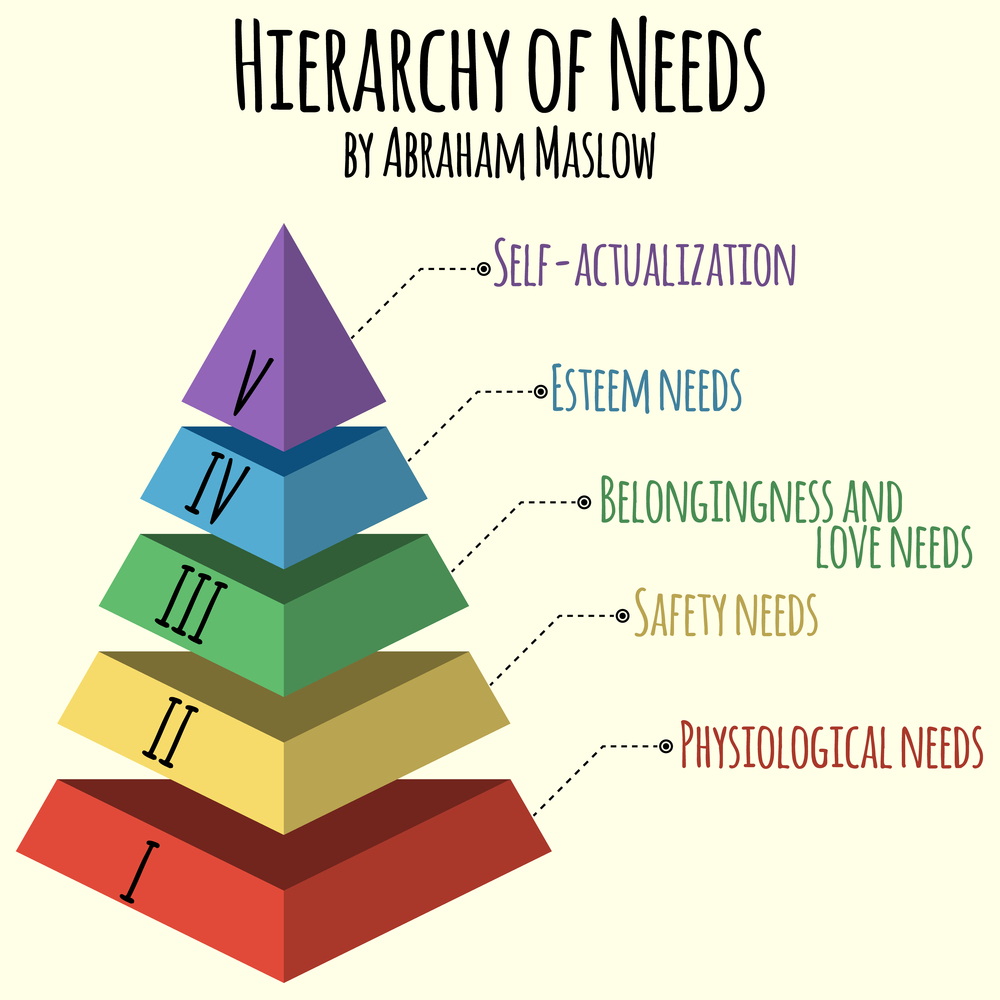
Humanity in the fallen world has numerous needs to maintain existence. Among the most basic needs are food and water. Instinctively within human nature is a drive for to satisfy hunger and thirst, as well as drives to reproduce. These are natural evolutionary forces that push the human person to exist and perpetuate the species. In Abraham Maslow’s Hierarchy of Needs, Maslow lists basic needs of existence as the base of all needs. Following these needs are needs of safety and shelter. Beyond that is a more complex social need of belonging and love. Following this basic social need, is a mental need to perform and succeed in certain areas and talents that help manifest self esteem. Still even beyond those accomplishments, there needs to be a self actualization of self that recognizes one has met one’s fullest potential. Finally, after all these physical, social and mental accomplishments, one needs to find an existential or spiritual idea of meaning and tie that meaning into one’s life (Myers & Dewall, 2019, p. 351). Hence humanity has many needs to find completeness .
One of Maslow’s needs is social fulfillment, When death happens, this need becomes unmet and leads to the grieving process
When these basic needs are denied or removed, one can experience a sense of loss. Human loss is more than merely losing a loved one but is an assortment of losses that range from the everyday minor issues to other losses that include home, shelter, job, career, relationships, or lack of success. Some of these loses are losses related to physical events, while other losses are more abstract, ambiguous or anticipated (Kastenbaum & Moreman. 2018, p. 374-375).
Attachment is key to any type of loss. John Bowlby observed that the greater the attachment to something, the greater the loss reaction (Kastenbaum & Moreman, 2018, p. 378). Hence grief is a simple formula of losing a vital attachment and learning to adjust without it. The problem is the adjustment. Especially when one considers the core of human needs includes love, being loved and belonging. When someone is ripped away from another, these needs are now unfulfilled and lead to an adjustment period referred to as the bereavement period. Ironically, there is no true period of grieving but a life long reaction to adjustment of the absence of that love. Some proceed through the adjustment period without pathology, while others are able to better cope.
Kubler Ross gave various stages to the adjustment of loss. Denial, anger, sadness, negotiating and acceptance became the 5 classic steps to grieving ( Kastenbaum & Moreman. 2018, p. 380). However, while these emotions clearly are part of the grieving process, one cannot neatly place grief into stages. Grief instead is messy. Grief oscillates from extremes and reverts back and forth between different emotions. (Bonano, G. 2019, p.40). Ultimately, the person must perform the needed grief work to adjust to the new status. The person must search for meaning in the loss (Wolfelt, A.
This is why Robert Neimeyer’s work on Meaning Reconstruction is so key to overall healing. Neimeyer looks to connect past, present and future, pre-loss and post-loss into one story of a person’s life. The loss must be incorporated into the full narrative of the human person (Worden, J. 2009, p. 5-6). This incorporates the loss more fully into the person’s existence and finds meaning in the loss itself. It also helps the individual realize that while the loss and absence of love physically exists, the continued bond in memory and in life itself still exists. The love that was shared is a part of one’s life and continues to shape oneself.
Maslow’s hierarchy of needs clearly illustrates the necessity of love, being loved and belonging, but when these things are torn away through loss, a serious grief reaction occurs and individuals need to understand how to cope and incorporate loss into life.
Motivation to Find the Beloved
In psychological studies, the person is driven by motivation. Motivation is defined as “need or desire that energizes and directs behavior” (Myers & Dewall. 2019, p. 349). In addition to genetic and evolutionary drives, one is also driven to certain goods via an arousal of the psychological state that looks to decrease that desire through obtaining or fulfilling it. This is referred to as Drive-Reduction Theory (Myers and Dewall. 2019, p. 349).
There is a continued drive to remained connected with the deceased
The need and drive finding the beloved after loss is definitely a natural and evolutionary urge. The process of bereavement helps the individual react and adjust through a series of emotions to understand the loss itself. This can be difficult at first to rationally understand, since emotionally charged events are first deciphered through Amygdala. This short road is far more emotional and reactionary to an initial loss (Myers and Dewall. 2019, p. 370). Charged emotions respond to this drive to find the lost or deceased person. This is why denial is so common when a horrible event occurs.
Emotion plays a large role in one’s appetites and how one is pushed towards or pulled away from an object. According to Myers and Dewall, emotion itself is the response of the whole organism from physiological arousal, expressive behaviors and conscious experience (2019, p. 369). Within the list of emotions, many scientists differ what are the core base emotions, but most concede that anger, fear, disgust, sadness and happiness are the basic human emotions (Myers and Dewall. 2019, p.369). Others also include interest, shame, guilt, as well as pride and love (Myers and Dewall. 2019, p. 369).
Obvious sadness is a key emotion related to loss. The desire to return to a normal state of existence and the inability to do so frustrates the will and the absence of the beloved causes intense sadness. Sadness as an emotion helps readjust but it also is beneficial as a social key in illustrating to others a sign of distress. Due to various cues of facial expressions one can infer another person is struggling (Bonano, G. 2019, p. 31). So while the bereaved is motivated internally and naturally to find the deceased, the function of sadness helps the person find adjustment and understanding overtime of the loss.
The drive to continue the bond with the deceased is not pathological, as past Freudian views pointed out ( Kastenbaum & Moreman. 2018, p. 379). Instead it healthy to continue the bond through spiritual practice or memorialization. Successful grieving in fact involves this continuation of the bond (Bonano, G. (2019, p. 140). However, there are limits to healthy continuation of the bond and pathological. Healthy coping will continue the bond in a non maladaptive way that accepts the loss and permits everyday existence but unhealthy bonding can be illustrated in cases such as clinging to possessions of the deceased (Bonano, G. 2019, p. 141). This clinging is far different than keeping a few objects, but this pathological reaction involves extreme hoarding of past possessions and refusal to move forward. In fact, in some cases, the room is left perfectly as was prior to the death (Bonano, G. 2019. p.140).
Hence one can understand the extreme motivational drive and need to maintain a bond with the deceased even after the death has occurred. It is a healthy drive but one that needs moderated.
Conclusion
Psychological needs to love, be loved, belong and maintain those bonds is a key drive within the human person. When these things are frustrated, the drive continues to push forward in the process of bereavement. Overtime, this drive adjusts but it takes time to adjust to loss.
Emotions are key to expressing ourselves. Please also review AIHCP’s Grief Counseling Certification
Please also review AIHCP’s Grief Counseling Certification and see if it matches your academic and professional goals. The program is online and independent study and open to qualified professionals seeking a four year certification in Grief Counseling.
References
“Exploring Psychology” 11th Edition. Myers, D & Dewall, N. (2019). Worth Publishers: Macmillan Learning, NY
“Other Side of Sadness”. Bonano, G. (2019). Basic Books, NY.
“Death, Society and Human Experience” 12th Edition. Kastenbaum, R. & Moreman, C. (2018). Routledge, NY and London.
“Understanding Your Grief” 2nd Edition. Wolfelt, A. (2021). Companion, Fort Collins, CO.
“Grief Counseling and Grief Therapy”. 4th Edition. Worden, J. (2009). Springer Publishing Company, NY
Additional Resources
“Maslow’s Hierarchy Of Needs”. Mcleod, S. (2023). Simply Psychology. Access here
“The Value of Sadness”. Firestone, L. (2015). Psychology Today. Access here
“What is Attachment Theory? Bowlby’s 4 Stages Explained”. Ackerman, C. (2018). PositivePsychology.com. Access here
“16 Tips for Continuing Bonds with People We’ve Lost”. Williams, L. (2014). What’s Your Grief? Access here
As sentient beings, the human person is composed of past and present events that construe identity. Without a process to recall who one was, then one loses the sense of self. While metaphysically, the wholeness of the individual still exists, the physiological ability to recount past events due to dementia or brain damage can play a detriment to the past self. The process of retaining the past and what has been learned is referred to as memory.
Emotion, grief and loss are powerful agents in memory. Please also review AIHCP’s Grief Counseling Certification
Memory is critical to existence of any organism. The memories can be explicit or implicit. Both are extremely important. Explicit memories refer to one’s conscious memories that are retrieved with effort. They include semantic and episodic events. Semantic refers to factual knowledge, while episodic refers to events. The implicit memory is automatic and can recall more primitive and conditioned responses without effort to recall. These include space and time, motor and cognitive skills and natural reactions learned from classical conditioning. Explicit memories are short term stored in the Hippocampus and long term stored in the cortex, while implicit memories are stored in the more primitive areas of the brain in the Cerebellum and Basal ganglia. These types of memories permit one to live day to day knowing one’s conscious past self as well one’s automatic responses and skills that are imbedded within one’s subconscious.
When an event occurs, our senses interpret the data and the brain encodes, stores and when needed later, retrieves. The neurons in the brain form various interconnections and physiologically capture the abstract thought. In this amazing transfer of abstract to material, memories are kept. Some information is stored temporary in short term memory but more important life events are stored in long term memory. Obviously, the more important the event, the more long lasting the memory. In fact, in intense, traumatic, or critically important moments, the emotional part of the brain and the Amygdala reacts to an event. The body produces more glucose for better brain activity and the event and subsequent memory has a far strong imprint upon the person.
In the case of severe trauma, a smaller percentage of the population is unable to store the memory properly and it becomes fragmented and unable to store to the point where it is not properly integrated first with the Hippocampus and then later with the cortex hence resulting in PTSD. The fragmented memory hence becomes a haunting event that is triggered via sound, scent and place and can manifest in flash backs or nightmares and night terrors.
Memory and Loss
Obviously, some of the most intense memories are loss. When someone a loved one passes away, the vivid nature of the memory is more strong due to the emotional connection and the reaction of the Amygdala to the situation. This leaves a very vivid memory. One can relate to the most detailed accounts of an emotional event, to the event itself, but also side details of the what one felt at the moment, the surrounding environment and people present, while other past memories not emotionally charged or almost completely forgotten and if remembered only in a foggy way. The emotion involved in losing someone charges the brain so much that the memory remains very strong. In fact, the neural networking between neurons is much stronger in an emotional memory.
This is good and “bad”. It is good because it is a critical moment in one’s life but it is “bad” because it causes more pain when retrieving it. Obviously, I put “bad” in quotations only because of the distress associated with the retrieval but very few would ever trade an emotional memory of such critical importance no matter how sad. Hence when recovering from a loss, the memory remains vivid and strong and can be retrieved consciously but also through automatic functioning via scent, sound or place. In many ways, the brain does not wish to forget the event and this is why the more intense the attachment, the more intense the loss reaction. The brain clearly understands love and attachment and it holds very dear the memory of that attachment and has evolutionary designs to ensure the connection beyond the event.
The Amygdala signals emotional reaction associated with a loss hence creating a stronger imprint on the brain’s memory of the loss. This is why the memory remains strong and with someone going through grief and loss
While some memories may hurt, many during the grieving process fear the loss of these memories. While memories of loss are painful, they connect one to the lost loved one. The fear of losing those memories is like losing the person again. Sometimes, individuals will fear even losing the memory of loved one’s face, smile or voice. Fortunately, the strong neural networking for important events allows one to hold tight to the treasured memories of a loved one. Even after reconsolidation, when memory is retrieved and reviewed again with the possibility of altering before being stored again, is less likely in a intense traumatic or eventful memory.
While memory is still not perfect due to injury, or forgetfulness over time, many individuals who lose a loved one are encouraged to memorialize the loss. This is not only critical in acknowleding the loss and also celebrating the relationship in a healthy coping way, but it also permits one to submit additional records beyond one’s memory. A written log in a journal, pictures, or a tribute of some type all strengthen memory of the deceased and ensure a written record of one’s loss.
In addition, sleep and dreams at a subconscious level maintain memory. During sleep many things are encoded into the longer term memory. In dreams, information is processed but also neural networks are strengthened. Unfortunately, traumatic events are also relived albeit in symbolic form. The loss of a loved one is remembered in dreams as the brain recollects the emotional event. While most dreams of a deceased loved one are merely the working of the brain while one sleeps, many contend that in dreams the loved one comes to them in a spiritual way due to the subconscious state of the mind. Many religious and spiritual views contend that dreaming is not only remembering but also a way the deceased can communicate. While empirically this is not possible to test, those of faith maintain these experiences. Science in this case cannot negate or confirm, hence one is left to faith and one’s own subjective experience and belief.
Conclusion
Memories are critical to self. The most important memories and life events are fortunately emotionally charged and hard to forget. This plays a major role in how one processes grief and learns to adjust to the loss itself.
Please also review AIHCP’s Grief Counseling Certification and see if it meets your academic and professional goals
Please also review AIHCP’s Grief Counseling Certification and see if it matches your academic and professional goals. The program is online and independent study and open to qualified professionals seeking a four year certification in Grief Counseling.
Reference
“Exploring Psychology”. Myers and DeWall. (2019). Worth Publishers, New York.
Additional Resources
“Healing Your Brain After Loss: How Grief Rewires the Brain”. (2021) The American Brain Foundation. Access here
“What Does Grief Do to Your Brain?”. Pedersen, T. (2022). Psychology Today. Access here
“GOOD GRIEF: HOW MOURNING CAN AFFECT YOUR MEMORY”. Lundstrom, J. SimpleSmartScience. Access here
“Emotions Can Affect Your Memory — Here’s Why and How to Handle It”. Swaim, E. (2022). Healthline. Access here
Negative coping can make grief worse than it is. It can lead to later complications. It is hence important to do grief work. It is important to acknowledge the loss and work with it. This may involve some bad days but it is working towards an adjustment of living without something or someone. By avoiding the loss, or doing more uninhibited activities, or taking pills or drugs, one is ignoring the loss and problem.
Please also review AIHCP’s Grief Counseling Certification and see if it matches your academic and professional goals. The program is online and independent study and open to qualified professionals seeking a four year certification in Grief Counseling
Human bonds are very important since human beings are social. When bonds are not formed properly in early childhood, the effects on the personality of an individual can be devastating. Individuals can have difficulty forming healthy and trusting relationships with other individuals. It can affect relationships and other social bonds with friends and family.
Some individuals may have inhibited or uninhibited attachment disorders which avoid intimacy or form superficial and fake relationships without substance. Some may exhibit more avoidance while others may display an extreme anxiety with others. This has tremendous affects on loss and grief as well because it forms complications when a person passes away.
The video below discusses the topic of attachment disorders in greater detail. In the meantime, please also review AIHCP’s Grief Counseling Certification and see if it meets your academic and professional goals. The program is online and independent study and open to qualified professionals seeking a four year certification in Grief Counseling.
Grief effects the whole entirety of the human person. The emotional aftershocks of a loss are so emotionally devastating that the after shocks rock the brain and in turn physically rattle the body. Individuals who lose a person they loved hence experience a total reckoning as the body looks to readjust and recalibrate to the loss itself. When this occurs, the brain itself is rewiring itself with neuro pathways to associate with the loss and initial unprocessed and raw feelings. These raw feelings surge from the amygdala and trigger a variety of neurochemicals within the brain that deal with the loss and pain of someone dying.
Grief and loss have a staggering effect on the brain. Please also review AIHCP’s Grief Counseling Certification
Like stress, the flight or fight response is activated which increases the heart rate, raises blood pressure and produces cortisol to deal with the stressful and painful trauma of losing someone. This of course gives more free reign to the amygdala over the reasoning area of the pre-frontal cortex. This is what leads to more emotional outbursts, less reason, less memory, and less concentration itself. In reality, the brain and its entirety of parts is in some way responding to the loss itself.
The article, “How does grief affect the brain?” by Joe Phelan looks at the many issues associated with the brain’s reactions to loss and the after effects upon the human body. The article is strongly based off Lisa Shulman, a Neurologist who studied extensively the effects of grief on the brain. According to Shulman,
“The amygdala [the brain’s center for emotions], deep inside the primitive part of the brain, is always on the lookout for threats,” Shulman said. “When triggered, it sets off a cascade of events that put the entire body on high alert — the heart speeds up, breathing rate increases and blood circulation is increased to the muscles to prepare to fight or flee.”
“How does grief affect the brain?”. Joe Phelan. January 8th, 2023. Live Science
Helping the brain heal is what grief work is all about. Grief work helps re-create new neuro pathways that can associate other connections with the deceased that are not only associated with the death itself. The brain, evolutionary, will long the absence of a loved one. This is critical for survival, so naturally it takes time to create new neuro pathways that are beyond simply mourning and trying to find the one who is no longer present. The yearning is a direct result of this and until adaptation manifests and new neuro pathways with new experiences are paved, then one remains in deep grief.
Rewiring one’s neuro pathways in relationship to the loss involves grief work and reconstructive narratives of one’s life
When Pro-Longed Grief occurs or more severe grief due to trauma, complications can occur which can keep the brain trapped in acute grief. The unprocessed and raw emotional pain, similar to memories and sensations in PTSD, are not processed into long term memory. This can lead to longer grieving periods until the information and memory is properly processed, stored and new neuro pathways allow for different connections with the deceased.
It is hence a sad tragedy when grief literally kills one of a broken heart. When things are not processed, adjustments not made, the constant chronic state of fight or flight can produce extra stress on the heart and blood pressure itself.
Reworking Neuro Pathways
Meaning reconstruction is key in helping rework neuro pathways in the brain that associate the loss in a new perspective but also allow memory to properly be processed within the brain. This helps prevent intense emotion that oscillate with more frequency and intensity in the early stages of the brain from continuing to do so many months later. Meaning reconstruction also helps create a new narrative regarding the deceased, re-establishing a new relationship not found in the temporal world. It also helps connect the loss with the present and future, as if chapters within a book. The past chapters of the person’s life and the deep connection with parent or spouse are still integral parts, but those relationships are adjusted and understood in new ways of the person’s next chapters.
Ways to begin to carve out new neuro pathways include journaling and memorializing. Through these two grief works, one is able to remember and honor. The words on paper can help the person adjust and the new memorials can help them cherish the past but also strengthen the bond in its new form. Grief work is tough but throughout, the brain begins to form new connections and grief leaves its acute stage and enters into a far less disruptive force.
Does this mean the loss goes away? The sense of loss never leaves. The connection in the brain and memories can trigger intense emotion, but these triggers are natural and not pathological as in cases of PTSD or depression. As long as love once existed, then the loss will always have meaning and tears can emerge at a moment’s notice. This is not bad but is the result of an emotional scar of losing someone very dear and special. It is to many individuals a sign of their undying love and reminder of the value of the person no longer present.
Conclusion
To understand more about how grief effects the brain, please review AIHCP’s Grief Counseling Training
Grief has a profound effect on the soul, mind and body. It takes time to adjust to it without ever truly healing. However, like all wounds, despite the scar, one heals. Retraining the brain so one can again emotionally function is the aspect of grief work. Adjustment is essential and new neuro pathways are key to that adjustment. With so many false ideas about grief and myths regarding it, individuals can grasp in the chaos of loss longer than they need to. Grief Counselors can help individuals suffering from the trauma of loss and help guide them through the difficult process.
Please also review The American Academy of Grief Counseling’s Grief Counseling Certification and see if it meets your academic and professional goals. The program is online and independent study and open to qualified professionals seeking a four year certification in Grief Counseling.
Bibliography
“How does grief affect the brain?”. Joe Phelan. January 8th, 2023. Live Science
Additional Resources
“How your brain copes with grief, and why it takes time to heal”. Berly McCoy. December 20th, 2021. NPR. Access here
“How grief rewires the brain and can affect health – and what to do about it”. Michael Merschel, March 10th, 2021. The American Heart Association. Access here
“What Does Grief Do to Your Brain?”. Traci Pedersen. May 6th, 2022. Psych Central. Access here
“How Grief Changes the Brain”. Sophia Dembllng. August 18th, 2022. Psychology Today. Access here
Grief care and support is a key element in mental health. It is not a pathological treatment but a humane way to be there for another person. This is why it is lay and pastoral in nature within church, chaplaincy, hospice, funeral, and other pastoral settings. Many professionals help individuals deal with basic human loss and how to come to terms with it. AIHCP certifies many individuals to help others in this adjustment to loss and how to understand the nature of grief and loss itself.
There is a large difference between grief support and clinical grief counseling. Please also review AIHCP’s Grief Counseling Program
AIHCP’s certifications also aid others who are clinical professionals who wish to obtain a Grief Counseling Certification. However, licensed and clinical professionals are innately able to offer more than basic lay and pastoral grief counseling but can offer clinical counseling for grief that goes off the rails. When grief becomes pro-longer, complicated or depression exists, clinical and licensed counselors are needed to help and aid. Those who obtain certification in grief counseling but are only lay in nature cannot offer clinical assistance in grief itself.
It is important to understand these key differences between lay and pastoral grief counseling via grief support and licensed and clinical grief counseling itself. This is one of the most numerous questions individuals ask when becoming grief certified. They do not understand the differences between grief support and clinical grief counseling and what a certification in grief counseling permits them to perform. Again the answer is simple, ones certification enhances understanding in the grieving process but the level at which one helps others is determined not by the certification but the professional status of the individual seeking certification
Please also review AIHCP’s Grief Counseling Certification and see if it matches your academic and professional goals. The program is online and independent study and open to qualified professionals seeking a four year certification.
Change is a part of loss. Any loss of something incurs the debt of change and adjustment. Aging is no different. After adolescence, midlife is a difficult time for many men and women. The loss of youth itself can play a large role in anxiety and loss. Greying hairs, loss of hair, wrinkles, gained weight, and lack of past athleticism can cause grief and sadness. In addition, reflection on missed goals, lost opportunities and failures in life can play a impactful role on how one views oneself. Still, even more so, lost of family and new family roles can terrify some individuals.
Change occurs in middle-age and how one copes means the most. Please also review AIHCP’s Grief Counseling Certification
These shocks and adjustments can lead to negative coping where individuals revert to immature behaviors, utilize drugs, avoid responsibilities, purchase lavish things or pay for expensive surgical procedures. Positive coping reflects and adjusts in a mature fashion. It may look to accomplish goals that were abandoned or re-calculate where one is in life. It may also help individuals better appreciate what one has or even reflect on the advantages of middle age over early 20s.
Please also review AIHCP’s Grief Counseling Certification and see if it meets your academic and professional goals. The program is online and independent study and open to qualified professionals seeking a four year certification in grief counseling
Ambiguous Grief is a loss that cannot find closure. It often involves dealing with someone in coma, possesses a mental disorder that prevents them from living a fulfilling life, or cases of abduction, missing children, missing pets, or soldiers lost at war. The person is unable to find closure in processing the type of loss. Some give up hope because holding on hurts too much, while others never surrender. Numerous emotions erupt in this type of loss. Individuals may be enraged or feel guilty.
Ambiguous grief and the pain of not knowing prevents closure. Please also review AIHCP’s Grief Counseling Certification
Some look to find meaning in the loss through social activism and helping others find closure. Overall, it is a grief ripe with complications that haunts the person the rest of his or her life. It is good to allow those who wish to hold on to hope to continue within realism, while others who need to let it go, to finally let it go. Depression is very common with this type of loss so in many cases extensive counseling and support is needed.
Please also review AIHCP’s Grief Counseling Certification and see if it matches your academic and professional goals. The program is online and independent study and open to qualified professionals seeking a four year certification
Human beings are social creatures by nature. They need care and nurturing in their infancy to properly form bonds with caregivers. These bonds teach security and help bolster individuals and their social development with others they meet. Future intimate relationships and friendships are dependent upon initial bonds. Healthy and secure bonds with the primary caregiver translate to healthier social interaction in the future.
John Bowlby, famous psychoanalyst, worked extensively in the area of attachment. His attachment theory today remains a benchmark for understanding individuals who suffer various attachment disorders stemming from their infancy and early childhood.
Infants need trust and security in forming early bonds. Please also review AIHCP’s Grief Counseling Certification
The article, “What Is an Attachment Disorder?” by Amy Morin examines the various types of attachment disorders. The article discusses the origins of attachment disorders, the types, and how they manifest during childhood and later in life. Morin states,
“An attachment disorder is a condition that affects mood or behavior and makes it difficult for people to form and maintain relationships with others. These conditions usually begin in early childhood, but attachment issues may also persist into adulthood. Attachment issues are not an official diagnosis, but people use the term to refer to an insecure attachment style in adults. Adults with insecure attachment styles may express avoidance or ambivalence in relationships or behave in disorganized or inconsistent ways.”
“What Is an Attachment Disorder?”. Amy Morin. November 14th, 2022. VeryWellMind
Attachment disorders can play havoc with individual’s future relationships and how they form future bonds. It is so critical to give little children the love and nurture they need. When a child’s needs are not met, they can lose trust. Without trust, the child is becomes untrusting and unable to trust other caregivers or form other bonds. Bowlby noticed this in his observations of little babies that were cared for when they cried or were hungry as opposed to babies that were left to cry by their parents or their needs were not met. This created unhealthy bonds with the caregiver and proceeded forward. What should have been a healthy bond that is trusting and secure, the child exhibited lack of trust and various insecurities.
Clinical Attachment Disorders
The Diagnostic and Statistical Manuel of Mental Disorders recognizes two distinct types of attachment disorders. They both are due to lack of care and needs met at a young age and both exhibit insecurity and lack of trust but they manifest differently. The first is Disinhibited Social Engagement Disorder in which the child and later the adult exhibit problems forming true and lasting relationships with others but will look to form superficial bonds that are not permanent. In children, this is displayed with a lack of shyness around strangers or other adults. In teen years, they may outwardly form relationships but they are unable to find connection with others and true meaning. This obviously can lead to many superficial issues.
Children can form avoidant or anxious type disorders when healthy bonds are not formed.
The second type of attachment disorder is Reactive Attachment Disorder. The child and later adult are unable to form new bonds with anyone. They are quiet, untrusting of caregivers, and avoidant of forming new relationships. Many are unable to form the necessary connection to have any type of meaningful relationships. They in turn will jump from relationship to relationship without having any true connection or meaning.
Characteristics of Attachment Disorders
Insecure attachment disorders form due to the lack of security that most children receive at an early age. Without the security and love, the child grows into new relationships with serious trust issues. Anxious-Insecure Attachment is the labeled term. The child exhibits with the primary caregiver a very needy and clingy relationship that pushes for and craves attention but due to the lack of emotional support leads to the numerous issues of mistrust and anxiety in adult relationships. Anxiety apart from a partner develops and a range of issues can erupt within the relationship itself. These individuals can become very possessive and clingy in a relationship.
The other spectrum involves Avoidant-Insecure. This behavior as opposed to clingy and anxious behavior looks to avoid. These types of children avoid future relationships with adults and as adults, themselves, have a difficult time ever forming permanent bonds with another person. As children they will look for others to meet needs and form superficial bonds. They will become unhealthy independent of others. In future relationships, they can elusive or afraid to commit.
There are also a variety of Disorganized-Insecure attachments where rage or emotion overtake individuals or chaotic anxiety.
The Importance of Secure Attachment
Obviously life is about relationships and social bonds. A secure attachment permits trust. In turn a healthy attachment permits one to be trusting, open, available, sensitive, responding and accepting to others. Those without form bonds that are clouded in emotional rage, distrust, anxiety and avoidance.
Unhealthy bonds carry into adulthood and Anxious-Insecure or Avoidant-Insecure disorders can manifest in men and women
In grief and loss, attachment is key. The greater the attachment, the greater the loss and adjustment. Individuals who have healthy relationships grieve the loss but with less complications due to emotional barriers that prevented the relationship from being more healthy. If a parent passes, an adult who has a attachment disorder may have conflicting emotions regarding the loss and not process the loss the same way as a person with a healthy relationship and bond. The sting of grief is still great within a normal bond and could still due to other implications become complicated, but unhealthy attachments can bring other emotional baggage. Grief Counselors who are not licensed need to recognize possible attachment disorders and refer individuals to licensed counselors who can better help them with the complications of the loss.
Helping Children with Attachment Disorders
Beyond therapy from a licensed counselor, children can benefit from consistency, schedule and establishing boundaries. It is important to discuss emotions and how one feels. The goal is to help the child feel some sort of security with guaranteed promises and actions to meet the needs that were not met before.
Conclusion
Forming secure bonds with a young infant and toddler is key to helping the child develop future healthy relationships
Individuals who due to lack of care in infancy and young childhood will experience avoidant behaviors or anxious behaviors in future relationships. They will have difficulty forming healthy bonds with others. Grieving the loss of others can also become more complicated when attachment disorders are present.
Please also review AIHCP’s Grief Counseling Certification and see if it meets your academic and professional goals. The program is online and independent study and open to qualified professionals seeking a four year certification in grief counseling.
Additional Resources
“4 Types of Attachment Disorders”. March 23, 2017. The Holy Mess. Access here
“Types of Attachment Styles and What They Mean”. Rhona Lewis. September 25th, 2022. Healthline. Access here
“What Is Reactive Attachment Disorder?”. Amy Morin. October 11th, 2021. VeryWellMind. Access here
“Attachment” Psychology Today Staff. Psychology Today. Access here