Christian Counseling: Lent

Lent is a solemn period in the Christian liturgical calendar, dedicated to fasting, prayer, and penitence in preparation for Easter. It commemorates the 40 days Jesus spent fasting in the desert, enduring Satan’s temptations. Traditionally in the West, beginning on Ash Wednesday and lasting until Easter, Lent is observed by various Christian denominations with diverse practices. This article explores the multifaceted aspects of Lent, from its historical origins to its contemporary observance and cultural significance.  Please also review AIHCP’s Christian Counseling Certification.  Christian Counselors, pastors, and others can help others find greater fulfillment and closer union with God during the season of Lent.

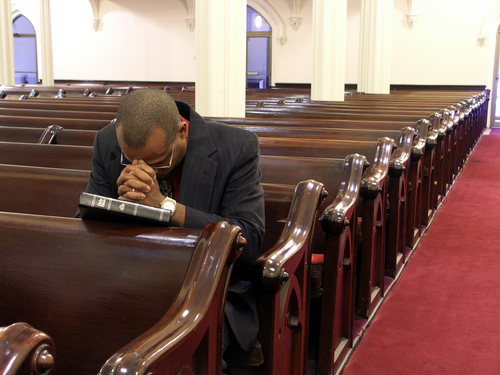
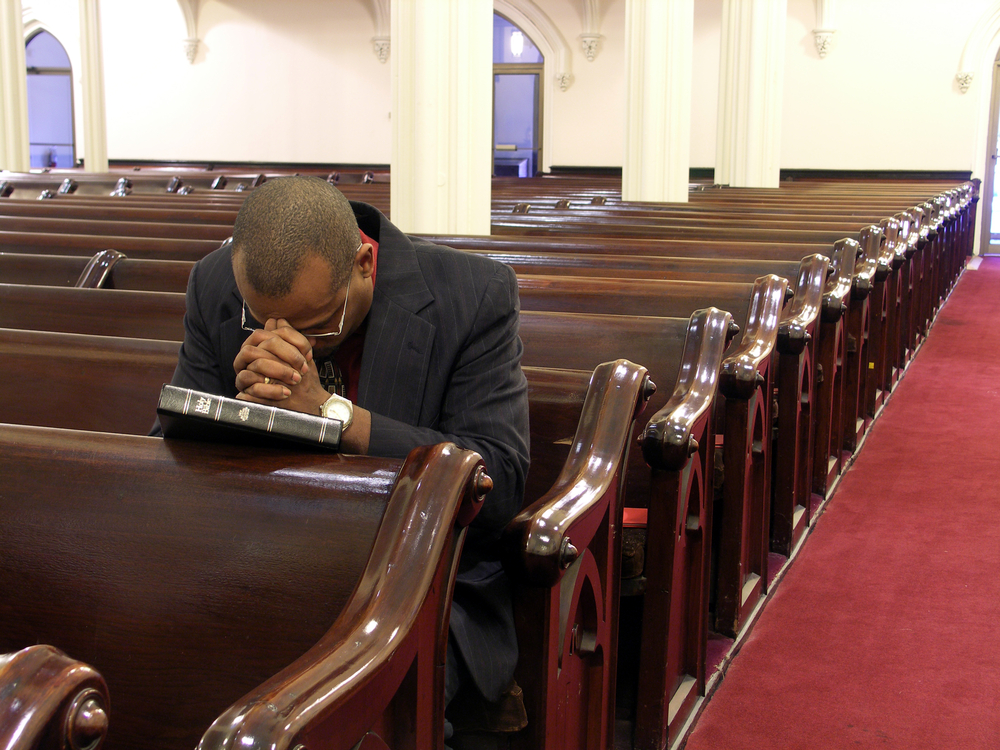
Lent is a time of reflection, sacrifice, remembrance and renewal

Key Takeaways

  • Lent is a period of 40 days of fasting and spiritual discipline in the Christian church, leading up to Easter, excluding Sundays.
  • The term ‘Lent’ originates from the Old English word ‘lencten’, which means ‘spring season’, reflecting the time of year when it is observed.
  • Lenten practices vary among Christian denominations but commonly include fasting, abstinence, prayer, and almsgiving.
  • Ash Wednesday marks the beginning of Lent and is characterized by the imposition of ashes, symbolizing penitence and mortality.
  • Lent is a time for personal and communal reflection, aiming to prepare believers’ hearts for the celebration of Jesus’ resurrection at Easter.

Historical Origins and Etymology of Lent

Lent in the Early Christian Church

The inception of Lent traces back to the earliest Christians who observed a time of fasting and repentance leading up to Easter. This nascent tradition evolved into a more structured period of observance by the fourth century, with Christians in Rome marking a 40-day Lent. The significance of the 40 days was to emulate the fasting of Jesus Christ in the wilderness before commencing His public ministry.

By the seventh century, the Church had formalized the duration of Lent to begin six weeks prior to Easter, excluding Sundays from the count. This adjustment resulted in 36 days of fasting, which was later augmented by an additional four days to achieve the symbolic number of 40 fasting days.

The practice of fasting before Easter was not only a spiritual exercise but also a communal preparation for the celebration of the resurrection of Christ. It was a time for the faithful to engage in self-reflection and penitence, aligning themselves with the trials and triumphs of Jesus.

The early Church’s approach to Lent included various forms of abstinence, with records indicating the consumption of only bread, vegetables, salt, and water during this period. The Canons of Hippolytus, for instance, permitted only bread and salt during Holy Week, highlighting the austerity of the observance.

The Linguistic Roots of ‘Lent’

The term ‘Lent’ has its etymological roots in the Old English word lencten, which signifies the ‘spring season.’ This connection to spring is echoed in the Dutch cognate lente and the Old High German term Lenz. The word’s origin is tied to the concept of lengthening days during the springtime, a period which coincides with the observance of Lent in the Christian liturgical calendar.

The evolution of the word ‘Lent’ reflects a transition from a secular to a religious context. Initially, it described the natural season of spring, but over time, it became associated with a period of penitence and preparation for Easter. This shift underscores the adaptation of language to imbue secular terms with spiritual significance.

  • Old English: lencten (spring season)
  • Dutch: lente (still means spring)
  • Old High German: Lenz (related term)

The linguistic journey of ‘Lent’ from a word describing a season to one encapsulating a solemn religious observance illustrates the dynamic nature of language and its ability to capture the evolving practices and beliefs of a culture.

Evolution of Lenten Observances

The observance of Lent has undergone significant changes since its inception in the early Christian church. Initially a period for preparation of catechumens, Lent evolved into a more structured season of penance and reflection for all Christians. The practice of fasting and abstinence has been a constant, although the specifics have varied widely across different times and traditions.

  • In the early centuries, strict fasting was common, with one meal a day being permitted after 3 p.m.
  • By the Middle Ages, the rules relaxed slightly, allowing a meal at noon and some consumption of fish and dairy.
  • The Reformation brought about divergent practices, with some Protestant groups rejecting obligatory fasting altogether.

Today, the Lenten practices continue to diversify, reflecting the broad spectrum of Christian belief and cultural influences. While some maintain traditional fasts, others focus on charitable acts or spiritual disciplines. The start and end dates of Lent can also vary, depending on the Christian denomination and the lunar calendar used to determine the date of Easter.

The Liturgical Significance of Lent

The Forty Days of Jesus in the Wilderness

The solemn observance of Lent in the Christian liturgical calendar is deeply rooted in the scriptural account of Jesus Christ’s forty days in the wilderness. This period of desert solitude was marked by fasting, prayer, and resistance to temptation, a narrative that is central to the Lenten season. The Gospels of Matthew, Mark, and Luke recount how Jesus, following his baptism, retreated into the desert to fast and pray for forty days and forty nights; it was during this time that Satan tried to tempt him.

Christ’s time of reflection and preparation in the desert. Please also review AIHCP’s Christian Counseling Certification

The significance of these forty days is multifaceted, reflecting not only a time of preparation for Jesus’s public ministry but also a model for Christian spiritual discipline. The faithful are called to emulate Jesus’s example, using this time for introspection, penance, and spiritual renewal. The temptations faced by Jesus in the wilderness—often categorized as the temptation of physical gratification, the temptation of pride, and the temptation of power—serve as a framework for understanding the struggles inherent in the human condition.

The period leading up to Easter mirrors the 40 days Jesus spent in the wilderness, preparing for his ministry. It is a time for believers to reflect on their own spiritual journey, drawing closer to the divine through practices that echo Jesus’s own trials and triumphs.

The following list outlines the general understanding of the three temptations Jesus faced, as they are often interpreted in Christian teaching:

  • The temptation to turn stones into bread, emphasizing the physical needs over spiritual sustenance.
  • The temptation to test God’s willingness to protect, challenging divine authority.
  • The temptation to gain worldly power, forsaking divine mission for temporal authority.

Lenten Practices in Different Christian Traditions

The observance of Lent varies significantly across different Christian denominations, reflecting a rich tapestry of traditions and liturgical practices. Protestant and Orthodox Christian traditions, as well as some Anabaptist, Baptist, Methodist, Reformed, and nondenominational churches, engage in Lenten observances, though the practices and the degree of adherence differ.

  • Catholicism typically involves fasting, abstinence from meat, and prayerful reflection.
  • Orthodox Christians may observe a stricter fast, abstaining from meat, dairy, and oil.  Within Eastern Catholic and Orthodox Christians, days of abstaining include both Wednesday and Friday.  In addition, full fast days differ in structure as compared to the Western Church.   The Orthodox also follow the Julian Calendar which permits a different start for Lent itself than the West.
  • Anglican and Lutheran churches often adopt a moderate approach to fasting, focusing on penitence and self-reflection.
  • In some Reformed and nondenominational communities, Lent may be observed with a greater emphasis on the anticipation of Easter rather than traditional penitence.

While the specifics of Lenten practices are diverse, the underlying intent remains consistent: a period of solemn reflection and preparation for the celebration of Easter. This is often expressed through the three pillars of Lent: prayer, fasting, and almsgiving.

Liberal and progressive Christians may place less emphasis on the traditional aspects of Lent, focusing instead on the spiritual anticipation of Easter Sunday. Despite these variations, many Lent-observing Christians incorporate spiritual disciplines such as daily devotionals or the Stations of the Cross to draw nearer to God during this season.

The Theology Behind Lenten Sacrifice

The theology behind Lenten sacrifice is deeply rooted in the Christian tradition of emulating Jesus Christ’s 40-day journey in the wilderness, where he fasted and faced temptation. This period of abstinence is seen as a time for believers to strengthen their faith and reflect on the sacrifice of Christ. Lenten sacrifices are varied and can range from fasting to giving up certain luxuries, all aimed at personal spiritual growth and discipline.

The practice of Lenten sacrifice is not merely about abstaining from material comforts, but rather a transformative experience that aligns the faithful with the spiritual journey of Christ.

Lenten disciplines may include:

  • Prayer and meditation to foster a closer relationship with God.
  • Almsgiving and charitable works as expressions of compassion and solidarity with the less fortunate.
  • Acts of self-denial to cultivate humility and self-control.

These practices are intended to purify the heart and mind, preparing the believer for Easter through repentance, simple living, and a renewed focus on the divine.

Contemporary Observance of Lent

There are a variety of Lenten restrictions, traditions and observances within different Christian denominations

Variations in Lenten Fasting and Abstinence

The practice of fasting and abstinence during Lent varies widely among different Christian denominations and cultures. While some traditions emphasize a strict fast, others adopt a more lenient approach to abstinence. The common thread, however, is the voluntary nature of these practices, often seen as a form of expiation for sin.

  • Catholicism: Abstinence from meat on Fridays, and fasting on Ash Wednesday and Good Friday.
  • Lutheranism: Guidelines suggest moderation rather than full abstinence, with a focus on self-denial.
  • Anglican Churches: No specific food restrictions, but encouragement to give up personal luxuries.
  • Methodist Churches: Often observe the Daniel Fast, which includes abstaining from meat, sweets, and bread.

In some regions, the episcopal conference may adapt these practices to suit local customs, replacing strict abstinence with other forms of penance. This flexibility acknowledges the diverse ways in which the faithful can engage with the Lenten season, beyond mere adherence to laws of the church.

The Role of Ash Wednesday

In the West, ashes remind us of this temporal reality and that this world is not forever

Ash Wednesday marks the commencement of the Lenten period, a time of introspection and penitence in the Christian tradition. It serves as a poignant reminder of human mortality and the need for reconciliation with God. The day is characterized by the imposition of ashes on the foreheads of the faithful, often accompanied by the solemn words, “Remember that you are dust, and to dust you shall return.”

The observance of Ash Wednesday is not uniform across all Christian denominations, but it is widely recognized for its call to fasting and prayer. The ashes, typically made from the previous year’s Palm Sunday crosses, symbolize both death and repentance.

The distribution of ashes and the associated rituals provide a tangible entry into the Lenten season, setting a reflective tone for the forty days that follow.

While not a holy day of obligation, Ash Wednesday sees one of the highest attendances at mass, second only to Sunday services. The day’s significance is underscored by the practice of fasting, where observers are traditionally limited to one full meal and abstain from meat. This act of self-denial echoes the sacrifices made by Jesus in the wilderness and sets the stage for the Lenten journey of spiritual renewal.

Lenten Services and Rituals

Lenten services and rituals are integral to the observance of this penitential season, offering a structured approach to reflection and devotion. Many churches veil their symbols of triumph in violet fabrics, signifying a period of solemnity and introspection. The Stations of the Cross, a poignant reenactment of Christ’s passion, are commonly practiced, guiding the faithful through a spiritual journey of Christ’s suffering and sacrifice.

During Lent, the three pillars of Lent—prayer, fasting, and almsgiving—are emphasized, encouraging believers to engage with their faith on multiple levels. These practices are not only acts of piety but also serve as a means of achieving justice toward God, self, and neighbors. The culmination of Lenten observance occurs in the Easter Vigil or Sunrise service, where the fast is traditionally broken and the faithful rejoice in the resurrection of Christ.

In the quietude of Lenten services, the community gathers in shared humility, collectively seeking spiritual renewal and deeper communion with the divine.

Cultural and Social Aspects of Lent

Cultural and Social Aspects of Lent

Lenten Suppers and Community Gatherings

Lenten suppers, often held in church parish halls or at home, are a cherished tradition that bring together the faithful after a day of fasting. These communal meals are typically simple, reflecting the season’s emphasis on abstinence and sacrifice. A common Lenten supper may include a vegetarian soup, bread, and water, aligning with the spirit of simplicity and reflection.

The social aspect of these gatherings is significant, as they foster a sense of community and shared experience among participants. From the sacred to the social, these gatherings underscore the importance of community, charity, and tradition. They remind us that, amidst the fast-paced modern life, the observance of Lent provides an opportunity for believers to slow down and engage in meaningful fellowship.

While Lenten suppers vary across denominations, the underlying intent remains the same: to conclude the day’s fast in a manner that honors the spirit of Lent and nurtures communal bonds.

In some traditions, special days such as Maundy Thursday and Good Friday are marked with eucharistic communion, further deepening the liturgical significance of the Lenten season. These practices, while diverse, illustrate the rich tapestry of Lenten observance that continues to evolve and adapt to contemporary religious life.

Impact of Lent on Secular Society

While Lent is fundamentally a Christian observance, its impact extends into secular society, influencing both cultural norms and individual behaviors. The period of Lent often sees a surge in charitable activities and environmental initiatives, as the ethos of self-denial and reflection encourages a broader societal engagement with altruistic causes.  For some, it may be a family tradition.  Like a bad habit, some merely give up something they want to improve in their life without much spiritual reflection.  Also, society may also see it as a time of giving up, but not necessarily improving oneself.

  • Many individuals, regardless of religious affiliation, participate in Lenten-inspired practices such as vegetarianism or teetotalism, viewing these as opportunities for personal growth or health improvement.
  • Secular groups and even some atheists acknowledge the value in Lenten traditions, adopting aspects of the observance in support of environmental stewardship.
  • The focus on self-reflection and sacrifice during Lent can lead to a heightened awareness of community needs, resulting in increased volunteerism and support for social programs.

The Lenten season’s call for introspection and sacrifice transcends religious boundaries, fostering a period of communal and individual transformation that resonates across diverse segments of society.

Lent and Interfaith Perspectives

The observance of Lent transcends denominational boundaries, reaching into the broader interfaith community. Some individuals from non-Christian faiths and secular backgrounds find resonance with the principles of Lent, such as self-reflection, sacrifice, and the pursuit of spiritual growth. This inclusivity is reflected in the various ways that people from diverse beliefs engage with the season.

  • Non-Christian participation often focuses on the universal aspects of Lent, like the emphasis on personal betterment and community involvement.
  • Secular groups may reinterpret Lenten practices to support environmental causes or health improvements.
  • Atheists and agnostics sometimes adopt Lenten disciplines as a form of self-improvement or solidarity with Christian friends and family.

The interfaith engagement with Lent underscores the season’s capacity to serve as a bridge between different communities, fostering mutual understanding and respect.

While the core of Lent remains a Christian observance, its themes of introspection and renewal hold a broad appeal. The adaptability of Lenten practices allows for a rich tapestry of observance that can include fasting, charitable acts, or a commitment to change, regardless of religious affiliation.

Spiritual Practices During Lent

Spiritual Practices During Lent

Prayer and Meditation

During Lent, the faithful are called to deepen their spiritual life through the practice of prayer and meditation. This period offers a unique opportunity to engage in more profound reflection and to seek a closer relationship with the divine. Prayer, in its various forms, serves as a conduit for expressing devotion, seeking forgiveness, and interceding for others. Meditation, on the other hand, allows individuals to contemplate the mysteries of faith and to internalize the lessons of the Gospel.  So many individuals merely see Lent as improvement via subtraction but never see it as an opportunity for improvement through addition of a better spiritual life to become closer to God.

Prayer and meditation are key elements of Lent that many secular individuals forget to reflect upon

The practice of prayer can be structured or spontaneous, encompassing traditional liturgies or personal supplications. It is not uncommon for believers to explore different forms of prayer during Lent, such as the Liturgy of the Hours, contemplative prayer, or the Stations of the Cross. Meditation often involves Scripture-based reflection, guiding the faithful to ponder the life of Christ and the meaning of His teachings.

The intentional setting aside of time for prayer and meditation during Lent is a testament to the desire for spiritual growth and the recognition of the need for divine guidance.

Incorporating prayer and meditation into daily life can take various forms, and individuals are encouraged to find practices that resonate with their spiritual journey. Below are some suggestions to enhance one’s Lenten experience:

  • Try a new spiritual practice.
  • Sign up for an hour of Eucharistic Adoration.
  • Experience Mass at a different parish, perhaps one with a diverse congregation.
  • Set reminders to pray at specific times throughout the day.
  • Engage in daily Scripture reading and reflection.

Almsgiving and Charitable Works

During the Lenten season, the practice of almsgiving assumes a significant role in the Christian tradition. Almsgiving is not merely a charitable donation but a profound expression of compassion and solidarity with those in need. It is a tangible manifestation of the Lenten spirit of sacrifice, where the faithful are encouraged to extend the value of their personal abstinence to the less fortunate.

The act of giving is multifaceted, encompassing monetary support, volunteer work, and other forms of assistance. Below is a list of common almsgiving practices during Lent:

  • Monetary donations to religious organizations or charities
  • Volunteering time and skills to help those in marginalized communities
  • Participating in food drives or contributing to food banks
  • Supporting initiatives that address global issues such as hunger and poverty

The emphasis on almsgiving during Lent serves as a reminder of the interconnectedness of the human family and the Christian call to serve one another.

The impact of these charitable actions is profound, not only providing immediate relief but also fostering a culture of generosity and empathy. As Lent progresses, the faithful are invited to reflect on the ways in which their almsgiving can continue to resonate beyond the season, integrating these practices into their daily lives for lasting change.

Self-Denial and Mortification

The practice of self-denial and mortification during Lent is deeply rooted in the Christian tradition as a means to emulate the sacrifice and discipline of Jesus Christ during his 40 days in the desert. Believers engage in various forms of self-denial, ranging from fasting to giving up personal pleasures, to foster spiritual growth and strengthen their resolve against temptation.

Denial that is tied to Christ helps the soul learn to grow beyond this world and also learn to control its passions of the body

The following list outlines common forms of self-denial observed during Lent:

  • Fasting or abstaining from certain foods, such as meat or sweets
  • Limiting recreational activities like watching television or using social media
  • Voluntary acts of penance, such as additional prayers or charitable deeds
  • Abstaining from habits that are perceived as vices, to cultivate virtue

The Lenten period is not merely about abstaining from worldly pleasures; it is a time for inner transformation and renewal, a journey that mirrors the spiritual fortitude of Christ in the wilderness.

While the specific practices may vary among different Christian denominations, the underlying principle remains the same: to withdraw from worldly distractions and focus on spiritual enrichment. This period of intentional self-discipline is seen as a preparation for the celebration of Easter, marking the resurrection of Christ and the hope of renewal for the faithful.

Lent as a Period of Reflection and Renewal

The Concept of ‘Bright Sadness’

The term ‘Bright Sadness’ encapsulates the dual nature of Lent as a time for both mourning and joy. It is a period of somber reflection as well as hopeful anticipation. Lent’s ashes re-orient believers to life’s reality, reminding them of their mortality and the transient nature of earthly existence. This acknowledgment of human frailty is juxtaposed with the brightness of the resurrection promise, offering a profound spiritual renewal.

  • The ashes symbolize mortality and penitence.
  • The brightness represents the hope of resurrection and renewal.

The concept of ‘Bright Sadness’ is not just a theological idea but also a lived experience for many during Lent. It is a season where the faithful engage in practices that are both reflective and transformative, leading to a deeper understanding of the self and one’s relationship with the divine.

Preparing for Easter: Repentance and Hope

The journey through Lent is a transformative experience, culminating in the joyous celebration of Easter. It is a time when Christians engage in deep reflection and seek spiritual renewal. The practices of repentance and hope are not merely ritualistic; they are avenues to a profound personal and communal transformation.

During this period, believers are encouraged to examine their lives in the light of Christ’s sacrifice and love. This self-examination often leads to repentance, a turning away from sin and a recommitment to follow Jesus more closely. The hope of Easter, the resurrection of Christ, stands as a beacon of promise, offering a spiritual spring to those who embrace its message.

Lent is not just a season of grief; it is also a season of hope. As the faithful prepare for Easter, they are reminded that renewal and hope are always possible through the grace of God.

The preparation before Easter is well-established in Christian tradition, with specific practices varying across denominations. However, the core intent remains the same: to ready the heart and mind for the celebration of the resurrection, which affirms the hope of eternal life.

Personal and Communal Transformation

Dying in Christ, means also rising with Christ. Please also review AIHCP’s Christian Counseling Certification

Lent serves as a profound period of personal and communal transformation, where the faithful are called to introspect and renew their commitment to a life of Christian values. This transformative journey is not just an individual endeavor but extends to the community, fostering a collective spiritual growth.  As the Church teaches, those who die with Christ, will rise with Christ.  During the period, one reflects on Christ’s death and our own personal sins and finds focus to rise with Christ in forgiveness and new life.

  • Intentional pause for reflection
  • Renewal of Christian commitment
  • Fostering collective spiritual growth

The annual season of Lent invites Christians to an intentional pause to reflect on ways that may have led them astray. It is a time when the sacrifices and disciplines undertaken are not merely for personal edification but also for the edification of the community at large. The shared experience of Lent can lead to a strengthened sense of unity and purpose among believers.

The transformative power of Lent lies in its ability to reshape not only individual lives but also the fabric of the community. Through shared practices and mutual support, the faithful are reminded of their interconnectedness and the collective journey towards spiritual maturity.

Educational Resources and Community Support for Lent

Guides and Devotionals for Lenten Observance

The observance of Lent is deeply enriched by the use of guides and devotionals, which provide structure and inspiration for the journey towards Easter. Many resources are available to assist individuals and groups in their Lenten practices, ranging from daily reflections to comprehensive leader’s guides. These materials often include prayers, scripture readings, and meditations tailored to the liturgical season.

  • Daily Devotionals: Offer reflections and meditations for each day of Lent.
  • Leader’s Guides: Equip group leaders with resources for facilitating discussions and worship.
  • Reflection Guides: Contain weekly themes and questions for personal or group contemplation.
  • Lenten Calendars: Visual aids that mark the journey through Lent with specific daily practices or scripture.

The integration of these resources into personal or communal practice can significantly enhance the Lenten experience, fostering a deeper engagement with the season’s spiritual themes.

Particularly noteworthy is the 2024 Lenten Devotional from the Presbyterian Mission Agency, which includes a Leader’s Guide and worship resources that reflect an Earth Care perspective. This initiative exemplifies the evolving nature of Lenten resources that address contemporary concerns while grounding them in traditional observances.  Please also review AIHCP’s Christian Counseling Certification and its many blogs on Lent and sacrifice.

Church Programs and Support Groups

Churches play a pivotal role in guiding and supporting their congregations during the Lenten season. Programs tailored to various demographics within the church community offer opportunities for spiritual growth and fellowship. These programs often encompass a range of activities, from educational initiatives to service-oriented projects.

  • Catholic Cemeteries
  • CYO Athletics
  • CYO Camps
  • Hispanic Ministry
  • Multicultural Ministries
  • Outreach Ministries
  • Retreat Centers

In addition to these programs, churches may offer specific support groups that focus on the Lenten journey. These groups provide a space for individuals to share experiences, reflect on their faith, and encourage one another in their Lenten commitments.

The collective experience of Lent through church programs and support groups fosters a sense of community and shared purpose, reinforcing the spiritual significance of this season.

Online Platforms and Social Media Initiatives

In the digital age, online platforms and social media initiatives have become integral to the observance of Lent. Churches and religious organizations are increasingly leveraging digital tools to engage with congregants and provide resources for Lenten practices. These initiatives range from daily devotional emails to interactive prayer apps, all aimed at enhancing the spiritual journey from Ash Wednesday to Easter Sunday.

The use of social media for Lenten observance has facilitated a communal aspect of the season that transcends geographical boundaries. Platforms such as Twitter, Instagram, and Facebook are utilized to share reflections, prayer requests, and words of encouragement. This virtual community support is particularly significant for individuals who may not have access to a physical church community.

The integration of technology into Lenten practices reflects a broader trend of faith communities adapting to the digital landscape. It underscores the potential for technology to enrich spiritual life, rather than detract from it.

The following list highlights some of the key online initiatives supporting Lenten observance:

  • Daily Lenten meditation and prayer guides
  • Virtual retreats and webinars on spiritual topics
  • Hashtag campaigns for sharing Lenten experiences
  • Online giving platforms for almsgiving and charity
  • Digital Stations of the Cross and other interactive religious content

Theological Debates and Interpretations of Lent

Theological Debates and Interpretations of Lent

Historical Controversies Surrounding Lent

The observance of Lent has been a subject of theological debate throughout its history. Differences in interpretation and practice have often led to controversies, particularly between various Christian denominations. For instance, while Catholics and Eastern Orthodox Christians have maintained strict Lenten observances, some Protestant groups have viewed these practices with skepticism, associating them with ritualism and a misunderstanding of grace.

The concept of earning God’s grace through self-punishment, a misinterpretation often attributed to Lenten practices, has been a point of contention. Evangelicals, in particular, have critiqued Lent as implying that human effort can contribute to salvation, a view that contrasts with their emphasis on grace alone.

In the broader context, Lent is not merely a period of abstinence but a time for reflection on the human condition and the grace of God. It culminates in the hope of resurrection, symbolizing a bright future for believers.

Some secular and non-religious groups have also engaged with Lent, reinterpreting the fast in terms of environmental stewardship or health improvement, thus adding a new dimension to the historical debates.

Modern Theological Perspectives on Fasting

In contemporary theological discourse, fasting during Lent is often seen not merely as a ritualistic practice, but as a profound spiritual exercise that engages the faithful in a deeper understanding of self-denial and spiritual growth. Modern theologians emphasize the transformative potential of fasting, viewing it as a means to foster a closer relationship with the divine and to cultivate virtues such as patience, humility, and compassion.

Fasting is seen as an act of reparation for sins to Christ

The approach to fasting has evolved significantly over time. While historical practices involved stringent abstinence, modern interpretations advocate for a more measured and intentional approach. This shift reflects a broader understanding of fasting that goes beyond mere abstention from food to encompass a range of disciplines aimed at personal and communal holiness:

  • Fasting as a voluntary act of worship and self-discipline
  • Abstinence as a tool for spiritual reflection and solidarity with the poor
  • Simplification of lifestyle to focus on spiritual priorities
  • Integration of prayer and charitable actions with fasting

The focus on interiority and intentionality in fasting practices underscores the belief that the outward act of fasting is deeply connected to inner spiritual renewal.

Theological perspectives on fasting also engage with societal and cultural dimensions, recognizing the role of fasting in addressing issues such as social justice and environmental stewardship. This holistic view of Lenten fasting challenges believers to consider the broader impact of their fast, not only on their personal spirituality but also on the world around them.

Ecumenical Views on Lenten Practices

The observance of Lent varies significantly across different Christian denominations, reflecting a rich tapestry of traditions and theological interpretations. Ecumenical dialogue has revealed a shared understanding of Lent as a period for spiritual deepening and communal preparation for Easter, despite differing practices. For instance, while Catholics and Eastern Orthodox Christians may engage in strict fasting, some Protestant communities focus more on spiritual disciplines like prayer and almsgiving.

  • Catholics: Traditional fasting and abstinence
  • Eastern Orthodox: Rigorous fasts including dietary restrictions
  • Anglicans: Emphasis on repentance and preparation for baptism
  • Methodists: Encouragement of works of love and self-examination
  • Non-denominational: Varied observance, with some eschewing Lenten rituals

The ecumenical perspective encourages returning to the foundational aspects of Lent, such as repentance, self-reflection, and anticipation of the resurrection. This approach resonates with the sentiment that Lent is a season of repentance and preparation, aligning with the core Christian belief in transformation through Christ.

Lenten Dietary Restrictions and Alternatives

Lenten Dietary Restrictions and Alternatives

Abstinence from Meat and Animal Products

The practice of abstaining from meat and other animal products during Lent is a tradition rooted in the desire for simplicity and sacrifice. This form of abstinence is observed in various ways across different Christian denominations. For instance, some communities may abstain from meat for the entire 40 days, while others may do so only on Fridays or specifically on Good Friday.

The distinction between fasting and abstinence is notable in Western Christian traditions, where abstinence typically refers to refraining from meat, but not necessarily from dairy or fish products.

In Eastern Christian churches, the approach to Lenten abstinence is often more rigorous, with the exclusion of all animal products, including eggs, fish, fowl, and milk. This results in a strictly vegetarian or vegan diet throughout the 48 days of Lent. The table below outlines the variations in abstinence practices among different Christian traditions:

Tradition Abstinence Practice Duration
Catholic Meat only Fridays and Ash Wednesday
Lutheran Meat, with some exceptions Selected days
Anglican Meat, with some exceptions Selected days
Eastern Orthodox All animal products Entire Lenten period

The flexibility of modern fasting practices in Western societies contrasts with the more stringent observances in Eastern Christian communities. Each country’s episcopal conference may determine the specific form of abstinence, which can include other forms of penance as alternatives.

Vegetarian and Vegan Options for Lent

The observance of Lent often includes dietary restrictions, traditionally involving abstinence from meat on certain days. However, contemporary practices have expanded to accommodate vegetarian and vegan diets, which exclude all forms of animal products. Vegetarian and vegan options for Lent provide a means to honor the spirit of sacrifice while adhering to personal dietary principles.

For those seeking to maintain a plant-based diet during Lent, a variety of alternatives are available. Lenten meals may consist of simple vegetarian soups, bread, and water, emphasizing the season’s focus on simplicity and abstinence. Moreover, the rise of vegetarianism and veganism has led to an increase in creative and satisfying recipes that align with Lenten practices.

While traditional Lenten fasting rules are more relaxed in Western societies, Eastern traditions often observe a stricter regimen, with some denominations abstaining from all animal products throughout the entire Lenten period.

Here are some examples of plant-based meals that can be enjoyed during Lent:

  • Vegetarian tacos with beans and vegetables
  • Vegan pizza topped with dairy-free cheese and an array of veggies
  • Cheesy manicotti made with plant-based cheese substitutes
  • Hearty chili with lentils and a variety of beans

Health and Nutritional Considerations

The observance of Lent often includes dietary restrictions, which can have significant health and nutritional implications. Adherence to fasting rules, such as those practiced by Catholics, requires careful planning to maintain nutritional balance. For instance, the Catholic tradition of fasting involves consuming one regular meal and two smaller meals that do not add up to a second full meal, with no snacks in between. This practice, while spiritually significant, necessitates an understanding of the body’s nutritional needs during periods of reduced food intake.

Historically, dispensations have allowed for the consumption of certain foods based on regional availability and climate. Such flexibility indicates an underlying concern for health even in traditional practices. Today, Lenten observance can be aligned with positive lifestyle changes, such as increased focus on environmental stewardship and health improvement. Some individuals, including those outside the Christian faith, recognize the value in these practices and adopt them for personal growth and well-being.

  • Suggestions for maintaining health during Lent:
    • Ensure a balanced intake of macronutrients within the constraints of fasting.
    • Incorporate nutrient-dense foods to compensate for reduced meal frequency.
    • Stay hydrated and monitor physical responses to dietary changes.
    • Seek guidance from nutritional experts if necessary.

While Lent presents an opportunity for spiritual reflection, it should not come at the expense of one’s health. Mindful eating and informed choices can support both spiritual and physical wellness during this period.

The Future of Lent in a Changing World

The Future of Lent in a Changing World

Adapting Lenten Traditions to Contemporary Life

In the modern era, the observance of Lent has evolved to meet the spiritual needs of a diverse and changing society. Adapting these practices offers an opportunity to refocus on what’s essential and quiet the noise of our daily lives. The traditional pillars of Lent—prayer, fasting, and almsgiving—remain at the heart of the season, yet their expression may vary to resonate with contemporary believers.

The essence of Lent is a call to simplicity and sincerity, encouraging individuals to engage in self-reflection and acts of justice toward God, self, and neighbors.

While the core practices persist, new forms of engagement have emerged, such as digital devotionals and online Lenten calendars, which facilitate a more accessible and personalized spiritual journey. Below is a list of ways individuals can integrate Lenten observance into their daily routines:

  • Engaging in daily quiet prayer, alone or in community worship.
  • Exploring different forms of prayer, like the Stations of the Cross.
  • Reading weekly Lenten reflections to deepen understanding.
  • Participating in charitable works as a form of almsgiving.
  • Embracing simplicity in daily life to foster spiritual growth.

The Role of Technology in Lenten Observance

In the modern era, technology has become an integral part of daily life, and its influence extends to religious practices, including the observance of Lent. The use of digital devices and online platforms has transformed the way individuals engage with Lenten disciplines. For many, these tools offer new avenues for reflection, prayer, and community connection.

  • Digital devotionals and prayer apps provide structured guidance for daily reflection.
  • Online Lenten calendars mark the journey through the forty days with scripture and meditations.
  • Virtual Stations of the Cross allow believers to partake in this solemn tradition from anywhere.
  • Social media initiatives encourage sharing of personal Lenten journeys and support among faith communities.

A digital Lent can become about considering how our devices can help us do justice, practice kindness and demonstrate humility in our world.

While the digital realm opens up numerous possibilities for observance, it also raises questions about the balance between technology and the traditional call for simplicity and detachment during Lent. As such, the faithful are encouraged to use technology mindfully, ensuring it enhances rather than distracts from the Lenten experience.

Lent and Environmental Stewardship

In recent years, the observance of Lent has taken on new dimensions, with a growing emphasis on environmental stewardship as a form of fasting and sacrifice. This shift reflects a broader interpretation of Lenten practices, where the traditional focus on personal penitence is expanded to include actions that benefit the wider community and the planet.

The Lenten period is increasingly seen as an opportunity to engage in practices that not only reflect spiritual discipline but also promote ecological well-being.

For instance, initiatives such as reducing carbon footprints, participating in community clean-ups, and advocating for sustainable policies are becoming integral to the Lenten experience. These activities align with the three pillars of Lent—prayer, fasting, and almsgiving—by fostering a sense of responsibility towards God’s creation.

  • Prayer is directed towards seeking guidance for environmental action.
  • Fasting takes the form of abstaining from excess consumption and waste.
  • Almsgiving manifests as support for environmental causes and organizations.

The integration of environmental concerns into Lenten observance is not only a testament to the adaptability of religious traditions but also highlights the role of faith communities in addressing contemporary global challenges.

Conclusion

Have a Blessed Lent and please also review AIHCP’s Christian Counseling Certification

In conclusion, Lent stands as a profound period of reflection, self-denial, and spiritual growth within the Christian tradition. Originating from the Old English word for spring, ‘lencten,’ it has evolved into a significant liturgical season that echoes Jesus Christ’s 40 days of fasting in the wilderness. This time of penance and preparation for Easter is marked by various practices such as fasting, abstinence, almsgiving, and prayer, which are observed by numerous Christian denominations. Lent’s culmination in the celebration of Easter underscores its dual nature of solemnity and hope, inviting believers to meditate on the human condition, the sacrifice of Christ, and the promise of resurrection. As each year brings Lent to the spring calendar, it offers a recurring opportunity for the faithful to deepen their faith and renew their commitment to the principles of Christian living.

To help others through Lent, please review AIHCP’s Christian Counseling Certification and see if it meets your academic and professional goals.  A Christian Counselor can better guide individuals through the season of Lent and help them find closer union with God.

Frequently Asked Questions

What is Lent in the Christian church?

Lent is a period of penitential preparation for Easter, beginning on Ash Wednesday and lasting for 40 days, excluding Sundays. It involves fasting, abstinence, and almsgiving in imitation of Jesus Christ’s fasting in the wilderness.

What does the term ‘Lent’ originate from?

The English word ‘Lent’ comes from the Old English word ‘lencten,’ meaning ‘spring season.’ It is related to the word ‘lengthen,’ referring to the lengthening days of spring.

Who observes Lent?

Lent is observed by many Christian denominations, including Catholic, Lutheran, Moravian, Anglican, United Protestant, and Orthodox traditions, among others.

What is the liturgical significance of Lent?

Lent commemorates the 40 days Jesus Christ spent fasting in the desert, enduring temptation before starting his public ministry. It is a time for believers to prepare for Easter through prayer, repentance, and self-denial.

When does Lent typically begin and end?

Lent begins on Ash Wednesday and ends on Holy Saturday, the day before Easter Sunday. In 2023, Lent started on February 22 and will end on April 8.

What are common practices during Lent?

Common Lenten practices include fasting, abstaining from certain foods or habits, attending special church services, engaging in prayer, almsgiving, and participating in community gatherings such as Lenten suppers.

How does Lent impact secular society?

Lent can impact secular society through the observance of dietary restrictions, the increase in charitable works, and the promotion of reflection and self-improvement themes that align with the Lenten period.

What is the concept of ‘Bright Sadness’ in Lent?

The concept of ‘Bright Sadness’ in Eastern Orthodox circles refers to the season of Lent as a period of grief that ends with the celebration of Easter, symbolizing a time of both sorrow and joy, reflection and renewal.

Additional Resources

“What Is Lent? It’s Meaning and Importance Explained”. Phillips, S. (2024). Crosswalk. Access here

“Lenten Season 101: A Guide for Everything You Need to Know”. Filz, G. (2017). The Catholic Company.  Access here

“What Is Lent? And How Do Christians Observe It?”. Pemberton, R. (2022). Logos.  Access here

“Learn What Lent Means to Christians”. Fairchild, M. (2020). Learn Religions.  Access here

Navigating Loss: The Role of Christian Counseling in Comforting the Grieving

Navigating loss and grief can be a challenging journey, especially for those seeking comfort and solace in Christian counseling. This article explores the crucial role that Christian counseling plays in supporting individuals through the grieving process, integrating faith, emotional validation, community support, and therapeutic techniques to provide holistic healing and comfort.

Key Takeaways

  • Understanding the stages of grief is essential for effective coping mechanisms and addressing the impact on mental health.
  • Faith-based counseling offers spiritual support, biblical perspectives, and the power of prayer and meditation in the healing process.
  • Emotional validation through active listening, empathy, and validation techniques is key in providing comfort to the grieving.
  • Community support, including group therapy, church involvement, and support networks, plays a vital role in the healing journey.
  • Counselors play a crucial role in creating safe spaces, using therapeutic techniques, and building trust to provide comfort and support to those grieving.

Understanding the Grieving Process

Coping Mechanisms

In the wake of loss, individuals employ a variety of coping mechanisms to navigate their grief. These strategies can range from seeking social support to engaging in personal reflection. Understanding the diversity of coping mechanisms is crucial for counselors aiming to provide effective support.

  • Social Support: Leaning on friends, family, and faith communities.
  • Physical Activity: Using exercise to manage stress and emotions.
  • Creative Expression: Channeling feelings through art, music, or writing.
  • Mindfulness Practices: Employing meditation or prayer to find peace.

Each person’s journey through grief is unique, and thus, the coping mechanisms adopted are highly individualized. It is the role of the counselor to recognize and validate these personal strategies, guiding the bereaved towards those that foster healing and resilience.

Counselors should be aware that not all coping mechanisms are constructive. Some individuals may turn to avoidance or substance use, which can impede the healing process. Identifying these behaviors early on allows for timely intervention and redirection towards healthier coping strategies.

Stages of Grief

The concept of the stages of grief, first introduced by Elisabeth Kübler-Ross in her 1969 book On Death and Dying, has been a cornerstone in understanding how individuals navigate the tumultuous journey of loss. These stages are not linear and may be experienced in different orders or multiple times. They serve as a framework to recognize and normalize the range of emotions and reactions one might encounter after a significant loss.

  • Denial: A protective mechanism that buffers the immediate shock.
  • Anger: A response to feelings of abandonment and helplessness.
  • Bargaining: A vain attempt to negotiate with a higher power or fate.
  • Depression: A profound sadness and realization of the loss.
  • Acceptance: Coming to terms with the new reality.

It is crucial to acknowledge that these stages are not prescriptive; individuals may not experience all stages, and the duration of each can vary greatly. The role of Christian counseling is to guide individuals through these stages with compassion and understanding, without imposing a rigid structure on the grieving process.

Impact on Mental Health

The grieving process can profoundly affect an individual’s mental health, often leading to conditions such as depression, anxiety, and prolonged sadness. The severity and duration of these mental health challenges can vary widely among individuals, influenced by factors such as personal resilience, the nature of the loss, and the availability of support systems.

  • Depression
  • Anxiety
  • Prolonged sadness
  • Difficulty concentrating
  • Sleep disturbances

The intersection of grief and mental health is complex, with each influencing the other in a dynamic interplay. It is crucial for counselors to recognize the signs of mental health struggles in the grieving and provide appropriate interventions.

Counselors must be equipped to identify and address the mental health implications of grief, tailoring their approach to the unique needs of each person. This may include referrals to mental health professionals, the incorporation of therapeutic activities, or the use of medication in conjunction with counseling.

The Role of Faith in Grief Counseling

Spiritual Support

In the realm of Christian counseling, spiritual support stands as a cornerstone for those navigating the tumultuous journey of grief. The presence of spiritual guidance can provide a unique form of solace that often complements traditional therapeutic practices.

Spiritual support may manifest in various forms, tailored to the individual’s beliefs and needs:

  • Prayer sessions that offer comfort and a sense of connection to a higher power.
  • Scriptural readings that provide context and meaning to life’s challenges.
  • Faith-based discussions that encourage the expression of emotions within a religious framework.

The integration of spiritual elements into the counseling process can foster a deeper sense of hope and resilience in the face of loss.

Faith can be a coping mechanism for many suffering from grief and loss. Christian Counselors can help others find God in pain


Counselors trained in Christian theology are equipped to weave spiritual practices into the healing journey, ensuring that the grieving individual’s faith is acknowledged and nurtured. This approach not only honors the person’s religious convictions but also taps into a rich reservoir of spiritual resources that can aid in the healing process.

Biblical Perspectives

Christian counseling often draws upon Biblical perspectives to provide comfort and guidance to those who are grieving. Scripture offers numerous examples of individuals who have faced loss and the ways in which they found solace and hope. For instance, the Psalms are replete with expressions of sorrow and yearning for God’s presence in times of distress.

  • Psalm 23 speaks of God as a shepherd who provides comfort.
  • Lamentations acknowledges deep sorrow while also affirming God’s steadfast love.
  • The story of Job illustrates profound loss and the struggle to understand suffering.

The integration of these Biblical narratives into counseling sessions can help individuals connect their personal experiences with those of figures they see as exemplars of faith.

Furthermore, the New Testament offers insights into the redemptive nature of suffering and the promise of eternal life, which can be particularly consoling. Counselors may reference Jesus’ own experiences with grief, such as the death of Lazarus, to illustrate that sorrow is a natural and acknowledged part of life.  Christ represents an excellent example of the Suffering Servant.  As the Suffering Servant, Christ voluntarily opened Himself to suffering and grief in this fallen world.  Christ suffered unto death and offered not only humanity redemption through it but also as an example how to offer up suffering to God.  Mary, His mother, also serves as an excellent example of suffering, giving humanity her only Son and suffering the horrid loss of witnessing her own Child die on the cross.

Through Christ, suffering has purpose and meaning.  It is transformative through His death and can help individuals become less attached to this world and closer to the next.  When others offer their sufferings in union with Christ, there can be true spiritual merit and giving to God.

Prayer and Meditation

In the realm of Christian counseling, prayer and meditation serve as vital practices for individuals navigating the tumultuous journey of grief. These spiritual disciplines offer a refuge for the soul, providing a space for mourners to connect with God and find solace in their time of loss. Prayer, in particular, allows for the expression of pain and the seeking of comfort, while meditation facilitates a quiet introspection and the cultivation of inner peace.

  • Prayer can be a direct communication with the divine, offering a personal space to voice grief, seek guidance, and find strength.
  • Meditation encourages a reflective state, where one can process emotions and gain clarity amidst the chaos of loss.

The integration of prayer and meditation into the grieving process can lead to a profound sense of comfort and hope. These practices not only support emotional healing but also strengthen spiritual resilience, enabling individuals to navigate their grief with grace and fortitude.

The counselor’s role in this aspect of grief counseling is to encourage the bereaved to engage in these practices regularly, while also respecting their unique spiritual journey. It is through this gentle guidance that prayer and meditation can become cornerstones of healing in the heart of the grieving.

Importance of Emotional Validation

Active Listening

In the context of Christian counseling, active listening is a foundational skill that facilitates the healing process for those who are grieving. Active listening involves fully concentrating, understanding, responding, and then remembering what is being said. It is not merely a passive activity; it requires the counselor’s undivided attention and a genuine presence.

Counselors need to be active listeners


Active listening is characterized by several key behaviors:

  • Maintaining eye contact
  • Nodding and showing understanding
  • Reflecting back what has been said
  • Asking open-ended questions
  • Avoiding interruptions

By employing active listening, counselors can create a space where individuals feel heard and understood, which is crucial in the journey through grief. This empathetic approach helps in building a trusting relationship, where the bereaved can openly share their feelings without fear of judgment.

The effectiveness of active listening in grief counseling cannot be overstated. It allows the counselor to accurately assess the individual’s emotional state and provide appropriate support. Moreover, it demonstrates respect for the person’s experience, which can be deeply affirming during a time of loss.

Empathy in Counseling

In the realm of Christian counseling, empathy stands as a cornerstone in the journey of healing for those who are grieving. Empathy allows the counselor to connect with the client’s emotional state, fostering a therapeutic relationship grounded in understanding and compassion. This connection is pivotal, as it helps the counselor to guide the grieving individual through their pain with a sense of shared humanity.

  • Recognize the client’s feelings
  • Validate their experiences
  • Offer support without judgment

Empathy in counseling goes beyond mere acknowledgment of the client’s feelings; it involves actively engaging with their emotional world to provide comfort and understanding.

The effective use of empathy in counseling can lead to a deeper therapeutic alliance, where the client feels truly heard and supported. This alliance is essential for facilitating the client’s progress through the stages of grief and towards eventual healing.

Validation Techniques

In the realm of Christian counseling, validation techniques are pivotal in acknowledging and affirming a client’s feelings and experiences during the grieving process. These techniques foster a supportive environment where individuals feel heard and understood. Counselors utilize various methods to convey empathy and validate the emotions of those in grief.

  • Reflective listening involves the counselor mirroring the client’s feelings, promoting a deeper self-awareness and acceptance.
  • Normalizing grief reactions helps clients understand that their emotions are a common human response to loss.
  • Emotional labeling allows counselors to help clients identify and articulate their feelings, which can often be complex and confusing.

The judicious use of validation techniques can significantly enhance the therapeutic alliance, creating a foundation for healing and growth.

It is essential for counselors to be adept at these techniques, as they can dramatically influence the effectiveness of the counseling process. By validating the client’s grief, counselors not only provide comfort but also empower individuals to navigate their emotional journey with resilience.

Healing Through Community Support

Group Therapy Benefits

Group therapy offers a unique environment where individuals coping with loss can share their experiences and feelings in a supportive setting. The collective experience of grief can foster a sense of solidarity and understanding among group members.

  • Group members benefit from the diverse perspectives and coping strategies shared within the group.
  • The normalization of grief-related emotions and experiences occurs through collective sharing.
  • Participants can develop communication skills and emotional intelligence as they interact with others in similar situations.

The group setting provides a mirror for individuals to reflect on their own grief journey, often leading to insights and personal growth.

The efficacy of group therapy in the grieving process is not only anecdotal but also supported by research. Studies have shown that group therapy can lead to significant improvements in symptoms of depression and anxiety among the bereaved.

Church Community Involvement

The involvement of the church community plays a pivotal role in the healing journey of individuals grappling with loss. The collective support offered by church members can significantly bolster the resilience of the grieving person. This support often manifests in various forms, from practical assistance to emotional companionship.

  • Prayer groups dedicated to comforting the bereaved
  • Meal trains to provide sustenance during difficult times
  • Visitation rosters to ensure the grieving individual is not left in isolation

The church community acts as an extended family, providing a network of care that reinforces the individual’s sense of belonging and purpose during times of sorrow.

The efficacy of church community involvement is not just anecdotal; it is reflected in the positive outcomes observed in those who engage with these support systems. The shared faith and hope within the community serve as a foundation for recovery and can lead to a more profound experience of comfort and solace.

Support Networks

In the journey through grief, support networks emerge as a pivotal element in the healing process. These networks provide a sense of belonging and collective strength that can significantly ease the burden of loss. They often consist of family members, friends, colleagues, and fellow churchgoers who collectively contribute to the individual’s support system.

  • Family and friends offer intimate and personal support, understanding the individual’s history and emotional landscape.
  • Colleagues can provide a sense of normalcy and routine, as well as a distraction from grief.
  • Church communities offer spiritual comfort and a shared belief system that can be particularly consoling.

The efficacy of support networks is not merely in their presence, but in their active engagement with the grieving individual. It is through the consistent and empathetic involvement of these groups that individuals find solace and the strength to navigate their loss.

Faith based counseling through the Church can provide education, counseling and healing in loss


The structure and function of these networks can vary widely, but their core purpose remains the same: to surround the grieving person with a community of care and understanding. The counselor’s role includes facilitating the development and utilization of these networks, ensuring that the bereaved are not left to face their grief in isolation.

Counselor’s Role in Providing Comfort

Therapeutic Techniques

In the realm of Christian counseling, therapeutic techniques are tailored to align with the client’s faith and values. Counselors utilize a variety of methods to provide comfort and facilitate healing among the grieving. These techniques are not only grounded in psychological best practices but are also infused with spiritual care.

  • Cognitive Behavioral Therapy (CBT): Adapting CBT to incorporate scripture and faith-based reflections.
  • Narrative Therapy: Encouraging clients to reframe their loss within the context of a larger, hope-filled life story.
  • Expressive Arts Therapy: Using creative expression as a means to explore and communicate feelings.

The integration of these techniques within a Christian framework offers a unique pathway to healing that honors the individual’s spiritual journey as well as their emotional needs.

Each technique is chosen and applied with careful consideration of the individual’s unique circumstances. The counselor’s expertise in these methods provides a structured approach to navigating the complexities of grief, while their compassionate presence offers a sense of solace and understanding.

Creating Safe Spaces

In the realm of Christian counseling, the creation of safe spaces is paramount to the healing journey of the grieving. A safe space is characterized by an environment where individuals feel secure to express their emotions without judgment. This atmosphere of unconditional acceptance is crucial for clients to explore their feelings and begin the process of healing.

  • Counselors must be intentional in their approach to creating these spaces, ensuring confidentiality and a sense of privacy.
  • The physical setting should be comfortable and inviting, with considerations for calming aesthetics and a peaceful ambiance.
  • It is also essential for counselors to establish clear boundaries and expectations that foster a trusting relationship.

The counselor’s ability to maintain a consistent and supportive presence is instrumental in reinforcing the safety of the therapeutic space. This consistency helps clients to feel grounded and more willing to engage in the therapeutic process.

By prioritizing the establishment of safe spaces, Christian counselors can significantly enhance the effectiveness of their support and provide a foundation for profound healing and growth.

Building Trust

In the realm of Christian counseling, building trust is a cornerstone for effective therapy and healing. Trust is not a commodity that can be demanded; it must be cultivated with patience and genuine concern for the individual’s well-being. A counselor’s ability to create a trusting relationship is pivotal for clients to feel safe in expressing their vulnerabilities and grief.

Trust is key in counseling for healing to occur


  • Establishing confidentiality and consistently maintaining it.
  • Demonstrating non-judgmental acceptance and understanding.
  • Being present and attentive during counseling sessions.
  • Showing empathy and compassion in every interaction.

Trust is the bedrock upon which the therapeutic relationship is built. Without it, progress is hindered, and healing is compromised. It is through a strong bond of trust that clients can begin to navigate the complexities of their grief with the support of their counselor.

The process of building trust is gradual and requires counselors to be both skilled listeners and empathetic communicators. The integration of Christian values such as forgiveness, grace, and unconditional love can further reinforce the trust between counselor and client, creating a unique dynamic that supports the grieving individual’s journey towards healing.

Integration of Psychological and Spiritual Approaches

Holistic Healing Methods

Holistic healing methods in Christian counseling for grief incorporate a comprehensive approach that addresses the emotional, spiritual, and psychological dimensions of a person’s well-being. These methods aim to treat the whole person rather than focusing solely on the symptoms of grief.

  • Emotional healing may involve expressive therapies such as art or music therapy, which allow individuals to process their grief in non-verbal ways.
  • Spiritual healing is facilitated through practices like prayer, scripture reading, and faith-based discussions that provide comfort and hope.
  • Psychological healing is supported by traditional counseling techniques, cognitive-behavioral therapy, and mindfulness practices.

The integration of these diverse healing practices ensures that individuals receive support that resonates with their unique experiences and beliefs, fostering a more profound and lasting healing process.

Faith-Based Therapy

Faith-based therapy integrates traditional psychological counseling with spiritual elements, often drawing from the client’s religious beliefs to provide a more comprehensive approach to healing. This form of therapy recognizes the importance of faith as a coping mechanism and a source of comfort for many individuals in times of loss.

  • Therapists may incorporate scripture readings to inspire hope and resilience.
  • Prayer can be used as a tool for reflection and seeking peace.
  • Religious rituals might be included to provide a sense of continuity and community.

Faith-based therapy offers a unique space where individuals can explore their grief within the context of their spiritual values, potentially finding solace in the familiar tenets of their faith.

While faith-based therapy is not a one-size-fits-all solution, it can be particularly effective for those who hold their religious beliefs at the core of their identity. It is essential for counselors to be respectful and knowledgeable about the client’s faith to facilitate this form of therapy effectively.

Faith based counseling and peer support groups can aid in healing over loss


Please also review AIHCP’s Christian Counseling Certification


Psychological Assessment

In the realm of Christian counseling, psychological assessment serves as a bridge between spiritual care and mental health treatment. Psychological assessments are crucial for identifying specific mental health needs and tailoring interventions to address the unique aspects of an individual’s grief. These assessments often include a variety of standardized tests and clinical interviews that help counselors gain a deeper understanding of the client’s emotional and cognitive functioning.

Psychological assessments can reveal underlying issues that may complicate the grieving process, such as depression or anxiety disorders. Recognizing these factors is essential for developing a comprehensive care plan that integrates both psychological and spiritual support.

The following list outlines common components included in a psychological assessment for grief counseling:

  • Clinical interviews to gather detailed personal and emotional histories
  • Standardized questionnaires measuring symptoms of grief, depression, and anxiety
  • Cognitive assessments to evaluate thought patterns related to loss
  • Behavioral observations to note coping strategies and social functioning

By incorporating these elements, counselors can create a more holistic approach to healing, ensuring that the spiritual dimensions of grief are not overlooked while addressing psychological well-being.

Addressing Complicated Grief Cases

Trauma-Informed Care

In the realm of Christian counseling, trauma-informed care is an approach that recognizes the widespread impact of trauma and understands potential paths for recovery. It emphasizes the importance of counselors being fully aware of the psychological, physical, and spiritual repercussions of trauma. This approach seeks to resist re-traumatization and promote a supportive environment where the grieving can find solace and strength.

Trauma-informed care in Christian counseling involves recognizing that each individual’s experience of grief is unique and that the healing process must be tailored to their personal journey.

Counselors trained in trauma-informed care typically adhere to a set of principles designed to provide effective support:

  • Safety: Ensuring the counseling setting is physically and emotionally safe.
  • Trustworthiness: Maintaining clear and consistent communication.
  • Choice: Empowering clients to make decisions about their therapy.
  • Collaboration: Working together with clients to plan and execute therapy.
  • Empowerment: Encouraging clients to build on their existing strengths and skills.

Complicated Grief Symptoms

Complicated grief, also known as persistent complex bereavement disorder, is characterized by an extended grieving period, where individuals struggle to come to terms with their loss and resume their daily lives. Symptoms of complicated grief are more severe, prolonged, and impairing than those of typical grief reactions.

  • Intense longing or yearning for the deceased
  • Preoccupation with thoughts or memories of the deceased
  • Difficulty accepting the death
  • A sense of numbness or detachment
  • Avoidance of reminders of the deceased
  • Feelings of bitterness or anger related to the loss
  • Persistent feelings of emptiness or meaninglessness

The experience of complicated grief can significantly disrupt an individual’s functioning, manifesting in various emotional, cognitive, and behavioral symptoms. It is crucial for counselors to recognize these symptoms early to provide appropriate interventions.

In cases of complicated grief, the symptoms persist beyond the expected time frame for normal grieving and can lead to significant impairment in social, occupational, or other important areas of functioning. The distinction between normal and complicated grief is essential for effective treatment planning.

Specialized Interventions

In the realm of Christian counseling, specialized interventions are tailored to address the unique challenges presented by complicated grief cases. These interventions are often multidisciplinary, involving a combination of therapeutic techniques that are both psychologically sound and spiritually sensitive.

Specialized interventions aim to facilitate a deeper healing process, where the bereaved can find solace not only through psychological support but also through the reaffirmation of their faith. This dual approach can be particularly effective in cases where traditional counseling methods alone do not suffice.

  • Cognitive Behavioral Therapy (CBT) adapted for grief
  • Eye Movement Desensitization and Reprocessing (EMDR)
  • Grief recovery groups with a spiritual component
  • Individualized faith-based counseling sessions

The integration of these specialized interventions within the framework of Christian counseling underscores the importance of a personalized approach. It recognizes the multifaceted nature of grief and the need for strategies that resonate with the individual’s spiritual beliefs and emotional needs.

Conclusion

Christian Counselors should emulate Christ, the ultimate Counselor

In conclusion, the role of Christian counseling in comforting the grieving is a vital and compassionate aspect of providing support to individuals navigating loss. Through the lens of faith and spirituality, Christian counselors offer a unique perspective that integrates psychological principles with the teachings of Christianity. By providing a safe space for individuals to express their emotions, explore their beliefs, and find solace in their faith, Christian counseling plays a significant role in helping individuals cope with grief and find healing. The combination of professional counseling techniques and spiritual guidance creates a holistic approach that addresses the emotional, mental, and spiritual needs of those who are grieving. As we continue to navigate the complexities of loss and grief, the presence of Christian counseling offers a beacon of hope and comfort for those in need.

Please also review AIHCP’s Christian Counseling Certification.  The program is online and independent study and open to qualified professionals seeking a four year certification in Christian Counseling.  Christian Counselors can play a unique role in helping the bereaved through a Christ-centered philosophy.

Frequently Asked Questions

What are common coping mechanisms during the grieving process?

Common coping mechanisms include talking about feelings, engaging in physical activities, seeking support from loved ones, and practicing self-care.

What are the stages of grief that individuals may experience?

The stages of grief, as described by Elisabeth Kübler-Ross, include denial, anger, bargaining, depression, and acceptance.

How does grief impact mental health?

Grief can lead to symptoms of anxiety, depression, insomnia, and changes in appetite, impacting overall mental well-being.

How can spiritual support aid in the grief counseling process?

Spiritual support can provide comfort, hope, and a sense of purpose, helping individuals find meaning and peace amidst loss.

What biblical perspectives offer guidance for those experiencing grief?

Biblical perspectives such as God’s comfort, promises of peace, and the assurance of eternal life can bring solace and strength to the grieving.

Why is active listening important in providing emotional validation to the grieving?

Active listening demonstrates empathy, understanding, and respect, validating the emotions and experiences of the grieving individual.

How does group therapy benefit those navigating grief?

Group therapy offers a supportive environment, shared experiences, and a sense of belonging, fostering healing and connection among participants.

What specialized interventions are available for complicated grief cases?

Specialized interventions may include cognitive-behavioral therapy, EMDR therapy, and grief-focused interventions tailored to address complex grief symptoms.

Additional Resources

“A Biblical Model of Grieving: Hope in the Midst of Your Grief”. Kelleman, B. (2011). Biblical Counseling Coalition.  Access here

“12 Biblical Counseling Resources on Grieving with Hope”. (2019). RPM Ministries.  Access here

“7 Healthy Ways Christians Can Deal with Grief”. Underwood, J. (2022). Crosswalk. Access here

“Grief and Faith: The Relationship Between Grief and Belief”. Williams, L. What’s Your Grief.  Access here

Christian Mystics Video

Christian mysticism is something that is a core part of the faith but very often misunderstood. It collects all the personal experiences, gifts, and revelations of holy individuals and shares it with the collective faith. Unlike the occult, these gifts are not sought after, or improperly used, but utilized for the glory of God. The saints and mystics share a beautiful relationship with God and look to help us find ways to be closer to God through meditation and prayer.

Please also review AIHCP’s Christian Counseling Certification. The program is online and independent study and open to qualified professionals seeking a four year certification.

Christian Biblical Counseling and Its Importance to the Modern World

The Importance of Biblical Counseling in Today’s World

Biblical counseling plays a crucial role in today’s world, providing guidance and support based on the principles and teachings of the Bible. In a society that is increasingly complex and challenging, biblical counseling offers a solid foundation for individuals seeking healing, transformation, and spiritual growth. This article explores the historical roots, theological foundation, practical application, benefits, and challenges of biblical counseling, highlighting key takeaways that emphasize its significance in addressing the needs of individuals and communities.

Spiritual direction is very needed in the confused and upside down morals of the modern world. Please also review AIHCP’s Christian Counseling Certification


Key Takeaways

  • Biblical counseling has its historical roots in early church fathers, the Reformation, and the development of modern biblical counseling.
  • The authority of Scripture, the doctrine of sin, and the person and work of Christ form the theological foundation of biblical counseling.
  • Prayer, Scripture, and the role of the Holy Spirit are essential components in the practical application of biblical counseling.
  • Biblical counseling brings about spiritual transformation and growth, integrates faith and psychology, and facilitates long-term and lasting change.
  • Biblical counseling faces challenges in addressing the role of psychology and science, the limitations of a biblical approach, and cultural and contextual issues.

The Historical Roots of Biblical Counseling

The Influence of Early Church Fathers

The influence of early church fathers on biblical counseling cannot be overstated. These early leaders of the Christian faith played a crucial role in shaping the theological and practical foundations of counseling based on biblical principles. They provided valuable insights and guidance on how to address the spiritual and emotional needs of individuals and communities. One of the key contributions of the early church fathers was their emphasis on the authority of Scripture as the ultimate source of truth and guidance for counseling. They recognized the transformative power of God’s Word in bringing healing and restoration to broken lives.

The Role of the Reformation

The Reformation was a pivotal moment in the history of the church, shaping the course of Christianity for centuries to come. It was a movement that sought to reform and purify the church, challenging the authority and practices of the Roman Catholic Church. Martin Luther and other reformers emphasized the sola scriptura principle, asserting the authority of Scripture as the ultimate guide for faith and practice.

One of the key contributions of the Reformation was the translation of the Bible into vernacular languages, making it accessible to the common people. This democratization of Scripture empowered individuals to read and interpret the Word of God for themselves, leading to a greater emphasis on personal piety and spiritual growth.

The Reformation also brought about significant changes in the understanding of salvation. The reformers emphasized the doctrine of justification by faith alone, rejecting the notion that salvation could be earned through good works. This shift in theological perspective had profound implications for counseling, as it emphasized the need for individuals to place their trust in Christ alone for salvation and to find their identity and worth in Him.

In addition, the Reformation challenged the hierarchical structure of the church and emphasized the priesthood of all believers. This had implications for counseling, as it recognized the role of the community of believers in providing support, encouragement, and accountability. The reformers emphasized the importance of discipleship and spiritual formation, recognizing that growth in the Christian life is a lifelong process that requires ongoing guidance and support.

Overall, the Reformation had a profound impact on the development of biblical counseling. It laid the foundation for a counseling approach that is rooted in Scripture, emphasizes the centrality of Christ, and recognizes the importance of the community of believers in the process of spiritual growth and transformation.

The Development of Modern Biblical Counseling

The development of modern biblical counseling has been a significant milestone in the field of counseling. As biblical counseling gained recognition and popularity, it emerged as an alternative approach to secular counseling. This approach emphasizes the authority of Scripture and seeks to integrate biblical principles into the counseling process.

One of the key figures in the development of modern biblical counseling is Jay Adams. Adams, a pioneer in the field, introduced the concept of Nouthetic Counseling. Nouthetic Counseling focuses on addressing personal and relational issues from a biblical perspective.

Another influential figure in modern biblical counseling is O. Hobart Mowrer. Mowrer’s model of moral behavioral psychology was evaluated from a biblical standpoint by Jay Adams. Adams examined the relationship between Mowrer’s model and the modern Nouthetic Counseling movement.

The development of modern biblical counseling has provided individuals with a foundational, unifying diagnosis and cure that offers hope for deep and lasting freedom. It offers an alternative to the ever-increasing complexity of secular counseling labels and methodologies. By integrating faith and psychology, biblical counseling aims to bring about spiritual transformation and growth.

The Theological Foundation of Biblical Counseling

The Authority of Scripture

In our understanding of biblical counseling, the authority of Scripture holds utmost importance. As believers, we recognize the Bible as the inspired and infallible Word of God, containing the ultimate truth and guidance for all aspects of life. The authority of Scripture means that it has the final say in matters of faith, doctrine, and practical application. We approach counseling from a perspective that acknowledges the Bible as the ultimate source of wisdom and truth.

Scripture provides the foundation of the faith and is the source of Biblical Counseling and is its defining moral compass

When we submit to the authority of Scripture, we recognize that it surpasses any human wisdom or opinion. It is the standard by which we measure our thoughts, beliefs, and actions. This recognition leads us to rely on the timeless principles and teachings found in the Bible when providing counseling to individuals.

Table: Key Principles of the Authority of Scripture

Principle Description
Infallibility The Bible is without error or contradiction.
Sufficiency The Bible contains everything necessary for salvation and godly living.
Clarity The Bible is clear and understandable to all believers.
Finality The Bible is the ultimate authority and has the final say in all matters of faith and practice.

By upholding the authority of Scripture, we ensure that our counseling is rooted in the unchanging truth of God’s Word. It provides a solid foundation for addressing the challenges and complexities individuals face in today’s world.

The Doctrine of Sin

Sin is our deepest problem. Jesus is our only Savior. We receive and live out this saving grace through justifying and sanctifying faith. Sin affects not only the individual but also those around them. As sin grows, it spills over onto our loved ones and those in our circle. It has the power to change their day with an angry outburst or even change their life through choices like adultery. It is important to evaluate and examine our own behavior in light of the concept of sin. Are we choosing to sin in the struggles we face? Are we responding in a biblical and loving manner? The root problem is not just sin, but sin, self, and strongholds. The remedial process is not just sanctification by faith, but Christ-centered sanctification by faith, oriented around Jesus Christ as Lamb, Lord, Life, Liberator, and Leader. This relationship is experienced in redemption, identification, liberation, and devotion. The Holy Spirit serves as the Ultimate Therapist, ministering to and through the Discipleship Counselor and counselee. It is crucial to understand the impact of sin and the need for Christ-centered sanctification in biblical counseling.

The Person and Work of Christ

In understanding the person and work of Christ, we are reminded of the profound impact that our works for Christ can have on the lives of others. While our names may be quickly forgotten on earth, the impact of our works for Christ will leave a lasting legacy on the families that turn to Christ and walk with Him because of our courage to speak up and our obedience to serve Christ instead of self. This echoes the words of Ephesians 2:8-10, which remind us that we are saved by grace through faith, not by our own works. We are His workmanship, created in Christ Jesus for good works, which God prepared beforehand for us to walk in.

As believers, we are called to keep our eyes on things eternal and to continue doing the good works that the Lord has prepared for us. We have the opportunity to share the Gospel, support and encourage fellow believers, and point people to Christ. While our impact may not always be immediately visible or recognized, we can trust that our works for Christ have a lasting impact. It is through the power of the Holy Spirit that true transformation and healing occur, as we surrender ourselves to the Lord and allow Him to work in and through us.

In our pursuit of biblical counseling, we must remember that true freedom and liberation come from Christ. It is through Him that we experience inner freedom, which empowers us to care for others and live out the way of life exemplified by Jesus. Christians understand Jesus to be the human revelation of the invisible God, and His life serves as a model for us to follow. By embracing the teachings of Christ and allowing the Holy Spirit to work in us, we can become agents of change and bring hope and healing to those we counsel.

In conclusion, the person and work of Christ are foundational to biblical counseling. Our works for Christ have a lasting impact on the lives of others, and it is through Him that true transformation and freedom are found. As we continue to walk in the good works prepared for us, may we keep our eyes on things eternal and trust in the power of the Holy Spirit to bring about change in the lives of those we counsel.

The Practical Application of Biblical Counseling

The Importance of Prayer and Scripture

In our journey of biblical counseling, we have come to recognize the vital role that prayer and Scripture play in the process of healing and transformation. Prayer is not merely a religious ritual, but a powerful means of communication with God. It is through prayer that we seek His guidance, wisdom, and intervention in the lives of those we counsel.

Prayer remains one of the instrumental practices in Christian Counseling. Please also review AIHCP’s Christian Counseling Program


Scripture, on the other hand, serves as the foundation and authority for our counseling approach. It is the inspired Word of God, containing timeless truths and principles that are relevant to every aspect of human life. By studying and applying Scripture, we gain insight into the nature of sin, the character of God, and the redemptive work of Christ.

As we engage in biblical counseling, we encourage individuals to develop a habit of regular prayer and Scripture reading. This practice not only deepens their relationship with God, but also provides them with a source of comfort, guidance, and hope. Through prayer and Scripture, individuals are able to find solace in times of distress, gain clarity in decision-making, and experience spiritual growth.

In addition to personal prayer and Scripture reading, we also emphasize the importance of incorporating these practices into counseling sessions. We encourage individuals to bring their concerns, struggles, and questions to God in prayer, and to seek His guidance through the study and application of Scripture. By doing so, they are able to tap into the transformative power of prayer and Scripture in the context of their counseling journey.

In conclusion, prayer and Scripture are essential components of biblical counseling. They provide individuals with a means of connecting with God, gaining insight into His truth, and experiencing His transformative work in their lives. As counselors, we recognize the importance of fostering a prayerful and scriptural foundation in our counseling approach, and we encourage individuals to embrace these practices as they seek healing, growth, and lasting change.

The Role of the Holy Spirit

The role of the Holy Spirit in biblical counseling is of utmost importance. As believers, we recognize the Holy Spirit as God’s perfecting presence in creation, redemption, and everyday life. The Holy Spirit is the means by which God ministers the truths of Scripture to our hearts and minds.

One important aspect of the Holy Spirit’s role in counseling is the illumination of truth. The Holy Spirit helps us understand and apply the teachings of Scripture to our specific situations. Through prayerful study and reliance on the Holy Spirit, we can gain a deeper understanding of God’s Word and its relevance to our lives.

In addition to illuminating truth, the Holy Spirit also empowers believers to live out the principles of biblical counseling. The Holy Spirit enables us to experience spiritual transformation and growth, as we surrender to His guidance and allow Him to work in and through us.

It is important to note that biblical counseling is not solely reliant on human wisdom or techniques. Rather, it is a partnership between the counselor and the Holy Spirit, with the Holy Spirit leading and empowering the counseling process.

In conclusion, the role of the Holy Spirit in biblical counseling cannot be overstated. The Holy Spirit is our guide, teacher, and empowerer, enabling us to apply the truths of Scripture to our lives and experience lasting change. As counselors, we must rely on the Holy Spirit’s guidance and seek His wisdom in every counseling session.

The Use of Biblical Principles in Counseling

When applying biblical principles in counseling, we prioritize the truths of God’s Word. It is essential to have a humble and willing spirit, seeking discernment in choosing the right counselors. Many individuals claim to be ‘biblical counselors’ but have absorbed worldly philosophies, such as the invasive and destructive philosophy of self-esteem. We must be cautious and ensure that the counseling we receive aligns with the teachings of Scripture.

In counseling, it is important to approach difficult situations with the mindset of growth and perseverance. Rather than giving up, we can allow challenging circumstances to shape and refine us, as James encourages us. However, it is crucial to remember that biblical counseling is not a guarantee for immediate improvement or resolution. Our ultimate goal should not be solely focused on relieving our burdens, but on remaining faithful to God’s Word and His principles.

To effectively apply biblical principles in counseling, we can consider the following practical tips:

  • Listen attentively to the concerns and struggles of those seeking counseling.
  • Show empathy and understanding towards their experiences.
  • Refer to professional counselors with specialized training when necessary.
  • Avoid being judgmental and instead offer grace and compassion.
  • Keep Jesus at the center of the counseling process, recognizing His role as the ultimate source of healing and transformation.

It is important to be aware of the limitations and flaws within the field of psychology and counseling. While secular counseling may offer various diagnostic labels and methodologies, biblical counseling emphasizes the simplicity and profound wisdom found in God’s Word. By aligning our counseling practices with biblical principles, we can provide guidance and support that leads to spiritual transformation and lasting change.

The Benefits of Biblical Counseling

Spiritual Transformation and Growth

In the realm of Christian-based spiritual growth, spiritual transformation is a central goal. It is the process by which individuals experience a profound change in their inner being, leading to a closer relationship with God and a greater conformity to His image. This transformation encompasses various aspects of a person’s life, including their thoughts, emotions, behaviors, and relationships.

Biblical and Christian Counseling is about brining others back to Christ through guidance, healing and instruction


One important aspect of spiritual transformation is the recognition of God’s faithfulness and His work in one’s life. Journaling can be a valuable tool in this process, allowing individuals to reflect on their experiences and express gratitude for God’s guidance and provision. As one writer suggests, “Learn to see journaling as a way to speak of God’s faithfulness in life with the intent to glorify Him.”[1]

To facilitate spiritual transformation, it is essential to engage in practices that nurture spiritual growth. These practices include regular prayer and meditation on Scripture, which provide opportunities for individuals to connect with God, seek His guidance, and gain wisdom for their journey. Additionally, the role of the Holy Spirit cannot be overstated in the process of transformation. The Holy Spirit empowers believers, convicts them of sin, and enables them to live in alignment with God’s will.

Furthermore, biblical counseling emphasizes the use of biblical principles in counseling sessions. These principles serve as a guide for addressing various issues and challenges that individuals may face. By integrating biblical wisdom and insights into the counseling process, individuals can find guidance, healing, and restoration.

In summary, spiritual transformation and growth are foundational aspects of Christian-based counseling. Through practices such as journaling, prayer, meditation, and the application of biblical principles, individuals can experience a deepening relationship with God and a transformative change in their lives.

Integration of Faith and Psychology

The integration of faith and psychology is a topic of great significance in the field of counseling. As Christian counselors, we recognize the importance of incorporating our clients’ faith into the therapeutic process. By integrating faith in clinical practice, we understand that intentional, prayerful integration is key, whether it is implicitly or explicitly performed. This means that we actively seek to explore and address the spiritual aspects of our clients’ lives, while also utilizing psychological principles and techniques to promote healing and growth.

In our counseling sessions, we create a safe and understanding space where clients can openly discuss their faith and relationship with God. We acknowledge that faith can be a central part of our clients’ lives and that it plays a significant role in their overall well-being. By addressing challenges, fears, and fostering personal and spiritual growth within a Christian context, we aim to support our clients in their journey towards wholeness and fulfillment.

To ensure the effectiveness of the integration of faith and psychology, we employ evidence-based practices that are grounded in both biblical principles and psychological research. This allows us to provide a comprehensive and holistic approach to counseling that addresses the unique needs and concerns of each individual. By combining the wisdom of scripture with the insights of psychology, we strive to help our clients achieve long-term and lasting change in their lives.

In summary, the integration of faith and psychology in counseling is a vital aspect of our practice. We recognize the significance of our clients’ faith and actively incorporate it into the therapeutic process. By creating a safe and understanding space, utilizing evidence-based practices, and addressing the spiritual aspects of our clients’ lives, we aim to support their personal and spiritual growth.

Long-Term and Lasting Change

Long-term and lasting change is a fundamental goal of biblical counseling. Change is not merely a temporary fix or a quick solution to surface-level problems. Instead, it is a lifelong process that requires ongoing dependence on Christ and the support of a Christian community. Through authentic relationships and a deep understanding of biblical principles, individuals can experience transformation that goes beyond superficial changes. This type of change has a lasting impact on every aspect of a person’s life, including their thoughts, emotions, behaviors, and relationships.

The Challenges and Criticisms of Biblical Counseling

The Role of Psychology and Science

The role of psychology and science in biblical counseling is a topic of much debate and discussion. While some argue that psychology and science can provide valuable insights and tools for counseling, others believe that these disciplines are fundamentally at odds with the teachings of the Bible. As proponents of biblical counseling, we take the position that psychology and science should be approached with caution and discernment, recognizing their limitations and potential conflicts with biblical principles.

It is important to acknowledge that psychology is a human-made discipline, based on theories and observations of human behavior. As such, it is subject to the flaws and limitations inherent in any human endeavor. While psychology can offer helpful insights into the human mind and behavior, it is not infallible and should not be treated as the ultimate authority.

At the same time, we recognize that there may be areas of overlap between psychology and biblical counseling. For example, both disciplines may emphasize the importance of understanding and addressing the root causes of emotional and psychological struggles. However, it is crucial to approach these areas of overlap with discernment, filtering them through the lens of Scripture and relying primarily on biblical principles and teachings.

In our approach to counseling, we prioritize the authority of Scripture and the guidance of the Holy Spirit. We believe that the Word of God provides the ultimate source of truth and wisdom for addressing the complexities of human life and relationships. While psychology and science can offer valuable insights, they should always be evaluated in light of biblical teachings and used in a way that aligns with God’s Word.

In summary, the role of psychology and science in biblical counseling is a complex and nuanced topic. While we recognize the potential benefits of these disciplines, we approach them with caution and discernment, prioritizing the authority of Scripture and the guidance of the Holy Spirit.

The Limitations of a Biblical Approach

While biblical counseling can be helpful in many ways, it is important to acknowledge its limitations. One of the main limitations is the lack of integration with psychology and science. The field of psychology offers valuable insights into human behavior and mental health, but it may conflict with certain biblical principles. This can make it challenging to address complex issues that require a more comprehensive understanding of the human mind and emotions.

Another limitation is the restricted treatment options. Biblical counseling primarily relies on prayer, Scripture, and biblical principles as the main tools for counseling. While these can be effective for spiritual growth and transformation, they may not always be sufficient for addressing certain mental health conditions that may require additional interventions.

It is also important to note that biblical counseling may not be suitable for everyone. Some individuals may prefer a more secular approach that incorporates psychological theories and techniques. Additionally, cultural and contextual factors can influence the effectiveness of biblical counseling, as different cultures and contexts may have varying beliefs and practices.

In conclusion, while biblical counseling has its strengths, it is essential to recognize its limitations and consider alternative approaches when necessary.

Addressing Cultural and Contextual Issues

In addressing cultural and contextual issues, it is important for us as biblical counselors to recognize the diverse backgrounds and experiences of the individuals we are counseling. Cultural sensitivity plays a crucial role in understanding the unique challenges and perspectives that clients bring to the counseling process.

One approach to addressing cultural and contextual issues is through cultural competence. This involves developing an awareness and understanding of different cultural norms, values, and beliefs, and how they may impact an individual’s mental health and well-being.

To effectively address cultural and contextual issues, it is essential to engage in cultural humility. This means recognizing our own limitations and biases, and being open to learning from and collaborating with clients from different cultural backgrounds.

Additionally, it is important to consider the intersectionality of various identities and experiences, such as race, ethnicity, gender, and socioeconomic status. This intersectionality can influence how individuals perceive and experience mental health issues, and it is crucial to take these factors into account in the counseling process.

In summary, addressing cultural and contextual issues requires a commitment to cultural sensitivity, cultural competence, cultural humility, and an understanding of intersectionality. By incorporating these principles into our counseling practice, we can better serve the diverse needs of our clients and promote holistic healing and growth.

Biblical counseling has long been a cornerstone of Christian faith, providing guidance and support to individuals seeking spiritual healing. However, it is not without its challenges and criticisms. Critics argue that biblical counseling may not always address the complex psychological and emotional needs of individuals, and that a more integrated approach may be necessary. Despite these criticisms, many individuals find solace and strength in the teachings of the Bible and the guidance of Christian counselors. If you are seeking certification in Christian counseling, look no further than our website, Christian Counseling Certification. Our online program offers continuing education courses that will lead you to certification in Spiritual Counseling. Connect with us today and embark on a journey of helping others find spiritual healing and guidance.

Conclusion

In conclusion, biblical counseling plays a crucial role in today’s world by providing a solid foundation rooted in the teachings of Scripture. It offers a counterbalance to the complexities and flawed methodologies of secular counseling. By approaching counseling with a humble and discerning spirit, individuals can find guidance and healing that aligns with God’s Word. However, it is important to be cautious of those who claim to be biblical counselors but have absorbed worldly philosophies. The journey of biblical counseling may be challenging, but it offers the opportunity for personal growth and a deeper relationship with God. As we navigate the complexities of life, let us embrace the importance of biblical counseling and its transformative power in our lives.

Please also review AIHCP’s Christian Counseling Certification and see if it meets your academic and professional goals


Please also review AIHCP’s Christian Counseling Certification.  The program is online and independent study and open to qualified professionals seeking a four year certification in Christian Counseling.


Frequently Asked Questions

What is biblical counseling?

Biblical counseling is a form of counseling that is based on the principles and teachings of the Bible. It seeks to address the spiritual, emotional, and relational needs of individuals from a biblical perspective.

How is biblical counseling different from secular counseling?

Biblical counseling differs from secular counseling in its foundation and approach. While secular counseling may rely on psychological theories and techniques, biblical counseling is rooted in the authority of Scripture and seeks to apply biblical principles to the counseling process.

Who can benefit from biblical counseling?

Anyone who is seeking guidance, support, and healing from a biblical perspective can benefit from biblical counseling. It is not limited to individuals with specific religious beliefs, but rather welcomes anyone who is open to exploring the teachings of the Bible.

What are the key principles of biblical counseling?

The key principles of biblical counseling include the authority of Scripture, the doctrine of sin, and the person and work of Christ. These principles provide a foundation for understanding human nature, addressing problems, and pursuing spiritual transformation.

Is biblical counseling effective?

Biblical counseling has been shown to be effective in helping individuals find healing, restoration, and spiritual growth. It provides a holistic approach that addresses the root causes of problems and offers guidance based on timeless biblical wisdom.

Can biblical counseling be integrated with other forms of counseling?

Yes, biblical counseling can be integrated with other forms of counseling, such as cognitive-behavioral therapy or family systems therapy. The goal is to incorporate biblical principles and teachings into the counseling process while respecting the individual’s unique needs and circumstances.

What role does prayer play in biblical counseling?

Prayer is an integral part of biblical counseling, as it acknowledges our dependence on God and invites His presence and guidance in the counseling process. Prayer provides a means of seeking wisdom, comfort, and transformation through a personal relationship with God.

How long does biblical counseling typically last?

The duration of biblical counseling can vary depending on the individual’s needs and progress. Some counseling relationships may last a few weeks or months, while others may continue for a longer period of time. The focus is on achieving lasting change and growth.

Again, please review AIHCP’s Christian Counseling Certification and see if it meets your academic and professional goals.

Additional Resources

“A Biblical Counseling Perspective on Mental Illness”. Kellemen, B. (2013). Biblical Counseling Coalition.  Access here

“Modern Problems: Caring for Souls in the 21st Century”. Christian Counseling and Education Foundation. (2021).  Biblical Counseling Coalition.  Access here

“Christian Counseling”. Psychology Today Staff. Psychology Today.  Access here

“What Is Christian Counseling?”. Blain, T. (2023). VeryWellMind.  Access here

Christian Counseling Video on Supernatural Presence in the Church

God is still present in the Church but we have to look in the right places.  The Holy Spirit manifests His gifts throughout the Church through individual members with special charisms.  Some share in visions, prophesy, healing or leadership.  While miracles still occur and visions from Heaven happen, it is important to properly discern false prophets and charlatans who prey upon the innocence of people

The video below looks at the supernatural presence of God in the Church today but also helps one better discern from real and fake presences.  Bear in mind, the Christian is called to give testimony to Christ, follow the Church and obey dogma and Scripture.  If supernatural activity or zeal pushes one away from these things, then a Christian is missing the greatest miracle before his or her eyes, which is one’s personal relationship with God.  While miraculous events still occur, one’s faith is not built on these things, but on the promise of Christ.

Please also review AIHCP’s Christian Counseling Certification and see if it matches your academic and professional goals.  The program is online and independent study and open to qualified professionals seeking a four year certification in Christian Counseling

Christian Counseling and Demonic Activity Video

While many may deny his existence, to his applaud, Satan and his army exists within the world.  Sometimes at a lower level of detection but sometimes for the terror of a few, at a higher level.  When individuals do not protect themselves spiritually they become victim to possible demonic activity beyond the mere temptation and whisper, but a far louder presence that can disrupt lives and cause intense spiritual harm to individuals.

Through a blatant secularism, individuals’ spiritual immune systems are victim to oppression and possession.  Without prayer and Christ, individuals fall prey to the predator.  It is hence important to cultivate a spiritual hygiene in life which repels Satan.  Scripture, Christ’s acceptance, the sacraments and daily prayer can help the soul repel the presence of the evil one.  When the presence of Christ exists in one’s life, the evil one finds it offensive and flees.

Others through spiritualism or through the occult become prey to demonic presence.  Wicca, witchcraft, spiritualism, and Satanism can lead individuals into direct contact with demons.  This invitation to them can lead to spiritual harm

Please review the video below and also review AIHCP’s Christian Counseling Certification Program and see if it meets your academic and professional goals.  The program is online and independent study and open to qualified professionals seeking a four year certification as a Christian Counselor.  Like clergy or pastoral leaders, Christian Counselors need to be well versed in the spiritual warfare and helping others escape the demonic.  It is important for Christian Counselors to be able to identify for more sinister demonic activities and help or find help for the individuals tormented by the evil one.

Christian Counseling and Good Stewardship of Time

Is time the ever hunting predator or a special gift?  Some individuals fear each day as one’s life draws closer to its end.  Others see time as a precious gift to be utilized and appreciated for the moment.  Different mindsets can establish different life styles.  One can live in fear or one can better utilize the time that God has given to them.  Ultimately, what we discover after our 20s is that time starts to go faster.  This realization is not only due to a more established work schedule but also because the brain is learning less and experiencing less new things.  When younger, time seems to be forever.  Ever remember how long it would take for Christmas to arrive, but now it comes too fast?  A younger brain perceives time differently than a more mature brain and because of that as we grow older, the years seem to go faster.

Time can be seen as a predator out to get us or as a gift from God. Each day is a gift, spend it wisely.


So is time a predator?  Time is what we make of it.  As temporal beings, we are in an intimate relationship with time that we cannot escape.  Each second, each minute, day, month and year coincide with each breath, thought and action. Unlike God, who existed before time and exists outside of time, except within the Incarnation, God experiences each year simultaneously.  Each decade and each century are spits in a bucket to the eternal nature of God.  They exist side by side, witnessed and reviewed.  Since temporal creation is within time, it is subject to time and we must learn to accept our limited temporal existence and maximize its fruits.

Jesus relates in Matthew 25:14-30 the story of the servants and the talents.  Each servant according to their standing and ability were given coins by the master.  The first servant was given 5 coins, the second 3 coin and the third 1 coin.  Upon a certain amount of time, the master returned and asked what the servants had done with the coins.  The first had doubled, the second had added, and the third presented no growth.  Instead, he horded it and buried, only to return to it to the master.  The master furious, sent the servant away.

What can we learn from this story?  Jesus was teaching that we must produce in this world. We cannot horde our talents or gifts or waste precious time.  Time is limited and to sit on gifts and do nothing as time passes is not acceptable.  Instead we are called, even with very little, to show progress with the time given and spiritually grow and give back.  Those who waste time, fear time, or neglect their talents are misusing the gift of time.  Instead they fear it and progress with very little success in life.

Many experience this type of fear in life in middle age.  Those who have stagnated in life, revert back to past impulses and see their lack of fruits, while those who have worked hard, have a far easier time with aging.  Aging with success and accomplishment is key to self esteem but it is also key to spirituality as well.  As we grow, we hope by  middle age, we have also grown spiritually with God.  When we reach a ripe old age, if God wills, we should be able to look back with joy and happiness not despair and regret.  Those who work hard in life and do not waste time will bear fruit.  Many who show healthy aging have accomplished a variety of goals that Erick Erickson divides into 8 stages of human life.  When these stages are not met, then despair, sadness, and regret and regression emerge.  Wasting time in life, playing and not advancing physically, professionally, academically, mentally and emotionally is not only spiritually damaging but also psychologically damaging according to Erickson.

Have you neglected the time God has given with sloth and laziness instead of industry and faith?


A far simpler analogy is the story of the Three Little Pig. In the children’s tale, we see lazy and industrious mindsets and how one leads to safety and prosperity while the other leads to folly and danger.  The pig who plays the flute builds a straw house and wastes his time playing and not working, while the pig who plays the violin with him spends time building a stick house. While the stick house is more sturdy, it nonetheless is still destined for failure.  Upon the arrival of wolf, he classically blows the houses down.  The two run to the eldest brother, who did not play or wasted time, but employed the use of the shovel to build a strong brick house.  Ultimately, at least in the cartoon version, they find refuge with the older brother and defeat the wolf.

So time itself is something that needs to be properly utilized in life. No matter the age, doing things right and within the time given are keys to success.  Today, many youth seem to stagnate in their 20s.  There seems to be a new norm that life does not start till after college.  This leads to stagnation for many.  Instead of working harder, younger people party harder.  They seem to play the flute more than work the shovel.  Maturity seems to be coming later than past generations.  Families are made later in life with career goals prolonged into the distant.  Time though is of the essence.  It is still good to see young adults pushing forward in marriage and work.  Sometimes these commitments, even if in school, strengthen people. By placing faith in God, making commitments and growing up sooner is not a bad thing.  It may not be meant for all but the 20s should not be seen as a time to learn morality and make mistakes but to grow and mature academically and in the faith.  It is a time to foster relationships and if called to marriage, to find that special someone.  Late vocations to marriage and the priesthood or religious life are fine, but sometimes, individuals tend to waste time as an excuse to face responsibility in the world.  Sometimes, the youth need a push of encouragement instead of a safe place to waste time.

Those who appreciate time, appreciate now.  They appreciate family and friends and make time for them.  They realize the preciousness of duty in work, school, family and God.  They ensure that those obligations are met and not wasted in sloth, gluttony, drunkenness, frivolous spending,  and material things.  Instead they cherish goals, duty and love of God and family.  Through this, they appreciate each day and week and what it means to live and accomplish things.  All things are offered to God as prayer. Even in the smallest things, life itself becomes a prayer.  In this way, the return is great for the master unlike the servant who buried his coin.

Time Management

Time management is key. Once one understands that they need to utilize time better, then they are able to make real life changes and give back to God.  The first step is prioritizing life.  Duty to God, family and career need to be labeled universal objectives.  Things that take away, or prevent these duties and goals from being accomplished need to minimized, replaced, or given a certain time of week.  It can be very beneficial to divide the week up into days and list particular duties whether home, work, family, or to God.  Create a list and as things are accomplished to particular days, cross them off.  This can be very rewarding and the brain is known to send a feeling of pride and accomplishment.  Hence calendars, and duty lists can keep someone accountable but also allow them to see the progress.

As for longer term goals, one needs to address what one wishes to achieve it.  One can do research during a phase of time and then start to bring the research to application and work.  One should assign a certain amount of time it would logically take to accomplish certain goals, both professionally and academically.  One can then have a rough outline of where one wishes to be in one year in comparison to another year in regards to goals.

Again, the most critical element is living each day and completing it.  Giving each day to God as a prayer and finding value in what matters most in life.  Appreciating the finite reality of time and what exists in one’s life now may not exist later.  Appreciate, love and give praise to God each day for what is good and then pray to God to help one achieve what needs to be done in the future.

Conclusion

Much can be said about utilizing time properly.  Yes, there needs to be balance.  Too much work and no relaxation can be damaging to the body and mind, but one needs to be conscious of time and appreciate it but also realize that no day is guaranteed.   Christian Counselors, pastors and spiritual directors can better guide young people in the proper direction of life.  They can point towards goals and duties and how important it is to offer to God everyday, one day at a time.  They can remind the youth of the value of time and how to be a proper steward of it.

We are stewards of time God has given us. Please also review AIHCP’s Christian Counseling Certification


Please also review AIHCP’s Christian Counseling Certification and see if it meets your academic and professional goals.  The program is online and independent study and open to qualified professionals.

Additional Resources

New King James Version. Matthew 25:14-30.  Bible Gateway.  Access here

“Teaching Time Management to Teens: Less Stress, More Balance”. Baum, R., Shahidullah, J. (2023). HealthyChildren.org.  Access here

“Stop Wasting Time: How to Live Life to the Fullest”. Becker-Phelps, L. (2022). Psychology Today. Access here

“How to Stop Wasting Time”. Baby, D. (2023). WebMD. Access here

Schizophrenia Video

Schizophrenia is obviously a disorder treated by highly trained licensed counselors, psychologists and psychiatrists with specialty training in the disorder.   Mere certified counselors may come across it and hence should have a basic understanding of it and when to call for help.  The disorder itself distorts reality for many.  Individuals have grandiose goals and ideals that are not connected to reality.  They also are in and out of acute state of psychosis where they may feel they are in danger or being followed.  Some behaviors are outwardly unacceptable due to action, while other behaviors are unacceptable due to inaction.  Some may be deeper trapped within their own mind and unable to articulate thought completely.

If ever dealing with one, one never should confront a delusion, but merely ignore it, and not escalate the situation.  No type of therapy can be conducted during acute psychosis.

Please also review AIHCP’s Christian Counseling Program, as well as many of its other mental health certifications.  AIHCP does not offer any type of education in schizophrenia itself, but again reiterates the importance of only licensed professionals with appropriate background in the disorder to deal with these types of individuals who sometimes can become quite dangerous if not medicated.

Christian Mystics Understood

In a previous blog, we discussed the extraordinary reality of spiritual gifts in the Church, including discernment of them, as well as the fact healings and miracles still happen in the modern Church.  While many seek out the extraordinary, the reality is God is always with us.  In daily prayer, scripture meditation, the Eucharist, at service or mass, or when helping the poor and afflicted.  Still, the human soul seeks out these extraordinary events or individuals, to maybe strengthen faith, look for verification, find a particular healing, or find deeper wisdom.  Obviously again discernment is key.  Above all, listening to the Church or Elders or those in ministry who warn against certain events or individuals.

Apparitions and mystics are considered private revelation.  This means that any revelations, teachings, or prophesies that emerge are not part of the deposit of faith, or equal to that of Scripture or the teachings found in the Creed.  While they may very well be from God and true, the weight of the message is not binding on all believers but merely, when approved by spiritual authorities, additional spiritual ideas.

Christian Mystics are private revelation but still have important messages. Please also review AIHCP’s Christian Counseling Certification


It is important to differentiate Christian mystics and holy apparitions from fortune tellers and the occult.  Unlike the occult where powers are tied to Satan or unseen voices, Christian mystics receive their spiritual gifts from God.  They are put forward as a service to the Church.  They do not attempt to seek out but are freely given.  They do not attempt to meet the dead or find voices but are freely met in Christian love between the Church Triumphant in Heaven to the Church Militant on earth.

In these experiences, the message is for the seer or is meant for a broader base of the Christian community.  Hence some are for the spiritual advancement of the individual soul, while others are told to write and share their experiences for others.  Some act in the title of prophet with warnings, while others may offer deeper spiritual insights into the realm of God.

St Teresa of Avila is very well known Catholic mystic and Doctor of the Church for her numerous insights into communion with God.  Many of her private spiritual experiences were shared in the “Interior Castle”.  She speaks of some extraordinary experiences with God that some souls are blessed with on earth.  In all her writings, she reports that such experiences are gifts and never a sign of worthiness by the soul.  The soul that finds itself so in love with God though is sometimes bestowed with additional blessings.  St Teresa refers to this as spiritual ecstasy where the soul forgets itself and finds the most perfect union with God that is available while alive.  In this state, the soul is fed the presence of God and seeks only perfect unification with Him.  St Teresa refers to this in analogy as spiritual marriage.  In these states, the mystic has been known to levitate or change appearance in the presence with God.   The “Interior Castle” is a classic for all Christians, not just Catholics, seeking a closer union with God.  St. Teresa outlines the relationship the soul seeks with God on this earth and its many challenges and stepping stones.

St Teresa of Avila is known for her famous work. “The Interior Castle”


Some mystics have also given more insight into the life of Christ, or have referred messages from Christ.   St Margaret Mary detailed experiences in which she witnessed the appearance of Christ under the title “The Sacred Heart”.  The message from Christ was His intense love for humanity but the pain of sin upon His Sacred Heart.  St. Faustina also received communication from Christ as the Sacred Heart and was given the “Chaplet of Mercy” prayer where souls pray for forgiveness to Christ for reparation against sins committed against His Sacred Heart.  In the prayer, the Christian repeats, “For the sake of His Sorrowful Passion, have mercy on us and on the whole world”.

Another classic work about the hidden life of Christ came from Sister Mary Agreda in her famous work, “The Mystical City of God”.   In this, Agreda relates a series of visions between Christ and His mother regarding the life of Christ.  There are numerous details that supplement the stories of Scripture giving more insight into the feeling of Christ.  Nothing in the apparitions contradict Scripture or deny the events themselves.  Another famous apparition, utilized in Mel Gibson’s, “The Passion of the Christ” also comes from a mystic known as Blessed Sister Anne Catherine Emmerich who received intense visions of Christ’s passion.  The visions intensity discussed in far greater detail the brutality Christ endured at the cross and the role Satan played in the events of Christ’s torture and death.

Some mystics are also visionaries.  Blessed Lucia, St. Francisco and St. Jacinta, who experienced apparitions of Mary in 1917 experienced her presence 6 separate times from May to October of that year.  The events were culminated with the famous miracle of the sun, where thousands witnessed the dancing of the sun in the sky.  Eye witnesses accounted different visions, some seeing the sun dance, others seeing the face of Christ in the sun, and others seeing the sun fly towards the earth.  Ultimately a very wet and dreary day became totally dry as if drought had existed prior, according to eye witnesses.  The message was to pray for reparation for the sins committed against Christ through the rosary.  If not, Mary warned the rise of Russia and great wars to follow.  There are other numerous apparitions throughout the 2000 history of the Church, including Guadalupe in Mexico as well as Lourdes in France.

Other mystics manifest extraordinary signs and wonders.  St Padre Pio manifested the stigmata, where the wounds of Christ appeared on his hands.  St. Francis of Assisi also exhibited this type of spiritual martyrdom.   What makes Padre Pio’s wounds so more interesting is because he lived in the mid 20th Century and unlike St Francis of the 13th Century, Padre Pio’s wounds were documented, photographed and empirically analyzed.  While this type of manifestation is rare, it has occurred throughout the history of the Church.  In addition, according to sources, Padre Pio was able to be in other places, read thoughts of others, and constantly engaged in spiritual battle with the evil one that sometimes included physical beatings.

St Padre Pio and the stigmata


In SC600, the text book on Christian Mystics includes many of these saints but is far more comprehensive also including Christian mystics from other traditions.  Ultimately, it is important to remember that Christian mystics are supplemental and not necessary to one’s core relationship with Jesus Christ.  They are considered private and not official teaching of the faith.  It is extremely important to cautiously approach any mystic without official Church approval.  St Ignatius Loyola taught extensively on discernment and discernment is key in any message that does not come from Scripture itself.  While many of these visions and messages may be true, other charlatans play on the weakness of others, or worst yet, are manipulated by the evil one.

As Christians, we are not called to go looking for supernatural  and extraordinary messages. Scripture is very clear to avoid spiritualists and fortune tellers.  Instead, we are to live our life in prayer and love of Christ, accepting His will and crosses.  But when pain occurs, so many times, individuals look for something tangible they can touch.  Instead of merely opening the Bible or praying in Church, they seek out the extraordinary to find proof, or a message.  This can lead to an obsession that the devil can easily use against oneself.  While it is fine for pilgrims to visit sacred sites, read about apparitions, explore approved miracles, it is important that they also realize that God is ever present in their lives if they just look inward.  I personally feel, approved mystics and their messages are beautiful and strengthening to the faith, but they should never be our main spiritual meal.  Our main spiritual meal should consist of prayer, scripture, and the Eucharist.  Those things are the most important to our daily lives.  The other approved mysteries through private revelation that God has revealed enhance our faith and strengthen existing ties, or bring non believers to the faith.  If ones faith is “only” about seeking out supernatural events and not consisting primarily of daily prayer, then one needs to refocus on Christ and His message.

Please also review AIHCP’s Christian Counseling Certification and see if it meets your academic and professional goals.  The program is online and independent study and open to qualified professionals seeking a four year certification

Additional Resources

“13 Powerful Women Mystics Who Helped Shape Christianity”. Blumberg, A. (2015). Huffington Post.  Access here

“12 Interesting facts about St. Teresa of Avila”. Bosch, M. (2015). Aleteia. Access here

“What happened at the Miracle of Fátima?”. Silva, L. (2021). Portugual.com.  Access here


Religious Decline and Why?

Declines in religious affiliation have been occurring for the last 75 years.  Stronger close knit religious generations have weakened overall every preceding generation.  Even by the standards of 1972, when over 90 percent of the nation considered itself Christian, it now only lingers around 60 percent according to a Pew Survey.  The amazing decline is how in the modern day 30 percent of the population has drifted to atheistic, agnostic or unsure.  This dramatic shift did not happen overnight but occurred over time and due to various abuses and secularistic ideals.

Dwindling Church attendance are all signs of a decline in faith and religion.


The article, “Losing their religion: why US churches are on the decline” by Adam Gabbatt looked at these statistics from the Pew Survey as well as others and found a steady decline in Christian Protestant Churches, as well as decline in attendance in both Catholic and Protestant Churches.  He states,

“Churches are closing at rapid numbers in the US, researchers say, as congregations dwindle across the country and a younger generation of Americans abandon Christianity altogether – even as faith continues to dominate American politics. As the US adjusts to an increasingly non-religious population, thousands of churches are closing each year in the country – a figure that experts believe may have accelerated since the Covid-19 pandemic.”

“Losing their religion: why US churches are on the decline”. Gabbatt, A. (2023). The Guardian.

To read the entire article, please click here

Commentary 

One can easily attribute the fall of Christianity in America to Satan.  Of course, he is the mastermind and puppet master of every trick, but there are concrete reasons for the fall of religious participation in the United States that have indirectly led to this religious vacuum.  Satan has his hand on it, but society has to also take responsibility.

Religious Sloth 

Religious sloth is one of the primary problems that some do not even recognize.  While grandparents attended Mass, church service or performed daily prayers in open sight of children, their children became more lax in emphasizing the religious teachings and obligations.  This sloth has spread in many American families which has led to individuals with little knowledge of the faith, or desire to attend.  Instead, many Christians do not have family experiences of consistent Sunday obligation or daily prayer.  The young generation is not educated, nor told the importance of their faith.  Instead they fall victim to other “isms” and social norms that take the place of the faith.

In addition, many families lack the same structure as in the past. Single family homes account for a growing number of Christian families.  Through divorce, many single parent families lacked the structure or desire to ensure a child made it to service or mass.  This accounted for more religious sloth in religious education and religious participation.

Dusty bibles and lack of prayer life are signs of religious sloth.


The Covid Pandemic damaged a weak existing Church-going base.  With the closing of Churches for the pandemic, individuals without strong faith roots, acquired new habits of not attending.  First, by simply watching a service on television, then gradually dismissing it all together.  This also led to a poor spiritual life void of Scripture, prayer or God.  The void created a vacuum for modern day social views and “isms”.

The Church first starts at home.  With broken families, religious sloth, has weakened a generation from understanding the faith, defending it, and participating in the mysteries of it.

Various “Isms”

The last 75 years have created a religious vacuum, where Christianity and many organized religions have been replaced by other “isms” to replace humanity’s natural needs.  Secularism and Materialism as always constant distractions to religion, gladly moved into the hearts and minds of the next generation.  The new god was the world and the world offered more because the true God was no longer emphasized.  With technology and new advances, individuals found secular life more exciting.  With secular life came new social norms and values.  Secular Humanism presented a new morality regarding life and death, sex and choice,  and gender and personhood.  These new radical ideas were not challenged but openly accepted.  The ideas of Christianity were then considered biased, judgmental, hateful and wrong.

Religious Abuse and Extremism

The abuses within the Church added to the problem in this sharp decline.  The Catholic Church’s sexual abuses weakened the image of the Church and its credibility.  In Protestant Churches, sex scandals and financial scandals also rocked the faith of the youth.  These abuses led many away from religion and into the hands of secularism.

Many have been turned away from the faith to extremist groups that enshrine themselves with political parties.  An idea of a Christian Nationalist in America frightens many youth.  Many of the political and social ideals do not match the next generation.  While the Church should not change dogma for social approval, many non religious do not wish to align with religious ideas that do not align with contemporary social ideals.  Many of those within religious organizations present an extremist view, as well as a hypocritical but still judgmental attitude.  The alignment with religion with the “right” and any political party has helped isolate religion from many youth.  Especially when, high ranking religious officials or politicians who claim religion show ill example in in public scandals.  This still does not mean the Christian Churches must bow doctrine to social norms but it needs to exchange dialogue on issues of homosexuality, gay marriage, and abortion in a way that does not fall trap to hypocrisy, hate, or extremist views.

Spiritual but Not Religious

Many of the 30 percent who did not align themselves with any particular creed, or voiced uncertainty, have turned to spirituality.  Within spirituality, individuals carve out their own religious beliefs and how they wish to speak with God.  When spirituality is void of religion, the personal trek without an objective moral code, can lead one into many errors.  One in essence can become a cafeteria Christian that creates and choose what rules one wishes to keep. Spirituality is key but when it is isolated from religion it becomes a faith of one.   Likewise those who are religious but lack a spiritual life, are merely shells of the faith and usually utilize faith as a weapon or form of identity only.

A healthy faith is both religious and spiritual. Please also review AIHCP’s Christian Counseling Certification


Humanity is spiritual and most people thirst for spirituality and divine connection.  With the religious extremism and abuse, coupled with the pandemic, and lack of family values within the church at its core level, the family, other spiritual options have appeared.  These options many times allow individuals to match their faith with the social norms of the day and as well experiment with multiple religious ideals.  New Age, Eastern religions, and other spiritual quests have driven people away from the Church due to its lack of presence and ability to combat the new “isms” and social norms of the day.

Church Reform

The Church needs to reform itself both in its Catholic and Protestant forms.  Religious extremism and abuse need to be eradicated.  The Church needs to offer real solutions but not from high pulpit but through example one person at a time.  It needs to preach the message of Jesus without compromise to social norms, but with a authenticity, zeal, and intelligence.  It needs to answer the scary questions but show that the Jesus’ way is one of love.  It needs again to attract the youth to this mission.  Exposing the lies of secularism and modern social norms can only be accomplished through a totally reformed Church that can clearly present the message of Christ.  What Jesus has to offer is superior to any message today but somehow, somewhere, along the way, families stopped teaching it and those at the pulpit corrupted it.  Reform and revitalization are key.  The message of Christ can still excite the masses when it is properly utilized and presented.  Christianity is not a nationalistic religion of the right, nor is it a judgmental and hateful creed, but one that adheres to the laws of Christ with love and compassion.  I truly believe that if everyone truly properly understood the faith, participated in it, and experienced it, then the misconceptions, abuses, and hypocrisy that surrounds it would be dismissed.

Without Faith

While not proposing one law of morality over others in a pluralistic society, we still must acknowledge that religion and religion tied to family life increases civic and good moral behavior.  While the atheist may blame religion for wars, the reality is wars would still exist, just another difference or secular doctrine would be used as an excuse.  Religion has been misused many times for war, or by extremists to promote hate or division, but that does not mean religion is bad.  Religious life is important, or at least a world code that ties one to some responsible duty to one’s neighbor.  While faith is given to God, the by products it gives to one’s neighbor creates in a social contract.

Without faith, morality drops.  The drop in the modern world of morality cannot be a coincidence with the drop of faith in the home.

Conclusion

If ever there was a need to restore the Christian Church in America, it is now.  This does not only include reaching out to people and better presenting an option of why Christ and His laws are the way, but also by living by example.  Christians need to set better examples and also present in a logically and non hateful way, why  what the world offers is contrary to true happiness.  Sometimes in dark hours, people return to God.  With wars, famines and political divide, people may finally in the future start turning back to God.  Till now, the numbers continue to dwindle.

Please also review AIHCP’s Christian Counseling Certification


Please also review AIHCP’s Christian Counseling Certification.  Christian Counselors and Pastoral Counselors can play a key role in education and guiding individuals in the faith.  They can play a role in aiding the restoration of the faith in the modern world.  AIHCP offers an online and independent study certification for qualified individuals seeking a four year certification in Christian Counseling.

Additional Resources

“Modeling the Future of Religion in America”. (2022). Pew Research Center. Access here

“Generation Z and the Future of Faith in America”. Cox, D. (2022). Survey Center on American Life.  Access here

“The Great Decline: 60 years of religion in one graph”. RNS. Access here

“People everywhere believe society’s morals are in decline”. Wilcox, J. (2023). Science.  Access here