
Could Predictive Healthcare Change Case Management Forever?

A nurse working with a patient

Written by Deepika

With the advent of Industry 4.0 technologies, everything has gone big. Clinical medicine is no exception, especially since big data has taken over. 

In 2025, the healthcare analytics market was estimated at $65.6 billion. It is expected to become $198.8 billion by 2033. What else can explain these numbers other than the gargantuan volumes of data the healthcare industry generates from electronic health records (EHRs), wearable devices, and more?

Moreover, many healthcare systems have redirected their attention towards a preventive approach, where health risks are identified and addressed before they become serious. In late 2024, the National Health Service (NHS) announced a world-first trial of an AI tool designed to predict a patient’s risk of developing Type II diabetes. 

Researchers found that the tool showed roughly 70% accuracy during testing. As for the claim? It is to be refined until those at risk can be identified up to 13 years before the condition develops. This concentrated focus on predictive healthcare directly connects to case management. 

Predictive tools do show promise in helping case managers monitor vulnerable patients and maintain continuity of care between providers. This article dives deep into the ways in which predictive healthcare could redefine modern case management. Will it change it forever, and if so, then how? Let’s explore in detail. 


The Revolutionary Role of Predictive Analytics in Preventive Healthcare 

Preventive healthcare has been a blessing in disguise, as it holds the potential to improve life expectancy and reduce hospitalization rates. Healthcare providers need not wait for symptoms to fully develop before an accurate diagnosis can be made. By this time, many conditions often get out of control.  

Data patterns, patient histories, and digital tools are supporting earlier decision-making. So, the goal has shifted from treatment to the timely detection and prevention of a disease. In practical terms, predictive analytics makes it possible to apply preventive strategies across clinical settings through the recognition of health patterns. 

Behavioral healthcare is an area where the power of this technology is especially evident. Now, mental health conditions often develop gradually, with early symptoms not often clear during regular checkups. 

As per a 2024 study, mental health professionals increasingly acknowledge the potential of AI tools in improving the areas of screening and patient management. The study also noted that clinicians are moving with caution, expressing concerns regarding privacy, accuracy, and ethical use. This means the role of human discretion and therapeutic relationships will remain constant. 

Within such an evolving landscape, even healthcare education is adjusting to these changes. For instance, the growing demand for mental health professionals and the disruption of digital tools have contributed to interest in flexible training routes like online psych nurse practitioner programs. Since the coursework is online, nurses can advance in their roles while continuing clinical practice, something which benefits a system facing workforce shortages. 

Cleveland State University notes that a strong emphasis is placed on communication and organized health assessments related to the connection between physical and psychiatric conditions. These competencies matter because predictive healthcare is not solely about generating risk scores. It equally depends on the way clinicians interpret those scores during assessments. 

Essentially, predictive healthcare is being explored in the following areas:

  • Identifying early warning signs of chronic diseases, including diabetes and cardiovascular conditions 
  • Detecting patients who are at higher risk of hospital readmission or treatment non–adherence 
  • Supporting early behavioral health screening 
  • Tracking patient health patterns through EHRs 
  • Helping care teams prioritize preventive interventions before the condition gets worse 


What Predictive Healthcare Could Mean for Case Managers 

As of now, case management revolves around understanding patient needs early and preventing serious complications. With the evolution of predictive tools, the future only gets brighter for case managers. Let’s see why:

Earlier Identification of Vulnerable Patients 

Before their conditions get severe, vulnerable patients can be detected. Healthcare used to be dependent on perceivable symptoms, but not anymore. Predictive tools are helping healthcare providers recognize warning signs sooner. 

For case managers, this could become especially valuable while working with patients who have chronic illnesses, mental health concerns, or high hospitalization rates. In a 2025 study, 10,000+ inpatient visits were analyzed to examine the efficacy of AI-based predictive monitoring systems. 

It was found that patients with high predictive risk scores stayed twice as long in the hospital compared to low-risk patients. So, isn’t there potential here for case management?

Undisturbed Continuity Between Care Providers 

Case management is not limited to scheduling appointments or managing discharge plans. Many cases also require such managers to connect physicians, nurses, specialists, counselors, and family caregivers for uninterrupted patient support. This continuity is not easy to maintain, which is why it is good news that predictive healthcare can help. 

If the tools are able to identify patients who are more likely to experience complications, case managers get more time to coordinate interventions. Essentially, they need not bind themselves to informing only after a patient’s condition deteriorates. Earlier action, in turn, improves prognosis. 

As per a healthcare implementation analysis conducted in 2025, predictive alerts helped healthcare teams to prioritize high-risk patients. Not only that, but this created more opportunities for follow-up care across departments. 

A Less Burdened Healthcare System 

It would be an understatement to share that healthcare systems worldwide are under intense pressure. This pressure is building due to high patient volumes, staffing shortages, and growing demands for long-term care. It affects both operational efficiency and the well-being of healthcare professionals. 

In 2025, Bobby Mukkamala, the President of the American Medical Association (AMA), noted that physician burnout is influenced by changes in “Workload, administrative burden, clinical environment, staffing support, and the day-to-day realities of practice.” 

It is a relief to know that predictive systems can help take some of the pressure off. Hospitals using such tools can predict patient flow and discharge needs. This can help the facility allocate staff and resources efficiently. 


The Human Side of Data-Driven Decisions 

Even the best of technology is just technology at its best. This is to say that no matter how advanced predictive systems become, healthcare itself will always stay deeply human. 

Technology can only go so far in understanding a patient’s health status. What about their emotional state, personal fears, or real-life circumstances? Is there a way to quantify these? Although systems have their place in supporting healthcare teams to recognize patterns, they cannot substitute for compassionate communication and human judgment. 

Such a balance is particularly important in case management, where professionals must support patients through periods involving chronic illness, grief, or mental health struggles. The role of predictive tools would be to identify which patients require closer attention. 

Beyond this, case managers, nurses, and physicians are still responsible for treating the patient as a whole person rather than another clinical prediction. The responses of over 2,000 clinicians practicing across 109 countries were gathered for a 2025 survey. While many acknowledged AI’s potential benefits in patient care, they had concerns surrounding trust, governance, and proper training. 

Ultimately, most clinicians thought that human intervention would always be needed, regardless of how advanced the technology becomes. On that front, here’s a closer glimpse of the concerns healthcare professionals have consistently raised:

  • Algorithmic bias, as healthcare systems may miss out on crucial information, such as underrepresented populations or thin medical records of those who cannot access care 
  • Patient uncertainty fueled by healthcare decisions being dependent on automated systems 
  • Privacy concerns related to confidentiality and responsible data use 
  • Emotional complexity, since healthcare decisions are often influenced by fear, grief, trauma, and family dynamics 

The Takeaway 

As far as predictive technology goes, truly, not even the sky is the limit. This means healthcare will see more of these tools in case management to improve preventive care and reduce complications. 

However, that does not give a complete picture of the future. This technology, though anticipatory in nature, will not replace human decision-making anytime soon. What it will end up being is a valuable support system for delivering better care outcomes. 


FAQs 

How is predictive healthcare changing the role of case managers?

Predictive healthcare, propelled by advanced analytics tools, is enabling case managers to focus on preventive care. Patients at higher risk of complications can be identified, which allows case managers to prioritize support before the condition further deteriorates. This improves continuity of care across providers and streamlines communication between physicians, nurses, and mental health professionals. 

Can predictive analytics improve early detection in both physical and behavioral healthcare?

Yes, predictive analytics can support early detection in both physical and behavioral healthcare. In the former, it can help identify the early warning signs of chronic conditions such as diabetes or cardiovascular disease. As for behavioral health, predictive tools are being studied for their ability to track symptoms and detect risks for mental health conditions that often develop gradually. 

Will predictive healthcare replace human decision-making in clinical practice?

No, predictive healthcare is not expected to replace human decision-making anytime soon. Instead, it is designed to play a supporting role for healthcare professionals by providing additional data-driven insights. Ultimately, healthcare remains a human-centered field, and predictive tools are most effective when used alongside ethical human judgment and empathy. 


Recent Data on Predictive Healthcare 

Healthcare analytics market value and projection  $65.5 billion in 2025, $198.8 billion by 2033 
2024 NHS trial of an AI tool designed to predict patient risk of developing Type II diabetes  70% accuracy, with claims of detecting those at risk 13 years before the condition develops 
2025 analysis of 10,000+ in-patient visits to examine the efficacy of AI-based predictive monitoring systems  Patients with high predictive risk scores stayed twice as long in the hospital compared to low-risk patients 
Results of a 2025 healthcare implementation analysis  Predictive alerts helped healthcare teams to prioritize high-risk patients and created more opportunities for follow-up care 
2024 study on the potential of AI tools Healthcare professionals acknowledged the technology’s role in improving screening and patient management, but also expressed concerns regarding privacy, accuracy, and ethical use 
2025 survey of 2,000+ clinicians across 109 countries on the potential benefits of AI in patient care  Many recognized the advantages of the technology, provided concerns regarding trust, governance, and proper training are addressed 


The good news, for both patients and healthcare providers, is that predictive healthcare is not a future possibility. While the technology may continue to advance further still, it is very much a part of mainstream clinical practice even today. 

Case managers will receive the support they need for more accurate risk identification, but the tools will not replace the interpretive and relational aspects of healthcare practice. Again, the future stage is not set by substituting human care with data. Balance has been the answer all along, where technology strengthens insights while preserving empathy, just like it should, right? 

References:

  1. Grand View Research. 2024. Healthcare analytics market size, share & trends analysis report, et al. 

https://www.grandviewresearch.com/industry-analysis/healthcare-analytics-market

  1. Gregory Andrew. 2024. NHS to begin world-first trial of AI tool to identify type 2 diabetes risk. The Guardian.

https://www.theguardian.com/society/2024/dec/23/nhs-to-begin-world-first-trial-of-ai-tool-to-identify-type-2-diabetes-risk

  1. Cross Shane. Bell Imogen, et al. 2024. Use of AI in mental health care: community and mental health professionals survey. JMIR Publications. Volume 11. 

https://mental.jmir.org/2024/1/e60589

  1. Keim-Malpass Jessica, J. Ratcliffe Sarah, et al. 2025. A pragmatic randomized controlled trial of artificial intelligence (AI)-based predictive analytics monitoring for early detection of clinical deterioration. MedRxiv

https://www.medrxiv.org/content/10.1101/2025.01.20.25320838v1

  1. Nguyen Dinh, Lee Sinjin, et al. 2025. Digital transformation with clinical alerts and personalized care systems in an integrated value based model. Npj digital medicine. 415. 

https://www.nature.com/articles/s41746-025-01838-1

  1. American Medical Association. 2026. AMA: physician burnout rates are falling, specialty gaps remain. 

https://www.ama-assn.org/press-center/ama-press-releases/ama-physician-burnout-rates-are-falling-specialty-gaps-remain

  1. Elsevier. 2025. Elsevier’s clinician of the future 2025 survey: clinicians’ AI usage and optimism grows despite concerns around trust and reliability. 

https://www.elsevier.com/en-xs/about/press-releases/elseviers-clinician-of-the-future-2025-survey-clinicians-ai-usage-and

Author Bio

Deepika has over six years of experience as a writer and editor. Passionate about words and learning, she takes an interest in a variety of niches. Her knack for turning complex ideas into relatable narratives allows her to resonate with the reader. 

When her pen falls silent, you can find her engrossed in a novel or getting her hands messy with fine arts. By these, Deepika is committed to keeping her curiosity and creativity alive. 


Please also review AIHCP’s Case Management Certification program and our CE courses as well, to see if they meet your academic and professional goals.  These programs are online and independent study and open to qualified professionals seeking a four year certification
Effective Case Management in Infectious Disease Control

Effective case management plays a pivotal role in infectious disease control, marking a strategic point of convergence between patient safety and public health. This approach, integrating principles of risk assessment, patient education, and infection prevention, is critical in mitigating the spread of communicable diseases. Its implementation by healthcare workers, through both traditional channels and online case management systems, has become a cornerstone of effective healthcare delivery. This foundational premise underscores not only the significance of case management in current medical practice but also highlights its potential to adapt to evolving challenges within the sector.

Case Managers play a role in managing infectious disease. Please also review AIHCP’s Healthcare Case Management Certification and see if it meets your academic and professional goals

The article delves into various facets of case management, beginning with a clear definition of infectious diseases in the context of case management and extending to the essential components of infection control. It will explore the pivotal role of case managers in infection control, incorporating case management interventions and the necessity of a comprehensive risk assessment and mitigation plan. Furthermore, the discussion will extend to patient-centric approaches in infection control, the transformative impact of technology, including case management systems, in managing infectious diseases, and the critical policies and regulations shaping practices in the field. Additionally, the article will address the major challenges faced by practitioners, offering solutions that reinforce the efficacy of case management in infectious disease control. Through these discussions, the article aims to provide a comprehensive overview of case management’s integral role in enhancing patient safety and preventing the spread of infectious diseases among populations.

Defining Infectious Diseases in Case Management

In the realm of case management, understanding infectious diseases involves recognizing the diverse pathogens and their transmission methods, which directly influence control and prevention strategies. Infectious diseases are primarily caused by pathogenic microorganisms, such as bacteria, viruses, fungi, and parasites. These can be cellular, encompassing bacteria and fungi, or acellular, including viruses and prions. The transmission of these diseases can occur through various mechanisms, making their management complex and multifaceted.

Types and Characteristics

Infectious diseases can be classified based on their communicability. Communicable diseases are capable of spreading from person to person through direct or indirect contact. Contagious diseases, a subset of communicable diseases, are particularly infectious and easily transmitted. On the other hand, noncommunicable infectious diseases do not spread from person to person but are instead contracted from environmental sources or through specific non-human vectors. For example, tetanus, caused by the bacterium Clostridium tetani, is contracted through contact with contaminated soil and is not transmitted between people.

Moreover, diseases can be categorized based on their origin within medical or hospital settings. Iatrogenic diseases arise from medical procedures and interventions, whereas nosocomial infections are acquired within hospital settings, often exacerbated by factors like the high concentration of pathogens and frequent contact with medical equipment.

Modes of Transmission

The transmission of infectious diseases can occur through several distinct pathways. These include:

  • Direct Contact: Transmission through physical contact, such as touching or through bodily fluids.
  • Indirect Contact: Involves the transfer of pathogens via an intermediate object or person, such as medical equipment or healthcare workers who may not adhere to strict hygiene protocols.
  • Airborne and Respiratory Transmission: Pathogens are carried through the air in aerosols or droplets from a person’s respiratory system, making diseases highly contagious.
  • Vector-borne Transmission: Diseases transmitted by vectors such as insects or other animals that carry the pathogen from one host to another without being affected themselves.
  • Fecal-Oral Transmission: Occurs when pathogens in fecal particles from one person are ingested by another, typically through contaminated food or water.
  • Vertical Transmission: Pathogens are transmitted from mother to child during pregnancy or childbirth.

Understanding these transmission modes is crucial for case managers to develop effective strategies for infection control and prevention, tailored to the specific pathways relevant to each disease. This knowledge assists in implementing targeted interventions that can significantly reduce the spread of infectious diseases within healthcare settings and the broader community.

Key Components of Infection Control

Case Managers can implement many policies and strategies to reduce the spread of disease

In managing infectious diseases, effective infection control is crucial. The key components include Hand Hygiene, Personal Protective Equipment (PPE), and Isolation Techniques, each playing a vital role in preventing the spread of infections within healthcare settings.

Hand Hygiene

Hand hygiene stands as the most significant defense against the spread of infections. The Centers for Disease Control and Prevention (CDC) emphasizes that handwashing with soap and water or using alcohol-based hand sanitizers can drastically reduce the transmission of infectious agents. This practice is essential before and after direct patient contact, before handling food, after using the restroom, and when hands are visibly soiled. Healthcare facilities must ensure that hand hygiene products are accessible at all points of care to encourage compliance among healthcare workers, patients, and visitors.

Personal Protective Equipment

Personal Protective Equipment (PPE) is critical in protecting healthcare workers from exposure to infectious agents. PPE includes gloves, gowns, masks, goggles, and face shields, each serving to create a barrier against potential infectious materials. The proper use of PPE involves not only wearing it in situations where exposure to blood, bodily fluids, secretions, and excretions is expected but also appropriately removing and disposing of it to avoid contamination. Training on the effective use of PPE is mandatory, as per the Occupational Safety and Health Administration (OSHA) standards, to ensure that all healthcare workers understand and can execute these protective measures effectively.

Isolation Techniques

Isolation techniques are employed to prevent the spread of infections from certain patients to others in the healthcare environment. These techniques vary depending on the infection type and the transmission method. For instance, contact precautions are used for infections spread through direct touch, while droplet precautions are necessary for pathogens spread through respiratory droplets, and airborne precautions for those disseminated via air currents. Implementing these precautions involves using appropriate PPE, patient placement strategies, and the management of patient care equipment and items within the patient’s environment.

By adhering to these key components, healthcare facilities can effectively control and prevent the spread of infectious diseases, ensuring safety for both healthcare workers and patients.

Case Manager’s Role in Infection Control

The role of case managers in infection control is pivotal, encompassing the development of care plans, coordination with healthcare teams, and ensuring compliance with established protocols to mitigate the spread of infectious diseases.

Developing Care Plans

Case managers are integral in crafting comprehensive care plans that address infection control for individuals across various healthcare settings. These plans focus on a thorough assessment, early detection, and prompt treatment of infections. By tailoring interventions to the needs of each client, case managers ensure that all aspects of the patient’s health are considered, which includes understanding the pathogens involved and their modes of transmission. This holistic approach not only targets the immediate health concerns but also aims at preventing future complications.

Coordinating with Healthcare Teams

Effective infection control requires seamless collaboration among various healthcare professionals. Case managers facilitate this by acting as a central point of communication between different team members, including doctors, nurses, and support staff. They ensure that all parties are informed of the care plan specifics and any updates to the patient’s condition. This coordination is crucial for implementing infection prevention measures consistently and effectively, such as adherence to hygiene protocols and the correct use of personal protective equipment (PPE).

Ensuring Compliance

Case managers play a critical role in monitoring and ensuring adherence to infection control protocols. They oversee the implementation of standard precautions and additional isolation or hygiene measures based on the infection type and transmission risks. By conducting regular audits and providing feedback, they help maintain high standards of care and compliance with health regulations. Furthermore, case managers are responsible for educating both healthcare workers and patients about effective infection prevention strategies, thereby fostering an environment of safety and awareness.

Through these roles, case managers significantly contribute to the prevention and management of infections within healthcare facilities, enhancing patient outcomes and public health safety. Their work ensures that infection control measures are not only implemented but are also effective and continuously improved upon.

Risk Assessment and Mitigation

Identifying High-Risk Areas

Risk assessment in infectious disease management involves pinpointing areas where the likelihood of infection transmission is significantly heightened. High-risk areas typically include settings where invasive procedures are performed, where immunocompromised patients are treated, or where equipment known to harbor pathogens is used. These areas often encompass operating rooms, intensive care units, isolation rooms, dialysis units, and endoscopy suites. The environmental services (ES) staff play a crucial role in maintaining hygiene and cleanliness in these zones to prevent the spread of infections. They must adhere to stringent cleaning and disinfection protocols, especially in areas with frequent and intense patient interaction.

Strategizing Mitigation Plans

Mitigation plans are essential for reducing the risk of infection spread within identified high-risk areas. These plans involve a series of strategic actions tailored to the specific needs of the healthcare setting. Key components include:

  1. Surveillance and Monitoring: Implementing robust surveillance systems to monitor infection rates and detect potential outbreaks early. This includes tracking the incidence of hospital-acquired infections (HAIs) in critical areas such as ICUs and surgery units.
  2. Enhanced Environmental Hygiene: Utilizing advanced cleaning techniques, such as steam cleaning, antimicrobial surfaces, and automated dispersal systems. These methods are more effective than traditional cleaning and are crucial in areas prone to high rates of infection.
  3. Personal Protective Equipment (PPE) and Isolation Protocols: Ensuring that healthcare workers use appropriate PPE and adhere to isolation techniques based on the mode of transmission of the infection. This includes using barriers like gowns and masks and implementing contact, droplet, or airborne precautions as necessary.
  4. Education and Training: Continuously educating ES staff and healthcare workers on the latest standards and guidelines for infection prevention. This includes training on the proper use of disinfectants, PPE, and the importance of hand hygiene.
  5. Interdepartmental Collaboration: Facilitating communication and cooperation among various departments within the healthcare facility to ensure that all staff are aware of the high-risk areas and the necessary precautions to take. This collaboration also helps in the swift implementation of outbreak management protocols when needed.

By focusing on these strategic areas, healthcare facilities can effectively mitigate the risks associated with infectious diseases, thereby safeguarding both patient and staff health.

Patient-Centric Approaches to Infection Control

In the context of infection control, adopting patient-centric approaches ensures that the measures and strategies implemented are tailored to the individual needs and circumstances of each patient. This personalized approach not only enhances the effectiveness of infection control measures but also improves patient compliance and satisfaction.

Education and Counseling

A critical component of patient-centric infection control is education and counseling. Patients and their families are provided with comprehensive information about the infectious disease, including its transmission, prevention, and the importance of adherence to prescribed treatments. Education sessions are designed to be interactive, allowing patients to ask questions and express concerns, which helps in dispelling myths and misinformation. Counseling, on the other hand, offers psychological support to patients, helping them cope with the stress of infection and treatment processes. These sessions are conducted by healthcare professionals who are trained in patient communication and engagement strategies, ensuring that the information is delivered in a manner that is both understandable and respectful to the patient’s needs.

Tailoring Interventions

To further enhance the effectiveness of infection control, interventions are tailored to the specific health status, lifestyle, and environmental conditions of the patient. This involves a detailed assessment of the patient’s medical history, current health condition, and potential risk factors for infection. Based on this assessment, healthcare providers develop a customized care plan that may include modifications to treatment regimens, personalized hygiene practices, and specific precautions to avoid exposure to infectious agents. For instance, patients with compromised immune systems may require more stringent protective measures compared to those with robust health. Tailoring interventions not only prevents the spread of infections but also minimizes the impact of the disease on the patient’s overall health and quality of life.

By focusing on education, counseling, and the customization of interventions, patient-centric approaches in infection control prioritize the needs and well-being of individuals, fostering an environment where health and safety are paramount. This strategy not only mitigates the risk of infection spread but also reinforces the trust and cooperation between patients and healthcare providers, crucial for effective disease management.

Use of Technology in Managing Infectious Diseases

The integration of technology in managing infectious diseases has become increasingly crucial, particularly in the areas of Electronic Health Records (EHRs), telemedicine, and mobile health applications. These technologies not only enhance disease surveillance but also improve patient care and disease management.

Technology can play a key role in helping case managers and other disease management professionals better contain infections

EHR and Data Management

Electronic Health Records (EHRs) are pivotal in the collection and analysis of health data, significantly impacting disease surveillance systems. EHRs provide up-to-date, standardized, and cost-effective data that are crucial for monitoring disease spread without duplication or manipulation. These records can collect data from the early stages of a disease, enhancing the timeliness and relevance of the data across different subpopulations and geographical areas. Furthermore, EHR-based disease surveillance systems, such as those developed in Canada and the U.S., offer insights into population health status and facilitate the identification of new risk factors and targeted interventions. However, the implementation of these systems faces challenges including technical, managerial, financial, political, and standardization issues that must be addressed to optimize their effectiveness.

Telemedicine

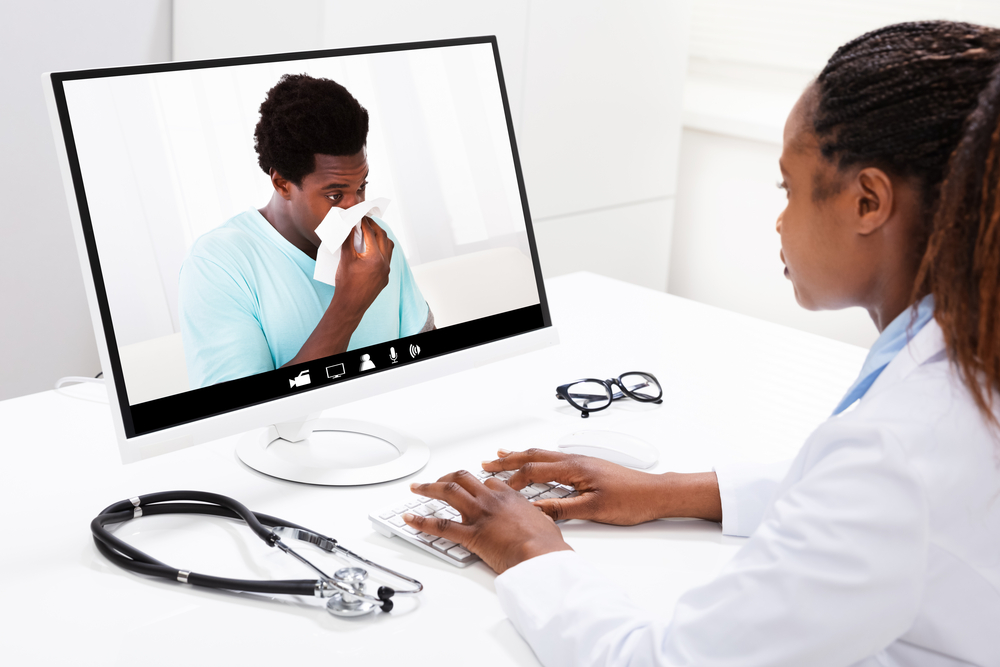
Telemedicine has transformed patient care, especially in the context of infectious disease management. It reduces the need for in-person visits, thereby decreasing the viral exposure for both patients and medical staff. Telemedicine facilitates a bidirectional relationship between patients and healthcare providers across different geographical locations. It supports the evaluation and management of patient conditions, making healthcare services more accessible, especially in remote areas or situations where direct patient-physician contact is challenging. Furthermore, telemedicine platforms allow for the sharing of patient information and treatment strategies among healthcare professionals, enhancing the collaborative management of diseases.

Mobile Health Applications

Mobile health (m-health) technologies have shown significant promise in enhancing public health responses to infectious diseases. These applications support a wide range of functions from disease monitoring and data collection to patient education and symptom management. For instance, during the COVID-19 pandemic, mobile apps were used for contact tracing, appointment booking, and remote patient monitoring. The integration of m-health with wearable devices allows for the real-time monitoring of symptoms, which is crucial for early detection and timely treatment of diseases. Moreover, mobile apps facilitate the dissemination of health information, helping to control the spread of misinformation and improve public health education.

The use of technology in managing infectious diseases through EHRs, telemedicine, and mobile health applications represents a comprehensive approach to enhancing disease surveillance, improving patient care, and ensuring timely public health responses. As these technologies continue to evolve, their integration into health systems is vital for managing current and future infectious disease challenges.

Policies and Regulations in Infection Control

Understanding CDC Guidelines

Healthcare workers play a crucial role in preventing the spread of infections by adhering to guidelines set by the Centers for Disease Control and Prevention (CDC). The CDC has established two tiers of precautions to effectively manage and prevent infections within healthcare settings. The first tier, known as Standard Precautions, is applied to the care of all patients, regardless of their infection status. These precautions include basic measures such as hand hygiene and the use of personal protective equipment (PPE) to block the transmission of pathogens.

The second tier, Transmission-Based Precautions, is specifically used for patients who are known or suspected to be infected with pathogens that require additional control measures to prevent transmission. These precautions are divided into three categories: contact, droplet, and airborne, each tailored to the specific mode of transmission of the pathogen. Additionally, the CDC provides germ-specific guidelines to further tailor preventive strategies to specific infectious agents, enhancing the effectiveness of infection control measures in healthcare settings.

Compliance with OSHA Standards

The Occupational Safety and Health Administration (OSHA) mandates several standards and directives aimed at protecting healthcare workers from exposure to infectious agents. Notable among these are the Bloodborne Pathogens standard (29 CFR 1910.1030) and the Personal Protective Equipment standard (29 CFR 1910.132). The Bloodborne Pathogens standard offers comprehensive measures to protect workers from health hazards posed by bloodborne pathogens, while the Personal Protective Equipment standard ensures that workers are properly equipped to prevent exposure to infectious diseases through appropriate barriers and respiratory protection.

OSHA also emphasizes the importance of training and resources for healthcare workers to strengthen infection control practices. This includes specific guidelines on hand hygiene, the proper use of disinfectants, and sterilization techniques critical for maintaining a safe healthcare environment. Furthermore, OSHA’s guidelines extend to the management of multidrug-resistant organisms (MDROs), providing healthcare settings with strategies to prevent the transmission of these challenging pathogens.

In addition to federal standards, some states have implemented their own regulations that exceed these national requirements. For example, California’s Aerosol Transmissible Diseases (ATD) standard is particularly stringent, offering enhanced protections in environments where workers are exposed to airborne pathogens.

These regulations and guidelines are designed not only to protect healthcare personnel but also to ensure that they can provide safe and high-quality care to their patients without the risk of transmitting infectious diseases. Compliance with these standards is not just a regulatory requirement but a critical component of effective infection control and patient safety strategies in healthcare settings.

Challenges and Solutions

Addressing Resistance to Change

Infection prevention and control (IP) efforts often face resistance from healthcare teams due to discomfort, fear of the unknown, or reluctance to alter established routines. Understanding the root causes of resistance is crucial for fostering a climate of trust and acceptance. Lewin’s force field analysis can be instrumental in this context, providing a structured method to assess the driving and restraining forces affecting behavior changes. Engaging team members through the stages of “unfreezing,” making the change, and “refreezing” the new process helps in solidifying new behaviors that enhance patient care. Regular inclusion of discussions about resistance in staff meetings can further improve compliance and facilitate sustainable change.

Overcoming Resource Limitations

Resource constraints, including limitations in research, funding, and access to cutting-edge technology, pose significant challenges to IP programs. The Infrastructure Report and the APIC IP Competency Model suggest focusing on prioritized areas to create a reliable design for best practice IP programs. Addressing resource gaps in settings like nursing homes and outpatient facilities is essential. These areas often receive less attention yet are critical for comprehensive infection control. Investing in research to define the ideal components of IP programs can lead to more effective and efficient infection prevention strategies across the healthcare continuum.

Enhancing Team Coordination

Effective infection prevention requires seamless coordination among diverse healthcare teams. This coordination is often hindered by varied work schedules, hierarchical structures, and communication barriers. Implementing collaborative technologies such as videoconferencing and digital shared file storage can significantly improve how healthcare providers connect with each other and with patients. Programs like TeamSTEPPS enhance team communication and are vital for fostering a culture of high performance and patient-centered care. Moreover, comprehensive training tailored to the workforce diversity and facility type is crucial for ensuring that all team members are proficient in infection prevention practices.

Conclusion

Throughout the exploration of effective case management in infectious disease control, this article has underscored the multifaceted approaches essential for mitigating the transmission of communicable diseases. From the critical roles of healthcare workers in implementing hand hygiene, personal protective equipment, and isolation techniques, to the rise of technology in enhancing disease surveillance and patient care, the discussions have illuminated the comprehensive strategies required to confront infectious diseases. Moreover, the emphasis on patient-centric approaches and the significance of adhering to CDC guidelines and OSHA standards reinforce the article’s central thesis: that effective case management is paramount in enhancing patient safety and public health.

Please also review AIHCP’s Case Management Certification and see if it matches your academic and professional goals

The challenges faced in infection prevention, including resistance to change and resource limitations, highlight the ongoing need for innovation, collaboration, and education within the healthcare sector. Addressing these challenges through interdisciplinary teamwork, advanced technology, and robust policies not only strengthens current infection control measures but also prepares the healthcare system for emerging threats. As the landscape of infectious disease continues to evolve, the significance of the findings and arguments presented in this article cannot be overstated, urging a sustained commitment to effective case management and infection control practices. This commitment is essential for safeguarding the health and well-being of populations worldwide, suggesting further research and action in this critical area of public health.

If you are a healthcare professional or nurse and are interested in becoming a certified case manager, then please review The American Academy of Case Management and AIHCP’s Healthcare Case Management Program.  The program is online and independent study and open to qualified professionals seeking a four year certification in Case Management.

FAQs

What does effective case management involve?

Effective case management involves a systematic process comprising four core components: intake, needs assessment, service planning, and monitoring and evaluation. These steps ensure that all aspects of a client’s care are addressed efficiently and effectively.

What are the seven core functions of case management?

The seven core functions of case, which provide a comprehensive framework for managing client care, include:

  1. Screening and case intake.
  2. Assessment and evaluation.
  3. Risk evaluation.
  4. Planning and establishing goals.
  5. Implementation.
  6. Monitoring and review.
  7. Outcome evaluation.

How is case management applied in healthcare for diseases?

In healthcare, case management refers to the coordinated planning, processing, and monitoring of services provided to a patient by a team of healthcare providers. This system is designed to efficiently meet the patient’s health needs while also controlling costs.

What are the different types of case management models?

There are four main types of case management models, each with a unique approach:

  1. The brokerage case management model, which focuses on linking clients with community resources.
  2. The clinical case management model, which integrates care across different healthcare providers.
  3. The strengths-based clinical case management model, which emphasizes the client’s strengths and capabilities.
  4. The intensive case in management model, which is used for clients needing a high level of support.

These models provide various strategies and frameworks for managing cases effectively across different settings and client needs.


Additional Resources

nfection Control Basics” (2024). CDC. Access here
Marcu, A. & F, J. (2009). “A comprehensive infectious disease management system”. Stud Health Technol Inform. 2009:143:364-7.  Access here
Torrey, T. (2023). “Overview of Disease Management”. VeryWellHealth. Access here
Faxon, D., et, al. (2004). “Improving Quality of Care Through Disease Management: Principles and Recommendations From the American Heart Association’s Expert Panel on Disease Management”. Circulation. AHA/ASA Journals. Access here