How Case Managers Coordinate OTP Care

Bottle of pills left open

Written by Jackson KM

Opioid abuse. Opioid overdose. Opioid addiction. You may have come across these terms a couple of dozen times if you’re a healthcare professional. That’s especially if you keep close tabs on industry news.

A real crisis continues to unfold, not only in the US, where over 130 people die every day from opioid-related overdoses, but also around the world. The scale is huge. Research from the UNODC and CDC shows more than 16 million people globally suffer from opioid use disorder—over two million in the US alone as of 2021.

Coordinating care for this group is complex work for case managers. They guide referrals to treatment programs that fit each person’s needs and situation. They bridge gaps when resources or access fall short. They also track recovery through sometimes messy setbacks or relapses.

Staying organized helps, but there’s more to it than keeping tidy notes or making reminder calls. There are critical checkpoints. Decisions need context. Every patient story adds nuance.

Let’s break down how case managers actually coordinate comprehensive care—step by step—and what details make all the difference.

Understanding the Basics of OTP Care: An Overview

OTP here is not to be confused with Outpatient Therapeutic Programs, which focus on caring for malnutrition-affected children in communities.

Many patients struggling with opioid use disorder find their path to recovery shaped by more than medication. Easy access, clear expectations, and a strong support system can mean the difference between staying in treatment and falling through the cracks and relapse.

Reliable opioid treatment programs deliver structured daily dosing for medications like methadone or buprenorphine, combined with counseling and regular monitoring. Intake starts with medical screenings and a review of prior substance use history.

Each patient must also meet strict federal qualifying criteria before getting started. For those new to this area, you can reference an overview that spells out these criteria. It should at the very least detail medication choices and explain intake steps on day one, ensuring your approach fits real needs right away.

Key Medications Used in Treatment

Managing opioid use disorder requires more than just willpower or support groups. Medication plays a central role for most patients. The right drug reduces cravings. It curbs withdrawal and helps the brain recover stability.

Some medications act like opioids themselves but with controlled, safe dosing to prevent the rush that leads to addiction. These are called agonists. Others work by blocking opioid receptors entirely so that if a patient uses again, the drug has little effect. These are known as antagonists.

Understanding these options matters because each path offers distinct benefits and challenges depending on a patient’s history and current needs.

When you break it down, some major medications include:

Methadone

A full opioid agonist, methadone is perhaps the most popular of its kind. It binds to brain receptors much like heroin or prescription painkillers, but in a managed way. With careful daily dosing and close supervision, it prevents withdrawal symptoms and significantly reduces cravings.

Buprenorphine

Buprenorphine, a partial agonist, works by attaching to opioid receptors too, but produces milder effects than full opioids. It lowers the risk of overdose and can be prescribed in outpatient settings, making it a flexible choice for many patients.

Naltrexone

Unlike the others, this one is an antagonist. Naltrexone blocks opioid receptors completely, stopping any high from opioids. It works best for patients who are already detoxed and can be taken as a daily pill or a monthly injection.

Navigating Patient Intake and Screening Tools

Upon receiving an opioid use disorder referral, case managers know the next steps shape everything that follows. Every patient starts with a confidential interview covering:

  • Drug history,
  • Mental health background,
  • Social factors,
  • And previous treatments.

Standardized screening tools help sort out substance severity and other health concerns quickly. Many clinics rely on assessments like the Clinical Opiate Withdrawal Scale or the ASAM Criteria for medical necessity.

These details matter for more than paperwork. Accurate intake sets expectations for care planning. Moreover, solid documentation guides medication choice and determines what extra supports might be needed along the way.

Addressing Eligibility and Certification Checks

Proper certification stands as a non-negotiable in this field. Federal and state rules tightly govern who can offer opioid treatment services, so verification is more than a box to tick. Case managers thus review licensure, DEA numbers, and program status before any referrals proceed.

Eligibility for patients involves checking:

  • Recent opioid use history,
  • Age requirements,
  • Pregnancy status,
  • Previous treatment attempts,
  • And other medical considerations.

A clear understanding of these criteria ensures only qualified individuals receive care while programs stay compliant with all regulations.

Methadone versus Buprenorphine: Choosing a Path

While on treatment for opioid addiction, some patients need daily supervision to stay safe. Others manage better with more independence.

Methadone requires visits to specialized clinics for monitored dosing, often each day at first. Buprenorphine can be prescribed in primary care or mental health offices, sometimes allowing take-home use.

There are also additional factors case managers should consider, like:

  • Substance severity
  • Past relapses
  • Medical history
  • Patient preference.

All help guide which medication path best supports sustained recovery.

Handling Legal and Consent Requirements under 42 CFR Part 2

Protecting patient privacy is central when managing opioid treatment. Federal law—specifically 42 CFR Part 2—strictly controls how and when substance use records can be shared, even among healthcare providers.

Patients must sign detailed consent forms before information leaves the clinic. Any unauthorized disclosure of substance use disorder (SUD) information could trigger severe penalties for both staff and organizations.

Case managers stay up to date with legal standards, always confirming that documentation meets regulatory expectations before releasing any details about a patient’s care or history.

Overcoming Common Barriers: Transportation, Cost, and Stigma

OTP patients often face a myriad of challenges beyond cravings and withdrawal.

For instance, getting to daily clinic visits can be tough without reliable transportation. Treatment costs may put care out of reach for those with tight budgets or no insurance. Stigma around opioid use adds another layer of difficulty… sometimes discouraging people from even seeking help.

Case managers connect clients with ride services, funding programs, or supportive community networks to reduce these obstacles so recovery stays possible.

Supporting Special Populations: Pregnant Patients, Veterans, Low-Income Groups

Complex social and medical needs shape how care is delivered for certain groups in opioid treatment. Addressing barriers goes beyond standard protocols and requires coordination with specialized services that support better outcomes.

Pregnant Patients:

Care teams must balance fetal health and maternal stability. Methadone is often preferred due to established safety records, while regular monitoring helps catch complications early for both mother and child.

Veterans:

Veterans face high rates of chronic pain or mental health issues from service-related experiences. Case managers partner with VA resources for trauma-informed counseling, alternative therapies, and housing support when needed.

Low-Income Groups:

Limited insurance coverage means more obstacles to paying for medication or transportation. Programs offering sliding-scale fees, public transit vouchers, or community grants bridge access gaps so cost does not block essential care.

Tracking Progress with Practical Follow-Up Metrics

No one wants to simply refer a struggling patient out and call it a day. That’s not good practice or compassionate care. Ongoing support makes all the difference in long-term outcomes.

Case managers use several strategies to stay involved:

  • Scheduled check-ins: Regular phone calls, clinic visits, or video sessions track medication adherence as well as personal challenges.
  • Monitoring relapse risk: Urine screens and self-reported data flag setbacks early so interventions happen before full relapse.
  • Adjusting support plans: What if someone’s circumstances change, like housing loss or perhaps a new mental health diagnosis? With follow-up, plans can shift quickly to keep recovery stable without missing a beat.

Besides building trust, such an approach helps prevent people from falling through cracks as they navigate treatment.

Building Community Resource Connections for Lasting Recovery

Care extends well past the clinic walls. Recovery happens in everyday settings—at work, at home, and in community spaces where support systems matter most.

Case managers develop partnerships with local organizations to connect patients with opportunities like:

  • Job training,
  • Housing programs,
  • Food assistance,
  • Childcare resources,
  • And more.

The goal is stability that reinforces clinical progress made during treatment.

When people lose access to these supports, relapse risks climb fast.

Collaboration with social workers or peer mentors keeps care personalized and ongoing. These links also give case managers insight into a patient’s day-to-day realities outside formal healthcare settings. And, real-time feedback helps spot gaps early and prevent disruptions before they threaten recovery progress.

Practical partnerships create safety nets so patients have backup when challenges come up—a necessary piece of any comprehensive opioid use disorder care plan focused on lasting change.

Staying Adaptive in a Changing Opioid Treatment Landscape

Case managers now face shifting rules, changing patient needs, and an expanding menu of therapies every year. Building new skills, learning local resources, and connecting with fellow professionals never loses relevance. What worked yesterday might not serve tomorrow’s patients.

A flexible approach is essential for effective care. As our understanding deepens and best practices evolve, one thing is for sure. Continued focus on coordinated opioid treatment keeps the door open to better outcomes for everyone involved—patients, providers, and communities alike.

References:

  1. Wang, S., He, Y., & Huang, Y. (2025). Global, regional, and national trends and burden of opioid use disorder in individuals aged 15 years and above: 1990 to 2021 and projections to 2040. Epidemiology and Psychiatric Sciences, 34, Article e32. https://doi.org/10.1017/S2045796025100085
  2. Health Resources and Services Administration. (n.d.). Opioid crisis. https://www.hrsa.gov/opioids
  3. Centers for Disease Control and Prevention. (n.d.). About opioid use during pregnancy. https://www.cdc.gov/opioid-use-during-pregnancy/about/index.html
  4. Dydyk, A., Jain, N., & Gupta, M. (2024). Opioid use disorder: Evaluation and management. In StatPearls. StatPearls Publishing. https://www.ncbi.nlm.nih.gov/books/NBK553166/
  5. Wesson, D. R., & Ling, W. (2003). The clinical opiate withdrawal scale (COWS). Journal of Psychoactive Drugs, 35(2), 253-259. https://nida.nih.gov/sites/default/files/ClinicalOpiateWithdrawalScale.pdf


Author Bio:

Jackson KM is a passionate writer and former microbiologist who contributes to numerous health publications. With a deep love for sharing healthcare inspiration, he blends scientific insight with engaging storytelling to empower readers and spark curiosity whenever the opportunity arises.


Please also review AIHCP’s Case Management Certification program and see if it meets your academic and professional goals.  These programs are online and independent study and open to qualified professionals seeking a four year certification

The Importance of NEMT Services for Seniors and Individuals with Disabilities

Elderly man in wheel chair using an assistance lift to enter a vanWritten by Catherine Alvarez,

Non-Emergency Medical Transportation (NEMT) services are critical for seniors and people with disabilities. NEMT ensures that these individuals are able to keep vital appointments for the benefit of their health care, independence, and community engagement. NEMT is not just about moving somebody from one place to the next; it has various positive effects on its clients.

This article aims to explain the value that NEMT brings to those who most need its services. Read on to learn more.

Accessibility and Convenience

Transportation barriers are one of the main factors that significantly impact access to healthcare. Approximately 3.6 million Americans fail to keep medical appointments annually due to transportation issues.

Mobility challenges can make traditional transportation options nearly impossible to navigate for seniors and individuals with disabilities. Public transit systems often lack accessibility features, such as ramps or space for wheelchairs, and ride-sharing services may not cater to these individuals’ specific needs.

NEMT services address these deficits by having specially designed vehicles equipped with ramps, lifts, and other features that guarantee a safe and comfortable ride. NEMT services also provide frequent door-to-door support. In other words, drivers are trained to help passengers from their homes to the vehicle and back again when the trip is complete.

Through specialized solutions like NEMT scheduling software, these services have become more efficient and accessible by meeting the growing demand for reliable transportation. That is crucial for people who may be unable to manage their transportation on their own.

Safety and Comfort

Safety is one of the building blocks of NEMT services. Providers ensure this by seeing to it that their vehicles are well-maintained and the drivers are appropriately trained. This training will prepare them for securing wheelchairs, managing medical equipment, and caring for mobility-impaired passengers. Such knowledge can bring peace to families and caregivers, knowing that their loved ones are safe in the hands of NEMT personnel.

Another very important factor is comfort. NEMT vehicles are built with the passenger in mind to ensure they are at ease. The clean, spacious, and climate-controlled vehicle interiors make all the difference. Medical appointments are painless and hassle-free, especially for clients with chronic conditions or physical issues.

Cost-Effectiveness

One of the best things about NEMT services is its affordability, particularly for seniors and individuals with disabilities who often live on fixed incomes. Traditional transportation options, like taxis and ride-sharing services, can be costly, especially for frequent trips.

Many NEMT providers accept Medicaid, Medicare, and private insurance, which can significantly reduce or eliminate out-of-pocket expenses for eligible passengers. For those without insurance coverage, NEMT is still a more affordable option than other transportation forms, especially NEMT services that offer flat-rate pricing. That makes it easier for clients to budget for their transportation needs. This accessibility ensures that financial concerns do not become a barrier to receiving essential care.

Promoting Independence

Independence is something very important for seniors and people with disabilities. Reliable transportation allows them to manage their schedules and continue living in their own homes, as well as reduce the need for institutional care or constant reliance on family members.

This autonomy has long-term effects on strengthening their mental and emotional well-being. By enabling self-reliance and giving them control over their lives, NEMT helps clients maintain independence and confidence.

Ensuring Access to Healthcare

One of the best things about NEMT services is ensuring reliable access to healthcare. For people with chronic conditions or who require regular treatments, missed medical appointments can have serious consequences.

NEMT ensures that seniors and individuals with disabilities can schedule NEMT transportation to attend doctor visits, therapy sessions, dialysis treatments, and other essential appointments without delay. A study conducted by the Medical Transportation Access Coalition (MTAC) shows that Medicaid beneficiaries with access to NEMT are more likely to keep their medical appointments, leading to better health outcomes.

This consistency in healthcare access improves health outcomes and reduces emergency room visits and hospitalizations. NEMT services are often the only option for medical transport for people in rural areas, which usually have limited public transportation.

Relieving Caregiver Stress

Caregivers often bear the responsibility of coordinating transportation for those they look after, which can be both time-consuming and stressful. NEMT services alleviate this burden by providing dependable, professional transportation solutions. That lets caregivers focus on other responsibilities while trusting that those under their care receive safe and reliable transportation.

By reducing logistical challenges, NEMT services enhance the caregiving experience and ensure that individuals can access the services they need without placing additional strain on their support systems.

The Role of Technology in NEMT

Technology has revolutionized the NEMT industry, making services more efficient and user-friendly. Modern solutions like NEMT transportation software have streamlined scheduling, optimized routes, and improved communication between providers and passengers. These tools enable providers to reduce wait times, ensure timely pick-ups and drop-offs, and offer real-time updates on trip status.

These technological advancements mean greater convenience and peace of mind for passengers. Features like automated reminders and GPS tracking provide a seamless experience, ensuring transportation is as efficient and stress-free as possible.

Empowering Lives Through Mobility

NEMT services are more than just a transportation solution—they are a gateway to better health, greater independence, and richer social lives. As the aging population grows and the need for specialized transportation increases, the role of NEMT will only become more critical. By addressing transportation barriers and leveraging technological advancements, these services continue to empower seniors and individuals with disabilities to lead fulfilling, connected lives.

Reliable transportation enables people to access care, connect with their communities, and maintain a sense of independence. With innovations like NEMT scheduling software enhancing service delivery, the future of NEMT is bright, promising improved access and quality of life for those who depend on it most.


Author’s Bio:

A writer by profession, Catherine Alvarez has written extensively on the subjects of health, medicine, and life sciences. Her work has been published across many news and information websites and publications. In her free time, she enjoys hiking, surfing, and traveling across the contiguous US states. She dreams of retiring in Montpellier in France someday. Passionate about sustainability, Catherine also advocates for eco-friendly practices and enjoys exploring new green technologies. Known for her engaging and informative writing style, she is committed to making complex topics accessible and relatable to a wide audience.


Please also review AIHCP’s Case Manager Certification program and see if it meets your academic and professional goals.  These programs are online and independent study and open to qualified professionals seeking a four year certification

Case Management Strategies for Optimizing CPAP Therapy in Sleep Apnea Patients

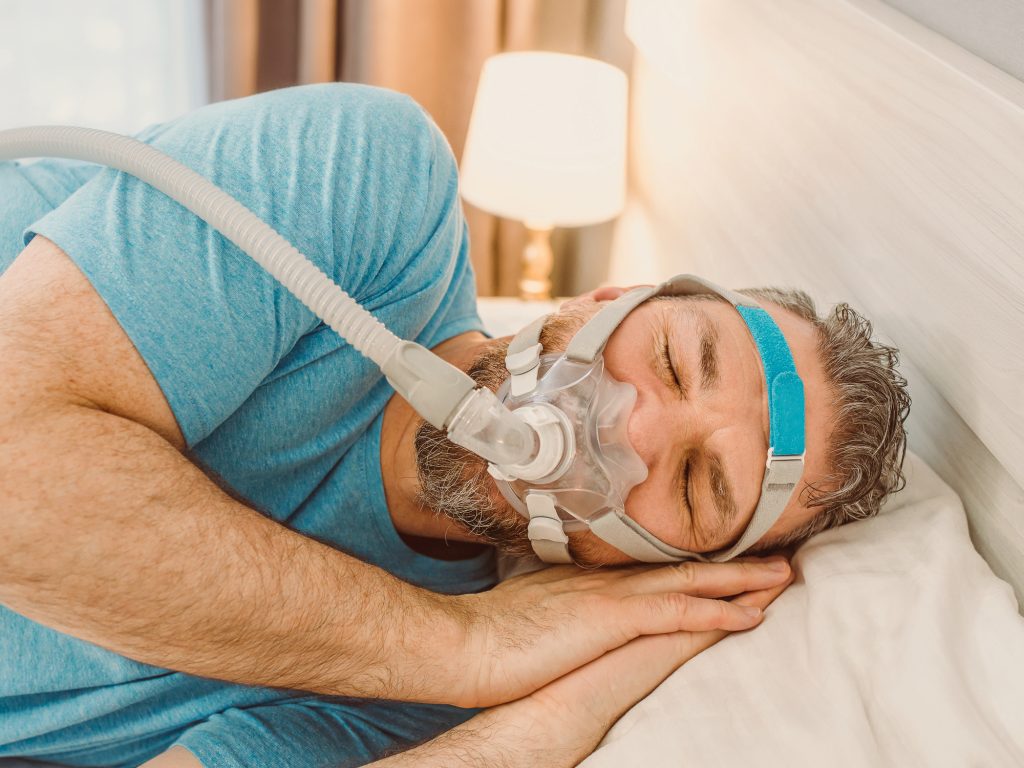
Man sleeping restfully with a CPAP machine onWritten by Lauren N. Ray

Alright, let’s dive into the world of CPAP therapy for sleep apnea. This isn’t your usual drab medical guide; we’re going to keep things lively and straightforward. Buckle up, because here’s everything you need to know about optimizing CPAP therapy with some practical, off-beat tips thrown in.

What Exactly is CPAP Therapy?

CPAP, or Continuous Positive Airway Pressure, is the superhero of sleep apnea treatments. It involves a nifty little machine that blows just enough air to keep your airways open while you snooze. Think of it as your personal night-time air supply keeping you breathing easy.

Now, if you’re wondering about the best travel CPAP machine or the best online CPAP supplier, we’ll get to that. These can make a huge difference, especially if you’re often on the go. Travel CPAPs are designed to be compact and efficient, making it easier to stick to your therapy even when you’re away from home.

Why Case Management is a Big Deal?

Sure, the CPAP machine is cool, but without proper case management, it’s just another gadget gathering dust. Good case management ensures that patients use their CPAP machines and get the most out of them. It’s all about personalized care, regular check-ins, and tackling any hiccups along the way. For instance, knowing what to do with old CPAP hoses can prevent unnecessary hassles and ensure you have the best equipment in top condition.


Kicking Things Off: The Initial Assessment

First things first: understanding what the patient needs. Here’s how we kick things off:

  • Picking the Perfect Mask: There’s a mask for everyone—whether you’re a nose breather, mouth breather, or somewhere in between. Nasal masks, full-face masks, nasal pillows—each has its vibe. Finding the right fit can make a world of difference.
  • Getting the Pressure Right: Setting the right air pressure is crucial. Some machines adjust automatically, which is super handy, but sometimes manual tweaking is needed to get it just right. And while we’re at it, let’s clear up some confusion between VPAP vs BiPAP. VPAP (Variable Positive Airway Pressure) and BiPAP (Bilevel Positive Airway Pressure) both offer two levels of pressure, but the key difference lies in their specific applications and adjustments. Knowing which one suits the patient’s needs can significantly impact the therapy’s success.

School’s in Session: Patient Education

Now, let’s talk about education. Patients need to know the ins and outs of CPAP therapy. Here’s the lowdown:

  • How CPAP Works: Break it down simply—CPAP keeps your airway open so you can breathe easily. No rocket science here.
  • Using and Maintaining the Gear: Show them how to use the machine, adjust the mask, and keep everything clean. A little maintenance goes a long way. Ever wondered how long does a 5 liter oxygen concentrator last? It’s the same principle here—understanding equipment longevity and proper care ensures optimal performance.
  • Troubleshooting Tips: Common issues like mask leaks or dry mouth? No biggie. Equip patients with quick fixes and hacks to keep things smooth.

Keeping Tabs: Follow-Ups and Monitoring

Regular check-ins are a must. Here’s how to stay on top of things:

  • Remote Monitoring Magic: Modern CPAP machines can send usage data to healthcare providers. It’s like having a sleep coach in your corner.
  • Routine Check-Ins: Schedule those follow-ups to tweak settings, answer questions, and keep patients on track.
  • Cheerleading for Compliance: Use apps and tools to remind patients to use their CPAP machines and track their progress.


Tackling the Mind Game: Psychological and Behavioral Barriers

Getting used to CPAP can be a mental game. Here’s how to play it:

  • Counseling and Support Groups: Sometimes, a little talking helps. Support groups and counselling can make a big difference.
  • Behavioural Tricks: Incorporate strategies like cognitive-behavioural therapy (CBT) to help patients stick to their therapy and develop better sleep habits.

Embracing the Tech: Advanced Tools and Gadgets

Tech can make CPAP therapy a whole lot cooler. Here’s what to look out for:

  • Smart CPAP Machines: These gadgets come with auto-titration, heated humidification, and even Bluetooth. They’re like the smart home devices of the CPAP world.
  • Mobile Apps: There are apps out there designed to support CPAP users, offering reminders, tips, and tracking features to keep patients engaged and informed.

Overcoming Common Hurdles

Even with the best setup, patients might encounter some bumps in the road. Addressing these proactively can make a huge difference.

  1. Mask Fit Issues: Sometimes, even the perfect mask can start to feel uncomfortable. Encouraging patients to experiment with different styles or sizes can help them find the perfect fit.
  2. Dryness and Discomfort: Using a humidifier or a heated tube can alleviate the dryness caused by the constant airflow, making the experience much more comfortable.
  3. Pressure Sores and Skin Irritation: Pads and liners designed for CPAP masks can prevent these issues, making it easier for patients to wear their masks all night without discomfort.


Traveling with CPAP

For frequent travellers, CPAP therapy shouldn’t be a hindrance. Here’s how to keep up with therapy on the go:

  • Portable Machines: Invest in a travel-friendly CPAP machine. These are lighter, more compact, and often come with travel cases for easy packing.
  • Battery Packs: Look for battery packs compatible with CPAP machines. These are lifesavers, especially in places without reliable power sources.
  • Adapting to Different Settings: Educate patients on how to adjust their machines to different altitudes and environments to ensure optimal performance wherever they are.


Conclusion: Wrapping it Up

Optimizing CPAP therapy is all about personalized care, continuous support, and a touch of tech. By focusing on tailored solutions, educating patients, regular monitoring, and addressing both practical and psychological barriers, we can help sleep apnea patients live better, healthier lives. CPAP therapy doesn’t have to be a chore—it can be a seamless part of a good night’s sleep. So, let’s keep it practical, keep it real, and help everyone breathe a little easier.

With the right approach, CPAP therapy can transform from a nightly task to a vital part of a healthier, more restful lifestyle. Embrace the technology, support the patients, and watch the magic of good sleep unfold. By integrating these strategies into a comprehensive case management plan, healthcare providers can significantly enhance patient adherence and outcomes, leading to a better quality of life for those living with sleep apnea.


Some pro-pins you need to bookmark

  1. Is My CPAP Machine Pressure Right?

Wondering if your CPAP machine is working its magic correctly? Think of it like Goldilocks – not too high, not too low, but just right. Your doc usually figures this out during a sleep study. Some fancy CPAP machines even auto-adjust the pressure based on your breathing. But if you’re waking up with a face full of air leaks, a mouth drier than the Sahara, or just plain uncomfortable, the pressure might be off. Before you start fiddling with settings, give your healthcare provider a shout to keep your therapy on track.

  1. CPAP with a Cold – Yay or Nay?

Got the sniffles or a blocked nose? Keep that CPAP cranking! It’s your nighttime buddy, even when you’re under the weather. To make things comfy, hook up a humidifier to your CPAP – it’s like a spa day for your airways. Nasal sprays or decongestants can also be a big help. If your nose is totally out of commission, switch to a full-face mask that covers both your nose and mouth. You’ll keep the airflow going strong, no matter how stuffed up you feel.

  1. CPAP Equipment – When to Ditch the Old Gear

Think of your CPAP gear like a pair of running shoes – it needs regular replacing to stay effective. Masks usually need a swap every 3-6 months, while cushions and nasal pillows are good for 1-3 months. Headgear and tubing should be replaced every 6-12 months. Filters? Check them monthly and replace every 1-3 months. Keep an eye out for wear and tear, and stick to the schedule from your doc or the manufacturer to keep things running smoothly.

  1. Dealing with CPAP Mask Skin Irritation

Got CPAP mask irritation giving you grief? Let’s fix that. First, make sure your mask fits like a glove – not too tight, not too loose. Mask liners or pads can act as a buffer between your skin and the mask. Keep it clean! Wash your mask daily with mild soap and water to avoid grime buildup. If your skin’s still cranky, it might be time to try a different mask style or material. And of course, your healthcare provider is always there for personalized tips and tricks.


Lauren N RayAuthor Name: Lauren N. Ray

Background: As a certified sleep therapist and CPAP machines expert with over a decade of experience, I employ advanced diagnostic tools and treatment methods to transform sleepless nights into restful slumbers, dedicating myself to promoting good sleep hygiene and helping individuals overcome sleep challenges to achieve better health

Social Links:


Please also review AIHCP’s Case Management Certification program and see if it meets your academic and professional goals.  These programs are online and independent study and open to qualified professionals seeking a four year certification.

What are the Biggest Data Security Risks in the Healthcare Industry?

Padlock and keyhole in a printed circuit. Digital illustration.Written By Lucy Peters

The current global health crisis is doing more than wreaking physical havoc; it is also affecting data security, exposing potentially sensitive patient data and putting the efficient functioning of healthcare organizations at risk. In some parts of the world, there has been a 150% increase in cyber attacks in recent months, with the stress of the pandemic causing many organizations to lose sight of cyber security at a time in which it is most under threat from new advancements in AI and other technologies that make attacks swifter and wider in scope. What are the main threats to data security in the healthcare sector and what steps can be taken to reduce them?

Phishing Attacks

Prior to the COVID-19 outbreak, many organizations – including the Oregon Department of Human (ODHS) Services – fell prey to phishing attacks. Indeed, the latter suffered a breach affecting some 645,000 patients, compromising over two million emails after just nine employees responded to a phishing email. In order to counter this threat, organizations need to rely on technology such as multi-factor authentication to prevent malicious emails from making it to employees’ inboxes. Employee training is equally important in preventing cyber attacks; in some organizations, simulated phishing software is being used to train and test employees’ abilities to respond to such a threat. Investing in training is a highly efficient way to combat a problem that is costing companies hundreds of billions of dollars every year.

Insider Breaches

Research by Egress has found that about 63% of healthcare data breaches are caused by human error, while around 20% are caused by sending information to the wrong recipient. The famous UW Medicine breach (which exposed the data of around 947,000 patients) was caused by a misconfigured server that made private documents accessible to the public. Healthcare organizations should set up identity access management rules to be followed strictly by staff. They should also implement controls covering the printing of sensitive documents. New content aware print management tech tracks information on who printed a document, where it was printed, and the contents of a document. This can boost compliance and minimize security breaches.

Cloud Security

Research by MarketsandMarkets indicates that the cloud model is increasingly appealing for healthcare decision makers, as most organizations need solutions to deal with an exponential growth of patient data. The benefits of the cloud are indubitable, yet alongside them comes a host of new threats — including malware and ransom attacks. Solutions to the problem include performing regular backups (these should be stored offline or in a separate network from the main one), encryption, and the conduction of a full cyber risk assessment on all third party vendors and contractors.

The healthcare industry is increasingly relying on digital sources for the storing of sensitive data. Some of the main threats it faces include phishing, insider breaches, and cloud security issues. These can be tackled both through education of personnel and through the adoption of effective solutions such as efficient IT management services, a regular backup system, encryption, and the reliance on a professional IT team that is on the beat when it comes to new developments in cybersecurity threats – including AI-based threats.


Please also review AIHCP’s Case Management program and see if it matches your academic and professional goals.  The program in online and independent study and open to qualified professionals seeking a Case Management Program

Case Management Certification Article on HCAHPS Scores

Secure Your Score: A Few Tips to Improve Your Practice’s HCAHPS Score

Something healthcare practitioners should give a lot of attention to is the HCAHPS. This acronym stands for Hospital Consumer Assessment of Healthcare Providers and Systems. This is a survey that is filled out by patients to indicate their satisfaction or lack thereof with the services rendered at a medical facility. You can think of HCAHPS as a performance review performed by actual patients.

Hcahps is required by CMS, the Centers for Medicare and Medicaid Services. It is used for all hospitals in the United States. It is performed over the phone after a patient is discharged. The results of these surveys become part of the public record and are used by the government to determine reimbursement for that facility. It’s extremely important to receive good scores on this survey. Below are a few tips you can use to improve your practice’s HCAHPS scores.

Make Your Team Cognizant of HCAHPS

Obtaining high scores on HCAHPS requires good communication among all the staff members of a medical facility. It must be communicated to nurses, doctors and other staff members that HCAHPS is a strong priority. They must be made aware of the scores that have been received. There should be an open dialogue on how to improve scores and ways different staff members can do their part to improve the patient experience. Consider having staff meetings about HCAHPS specifically especially if low scores are an issue.

Treat Patients with Respect and Courtesy

Low HCAHPS scores may be an indication that patients believe they are not being treated with the right amount of respect and courtesy by nurses, doctors and others that work in a medical facility. The first question on the survey in fact regards the courtesy shown to a patient by nurses. Lack of respect and courtesy as perceived by the patient can throw off the entire score.

Sometimes, there may be a difference in perceptions regarding an interaction between a healthcare professional and a patient. Just because the healthcare professional believes the interaction went well does not mean the patient feels the same way. In this case, some additional training may be required. The patient should be properly greeted, and the healthcare professional should maintain eye contact with that patient. Having a friendly demeanor and making small talk can also go a long way with helping to improve patient satisfaction.

Listen to Patients

Another important question on the HCAHPS survey regards whether or not a patient was listened to properly. Listening is an important part of the healthcare process. It is one of the ways healthcare professionals like nurses and doctors gather evidence to help make informed decisions regarding patient care. Patients may be experiencing specific symptoms that they find very worrying. If a healthcare professional does not properly listen to what patients have to say and instead interrupts or ignores them, this can be very distressing.

Communicate Clearly with Patients

Listening is only part of proper communication with patients. You also need to be able to explain medical conditions, care plans, tests, prescriptions, etc. In a way that the patient understands. Whether or not this communication was clear enough is also something that is scored on the HCAHPS. Try to avoid technical medical jargon and explain things in ways that individual patients can comprehend. Don’t be afraid to use tools to help educate patients either. A DVD with animations that demonstrate how a certain medical procedure is performed can be an effective teaching tool.

Overall, HCAHPS is important. If you don’t receive good scores, you have an issue that must be immediately addressed. Improving HCAHPS scores isn’t only important because it’s used as a measuring tool by CMS. If you want to be a good healthcare practitioner, patients should feel satisfied with the care they receive in your facility.


Please also review our Case Management Certification