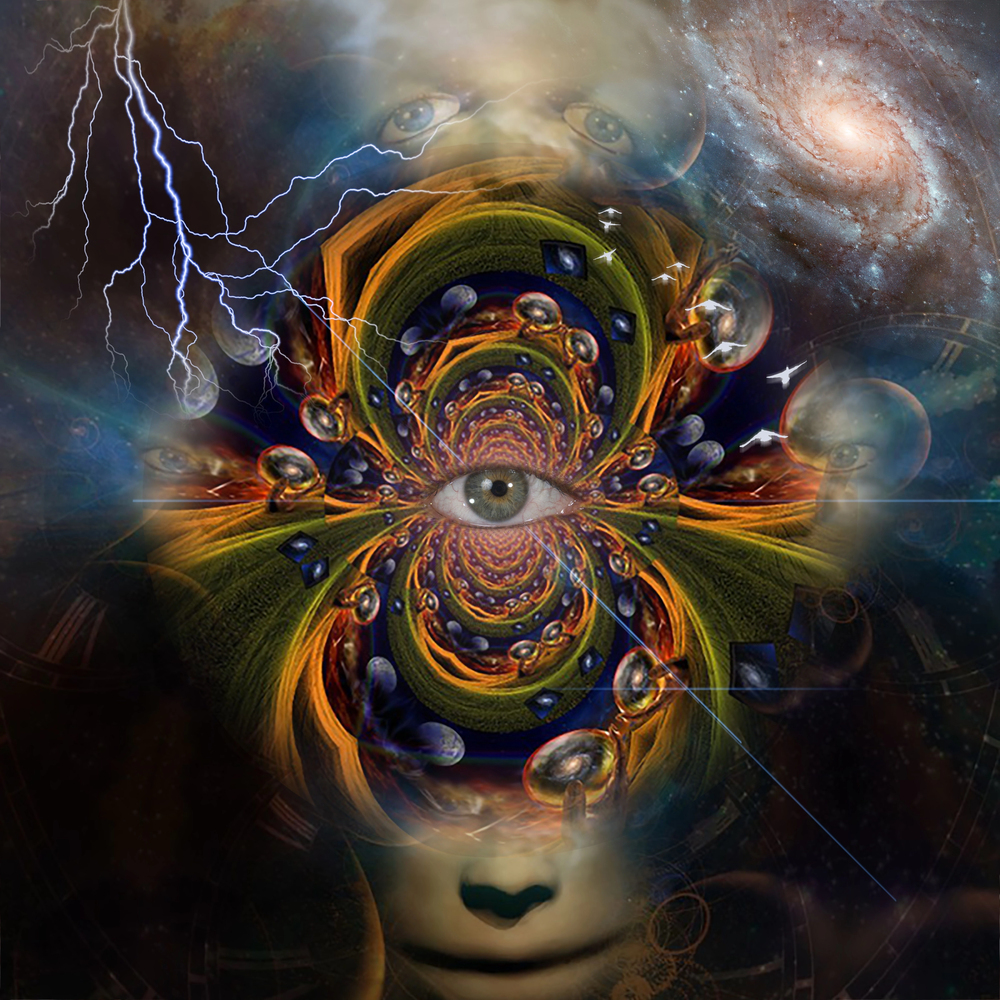
Dreaming is essential to human health. When deep sleep such as REM or Rapid Eye Movement occurs, the brain waves of theta and delta occur in deep sleep. It is within these deep states that the brain and body replenishes itself with proper rest. Within the brain, critical storage and processing occurs that reviews various events, consolidates memories and removes waste products within the brain. Hence during the various cycles of sleep, both non-REM and the REM, the brain resets and restores the brain and body for the next day.
During this process, the brain dreams. Most dreams are merely reconsolidation of random materials, which is why few dreams make any sense. Furthermore, due to the deep level of sleep. many dreams are never recalled or remembered but forgotten. Despite this, many believe there is more to dreaming than mere consolidation that mere random events but a deeper psychological occurrence beyond basic physiological upkeep. Psychology points out that dreams are also unresolved issues that a person deals with at the subconscious level when the conscious mind forgets or refuses to face them. In addition, many believe dreams are even more than unresolved subconscious issues but also deeper levels of spiritual communication. This has credence in all religious cultures, as well as Christianity and is an important aspect of spiritual direction and Christian Counseling. In this blog, we will review dream analysis as well as spiritual communication in dreams.
Please also review AIHCP’s Christian Counseling Certification program and see if it matches your academic and professional goals.
Psychoanalytic and Jungian Dream Analysis

Sigmund Freud and Carl Jung both believed in the mind’s subconscious effect on one’s conscious behavior and life. One of the ways the subconscious spoke out the most is during dreams. Freud emphasized that dreams were our unconscious voices reflecting wish fulfillments or repressed conscious materials (Tan, 2022). Jung believed beyond this and saw drams as reminders of what an individual should be aware of. In this way, dreams had a variety of possible messages, including a reflection of fears, wishes, repressed impulses, or possible solutions to problems (Tan, 2022). Jungian psychology emphasized the importance of dream analysis. Therapists trained in Jungian psychology help clients understand their dreams to find possible purpose or even create a better balance between their conscious and subconscious self.
Jung differentiated between the physiological process of dreaming and dreams of meaning. Little dreams were the physiological process but Big dreams were dreams of purpose that manifested from the collective conscious (Tan, 2022). These Big dreams were remembered and not forgotten throughout the life time. Some were very impactful and others reoccurred. Others possessed material from one’s darker side or Shadow side which exhibited violence or one’s more primitive desires and impulses. The Jungian therapist goal was to help the client understand the interpretation of the dream through both objective interpretation and subjective interpretation of the dream. Objectively, the therapist identifies the characters or events as themselves, while subjectively delves into how parts of the dream represent parts of the client, or how symbols of the unconscious relate to the conscious mind (Tan, 2022). Jungian psychology has a multitude of various archetypes that Jung believed transcended all of human cultures and found itself within the collective subconscious of most human beings.
In the fields of grief and trauma, dreams are considered to be ways the mind looks to heal as well as understand unresolved trauma and pain. Nightmares can be a source of trauma that is unresolved or grief issues not faced.
Christian and Biblical Dream Analysis
It not the purpose of the Christian to denounce the science of dreaming, nor counter the many logical theories on the acts of the subconscious mind, but these truths need to be held within the constructs of the Christian world view itself. While many subconscious elements of the psyche emerge during dreaming through grief, unresolved trauma, and various nightmares, Christians believe that not all dream source material originates from the self.

Biblical sources are very clear that dreams are not merely the subconscious reflecting on itself but also the subconscious and soul communicating with the supernatural. Since the brain and mind is not only material but also metaphysical, it connects with the soul and the soul as a spiritual being is open to communication beyond the mere physical. One merely needs to review the many stories in Scripture where God, or angels spoke to individuals about important events. The dreams of Joseph in the Old Testament, as well as his ability to interpret dreams to the Pharaoh illustrate the ways God communicated and spoke through dreams In addition, one can see the importance of divine communication in the dreams of St Joseph to flee Egypt, as well as the dreams to the Magi to avoid King Herod on their journey home (Mat: 1: 18-2:23). These examples serve but a small example of dreams and their use in Scripture. Dreams can hence serve as symbolic visions in the subconscious state, warnings, prophecy, as well as guidance and protection in Scripture.
Some may ask why does God sometimes choose dreams over conscious interaction? We can see both examples in Scripture, where God sometimes, like in the case of Saul, consciously and physically blinds him, while in other cases, God chooses more subtle forms of persuasion. Dreams are far more less abrupt on the delicate nature of the soul, they tend to whisper instead of scream, and are more gentle on free will. Most cases, the person’s spirituality level and ability to commune with God is only at the subconscious when the spiritual is most awake and alert to the voice of God. The conscious mind and its Beta waves is more alert to the senses and empirical locus while awake and is more distracted by the temporal reality, while the subconscious mind allows the soul to focus more on the metaphysical that surrounds it.
Spiritual Warfare
If the subconscious mind is more open to the Divine and angelic, it is also more susceptible to all metaphysical actors, even the bad and evil ones. While it is critically important to protect our soul and its ability to open itself while conscious to untapped sources, the mind and soul become more alert to all voices. Of course, through the protection of the Holy Spirit, a Christian can sleep well knowing God and the angels watch over, but it is at night that our soul is still open to other noises of the devil. This is why is it so important to digest good content and virtuous material before sleep, instead of immoral activity and imagery. Nightly prayer for protection should be a key part of our spirituality.
Sometimes, spiritual warfare can still occur at night. Satan can influence the mind while the soul sleeps to put into our mind images of hate, lust, anger and immorality. It can sometimes be difficult to discern if this is merely our own nature, or an outside influence, but usually dreams that are recalled and truly felt as evil, are good signs of the presence of the demonic. Where the devil cannot reach physically, he sometimes can whisper from a distance in one’s dreams. Many saints experienced not only spiritual warfare in the dream state, but also physically, but for many Christians, dreams can play an arena for spiritual warfare. The devil may seek to lash out, or tempt through sexual and sensual imagery. A Christian should take consolation that these acts are cowardly and desperate attacks by Satan and to give them to God. When the conscious mind rejects sin, Satan will sometimes attempt to enter through the subconscious, but God grants us these trials and gives one the grace to see the tactics of the enemy and to grow even stronger and more committed to adherence to His laws.
It is important when such dreams occur, upon awakening, to call upon the Holy Spirit, to chase the demon away and to bind it to the foot of the cross through Christ’s precious blood. Spiritual Directors and Christian Counselors can better help individuals interpret if these dreams were of a subconscious level or demonic level. In addition, Spiritual Directors and Christian Counselors can help guide individuals understand dreams that are from God, much the same way, Joseph and Daniel interpreted dreams in the Old Testament. This is truly a charism of the Holy Spirit to have the wisdom and understanding and counsel to help discern dreams.
One’s dreams must if from God must be separated from natural noise or deception hence it must pass various tests. Does the dream conform with Scripture and the teachings of Christ? Does the dream exalt self or God? Does the dream push us to better union with God or away from God? Has the dream been discussed with other spiritual advisors on its meaning? While there are many interpretive language in dreams, one must ultimately submit one’s will to God’s will. If the dream matches God’s will as well as leaves a lasting and good imprint, it is more than likely something influenced by an outward source of goodness. It is by somethings fruits that will help anyone in any type of discernment. Something from self is less impactful, while something demonic grants no peace or good fruits or truth.
Conclusion

It is important to understand the basic physiology of dreaming and sleep before attempting to diagnose dreams. It is even critical to evaluate if dreams do instead stem only from the subconscious as dictated by Freud and Jung. However, as Christians, at one point we understand as spiritual beings, sometimes dreams do not just stem from ourselves but are ways of communication at a metaphysical level. Understanding if these dreams are warnings, prophecies, or guidance is essential when God speaks to us through our dreams. It is equally important to understand that we sometimes will also face the evil one in our dreams. It is important to be able to not only interpret dreams but discern them as good or evil. Christian Counselors, pastors, or Spiritual Directors who have been blessed with the charism of the Holy Spirit to interpret and discern dreams can help individuals understand what God is saying and to better heed the call of a message found in a dream.
Please also review AIHCP’s Christian Counseling Certification and see if it meets your academic and professional goals.
Additional AIHCP Blogs
Integrated Christian Counseling: Access here
Jungian Psychology. Access here
Reference
Tan, S-Y. (2022). Counseling and psychotherapy: a Christian perspective. (2nd Edition). Baker Academic, a division of the Baker Publishing Group.
Additional Resources
Bolinger, H. (2025). Is God Speaking to You in Your Dreams? Bible Study Tools. Access here
Marchiano, L. (2024). A Jungian Approach to Understanding Your Dreams. Psychology Today. Access here
Patrick, G. (2025). The Science of Sleep: Why It Matters and How Brain Cycles Restore Your Health. The Science Times. Access here
Yu, D. (2025). Ultimate Guide: How to Interpret Biblical Dreams Like a Theologian. Biblewithlife. Access here