
How To Deal With Grieving Children When A Pet Dies

Pet Loss Grief

The final ending of life is death. This concept may be easy to grasp but its effect may leave people devastated. The bond between children and their pets are unique and special. For a child his pet may provide companionship, love, entertainment, friendship etc. A child may consider his pet to be the closest living thing with which he can share his secrets, emotions, thoughts and such other feelings. Pets for children may be a perfect example of unconditional love, affection and loyalty. Children generally spend a lot of time with their pets, like playing with them, going for a walk with them, sleeping with them, watching television with them and so on. When the beloved pet of a child dies the special bond that they shared is broken and the child does not know how to tackle the situation. This article offers some suggestions for how to deal with grieving children when a pet dies.
Parents may ask how to deal with grieving children when a pet dies? The reality is there is no definite answer to this question as different children may react in different manner, depending upon the depth of the relationship that they shared with their pets, their age, and personality. A child on the death of his pet may feel sad, guilty, depressed, lonely, angry, betrayed and anxious, all at the same time. Such a situation is very tough for a child to handle and parents must provide the utmost support, understanding and sympathy.

 Feelings of Grief

In order to comfort their children parents should not give them false hopes, or try to replace the old pet with a similar looking one. The death of the pet may be a good time to reveal the true facts about life. The example of changing seasons can be a good way to make a child understand about life and death. The spring season can be compared with birth and winter season with death. Small children at first may not be ready to accept the truth and they may ask numerous questions. It is very important to answer these questions with patience and honesty.

After the death of their pets some children may exhibit drastic behavioral changes like getting angry regarding trivial matters, isolation from friends and family etc. Parents should note these changes and take time to talk with their children. Children should be encouraged to speak about their emotions, to express their fears and sorrows. Criticizing or judging a child for his reactions may not give favorable results. Grief is the natural outcome of the death of a loved one; therefore children should not feel ashamed to cry as it is a natural process to vent such feelings.

Parents must involve their children and ask for their suggestions regarding the funeral or memorial service for their pets. Family members and friends can write special massages regarding the good moments that they had spent with the pet. The child whose pet has died can be encouraged to write a good bye letter to his pet. It is very essential to make the child realize that the pet was loved by the entire family and everyone is sorry about the loss. Parents often have video recordings of special times that their children have spent with their pets. Showing such recordings can bring back the sweet memories which can be comforting for the child.

 Strategies to Deal with Pet Grief

Drawing pictures of the pet, placing a headstone at the site of burial, planting small plants in memory of the pet, donating money to charity for animals etc. are activities that a child can do in memory of his dead pet. Children may have their own ideas of what would give peace to the spirit of their dead pet. Parents should not ridicule should ideas. As a way of comforting their children parents can also share their stories of how they reacted to the death of their favorite pet or how they dealt with the situation.
Time is the biggest healer and this is the foremost point that should be considered while answering the question of how to deal with grieving children when a pet dies. With time the child will learn to live without his pet but the memory will always stay. Sympathy, love and compassion of parents can quickly heal the wounded heart of a child who has lost his or her beloved pet. To learn more about pet loss grief counseling, access here.

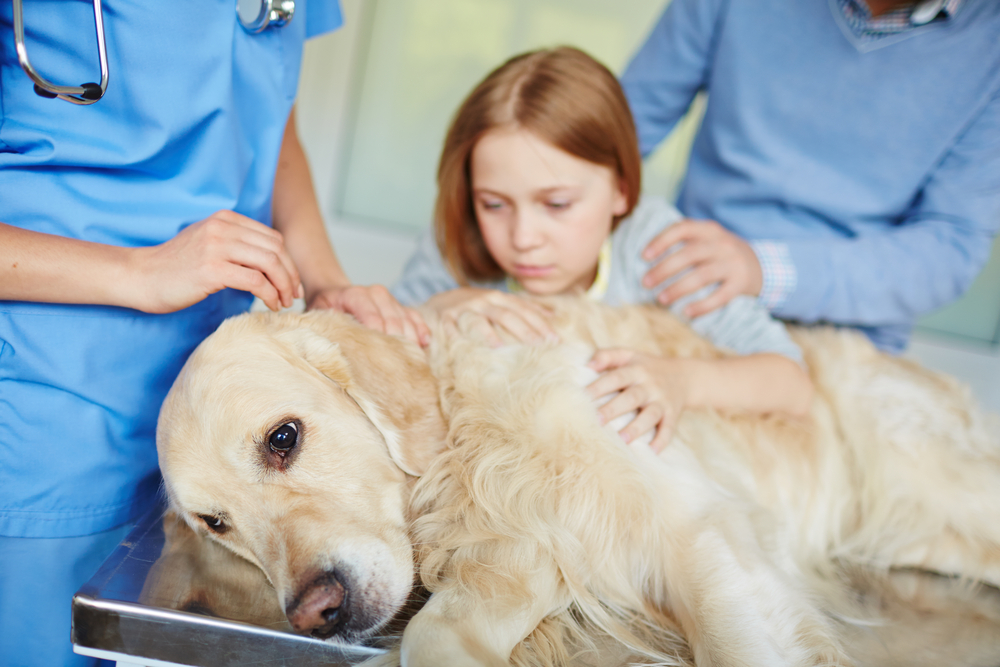
Helping People with Pet Loss Grief

Working through Pet Loss Grief

Saying good bye is a day we all dread.  Please also review AIHCP's Pet Loss Grief Support Certification

I had no idea you could go to school and get a certification for pet loss bereavement. I knew there were many people hurting about loosing there pet. I know when I lost my dog five months ago it hit me really hard. I loved my Bj like no other dog. He was 13 and he was my little baby. I still miss him now when I look at pictures of him. Thankfully I still have my cats and other dog Ike to help me get through this hard time. So I can easily see why people who don’t have anyone to talk to about the loss of their beloved pet would really appreciated speaking to someone who was skilled in pet bereavement. I decided to take the course. Helping People Deal with Their Loss I had no idea you could go to school and get a certification for pet loss grief. I knew there were many people hurting about loosing there pet. I know when I lost my dog five months ago it hit me really hard. I loved my Bj like no other dog. He was 13 and he was my little baby. I still miss him now when I look at pictures of him. Thankfully I still have my cats and other dog Ike to help me get through this hard time. So I can easily see why people who don’t have anyone to talk to about the loss of their beloved pet would really appreciated speaking to someone who was skilled in pet bereavement. I decided to take the course so I could help other people as well as helping myself. This course was helpful and very educational and I have three clients that are handling this issue right now.

Pet Loss Grief: Consider a Pet Hospice

Pet loss grief can be overwhelming, especially in the last weeks of a dying pets life. It used to be the only choice you had was to euthanize your pet if it was terminally sick or injured. Now pet hospice provides another alternative. Pet hospice has slowly been gaining acceptance in recent years, even though it has been around for a couple of decades. Based on the successful model that has been used with humans, pet hospice allows for animals to die as comfortably and as painlessly as possible in the home.
Hospice for pets can be a volunteer organization working with a veterinarian or it can be members of a vet staff that provide the education and care of terminally ill pets. Taking care of a dying pet can be very demanding. If you decide to take on this challenge, you will need to set aside time so that you can provide the necessary support to your animal. You are taught to understand the body language of your animal so that you will know if it is in distress or discomfort. Pet hospice educates you in pain management so that you will know when the appropriate time to give medications is. Usually medications are given before the pain becomes a problem. They also provide grief counseling for you and the family as you prepare for your pet to die.
If you don’t have a pet hospice near you, you can talk by phone or contact online organizations that can work with you. You always have the option to euthanize if you can’t manage the animal’s pain or if you can’t handle your pet’s suffering. Pet hospice is just another alternative that will allow your pet to die with dignity and in a peaceful environment surrounded by loved ones. When going through pet loss grief, consider seeking out the assistance of a qualified grief counselor.

Dealing with the loss of your pet

Having a pet is amazing.  There is nothing like the feeling of knowing that even after a hard day’s work, you have a buddy to come home to.  You know that when you get home, someone is waiting for you to take away your stress and worries.  And in many cases, pets often take on a more humanized role.  They become more than just a pet, but a valued family member.  It is not surprising that when we lose our pet, it can still feel like the world has ended.
Of course, going through the grieving processes is a must in order for us to move on.  But with different backgrounds and personalities, people may react differently to a pet loss and grief.  Some people react indifferently.  Some people may become violent.  And some may become extremely emotional.  But what are the best ways to deal with this kind of loss?

Burial Ceremony

Whenever we lose a beloved member of our family, we go through a burial ceremony.  We give those who knew the person a chance to tell stories about how our loved one touched that person’s life in ways that others may not have know.  We allow people to tell stories about our loved one in order to remember him or her in a good light.  We reminisce about the time when they were still with us before burying them with honor.  This same thing can be done for our beloved pets who have passed on.  A burial ceremony will allow you to give your pet a final goodbye as it passes on to the afterlife.  Pets have been known to be buried near their owners, in family plots or mausoleum, even in their gardens.  Pet cemeteries are not unheard of either.  Some places offer a peaceful resting place for your pet.  But burying your pet will help you find some peace of mind for your pet.

Taxidermy or Portrait

This is another way pet owners can commemorate their beloved furry friends.  While it might take some time and cost a little bit of money, you will be able to keep your pet near you the way you want to remember it.  You may also choose to have your pet painted or photographed.  This will allow you to put up his or her picture in your house so that you can still see it everyday.

 Grief counseling

Reaching out and talking to other people who have gone through what you are going through is probably your best bet at moving on with feeling any guilt.  You will be able to deal with the issues at hand and figure out ways to assist in your ability to heal over the loss.  While it may seem like it is a stupid idea at first, you won’t regret it.  You will be able to properly say goodbye to your beloved pet and let go of any hurt, sadness and anger you might be dealing with because of the loss.  Pet Loss grief counseling will help you cope with your loss.
What can you expect to talk about during grief counseling?
Because anyone, anytime, anywhere is able to lose a pet, there are many different topics grief counseling can go over.  If you have a child in your family that needs help dealing with your loss, grief counselors are there to give you a helping hand on how to help them grieve.  The same goes for an elderly family member who may have been attached to your pet.
Most counselors are also trained in making sure that they are not telling you what you feel.  It is also up to you to express to them what you are going through.  After all, the most important thing to do when it comes to counseling is to confront the issue at hand and look forward to getting past it.

Where can you find a grief counselor to help you with your pet loss?

Speaking to your family, friends and pastor is a good start.  But if that just does not feel like it is enough, searching through the phone book or online for a grief counsel is very easy.  There are several specialists, professionals and groups who are trained to assist you.  In fact, there are a lot of people who have gone through the loss of a beloved pet and have made it a goal to help others out when they get into the same situation.  Just a little research and you’ll be able to seek the right help you need to deal with the loss of your pet. To learn more about becoming a pet loss grief specialist, click here.

Pet Loss Grief Support

Children need help grieving pets.  Please also review AIHCP's Pet Loss Grief Support

Thank you for visiting our AIHCP web blog. This category of the blog focuses on the specialty practice of Pet Loss Grief Support. Our blog provides our visitors and professional members and students an ever expanding platform for related articles, information, discussions, event announcements and much more. We invite your participation by posting comments, information, sharing and authoring for our blog. Please visit us often and be sure to book mark us!

Welcome to the American Institute of Health Care Professionals Blog!

Review our Health Care Continuing Education Courses

Please check often for the most up to date information and articles regarding all of your counseling and health care needs.
If you have any interest in any health care continuing education courses or health care certifications, please review our blogs and programs.
All certifications are granted via online learning and courses.  After completion of the courses, qualified professionals can become certified in their specialty area.
Nurses, counselors, health care professionals, social workers, funeral care, pastoral care and ministry all find needed counseling and health care continuing education courses that lead to certification at AIHCP.

If you have any questions or would like to browse the blog, please feel free.

AIHCP Administrative Staff