It is a grave and immense responsibility of counselors to protect their clients when imminent harm to themselves, others or abuse is reported. Confidentiality has its limitations in these cases and a legal obligation to report becomes necessary. This video looks at signs of imminent harm as well as how to help clients understand the need to submit to the safest decisions that may include temporary mental ward observation or reporting an abuser.
Please also review AIHCP’s Healthcare Certifications as well as AIHCP’s Trauma Informed Care Certification
The most common trait we think of when discussing PTSD is dissociation. Whether through flashbacks, or disconnections from the present, dissociation primarily seen as a pathological left over from a traumatic event, most seen with combat veterans. Within this imagery, one sees a firecracker or backfire from a car that sends a military veteran into a flashback of a past war scene. While this is accurately captures PTSD, this is only one minor aspect of dissociation and only illustrates its pathological symptoms instead of its overall necessity within the protective and defense mechanisms of the human body against extrema trauma. It is important to remember according to Contreras, that some dissociative behaviors are also part of the human experience and not necessarily pathological symptoms (2024, P, 181). In this blog, we will shortly look at dissociation in a broader scope and see how it exists not only during the trauma, but after the trauma as well, and how it manifests in multiple different ways.
Dissociation while a natural mechanism for some during the actual trauma becomes pathological if it becomes chronic and persistent after the actual trauma event
During extreme stress or trauma, or life or death situations, the body’s autonomic nervous system responds through its sympathetic or parasympathetic branches. As discussed in previous blogs, this can lead to fight, flight, freeze, fawn, or even fade. Since dissociation deals with fade or immobility, it is part of the parasympathetic response during a traumatic event. In its peritraumatic state, the survival mechanism is natural and looks to help the person disconnect, detach, or compartmentalize the event. This is shutdown is is to spare the mind the horrible nature of the event and other emotional and mental damages, albeit, it also shuts the person’s physical abilities to continue resistance. During this moment of detachment, the Prefrontal Cortex’s emotional processing is inhibited and the sympathetic activity is reduced. In turn, the parasympathetic response increases and the activity of the cortico limbic brain creates algesics to skip the process of storing memories, or recalling memories, especially painful ones. In addition, analgesics are produced to reduce pain and numb the body from the event (Contreras, 2024, p. 176-177). This process can leave gaps in memory as well as other cognitive and emotional related issues. The more traumatic event, the more traumatic the dissociation and due to this the higher possibility to dissociate later (Contreras, 2024, p. 173).
What to remember is this natural defense and survival response is normal in its hope of protecting the mind and body.
Posttraumatic Dissociation
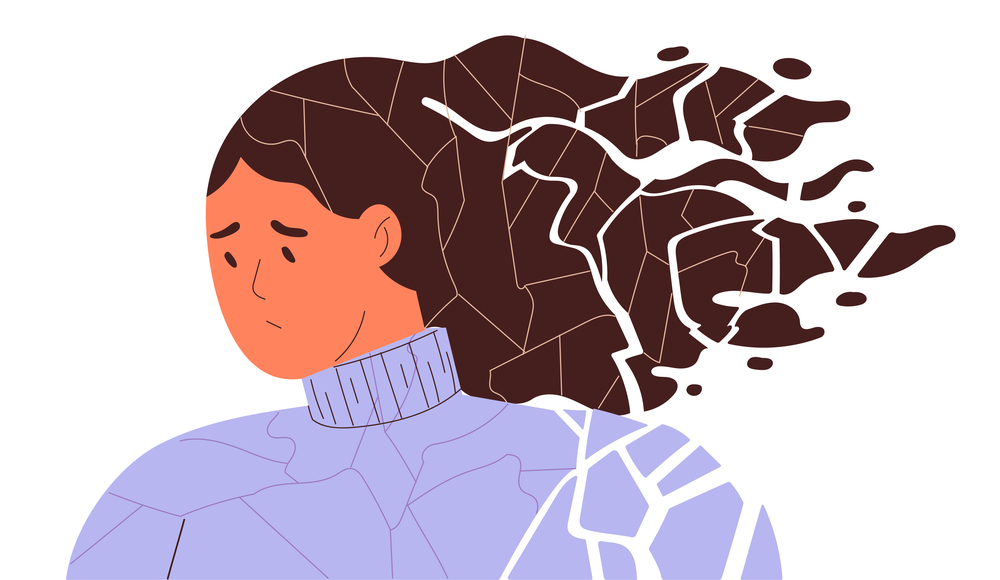
Dissociation becomes pathological when it continues to haunt the mind after the actual event. The mind can be easily triggered due to similar scents, surroundings or signs that evoke the survival response. For many, they are already existing in a constant survival strategy mode, keeping systems on red alert. Within dissociation, individuals may experience psychological and functional alterations of memory and identity. Others may sense physiological symptoms such as temperature loss in the limbs, or a lowered heart rate. Others may sense a detachment from surroundings or disconnect from bodily sensations. Others may experience less pathological experiences with temporary states of day dreaming or disengagement with life (Contreras, 2024, p. 174). Various aspects are also affected by dissociation such as loss of time, disconnect from body, disconnect from identity of self, lack of motivation, amnesia and memory loss, or loss of capacity to recognize emotions and their affect, meaning and range (Contreras, 2024, p. 175). All of these issues represent true significant issues for a person who has not returned to homostatis or baseline due to the traumatic event. Since the body remains in a state of survival mode, mechanisms that are meant to be temporary instead are becoming permanent states of being for the individual.
Dissociation can become especially dangerous when in its extreme form it can cause individuals to become invert and thoughtless to their surroundings or what is happening. When amnesia is present, it can disconnect a person from their true self which forces the person to create new schemas or behaviors that are extreme in nature (Contreras, 2024, p, 182).
Dissociation according to the DSM-5 can also be experienced as a DPDR disorder (Depersonalization-Derealization disorder), as a Dissociative Identity disorder (multiple personality) or a amnesia based disorder. Due to these more extreme cases, it is critical to find help if these issues grow worst or persist. With personalization, the person feels detached, or even as an outside observer of one’s mental processes. With derealization where one experiences a type of unreality about one’s surroundings, as if dreamlike, distant or distorted (Contreras, 2024, p,. 319).
Finding Help
Therapists, especially those trained in trauma informed care, are especially equipped to help a person again find baseline or homostasis. They can help the individual again deactivate the autonomous nervous system and turn off survival mechanisms that have hijacked the overall person’s life. This involves not only learning to regulate emotions, but also instructing others in grounding techniques that can limit the dissociation. In many cases, exposure therapy and reframing is necessary to help the person move beyond the traumatic event. It involves helping the brain properly store the memory and process it. In doing so, the brain can eventually reset without being alerted to non threats.
Please also review AIHCP’s blog on grounding techniques for those suffering from PTSD. Click here
Conclusion
Please also review AIHCP’s healthcare certifications as well as its Trauma Informed Care program
Dissociation is a natural response of the parasympathetic nervous system that involves detachment during a traumatic event. It shuts down many centers of the brain for memory by effecting encoding , storage and retrieval. Instead the memory becomes emotional and tied to the amygdala. Additionally, the hippocampus has a difficult time differentiating the past memory and event with the present moment and associates everything as imminent. This in turn leads to triggers and continued detachment from non existent threats. Since the body remains in a state of red alert, dissociation as a survival mechanism instead becomes a survival strategy that persists until the person is finally able to resolve the past trauma.
Please also review AIHCP’s healthcare certifications as well as its Trauma Informed Care and Spiritual Trauma Informed Care programs.
Resource
Contreras, A (2024). “Traumatization and Its Aftermath: A Sympathetic Approach to Understanding and Treating Trauma Disorders”
Additional Resources
Tull, M. (2025). “What Is Dissociation?. Very Well Mind. Access here
Abuse has many faces. It can be physical, it can be sexual and it also can be emotional. Prolonged emotional abuse which is chronic overtime chips away at the person and places him or her into a state of constant survival. Instead of stress responses acting as responses in the moment to survive, they become a constant state of existence. This is one of the primary differences between PTSD and C-PTSD. Under long periods of repeated duress due to emotional abuse or even neglect, the brain rewires itself to exist within a survival state. With no acute emotional wound but a collection and series of events, emotional abuse or any type of abuse that is chronic or repeated, becomes difficult to discern what started ignition from survival response to survival state itself. The delicate balance of allstasis or the ability to remain stable adjusts to constant change eventually reaches a state of allostatic load that eventually can crash in which the survival state becomes a new state that overtakes the person.
Emotional abuse is abuse. Please also review AIHCP’s Trauma Informed Care Program
Emotional abuse is a trauma overtime that can lead to a survival state due to the repeated abuse or neglect. Around 80 percent of all maltreatment of children can be reduced to emotional abuse and neglect. While these things do not necessarily require physical or sexual abuse, they gradually wear the person down. This is especially true of children with developing brains that can be hindered by chronic emotional abuse or neglect.
According to Contreras, neglect as a type of abuse categorized as omission (2024, p. 183). With neglect and emotional abuse, the child or even person enters into a state of survival mode. One is on red alert constantly for what may go wrong in a particular day due neglect or emotional abuse. When those limits are met, just like any stress, the person is able to adjust or lose ability to cope and falls victim to the stressor, trauma or abuse. These individuals will have emotional regulation issues, hyper or hypo arousal states, and react to the abuse in different ways according to these states. Individuals under constant barrage can fall into fight, flight, fawn or fade as the daily barrage of abuse or neglect degrades their personhood, identity and mood. In these cases to survive the prolonged neglect and abuse, the person appeases, becomes aggressive with others, looks to escape confrontations, look to please, or fade into thinking there is no true abuse (Contreras, 2014, p. 201-202). From this, neglect and emotional abuse drains the person of self, identity and self worth, replacing daily actions into survival responses adapted for prolonged exposure to the stressors or minor traumas of the day. It is because of this that many who have gone through such abuse or neglect, develop C-PTSD.
Emotional Abuse and Neglect
Neglect to basic needs, both physical and mental are detrimental to children and their development into mentally stable adults. Neglect and emotional abuse not only hurts the development of the brain but also can lead to physical ailments due to the constant state of survival.
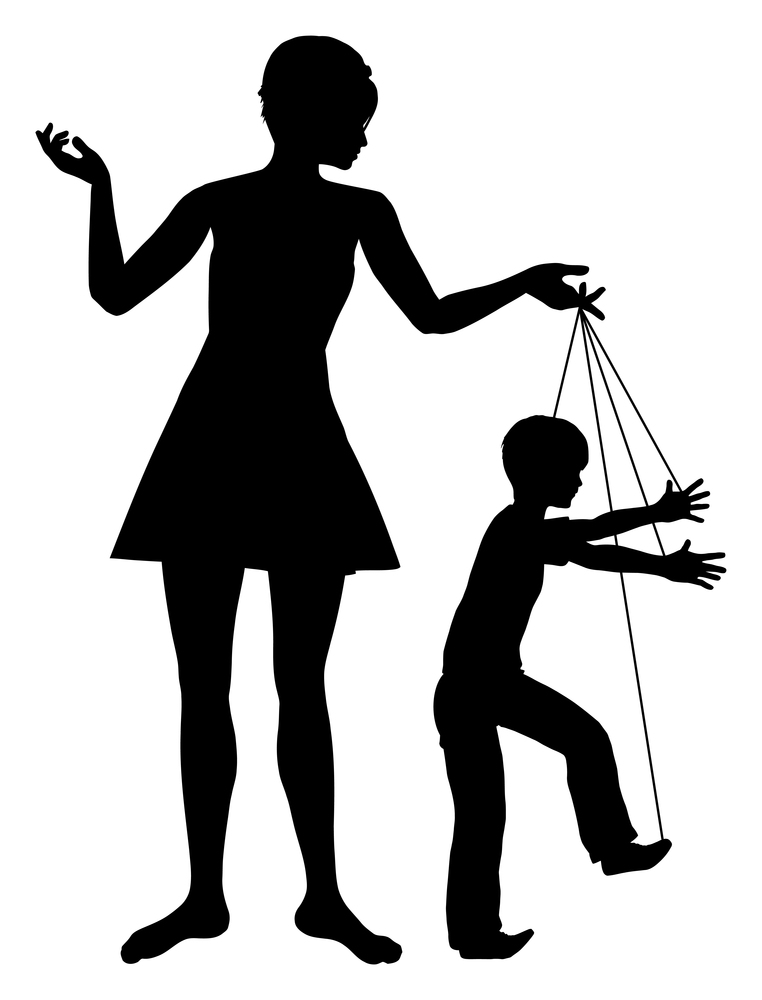
Chronic emotional abuse according to Contreras is any words or non physical actions that hurt, belittle, weaken, manipulate or frightens a person. In addition the abuse causes distortion and confusion that shakes the person’s very stability in life. Many forms of mental abuse are carried on through neglect, but also intimidation, manipulation, objectification, gaslighting, yelling, and even obsessive jealousy (2024, p. 184). Individuals are left with exhaustion, depression, low self esteem, and feel trapped. In doing so they look for maladaptive ways to cope with trauma. Many times, especially children, but also adults, can become stuck in a co-dependent relationship which are detrimental to all levels of their existence. While the person is not in a life or death situation, the person does develop a shattered sense of self. This is accomplished through mind games, devaluation, and scheming that mentally undermines the person. Contreras lists manipulation, gaslighting and objectification as key ways of controlling and harming the person (2024, p. 187-189).
Manipulation, gaslighting and objectifying another human being are all types of emotional abuse. Please review AIHCP’s behavioral health certification programs
Manipulation
Contreras defines manipulation as a type of subtle abuse to debilitate a person’s will and capabilities to obtain personal gain, control, submission, obedience and pleasure from the abused (2024, p. 187). Individuals who are constantly manipulated lose sense of self, and self esteem leading them to feel used, depressed and hopeless. If they do not respond to the manipulation, many emotionally and neglected fear abandonment and rejection from the abuser.
Gaslighting
According to Contreras, gaslighting is an effective for abusers to control and manipulate their victim. They do so by making the individual doubt his or her own reality making the person feel crazy or insecure (2024, p. 188). It intentional to control the person and keep them within the abuser’s web of chaos.
Objectifying
In many cases, those who are emotionally abused, as well as physical, are objectified as property. The person loses autonomy of self. Contreras lists a variety of ways objectification occurs. Instrumentality refers to using the person as a tool to meet an end or satisfy one’s own goals. Denial of autonomy refers to the inability for the person to act on his or her own without consent from the abuser. Ownership refers to a person’s literal autonomy belonging to the abuser to be used and sold as the abuser sees fit. Denial of subjectivity dismisses the abused and his or her experiences or feelings as not worthy of attention or need. Finally silencing refers to taking away the person’s voice (Contreras, 2024, p. 190-191).
Individuals who objectify other human beings in general lack any form of empathy, are ego-centric, and put their needs and goals over everyone. They are usually tied to the personality disorder of narcissism (Contreras, 2024, p. 189).
Unfortunately, this leads to trauma bonding which according to Contreras, leads the abused to an attachment with the abuser that disempowers the individual into a perpetual state of defeat under the mirage of being loved (2024, p. 192).
Conclusion
Please also review AIHCP’s healthcare certification as well as its trauma informed care program
Severe neglect, as well as emotional abuse is a different wound than physical wounds. They may not inflict immediate death or harm but they lead to a chronic breaking of the spirit and the person’s development. It leads to a host of emotional and mental problems that destroy the mind and soul. Due to its usual chronic state and repeated offenses, it wears the person down and can manifest in states of C–PTSD where the person enters into a constant survival state that breaks down not only the mind but the body. It steals the joy of life and the dreams of others.
Please also review AIHCP’s Trauma Informed Care Certification as well as AIHCP’s Healthcare Certifications
Trauma survivors and victims of past abuse are more easily preyed upon by abusers. It is important to identify past victims and help grow in healing to repel future attacks from predators. This video takes a closer look at this process and how to help victims remain safe
Stress induced responses are the same responses experienced with trauma. When stressors strike, the human body responds, but unfortunately, the human body does not respond to all stress the same and the autonomous nervous system activates the sympathetic branch to induce fight or flight responses which carries the price of pumping nor-epinephrine and epinephrine (also adrenalines) with cortisol into the body. This takes blood away from the core of the body and pumps it into the limbs for action. In addition, the human body’s blood pressure and heart rates increase to assist in the survival response. Inside the brain, the amygdala becomes more active, while the prefrontal cortex becomes less active. Less thinking, conserving energy and promoting a primal and instinctive ability at a more physical level are all the results of this activation. While in occasional and short spurts, this is not dangerous but when the body enters in a chronic or consistent state, then long term issues arise. The body is not intended to remain in survival mode, the survival mechanisms of fight, flight, freeze, fawn or fade are healthy responses in the moment but can become detrimental long term.
What is the difference between PTSD and C-PTSD. Please also review AIHCP’s Trauma Informed Care Program as well as its healthcare certification programs
Hence long term stress is very dangerous to over health, but what about long term trauma? Since they both induce the same reactions, the body not only consistently enters into unhealthy physical states with constant trauma but becomes subject to the consistent presence of survival mechanisms that become the new reset. The body rarely returns to a state of homostasis and attempts to learn how to adjust and change to ever present but non-existent threat that the brain perceives. Contreras refers to this as allostasis where the body constantly adjusts to the changes of stressful present trauma or stability through change(2024, p. 195). When the prolonged stress or trauma reaches an overflow to the allostatic load, then the system breaks down and the body gives into a trauma disorder. According to Contreras, C-PTSD is a type of prolonged stress and chronic trauma that dysfunctions the ANS through a prolonged cumulative burden of allostatic changes that eventually results in overload of the system (2024, p. 198)
PTSD vs C-PTSD
There is no diagnosis in the current DSM-5 for C-PTSD but there are characteristics that separate it from PTSD itself. PTSD according to the DSM-5 is a disorder that follows an event or extreme event that is life threatening and horrific that negatively effects the ANS placing the person in a constant state of survival mode (Contreras, 2024, p. 198). Like stress, trauma effects individuals differently, so some individuals will develop PTSD while others will not. Initial survival responses that manifested during the traumatic event, return as survival strategies and overtake the person and create a new and pathological way of life that is in constant danger from threats that resemble or may not even be present to the initial trauma. So for many, fight or flight and other survival mechanisms and responses become a permanent part of one’s life. C-PTSD was coined by Judith Herman to explain the higher severity beyond basic PTSD to those who existed in a constant state of survival mode and long-term traumatization. Due to these overactive survival responses becoming the new baseline, individuals with PTSD as well as C-PTSD experience emotional dysregulation due to hyper arousal and hypo arousal states induced by the sympathetic or parasympathetic nervous systems.
In reviewing C-PTSD, all of these criteria are met, but in addition, the person experiences more severe emotional regulation, as well as low self esteem and lost world view and difficulties maintaining relationships (Contreras, 2024, p., 198). Some even contend, that this resembles a type of borderline personality disorder or at least sharing a similar pathological umbrella. Unlike PTSD, which involves a singular event, C-PTSD is a prolonged series of traumatic experiences that build up over time. Individuals who are exposed to sex trafficking, genocide, child abuse, torture, war and prolonged and repeated emotional, physical or sexual abuse can this disorder. Children with multiple adverse childhood events (ACE) are also more closely subject to C-PTSD. What makes it particularly harder to treat is that there is no one date or source that broke the allostatic load. Unlike a cut or physical wound that has a definitive mark, C-PTSD is more likened to a wound that is constantly scratched over and over. This repeated damage does not permit any wound to heal and instead it festers until it reaches overload. Obviously an individual in a constant state of trauma and prolonged stress can suffer internal injuries to the body from the endocrine system and its lasting effects due to higher blood pressure, but it also can harm the hippocampus and in younger children affect proper development of the prefrontal cortex.
Different individuals may respond differently due to existing in constant survival mode. Survival mechanisms become survival states that have numerous behavioral responses. From the initial survival response of freeze, one in chronic trauma may enter into a mode of lock where the individual tries to adjust the adverse situation by accepting the worst and hoping for the best despite the innate desire to fight back. Some move from fawn into a complete appeasing strategy. others with fight, become aggressive socially to try to regain some control. Flight becomes escape and avoidance of certain scenarios to diminish the abuse or trauma. Some in this mode may turn to substances or sex or gambling to escape. With tonic immobility or collapse immobility, one sees a parasympathetic dominant strategy of submit and fade. An individual in these cases portrays dissociation and becomes disengaged. When these survival mechanisms become survival strategies, homostasis becomes an impossible goal and almost a new personality emerges as the person looks to cope. The individual can have poor self esteem, lose meaning, become detached, lose emotional regulation and have a difficult time maintaining relationships with others.
Conclusion
When understanding trauma and PTSD, one must understand that the event, experience and effects all play out different within the subjective nature of the person. Regardless, when a stressor or traumatic life event does occur, survival mechanisms occur. These mechanisms are healthy in themselves and help the brain and body to respond to a potential threat. Many are able to regain homostasis over a couple weeks or months, but others develop a trauma disorder such as PTSD which keeps the body in a perpetual state of trauma response that is no longer present. In cases of complexity due to ambiguity of an exact event but chronic abuse, the human body can eventually overload and exhibit a new way of existing in regards to C-PTSD. The wound is more complex because it festered over a long period of time with no clear delineator of what caused the trauma. The mere existence of a constant trauma and multiple events creates the more severe reaction.
Please also review AIHCP’s Trauma Informed Care Program
Helping individuals heal from C-PTSD obviously involves more intense and longer psychotherapy than traditional PTSD. Herman suggested a three phase treatment which included safety and stabilization, trauma processing and integration and rehabilitation. In addition, various therapies such as emotional regulation, grounding, EMDR and attachment focused interventions look to help the person process the trauma but also learn to regulate the symptoms and help the person reach homostasis.
Helping clients regulate their emotion during counseling is critical in helping them heal. This video looks at a variety of grounding techniques.
Please also review AIHCP’s TRAUMA INFORMED CARE CERTIFICATION as well as its SPIRITUAL TRAUMA INFORMED CARE PROGRAM. AIHCP offers a variety of healthcare certifications to review. Please click here
There is nothing more insidious or disgusting or repulsive than the predatory nature of grooming a weaker, exposed, innocent or at risk community to sexual assault. Whether if one is of faith or secular, it cries to the most inner core of basic humanity for justice. Those who work with children, the disabled, the aged and other vulnerable populations need to show special and extra care for signs of potential grooming against these individuals. Ironically, statistically it is not the creepy person in a spooky van trolling down streets at night but grooming occurs in most cases from individuals of authority that have spiritual duties, or even care duties to these individuals. These persons are can be family members, friends of family, or individuals of supposed good name in the community. Many misuse their positions of authority and care to sexually assault. This short blog will look at grooming, the process of it, and special populations that need special guarding for potential grooming targeting.
Identifying grooming. Please also review AIHCP’s Trauma Informed Care Program
According to Compton, grooming is the methodical and deliberate process to create emotional intimacy with the intent of sexual abuse (2024, p. 159). The five phases of grooming include victim selection, gaining access/isolating, trust development, desensitization to sexual content and physical contact and finally post abuse maintenance (Compton, 2024. p. 159-160). As safe guarders, counselors, social workers, healthcare providers, and as well spiritual and pastoral caregivers, it is essential to be aware of these phases and to investigate anything that seems to illustrate this type of behavior between an individual and a victim. It is especially important to safeguard and show extreme diligence for at risk populations such as children, the disabled and elderly who are unable to protect themselves.
Selection of a victim is opportunistic. Like any predator, the easier prey is observed over a healthy and powerful one. Hence children, the disabled or elderly are opportune targets but not all children, or elderly or disabled are as easy to target than some. Children with healthy attachments and a strong family relationship can be more difficult to navigate as well as elderly who have strong support systems. Sexual groomers look not just for weaker populations but also those within those populations that are already broken, or isolated, or lacking the proper support to ward off these advances. Individuals with less parental supervision, or caregiver supervision, as well those with less financial resources and face economic hardships are easier targets for predators. In addition, those with lower self esteem, unhealthy attachment schemas, identity issues, or disabilities are far more easier to manipulate and control (Compton, 2024, p. 160-161).
The second phase is gaining access and isolating the victim. Predators may already be a member of the family or become close friends to the family or hold a position of spiritual or political power. They will use these connections and places of power as a way to become closer to the individual. Through family connections, or social interactions, the predator will then spend time with the individual. With children, the predator will spend more time with child than others at events as an attempt to know the child better but in addition they will also try to see the child or person beyond regular events and superimpose themselves into the selected victim’s life. This can be accomplished through sharing of social media or private messaging (Compton, 2024, p. 162). During these times, the predator will also try separate the victim from other resources and support systems. The predator will attempt to turn the child or person against the more secure relationships in order to weaken any resistance to advances.
Following this phase, the predator will attempt to form a bond of trust. As other relationships are pushed away, the predator will insert him or herself into such a way as to appear as a good friend, confidant, or guide. Unfortunately, children, disabled and the elderly rely on others more so than healthy adults. Children are taught to obey authority figures, the elderly are supposed to listen to caregivers and disabled are completely at the mercy of those who watch over them. Hence, when trust is established, victims can be very confused when that trust is used to hurt them.
The fourth phase includes introducing victims to sexual content or advances that look to normalize the abuse and permit more and more contact with the victim. In this phase, sexual jokes, quick touches, or sexual behaviors are normalized between predator and victim. The victim may doubt if anything is truly wrong, even one feels initial guilt or shame. In fact, the predator desires guilt and shame to exist within the person. The predator looks to break down moral barriers and replace them with shame and guilt as way to continue the relationship. When horrible things are normalized, then a predator can keep a victim trapped in the cycle.
The final phase is post abuse maintenance. In this phase, the predator in order to continue the abuse, as well as protect him or herself, will employ various lies to frighten, scare, shame and guilt the victim. Many will threaten violence against a loved one, or dehumanize the victim as dirty, or remind a victim that no-one will believe the victim (Compton, 2024, p.164). When grooming is successful, this emotional hold can confuse children into becoming cooperative or even feeling it is their choice to continue in the abuse.
As protectors, we need to be aware of red flags. When we notice odd amounts of time beyond reason with a child, disabled or elderly person, then we should investigate the nature of the other person’s interest. The person may be merely kind but we cannot risk children, the disabled or elderly until it is proven to be innocent. We also should be aware of odd flattery or gifts given to these at risk groups, as well as unusual favoritism, hugs, or jokes. When children speak of secrets between an adult and themselves, then these secrets must be made known and the other person approached upon the content of the secrets. Other red flags involve the use of providing drinks, or drugs or even smoking with children, disabled or elderly.
At Risk Populations
Sexual predators prey upon children and other at risk populations
It is of the most importance in trauma care, counseling, and even as a family member or friend to see potential grooming to children, the disabled or elderly. Professionals must report what they discover, but as observers, sometimes its important to put our nose into other people’s business when things do not look right. This is why it so essential to not only be aware of the signs of grooming ourselves, but also to help educate children, as well as the disabled and elderly who are potential victims.
Unfortunately, how many times are elderly dismissed as senile? How many times are their concerns or what they may say ignored? The disabled especially can have difficulty communicating or sharing stories of abuse. If they cannot communicate, trauma in the disabled can still be seen in their emotional regulation as well states of hyper or hypo-arousal. Children as well may have difficulty communicating sexual abuse since they do not understand it. Ultimately, it befalls upon us, not just as counselors but for everyone to observe and protect at risk populations to the potential of abuse. We do not want to become over scrupulous in seeing every hug as a potential grooming, but we need to see patterns and consistencies and most importantly listen to these at risk populations and understand how they communicate without dismissing.
In regards to children or those with disabilities, education is key. Teaching sexual and physical boundaries and identifying with at risk populations bad touches versus good touches is essential. As well as teaching children and others about the dangers of accepting weird gifts, or random flatteries that seem odd. Also, parents, caregivers and counselors need to be aware of at risk populations and their use of social media and messaging. It is essential to have limitations on the uses of these electronic devices as well as monitoring what is being viewed, sent, or read. Caretaking means being involved and being ready to discuss tough conversations by letting children, disabled or elderly that no conversation is awkward regarding potential abuse. Reassurance to believe and also teaching others is a big way to prevent grooming and to scare off potential predators.
Conclusion
We need to be alert for grooming to protect at risk populations. Please also review AIHCP’s Healthcare Certification programs
Grooming is a disgusting process but unfortunately something that needs spoken about and addressed despite the discomfort. Counselors as well as any person needs to understand the phases of grooming and be especially mindful of at risk populations. This also involves prevention by educating individuals about grooming and creating an opening for positive dialogue and concern to prevent it.
Other AIHCP Blogs: “The Devastating Impact of Trauma on Children. Please click here
Reference
Compton, L & Patterson, T. (2024). Skills for Safeguarding: A Guide to Preventing Abuse and Fostering Healing in the Church” Intervarsity Press.
Additional Resources
“What Is Grooming?” (2025). Cleveland Clinic: Health Essentials. Access here
“The Real Red Flags of Grooming | What Every Parent, Educator, and the Public at Large Needs to Know” (2025). National Children’s Alliance. Access here
“The Grooming Behaviors Every Adult Should Recognize” Center for Violence Prevention and Self Defense Training. Access here
“Online grooming: how predators manipulate their victims” (2025). NetPsychology. Access here
The interplay between fear and trauma recovery presents a complex landscape that merits thorough exploration. Trauma engenders not only immediate emotional distress but also long-term psychological effects, often compounded by societal misconceptions surrounding emotional harm and its validity. Judicial skepticism toward claims of emotional injury, as discussed in recent legal discourse, reflects a broader cultural reluctance to acknowledge the profound impact of fear. The limitations placed on emotional harm claims, as seen in the Restatement (Third) of Torts, hinder recovery for those whose lives have been irrevocably altered by trauma (Grey et al., 2015). This entrenched skepticism must be reevaluated, particularly in light of advancements in neuroscience that illuminate how fear reshapes the brain and influences recovery pathways (Grey et al., 2015). By comprehensively analyzing the role of fear in trauma recovery, this essay seeks to underscore the significance of addressing emotional harm within both psychological treatment and legal frameworks.
While fear is important in trauma response and fight or flight, it later can become an obstacle to healing when it distorts present threats and prevents the person from working through trauma.
A. Definition of trauma and its impact on individuals
Trauma is fundamentally defined as an emotional response to distressing events, significantly affecting an individual’s mental and physical health. This psychological phenomenon can arise from a range of experiences, including violence, accidents, or natural disasters, leading to lasting emotional scars that hinder everyday functioning. Recent studies indicate that psychological trauma may exert more profound effects on a persons well-being than physical ailments, highlighting the critical need for comprehensive understanding and intervention strategies . Individuals grappling with trauma often exhibit altered life perspectives, including negative assessments of their past and distorted hopes for the future, demonstrating how trauma reshapes one’s outlook on life (N/A, 2024). Ultimately, recognizing the complexities of trauma is essential in facilitating recovery, as the interplay of fear and healing becomes pivotal in the therapeutic process (N/A, 2024). Thus, understanding traumas definition and its multifaceted impacts is crucial for effective recovery strategies.
B. Overview of fear as a natural response in trauma recovery
In the context of trauma recovery, fear serves as a fundamental natural response that can profoundly influence the healing process. This emotional reaction, albeit distressing, is rooted in evolutionary biology; it acts as a protective mechanism, alerting individuals to potential dangers and fostering survival strategies during threatening situations. In trauma survivors, fear can manifest as hypervigilance, avoidance behaviors, or intrusive memories, which are common reactions to trauma that hinder recovery. However, understanding and acknowledging this fear is essential for therapeutic interventions. When fear is framed not merely as an obstacle but as a natural component of the fallout from trauma, individuals can begin to process their experiences more effectively. Engaging with fear through various therapeutic modalities can facilitate desensitization and promote resilience, ultimately aiding in the reconstruction of a safe emotional environment for recovery (Gingrich HD et al., 2017-12-19). This nuanced perspective highlights the complexity of fear in the long journey towards healing.
While fear is a natural response, it can become an obstacle when one hopes to later recover from the traumatic event. While the threat is no longer present, the mental state of fear can prevent individuals from facing it, as well as working in therapy to lessen its effects on recovery.
II. Understanding Fear in the Context of Trauma
Fear, as a fundamental response to trauma, significantly shapes the recovery process, manifesting in various psychological and behavioral challenges. This emotional response is not merely a consequence of the traumatic event but is intricately linked to the neurobiological changes that occur during such experiences. Research utilizing animal models indicates that a single traumatic event in childhood can alter fear learning strategies, predisposing individuals to increased vulnerability to post-traumatic stress disorder (PTSD) later in life (Emerenini S et al., 2017). Moreover, maternal mental health during pregnancy has been shown to impact both the mother and child, with fear of childbirth and postnatal PTSD affecting their emotional and psychological well-being (S Ayers, 2014). Understanding these dynamics is crucial in addressing trauma recovery, as it allows for targeted interventions that focus not only on the trauma itself but also on the complex emotions of fear that permeate the healing process.
Fear can play a negative role in trauma recovery. Please review AIHCP’s Trauma Informed Care program as well as its numerous other healthcare certification programs
A. The psychological mechanisms of fear in trauma
Understanding the psychological mechanisms of fear in trauma is critical for effective recovery strategies. Fear is not merely an emotional response; it activates complex neural circuits that can perpetuate trauma, especially in individuals suffering from post-traumatic stress disorder (PTSD). Research indicates that conditions such as PTSD can lead to significant alterations in brain regions like the anterior cingulate cortex (ACC), which plays a vital role in fear-conditioning processes, thereby influencing how individuals cope with traumatic memories (Boccia et al., 2015). This neurobiological basis underscores the importance of targeted therapeutic interventions that focus on desensitizing fearful responses. Furthermore, traditional judicial skepticism regarding emotional harm, often rooted in practical concerns about causation and credibility, has been challenged by advancements in neuroscience, suggesting a more equitable recognition of emotional distress claims (Grey et al., 2015). By integrating these perspectives, professionals can foster a more holistic approach to trauma recovery that acknowledges the profound impact of fear on psychological well-being.
B. The role of fear in the fight-or-flight response
Fear serves as a critical catalyst in the fight-or-flight response, an evolutionary mechanism that prepares individuals to confront or evade perceived threats. This physiological and psychological reaction is mediated by the autonomic nervous system, activating the release of adrenaline and cortisol, which heighten alertness and increase heart rate, thus preparing the body for immediate action . Such responses can be particularly influential in the context of trauma, where fear not only prompts survival behaviors but also significantly shapes the subsequent recovery process. For those who have experienced traumatic events, understanding and managing fear become vital to mitigating its potentially debilitating effects. Consequently, fear may hinder recovery if it remains unaddressed, perpetuating a cycle of avoidance and anxiety (Cardin F). By acknowledging fear as an intrinsic part of the healing journey, therapists can aid individuals in harnessing their natural responses to foster resilience and promote recovery from trauma.
III. Fear as a Barrier to Recovery
The presence of fear serves as a significant barrier to recovery, profoundly affecting individuals willingness to engage in therapeutic processes. This emotion can stem from a variety of sources, including the fear of stigma and the anticipated difficulty of confronting past traumas. As indicated by the findings of the Department of Behavioral Health’s Trauma Task Force, an ingrained reluctance to pursue recovery-oriented pathways can hinder progress within existing mental health frameworks (Sandra L Bloom et al.). Meanwhile, research on Mental Health and Psychosocial Support (MHPSS) highlights that fear often leads to the prioritization of immediate survival over long-term mental health needs, resulting in a cyclical pattern of trauma that affects not only individuals but entire communities (Palivani P, 2025). Consequently, it is crucial to create environments that mitigate fear, fostering trust and enabling individuals to embark on their recovery journeys without the burden of anxiety and self-doubt.
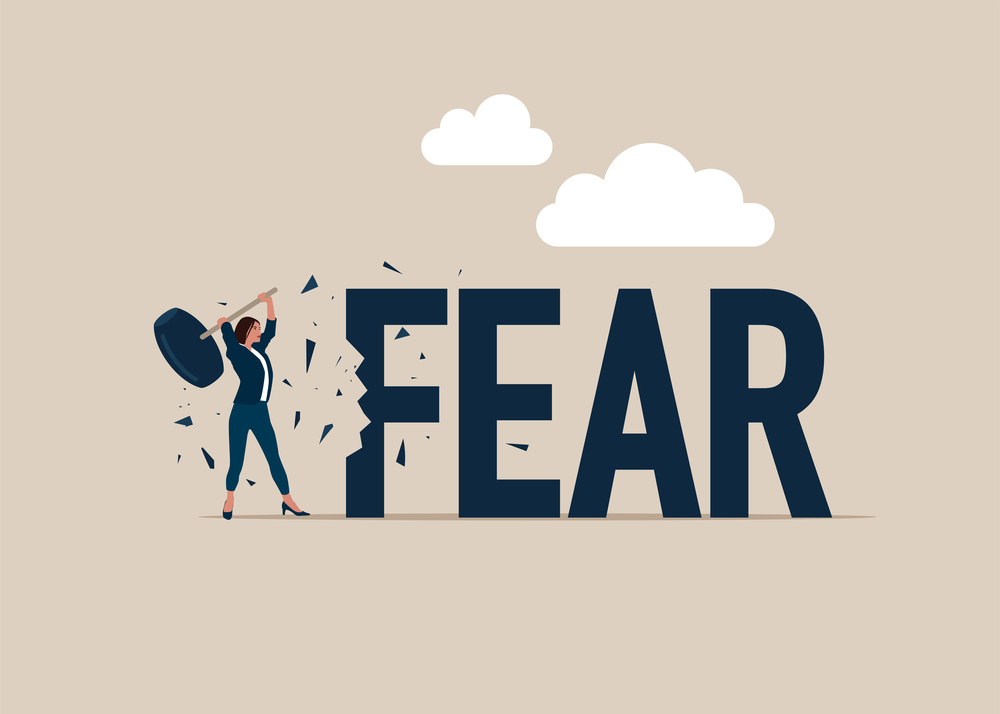
Overcoming fear is essential in healing
A. How fear can hinder the healing process
The intricate relationship between fear and the healing process in trauma recovery is profoundly impactful, often creating barriers that impede progress. Fear can manifest as a protective response, causing individuals to avoid confronting traumatic memories or situations, thereby hindering their ability to process and heal from these experiences. This avoidance can lead to a cycle of disconnection, where the individual feels increasingly isolated from both their personal emotions and supportive social networks. As highlighted in literature addressing trauma, cultural aspects and personal experiences greatly influence pathways to healing (Hook MV et al., 2016). Moreover, fear can distort perception, impeding engagement in therapeutic activities that might otherwise facilitate recovery. In a study examining the experiences of trauma survivors in a leisure-based psycho-educational context, participants revealed their fear often prompted resistance to change, highlighting the complex interplay between fear, leisure, and the healing process (Susan M Arai et al., 2008). Awareness and management of these fears are crucial for fostering resilience and promoting effective recovery strategies.
B. The impact of avoidance behaviors on trauma recovery
The role of avoidance behaviors in the recovery from trauma is profoundly detrimental, as these behaviors often serve to reinforce the cycle of fear and anxiety surrounding traumatic experiences. Individuals may engage in avoidance as a protective strategy, seeking to evade reminders of their trauma; however, such actions can impede the processing of traumatic memories and prevent emotional healing. Research indicates that difficulties in emotional regulation are closely linked with the severity of PTSD symptoms, rendering avoidance behaviors particularly problematic ((Bidart S et al., 2019)). Moreover, effective trauma recovery necessitates confronting and reprocessing traumatic memories, an endeavor often thwarted by avoidance mechanisms. Notably, advancements in the understanding of extinction learning suggest that addressing these behaviors through targeted interventions could enhance recovery outcomes ((Carpenter et al., 2019)). Ultimately, fostering an environment where individuals can confront their fears and engage in adaptive coping strategies is essential to facilitating meaningful trauma recovery.
IV. Transforming Fear into a Tool for Healing
Fear, often viewed as a debilitating emotion, can be transformed into a powerful tool for healing in the context of trauma recovery. By reframing fear as a catalyst for personal growth, individuals can utilize it to confront and process their traumatic experiences. This transformative approach aligns with the principles outlined by the Department of Behavioral Health, which emphasizes the necessity for a recovery-focused transformation in behavioral health systems, underscoring the importance of recovery and community integration (Sandra L Bloom et al.). Additionally, therapeutic techniques such as Focusing-Orientated Art therapy can facilitate this transformation by creating a safe space for expression, thereby enabling survivors to explore their fears without becoming overwhelmed (Husum C). This process not only fosters resilience but also cultivates a deeper understanding of the self, allowing individuals to harness their fear as a stepping stone toward healing, rather than as a barrier to it.
Transforming one’s fear and understanding its role and subjective status in trauma recovery is essential. Since fear is a conditioned response it can be reprogrammed
A. Techniques for confronting and managing fear
Dealing with fear, especially during trauma recovery, requires a blended approach that uses both psychological tools and a supportive care framework. One effective method is Accelerated Resolution Therapy, or ART, which has been shown to help ease trauma symptoms quickly while building emotional resilience. This treatment usually takes just a few sessions, giving patients a way to face their fears that feels structured but gentle, which helps build a sense of safety and trust (Finnegan et al., 2015). On top of that, understanding what survivors actually go through shows us just how important it is to personalize their care. Techniques that focus on who the individual is and encourage supportive communication help patients feel secure as they navigate their fears (Astin et al., 2018). By combining these strategies, healthcare professionals can improve the overall experience for patients and truly support their journey toward healing.
B. The role of therapy in reframing fear as a catalyst for growth
Therapy does a lot of heavy lifting when it comes to helping us see fear not as an enemy, but as a catalyst for growth. This is especially true during trauma recovery. By using trauma-informed frameworks, like those highlighted in (Sandra L Bloom et al.), therapists create a safe environment where clients learn to voice their fears instead of shoving them down. That process lets people look at the root causes of their fear, shifting the focus from avoidance to actually engaging with life again. On top of that, approaches like cognitive behavioral therapy (CBT) and recreational psychotherapy encourage clients to reconstruct what happened to them. It is about finding meaning and building resilience, as detailed in (IV S et al., 2025). This kind of reframing takes the paralyzing weight out of fear and turns it into motivation that drives personal development. Ultimately, therapy provides the insights and tools we need to face future challenges with a healthier outlook.
V. Conclusion
Fear plays such a complex role in trauma recovery. It brings plenty of challenges, sure, but it also opens the door to deep healing. When we stop trying to push the fear away and start acknowledging it, that is often when the real resilience kicks in. We are seeing this shift happening on a larger scale, too. Now that neuroscience can actually show us how trauma rewires the brain, the legal world is having to catch up and evolve how it handles emotional distress (Grey et al., 2015). This change is long overdue. It pushes us to rethink the old biases in tort law and finally admit that emotional wounds deserve just as much attention as physical injuries (Derluyn et al., 2012). At the end of the day, accepting fear as part of the ride empowers survivors. It gives them the tools to handle the hard days and creates a more complete, human approach to getting better.
Ultimately since fear is a conditioned response and subjective, it can be reprogrammed within the mind, understood as not immediate threatening and understood within its proper context. This permits the person to face the trauma without fear stepping in the way. In many ways, fear becomes a mental state than merely a reactive emotion in trauma survivors.
Please also review AIHCP’s Healthcare Certification Programs
A. Summary of the dual role of fear in trauma recovery
Fear plays a surprisingly complicated role in trauma recovery, acting a bit like a double-edged sword. It has the power to hold you back, but it can also push you forward. On the difficult side, fear often stands in the way like a wall. It keeps the cycle of trauma going by encouraging avoidance and spiking anxiety, which stops people from facing what actually happened to them. This avoidance just feeds the symptoms of post-traumatic stress and drags out the pain, making the climb toward recovery feel that much steeper. Then you have the other side of the coin. Fear can actually work as a powerful motivator. When you are able to acknowledge those fears and work through them, you start building real resilience and understanding your own story better. That willingness to confront the scary parts can be a release, helping you build coping skills that lead to genuine healing and growth (Prof. Dr. Bozdemir BS). This is why it is so important for practitioners to understand this balance. It allows them to craft therapy that helps people use fear as fuel for their journey instead of letting it block the road.
B. The importance of addressing fear for successful healing and resilience
In the world of trauma recovery, you cannot really move forward without looking at fear. It is often the wall that stops healing in its tracks. Fear can be paralyzing, keeping people from facing what happened to them and effectively pausing their recovery. But leaning into those fears is actually what helps build resilience. We are seeing more and more that resilience is not just a personality trait you either have or you don’t. It is a dynamic mix of your biology, your psychology, and your environment helping you adapt and bounce back (Patel P, 2025). By confronting these fears, people can go through a major shift, where the trauma actually becomes a push for personal growth. For instance, look at Ellie’s therapeutic journey. By recognizing and working through her fear of abandonment, she discovered a strength she didn’t know she had and developed new capabilities (Fosha D et al.). So, addressing fear is what clears the path for real healing. It allows people to reclaim their own stories and view life with a lot more resilience.
Dialectical Behavior Therapy (DBT) represents a pivotal development in psychological treatment, particularly for individuals grappling with Borderline Personality Disorder (BPD). Established in the 1980s by Marsha Linehan, DBT was crafted in response to the unique challenges presented by BPD, characterized by emotional dysregulation and interpersonal difficulties. The therapy embodies a synthesis of acceptance and change strategies, reflecting its foundational biosocial theory, which posits that biological vulnerabilities interact with environmental factors to shape behavior (Emek Yüce Rios Z, 2020). This dual focus ensures that DBT not only addresses destructive behaviors but also fosters a sense of validation and understanding within the therapeutic relationship. Furthermore, the comprehensive structure of DBT, encompassing individual therapy, skills training, and additional support modes, illustrates its adaptability across diverse therapeutic settings (Student E, 2019). As a result, DBT has emerged as a widely recognized and effective intervention for enhancing emotional resilience and interpersonal effectiveness.
Dialectical Behavior Therapy is based off CBT but shifts focus for cases of intense emotion. It looks to help individual handle intense emotions, regulate them and be able to interact socially with emotional regulation
Please also review AIHCP’s numerous behavioral health and healthcare certifications. Please click here
A. Definition of DBT (Dialectical Behavior Therapy)
Dialectical Behavior Therapy (DBT) is a structured and evidence-based treatment approach originally developed for individuals struggling with Borderline Personality Disorder (BPD) in the 1980s by psychologist Marsha Linehan. At its core, DBT integrates acceptance and change strategies to assist patients in managing intense emotions and reducing self-destructive behaviors. The underlying theoretical framework of DBT, known as biosocial theory, posits that BPD arises from a combination of biological vulnerabilities and environmental factors. This therapy comprises five modalities, including individual therapy and skills training, which work synergistically to foster emotional regulation and interpersonal effectiveness. A significant benefit of DBT is its relatively low dropout rates, highlighting its accessibility and applicability to diverse populations. While further research is warranted to evaluate its broader generalizability, DBT has established itself as a critical intervention in the mental health field, successfully addressing complex emotional challenges and enhancing individuals quality of life (Emek Yüce RIOS Z, 2020), (Student E, 2019).
B. Importance and relevance of DBT in mental health treatment
Dialectical Behavior Therapy (DBT) has emerged as a vital intervention in the realm of mental health treatment, particularly for individuals grappling with severe emotional challenges. Its structured approach, which combines cognitive-behavioral techniques with mindfulness strategies, has proven effective in addressing disorders like Borderline Personality Disorder and non-suicidal self-injury (NSSI). The significance of DBT is underscored by research indicating that it effectively reduces NSSI rates among adolescents and young adults, who often struggle to access traditional therapeutic methods ((M Kaess et al., 2019)). Furthermore, studies illustrate DBTs efficacy in mitigating suicidal behaviors among autistic individuals, demonstrating substantial reductions in both suicidal ideation and attempts ((Huntjens A)). These findings affirm that DBT not only enhances emotional regulation but also improves overall quality of life, making it a crucial component of contemporary mental health care, especially for high-risk populations.
Through mindfulness clients can learn deal with present stressors or emotions. DBT identifies three states of the mind. First, the rational mind which responds logically only, second, the emotional mind which reacts when confronted with intense feelings and finally the wise mind which incorporates and balances both (Tan, 2022).
II. Historical Background of DBT
The historical development of Dialectical Behavior Therapy (DBT) traces back to the need for effective treatment for individuals with severe emotional dysregulation, particularly those suffering from borderline personality disorder (BPD). It stems from the third wave of behavioral therapy. Originally formulated by Marsha Linehan in the late 1980s, DBT emerged from a combination of cognitive-behavioral principles and zen mindfulness practices, designed to foster acceptance and change within patients. As the therapy evolved, its applications expanded to include various psychological conditions characterized by instability in emotional regulation. In recent years, the introduction of Radically Open Dialectical Behavior Therapy (Ro DBT) marked a significant evolution in this therapeutic landscape, targeting disorders associated with excessive inhibitory control or overcontrol, while emphasizing social signaling and adaptability to changing environments (R Codd T et al., 2018). Moreover, contemporary training opportunities at professional conventions have showcased advancements in DBT approaches, underscoring its ongoing relevance in mental health treatment (Abramowitz J et al., 2015).
DBT was originally utilized for BPD but also is utilized for suicidal ideation, as well as extreme cases of depression.
A. Development of DBT by Marsha Linehan
Marsha Linehans development of Dialectical Behavior Therapy (DBT) in the early 1990s represents a significant advancement in the treatment of complex psychological disorders, notably borderline personality disorder (BPD). Linehan combined cognitive-behavioral principles with mindfulness strategies to create a comprehensive therapeutic model aimed at addressing the emotional and behavioral instability associated with BPD. The biosocial theory underpinning DBT posits that individuals with BPD struggle due to a combination of biological vulnerability and environmental factors, necessitating a structured approach to therapy. In recent years, the application of DBT has expanded beyond adults to include adolescents, demonstrating its versatility and efficacy in treating various psychological issues, such as depression and anxiety, especially in high-risk populations like those with spinal cord injuries, where adaptations of DBT are showing promising results in reducing negative emotions and improving overall psychological well-being (M Karaman, 2019), (A Flores et al., 2018).
B. Evolution of DBT in clinical practice
The evolution of Dialectical Behavior Therapy (DBT) in clinical practice exemplifies a significant advancement in the realm of psychotherapy, particularly in treating complex mental health disorders. Initially developed by Marsha Linehan for individuals with borderline personality disorder (BPD), DBT has since undergone an expansive transformation, integrating core concepts from cognitive-behavioral therapy while simultaneously embracing mindfulness and acceptance strategies. The incorporation of these third-wave cognitive-behavioral approaches highlights a departure from traditional symptom-focused interventions, aiming instead for greater psychological flexibility and resilience among patients (Nogueira S et al., 2025). Furthermore, the practical applications of DBT have been expanded to address a variety of clinical presentations, including emotional dysregulation and self-destructive behaviors, thereby affirming its versatility within multidisciplinary mental health practices (Martelletti E-in-CP, 2004). This ongoing evolution not only enhances therapeutic efficacy but also underscores the importance of adapting therapeutic modalities to better meet the diverse needs of patients in contemporary practice.
III. Core Components of DBT
The core components of Dialectical Behavior Therapy (DBT) are essential for understanding its effectiveness in treating individuals with Borderline Personality Disorder (BPD). Central to DBT is its dual focus on acceptance and change, captured in the therapeutic balance that practitioners strive to maintain. This approach comprises five distinct modes of treatment: individual therapy, skills training, telephone consultation, therapist consultation teams, and ancillary treatments. Each component addresses specific facets of emotional dysregulation, enabling clients to develop coping mechanisms while fostering self-acceptance (Emek Yüce RIOS Z, 2020). Moreover, the structuring of DBT into stages allows for a systematic progression through the therapeutic process, which is informed by the biosocial theory underlying the development of BPD (Student E, 2019). Consequently, DBT not only emphasizes behavioral change but also affirms the importance of embracing ones emotional experiences, highlighting its unique position within psychotherapy.
Core principles of DBT include mindfulness, emotional regulation, and managing interpersonal relationships. Please also review AIHCP’s Health care certifications
A. Skills training modules: Mindfulness, Distress Tolerance, Emotion Regulation, and Interpersonal Effectiveness
Central to Dialectical Behavior Therapy (DBT) are the skills training modules, which provide individuals with essential tools to manage their emotional and interpersonal challenges effectively. The mindfulness module facilitates a heightened awareness of ones thoughts, emotions, and surroundings, promoting a non-judgmental acceptance of experiences that can mitigate distress. In contrast, the distress tolerance module equips individuals with strategies to tolerate emotional pain without resorting to harmful behaviors. Furthermore, the emotion regulation module focuses on understanding and modulating intense emotional responses, thereby enhancing ones ability to navigate life’s challenges more effectively. Finally, the interpersonal effectiveness module emphasizes the development of skills necessary for assertive communication and healthy relationship-building. Collectively, these modules not only empower individuals to cultivate resilience but also foster a balanced approach to lifes inevitable adversities, culminating in a comprehensive therapeutic framework conducive to psychological well-being (James J Mazza et al., 2016-06-01).
DBT summed up, encompasses these important aspects of regulation, toleration, improving relations and training in mindfulness (Tan, 2022). These aspects are introduced through various stages. Stage 1 protects the client and gives him/her a sense of safety. It involves dealing with immediate issues and any co-occurring issues. Stage 2 involves helping the client react less intensely from th past. Exposure therapies are introduced also at this phase. This can be one of the more difficult phases for a client (Tan, 2022). Stage three helps the client grow in self efficacy and strengthens what one has learned in therapy to grow and become stronger. Phase 4 teaches clients how to learn to enjoy in life a deeper freedom, joy and spiritual and and mental fulfillment (Tan, 2022).
B. The role of individual therapy and group skills training
In the context of Dialectical Behavior Therapy (DBT), the integration of individual therapy and group skills training serves as a cornerstone for fostering emotional regulation and interpersonal effectiveness among participants. Individual therapy provides a tailored approach where therapists can explore the unique challenges and experiences of each client, facilitating personal insight and coping strategies specific to their needs. Meanwhile, group skills training allows clients to learn and practice essential skills, such as mindfulness and distress tolerance, in a supportive environment. This dual approach not only reinforces the learning process but also promotes a sense of community and shared experience among participants, reducing feelings of isolation that often accompany emotional struggles. By synthesizing the strengths of both modalities, DBT empowers individuals to navigate their emotional landscapes with greater resilience and competence, a vital element of their healing journey (Kazantzis N et al., 2006-12-11).
Group skills emphasize core-mindfulness skills based off Zen Buddhist meditation techniques to strengthen mindfulness in the person (Tan, 2022). The groups also work on interpersonal effectiveness and emotional regulation (Tann, 2022).
IV. Applications of DBT
The applications of Dialectical Behavior Therapy (DBT) extend beyond its initial design for treating Borderline Personality Disorder (BPD), demonstrating its versatility across various mental health disorders. DBT employs a unique blend of acceptance and change strategies, making it suitable for individuals facing emotional dysregulation and complex challenges in social functioning. As highlighted in the literature, DBT has shown efficacy in treating conditions such as depression, anxiety, and substance use disorders, significantly reducing dropout rates due to its structured approach and supportive environment (Emek Yüce RIOS Z, 2020). Furthermore, the emergence of Radically Open Dialectical Behavior Therapy (Ro DBT) expands the scope of DBT to address overcontrol-related disorders, such as anorexia nervosa and obsessive-compulsive personality disorder, thereby enriching therapeutic options for clinicians and patients alike (R Codd T et al., 2018). Thus, the adaptability of DBT highlights its relevance in contemporary therapeutic practices, addressing a wide range of emotional and behavioral health concerns.
A. Effectiveness in treating Borderline Personality Disorder (BPD)
Recent studies give us a much clearer picture of how effective Dialectical Behavior Therapy (DBT) is for treating Borderline Personality Disorder (BPD). The research indicates that DBT leads to real improvements in symptoms, including self-injurious behaviors and suicidality. We see effect sizes ranging from small to moderate, and these benefits tend to stick around for up to 24 months after treatment (Hernandez-Bustamante M et al., 2023). When comparing DBT with Schema Therapy (ST), it turns out that both interventions bring meaningful relief to BPD symptom severity, though the data didn’t show a significant difference in how well they work (Assmann N et al., 2024). This suggests that even if the mechanics are different, both approaches are capable of handling the complex nature of BPD. Overall, these findings confirm that DBT is a vital treatment option, supporting its continued use and study for people navigating this disorder.
DBT takes time, but it can help individuals take control of their emotional life
B. Use of DBT for other mental health issues, such as depression and anxiety
Dialectical Behavior Therapy (DBT) might have started as a treatment for Borderline Personality Disorder (BPD), but it has proven effective for a whole range of mental health issues, including depression and anxiety. The core of this approach focuses on finding a balance between acceptance and change, which makes it particularly helpful for anyone trying to manage emotional instability. Research actually shows that the structured framework of DBT can sharpen emotional regulation skills, leading to better outcomes for people dealing with depressive and anxious symptoms. For instance, a randomized clinical trial looked at college students coping with heavy drinking. It found that a DBT-enhanced intervention didn’t just reduce alcohol-related problems; it also led to significant improvements in depression and anxiety levels during follow-up assessments (Whiteside U, 2010). Because DBT can be adapted to fit different contexts, it has grown well beyond its original scope, proving its relevance for a much wider variety of mental health challenges (Emek Yüce RIOS Z, 2020). That versatility is exactly why it remains such a valuable tool in modern therapy.
V. Conclusion
When we look at the big picture, Dialectical Behavior Therapy (DBT) stands out as a versatile approach for handling complex challenges, specifically Borderline Personality Disorder (BPD) and the substance use struggles that often accompany it. Its strength really lies in how it tackles two things at once: helping people regulate their emotions and navigating the messy reality of relationships. For someone fighting suicidal thoughts or stuck in destructive patterns, that combination can be a lifeline. The research reinforces why this matters, showing us the dangerous link between drug use and suicidal thinking. We know that using drugs, whether on the same day or previously, can intensify those dark thoughts, and BPD symptoms often make that dynamic even more volatile (M McCool et al., 2023). Beyond the data, though, we have to look at the human experience. Patients in related therapies, like Radically Open DBT, remind us that recovery is rarely a solo mission. It relies heavily on connection and the bond formed with a therapist, proving that we need to look at the whole person to really see progress (M Isaksson et al., 2021). Ultimately, DBT does more than just treat symptoms. It equips people with a comprehensive set of skills to find emotional balance and truly reconnect with the world around them.
Please also review AIHCP’s healthcare certification programs
A. Summary of DBT’s significance in therapy
Dialectical Behavior Therapy (DBT) has become a vital part of modern mental health care, especially for anyone trying to navigate emotional dysregulation or suicidal thoughts. Its effectiveness isn’t just a claim; it is supported by a growing list of studies showing it truly reduces symptoms for many different people. For instance, even brief DBT interventions have been shown to help reduce distress and improve coping skills for those facing suicidal thoughts (Astrini RA et al., 2020). Then there is the development of Radically Open DBT (RO DBT). This approach widens the scope to help people who struggle with too much control, focusing on the importance of connecting with others and finding emotional well-being (R Codd T et al., 2018). This flexibility shows why DBT is so essential. It doesn’t just treat complex emotional issues; it supports overall mental health. It marks a real step forward in therapy by offering proven strategies that actually fit the diverse needs of patients.
B. Future directions and potential developments in DBT practice
As Dialectical Behavior Therapy (DBT) continues to evolve, the way it is practiced is expanding to reach more people in more effective ways. Ongoing research is working to refine the core parts of DBT, looking at how to weave in new techniques like mindfulness approaches and digital tools that make therapy more accessible to diverse groups. There is also a growing focus on how DBT works across different cultures. It is becoming clear that we need to customize these interventions so they truly resonate with specific communities and keep people engaged. On top of that, bringing neurobiological insights into the mix could lead to more targeted treatments, helping us address the specific behavioral patterns associated with the disorders DBT treats (Andrew E Skodol et al., 2021-03-31). Ultimately, the future of DBT depends on its adaptability. Practitioners are focused on enhancing its components to ensure it remains inclusive, scientifically solid, and relevant for the mental health challenges we face today.
Additional Blogs
Utilization of CBT in Grief and Depression. Access here
Additional Resources
“Dialectical Behavior Therapy (DBT)”. Cleveland Clinic. Access here
Safilian-Hanif, C. (2024). “Overview of DBT”. Access here
“Dialectical Behavior Therapy”. Psychology Today. Access here
Corliss, J. (2024). “Dialectical behavior therapy: What is it and who can it help?”. Harvard Health Publishing. Access here