I. Introduction
Shame, guilt, and fear complicate trauma counseling. These emotions shape the therapy process and the path to recovery. Clients often feel these emotions as obstacles to healing. They find it hard to express weakness or speak honestly with their counselors. Understanding these feelings is necessary. They worsen the mental impact of trauma and cause further isolation and distress. For instance, explains how abuse and trauma link to harmful emotional responses. These responses block effective treatment. Crises like the COVID-19 pandemic also increased stress and moral injury among healthcare workers. Fear and guilt combined to damage mental health. This proves the need for specific therapy strategies (). Counselors must address shame, guilt, and fear. This work supports successful trauma counseling.(Barakat S et al., 2023) highlights how experiences of abuse and trauma are closely linked to maladaptive emotional responses, which can hinder effective treatment approaches. Additionally, during crises like the COVID-19 pandemic, the heightened stress and moral injuries experienced by healthcare workers illustrate how fear and guilt can aggregate, negatively impacting mental health.
Please also review AIHCP’s Trauma Informed Care Program as well as its various Healthcare Certification Programs
II. Definition of trauma and its psychological impact
Trauma is a reaction to distressing events that overwhelm a person’s ability to cope. It leads to lasting psychological effects. These effects appear as anxiety, depression, and changes in self-perception. Shame and guilt often shape these changes. People may struggle with feelings of worthlessness and self-blame. Fear from the trauma makes these feelings worse. For instance, aspects of trauma from childhood experiences and abuse highlight compounding effects. These effects influence mental health over a lifetime. This connection is important for understanding therapeutic needs (). Stressors from events like the COVID-19 pandemic also increased existing vulnerabilities. They show how widespread fear intensifies psychological distress in these groups (). These facts show the need for trauma-informed counseling methods that address these emotional complexities.(Barakat S et al., 2023)). Furthermore, the unprecedented stressors related to events like the COVID-19 pandemic have magnified existing vulnerabilities, revealing how widespread fear can intensify psychological distress in affected populations ((Kontoangelos K et al., 2020)). Such insights underscore the need for trauma-informed counseling approaches that address these emotional intricacies.
Counselors must understand the complex emotions of shame, guilt, and fear. Each emotion affects an individual’s psychological well-being. Shame often comes from a perceived failure to meet personal or societal standards. This leads to feelings of worthlessness. Guilt typically comes from specific actions or inactions that violate a moral code. It causes regret and self-blame. Fear acts as a reaction to the threat of emotional or physical harm. It often worsens shame and guilt. These emotions can mix together in counseling. Counselors must help clients untangle them and deal with each one. Research shows that mindfulness and compassion-focused methods reduce the force of these emotions. These tools build psychological resilience and help healing. Therapists must develop methods to work with these complex feelings.(Conversano C et al., 2020). Therefore, its crucial to develop therapeutic strategies that specifically engage with these complex emotional landscapes (Maben J et al., 2020).
Trauma counseling helps individuals manage the emotions caused by their experiences. It addresses feelings of shame, guilt, and fear. These emotions hurt mental health. They increase distress and lead to harmful coping habits. Counselors discuss these feelings in therapy to create validation and understanding. Then the client can heal. Research shows a strong link between trauma and issues like anxiety and depression. This proves that proper treatment is necessary. For example, knowing the complex nature of shame and guilt shapes specific treatments. These approaches reduce symptoms and help clients build resilience. Strategies that reduce fear can restore a sense of safety. This improves the success of trauma counseling.(Barakat S et al., 2023). Moreover, strategies aiming to alleviate fear can help restore a sense of safety, thereby enhancing the overall efficacy of trauma counseling (Lene E Søvold et al., 2021).
II: Understanding Shame in Trauma Counseling
Shame blocks healing during trauma counseling, and it harms the relationship between therapist and client. Survivors of trauma often feel ashamed about the events they lived through. This feeling increases their distress and stops them from speaking openly in therapy. This barrier starts a cycle where shame adds to guilt and fear. Then the healing process becomes much harder. Counselors must understand these effects because shame changes how clients see their worth and control. It also affects their choice to get help. Counselors treat shame with compassion and empathy to cause real change. Clients can then face their trauma and move toward recovery. This approach helps people facing high stress in crisis situations, as highlighted by reports and studies.(Lene E Søvold et al., 2021) and (Kontoangelos K et al., 2020).
Shame has deep psychological effects on trauma survivors. It often shows up as harmful self-views that block recovery. Survivors often feel unworthy. They believe they deserved the abuse. This belief keeps a cycle of guilt and self-blame alive. These thoughts cause severe emotional results like depression and anxiety. Survivors then find it hard to build healthy relationships or ask for help. Abuse within institutions makes these feelings worse. Survivors face personal trauma alongside systemic neglect. They face betrayal from systems that were meant to protect them. Studies show that survivors of institutional abuse report deep shame about being victims. This shame makes healing harder. It also limits their ability to speak up for themselves. Addressing these feelings in counseling helps people reclaim their identity. It builds resilience. This process proves the key role of shame in recovery.(Filistrucchi P et al., 2023)(Kontoangelos K et al., 2020).
Shame often blocks individuals from finding help and healing after trauma. This emotion comes from a deep belief that one is flawed or unworthy. People hesitate to share their stories or vulnerabilities. Many victims struggle with the stigma of their experiences. Male sexual assault survivors often face this challenge. They believe harmful myths that cause silence and isolation. These barriers increase guilt and fear. Then, finding support becomes harder. New approaches like the Psychedelic Harm Reduction and Integration (PHRI) model focus on removing stigma in therapy. This model uses empathy and acceptance. It encourages openness instead of shame. This change is needed to remove barriers. It builds a better space for trauma recovery.(John C Thomas et al., 2023). Such barriers reinforce feelings of guilt and fear, leading to a compounded struggle in seeking necessary support. Furthermore, innovative frameworks like the Psychedelic Harm Reduction and Integration (PHRI) model highlight the importance of destigmatization in therapeutic settings, advocating for an empathetic and accepting approach that encourages openness rather than shame (Gorman I et al., 2021). This shift is essential for dismantling barriers and fostering a more supportive environment for trauma recovery.

Trauma counselors must address shame. It often mixes with guilt and fear and stops healing. Therapies like Cognitive Behavioral Therapy (CBT) help people change negative thoughts linked to shame. Mindfulness practices also work well. Recent books show they build self-compassion and reduce feelings of inferiority. These techniques improve self-awareness and control over emotions. They support trauma recovery and resilience in clients . Compassion-focused therapy (CFT) teaches self-kindness and helps people see their worth. This matters for clients fighting deep shame. Counselors use these methods together to create a safe space. Clients then face their shame and other emotions. This aids the full process of trauma recovery ..(Conversano C et al., 2020). Furthermore, compassion-focused therapy (CFT) focuses on developing self-kindness and recognizing ones worth, which is essential for clients grappling with deep-seated shame. By integrating these therapeutic modalities, counselors can create a safe environment that encourages clients to confront and process their shame, among other emotions, thereby promoting a more holistic approach to trauma recovery (Maben J et al., 2020).
III: The Role of Guilt in Trauma Recovery
Guilt is a complex emotion in trauma recovery. It influences the healing process. Individuals often feel guilt related to their trauma. This burden complicates their emotions and slows progress. For instance, some feel guilty about perceived failures during traumatic events. They struggle to accept their circumstances. This delays recovery. This state leads to strong shame. Individuals fight against self-blame and negative self-judgment. Research shows that addressing guilt in counseling is necessary. It aids emotional release and builds resilience. Therapy methods that encourage self-forgiveness improve mental health. They help individuals handle their feelings better. Counselors must understand the link between guilt and the lasting results of trauma. This knowledge helps them provide specific support. Clients can then own their stories and continue their recovery.(Lene E Søvold et al., 2021)(Ramaci T et al., 2020).
Trauma counselors must understand the difference between healthy and toxic guilt. Each type affects mental well-being in a distinct way. Healthy guilt acts as a moral compass. It helps people realize when they hurt others. This feeling builds empathy and accountability. Toxic guilt is different. It is a draining emotion. It often comes from impossible standards or inner criticism. This leads to feelings of shame and worthlessness. This harmful guilt stops recovery and personal growth. It traps trauma clients in loops of self-blame. Treatments that build self-compassion play a key role in reducing toxic guilt. This allows people to create a supportive inner dialogue. It lowers the sense of threat connected to this emotion. Counselors separate these two types of guilt. They adjust their methods to help clients react with healthier emotions.(Neuenschwander R et al., 2024). By differentiating between these two types of guilt, trauma counselors can tailor their approaches to foster healthier emotional responses in their clients (Maben J et al., 2024).
Guilt deeply affects self-esteem and recovery in trauma counseling. People struggle with these feelings and often feel worthless. This lowers their self-esteem and motivation to recover. This cycle causes ongoing psychological distress. It becomes hard for individuals to focus on healing. Research shows that unresolved guilt harms mental health. It can worsen trauma symptoms and stop progress in therapy. The heavy weight of guilt also leads to social isolation. People pull away from supportive relationships. This adds to their shame and despair. Effective trauma counseling must address these emotions. It should teach self-compassion and change how patients view guilt. This helps people recover and improve their self-worth.(Barakat S et al., 2023). Furthermore, the emotional burden of guilt often results in social isolation, as individuals withdraw from supportive relationships, compounding their feelings of shame and despair (Andra Cătălina Roșca et al., 2021). Effective trauma counseling must, therefore, address these emotions, fostering self-compassion and reframing guilt, which can empower individuals on their journey toward recovery and improved self-worth.
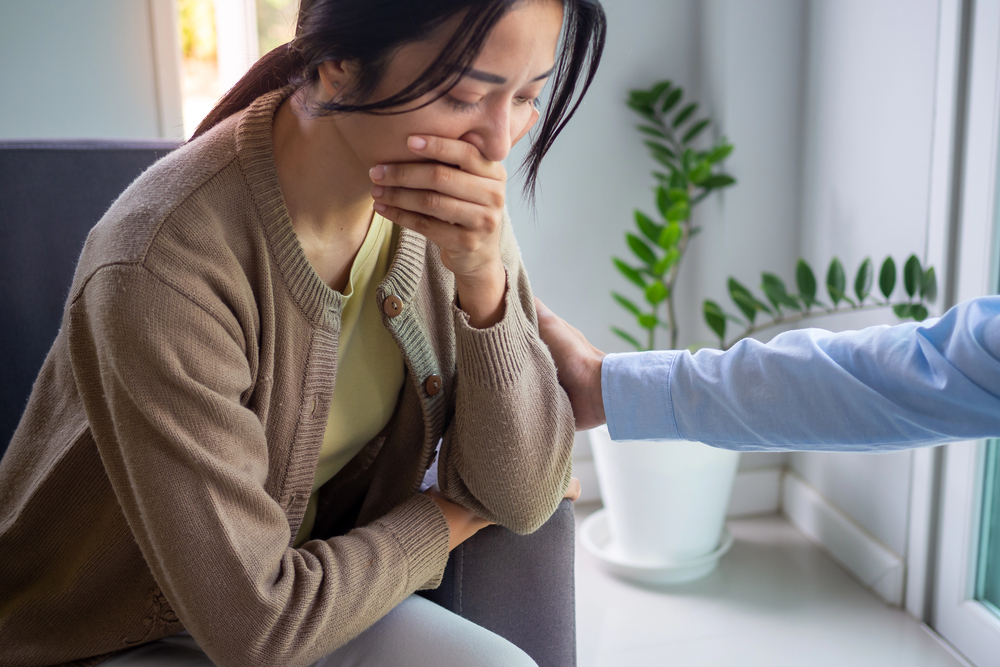
Trauma counselors help clients process guilt for emotional healing. One method is creating a safe environment. Clients discuss guilt there without judgment. They explore the origins of the feeling. They see how it affects their lives and relationships. Counselors also use cognitive-behavioral tools. These challenge negative thoughts. Clients change their stories and separate guilt from shame. Group therapy shares these experiences. Clients feel less alone. Programs like Before Operational Stress (BOS) show that early action builds resilience. These programs support healthy relationships. This shows we must address guilt in a structured way.(Rokach A et al., 2023) (Andrea M Stelnicki et al., 2021).
IV: The Influence of Fear in the Counseling Process
Fear acts as a barrier and a catalyst in trauma counseling. Clients enter counseling with fear from past traumas. It hinders their ability to talk openly and honestly with the counselor. This hesitation blocks the healing process. The COVID-19 pandemic makes this reaction worse. Individuals feel overwhelming stress and anxiety. This is especially true for vulnerable populations, and it makes existing fears stronger. Healthcare workers also face high levels of fear and anxiety. They often struggle with moral injury and burnout from the pressures of their roles. This complicates their mental health. Counselors must address these fears. They have to create a safe and supportive environment. This encourages clients to confront their fears. Doing so leads to recovery and resilience in the face of trauma.(Lene E Søvold et al., 2021). Furthermore, healthcare workers, who also face heightened levels of fear and anxiety, often struggle with moral injury and burnout due to the pressures of their roles, complicating their mental health (Kontoangelos K et al., 2020). Consequently, addressing these fears within the counseling framework becomes essential; counselors must create a safe and supportive environment that encourages clients to confront their fears, ultimately facilitating recovery and resilience in the face of trauma.
Fear often stands out as a main emotional response in people who have lived through trauma. It serves as a psychological defense. But it also acts as a big block to healing. This wide-reaching emotion appears in many places. It affects vulnerable groups heavily. Healthcare workers dealing with crises like the COVID-19 pandemic are a clear example. Reports show that fear, anxiety, and stress surged among these workers. These feelings worsen challenges like burnout and moral injury. Such problems make it difficult to cope with the results of traumatic experiences. The pandemic raised fear levels in medical professionals. It also impacted children and older adults. It made them feel unsafe and led to deep psychological effects. Trauma counseling must view fear as a standard response. Treating this emotion helps patients build resilience and recover.(Lene E Søvold et al., 2021). Furthermore, the pandemic has not only heightened fear among healthcare professionals but has also impacted children and older adults, instilling a sense of vulnerability that leads to profound psychological effects (Kontoangelos K et al., 2020). Recognizing fear as a common response to trauma is essential for trauma counseling, as addressing this emotion is crucial for promoting resilience and facilitating recovery.
Fear plays a large part in avoidance behaviors. This is true in trauma counseling. Fear acts as a defense against perceived threats. Survivors of traumatic events often use avoidance. They do this to reduce the fear and anxiety linked to reminders of their trauma. This reaction appears in the demographic trends of eating disorders. Emotional pain from trauma leads people to avoid specific situations. They shun triggers that spark negative emotions or memories. Fear continues to guide these patterns. It worsens feelings of isolation and discomfort. Then the cycle of harmful coping strategies repeats itself. Counselors must address fear to stop this avoidance loop. This work builds better coping mechanisms. The process helps the patient recover and gain resilience.(Barakat S et al., 2023). Furthermore, as fear continues to influence these avoidance patterns, it can exacerbate feelings of isolation and discomfort, thus perpetuating a cycle of maladaptive coping strategies (Hay P, 2020). Consequently, addressing fear in trauma counseling is essential for breaking the cycle of avoidance and fostering healthier coping mechanisms, ultimately promoting recovery and resilience.
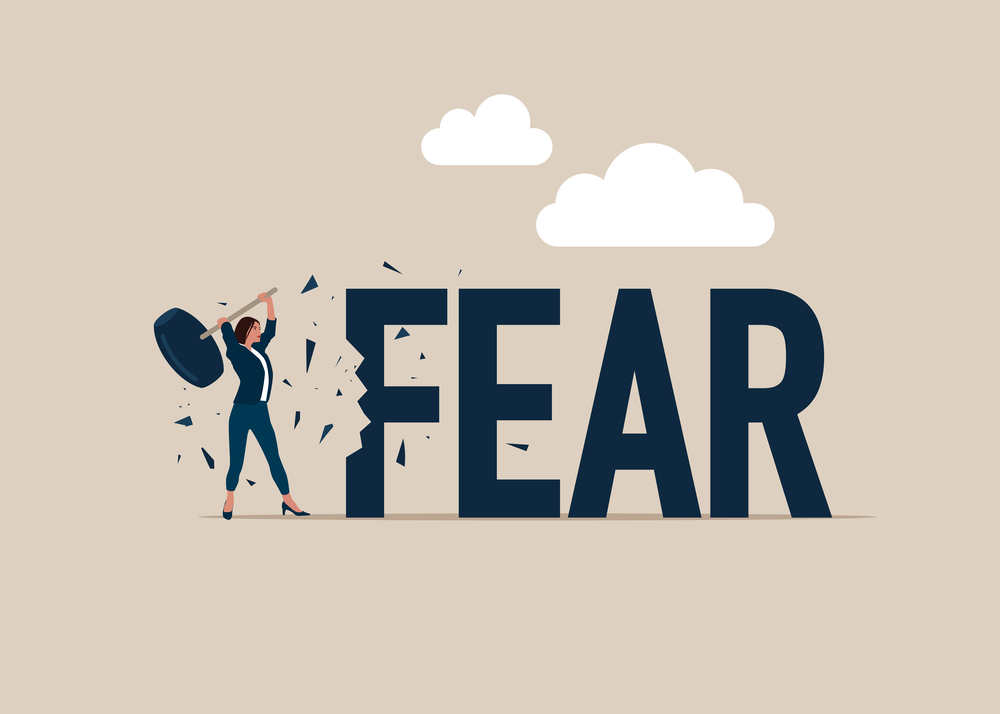
Counselors must manage fear to build a safe space for healing. One common technique is mindfulness-based stress reduction (MBSR). It encourages clients to notice thoughts and feelings without judgment. This practice eases anxiety and builds self-compassion. Individuals can then face fears in a supportive setting. Practitioners also use cognitive-behavioral strategies. These help clients change negative thought patterns linked to trauma. The change reduces the strength of fear responses. Grounding techniques like deep breathing give clients control. They help people stay present during distressing moments. The mental health crisis shows the value of these approaches. Events like the COVID-19 pandemic made the crisis worse. Structured plans are now important for clients and professionals.(Conversano C et al., 2020). Moreover, practitioners can integrate cognitive-behavioral strategies that help clients reframe negative thought patterns associated with trauma, thereby reducing the intensity of fear responses. Creating grounding techniques, such as deep breathing exercises, further empowers clients to maintain presence and control during distressing moments. As the ongoing mental health crisis, exacerbated by events like the COVID-19 pandemic, underscores the importance of these approaches, integrating structured interventions becomes increasingly vital for both clients and healthcare professionals (Lene E Søvold et al., 2021).
V: Conclusion
Trauma counseling must address shame, guilt, and fear. These emotions mix together and shape the healing process for survivors. They often stop people from speaking and keep them isolated. Survivors struggle with the belief that their pain is shameful or undeserved. Stories from participatory research show that we must acknowledge these feelings. Doing so builds strength and helps victims of institutional abuse recover . We also need to understand the emotional work people do, such as coping with phantom limb sensations after an amputation. This example highlights the many sides of trauma and how it appears . Counselors can focus therapy on these emotions to create a safe place. Survivors then feel able to voice their experiences. This leads to progress and shared healing.(Filistrucchi P et al., 2023). Furthermore, understanding the emotional balancing acts individuals undertake, such as coping with phantom limb sensations post-amputation, underlines the multifaceted nature of trauma and its manifestations (Andra Cătălina Roșca et al., 2021). By centering therapy around these emotions, counselors can create a safe environment where survivors feel empowered to voice their experiences, ultimately paving the way for therapeutic progress and communal healing.g
Shame, guilt, and fear are major factors in trauma counseling. They affect a client’s mind and ability to heal. Shame usually comes from a sense of worthlessness. It can block recovery by creating isolation and self-blame. Guilt often comes from the belief that one failed to protect themselves or others. This worsens trauma symptoms and slows progress in therapy. Fear links to past traumas and causes strong anxiety. This makes it hard for people to face their experiences or participate in therapy. Therapists must recognize these complex emotions. They are important because they can stop recovery or help it. These emotions get stronger during a crisis like the COVID-19 pandemic. This proves the need for trauma-informed care that treats such feelings well.(Lene E Søvold et al., 2021)(Kontoangelos K et al., 2020).
Emotional awareness is key in the therapeutic process. It helps in trauma counseling because feelings of shame, guilt, and fear often block healing. Therapists use this awareness to help clients name their emotions. This leads to a clear understanding of their trauma. This awareness helps clients face hard feelings. It also builds self-acceptance and strength against adversity. Research shows that shame and guilt worsen mental health issues. They cause a cycle of avoidance and distress. But building emotional awareness reduces these problems. Clients can view their experiences differently in a helpful environment. So, focusing on emotional awareness helps individuals manage their trauma. It encourages useful coping methods. The result is better mental well-being.(Barakat S et al., 2023). In contrast, cultivating emotional awareness mitigates these issues by allowing clients to reframe their experiences and emotions in a supportive environment. Consequently, prioritizing emotional awareness in therapy not only empowers individuals to navigate their trauma but also encourages the development of adaptive coping strategies, ultimately leading to enhanced mental well-being (Lene E Søvold et al., 2021).
Trauma counseling is changing. Future research and practice must focus on understanding the mix of shame, guilt, and fear. We must add to current writings to build specific treatment plans. These plans must directly treat the emotional responses in trauma survivors. Recent findings connect childhood experiences and personality traits to trauma symptoms. These factors play a large role. This shows a need for personalized therapy. Qualitative studies also suggest that emotional balancing helps people feel normal again. It could serve as a base for new counseling models. Researchers and practitioners can study these areas to improve current methods. They can create evidence-based plans that help survivors heal. This work will improve mental health results for many groups.(Barakat S et al., 2023). Moreover, qualitative studies suggest that emotional balancing is essential for individuals striving to regain normalcy after trauma, which could serve as a foundational element for new counseling frameworks (Andra Cătălina Roșca et al., 2021). By exploring these dimensions, researchers and practitioners can enhance existing methodologies and create more effective, evidence-based strategies that foster resilience and healing among trauma-affected individuals, ultimately improving mental health outcomes in diverse populations.
Please also review AIHCP’s Trauma Informed Care Certification as well as AIHCP’s numerous other healthcare certifications
Other AIHCP blogs: Emotional Abuse. Access here
Additional Information
APA. (2025). “How to cope with traumatic stress”. Access here
Herzberg, B. (2025). “The Differences Between Guilt and Shame”. Psychology Today. Access here
“Guilt as part of PTSD; and ways to dismantle it”. PTSDuk. Access here
Gillette, H. (2024). “What’s the Relationship Between Trauma and Anxiety?”. Healthline. Access here