10 Lucrative Work-From-Home Jobs In The Medical Industry

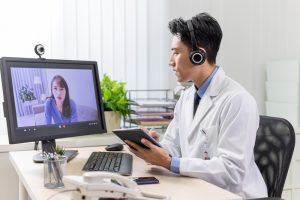
Female doctor talking with colleagues through a video call withWritten by Veronica Turner

Whether you’re seeking increased flexibility or looking to cut down your commute, remote jobs have taken on a new appeal, especially in the healthcare field. The medical industry not only promises a solid income but also lends you an opportunity to impact lives positively.

From medical transcriptionists and health information technicians to virtual health coaches, there’s a wide spectrum of such rewarding jobs that combine healthcare and remote work. Let’s dive into these fields and explore some profitable healthcare positions you can do from home.


10 Incredible Work-From-Home Jobs In The Medical Industry

According to the Bureau of Labor Statistics, 27% of the U.S. population works from home. If you want to be a part of this growing demographic, consider applying for one of these careers.

  1. Medical Transcriptionist

A medical transcriptionist is a key figure in the healthcare sector. In this role, you’re tasked with listening to voice recordings from healthcare professionals and transforming them into written documents. Accuracy and attention to detail are essential skills in this profession.

This job involves a lot of responsibility. After all, accurate medical records are crucial for providing top-notch patient care. As a bonus, it offers the flexibility and convenience of working from home. With increasing digitalization in healthcare, this career shows an upward trend.

  1. Health Information Technician

As a health information technician, you play the important role of maintaining and organizing health data. Your primary responsibilities include ensuring the data’s accuracy, quality, accessibility, and security in both paper files and HIPAA-approved electronic systems.

Proficiency in technology and familiarity with medical records are typically required for this job.

With a pivotal role in ensuring efficiency within our healthcare system, a health information technician provides a rewarding career that combines technical skills with medical knowledge.

  1. Medical Coders

Coding is an engaging and in-demand profession, with a role that focuses on transferring healthcare diagnoses and procedures into recognized codes. Particularly noteworthy are positions involving medical coding in NJ, where opportunities can be found in and out of state.

As the backbone of the healthcare documentation and billing process, your work as a medical coder contributes tremendously to improved efficiency in the healthcare system. The best part? You can apply online all around the USA, making a living in CA but working in NJ possible.

  1. Telephonic Nurse Case Manager

A telephonic nurse case manager is an evolving role in the healthcare industry that combines nursing expertise with organizational skills. Your job will involve coordinating and overseeing a patient’s care plan over the phone, ensuring they receive appropriate and necessary treatments.

While still providing high-quality patient care, this role offers the appealing benefit of working remotely through Telehealth services. This innovative approach to healthcare delivery offers great rewards and satisfaction in playing a vital part in improving patients’ health outcomes.

  1. Clinical Research Coordinator

In the world of medical research, a clinical research coordinator is an integral part of any successful study. Your primary role will be to oversee all aspects of clinical trials, from gathering and processing data to adhering to protocols and maintaining contact with participants.

This job demands organizational skills, attention to detail, and sound knowledge of scientific procedures related to the testing of new medications or treatments. With digital technologies making it possible to conduct tasks remotely, you could comfortably perform this role at home.

  1. Home Care or Hospice Marketer

In the expanding realm of healthcare, the role of a home care or hospice marketer is increasingly important. Your job would consist of leveraging various online channels and social platforms to promote the services provided by home care establishments or hospices.

A strong blend of marketing and communication skills, coupled with a good understanding of healthcare services, is usually required for this role. Combining creativity with service, it’s a fulfilling job that capitalizes on digital marketing trends in healthcare while working from home.

  1. Virtual Health Coach

The position of a virtual health coach is a rewarding work-from-home job opportunity within the healthcare industry. If you’re a certified health coach with an empathetic mind and a sincere desire to improve people’s lives, this career may be perfectly suited for you.

Your responsibilities can range from providing guidance on healthier lifestyle choices to helping clients cultivate positive habits and attitudes toward personal health. This profession offers satisfying income potential and a sense of fulfillment in contributing to the wellness of others.

  1. Pharmaceutical Sales Representative

A pharmaceutical sales representative is often the critical link between pharmaceutical companies and healthcare professionals. In this remote work role, you would connect directly with medical practitioners to promote drugs manufactured by the company you represent.

Not only does it require a good understanding of the pharmaceutical industry, but also excellent interpersonal and communication skills for effective sales pitches. Although there may be performance targets to meet, working from home allows flexibility in your schedule.

  1. Teletherapy

As a teletherapist, your role would be to conduct online therapy sessions with patients, addressing issues such as stress, anxiety, depression, and more. This remote work model enables you to provide meaningful therapeutic interactions without leaving home.

You’d need appropriate credentials as a therapist and, ideally, some familiarity with online platforms. Teletherapy offers an incredible opportunity to positively impact individuals’ mental wellness from the comfort of your own home while attaining good income potential.

  1. Medical Illustrator

Being a medical illustrator could be a captivating work-from-home career option in the medical industry. In this position, your primary responsibility would be to design and produce visually engaging content for instructional material or presentations on medical topics.

By transforming complex medical information into digestible visual content, you’ll play an essential role in enhancing understanding among doctors, students, and patients alike. With growing digital media demand, this remote profession is lucrative and incredibly creative.


In Conclusion…

So, are you ready to start your career in the medical industry from the comfort of your own home? Remember, all these roles offer not just great financial prospects; they also allow you to positively impact health outcomes while working remotely. Your skills, qualifications, and passion can pave the way for a rewarding journey in these diverse medical fields.

Author Bio:

Veronica Turner is a health and lifestyle writer with over 10 years of experience. She creates compelling content on nutrition, fitness, mental health, and overall wellness.


Please also review AIHCP’s professional certification programs and see if it meets your academic and professional goals.  These programs are online and independent study and open to qualified professionals seeking a four year certification.
6 Lucrative Healthcare Careers That Are Worth Pursuing In 2023

Telemedicine concept - asian male doctor has video call with female patient with depression online by webcam in clinicWritten by Veronica Turner

As you start evaluating all your professional options for the year, it’s crucial to consider some of the fastest-growing and most rewarding careers in healthcare.

The industry is vast and varied, offering different roles that blend passion with lucrative earning opportunities.

By focusing on these trending professions for 2023, we hope to inspire your search for a fulfilling career that aligns perfectly with your skillset and aspirations. Now let’s set off on this exciting journey together!


Taking on Telemedicine Services

Telehealth is rapidly growing and hugely beneficial, with remote consultations saving time, money and increasing accessibility to care. If technology intrigues you and flexibility appeals to your work-life balance goals, diving into telemedicine could be ideal for you.

Here are key facets to know:

  • Versatility: With options like providing remote patient monitoring or conducting online doctor visits, there’s a role suitable for every healthcare professional.
  • Work-Life Balance: By eliminating commuting completely, telemedicine offers better control over your schedule- a significant perk not only during pandemic times!
  • Income Potential: Owing to its rising demand, jobs in telehealth also command a premium. For qualified physicians in this space, hourly earnings sit at an average of just under $100. Meanwhile the overall average in this field is around $85,000 annually.

Venturing into telemedicine services opens up new arenas that combine medical expertise with innovation. This could be a perfect fit for healthcare professionals looking to thrive in a role that will be relevant going forward.


The Rising Demand for Clinical Research Coordinators

Clinical research coordinators are the pulse behind every successful clinical trial – they manage operations, ensure compliance while overseeing patient safety and data accuracy. With an increase in medical research and drug discovery, these roles are highly sought-after.

Insights into this rewarding profession:

  • Critical Role: As a coordinator, you’d be liaising between different stakeholders, including patients and doctors, to guarantee the effectiveness of trials.
  • Growth Opportunities: The Bureau of Labor Statistics reports job growth in this sector to be faster than average due to expanding areas like genetic testing.
  • Attractive Salary: Reliable compensation of over $68,000 on average reflects the responsibility for detail-oriented tasks that come with managing complex clinical trials.

A career as a clinical research coordinator is exceptionally gratifying; not only does it offer diverse opportunities but also opens doors for incredible advancements within healthcare sectors.


Exploring the Ins and Outs of Healthcare Logistics

Navigating complex logistical networks is at the core of healthcare delivery systems, making logistics professionals pivotal in patient care quality. Expanding beyond conventional supply chain management roles, logistic careers are evolving rapidly in today’s dynamic healthcare scenario.

Gauge this fascinating role below:

  • Role Influence: As a key player, you ensure inventory management or transportation processes run smoothly, which is crucial to maintaining seamless services within healthcare establishments.
  • Impact on Patient Care: Efficient logistics in healthcare translates into speedy delivery of vital supplies like medication or necessary equipment. This directly affects response times, thereby impacting patient care quality positively.
  • Career Growth: The continuous emphasis on system optimization means a robust demand for skilled logisticians now and in future years.

Intricately connected with daily operational efficiencies, a career in healthcare logistics promises unmatched professional satisfaction coupled with considerable remuneration.


Health Informatics: The Intersection of Tech and Medicine

Health informatics is a unique field where technology meets healthcare to enhance patient outcomes and streamline processes. As an information systems expert in this capacity, you’d oversee technology implementations whilst ensuring data security within medical facilities.

Consider these perks of being a health information technologist:

  • Technological Impact: You bridge the gap between clinicians and IT professionals, improving technological integration for better patient care.
  • Data Security Role: A vital part of your job involves protecting sensitive health data from cyber threats, invariably avoiding any concerns over job stability given the current climate.
  • Compensation: Given the specialized nature of this role, it offers competitive salaries compared to other healthcare careers, with median annual wages sitting at just over $55,000.

A specialization in Health Informatics not only harnesses both tech-savvy skills and clinical understanding but also promises immense potential as we inch towards digitized healthcare ecosystems. If that sounds up your street, get involved!


The Alluring Profession of Health Policy Analysts

Health policy analysts stand at the crossroads of healthcare and legislation, shaping public health policies that affect millions. If you are intrigued by law-making processes and want to impact change systematically, this role is for you.

A quick peek into a policy analyst’s world:

  • Wide Influence: You form strategies, influencing healthcare legislation on local or national levels.
  • Diverse Workplaces: From government agencies to private research organizations – your workplace choices remain vast.
  • Robust Earnings: As per Payscale reports, experience strongly influences pay for health policy analysts, with average salaries currently sitting at almost $67,000.

With immersive exposure in politically enriched environments and an opportunity to orchestrate progressive societal changes captured within their roles, health policy analysts truly undertake game-changing responsibilities with remarkable repercussions in real life.


Becoming a Medical Aesthetician: Fusing Beauty, Wellness, and Medicine

Medical aestheticians are skin care specialists working in medical settings. They merge beauty therapy with wellness treatments for patients undergoing surgery or battling illnesses that are adversely affecting their skin.

Peek into this fascinating career:

  • Unique Crossover: You’ll find beauty enthusiasts right at the junction of aesthetic treatment and medical healing.
  • Positive Impact: Working closely with dermatologists and oncologists, you will have the opportunity to restore your patients’ confidence post-surgery.
  • Lucrative Options: According to ZipRecruiter data, on average these experts can earn up to $35 hourly, and there are flexible freelance options here, as well as permanent roles.

So by combining compassion with aesthetics, becoming a medical aesthetician offers an unconventional yet fulfilling path within the healthcare industry that can be immensely rewarding both personally and financially.


The Bottom Line

Whatever skills you already have, and whatever ambitions you might hold regarding your earnings, healthcare can encompass everyone and anyone who has a passion for helping people and hard work. So make 2023 the year you take your career to the next level, and you won’t regret it.

Author Bio.

Veronica Turner is a health and lifestyle writer with over 10 years of experience. She creates compelling content on nutrition, fitness, mental health, and overall wellness.


Please also review AIHCP’s professional certification programs and see if it meets your academic and professional goals.  These programs are online and independent study and open to qualified professionals seeking a four year certification.

Brainspotting vs EMDR – Comparing the Differences and Similarities

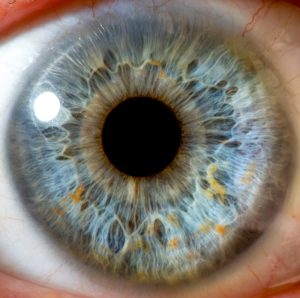
eye macroWritten by Veronica Turner

If you have a mental health condition like PTSD or trauma-related anxiety, it can be challenging to find a therapy that works best for you. But by learning about the various options out there, you can make a more informed decision.

Two effective methods are brainspotting and Eye Movement Desensitization and Reprocessing.

In the following guide, we will take a closer look at these two powerful techniques and delve into their workings, benefits, similarities, and differences, so you can determine which one is best for your personal therapeutic journey.


What Is Brainspotting?

Brainspotting is a type of therapy designed to help individuals to access, process, and overcome trauma.

Using a technique known as “dual attunement,” the therapist guides you in locating eye positions—also known as brainspots—that correlate with internal emotional experiences. It’s believed these brainspots are reflections of different areas of your brain. The concept behind brainspotting suggests that our brain processes information about traumatic events visually.

For instance, when pointed toward a particular direction, your eyes may trigger memories of distress or discomfort. Focusing on these points can help to unlock and process unresolved issues at a deeper level than traditional talk therapy offers.

Brainspotting can effectively assist with various conditions such as anxiety disorders, PTSD, physical or emotional trauma, and performance issues. Furthermore, it can potentially aid in the recovery from substance abuse or addiction.

Tailored to meet individual therapeutic needs, brainspotting caters to each person’s unique healing pace and style while promoting self-awareness and personal growth. Therefore, brainspotting can be enormously beneficial for people struggling with numerous emotional challenges.


What Is EMDR?

Eye Movement Desensitization and Reprocessing, or EMDR as it is more commonly known, is another therapeutic technique aimed largely at relieving the distress associated with traumatic memories.

This type of therapy involves recalling distressing events while the therapist directs your eye movements.

The process of EMDR is unique because it can bring about rapid and effective relief from trauma-related symptoms. It does this by allowing your brain to reprocess the experience in a way that more effectively mitigates emotional and physical responses.

EMDR is highly beneficial for a range of conditions such as post-traumatic stress disorder, anxiety, panic attacks, and even disturbing life experiences that aren’t necessarily categorized as ‘trauma.’

One of the profound benefits of EMDR therapy is its ability to let individuals fully process past traumatic experiences and move forward in their lives. It has been widely acclaimed for its effectiveness in aiding recovery after psychological traumas, providing a path toward healing and well-being.


The Similarities of Brainspotting and EMDR

Now, let’s look at brainspotting vs. EMDR.

Both brainspotting and EMDR are gaining significant traction for their effectiveness in treating trauma and other distressing conditions. They share several of the same fundamental characteristics in how they operate.

For instance, both therapies tap into the body’s natural ability to self-heal by processing and releasing traumatic memories.

Additionally, each therapy requires the individual to recall specific distressing events while the therapist uses a technique to guide their focus — eye movements in EMDR or specific eye positions in brainspotting.

Furthermore, both methods advocate for integrating traditional psychotherapeutic practices with more modern techniques for a comprehensive therapeutic experience.


The Differences Between Brainspotting and EMDR

While brainspotting and EMDR share similarities, there are distinct differences that set them apart too.

In EMDR, external stimuli such as finger movements or sounds direct the patient’s eye movements; while in brainspotting, the therapist helps the patient to identify a specific eye position that can trigger and process responses to traumatic events.

Additionally, the two modalities diverge in their pacing.

EMDR generally follows a more structured protocol and tends to be faster-paced, allowing for quicker processing of trauma. Conversely, brainspotting encourages a slower, more individual-paced approach, offering time for the exploration of deeper emotional experiences.


How to Decide Which Method Is Best for You

Deciding between EMDR and brainspotting largely depends on your personal needs, comfort levels, and the type of trauma or distress you’re dealing with.

If you prefer a more structured approach with quicker results, EMDR might be the right pick for you. However, if you value a slow-paced method that allows more time for exploring deep-seated emotions, brainspotting could be the better option.

It’s advisable to speak about both techniques with a mental health professional who is knowledgeable about both methods. They can provide guidance based on their understanding of your unique situation and help you to make an informed choice.


Author Bio.

Veronica Turner is a health and lifestyle writer with over 10 years of experience. She creates compelling content on nutrition, fitness, mental health, and overall wellness.


Please also review AIHCP’s Health Care Life Coach Certificate program and see if it meets your academic and professional goals.  These programs are online and independent study and open to qualified professionals seeking a four year certification.


10 Different Options for Dealing With Back Pain (Including After Surgery) 

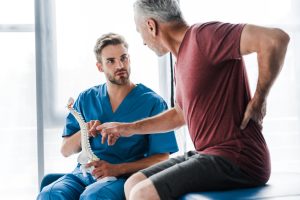
Patient with back pain consulting a doctorWritten by Veronica Turner

Living with back pain can be a daunting experience; that’s where various effective options come into play to bring relief. Ranging from physical therapy, yoga, and pilates to locally injected pain relievers and self-care practices, each approach carries unique benefits to combat this ailment.

This variety is especially important considering the complexities of back pain, as symptoms can occur due to numerous reasons, including injury, aging, surgery, or chronic conditions.


10 Options for Dealing With Back Pain Before and After Surgery

By exploring these options in-depth, we aim to empower you with knowledge so you can be proactive in managing discomfort and improve your overall quality of life substantially.


  1. Physical Therapy

Conducted by trained therapists, physical therapy incorporates a variety of structured exercises designed to stretch and strengthen back muscles. Focusing on key areas responsible for supporting your spine, physical therapy can alleviate pain by improving stability and posture.

It’s important to note that the exercises are often tailored to cater to individual needs, meaning there’s little chance you’ll get hurt. Regularly engaging in these activities enhances long-term recovery and helps mitigate future relapse of back pain while accelerating healing after surgery.


  1. Yoga and Pilates

Embracing yoga and pilates can be a beneficial approach to managing back pain. These practices bring a holistic perspective that emphasizes the harmony of the whole body. Yoga, for instance, uses specific poses that help alleviate back pain by stretching the muscles.

On the other hand, pilates mainly concentrates on building core strength—a critical component for supporting your spine. With regular practice, both options can provide long-lasting relief from chronic back discomforts and support overall muscular health as long as you’re careful.


  1. Massage Therapy

Massage therapy has been identified as a powerful tool in relieving back pain. The simple act of applying pressure to affected muscles aids in reducing tension, improving blood circulation, and promoting relaxation. Increased circulation can expedite healing after back surgery.

Session frequency will depend on the severity of the pain, but even occasional massage appointments can bring about noticeable improvements. Licensed therapists can utilize various techniques depending on your precise need, making this approach versatile.


  1. Self-Care Practices

Self-care practices play a vital role in managing back pain, and they can be as simple as daily lifestyle changes. Healthy habits such as maintaining a balanced diet, resting adequately, avoiding heavy lifting, and incorporating regular exercise are beneficial for your back.

Being proactive about managing stress through various techniques can improve your overall well-being, which indirectly impacts your health. Integrating these habits into your routine aids in effective pain management post-back surgery and contributes positively to long-term recovery.


  1. Pain Medication

Non-prescription (over-the-counter) pain medications/drugs like NSAIDs (Non-Steroidal Anti-Inflammatory Drugs) or acetaminophen can be handy for controlling mild to moderate symptoms. They function by reducing inflammation and blocking pain signals, respectively.

However, with more serious or chronic conditions, stronger prescription medications may be necessary. These should always be used under the supervision of a healthcare professional. Pain medication is often most effective when combined with other treatments.


  1. Heat and Cold Treatment

Heat and cold treatment is a readily accessible and often effective method to manage back pain. Applying heat, using tools like electric heating pads or warm compresses, helps soothe stiff or achy muscles by improving blood circulation. It promotes healing and can aid mobility.

Conversely, cold treatment with ice packs reduces swelling and numbs sore areas to dull pain. The key is to alternate between the two therapies for optimal results. This technique is usually best used for temporary relief of minor back pains or post-exercise soreness.


  1. Topical Analgesics

Applied directly onto the skin, topicals or ointment products provide localized relief from pain and inflammation. They work by producing a warm or cool sensation that distracts you from the pain or by delivering medication directly to the painful area for transdermal absorption.

Topical Analgesics come in various forms, such as gels, sprays, and patches, and are typically used in conjunction with other treatments. While they may not solve all back pain issues, especially if they’re chronic, they can provide much-needed temporary reprieve in daily life.


  1. Locally Injected Pain Relievers

Injected pain relievers are administered directly to a specific area of the body that’s generating intense discomfort, such as near-strained muscles or pinched nerves. For instance, conditions like sciatica that involve nerve pressure often respond well to these injections.

This approach can swiftly deliver higher concentrations of medication to where it’s most needed, providing rapid relief and reducing the side effects associated with systemic distribution in oral medication. This method should always be performed by a trained healthcare professional.


  1. Chiropractic Care

Chiropractic care is another important therapeutic intervention to consider when dealing with back pain. A chiropractor, trained in spinal manipulation and alignment, can help pinpoint the source of your pain before applying specific adjustments designed to address irregularities.

Studies have shown that these treatments can effectively alleviate discomfort in the lumbar region, promoting mobility and enhancing overall quality of life. This approach usually works best as part of a comprehensive treatment plan involving physical therapy or exercise programs.


  1. TENS Unit

The TENS (Transcutaneous Electrical Nerve Stimulation) Unit is a non-invasive device often used in pain management, including backaches. It functions by delivering small electrical currents through electrodes that are adhered to the skin over problem areas.

These currents interfere with the body’s pain signals, persuading your nervous system to either diminish or entirely block these signals, thereby reducing the sensation of pain. This compact device is especially handy as its portable nature allows for home use and immediate relief.


In Conclusion…

Back pain may be a common issue, but you don’t have to endure it silently. There are numerous effective options available today to manage and relieve your discomfort. It’s crucial to remember that every person is unique; what works for one might not work for another.


Author Bio.

Veronica Turner is a health and lifestyle writer with over 10 years of experience. She creates compelling content on nutrition, fitness, mental health, and overall wellness.


Please also review AIHCP’s Health Care Life Coach Certificate program and see if it meets your academic and professional goals.  These programs are online and independent study and open to qualified professionals seeking a four year certification.


How Childhood Illnesses Can Impact Long-Term Mental Health

Sick little girl in bed. Mother with thermometer is sitting near the bed.Written by Veronica Turner


The effects of childhood illnesses can linger, shaping mental health for years to come.

For instance, chronic conditions like asthma or diabetes require frequent medical care and lifestyle adjustments, which can contribute to feelings of difference or exclusion. In turn, long-term mental health can be significantly impacted.


The Role of Early Bonds and Attachments

Childhood illnesses can majorly impact the development of early bonds and attachments, which are the foundation for future relationships.

A child constantly in medical care might have less opportunity to cultivate strong connections with peers or siblings. Over time, these disruptions can lead to difficulties in forming close relationships, potentially stimulating long-term feelings of loneliness or isolation.

This could then contribute to mental health problems such as depression and social anxiety disorders later in life.


Social Exclusion

Following on from the last point, social relations can take a hit when battling health issues during the early years.

Difficulty in keeping up with peers physically often leads to withdrawal from social activities or rejection by peer groups, which may trigger depression in later life stages.


Stress Factors

Dealing with illnesses in childhood can create an inherent level of stress. Often, that can result in anxiety symptoms as a reaction to the situation.

For example, fear of recurring symptoms or impending medical appointments can lead to prolonged periods of worry.


Impact on Self-Image and Identity

One of the profound long-term mental health impacts can be seen in the child’s developing self-image and identity.

Chronic illness might cause children to feel different or develop the perception that they are ‘abnormal’.

Over time, this negative self-image can lead to problems like body dysmorphic disorder or eating disorders.

Thus, addressing these distorted perceptions early is vital for preventing future mental health issues.


Psychological Effects

Dealing with physical discomfort and pain frequently plays out in one’s mental arena, affecting sufferers’ perceptions of self and overall satisfaction in life.

It’s not uncommon for such circumstances to lead to low self-esteem and a pessimistic worldview.


Impact on Education

Educational opportunities may be hampered by chronic sickness, as well.

In addition to the physical toll it takes, illness may cause cognitive impairments or interruptions in schooling that hinder academic progress.

Consequently, this educational disruption feeds into one’s mental well-being resulting in feelings of insecurity or dissatisfaction.


Long-Term Trauma

The traumatic experience of prolonged medical treatments during formative years can carve deep emotional scars and even lead to PTSD in some cases.

Also, the repeated pain and invasiveness related to certain treatments can leave lingering fears or aversions tied closely to one’s self-sense.


Resilience Development

There is a flip side. Some children who experience illnesses early in life develop extraordinary resilience over time.

In dealing with adversity at a young age, they may acquire coping skills that fortify them against future mental health challenges.

Therefore, outcomes are not always negative. Childhood illness can sometimes lead to heightened emotional robustness in adulthood.


The Importance of Professional Helpsick teddy bear with injury in a bed in the hospital

Entrusting mental well-being with professionals who specialize in child psychology becomes crucial when dealing with the aftermath of childhood ailments.

The intervention of experts at an early stage can help individuals to manage issues such as anxiety and depressive symptoms. In turn, that can reduce the chances of long-term mental health ramifications.

Additionally, mental health professionals can offer strategies to help people navigate the social and educational hurdles that can be caused by illnesses.

This professional involvement and support can act as a strong buffer against more serious future mental health implications.


Wrapping Up

Early intervention and supportive environments can mitigate the potential long-term mental health effects of childhood illnesses.

So, if your child has an illness, make sure you take steps to lessen the impact that the illness could have on their mental health later in life. The first step is to contact a mental health professional.


Author Bio: Veronica Turner is a health and lifestyle writer with over 10 years of experience. She creates compelling content on nutrition, fitness, mental health, and overall wellness.”


Please also review AIHCP’s Health Care Life Coach Certificate program and see if it meets your academic and professional goals.  These programs are online and independent study and open to qualified professionals seeking a four year certification.

The Connection Between Addiction and Mental Health: How to Overcome

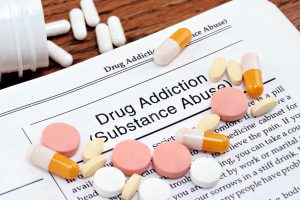
Drug Addiction and pills
Close up macro shot.

Written by Joseph Gilmore

With several people battling addiction and mental health, addiction and mental health present major global issues today.

For the general public, it’s crucial to understand the relationship between addiction and mental health. Moreover, it’s also important for the successful treatment and recovery of the user’s daily lifestyle.

Let’s delve into the complex relationship between addiction and mental health and provide insight on how to navigate these challenges. That said, if you’re facing any mental health issues, we strongly recommend professional insight to guide you through the right process for treatment and recovery.


What is Addiction, and How Does it Impact Someone’s Life?

Addiction is a chronic, overwhelming, and emotional condition characterized by a compulsion to engage in specific behaviors or consume substances, despite understanding their harmful consequences. Addiction affects people’s mental and physical health in undesirable ways.

In the United States, numerous Community Health Recovery Centers are dedicated to assisting individuals nationwide who are battling drug addiction. Ohio, in particular, is home to a number of these centers that prioritize providing effective treatment plans and comprehensive support. These centers recognize the significance of tailored care and offer a wide array of evidence-based treatments, therapy, and counseling services to address the unique circumstances of each individual. Emphasizing personalized approaches, Ohio Community Health Recovery Centers empower individuals to regain control of their recovery journey and work towards long-lasting well-being. These centers are essential resources within Ohio’s healthcare landscape, fostering a compassionate environment where individuals can find the support they need to overcome addiction and rebuild their lives.

Most of the time, addiction results in a lack of self-control, which in turn affects personal relationships with friends, family, and even one’s overall daily routine. Addiction, in general, can lead to serious financial, legal, and physical health problems.

Also, addiction worsens feelings of anxiety, depression, and other mental health problems. That’s why overcoming addiction requires an expert’s assistance and adherence to a complete treatment plan.


The Relationship Between Drug Addiction and Mental Health

The relationship between drug addiction and mental health reveals to you how important self-awareness and rehabilitation facilities are.

Recovery facilities play an important role in providing treatment to individuals battling addiction and mental health conditions alongside the support of friends and loved ones.


The Link Between Addiction and Mental Health

Addiction and mental health illnesses often coexist and can significantly impact one another. This connection is influenced by some factors, such as:

  • Self-Medication: People struggling with mental health have a high chance of using illegal substances to self-medicate and deal with negative emotions like anxiety, depression, or trauma.
  • Neurochemical Imbalance: Addiction and mental health problems can ruin the delicate normal balance of neurotransmitters in the brain, which can really increase the chance of co-occurring illnesses in your physical body.
  • Genetic Predisposition: Most people are likely to get addicted to drugs because of their family genes. A family history of substance addiction or mental illness can significantly raise the chances of increasing these problems.

Common Co-occurring Disorders


A young troubled man sitting on a chair in a blurred background. In the front hands of a therapy specialist taking notes during an individual meeting. Copy space.

  • Anxiety Disorders: Health disorders like panic and social anxiety disorder usually come with addiction. Anxiety-related stress can motivate people to seek comfort through the use of drugs.
  • Depression: Depression results from continued use of drugs. People use drugs or substances to numb their emotional anguish in the meantime or ease their feelings by getting high.
  • Post-Traumatic Stress Disorder (PTSD): Traumatic experiences from the past can cause PTSD. It is causing people to self-medicate with drugs just to avoid disturbing dreams that are running through their heads.


Integrated Treatment Approaches

Integrated treatment approaches have been proven to be effective in the past years. They efficiently help address the complicated relationship between addiction and mental health.

  • Dual Diagnosis Assessment: This is an assessment and diagnosis of addiction and mental health issues required to develop a tailored treatment strategy. It helps concurrently address the patient’s conditions.
  • Comprehensive Therapies: Treatments such as cognitive-behavioral therapy (CBT), dialectical behavior therapy (DBT), and trauma-focused therapy are proven to help patients live healthier lives. They also help deal with traumatic situations and manage many health disorders simultaneously.


These treatments are recommended by experts for someone who is battling drug problems.

  • Medication Management: In some cases, it can be helpful to use medication to treat mental health problems and speed up the recovery process. In fact, it’s highly recommended by mental health experts most of the time. That said, close medical expert supervision is needed to guarantee safe and effective use.
  • Support Groups: Participating in support groups, such as 12-step programs or group therapy, can help people expand their knowledge and understanding. Peer support is also recommended for the long-term rehabilitation process.

A solid support system is essential in addition to professional treatment. This includes family, friends, or support groups that are used with the difficulties linked with addiction.


Seeking Professional Help: Recovery Centers and Addiction Treatment

Recovery centers are places specialized in offering full care for addiction and mental health problems. These recovery centers hire professionals with experience to help people with specific addictions and mental health issues.

 Here are some of the following reasons why a rehab center is recommended:

  • Expertise: Staff members at rehab centers specialize in addiction treatment. They have tons of experience in managing co-occurring mental health problems.
  • Holistic Approach: Most recovery plans take what we call a “holistic” approach to treatment. This means that they focus more on the person’s physical, emotional, and mental health.
  • Safe and Supportive Environment: Recovery centers are built to provide a safe and supportive environment. They also encourage healing and growth with proper treatment.


Why is Having a Strategy for Addiction Rehabilitation Important?

Recovery methods are important for a lot of different reasons. The first reason is to get help in stopping addiction and abuse of substances.

Secondly, the treatment for addiction offers a safe and supportive place for addicts or individuals with a history of substance abuse. They focus on minimizing the triggers and promoting healing. Rehabilitation facilities advise creating proper coping methods, improving relationships, and restoring individuals’ lives.

Lastly, when helping in rehab facilities that are battling addiction it’s more likely that the person will stay healthy. It also reduces the chance of a return or relapse, helping people get back to their normal lives and live a happy life without drug abuse.


Key Takeaways

There is a definite link between addiction and mental health and dealing with both is important for long-term healing. These said treatment methods help deal with these problems at the same time can help people heal and change in a better way.

Getting help from a rehabilitation center is the best way to get support and therapy. They can help individuals beat addiction and overcome other mental health problems.

People take charge of their lives, improve their health, and find a way to long-term recovery.

Remember that the first step toward a better and healthy future for someone with a drug problem is to get the correct information and help from experts.


By Joseph Gilmore

“Joseph Gilmore has been in the addiction industry for six years, including experience working with addiction treatment facilities all across the country. He is passionate about helping people learn more about the dangers of substance abuse and helping people get the assistance they need to fight back against addiction”


Please also review AIHCP’s Certificate Program for Substance Abuse Practitioner and see if it meets your academic and professional goals.  These programs are online and independent study and open to qualified professionals seeking a four year certification.

The Growing Role of AI In Healthcare Management Systems

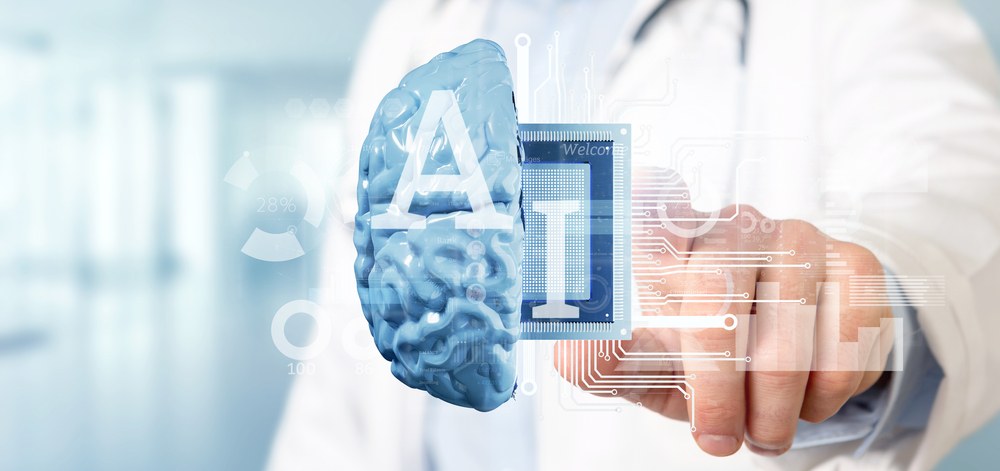
View of Doctor holding Artificial intelligence icon with half brain and half circuit 3d rendering

Written by Claire Ward

The recent advances in generative AI is no secret, and their impact on various businesses and industries is undeniable. Yet, one area that remains relatively under-the-radar in this regard is healthcare management, where legacy systems, processes, and technologies continue to dominate.

Healthcare management is often riddled with inefficiencies, ranging from excessive paperwork, to redundant systems and processes. These inefficiencies eventually end up getting passed onto consumers, either in the form of increased wait-times for crucial procedures, or unaffordably high prices.

Fortunately, the rising tide of AI has left no-stone-unturned, and is headed for the stubborn walls of global healthcare in all its fury. In this article, we take a deep dive into the exciting changes taking place within this industry, and its implications for patients, practitioners and other stakeholders.

Enhancing Efficiencies With Streamlined Operations

Over the normal course of operations, a significant portion of time and resources in a medical practice gets lost in largely unproductive activities. This includes billing, filing insurance claims, managing medical records, and a lot more.

As a result, the bureaucratic bloat in the industry has grown to unfathomable levels today, outnumbering physicians and nurses 10 to 1. This is clearly unsustainable, and leaves plenty of room for AI-enabled tools to work their magic and unlock substantial value in the days ahead.

AI, when applied to existing EHR and healthcare management systems can help automate numerous routine administrative processes, in addition to scheduling appointments, optimizing resource allocations, and reducing paperwork substantially.

The last decade saw a steady rise in the use of a management system for health homes, unlocking massive efficiency gains in the process. The 2020s will take this further by pairing the same tools and systems with AI, with limitless possibilities and potential for disruption.

Improving Diagnostics

Most errors and instances of malpractice in healthcare take place in the diagnostics stage, and as a result, the use of AI-enabled tools can help unlock substantial value for patients, practitioners and the broader industry alike.

No matter how experienced and skilled physicians get, they can never match machine learning algorithms when it comes to analyzing vast amounts of patient data and coming up with insights based on the same, often at a small fraction of the time and effort.

In recent years, plenty of AI-enabled tools have entered the fray, offering enhanced capabilities for radiologists when it comes to detecting anomalies that can be missed by clinicians. The capabilities of these tools still remain at nascent stages, but are growing exponentially each passing year.

Clinicians, however, need not worry about being replaced by AI, after all, patients place their trust on other human beings, never bots or programs. Radiologists have feared technology replacing them for over two decades, but despite the monumental advances, disruptive tech has only served to augment their capabilities and expand their reach.

Enhancing Patient Engagement

Technologies such as wearable devices, smartphones, and personalized health information have already done wonders in enhancing patient engagement, but add AI to the mix, and the result is absolutely phenomenal.

There are endless possibilities when legacy technologies are matched with advanced generative AI, particularly when it comes to healthcare. Right off the top, we imagine use cases such as chatbots, which can answer questions for patients, clarify doubts regarding their records, appointments, treatments, and more, without having to disturb a doctor or nurse in the process.

In addition to this, doctors have an option to remotely monitor their patients, get alerted about abnormalities right away, before they turn into life threatening emergencies.

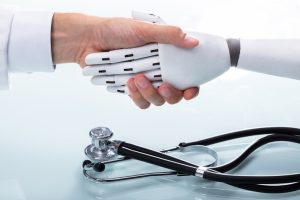
Doctor And Robot Shaking Hands

Facilitating Data-Driven Decision Making

Data is at the core of healthcare management systems, and the volume of healthcare data is growing exponentially. AI algorithms have the ability to process and analyze large datasets, uncovering meaningful insights that can inform decision making.

For instance, AI can identify population health trends, predict disease outbreaks, and optimize resource allocation based on real-time data. By leveraging AI’s capabilities, healthcare organizations can make data-driven decisions that have the potential to improve patient outcomes, reduce costs, and enhance overall healthcare quality.

Hospitals, nursing homes and clinics have long generated copious amounts of data, which have largely gone unused for the most part. With AI and advanced analytics, this data can finally be put to use, helping practitioners add plenty of value to patients in the long-run.

Addressing Ethical & Privacy Concerns

While the potential benefits of AI in healthcare management systems are immense, it is important to address the ethical, privacy, and security concerns associated with its use. As AI algorithms rely heavily on data, it is crucial to ensure patient data privacy and security.

Striking the right balance between data access for AI systems and protecting patient confidentiality is a complex challenge that requires robust data governance frameworks and regulatory oversight.

Additionally, ethical considerations such as transparency, accountability, and fairness in algorithmic decision-making processes must be carefully addressed to maintain trust in AI-powered healthcare systems.

Many of the ethical and privacy concerns pertaining to the use of AI for healthcare are yet to even be fully understood.

The issues will only come to light when there have already been instances of abuse, and this makes it pertinent to have ethical frameworks in-place, in addition to laws and regulatory frameworks, which often tend to be outdated fairly quickly, as more and more disruptive technologies come to fore.

The Road Ahead: Collaboration & Human-AI Partnership

As we embrace the growing role of AI in healthcare management systems, it is essential to recognize that AI is not a replacement for human healthcare professionals but a tool to augment their capabilities.

Collaboration between humans and AI is key to harnessing the full potential of this technology, and as such, any resistance to the adoption of such technologies must be dealt with using extensive training and awareness programs for all stakeholders involved.

Healthcare organizations should invest in training their workforce to understand and effectively utilize AI-powered systems, fostering a culture of continuous learning and adaptation. By embracing a human-AI partnership approach, we can ensure that AI serves as a valuable ally in delivering high-quality, patient-centered care.


Please also review AIHCP’s Health Care Certificate Programs and see if it meets your academic and professional goals.  These programs are online and independent study and open to qualified professionals seeking a four year certification.

7 Career Options for Those with a Pre-Med Background

Female Doctor Standing At The Hospital With A Digital Tablet

Written by Berry College Team

Pre-medicine (pre-med) programs allow students to develop a foundation in natural sciences such as physics, chemistry, and biology. As pre-med is not a major, those in this educational track may be classified under another major of their choosing. It’s common for pre-med students to choose a natural science major to prepare for the Medical College Admission Test (MCAT).

What is Pre-Med?

Pre-med is not a major

Pre-med is an educational track taken by students interested in applying to medical school after earning their bachelor’s degree. Pre-med students typically major in related fields such as biology or biochemistry. They can also major in seemingly unrelated fields such as philosophy, languages, or sociology.

Berry College’s Pre-Med program provides insight into the medical and liberal arts aspects of medicine to create well-rounded professionals.

Finding ways to incorporate additional passions into your pre-med program could lead you towards a rewarding career in healthcare. However, pre-med programs allow students to choose a major best aligned with their goals upon graduation. 


Career Options for Pre-Med Students

Acceptance rates vary significantly between medical schools. However, on average, 43% of medical school applicants were accepted during the 2021-2022 application cycle. Luckily, pre-medicine programs provide a background which can be applied to other fields in healthcare.

Pre-medicine programs focus primarily on natural sciences. This knowledge can be applied to a variety of disciplines in medicine and allied health careers. 

An understanding of natural science can be beneficial for fields such as:


Best teeth. Content dark-haired patient looking in the mirror and her dentist sitting new herDentistry

Dentists are experts in conditions, diseases, and treatment for issues relating to a patient’s jaw, mouth, teeth, and gums. They’re in charge of teeth extraction, examining X-rays, and performing procedures to help maintain oral health. They write prescriptions, develop treatment plans, and educate patients on maintaining proper oral hygiene between visits.

To become a dentist, you’ll need to:

  1. Earn a bachelor’s degree (major can vary, but courses in natural sciences are helpful)
  2. Take the Dental Admission Test (DAT)
  3. Earn your Doctor of Dental Medicine (DDM) or Doctor of Dental Surgery (DDS) degree
  4. Complete residency
  5. Earn your board certification

Orthodontists are dentists with additional training in orthodontics to diagnose, treat, and prevent dental irregularities. They also treat facial irregularities such as overbites and gaps between teeth with braces, retainers, and other devices. 

To become an orthodontist, you’ll need to:

  1. Earn a bachelor’s degree (major can vary, but courses in natural sciences are helpful)
  2. Take the Dental Admission Test (DAT)
  3. Earn your Doctor of Dental Medicine (DDM) or Doctor of Dental Surgery (DDS) degree
  4. Complete residency
  5. Earn your board certification


African young woman girl doing eye test checking examination with male man optometrist using phoropter in clinic or optical shop. Eyecare concept.Optometry

Optometrists take the role of a primary eye care provider. They’re in charge of examining, diagnosing, treating, and managing conditions such as nearsightedness and astigmatism. They also perform comprehensive eye exams and prescribe corrective lenses and contact lenses. 

Optometrists are also in charge of detecting and managing conditions such as glaucoma, cataracts, and diabetic retinopathy. If these conditions worsen, patients may be referred to an ophthalmologist, medical doctor specializing in eye and vision care.

To become an optometrist, you’ll need to:

  1. Earn a bachelor’s degree (major can vary, but courses in natural science are helpful)
  2. Take the Optometry Admission Test (OAT)
  3. Earn your Doctor of Optometry (OD) degree
  4. Earn experience or complete residency
  5. Earn your board certification

Ophthalmologists diagnose and treat more complex eye conditions, perform surgeries, and prescribe medication. They can narrow their specialty further by working in pediatrics or with specific conditions such as glaucoma or retinal detachment.

To become an ophthalmologist, you’ll need:

  1. Earn a bachelor’s degree (major can vary, but courses in natural science are helpful)
  2. Pass the Medical College Admission Test (MCAT)
  3. Earn a Doctor of Medicine (MD) or Doctor of Osteopathic Medicine (DO)
  4. Complete residency program in ophthalmology
  5. Earn your board certification


Biotechnology

Medical biotechnologists use live cells and biological materials to develop treatments such as vaccines and anti-viral medicines. They may also help develop precision medicine to provide customized patient care according to their genetic makeup.

Regenerative therapy, or gene therapy, is also a focal point for medical biotechnologists. They aim to repair or replace mutated genes with healthy ones to treat potentially life-threatening diseases.

Many biotechnology careers require a strong background in biology, chemistry, and other natural sciences. Additionally, pre-med programs often include courses in genetics, molecular biology, and biochemistry. Pre-med courses provide a broad understanding of these subjects which lays a solid foundation for a career in biotechnology. 

To become a medical biotechnologist, you’ll need to:

  1. Earn a bachelor’s degree (major can vary, but courses in natural science are helpful)
  2. Gain lab research experience
  3. Pursue a graduate degree in biotechnology, biomedical engineering, or a related field


Medical team looking at camera in operating theaterDoctor of Medicine (MD)

As a Doctor of Medicine (MD), you’ll diagnose, prevent, and treat physical or mental health conditions. You’ll conduct physical exams, order and interpret diagnostic tests, prescribe medications, and perform surgeries. MDs may specialize in surgical fields and master their techniques through rigorous training, residencies, and fellowships. 

MDs with surgical specialties also diagnose, treat, and manage conditions. MDs without surgical specialties are still trained to perform minor surgeries such as suture removals, draining cysts, and more. You may also recommend lifestyle changes to improve your patient’s overall health and wellbeing. 

MDs can incorporate additional interests into their career by specializing in dermatology, cardiology, psychiatry, pediatrics, and more. 

To become an MD, you’ll need to:

  1. Earn a bachelor’s degree (major can vary, but courses in natural science are helpful)
  2. Pass the MCAT
  3. Complete an MD program
  4. Pass both parts the United States Medical Licensing Exam (USMLE)
  5. Complete residency
  6. Earn your board certification


Doctor of Osteopathic Medicine (DO)

DOs take a holistic approach to medicine. These doctors take a patient’s body, mind, and emotions into consideration as they diagnose and treat patients. They use techniques such as massage therapy, spinal manipulation, and articulation to treat conditions. 

Like MDs, DOs may also incorporate additional interests into their careers through specialties such as pediatrics, obstetrics, geriatrics, and more.

To become DO, you’ll need to:

  1. Earn a bachelor’s degree (major can vary, but courses in natural science are helpful)
  2. Pass the MCAT
  3. Complete a DO program
  4. Complete residency
  5. Pass a licensing exam of your choice
  6. Earn your board certification

Both MDs, and DOs, can practice internal medicine, general medicine, or primary care. Internal medicine doctors, or internists, focus on diagnosing and treating conditions in adults. An internist provides comprehensive medical care for complex chronic conditions.

General medicine covers everything from internal medicine to primary care. Those in general medicine treat broad illnesses as they aren’t limited to one specialty. If a condition becomes too severe, they refer patients to specialists for additional, specialized treatment.  

Primary care medicine focuses on the overall health and well-being of patients. They handle physical exams, prescribing medication, health screenings, and treatment for minor illnesses or injuries. Those in primary care are typically a patient’s first point of contact for their health concerns. 

In Summary

Pre-med education provides a strong foundation in the natural sciences, which can provide a certain degree of career flexibility. While pre-med students may choose a career in medicine, their scientific background and skills are valuable in other fields. This can provide students with a variety of career options, allowing them to choose the path best aligned with their interests.


Please also review AIHCP’s Health Care Certificate Programs and see if it meets your academic and professional goals.  These programs are online and independent study and open to qualified professionals seeking a four year certification.

CPR Guidelines – What’s New in the Medical Field?

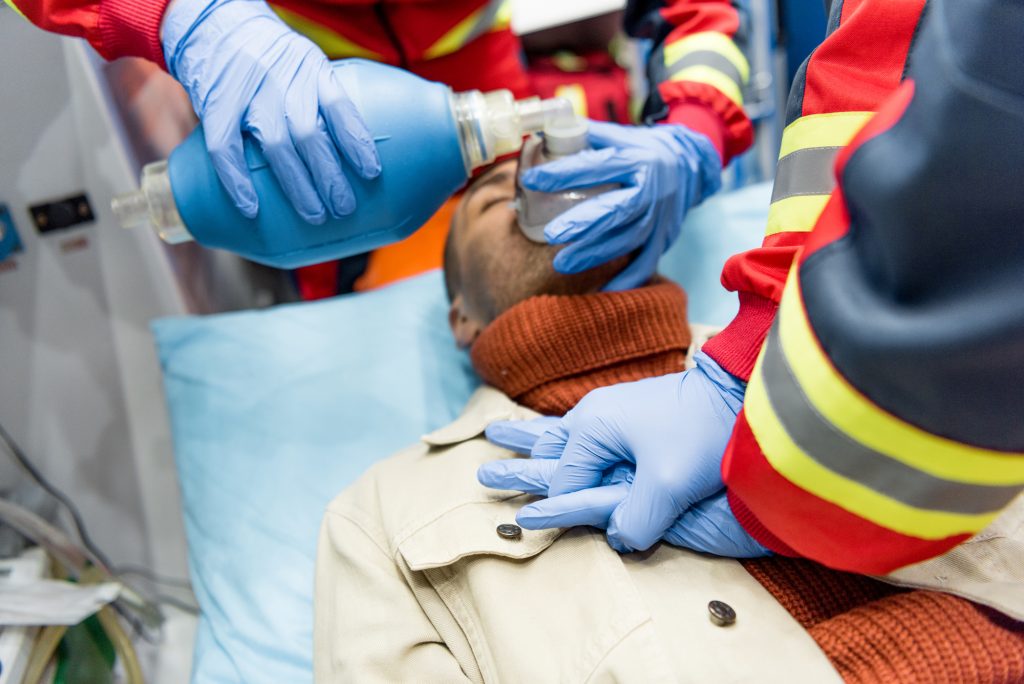
CPR done in hospital settingWritten by Sam Darwin

It is common for the American Heart Association (AHA) to update its CPR guidelines every five years. These guidelines result from a meticulous evidence review process that lasts several years. But in 2015, the organization decided to take a different approach to this evaluation process and standards. It unveiled a new strategy that uses ongoing, online evidence evaluation. 

This new adjustment is necessary as it makes it possible to assimilate different scientific breakthroughs. Therefore, they ensure they are more effective and can introduce the guidelines across hospitals and communities. 

In 2020, the AHA organization released its guidelines under the new procedure. The policies contain 491 specific guidelines for CPR for laypeople and medical professionals. 

This article will define CPR and the best time to use it. Besides, it will also expound more on the latest advancement of CPR in the medical field. 

CPR and CPR Training?

In a medical emergency, cardiopulmonary resuscitation (CPR) can help to save a person’s life in case of breathing complications or when their heart stops. To perform CPR the right way, you must either undergo CPR training or be CPR-certified. Such training sessions do not mandate physical presence and can even be taken online.

When a person is experiencing cardiac arrest, their heart will be unable to pump blood to the rest of the body, including the brain and lungs. Medical care is highly recommended during this state, as death can occur within minutes.  

CPR is effective as it imitates the heart’s pumping action and uses chest compressions. It is effective as each compression supports the body’s natural blood circulation. 

Remember that heart attacks and cardiac arrest are different. When the heart’s blood supply is cut off, a patient will have a heart attack. Besides, during a heart attack, a person can speak and breathe. 

When a person is undergoing a heart attack, they may not need CPR. But it is safe to rush this person to a nearby hospital. This is because cardiac arrest is more likely to occur after a heart attack. 

The Latest CPR Guidelines in the Medical Field

1. Encourages Layperson to Administer CPR

Most of the AHA CPR guidelines focus on CPR treatment practices for medical professionals. However, the organization has spent a lot of time updating its standards for laypeople’s education and training also. So you can renew your CPR card online as the organization aims to make it more accessible. 

This is because recent statics revealed that about 350,000 adult patients went into cardiac arrest outside hospitals in 2015. And before EMS teams arrived, less than 40% of the patients received CPR from bystanders, while 12% received AED use. 

According to reports, the rate of cardiac arrests outside of a hospital has reached a severe plateau since 2012. That’s why AHA is keen to promote online CPR training for a layperson in its latest guidelines. This will ensure they have self-confidence in performing life-saving CPR. 

2. As a Layperson, You Should Start CPR Immediately

This has been among the requirements from the 2010 AHA guidelines. A lay rescuer shouldn’t bother to check for a pulse in case a patient suddenly collapses. The right thing to do is assume cardiac arrest and start CPR immediately. 

The latest 2020 guidelines confirmed that recommendation. They encourage lay rescuers to do CPR right away in such circumstances and not waste time checking for a pulse. 

This is because most non-medical practitioners often find it challenging to find a pulse, especially in emergencies.  Besides, CPR first aid is less dangerous even if the patient is not in cardiac arrest. 

3. Advice on Online Video Training for Layperson CPR

The latest AHA guidelines encourage accessibility and education for laypeople as well. It is vital to have CPR training available to anyone who cares about saving lives. 

AHA recommendations from 2015 state that online self-learning paired with hands-on, instructor-led training for layperson CPR should be considered alternatives to traditional in-person seminars.

Additionally, the research proved that video-based online CPR training and self-directed teaching have no significant difference from in-person training. So if you’re a layperson CPR, you can take CPR certification online, which will still apply according to the 2020 AHA guidelines. 

With these new guidelines, AHA hopes many people will feel encouraged to pursue a CPR certification. This is because this type of training is available widely. Besides, if you need a CPR renewal certification, you can access it anytime. 

Moreover, the 2020 guidelines encourage lay rescuers to learn how to administer Naloxone to patients experiencing a drug overdose. Besides, they also encourage middle and high schools to introduce CPR training to establish a sense of confidence and familiarity at a young age for many lay rescuers. 

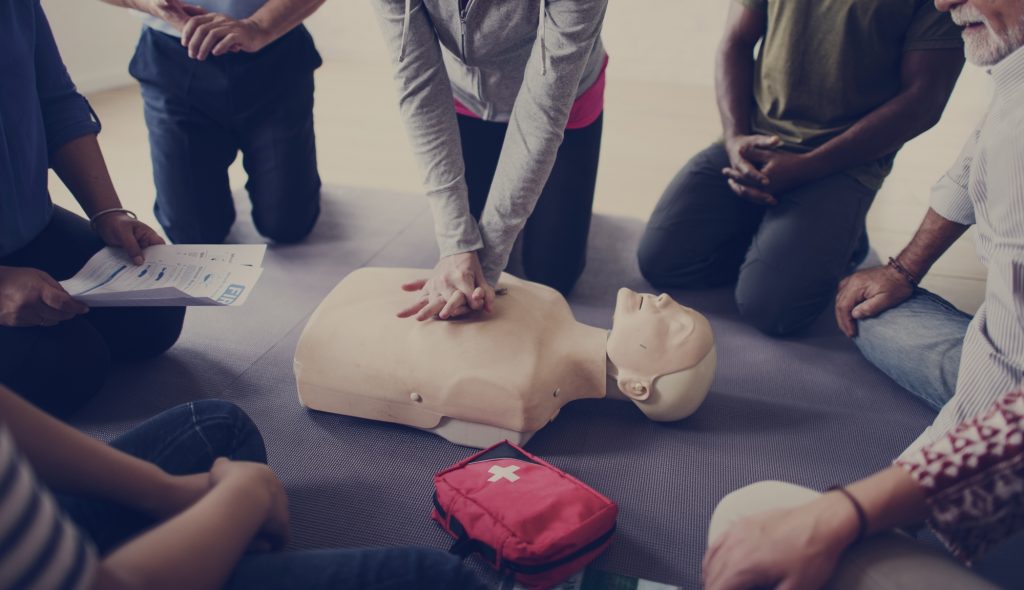
4. A Mobile System That Can Alert Trained Laypersons CPRCPR First Aid Training Concept

The latest CPR guidelines encourage people to leverage the latest mobile phone technologies. This will aid in notifying the CPR and AED-trained bystanders in case of an emergency with a cardiac arrest patient. 

This technology will make it quick and simple for dispatchers to notify trained CPR volunteers and bystanders in case of an emergency in a neighborhood. This will be a vital accomplishment as it increases the likelihood that cardiac arrest patients will receive life-saving CPR before the EMTs arrive. 

Moreover, the Internal Liaison on Resuscitation (ILCOR) supports this advice, as its thorough analysis found that a mobile warning system might speed up trained bystander responses. And as a result, it will increase the number of cardiac arrests patients receiving bystander CPR. Besides, this will raise the survival rates for cardiac arrest patients outside hospitals. 

5. Quality of Adult CPR With Chest Compressions

Regarding adult CPR, the AHA guidelines reiterate the importance of quality chest compression. It is crucial as it ensures improved survival metrics, but the compression depth rate changes guidelines are only for adult patients. 

According to the guidelines, it is highly advised for adult patients to have chest compressions of at least 2 inches, but it shouldn’t be greater than 2.4 inches. 

But it is also encouraged to have a moderate strength for compression rates between 100-120 compressions per minute. 

Conclusion

CPR first aid is now considered one of the most crucial components of survival in case of a cardiac arrest. The latest guidelines by AHA are based on scientific research and intend to increase a person’s chances of survival in case of cardiac arrest. These new guidelines are necessary because there is always a 90% possibility of death in cardiac arrest cases outside the hospital. 

So the AHA guidelines recommendation for online video classes for layperson CPR training is a great place to start. This will help see an increase in survival for cardiac arrest patients. Also, it is vital to take a CPR certification renewal to stay updated with the latest CPR guidelines. 


Please also review AIHCP’s Health Care Life Coaching Certificate and see if it meets your academic and professional goals.  The program is online and independent study and open to qualified professionals seeking a four year certification in Life Coaching.

The Benefits of Cognitive Behavioral Therapy for PTSD

Person in military uniform holding a sign that reads PTSDWritten by Claire Szewczyk


The first time that Post-Traumatic Stress Disorder (PTSD) reached the public eye, it was known as the concept of “shell shock” – debilitating nightmares, hyper-reactivity and increased dangerous behaviors in veterans who had experienced traumas of combat during World War I. It is still very much a common diagnosis amongst the veteran community, with an incidence of almost 13% (PTSD and veterans: Breaking down the statistics 2021).

However, in more recent years, PTSD has been a more commonly diagnosed mental health disorder that can affect anyone who was exposed to any form of abuse, trauma, or life-threatening situation.

As a result of PTSD becoming more of a common occurrence among the population, it has also become more important for those who are experiencing symptoms to seek out treatment. There are a wide variety of options available, including the tried and true, research-verified effective Cognitive Behavioral Therapy, or CBT. 

CBT focuses on the relationship among thoughts, feelings and behaviors, targets current problems and symptoms, and then focuses on changing patterns of behavior that lead to difficulty functioning. 


What is Post-Traumatic Stress Disorder (PTSD)?

Post-Traumatic Stress Disorder (PTSD) is a mental health condition that can develop after a person has experienced or witnessed a traumatic event, such as a combat event, a natural disaster, a car accident, or a violent crime. 

Symptoms of PTSD include re-experiencing the traumatic event through flashbacks or nightmares, avoidance of reminders of the event, and increased feelings of anxiety and depression.

Most people who go through traumatic events may have temporary difficulties with adjusting and coping, but with good self-care practices and time, they usually are able to overcome it. If symptoms worsen, linger and interfere with day-to-day functioning, they might be experiencing PTSD.

Getting effective treatment after PTSD symptoms develop can be critical to reducing symptoms and improving overall function. 


What is Cognitive Behavioral Therapy (CBT)?

Cognitive Behavioral Therapy focuses on the relationship between thoughts, feelings and behaviors. It targets individuals’ current concerns and issues with day-to-day-functioning and the symptoms they are experiencing, and then provides ways to help challenge negative patterns of thought and behavior, in order to help improve quality of life.


How does Cognitive Behavioral Therapy Help PTSD Symptoms?

Several theories that revolve around trauma help explain why CBT is an effective treatment to reduce symptoms of PTSD.

Emotional Processing Theory suggests those who have experienced a traumatic event can develop associations with reminders of the event. Challenging these associations, especially the ones that lead to unhealthy functioning, is the core of emotional processing.

Social Cognitive Theory suggests that those who have defined their existing beliefs about themselves, others, and the world, based on the trauma they experienced, often struggle with unhelpful interpretations of their experiences of their environment. 

Cognitive Behavioral Therapy has been scientifically proven through many studies, to alleviate symptoms of PTSD. Typically, CBT treatment includes two main components: exposure therapy and cognitive restructuring. 

A man in military uniform in therapy. Exposure Therapy 

Exposure Therapy aims to reduce the emotional distress associated with reminders of the triggering event. Exposure Therapy operates similarly to how it sounds. It involves gradually exposing the individual to reminders of the traumatic event in a controlled and safe environment. 

If you go through Exposure Therapy you may be asked to recall the traumatic event in therapy, visit places, or engage in activities that are associated with the traumatic event. Over time, the hope is that you will be able to identify your triggers and use coping mechanisms to downplay the symptoms you experience (Yetman, Exposure therapy: Types, how it’s done, and more 2021).

Cognitive Restructuring or Prolonged Exposure (PE) Therapy 

The second aspect of CBT is Cognitive Restructuring or Prolonged Exposure Therapy (PE). PE is a type of CBT treatment that involves identifying and changing negative thought patterns associated with the traumatic event (Prolonged exposure (PE).

Cognitive restructuring may include challenging and refuting negative beliefs about oneself, the world, and others developed due to the traumatic event. 

For example, a person with PTSD may believe that the world is dangerous and that they are helpless to protect themselves, which can lead to anxiety and fear. 

Through Cognitive restructuring, a therapist may help the person to challenge and refute this belief and replace it with a more balanced and realistic perspective.


CBT is a scientifically proven effective treatment for PTSD

CBT is effective in treating PTSD in several studies. CBT was found to be effective in reducing symptoms of PTSD in adults in over 12-15 sessions either in a group setting or one-on-one.

CBT has also been effective in treating PTSD in specific populations, including veterans and individuals who have experienced a traumatic event in childhood. The VA and the American Psychological Association recommend using CBT for PTSD survivors. CBT not only targets PTSD but also targets other symptoms of PTSD such as depression and anxiety.

Multiple studies through the years have championed CBT for PTSD treatment. (Cognitive behavioral therapy (CBT) for treatment of PTSD).


What are the Benefits of CBT?

Besides the fact that Cognitive Behavioral Therapy is a scientifically proven effective treatment for individuals suffering from post-traumatic stress disorder, there’s also a wide variety of benefits over other forms of therapy. Here’s a few of them:


     1. It gives people hope about their condition.

Oftentimes, due to the nature of mental health disorders, sometimes it can cause those who have been diagnosed to have a pessimistic outlook about their future wellbeing. It can be difficult to think about a time where their illness won’t impact their life.

CBT challenges this mindset–and offers hope for the future.

It does this by using its own methods to challenge thoughts and ideas like this. Provides a way to seek out alternative possibilities. That life could be very different, and in a more positive way.


     2. It develops self-esteem.

It’s not a surprise to note that with many mental health conditions, also comes with a lower sense of self-worth and self-esteem.

This feeds into the cycle of negative thinking, which influences behaviors, and vice versa.

CBT can help disrupt these negative thoughts and patterns, and as a result, help develop more confidence in a person’s own abilities and strengths. 

Understanding how thoughts work, and how they are under the control of those who are thinking them, changes things on a fundamental level. Including the way people see themselves.


     3. It can help with relaxation.

Because CBT directly helps with managing thoughts and emotions, this comes with it the ability to control how a person responds to their symptoms.

As a result, it helps regulate responses to triggers and reduce symptoms by utilizing a variety of relaxation techniques.


     4. It develops more rational thought processes.

Perhaps the most important benefit of CBT, is that it helps people regain control of their thoughts and emotions. 

Over time, the process of questioning and challenging our thought processes, and replacing them with healthier ones, can transform people entirely.


CBT is a great way to treat PTSD

In conclusion, CBT is a widely recognized and effective treatment for PTSD. This type of therapy is based on the idea that our thoughts, feelings, and behaviors are interconnected and that we can change our emotional response to a traumatic event by changing our thoughts and behaviors. 

Through exposure therapy and cognitive restructuring, CBT can help individuals reduce symptoms of PTSD, such as re-experiencing the traumatic event, avoiding reminders of the event, and decreasing feelings of anxiety and depression. 


Claire Szewczyk Bio PicAuthor Bio:

Claire Szewczyk is a Digital Content Coordinator for Hill & Ponton, PA in Florida. She was a former US Airforce civilian employee, who worked at Hill Air Force Base, in Layton, UT as a flight testing administrator. She has also spent several years working with the Department of Veterans Affairs audiology programs in Salt Lake City, UT and Pocatello, ID. She enjoys working with the Veteran population and keeping them up to date with information they need the most.


Please also review AIHCP’s Anger Management Specialist Certification and see if it meets your academic and professional goals.  The program is online and independent study and open to qualified professionals seeking a four year certification in Anger Management Counseling.


References

American Psychological Association. (n.d.). Cognitive behavioral therapy (CBT) for treatment of PTSD. American Psychological Association. Retrieved January 30, 2023, from https://www.apa.org/ptsd-guideline/treatments/cognitive-behavioral-therapy

American Psychological Association. (n.d.). Prolonged exposure (PE). American Psychological Association. Retrieved January 30, 2023, from https://www.apa.org/ptsd-guideline/treatments/prolonged-exposure

Emotional processing theory (EPT) and exposure therapy for … – springer. SpringerLink. (n.d.). Retrieved January 26, 2023, from https://link.springer.com/article/10.1007/s10879-006-9008-y

PTSD and veterans: Breaking down the statistics. Hill & Ponton, P.A. (2021, May 11). Retrieved January 30, 2023, from https://www.hillandponton.com/veterans-statistics/ptsd/

Yetman, D. (2021, June 21). Exposure therapy: Types, how it’s done, and more. Healthline. Retrieved January 30, 2023, from https://www.healthline.com/health/exposure-therapy#:~:text=Exposure%20therapy%20is%20a%20kind,therapist%20in%20a%20safe%20environment.