The secular world voices concerns over many types of planning. Financial planning dominates most venues as critical to one’s security and future retirement. Commercials flood the television with various firms that can assure oneself and one’s family’s future through the guidance of financial advisors. One also sees the shift of importance to health and dieting, as well as intense workout plans. Life coaches, personal trainers all help create unique physical and dietary plans to the needs of one’s personal goals and health number parameters. Such concern over health and financial security is important and should be on the top of everyone’s list but in the secular world, seldom does one hear of spiritual planning. If one’s bodily health, or financial security or stability of one’s retirement in the temporal realm is important, where is the more pressing concern of one’s spiritual health, spiritual security or heavenly retirement? In the secular world, as St Teresa of Avila points out, so many exist outside the interior castle of the soul and its inner monologue and relationship with God. The soul is so blinded by the needs of the body that it forgets itself. Instead it ONLY sees the needs of the body, its health, its security and its future at the expense of the soul’s eternal salvation. When imbalance of such exists, then these physical goals and planning become illusions and false idols that detract from one’s final end. This is a very perilous life style.

In this blog, we will look at Spiritual Planning and how to implement some the most basic elements of it to provide spiritual growth and stability and a closer relationship with God. In this blog, our financial planning is interest in grace not money, growth in virtue not assets, security in God not bonds, and retirement in heaven not Florida. This blog in itself could be a long manuscript on such a broad subject, but will attempt to keep the subject as compact as possible with also consideration to other blogs and concepts, as well as texts, within AIHCP Christian Counseling as well as Spiritual Direction resources that have already touched on similar concepts found in this blog.
Please also review AIHCP’s Spiritual Direction Program, as well as its Christian Counseling Certification.
A Christian Mindset in Spiritual Planning
It is imperative for Christians to remember that salvation is not an accounting book of one’s own good deeds versus bad deeds. One cannot live a sinless life. The fall of Adam has prevented such endeavors and as broken human beings, we need the grace of God, earned through His Son on Calvary for salvation. One’s faith in Christ is essential for salvation, for one cannot find salvation in one’s own works. Pelagius, an early Church heretic, attempted to heretically teach that one’s human nature was not completely corrupted and that one, albeit rare, could imitate Christ and possibly live a sinless life. Pelagius believed works could save oneself. This was condemned by the Church at the Council of Carthage, and equally rebuked by the great saint, St. Augustine. St Paul indeed teaches that it is through Christ and His death and one’s faith in Christ that souls are saved, but it is important to understand that faith is more than a formal assent, but is a cooperation with the graces earned by Christ at Calvary. Christians are not saved by faith “alone” which was never included in the original translation but through faith which encompasses a working nature. Scripture emphasizes a working faith in Christ that balances the assent of faith with its fruits and works, for St James emphasizes the balance of spiritual works in faith. Christ, Himself, commands His followers to keep His commandments.
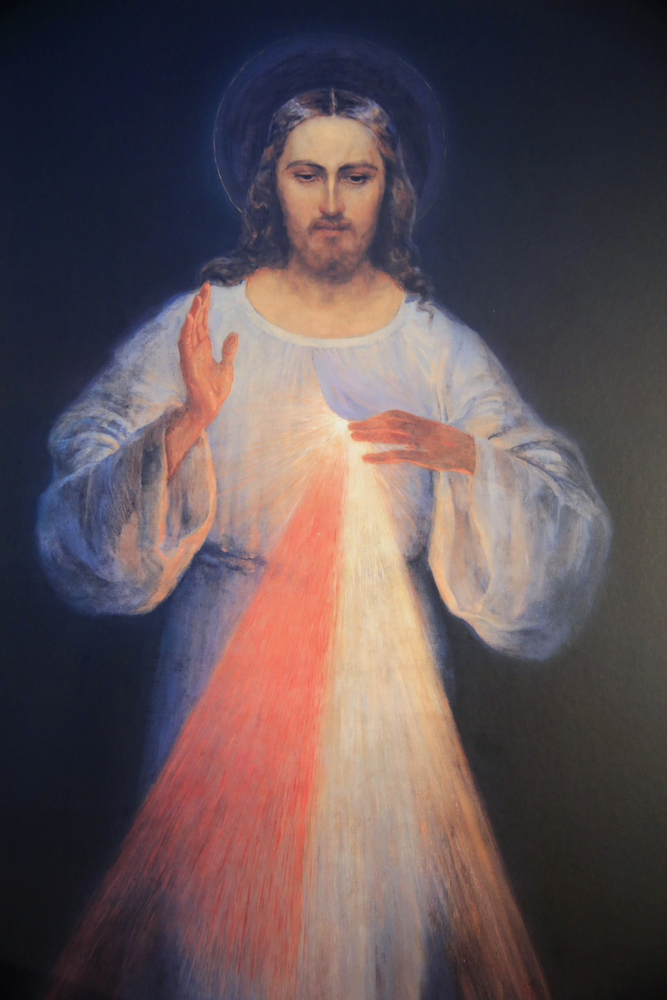
Hence as Christians believe that one cannot earn heaven by oneself, as if balancing a ledger, but one must completely rely on the grace earned by Christ, at such a high cost for each of us, for one’s salvation. The fruits of the working faith, the cooperation with the grace earned by Christ for one’s salvation, does not belong to oneself but a when connected to Christ, and under the grace of the Holy Spirit, become salvific. Spiritual Directors, as well as Christians who attempt to better themselves in spiritual life, must first come to this ultimate surrender that their salvation is not their own but a gift from Christ and applied through the Holy Spirit. The Blood of Christ cleanses one of sin and pays the price for that Original Sin of Adam as well as the actual sins committed by oneself. Alone, no matter what one does, like the past sacrifices of patriarchs, are insufficient, but when aligned with Christ and His death, where one’s cross becomes tied to Christ’s cross, then they become pleasing to God. Christians are not activators of their salvation, nor are they passive recipients of it, but are cooperators with what was earned at the cross, motivated by grace to the gift of salvation.
The Spiritual Planning strategies in this blog do not replace Christ’s gift of salvation, but are grace motivated gifts of the Holy Spirit to participate in that redemption at a more efficient way. While the soul participates, it is the grace of the Holy Spirit that encourages it, strengthens it and molds it. Unlike physical fitness and planning, where one plays a key role in physical transformation-albeit guided and trained by another, the spiritual transformation of a soul is the work and grace of the Holy Spirit.
It is important then to find humility upon any spiritual transformation-for all virtue and grace come from the Holy Spirit that was earned by Christ at the cross. One must come and apply the Blood of Christ and Grace of the Holy Spirit, but it is not one’s own deeds and actions but the work of God existing within one’s faith that permits such a cooperation. So, like all endeavors, one must be mindful of pride. Like financial planning, or physical training, pride can easily corrupt a healthy self image with vanity. Likewise, in spiritual transformation, pride can create the illusion that one has made oneself holy and that one is more holy than other people. Like the Pharisees, one can have one’s own spirituality become a weapon and tool for one’s own damnation. It is so important as one enters into a deeper relationship with God to be mindful of spiritual pride and to pray daily for continued spiritual humility and complete reliance on the grace of God. Salvation and faith is a gift from God and something earned by Christ. We are merely partakers of this gift and must always give honor and glory to God for any spiritual gifts or insights. With this understanding, the remainder of this blog will look at some helpful techniques in spiritual planning and growth.
Spiritual Planning
Supplied with the grace of the Holy Spirit to transform purely human thoughts and deeds into something more, one can work with those graces to better obey the commandments, submit to God’s will, grow in virtue, and enter into a deeper and more healthy relationship with God. This direction and progression towards God is a life long process with pitfalls, crosses, joys, successes, failures and losses. However, what it needs to be is a progression and a perfecting of oneself in virtue to have a deeper relationship that translates into the next life with God. Padre Pio points out that progression is key. A soul, even one that has sustained growth, that fails to continue in growth or progression becomes stagnant. The soul, like a plant seeking light, must continue to grow in the direction of that light, guided by the light and nurtured through it. The moment the soul stops seeking that light, it ceases to grow in communion with God. One can consider the temporal analogy of financial growth. If one has grown in wealth and has seen continual growth in the one’s accounts with a health market, then suddenly notices a stagnant level of return, there would be great concern. Why not for the soul? If growth has suddenly stopped or become stagnant with relationship with God, this should be a serious concern. For instance, a soul that regularly attends service in Protestant churches or Mass in Catholic churches, but has no spiritual connection despite obligatory attendance has entered into a state of concern. This is why Padre Pio reflected the vital importance of continual growth, despite setbacks, but continued renewal. If a soul falls, does it immediately seek God’s forgiveness? If one fails, does one immediately identify the issue and rectify it? As sinners, we all fail, but what is critical in spiritual planning, is not only the “attempt” to limit failure, but one’s quickness to rectify it. This again stems to one’s insight on humility and pride. If one understands one’s nature as broken, then one who falls, falls in humility but also seeks forgiveness in humility. One in pride who falls, has a far harder time seeking forgiveness.

Spiritual planning must acknowledge the reality of failure, but it almost acknowledge the life long nature of the journey. In life, some look for quick investments without securing a solid foundation. Others in physical training, desire a physique but lack the discipline to attain it. Some who diet, see a diet as a temporary status to attain a particular weight to fit in that dress, instead of a life long purpose of dietary health. Spiritual growth is not fast, it is not temporary, but it is a life style. It not likened to a New Years resolution, or a Lenten journey. Lent, for many Christians, is a spiritual diet. It lasts 40 days and then is suspended after Easter. The spiritual disciplines of Lent should be intensified in unison with the Church and in memory of Christ’s passion, but it should not be a spiritual diet for 40 days. The experience of more prayer, Scripture, introspection, fasting, denial, sacramental experience and spiritual growth in virtue should not be a 40 day experience but should represent the base line of all Christian life. This is not to demean the naive view of Lent by some Christians, for it is far better to sense some need than none at all, but, as Avila points out, these souls represent the utmost basic relationship with God and His grace. They, like a first level mansion, walk in, walk out, may peek inside its windows, but fail to grasp the greater beauty further inside the interior mansions of relationship with God. They become distracted by the lures of the world and progression spirituality ends abruptly until a later existential emergency or spiritual feast day.
Spiritual Planning is a life long journey that is about constant growth, humility in that growth, acknowledgement of failures, and complete trust in the grace of God to allow one’s working faith to manifest fruits and a closer relationship with God; A relationship that manifests in its finality in Heaven with God.
Spiritual Planning Ideas
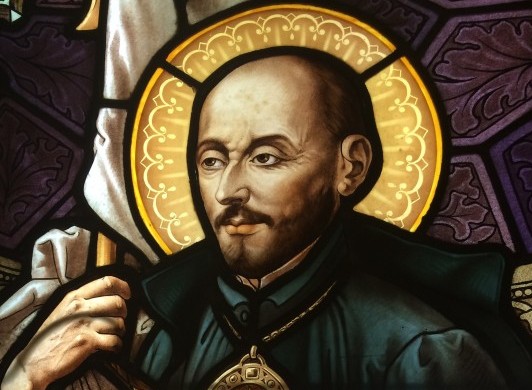
Counseling strategies, life coaching, and physical training plans are quite similar to spiritual training. As Mark Walberg commonly states, “Are you prayed up”. Spiritual Directors are Spiritual Trainers in this sense. They are not just spiritual but also should have a core understanding of counseling techniques based in goal setting and facilitating change. In previous blogs, we discuss the psychology of change and habit. We discuss neuro-pathways and how habit takes time to form. One does not suddenly become a a horrible sinner by one trip nor a great saint by one wonderful moment, but it is a character and progress of that character that defines both virtue and vice. As the ancient philosophers noted, character is a continual presence of a particular excellence in action that is unhindered but natural to the nature. This is natural habit is not something easily gained, or lost. One merely can look at the horrible nature of sin and its addiction itself. One who works to rid oneself of vice must work with the grace of the Holy Spirit to heal, change and transform. God can miraculously change and convert a person, but in most cases, the journey is one of a cross, one where one’s nature learns of the love of God and His continual mercy as change is undertaken and achieved. So, suffice to say, the process of change involves counseling. It involves goal setting. Just like certain financial goals are discussed, set and hoped for, so certain goals spiritually must be discussed and planned. Like exercise, the goals of a certain weight, or certain amount of reps in a particular weight training, concur with a particular habit or virtue that one aspires for. As meticulous journals keep weight training numbers, so one may need to keep track of one’s modified behavior in recollection and examination of conscience. How many times, did I sin today? How many times, did I accept the grace of God and overcome temptation? St Ignatius Loyola in his spiritual exercises in week one, challenges the person to almost scrupulously monitor and track one’s failings. As if tracking calories, St Ignatius asks us to track sin and vice! A working faith demands such accountability to a God who has paid such a high price for us and has made such graces available to the soul for its salvation.
Goal Planning
Goal planning is part of the counseling paradigm. This is especially seen in behavioral therapies where behavioral change is based on how one thinks. Behavior is greatly modified and altered by how one thinks. Cognitive Behavioral Therapy helps individuals think differently so as to feel differently and finally behave differently. Within the behavioral model, desired changes take time but they are planned changes in behavior starting in how we think about things. Spiritual Directors can help individuals think differently about life through the prism of grace, God, and virtue. In doing so, desired behavioral modifications as well as targeted virtual habit can be set in goals.

Again, though, before any planning can be undertaken, unlike temporal planning which relies on the strengths and powers of oneself, spiritual planning must be placed entirely into the grace of God. Goals and noble desires are attained through grace and normal actions are spiritualized and made perfect when united with Christ. Hence no spiritual plan can have any value if placed in pride and self or the belief that one’s own works and deeds have value without the guidance and grace of God. Without God, these works, dreams and aspirations are utterly worthless. This is why any plan, before undertaken, must be placed within the guidance and protection of God. Daily prayer, devotion, and commitment to God’s will is essential. When one rises, all plans, all duties, all vocational assignments, all crosses, and all joys must be given to God. The morning offering gives to God everything one does in a day before the day starts and unites everything to Christ to be offered to the Father as a perfect sacrifice to be guided by the grace of the Holy Spirit. One must then relinquish control and unite one’s will with God. One must acknowledge one’s utter dependence on God and again unite one’s will to Him for transformation. Placing one’s plan under the guidance of God and allowing it to fall under His will is a big differing point between temporal planning and spiritual planning, but for the Christian, why not submit all plans-even temporal- to God’s will!
In counseling, especially behavioral therapies, plans need to be discussed and identified. The goal need identified but also how to attain the particular goal, the challenges to that goal, possible setbacks and time frames. Because of the human nature, the counselor needs to curb enthusiasm so as to prevent burnout when goals become difficult. Great zeal can quickly turn to great despair. The counselor is trained to set intermediate goals for a person. Little goals that track progress can help build confidence and lessen despair upon failure. This can be seen in financial expectations, as well as weight loss expectations, or even behavioral modifications to stop smoking or drinking. An individual with a spiritual plan to evict a vice from one’s habitual orbit, may find despair if one fails on a particular day. Like a person who succumbs to a cigarette or donut late at night, one can succumb to a vice. A good spiritual director can calm the person and identify why and how it occurred but also to remind one that habits take time and goals take time to achieve. One needs to find mercy in God when one fails and not find complete pride or joy in one’s own accomplishments but to reflect all in God.
Pitfalls are part of all plans. Individuals attempted to escape habits, fall, but what God cherishes is the choice to change and the direction. This is why spiritual directors should encourage the soul and point out the importance of gradual change in severity and frequency and the mercy and grace of God. Intermediate goals do not demand perfection but gradual growth. Once intermediate goals are met, one can move forward to the next step. Like weight training, once a certain number of reps are met, or a certain weight is attained, one is able to advance. Like so in spiritual life.
Like all planning, it is crucial to keep the person focused but also humble and also remind one of one’s nature. Many times during change, individuals become obsessed more so with the numbers than the journey and end goal. One can become scrupulous and focus more on avoiding or worry or fretting over the smallest of actions to the point it causes extreme distress, despair and guilt. The devil can be very subtle in derailing a soul working towards God. So it is important that whichever habit, or spiritual goal one has, to not mistaken the goal or new habit as the ultimate end. Unlike the view of the ancient philosophers, virtue itself is not the end goal of our worship. Virtue is a vehicle and intermediate step to the ultimate goal which should be relationship with God. So when one focusses more on numbers, one begins to focus more on self than God. God is the ultimate goal in the entire endeavor of spiritual planning. Unlike physical training, when one only looks at the body and its change, but not the overall health, then derailment can occur to various maladies. Likewise, when virtue is sought for the sake of virtue, instead of its purpose as a vehicle to God, then it can be turned against oneself. In this, one needs to see things that are means as means, and clearly in planning contrast it with one’s end. Counselors help individuals navigate this, as well as spiritual directors.
Spiritual Strategies
With a stronger understanding of the nature of planning, as well as setting goals, and understanding the difference between means and ends, we will quickly review some types of spiritual plans. In my daily life, I believe in planning. Calendars are essential but also journals as well as notes to self, as well as self talk to keep one on track. Life is comprised of professional, academic, family, self, physical and spiritual aspects and we need to balance these in accordance. We need to structure these vocational duties that we owe to God, self and neighbor. First and foremost, they must be prioritized. Certain things on lists are non-negotiable. They are priorities that must be met before others. Obviously physically, diet, grooming, and sleep are among those. Spiritually, prayer, worship and communion with God should top that list. However, in any planning, there are events, assignments, or obligations that are secondary to primary ones. Some may be flexible and able to be moved, while others may be optional. It is important to define these when planning.

Planning wise, like financial plans, I like to plan by the quarterly year. While I have daily duties, weekly duties, bi-weekly duties, and monthly duties, that lead to fulfillment of the quarter, I like to see set goals for that period. Some goals are primary, others may be flexible, but they are listed. The 3 month period serves as a reminder of what needs done in some cases, but also where I would like to be as a measuring stick. Obviously one can see where this can be applied financially, physically but also spiritually.
From a spiritual context, how has one’s daily, weekly and monthly habits gradually changed over the 3 month period? Daily journaling, weekly remarks and monthly checks can keep one on pace with possible goals. If one is stricken with the vice of drunkenness, one can review the number of drinks a week and its gradual reduction from week to month to quarterly period. If the goal is to reduce this habit, then one may discover a new trend that one can find solace in as recorded numbers show reduced intoxication as well drinks per week or month. One can then ascertain if one has met the quarterly goal or not and how to access the next quarter. Remember, this is a life style, it is a marathon, not a race, so gradual is better than nothing. This again takes one to the importance of daily and weekly monitoring, so that data and change of habit can be documented. During this examination of conscience, at the end of each day, or week, or month, or every one quarters, one can see the weaknesses, what one can do better, and most importantly remember on one’s complete reliance in God for any change. The spiritual director can encourage the soul in this progress and also help set new intermediate goals, or re-ascertain certain strategies or time tables to help maintain the confidence of the person in this change and ultimate better relationship with God.
The spiritual director also becomes a spiritual coach in this endeavor. Upon reflection of plans, one’s attainment, progress, or failures, a coach helps develop a person’s skills. This may consist in different prayers or penances, or fasting that help foster a particular virtue or habit. Particular spiritual readings of the saints and their writings, as well as Biblical books or chapters that correspond with one’s troubles can be utilized. Goals within a particular time table may include within a 3 month span to work in charity, or read a certain amount of books, or become more acquainted with a particular book of the Bible that will help one move forward. In may also include if Catholic, more frequent reception of the Eucharist, as well as confession. These things not able help the soul in despair, but also give the soul sources of grace to help transform over the spiritual planning time. Spiritual directors or confessors can become original in their ideas to share with individuals various particular deeds, or readings that meet a person’s needs and direction.
With all planning, one seeks change, and good change agents produce change. This involves within the spiritual planning, promoting healthier communications and removal of vice associated materials. These things that promote sin are referred to as occasions of sin. It can be a person, place or thing. Spiritual directors need to encourage souls to avoid places associated with particular sins. If bars are associated with drinking or lewd conduct, then these places should be removed from a person’s habitual visit. The same holds true for any addict of any vice. In regards to lust, avoiding imagery or situations that promote lust should be removed from one’s life. If a cell phone in close proximity calls one to pornographic imagery, turn off the phone or remove it from one’s reach. Many of the saints practiced far greater mortifications, beyond what I would recommend, but one must, if seeking change, remove the occasions of sin. Like a person a diet who removes donuts and cakes from the cabinet, one must remove occasions associated with the detrimental behavior.
Like wise positive change agents must be introduced into any spiritual plan promoting change. Like in a diet, one supplies their refrigerator with wholesome foods, so the soul must supply the daily routine with wholesome content. Good spiritual reading, better company, prayer, as well as support from other religious persons who share the same ends is crucial. A clean home promotes change, so does a clean spiritual environment. One needs to remove the spiritual filth for the soul to change. Like a dirty body that needs cleaned to become healthy, so does a dirty soul need cleaned to move forward. Christ’s blood and the grace of the Holy Spirit provides the solution. One must wash oneself in these things and provide oneself with healthy reminders of those things that promote new spiritual change within oneself. Healthy and positive change agents replace negative occasions of sin and replace maladaptive coping with healthy spiritual coping founded in prayer and faith in God.
Conclusion
Spiritual planning is a life style change that takes time and is a life change of progress towards God. One cannot earn this change but it is gift from God that we partake in. While the grace of God is a gift, one still must work with that grace. Spiritual change, like any change, or plan in life, is something that one must dedicate oneself to and purposely plan to achieve with commitment and guidance of the Holy Spirit. There are many ways to promote a better relationship with God and when we find time to plan prayer, worship and submission to Him, He will guide us in all our plans to find better communion with Him.

Spiritual planning in itself should be a big part of one’s life. It should take priority over everything else we do because our ultimate end is God. Spiritual planning acknowledges the necessity of Christ’s death and the grace for salvation and how to apply it to our lives so when we stand before God, we will know Him well, as we enter into paradise.
Please also review AIHCP’s Spiritual Direction Program, as well as AIHCP’s Christian Counseling Certification.
Other AIHCP Blogs
Behavioral Therapies: Access here
Behavior and Change. Access here
Theology and Psychology of Moral Actions. Access here
Recommended Reading
Spiritual Exercises of St Ignatius
Interior Castle-Teresa of Avila
Other Resources
Leontis, A. (2025). “Virtue Ethics: What it is and How it Works”. Philosophos. Access here
“Spiritual Direction”. IgnatianSpirituality.com. Access here
Moore, M. “Goal Setting in Counseling and Therapy”. Mentalyc. Access here