
A population that faces a variety of crisis and traumatic oscillation of emotions are veterans and their families. Whether retired, or active duty, military culture presents unique mental health issues that constantly remain fluid within the members of the family. Constant time away from families, maintaining connections, facing time alone, addictions, as well as the constant threat of potential loss or death remain issues all military families face. In this short blog, we will review some of the mental issues faced by active and reserve duty families, as well as review how counselors can better help these individuals and families in crisis. Please also review AIHCP’s Behavioral Health Certifications and see if they meet of any of your professional or academic needs. Please especially review AIHCP’s Crisis Intervention Training as well as its Trauma Informed Care Program
Deployment Cycle
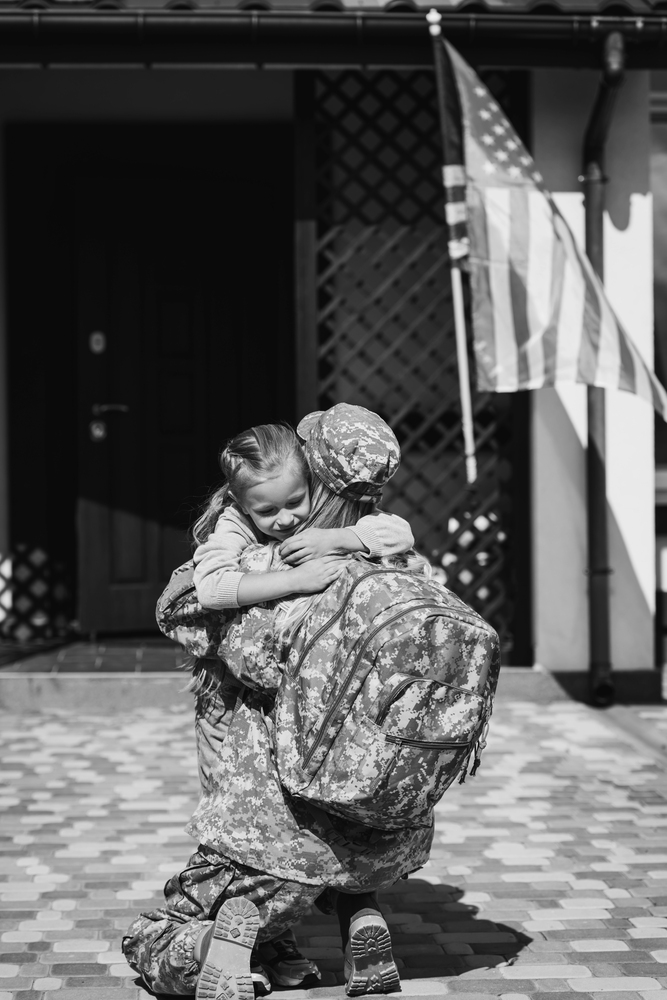
The deployment cycle is a consistent part of existence for military families. Whether reservist or active duty, military families are accustomed to the military member, whether parent or adult child, meeting the demands of their commanders and nation. This involves missed holidays, birthdays and special events and a regular cycle of being home or gone throughout their tenure in the military. At a moments notice, when emergency strikes, the military must be ready to activate members to meet the challenges. For some this involves domestic threats, or for others activation into foreign war zones. These sudden goodbyes, and frequent deployments can play a role in mental health for not only the service member but also the family.
According to Webber & Mascari (2018), there are four phases of deployment: first, preparation for separation, separation itself, reunion and post deployment and reintegration. The news of preparation can be a difficult phase for spouses and children. This phase involves showing forth a face of hope and courage while also experiencing inner anxieties for fears of the worst. Counselors need to ensure these inner thoughts and fear are properly communicated and expressed (Webber & Mascari, 2018). These fears should be normalized and permitted to be expressed in a healthy way. During the separation phase, anxiety and worry is usually at its highest, however, other secondary stressors fall upon the family which include care of the home, children and suddenly becoming a one parent home, or a married person existing in a single type life (Webber & Mascari, 2018). Furthermore communication is not always guaranteed. Modern technology has altered the absence from merely letters to existing secure zoom channels with service members but these communications still are limited and restricted. Counselors can help family members deal with anxiety and uncertainty, identify separation anxiety in children, and help families better cope with anxiety (Webber & Mascari, 2018). The reunion phase includes the month prior to return and the preparation and excitement of the service member’s return home. Higher anxiety of possible injury prior to the return home can surface. In addition, over longer tenures, changes in the service member, as well as the growth of children can all play big roles in adjustment (Webber & Mascari, 2018). Service members who spent over a year in hostile environments may develop new hobbies or mental ways of coping and may return home mentally on edge. Issues of anger outburts and possible changes in behavior can all lead to spousal issues and higher rates of divorce (Webber & Mascari, 2018). Family counseling may become an essential part after reunion. The final phase is the post deployment and reintegration phase. This phase occurs 6 months after the reunion. Unlike the reunion and honeymoon phase, issues start to emerge during reintegration. Service members may also begin to notice lingering issues of anxiety, PTSD, or other adjustment issues in civilian life. All of these shocks and issues can cause mental distress within the family (Mascari & Webber, 2018).
Community Issues
From a communal view, communities also face greater challenges when members of communities are called to defend and serve the nation. This involves possibly losing vital members in leadership, or within police departments or fire departments. Some may lose priests and ministers to their church for chaplaincy duty, other hospitals may lose nurses and doctors who are called into duty to treat the wounded soldiers in military zones. Employers also face challenges finding part time workers to fill the missing job of a service person (Webber & Mascari, 2018). In addition Webber (2018) points out that military members many times reach out to the US Department of Veteran Affairs hospitals for a myriad of issues regarding suicidal ideation, suicide attempts, addiction, abuse, or issues with PTSD or depression. These issues also filter into family life where authorities are sometimes called into domestic abuse cases. Child and Protective Services can be summoned to remove children from hostile family situations (Webber & Mascari, 2018).
Family Issues
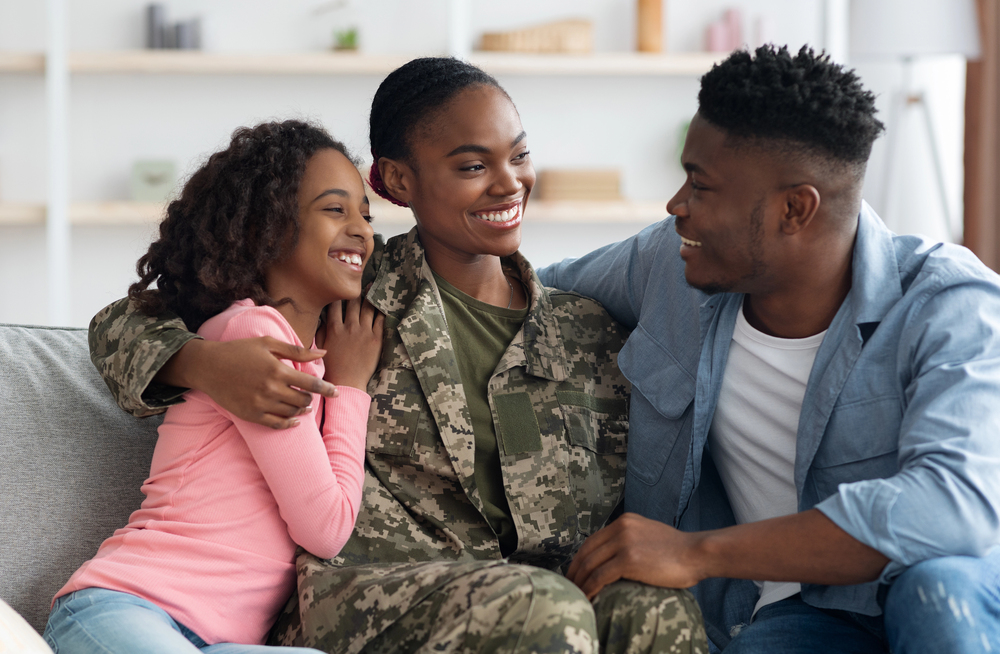
Family tensions can bubble and erupt upon reunion. As partners drift, or children experience trauma, divisions can result in military families. Secondary stressors can cause resentment between custodial parents and the military parent. The custodial parent can resent the success or freedom of the military parent while the custodial parent is forced to work at home and care for mundane things (Webber & Mascari, 2018). Other couples may find the separation and loneliness not what they bargained for and seek other forms of comfort or enter into adulterous relationships. Marines alone face the highest rate of divorce in the Armed Services (Webber & Mascari, 2018). In addition, parent and children bonds can be effected negatively. Children with a deployed parent suffer higher rates of depressions and behavioral issues (Webber & Mascari, 2018). Many families also suffer secondary trauma. The trauma of the service member can have effects on the spouse, as well as the children. While these issues are not universal for all military families, some families may have other issues that contribute to the difficulty of maintaining a strong family during military service.
Suicide
Whether married or single, many service members face a tougher road regarding mental health due to the nature of their sacrifice. They are exposed to death and near death situations. With this carries a higher chance of PTSD, complications in traumatic grief, and other mental health disorders. While many are able to face their issues, the stigma of mental health and the military remains something that many never seek help for. According to Webber (2018), 22 service members die of suicide each day. Webber (2018) also points out that 20 percent of all suicides are represented by service members and this remains the largest group. The US military recognizes this issue and looks to promote reducing suicide by encouraging service members to seek mental health counseling. Counselors need to provide trauma informed care and be aware of service persons and the higher chance of these tendencies (Webber & Mascari, 2018). According to Webber (2018), PTSD is the silent killer of the military and how critical it is to talk openly about it with family and mental health professionals.
Substance Abuse
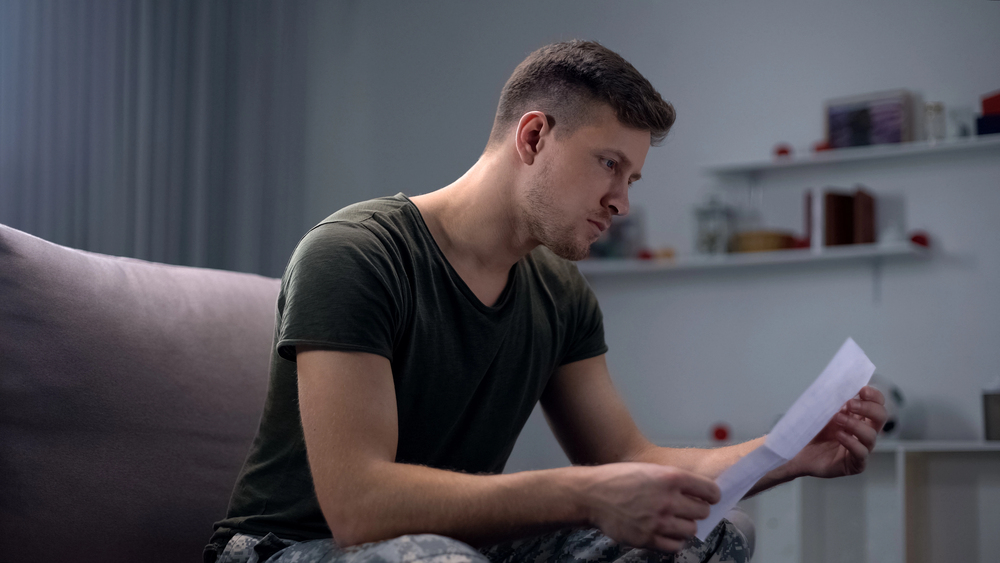
Many who experience trauma, maladaptively cope with substances and drugs to reduce the pain and thoughts tied with PTSD. Webber (2018) reports that one-fifth of all service members from 18 to 53 have issues of co-occurring substance abuse with PTSD. Veterans in fact are five times higher than the nonmilitary population in regards to substance abuse disorders (Webber & Mascari, 2018). PTSD, if untreated, makes it even more unlikely many veterans recover from addiction. Addiction in turn breaks up families and leads to isolation, divorce and possible suicide.
Counseling the Military Family
Good counseling of military families does not only involves having a good understanding of psychology but also having a empathetic understanding of what it is to be a military family. This involves understanding the unique dynamics and problems that only military families face. This involves understanding the sacrifice of military families and the unthankful or indifference energy they receive from others. It involves understanding the complicated nature of their dynamics, the constant change and the stigmas surrounding mental health (Webber & Mascari, 2018). It involves identifying the courage and bravery within a military family worldview and even the cultural norms and lingo of the subculture. It involves immersing oneself in military culture and understanding the important values that encompass the sacrifice and struggles military families face. It involves adjusting to the needs of the military family at a moments notice and being able to refer them to the appropriate services. It involves being able to help families navigate the VA and guide them to the resources and psychoeducation they need (Webber & Mascari, 2018)
Conclusion
Our warriors and their families deserve the very best but unfortunately many are forgotten or misunderstood. The stressors and struggles of deployment, family stress, divorce, discord, suicide and substance abuse in some families are realties for many. This constant flux of change, doubt, anxiety, fear and even loss can play havoc on the health of the service person, as well as spouses, children and other family members. Whether the service member is spouse, parent or adult child, the military family faces unique challenges. When issues come home, it is the duty of a grateful nation to help these warriors and their families heal and reintegrate in a healthy way. Counselors need to understand the military culture and the unique problems and possible disorders that military families face and be equipped to help them find mental and physical healing.
Please also review AIHCP’s Behavioral Health Certifications, including AIHCP’s Crisis Intervention program, Substance Abuse Practitioner Program and also Trauma Informed Care Program.
Additional AIHCP Blogs
Addiction and Military Families. Access here
PTSD. Access here
References
Webber, J. & Mascari, B. (Eds.) (2018). Disaster mental health counseling: A guide to preparing and responding (Fourth Edition). American Counseling Association.
Additional Resources
Veterans Looking for Support. U.S Department of Veteran Affairs. Click here
Mental health and substance abuse help for veterans. USA Gov. Click here
Service Members & Veterans. NAMI. Access here