

The Clinical Side of ‘Loneliness’ That Needs to Be Discussed 

A person alone in the dark.

Written by Deepika

Someone is sitting alone in a room with no companions in sight. Another individual is a part of a crowded room, but emotionally disconnected due to a difficult phase in their life. Both these scenarios may or may not describe a person dealing with the issue of loneliness. 

Such a problem is often treated as a personal or an emotional one. Mostly, nobody stops to even consider the health implications of loneliness. The World Health Organization (WHO) has shared that one in six people worldwide suffers from loneliness. It also states that social connections can improve health and reduce the chances of an early death. 

As social beings, humans cannot afford to neglect loneliness; even one lonely person is one too many. As for healthcare, patients with this problem may enter a facility with complaints of chronic pain, fatigue, or sleeplessness. 

Now is the time to put aside the stigma and discomfort surrounding complex emotional needs. This article presents the case for exploring the clinical side of loneliness. We will see how emotional isolation manifests itself through physical and behavioral symptoms, and what healthcare can do to respond in a holistic way. 


The Unmistakable Imprint of Loneliness on Physical and Behavioral Health 

Healthcare professionals seldom find someone entering the gates of their facility exclusively with the problem of loneliness. This is especially true in the case of those whose primary complaints are physical, like aches and discomfort. 

This makes it difficult to identify the root cause, although loneliness is becoming an increasingly important factor. Arthur C. Evans, the CEO of the American Psychological Association (APA), noted that “Research tells us that a sense of isolation and social fragmentation can have real consequences for our ability to manage stress and stay healthy.” 

So, does loneliness and its side effects show up in one’s physical and behavioral health? Absolutely, but the appearance is so indirect that it is easy to miss the symptoms. As a result, patients are stuck in a vicious cycle of repeated consultations, diagnostic ambiguity, and fragmented care. 

Unless the emotional component is identified and given its due diligence, the issue can be temporarily stalled, but not eradicated. The following are some common physical and behavioral indicators associated with loneliness:

  • Constant complaints of fatigue or low energy without a clear medical cause 
  • Sleep disturbances, including irregular sleep cycles or insomnia 
  • Headaches, body pain, or other somatic issues 
  • High levels of anxiety, irritability, and emotional instability 
  • Reduced motivation for self-care or poor adherence to treatment 
  • Minimal engagement during consultations 
  • Frequent healthcare visits for recurring or unexplained symptoms 

From a clinical perspective, such presentations confirm the importance of interpreting patient symptoms with a framework that extends beyond visible complaints. Such an approach is a part of modern nursing education, including the Accelerated Bachelor of Science in Nursing or ABSN. This model is designed to prepare students without a prior nursing degree for professional nursing practice. 

On that note, programs such as the Elmhurst University ABSN program place emphasis on principles for adult populations experiencing common health problems within different care settings. So, the focus is not only on clinical competencies, but also on holistic patient assessment and psychosocial factors that influence health outcomes. 

It is the need of the hour to approach adult patient care through an emotional and social lens. That is exactly how holistic and accurate patient care becomes possible. 


Why Modern Healthcare Cannot Treat Loneliness as a Secondary Concern 

Is it not sad to think that despite many patients suffering from physical concerns that have emotional roots, healthcare doesn’t seem to get it? Perhaps the challenge has to do with how loneliness doesn’t display itself in obvious ways. Let’s understand closely why it’s time to pull down the walls and treat loneliness as a primary concern. 

More Than Emotional Well-Being Is at Stake 

Some of the main problems associated with loneliness are feelings of sadness and disconnection with one’s surroundings. It’s only a matter of time before the symptoms show up in the form of headaches, sleep disturbances, or digestive problems. 

In a 2024 study involving 66 young adults (18-35 years), it was found that loneliness was a risk factor for cardiovascular disease development. Since the issue will become physical at one point or another, why not tackle it at its root from the beginning?

Patients Are Often Oblivious to Their Loneliness Issue 

As hinted before, many patients with chronic loneliness enter the clinic gates with concerns like sleep disorders or unexplained tiredness. For some, loneliness develops gradually through grief, retirement, or social withdrawal. Since such experiences either seem trivial or normalized, they never come to the surface. 

Matters only get worse due to fast-paced lifestyles facilitated by digital communications and work expectations. As revealed in a 2025 study involving individuals with chronic disease and loneliness, the stigma surrounding the latter often discourages people from acknowledging the isolation despite health effects. Perhaps healthcare providers need to bridge this gap, right?

The Irony of Modernism Only Makes Things Worse 

Technology came with the promise of connecting the world like never before. We may be a global village now, but we are more disconnected from genuine human connections than ever. When life gets fast-tracked, and connections become virtual, there is hardly any room for deeper interpersonal relationships. 

A 2024 poll discovered that 30% of adults reported feeling lonely at least once every week. This issue was higher among younger adults despite being the most digitally connected population. That explains why healthcare finds loneliness to be most pressing among those with an ‘apparently’ active social life. 


What Healthcare Must Do as Loneliness Becomes a Clinical Reality 

Acknowledging the problem of loneliness is just one half of the equation. Healthcare must now recognize emotional isolation in terms of long-term health outcomes. Here’s what can be done in light of the growing clinical reality of loneliness. 

Being Aware of the Less Obvious Signs of Loneliness 

Since loneliness likes to be sneaky, healthcare providers need to know what that implies. From vague physical complaints to subtle changes in behavior, nothing should be ruled out. Certain probing questions regarding the patient’s social life will provide the rest of the answer. 

A 2024 study was conducted precisely to examine whether loneliness was related to increased healthcare utilization among older adults. After analyzing 932 medical records, it was found that patients experiencing loneliness were more likely to use healthcare resources than their peers. Is it still safe to believe that healthcare can afford to neglect even the less obvious signs of loneliness?

Making Therapeutic Communication a Part of Patient Care 

A part of the challenge involved in treating patients with loneliness-induced physical issues is that they might resist the idea initially. Unless therapeutic communication drives the doctor-patient interactions, the latter is less likely to discuss their struggles or story. 

This type of communication includes listening patiently, responding empathetically, and providing emotional validation. Studies have shown that the sensitivity of doctors towards patients’ communication signals can go a long way in improving patient satisfaction. So, this step cannot be an optional one. 

Integrating Emotional Well-being Into Holistic Healthcare 

Now, this one may seem shocking since emotional well-being is already a part of holistic healthcare, right? Yes, in theory at least. As for clinical screening, it is often left unaddressed due to time constraints or documented as less severe. Some healthcare institutions keep emotional well-being separate from medical treatments. 

Continuity of care is only possible when emotional well-being is integrated, along with interdisciplinary care. In a 2025 cohort study, 7,484 adults with atherosclerotic cardiovascular disease were examined. Those with loneliness had a 33% higher risk of mortality compared to those with a healthy social life. Even hospitalization rates were higher among the lonely folks, so why keep emotional well-being separate? 


FAQs 

Can loneliness affect physical health, or is it just an emotional issue?

Yes, loneliness is more than an emotional experience. It can contribute to physical health problems such as fatigue, sleep disturbances, and a weakened immune system. From a clinical perspective, loneliness often has a say in how symptoms appear and the way patients respond to treatment.

Why are so many patients with loneliness oblivious to it?

Many patients fail to identify loneliness as the root cause of their physical ailments because it develops gradually and has an indirect effect. Additionally, social withdrawal and emotional disconnection tend to get normalized over time. As a result, individuals may seek medical support for physical symptoms without realizing that the factor driving the problem is loneliness. 

How can healthcare professionals identify and manage loneliness in clinical settings?

To identify loneliness, it is important to observe subtle physical and behavioral signs, including unexplained symptoms, low engagement during consultations, and frequent healthcare visits. As for the management, it involves regular screenings, strong therapeutic communication, and interdisciplinary care. 


Recent Data on Loneliness and Its Impact 

Number of people who suffer from loneliness worldwide, as per the World Health Organization  One in six people 
2024 study on 66 young adults aged 18 to 35 years Loneliness was found to be a risk factor for cardiovascular disease 
2025 study involving individuals with chronic disease and loneliness  The stigma surrounding the latter made it difficult to acknowledge emotional isolation despite the health effects 
Adults who reported feeling lonely at least once every week in a 2024 APA poll  30% of those surveyed 
2024 analysis of 932 medical records on the relation between loneliness and increased healthcare utilization  Directly proportional 
Studies on physician sensitivity to patients’ communication signals and patient satisfaction  Direct correlation 
2025 cohort study involving 7,484 adults with atherosclerotic cardiovascular disease  Those with loneliness had a 33% higher risk of mortality 

Loneliness is in no way new because it has impacted people across all generations. Earlier, there weren’t many ways to measure or record this problem. However, it stands true that loneliness is more pronounced now, especially since community living is scarce. 

Moreover, everyone seems to be too busy with their own lives, right? The human heart craves meaningful connections, or else it does not care. From a healthcare viewpoint, this means that addressing only visible complaints does not suffice. 

The next time your team conducts its routine assessments, let every member be trained and aware of the clinical side of loneliness. No matter how advanced healthcare becomes, if the elephant in the room stays hidden in plain sight, then is that true progress? 


References:

  1. World Health Organization. 2025. Social connection linked to improved health and reduced risk of early death. 

https://www.who.int/news/item/30-06-2025-social-connection-linked-to-improved-heath-and-reduced-risk-of-early-death

  1. American Psychological Association. 2025. APA poll reveals a nation suffering from stress of societal division, loneliness. 

https://www.apa.org/news/press/releases/2025/11/nation-suffering-division-loneliness

  1. Vasan Shraddha, Lambert Elisabeth, et al. Investing the relationship between early cardiovascular disease markers and loneliness in young adults. 2024. Scientific Reports. 14221.

https://www.nature.com/articles/s41598-024-65039-8

  1. Fan Zhiguang, Wen Hongjuan, et al. The Chinese version of the stigma of loneliness scale in people with chronic diseases: an assessment of psychometric characteristics. 2026. Springer Nature Link. Volume 25, 1619. 

https://link.springer.com/article/10.1186/s12889-025-22743-y/metrics

  1. American Psychiatric Association. 2024. New APA poll: one in three AmericansAmericans feels lonely every week. 

https://www.psychiatry.org/news-room/news-releases/new-apa-poll-one-in-three-americans-feels-lonely-e

  1. J.J. Mira, D. Torres, et al. Loneliness impact on healthcare utilization in primary care: a retrospective study. 2024. Journal of Healthcare Quality Research. Volume 39, Issue 4. 

https://www.sciencedirect.com/science/article/abs/pii/S2603647924000277

  1. Confort Frederico Carlos. Physicians’ attention to patients’ communication cues can improve patient satisfaction with care and perception of physicians’ empathy. 2024. PubMed

https://pubmed.ncbi.nlm.nih.gov/38703716/

  1. Galper Kathleen, et al. Routine loneliness screening in adults with atherosclerotic cardiovascular disease in a large national health plan: a retrospective cohort study. 2025. PubMed

https://pubmed.ncbi.nlm.nih.gov/41043827/


Author Bio

Deepika has over six years of experience as a writer and editor. Passionate about words and learning, she takes an interest in a variety of niches. Her knack for turning complex ideas into relatable narratives allows her to resonate with the reader. 

When her pen falls silent, you can find her engrossed in a novel or getting her hands messy with fine arts. By these, Deepika is committed to keeping her curiosity and creativity alive. 


Please also review AIHCP’s Grief Counselor Certification program and CE courses see if it meets your academic and professional goals.  These programs are online and independent study and open to qualified professionals seeking a four year certification
The Myths That Silence the Most Important Question in Healthcare

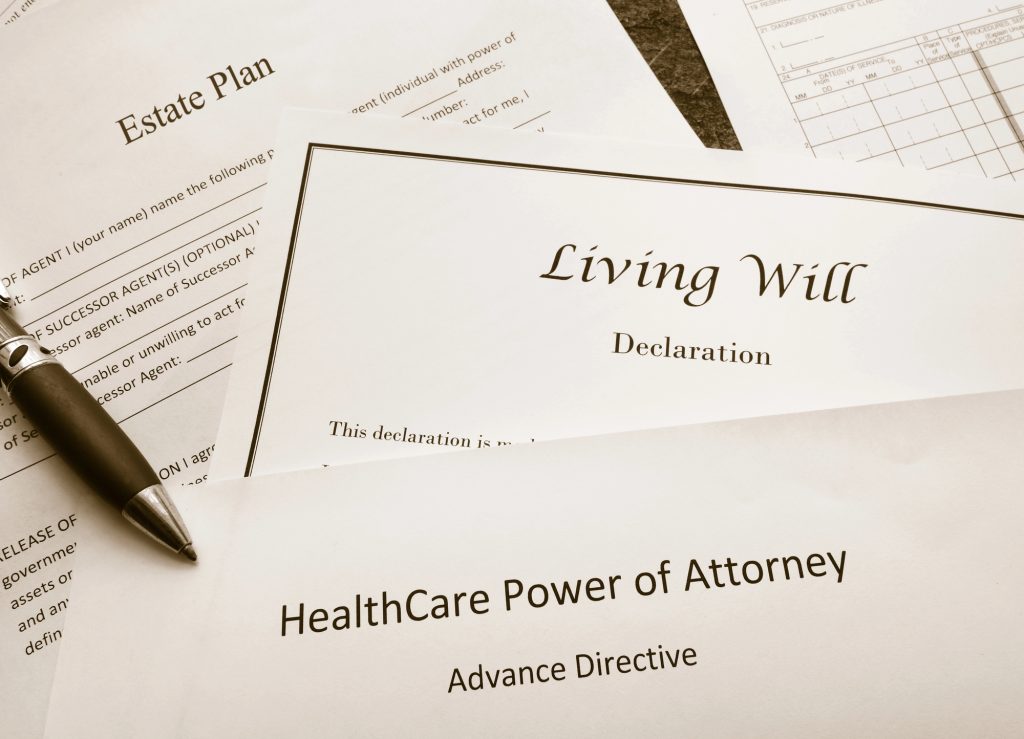
healthcare power of attorney advance directive papers with on a table with a pen near itWritten by Dr. Erin Jenkins

As healthcare professionals, many of us will never forget 2020. During a global pandemic, millions of people died, and families were forced to grieve losses they never imagined they would face. Loved ones were taken by a virus that moved quickly and unpredictably, leaving little time to prepare emotionally or practically. During this period, I was working in hospital based palliative medicine. In more typical times, our work focused on supporting people living with chronic illness, managing symptoms, and helping patients clarify how they wanted to live while navigating conditions such as COPD, CHF, and cancer.

During the pandemic, that work shifted dramatically. Patients who had long been managing chronic disease were suddenly confronted with a virus that disproportionately affected those same conditions. Regardless of diagnosis, one reality remained constant: COVID significantly increased the risk of death for patients with chronic illness.

End of life conversations became part of our daily work. We spoke with patients struggling to breathe, many dependent on oxygen or ventilatory support, including individuals with no prior respiratory disease. Yet, when asked about their wishes, most patients did not have clear answers. Families often struggled to accept that their loved one might die. Hope persisted, as it always does in medicine, but it became increasingly apparent that many patients and families were completely unprepared to make these decisions. Some waited until it was too late.

It was during this time that I began to fully grasp how many Americans lack end of life plans, even those who regularly interact with the healthcare system. Research suggests that fewer than one third of U.S. adults have completed an advance directive to guide care during times of crisis (Auriemma, Halpern, Asch, Van Der Tuyn, & Asch, 2020). These rates vary based on age, education, and other social determinants. Together, these findings highlight the gap between clinical recommendation and real-world readiness. It suggests a broader disconnect between patients and providers, as well as between patients and their families, leaving many unprepared to make critical decisions under duress. The question is, why?

One persistent myth in healthcare is that end of life planning is only for the elderly or those with terminal illness. This belief delays conversations that are both necessary and appropriate for all. End of life planning is for everyone and involves more than signing a document. It is a process designed to align care with what matters most to patients and their families. While these discussions can feel uncomfortable, proactive conversations lead to better alignment of care, reduced moral distress, and support clearer decision-making during times of crisis. These discussions include preferences regarding CPR versus DNR status, surrogate decision makers, mechanical ventilation, artificial nutrition, and post death wishes. While formal documentation is important, the most critical step is initiating the conversation. Without clarity, families are left to make life altering decisions under intense emotional strain, and clinicians are placed in ethically challenging positions.

Another common myth is that discussing end of life planning takes away hope. During the pandemic, many clinical teams hesitated to initiate these conversations out of concern that they might cause anxiety or signal that death was imminent. But our experience in palliative care showed the opposite. Even when the focus of conversation is a difficult topic, patients often felt less anxious and more supported. Additionally, research shows that advance care planning improves proximal outcomes, including communication quality, decisional confidence, and patient-surrogate congruence (Malhotra et al., 2022).Trust between patients and their care teams also increases. These discussions are not about removing hope. They are about preserving dignity, honoring autonomy, and reducing unnecessary suffering.

There is also a common misconception that patients will bring up these conversations “when they are ready”. In reality, no one ever feels ready for these discussions. Patients cannot ask for guidance around decisions they do not yet understand or know need to happen. That is where we come in. As healthcare professionals, part of our role is to guide patients through complex medical decisions, including those related to end-of-life care. Many clinicians who consulted our palliative care team in 2020 did so because they were unsure how to begin these conversations. Some were waiting for patients to say they were ready, while others felt that they were not equipped to lead the discussions themselves. While palliative and hospice teams are often seen as the experts in end-of-life discussions, the responsibility for these discussions is shared. At their core, these are conversations about goals and values. When framed that way, they become more approachable for both patients and clinicians.

Another misconception is that there simply is not enough time during a visit to address end of life planning. Anyone who has worked in primary care understands the challenge of limited time within the appointment. But these conversations do not need to be lengthy. They also do not need to occur in a single visit. Clinicians can begin with a simple question: “I was hoping we could talk a little about your goals in case there came a time when you could not make decisions for yourself.” From there, some foundational questions can be explored: who would serve as a surrogate decision-maker, what types of interventions the patient would or would not want, and how they wish their body to be cared for after death, including organ donation. These discussions frequently can unfold over two or three brief visits. What matters most is our willingness to normalize and prioritize them.

Despite the documented benefits of advance care planning and strengthened communication between patient and clinician, barriers remain. Many clinicians report lack of training or confidence in initiating end-of-life discussions, time constraints that reduce opportunities for discussion, and concerns about disrupting the clinician-patient relationship. Yet, when these conversations occur, they contribute to greater alignment of care with patient values and help prevent crisis-driven decision-making that may not reflect what patients would choose.

So, the question becomes this: have you had these conversations with your patients? And if not, what are you waiting for?

Author Biography:

Dr. Erin Jenkins is a certified Family and Psychiatric Nurse Practitioner with 23 years of experience in critical care, family medicine, neurosurgery, and palliative medicine. She owns Your Full Potential Psychiatry & Wellness in Southern Nevada, where she helps people improve their overall wellbeing using integrative medicine. Dr. Jenkins also serves as an Advanced Practice Registered Nurse in the U.S. Air Force Reserve, working in base operational medicine and focusing on military psychiatry. Learn more at https://www.yfpwellness.com and connect with her on LinkedIn at https://www.linkedin.com/in/erinjenkinshealth .

References:

Auriemma, C. L., Halpern, S. D., Asch, D. A., Van Der Tuyn, M., & Asch, J. M. (2020). Completion of advance directives and documented care preferences during the Coronavirus Disease 2019 (COVID-19) pandemic. JAMA Network Open, 3(7).  Access link here

Malhotra, C., et al. (2022). What is the evidence for efficacy of advance care planning … BMJ Open, 12(7). Access link here


.

Please also review AIHCP’s Grief Counseling Certification program and Grief Counseling CE courses see if it meets your academic and professional goals.  These programs are online and independent study and open to qualified professionals seeking a four year certification

Grief Counseling Topics: Near Death Experiences (NDE)

Grief Counseling: An Indepth Overview of Near-Death Experiences (NDE)

With the advent of New Age, spiritual awakening has become the societal norm, with more and more cultures embracing the concept of alternative consciousness, in a bid to attain enlightenment and personal growth. One common spiritual phenomena reported widely since the last few decades is near death experience (NDE).


What Exactly Is a NDE?

A near death experience, abbreviated as NDE is a transcendental experience unique to an individual, which typically takes place just after a near brush with death. In a near-death episode, the person is either in coma( clinically dead), or feeling threatened in a situation where death is quite likely. These circumstances may include a serious injury from a car accident, bullet shock, childbirth, murder/rape, or suicide attempt. During NDE, the individual experiences feelings of detachment from physical self, levitation, and encounter with spiritual, otherworldly entities. People in trance states or in abject grief have often reported experiences similar to NDEs, even though they were not near death.


Two Types of NDE

Any near-death experiencer commonly reports either of the two types of experiences. One is pleasurable, and the other is distressing. Pleasurable NDE involves feelings of bliss, joy, fulfillment and spiritual awareness. On the other hand, distressing NDE brings feelings of terror, isolation, confusion, guilt and horror. This type is experienced by a smaller group of NDErs. Regardless of their actual type, NDErs almost always report that the experience was even more realistic and vivid than earthly events.


The Four Stages of Pleasurable Near-Death Experience

The pleasurable type of NDE is characterized by four phases that occur in a precise order for each and every individual who report this phenomenon. That being said, it’s important to note each NDE is different. It can include a random combination of phases and the phases may occur in any order. Sometimes, people report having experienced overlapping phases that seem to occur simultaneously.


Here is a discussion of four common phases observed in an NDE:

1.) Detached phase: This is the first phase, wherein the individual experiences dissociation from their physical body. During this time, they leave the earth realm to transcend into the third dimension. They report feeling light, detached and devoid of the five senses that dominate physical existence. They sometimes describe an unbelievable sense of freedom from guilt, pain, misery and of total well-being.


2.) Naturalistic phase: In this phase, people report being gradually aware of their surroundings. They get a better understanding of the surrounding reality and also report looking down on their bodies. They see and hear things just like they do in their physical self, but the only difference is that the perceptions are unusually clear and realistic. They often say they acquired superhuman powers, such as being able to walk through walls, float around, see through people and even understand the unspoken thoughts of people nearby.


3.) Supernatural phase: In this phase, people report passing into a tunnel and meeting entities and being in environments that are not common to the physical reality. They often meet deceased loved ones, spirit guides or non-physical beings like helpers. Communication at this stage is at the mental level and there are no discernible physical features in the entities they meet, yet they seem to recognize them easily.


Following this loving encounter, people are apparently drawn to a beautiful, bright light that is difficult to describe. It is all-encompassing, unconditionally loving, welcoming and yet not overpowering to the eyes. It pulls the person like a gentle magnet and makes them feel drenched in the zenith of bliss. People then try to enter the light, only to be stopped by a powerful ‘being’ who warns them from crossing the light and coaxes them to return back to their physical bodies. At this moment, many people describe experiencing a life review, wherein they see themselves for who they are, and realize their flaws, talents and the mistakes they have made in life so far.

Sometimes, they also get access to divine knowledge and profound mysteries of the Universe. Many people come back with future predictions that eventually turn out to be true! The best thing about the life review is that it is presented to the person in the form of miniature motion pictures that allow them to observe everything from a detached perspective, so that the feelings of sorrow, regret, guilt and misery are all toned down to a negligible extent. If anything, people feel uplifted and energized.


4.) Return: As the name suggests, the individual returns to their physical self. Some NDErs report arguing their return with The Light; they refuse to continue with their life on the physical realm and wish to stay around in the peaceful glow of the third-dimension. However, they are jolted back to their bodies whether or not they choose to return. When they do want to return, it’s usually because of a connection with living people, or a heightened desire to mend persistent issues.


Characteristics of Distressing NDE

The following are some common features of a distressing NDE:

  • People report feeling powerless and non-existent. They feel as though as they are trapped in an eternal void with no one around.
  • Sometimes, they experience being amid evil, demon beings, frightening, otherworldly creatures and scary noises. Often, they report being transported to hideous landscapes, which is a stark contrast from the beautiful, welcoming environment described in a pleasurable NDE.
  • Few people have described feeling worthless and guilty during the life review stage. They feel negatively judged and insulted by the Higher Power.
  • In rare cases of distressing NDE, people report having given up fighting or escaping the harsh circumstances of the other reality and asking for help from the Higher Power. When they do so, their experience immediately morphs into a pleasurable NDE.
  • Then again, few NDErs have stated that their pleasurable experiences transformed into distressing ones.


How common are Near Death Experiences?

Thanks to medical advances, NDEs have been reported much more frequently in the last few decades. As public acceptance has increased, more and more people are willing to narrate their experiences. Depending on how rigidly NDE is described, studies have indicated that around 12-40% of people who have a close encounter with death later report having had an NDE.

Up to 200,000 Americans have claimed to have an NDE. According to a 2011 survey of 2000 people in Germany, around 4% had experienced an NDE. The 1992 Gallup poll by NDERF has stated that up to 774 individuals experience NDE in the United States alone. Reference link here.

Another 1982 Gallup poll revealed that among the 15% of Americans who reported an NDE, around 9% people had the typical out-of-body experience, 8% encountered spiritual entities, 11% said they entered a different dimension, and only 1% had disturbing experiences. These findings subsequently became published in “Adventures in Immortality” by the pollsters William Proctor and George Gallup Jr.

The possibility of having an NDE is independent of the person’s religion practice, economic background, life history, health status, sexuality and gender. Basically, it is an equal-opportunity phenomenon and it’s impossible to predict who will or won’t experience it, or whose NDE will be distressing or pleasurable.


How do near death experiences affect patients ?

Approximately 80% of NDErs claimed that their lives have been forever changed by what they experienced. In addition to returning with a profound spiritual outlook, as well as a renewed zest for life, people started observing psychological and physiological phenomena on a deeper scale. And this was true for teenagers, adults and child experiencers alike.
One common myth associated with NDE is that the experiencer has a heightened fear of death after the phenomenon. In fact, the result is just the opposite. NDErs lead a better quality of life, which is characterized by:

  • An improved ability to fight present circumstances and have a better understanding of why things happen the way they do.
  • A strengthened sense of self-confidence that arises from knowing one’s flaws and virtues. This feeling of true security provides bliss to the mind even in the face of utter chaos.
  • A lowered fascination for material possessions, as the person finally realizes that true happiness doesn’t lie in accumulating a certain percentage every month, chugging drinks at the local bar or buying a bigger house.
  • A higher than usual compassion, which extends to every being. NDErs have a deep-rooted gratitude for the little joys in life, and tend to forgive everything, as they finally understand the futility of chasing material comforts.
  • An unusual love for solitude and silence, as people don’t need to rely on false objects of security to quieten their inner feeling of guilt or misery.
  • Most importantly, people adopt a spiritual approach to life, as they know and believe that the spiritual realm is real and the material realm is a farce. This knowledge gives them a fresh perspective for all things in life, and they find it easier to cope up with daily hassles.


Has Medical Science Been Able to Explain Near Death Experiences?

According to 2011 study undertaken by Watt and Mobes at the University of Edinburgh, reference link here.

near death experience is not a spiritual phenomenon, rather it is a physiological process that can be biologically explained. For example, the typical feeling of floating during NDE arises from the trauma of having had a close encounter with death. This has been linked with brain regions like parietal cortex and prefrontal cortex, the latter being involved in delusional beliefs observed in schizophrenia. Although the exact reason behind the feeling remains unknown, one probable explanation is that the person is trying to come to terms with the trauma of death.

A variety of theories have been put forward by medical researchers to explain the argument of meeting deceased loved ones during NDE. Parkinson’s patients often hallucinate as a result of abnormal release of dopamine. In the same way, NDErs also undergo an abnormal release of another neurotransmitter, noradrenaline, which is mostly produced during trauma, and evokes the feeling of reliving moments from the present life, as well as auditory/visual hallucinations.

In 2003, The BBC reported a study by Dr. Sam Parnia at the University of Southampton which suggested the survival of consciousness even after clinical death (coma). This could be perceived as evidence of life after death.

A 2010 study of patients with a history of cardiac attacks revealed that there might be a link between seeing the gleaming orb of light during NDE and the level of carbon dioxide in blood. 11 out of 52 cardiac patients studied claimed to have an NDE. Researchers concluded that the excess CO2 in blood had a significant impact on vision, which ultimately caused them to perceive the tunnel and the brilliant light.

The most common obstacle to substantial research on NDE lies in analyzing them experimentally. After all, this is one phenomenon that is reported only after it’s over, and there are no real-time evidences to testify the same.


Ending Note…

All these scientific explanations raise several questions in our mind. If NDE is merely the outcome of our brain responding to trauma, why do the experiences follow a sequences that ultimately come down to the basic question of spirituality? Why do people report vivid events as if they occurred in precise order, despite being brain dead all the while? Why do they undergo a drastic and perennial transformation after returning back to their conscious state? And most importantly, how can a seemingly trivial, ‘biological phenomenon’ occur with equal probability for everyone, regardless of their medical history, mental health status, and so on?

Interestingly, advocates of near death experience confidently assert that this mystical phenomenon is not a casual by-product of the biological processes of the brain, rather it’s an actual life-changing event that is more realistic and empowering than anything they have ever experienced in the conscious state.

If you wish to learn more about Grief Counseling or Grief Counseling certifications then please visit our site. 


Anxiety: A New Phase of Grief?

Grief Counseling Perspectives and Grief Counseling Certifications

We have learned that no one single philosophy on grief is conclusive in understanding the process of grievingGrief counseling as a science is continually evolving to new ideas that adapt or reshape older ones.

The article “The Five Stages of Grief Should Be Changed”, by Claire Smith states

“When Elisabeth Kübler-Ross debuted the five stages of grief in her book On Death and Dying, published in 1969, they were intended for people facing their own deaths. Kübler-Ross later went on to apply these same five stages to the bereaved, to people who had lost a loved one, but upon closer inspection, I’m not sure they work as well.”

To read the entire article, please click here

If you are interested in learning more about grief counseling certifications, then please click here

AIHCP