
Substance Use and Mental Health: What Every Healthcare Professional Should Know

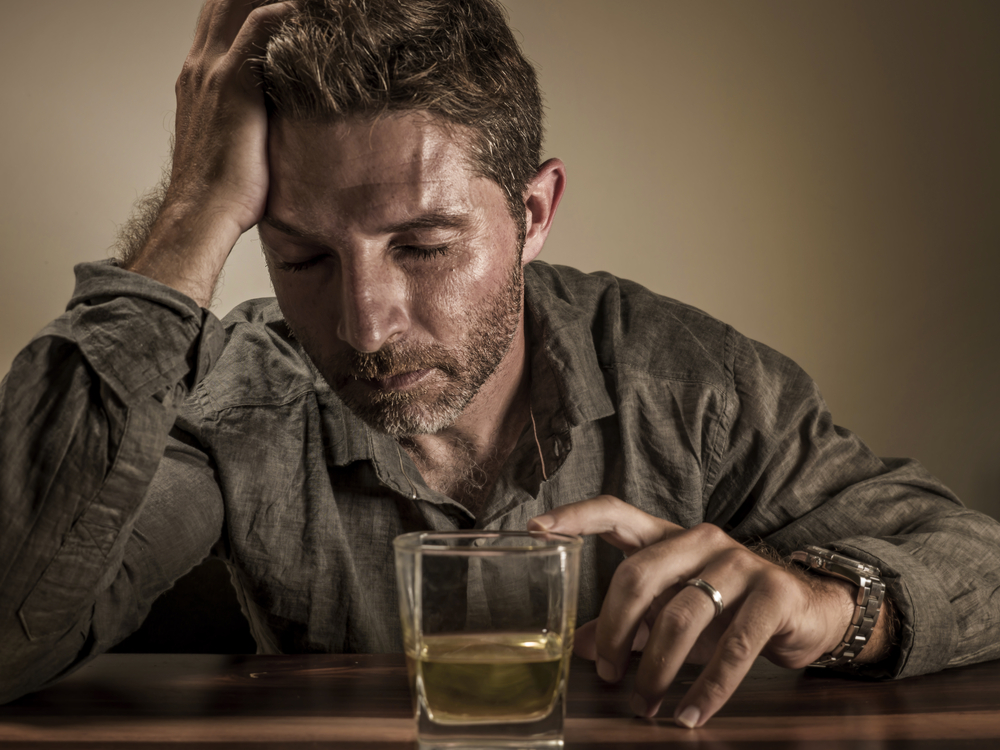
Attractive desperate alcoholic man . depressed addict isolated in front of whiskey glass drunk and wasted in dramatic expression suffering alcoholism and alcohol addiction problem

Written by Agwalogu Bob,

If you work in primary care, the ER, or really any part of general medicine, you’ve probably met patients with co-occurring disorders.

It could be a patient with crushing anxiety who drinks a bottle of wine a night to take the edge off. It could also be the young adult with back pain who’s become increasingly dependent on their opioid prescription. 

It definitely isn’t a niche issue anymore. In fact, recent data from SAMHSA revealed that out of 61.5 million adults with mental challenges in 2024, 34.5% also had substance use disorder. Out of this number, more than 41% didn’t get the treatment they needed for either. 

For some of the patients who fell in the crack, chances are the clinician they met didn’t know what to look for. That’s exactly what the guide is for. Read on as we discuss co-occurring disorders, why they happen, and most importantly, what you can actually do to help.

What is a Co-Occurring Disorder?

A co-occurring disorder is when someone has a substance use disorder and a mental health condition together at the same time. 

You might also hear it called a dual diagnosis. We already gave two examples in the introduction: someone with social anxiety taking alcohol for confidence, and someone with PTSD abusing sleeping pills. As of 2024, approximately 7% to 8% of U.S. adults suffer from co-occurring mental illness and substance use disorder, according to Statista.

4 Things Healthcare Professionals Should Know About Co-Occurring Disorders

Now that we know what co-occurring disorders are and how prevalent they are, let’s look at four truths every healthcare practitioner should know about this condition.

Substance Use and Mental Illness are Bidirectional

Substance use disorder and mental illness have a two-way relationship.

On one side, there’s self-medication. This could be a person with PTSD who uses opioids or sleeping pills just so they can forget.

The second direction is substance use itself, actually causing or worsening psychiatric symptoms. People who consume alcohol heavily, for example, can also suffer severe depressive episodes. 

In fact, research shows that 50% of the adults who misuse substances are also likely to suffer from one form of mental illness or another.

So, how do you know if what you’re looking at is a co-occurring disorder? Some common examples include:

  • Depression and alcohol use
  • Anxiety disorders with benzodiazepine misuse
  • PTSD with opioid use
  • Bipolar disorder with stimulant misuse

The problem? Diagnosing these issues in a single fifteen-minute consultation is almost impossible. You have to see the pattern over time before you can confidently determine the problem and decide on a proper treatment plan.

Integrated Treatment is the Most Effective

It can be tempting to want to treat co-occurring disorders as isolated cases. Most people do this. In fact, the medical system has historically walked separate paths, and treating in isolation has always been the model.

The truth, however, is that when addiction and mental illness are handled as separate cases, a lot of patients will fall through the cracks. The result? Increased risk of relapse. This is why integrated care is the most effective option.

Rather than addressing each condition separately, a single team handles the treatment programs for co-occurring disorders. In practice, that means:

  • One coordinated care team for mental health and addiction
  • Shared treatment goals
  • Better communication between providers
  • Fewer gaps in care
  • More personalized treatment
  • Better long-term outcomes

And it really works, too. A 2025 BMC Nursing literature review found that integrated, patient-centred care that combines psychosocial and pharmacological approaches is the most effective way to treat dual diagnosis. It consistently performs better than fragmented care.

Diagnosis is Highly Complex

Another thing healthcare teams should know about comorbid disorders is that diagnosis can be really complex. Why? Because symptoms tend to mask or overlap.

The quote below by the Mental Health Academy sums this up perfectly. 

“Co-occurring mental health disorders are not the exception – they’re the reality for many clients. And they often present one of the most challenging landscapes for assessment and intervention.” – Mental Health Academy via LinkedIn.

Let’s look at some examples of this overlap using the table below:


Substance-Related Presentation Can Mimic or Mask
Alcohol or benzodiazepine withdrawal Primary anxiety disorder (tremor, racing heart, panic)
Stimulant intoxication or withdrawal Bipolar mania or hypomania (elevated mood, agitation, grandiosity)
Chronic alcohol use Major depressive disorder (low mood, poor sleep, low energy)
Opioid withdrawal Generalized anxiety or panic disorder (restlessness, GI upset, insomnia)
Cannabis-induced psychosis Primary psychotic disorder (schizophrenia spectrum)
Stimulant-induced psychosis Acute primary psychosis
Untreated PTSD hyperarousal Stimulant intoxication or withdrawal


As we’ve already established, you have to see these patterns over time before you can determine what exactly is happening. 

Take Bipolar Affective Disorders, for example. According to Icarus Behavioral Health, if a doctor misses the hypomanic episodes, they can inaccurately diagnose the person with depression alone. Even worse, they can mistake it for just withdrawal from certain substances.

This is why watching for patterns is important. When symptoms only show up alongside substance use and clear up after a period of abstinence, they’re more likely to be substance-induced. 

But when they persist even after complete abstinence, then you’re looking at a primary psychiatric disorder.

Recovery is a Long-Term Process

Finally, it’s important to understand that recovery doesn’t happen overnight. It takes time, structure, and consistency. 

It’s also important to note that relapses do happen, but this doesn’t mean that the treatment failed. It could simply mean that the plan needs a bit of adjustment.

The biggest part of recovery? What happens after? Transitioning from structured care back to everyday life is a vulnerable point for many patients. Many of them end up getting readmitted within the first 30 days after discharge, especially when there’s no strong system in place.

This is why there should be a proper hand-off, which should actually feel like a continuation of care.

This means:

  • Clear follow-up appointments before discharge
  • Direct connection to outpatient or community services
  • Medication continuity where needed
  • Warm handoff, not just a referral slip

When these steps are in place, there’s a stronger chance of full recovery.

FAQs

How many people have co-occurring health conditions?

The number of people with these conditions differs based on the study you’re looking at. However, SAMHSA estimates that more than 34% of the 61.5 million people with mental challenges also struggle with substance use disorder.


Should substance use or mental health symptoms be treated first?

Neither should necessarily come first. Co-occurring disorders should be handled together using an integrated care model. Treating them separately may mean incomplete recovery and relapse.


How can clinicians determine whether a patient has a co-occurring disorder or not?

Clinicians can determine whether it’s a co-occurring disorder or not by looking at patterns. Probably the best giveaway is symptom persistence. If symptoms continue during the period a person is abstaining from substance use, then it may suggest an underlying mental health condition.

Co-Occurring Disorders: Final Thoughts

Co-occurring disorders are common, complex, and frequently missed. But they don’t have to be. By understanding the bi-directional relationship, embracing integrated treatment, and knowing symptoms that overlap, healthcare practitioners can make a real difference in patient outcomes.

Hopefully, this article has helped bring some clarity to a topic that often feels more complicated in practice than it looks on paper.


Author Bio

Agwalogu Bob believes great content doesn’t just inform, it resonates, and then sticks. For over eight years, he’s been helping agencies across four continents craft just that kind of content: sharp, engaging cut-through-the-noise copy across SaaS, finance, tech, health, and lifestyle.

When he’s not putting pen to paper, you’ll likely find him scouring the internet for funny memes.

Connect with him on LinkedIn or Medium.


Please also review AIHCP’s Substance Abuse Certification program and our CE courses as well, to see if they meet your academic and professional goals.  These programs are online and independent study and open to qualified professionals seeking a four year certification

Why Patients Feel Taken Advantage of in Rehab, and How to Change That 

Victims of bullying need external supports to help them cope through the abuse of bullying and shaming

Written by Marchelle Abrahams,

For decades, addiction was treated as a criminal problem. And then research suggested that we view it as a medical condition and address it as such.

This understanding is now helping rehab centers take a more holistic approach in treating millions of people with a substance use disorder (SUD). But the divide remains.

Even with all the evidence pointing towards addiction as a moral failing, many experts believe that SUDs and crime are inextricably connected. Add physician and author Dr. Gabor Maté’s unshakable views as a coping mechanism for unresolved trauma, and the discourse becomes deafening.

It doesn’t matter which hypothesis you subscribe to: criminal, medical or trauma. The question is how you treat it. Rehabs are at the center of this paradigm. And treatment is an industry too.

A Broken System?

Talk to enough people in recovery, and a common thread emerges: one where patients feel misled, pressured, or exploited.

This isn’t a reputational issue. It’s a clinical one. As a rehab counselor, you know that when trust diminishes, outcomes suffer. Dropout rates rise. Relapse risk increases.

Oftentimes, patients feel taken advantage of in treatment centers. So, what can you do to fix it?


The Trust Gap: Where It Starts 

A study published in the National Institutes of Health sought to identify barriers to optimal inpatient rehabilitation outcomes among patients with spatial neglect (SN). 

It was determined that specific needs, such as family support, training, and treatment engagement, were strong predictors of recovery outcomes. However, engagement depends heavily on trust. And trust is what many patients say is missing.

Across forums like Reddit, a recurring theme appears: “I don’t know who to trust.” That uncertainty influences every interaction from intake to discharge.

One Redditor posted a desperate plea to find a real treatment program that wasn’t “predatory.” The responses ranged from empathy to helpful advice to join a program that offers CBT, trauma work, and relapse prevention.


Lack of Transparency Around Costs and Insurance 

Patients regularly enter treatment without understanding what their insurance will cover. Or what they’ll owe out of pocket.

Unexpected bills can put them back, psychologically. Cases involving lawsuits reinforce this perception. 

Case Study

A 32-year-old patient enters a residential program believing her insurance covers 30 days. She’s discharged after 10 due to coverage limits. She receives a bill for the remaining balance. The patient leaves feeling misled, even if the provider followed policy.

The Fix

  • Walk through insurance coverage line-by-line before admission.
  • Provide written cost estimates (and update them as needed).
  • Assign a financial liaison patients can reach.

Transparency upfront reduces resentment later. It’s that simple.


Forced or Coerced Treatment 

In some states, civil commitment laws allow individuals to be placed in treatment without consent. 

In Idaho, for instance, only a peace officer or qualifying members of medical staff can initiate an emergency evaluation, per Idaho Code 66-326. The Treatment Advocacy Center (TAC) recommends that family members directly file an emergency court order for court-ordered treatment.

Case Study

A young adult in Ada County is admitted under family pressure. They feel stripped of autonomy and resist participation. Even after transitioning to voluntary care, they remain disengaged. 

The Fix

Icarus Wellness and Recovery advises counselors to use involuntary commitment laws as a guideline to obtain court-approved treatment providers.


Patient Brokering and Questionable Referrals 

Patient brokering, where individuals are referred to specific facilities in exchange for financial incentives, has become a major concern. 

Families report being steered toward programs that benefit the referrer rather than the patient.

Case Study

A parent seeking help for their son is contacted by multiple “advisors.” Each pushes a different facility, sometimes in another state. The son cycles through programs without improvement. The family later learns those referrals were financially motivated. 

The Fix

  • Be transparent about referral relationships.
  • Avoid commission-based referral structures.
  • Focus on clinical fit over bed availability.

Patients can sense when they’re being “placed” instead of helped. Counselors should make clinical reasoning visible.


General Treatment Plans 

Patients report feeling like they’re being pushed through a system rather than treated as individuals. 

Standardized approaches don’t work for everyone.

Case Study

Two patients with different trauma histories receive identical treatment schedules. One engages. The other shuts down.

The Fix

  • Tailor treatment plans to individual histories and goals.
  • Adjust pacing and modalities based on response.
  • Involve patients in treatment decisions.

Personalization now becomes a requirement for buy-in.


Poor Communication from Staff 

Confusion around rules. Expectations and progress. When these aren’t communicated to them, patients get stressed and anxious. And that leads to mistrust.

Patient satisfaction impacts recovery outcomes, patient adherence, and the facility’s reputation. 

Case Study

A patient violates a rule they didn’t fully understand and faces consequences. They interpret this as unfair treatment instead of a misunderstanding. 

The Fix

  • Set clear expectations from day one.
  • Repeat key information regularly.
  • Encourage questions without judgment.

Clarity builds safety, which builds trust.


The ‘Revolving Door’ Experience 

Some patients cycle through multiple programs without lasting results. 

The New York Times recently reviewed a book by investigative reporter Shoshana Walter on systemic issues in parts of the rehab industry, including profit-driven practices.

Case Study

A patient attends three facilities in two years. Each promises a fresh start. None address underlying trauma. The patient begins to believe rehab itself is the problem. 

The Fix

  • Concentrate on continuity of care beyond discharge.
  • Build realistic expectations about recovery timelines.
  • Address root causes, not symptoms.

Recovery isn’t a 30-day event. Treating it like one sets patients up for failure.


FAQs

1. Why do patients distrust rehab programs?

Many patients report unclear costs, inconsistent communication, and feeling like decisions are made for them rather than with them.

2. Does forced rehab work?

It can stabilize individuals in the short-term, but long-term success improves when patients transition to voluntary, engaged participation.

3. How can counselors improve patient engagement?

By involving patients in decisions, setting expectations, and showing measurable progress throughout treatment.

4. What is patient brokering, and why is it harmful?

Patient brokering involves referrals driven by financial incentives rather than clinical need, which can lead to poor treatment matches and repeated relapse cycles.


Key Facts at a Glance

Insight Source
Treatment engagement is a key predictor of recovery success  NIH (2021)
Patient satisfaction improves with better communication  Net Health
Patient brokering continues to impact treatment quality  Partnership to End Addiction 
Outcome tracking improves care effectiveness  NIH (2024)


What Counselors Can Do Differently

Fixing these issues starts with small changes.

Be transparent, even when the truth is uncomfortable. Treat patients as partners, not participants. Prioritize long-term outcomes over short-term metrics. Build trust intentionally, not passively.

Patients don’t expect perfection. They expect honesty.

Author Bio:

Writer by day, dream catcher by night. Marchelle Abrahams cut her teeth during the infancy of the internet when the dial sound of the modem was more than a soundbite at a rave. Not a Millennial and not a Boomer, Marchelle is an in-betweener, making her a special breed of human. As a qualified journalist, Marchelle believes her superpower is stringing a few words together and people reading them. That, and the ability to take her kids on with her unique brand of gnarly comebacks.


Please also review AIHCP’s Substance Abuse Certification program and our CE courses as well, to see if they meet your academic and professional goals.  These programs are online and independent study and open to qualified professionals seeking a four year certification

Painkiller Types of Substance Abuse Continue to Kill Women

 types of substance abuse
types of substance abuse are discussed in groups like these.


American Institute Health Care Professionals’ insight:

Types of Substance Abuse? How Many Are There?

There is an alarming trend of increase among women and over dosage of pain killers.  This type of substance abuse is correlated with an addiction of pain killers and is becoming more common everyday.    Women are abusing pain killers more and more frequently.   Why do you feel this is happening?   What are the causes of it?

If you are interested in joining the conversation or learning more about substance abuse counseling in general, you should visit our page.    There are plenty of online resources and several online courses for you to look at and take.    If you want you could also look into becoming a certified substance abuse counselor.

See on www.livescience.com