
I. Introduction
The journey of coping and healing in counseling presents a complex interplay that is essential for mental health professionals to understand. Coping mechanisms often serve as immediate responses to stressors, providing individuals with tools to manage their emotional turmoil. In contrast, healing involves a deeper, transformative process that fosters emotional growth and resilience over time. This distinction is crucial as therapists guide their clients through various stages of emotional and psychological recovery. Effective counseling strategies should be informed by a solid foundation of current research, such as the findings from the 3rd Java International Nursing Conference, which emphasize the importance of holistic practices in healthcare settings (Nurmalia (Editor) et al., 2015). Additionally, understanding patient perceptions of communication can enhance therapeutic relationships and ensure that interventions are patient-centered, as demonstrated in studies assessing communication in cancer care (Bann et al., 2017). Recognizing these elements lays the groundwork for examining how coping and healing function together in effective counseling.
A. Definition of coping and healing
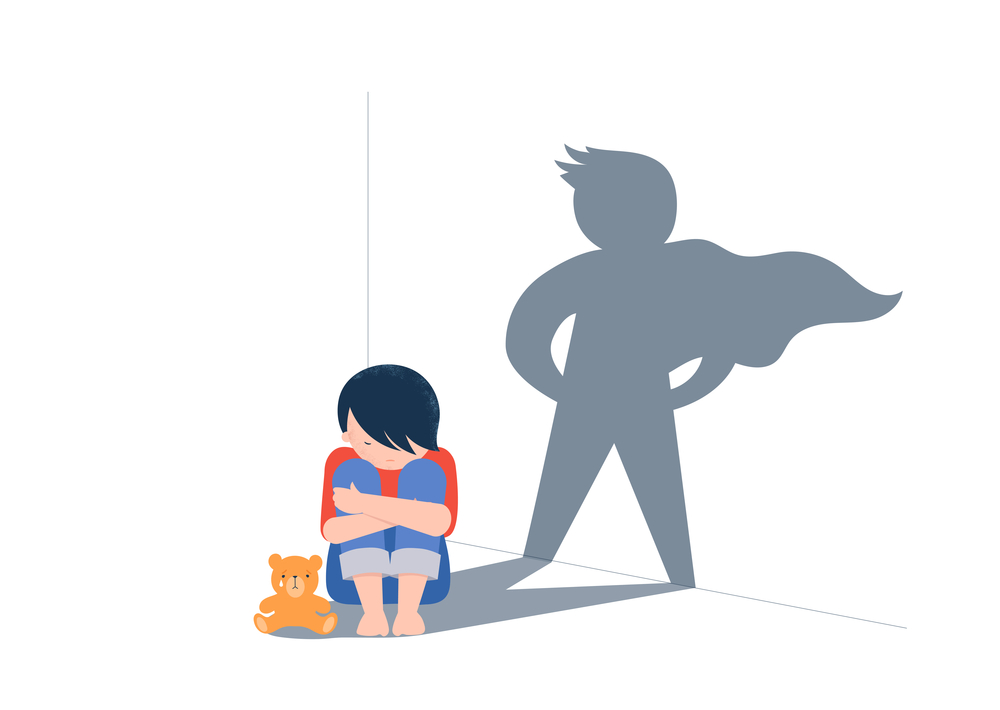
Coping and healing represent distinct yet interconnected processes within the realm of mental health and counseling. Coping generally refers to the strategies individuals employ to manage stressors and negative emotions, often functioning as a temporary relief mechanism that allows individuals to navigate daily challenges. In contrast, healing encompasses a more profound transformative process aimed at addressing underlying issues, fostering resilience, and promoting overall well-being. According to research, effective coping strategies can lead to improved emotional regulation and a reduction in psychological distress, which ultimately paves the way for healing (Barlow et al., 2017). Furthermore, healing is often supported by holistic approaches that consider not only psychological but also physical and social dimensions of health, exemplified in holistic nursing practices that aim to enhance the quality of care beyond mere symptom management (Nurmalia (Editor) et al., 2015). Understanding these dynamics is essential for effective counseling interventions that seek to foster long-lasting change in clients lives.
B. Importance of understanding the distinction in counseling
Recognizing the distinction between coping and healing in counseling is pivotal for both clients and practitioners, as it shapes therapeutic approaches and outcomes. Coping strategies often serve as immediate responses to stressors, providing tools for managing emotions and navigating challenges. In contrast, healing encompasses a deeper process of transformation and personal growth, striving for a resolution that extends beyond mere survival. Understanding these differences allows counselors to tailor interventions that address not only the symptoms of distress but also the underlying issues that impede genuine recovery. Moreover, cultural factors, encompassing how compassion is perceived and expressed, can greatly influence an individuals coping and healing journey. For instance, research suggests that cultural variations can shape responses to suffering, emphasizing positive over negative emotions during counseling interactions (Koopmann-Holm et al., 2017). Thus, fostering awareness of these distinctions is essential for effective practice and client empowerment in the therapeutic setting (Nurmalia (Editor) et al., 2015).
C. Overview of the essay structure
Structuring an essay effectively is crucial for conveying complex ideas clearly, especially in nuanced discussions such as Coping vs Healing in Counseling. The introduction sets the stage by outlining the significance of distinguishing between coping mechanisms and healing processes, briefly summarizing key theoretical frameworks. Following this, the body paragraphs systematically explore the various dimensions of coping strategies, highlighting their immediate, often superficial relief of stress, while contrasting them with healing approaches that promote deeper emotional resilience and transformative growth. Each section draws on empirical evidence and theoretical insights to substantiate claims, such as those illustrated in the literature regarding parental responses to disability as a framework for understanding emotional adaptations (Allred et al., 2012). Finally, the conclusion synthesizes the main arguments, reinforcing how understanding these distinctions can enhance counseling practices, echoing findings from clinical sociological perspectives that emphasize the importance of support in navigating emotional challenges (Ventimiglia et al., 1986).
II. The Concept of Coping
Coping is a vital psychological process that individuals employ in response to stressors, functioning as a bridge between the challenges faced and the desired resolution of those challenges. It encompasses a variety of strategies that can be categorized into problem-focused and emotion-focused approaches; the former aims to tackle the source of stress directly, while the latter seeks to alleviate the emotional distress associated with it. Research has indicated that effective coping mechanisms can significantly enhance an individual’s overall mental health and well-being, influencing outcomes in both personal and communal contexts (Nurmalia (Editor) et al., 2015). Moreover, understanding the concept of coping is particularly crucial in counseling practices, as counselors can tailor interventions based on clients’ coping styles. By fostering adaptive coping strategies, counselors can empower individuals to navigate their emotional landscapes more effectively, ultimately distinguishing coping from the deeper transformational process of healing (Adejumo et al., 2018).
Another key thing to remember is not all coping is good. Maladaptive coping to numb emotion or avoid situations can lead to isolation, drugs and alcohol, sexual risks and overall risk taking. It is important for counselors to instill healthy coping mechanisms that lead to long term healing.

A. Definition and characteristics of coping mechanisms
Coping mechanisms are defined as cognitive and behavioral strategies that individuals employ to manage stressors and emotional challenges (Conway et al.). They can be broadly categorized into problem-focused and emotion-focused strategies. Problem-focused coping aims to directly address the stressor, thereby reducing its impact, while emotion-focused coping seeks to regulate the emotional distress associated with the stressor (Nurmalia (Editor) et al., 2015). Characteristics of effective coping mechanisms include flexibility, adaptability to situational demands, and the ability to foster resilience. Ineffective coping, on the other hand, often results in avoidance or denial, which may exacerbate the emotional turmoil over time. In the context of counseling, understanding these mechanisms is crucial, as it helps practitioners guide clients toward healthier strategies for coping, ultimately enhancing their journey towards healing. By facilitating the development of adaptive coping skills, counselors can support individuals in navigating their emotional landscapes and promote overall psychological well-being.
B. Types of coping strategies (e.g., problem-focused vs. emotion-focused)
Coping strategies play a pivotal role in how individuals manage stress and trauma, with two primary types—problem-focused and emotion-focused strategies—exerting distinct influences on psychological outcomes. Problem-focused coping emphasizes practical solutions aimed at addressing the source of stress, thus fostering a sense of control and potential resolution. In contrast, emotion-focused coping prioritizes emotional regulation and psychological comfort, often through acceptance or avoidance, which can be particularly beneficial when the stressor is beyond a persons control. Research underscores the value of both strategies, suggesting that effective coping can lead to positive growth and resilience after loss, intricately linking coping with healing processes in counseling settings (Morgan et al., 2016). Moreover, recent meta-analyses have highlighted the effectiveness of humanistic-experiential psychotherapy in facilitating emotion-focused coping, offering integrative approaches that encompass narrative reconstruction and spiritual engagement as part of therapeutic interventions (Elliott et al., 2013). This dynamic interplay between coping strategies and healing underlines the complexity of therapeutic practices in supporting client adjustment.
C. Role of coping in short-term emotional management
Effective coping strategies play a crucial role in managing short-term emotional distress, particularly in counseling contexts where immediate emotional relief is necessary. The ability to effectively cope can mitigate the immediate impact of stressors, allowing individuals to regain a sense of stability and focus on healing processes. Coping mechanisms, whether they are problem-focused strategies or emotion-focused approaches, serve to buffer the psychological impact of adverse experiences. For instance, the employment of complementary therapies, such as mindfulness or music therapy, has been shown to enhance emotional management in short bursts, as highlighted in research regarding holistic nursing practices and complementary therapies (Nurmalia (Editor) et al., 2015). Additionally, systematic reviews of humanistic-experiential psychotherapy outcomes indicate that these coping strategies can facilitate emotional regulation and adjustment, paving the way for deeper healing in the long term (Elliott et al., 2013). Thus, a nuanced understanding of coping is essential for effective short-term emotional management in counseling settings.
III. The Concept of Healing
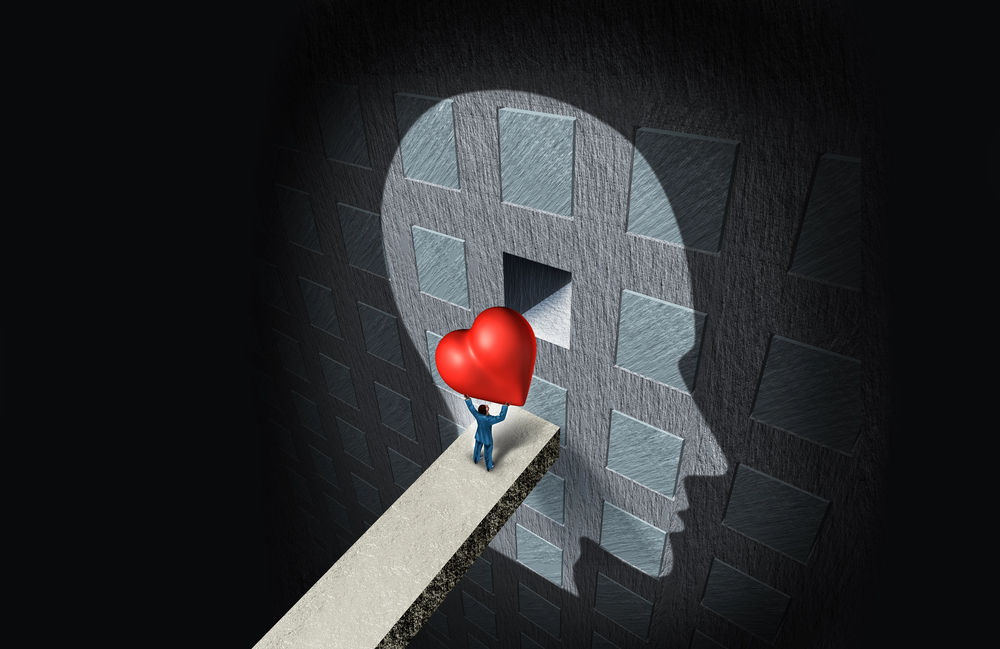
Understanding the concept of healing is essential in the context of counseling, as it differentiates itself from mere coping mechanisms. Healing encompasses a profound transformation that integrates emotional, psychological, and physical wellness, fostering a more holistic recovery from trauma or distress. Unlike coping, which often emphasizes temporary relief, healing involves engaging with ones experiences to cultivate resilience and personal growth. For instance, initiatives such as those discussed at the 3rd Java International Nursing Conference highlight the importance of holistic approaches in healthcare, focusing on personalized strategies that address the complexities of human health (Nurmalia (Editor) et al., 2015). Similarly, the recognition of biophilia in our connection to nature illustrates how natural environments can contribute to healing, enhancing mental well-being and motivating individuals through restorative experiences in their lives (Majors et al., 2019). Therefore, counseling that promotes healing encourages individuals to explore deeper emotional truths and develop sustainable pathways to wellness.
A. Definition and characteristics of healing in a therapeutic context
In the therapeutic context, healing transcends mere symptom relief, encompassing a holistic transformation that addresses the psychological, emotional, and spiritual dimensions of a persons well-being. Healing involves not only the cessation of distress but also the cultivation of resilience and self-awareness, facilitating genuine recovery and personal growth. This multifaceted process is heavily reliant on the quality of the therapeutic relationship and the strategies employed within counseling sessions. For example, incorporating continuing care programs that enhance patient attendance and engagement can significantly improve healing outcomes, particularly in areas like addiction recovery (Foote et al., 2014). Furthermore, recognizing the diverse methods of intervention—such as holistic nursing and complementary therapies—can enrich the healing experience, allowing practitioners to cater to individual patient needs (Nurmalia (Editor) et al., 2015). Thus, healing in therapy embodies both individual empowerment and a supportive framework, fostering comprehensive recovery beyond coping mechanisms.
B. Stages of healing and their significance
When discussing the differences between coping and healing within the realm of counseling, it becomes particularly important to appreciate the different phases of healing, as they highlight the individual’s path after enduring a loss or traumatic event. Each phase, spanning from acceptance to assimilation, contributes substantially to facilitating emotional well-being and cultivating resilience. A counselor who recognizes these phases can tailor interventions to align with the client’s present condition, encouraging coping skills that may ultimately promote meaningful healing. To illustrate, the importance of sustained support, noted within effective treatments for substance use disorders, exemplifies the necessity of ongoing care that sustains recovery over time (Foote et al., 2014). Additionally, holistic approaches found in nursing and related areas underscore the inclusion of varied treatments, which address the emotional and physical components, supporting a more thorough sense of healing (Nurmalia (Editor) et al., 2015). A counselor who understands these distinct phases can thus help to mediate the healing journey, effectively linking mere coping mechanisms with lasting recovery.
C. Long-term benefits of healing compared to coping
In counseling, the contrast between coping and healing shows that healing offers substantial advantages over the long haul. While coping usually focuses on handling stress and its symptoms—think meditation or exercise for quick relief—it might not get to the heart of the matter. Although recent studies show these techniques help manage stress, their impact tends to be short-lived (Gass et al., 2015). Healing, on the other hand, seeks deep personal change, helping people face their inner emotional issues and reach a more complete view of their lives. This not only boosts mental health but also builds resilience and encourages personal development. So, the long-term benefits of healing go further than just getting by; they encourage a total change in how someone sees the world, which really improves their life (Nurmalia (Editor) et al., 2015).
IV. The Relationship Between Coping and Healing
In counseling, it’s vital to understand how coping and healing connect, since they’re intertwined but have separate goals. Coping involves strategies people use to handle stress and tough emotions. These strategies often tackle immediate problems, but they might not fix the root causes. Healing, on the other hand, is more of a long-term emotional and psychological recovery process, aiming for lasting change, not just quick fixes. How well different coping strategies work can have a big impact on healing. Healthy coping, for example, can help someone process emotions more deeply, setting the stage for healing to happen. Research shows this link, suggesting that holistic methods, like humanistic-experiential psychotherapy (HEP), help healing by incorporating coping strategies that build resilience and emotional growth (Nurmalia (Editor) et al., 2015), (Elliott et al., 2013). So, a solid grasp of both coping and healing can improve therapy results, guiding clients toward lasting recovery.

A. How coping can facilitate the healing process
Coping strategies are really important; they help people heal by giving them the tools to handle tough emotions. Good coping methods, like writing down your feelings or making art, can be like therapy. They give you a safe space to work through hard experiences. For example, there’s film therapy. Movies can help people talk about things that are hard to discuss. This lets them face and share their feelings, maybe in ways they couldn’t before (Amann et al., 2010). Also, research shows that having friends and family who support you is a big help. Peer support groups can make teens with long-term illnesses, such as HIV, stronger and better at sticking to their treatment (Adejumo et al., 2018). So, coping doesn’t just help you deal with your feelings; it also creates a good setting for overall healing and growth. This makes it a key part of counseling, generally speaking.
B. Potential pitfalls of relying solely on coping strategies
Depending too heavily on coping strategies to deal with emotional pain isn’t always the best approach, mainly because it sometimes only scratches the surface of the real problems. Sure, things like avoiding the issue or distracting yourself might feel good for a bit, but often they don’t really help you deal with your feelings and get better. This can mean that the distress builds up over time, and you might end up doing things that aren’t good for you. Now, even in places where services are top-notch—take, for instance, the work being done in greater Omaha for survivors of Intimate Partner Violence—just focusing on coping might get in the way of real healing and empowerment (Skrypek M et al., 2010). We can see this, too, if we consider the experiences of kids living with chronic illnesses; just teaching them coping strategies might keep us from truly understanding what they’re going through, showing that we need more complete ways of helping them heal that put emotional honesty and resolution first (Alwan A D et al., 2015).
C. Integrating coping and healing in counseling practices
In counseling, linking coping techniques with healing processes is super important for helping people feel whole and healthy. Coping is usually about quick, hands-on ways to deal with stress. But healing? That’s more like a deep dive into understanding yourself and growing as a person. Counselors can get ideas from different places, like what’s talked about in (Manuel et al., 2018). They can make their methods better by using practices that fit with what their clients believe and value, culturally speaking. Not only does this help build a stronger connection between the counselor and the client, but it also gives clients the strength to face tough emotions and bounce back from hard times. Plus, at gatherings like the one in (Nurmalia (Editor) et al., 2015), people are talking more and more about how important it is to look at the whole person in fields like nursing and counseling. This backs up the idea that good coping skills can actually lead to real, long-term healing. So, when you mix these two ways of thinking, it can really make things better for clients in therapy.
V. Conclusion
To sum things up, understanding the difference between coping and healing is super important in counseling—for both the counselor and the person they’re helping. It shapes the methods and approaches used during the sessions. Coping strategies can provide quick relief and a short break from tough emotions. But real healing? That needs a deeper look into the root causes of the pain. Good counseling helps people learn coping skills and also creates a space for them to think deeply and grow. Research shows that mixing old, trusted methods with newer therapy techniques can really boost healing, making the whole experience better (Manuel et al., 2018). Plus, when different professionals work together, it makes sure that all the therapy approaches line up, which improves the care someone gets (Nurmalia (Editor) et al., 2015). So, when counseling focuses on both coping and healing, it not only supports people where they’re at but also helps guide them toward big, positive changes.

A. Summary of key points discussed
When we look at the conversations about Coping versus Healing in Counseling, it’s clear that understanding the difference between how we cope and how we heal is super important for good results in therapy. Coping strategies? Those are usually quick reactions to stress, ways to handle tough stuff right away, which you see a lot in studies about people dealing with long-term illnesses like HIV (Abacan et al., 2014). Now, healing? That’s different. It’s a deeper thing, really changing how you feel and think to get rid of old emotional hurts and set you up for a solid recovery. This big difference means counselors need to be smart about how they help people. While coping might give you a break for now, helping someone heal can make them feel good and strong in the long run. Plus, bringing in all-around health practices, like they talk about in nursing and health science discussions, points out that we need to help people in lots of different ways as they work toward healing (Nurmalia (Editor) et al., 2015).
B. Implications for counseling professionals
For counseling professionals, understanding the difference between coping and healing has serious implications, especially when dealing with the nuances of what clients go through. Counselors have to figure out when it’s best to help clients develop coping mechanisms for quick relief and when to push for deeper healing for lasting well-being. This two-pronged strategy builds on new research that highlights how important all-encompassing approaches are for mental health. Think about it: adding things like mindfulness or music therapy can really boost regular counseling, which in turn, helps clients do better (Nurmalia (Editor) et al., 2015). Plus, when counselors get how people react psychologically to stress and disability, they can make the therapy space more understanding, which builds better relationships with clients (Allred et al., 2012). So, by focusing on both coping and healing, we not only make counseling better but also help counselors grow professionally, which is a win for client care, generally speaking.
C. Final thoughts on the importance of balancing coping and healing in therapy
To summarize, a balance connecting coping and healing stands as crucial for successful therapeutic results. Each process tackles different parts of mental and emotional health. Coping strategies can offer prompt comfort, assisting people in handling troubling symptoms, but tend to be short-term fixes that might hide fundamental problems. Conversely, healing aims to get to the base causes of emotional suffering, encouraging lasting recuperation and strength. Blending these strategies lets therapists craft a wide-ranging treatment strategy customized to the needs of each client, building resilience and self-direction. As pointed out in current research, the transdiagnostic method—created to handle diverse mental conditions via a core set of rules—shows the importance of syncing coping with healing actions (Barlow et al., 2017). Finally, being aware of the dynamic between these processes guarantees a complete treatment model that underpins ongoing well-being for those in therapy (Nurmalia (Editor) et al., 2015). It is generally accepted that the combination of both strategies lead to a healthier therapeutic experience.
Additional AIHCP Blogs
Negative Coping. Click here
Additional Resources
Healthy vs. Unhealthy Coping Strategies. Therapist Aid. Access here
Davies, J. (2017). “10 Negative Coping Mechanisms People Use to Hide from Their Problems”. Access here
Holzmann, M. (202o). “The Difference Between Coping with and Healing from Trauma”. Somatic Therapy Partners. Access here
Coping and recovery. Mental Health America. Access here