
There are many different interpretations of verses in Scripture about God and His justice and mercy. Pending on the era of time, you also have different theologians, saints and mystics expressing within God His justice or His mercy. Sometimes, one can review readings from a particular saint that produces a harsh and fearful tribunal seat of God, while others will show a loving and caring father. Even in modern times, Christianity seems to present a dual image of God. Progressives shower one with the idea of God’s infinite love, while more conservatives display a law bound God who judges and condemns. It is very important not to overweigh one attribute over the other. If one only focuses on justice, then only a half truth emerges, which only a refocus on God’s mercy can balance into the fullness of the truth. The reality is God is both just and merciful but various interpretations from Scripture or beliefs of saints and their writings can lead one to have an imbalanced spiritual view of this. Either one that is constantly fearful, or one who is too careless with the joys of the world. In addition, how God is viewed through human lens plays a big role. Scripture presents many images of God and some can be distorted when taken too literal or for that matter entirely dismissed. Anthropomorphism is common literal device used in Scripture. In these cases God can be given many human like attributes in regards to His emotional reactions to human activity as well as images as a judge in the strictly human sense. These images need to also be properly understood in context as well as symbolism to have a greater understanding of God. This blog will look at some of these realities and attempt to balance them in proper measurement in correlation with Partial Judgement of a soul who goes to Heaven or goes to Hell.
Please also review AIHCP’s Christian Counseling Certification and the future Spiritual Direction Program.
God: The Loving Father of the Prodigal Son or The Fierce and Avenging Judge?
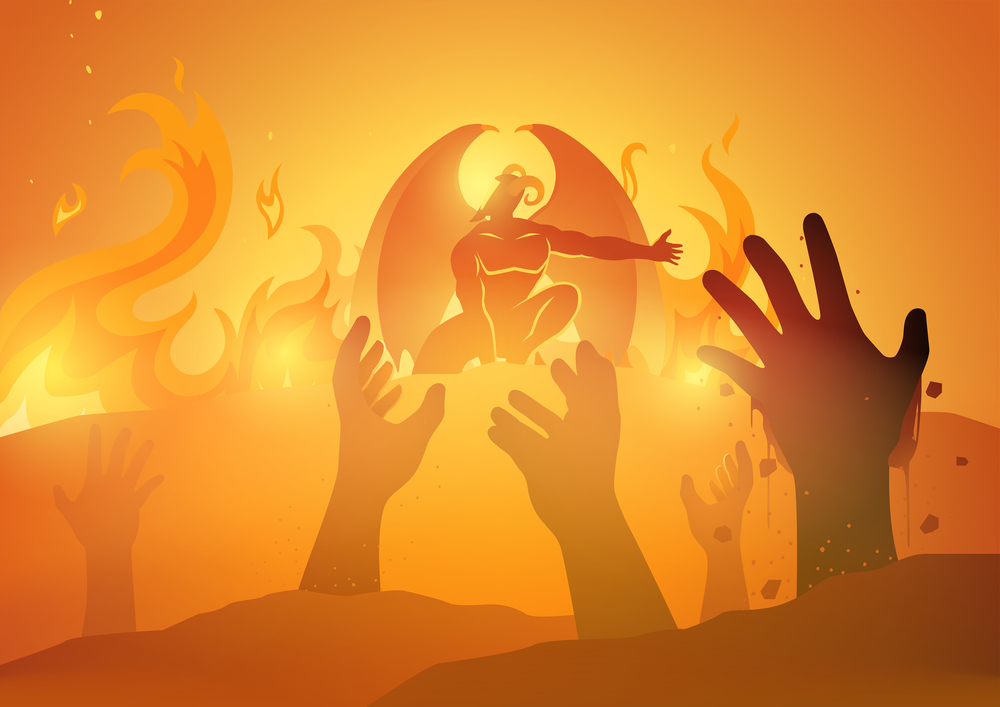
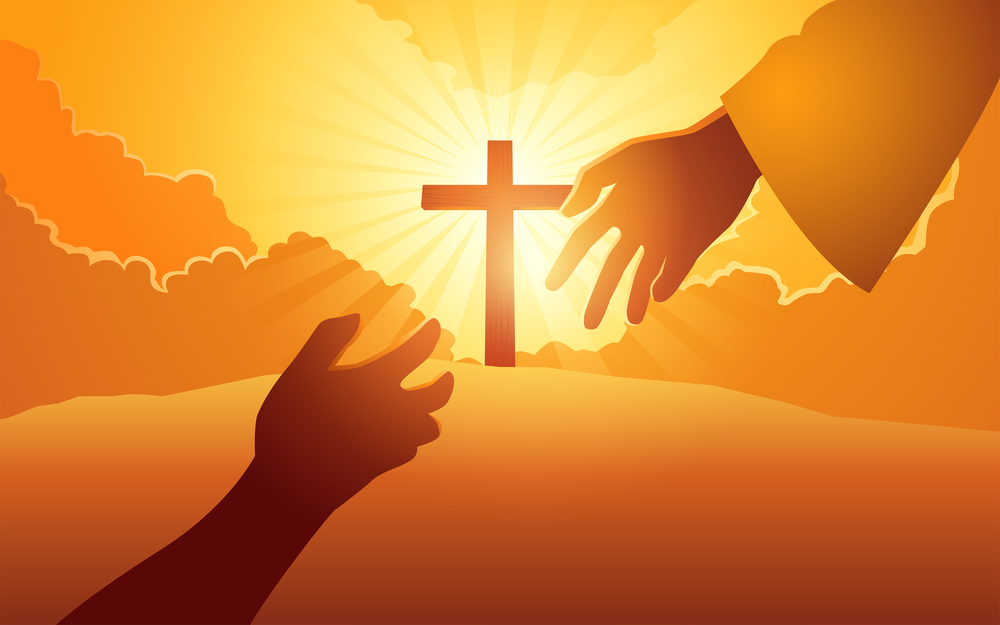
The two images above create quite a contradicting imagery but both do point to truths but when not balanced become partial truths. So many times, preachers, priests, or pastoral leaders, and even oneself finds one particular imagery of God that is superseding over all others. One’s own experience can play a large role. Spiritual individuals are attracted to certain images of God in Scriptures because it meets a need or answers an existential question that is pertinent to oneself. One’s own mental and emotional state also plays key roles in which imagery of God best fits our current need. Those who suffer from low self-esteem, or have attachment issues due to past trauma live in a state of anxiety and that state of anxiety can play a role with their relationship with God. Person’s in such mental states may have a greater fear of God, or complete imbalanced feeling of unworthiness. They may also see God as a more fierce and avenging judge. Others with a more delicate conscience or scrupulous conscience may be tormented with obsessive compulsive disorder and see God more as a judge who keeps score on the day of judgement. On the other spectrum, those who live life carelessly may need to see a parental God that dismisses foolishness and error as if it does matter what one does in life. They need a God who does not reprimand sin, but a God who only sees love. In their mind, their love of others and overall good human nature is enough-“God will not judge me but only loves me for who I am!” As one can see, these are two equally dangerous routes. Both capture an element of truth, but without each other complimenting each other, the fullness of the truth is lost.
As seen in Scripture, despite literalism or symbolism, we see a balanced approach that displays both sides of God in different books. In the parable of the Prodigal Son, one can see the untamed and complete compassion the father has for his lost son. The father never gives up loving the son and upon the son’s return, offers complete forgiveness and restoration to the son. In other imageries, one can see God as a terrifying judge who he sends souls to Hell, and casts these souls into the abyss of the wicked. The words are strong and harsh and helps illustrate the extreme disgusting nature and true evil of sin. Christ originally came as a Redeemer, but in Revelation, He is also a judger of humankind, separating the goats from the sheep. Such strong phrases as “depart from me” and “cast into Hell for the fires prepared for the wicked” all show this other side of God and Christ when judgement arrives for a soul.
Ultimately, if one wishes to truly understand God’s justice and mercy, one must understand the expression of Scripture and its aim in its full context and not individual quotes. One must be careful to avoid cherry picking of verses out of context of the chapter or theme. In addition, one must closely interpret symbolism to avoid sometimes literal interpretations that promote an anthropomorphism of God which gives Him human qualities of revenge or rage. Also, one must understand other saints or mystics interpretations of God’s justice and mercy pending on the time period they wrote and the type of language that was used. Many times as well, saints wrote in particular styles to promote one theme of God and these writings can at times seem imbalanced, especially for individuals not trained in pastoral ministry and theology. A particular saint may be illustrating God as judge and the disgusting nature of sin which can terrify a delicate soul but also at the same time promote enough self inspection and fear for a soul to change. As well, a particular saint may present writings or mystical visions that portray the totality of God’s love and the immensity of it. This may be good for a more spiritual stable soul but a message that would be dangerous for a soul who has no boundaries with sin.
In essence and answer to the leading question, God is both loving Father and fierce Judge but how one understands the true dynamics of it from a theological standpoint is essential to avoid literalistic pitfalls that can lead to scrupulous and constant fearful behavior or lax and boundless carefree behavior.
Moral Theology and Sin
Pending on one’s image of God, incomplete truths can distort one’s views on sin, but it is only when one accepts the full imagery of God, can one see the full picture of sin, self and union with God. First and foremost, Original Sin or the sin imparted on humanity after the fall of Adam, left humanity with a broken nature. The gifts of great knowledge, stronger mind and body connection and control of the passions imbedded within Adam’s character were an abilities his descendants never experienced. Through Christ’s death and application of His graces through Baptism, one again enters into full communion with God and one’s soul becomes alive through Sanctifying Grace. This however did not restore the fullness of human nature. The temporal reality and the consequences of the sin left a scar that was not wiped away after Baptism. Humanity while redeemed still was broken. While Christ reopened grace and a relationship with God through His death, the temporal reality left individuals open to sinning. Personal sin could then undo the bond of Baptism. Certain particular sins could even cut grace off from the soul. In this state without remorse, a soul again became distant from God.
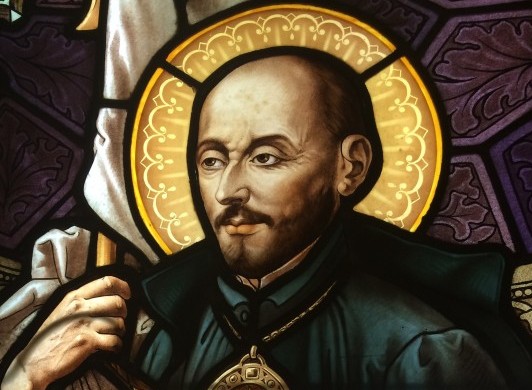
St Ignatius Loyola in his Spiritual Exercises describes sin as disgusting and deforming. Like a tumor, it tears into the soul, disfiguring it. Any sin rejects truth and the love of God. Sin is choosing self, or others over God and rejecting God’s authority. St Ignatius in his exercises challenges the soul to identify sin, to meditate on its grotesque form, and to imagine the state of a soul in mortal sin that rejects God’s love. He asks one to consider God as judge, but he also reminds us of God as father who loves. However, for whatever particular reason, in many of his meditations within the exercises, one solely focuses on God as a fearsome judge and the total worthlessness of the human person in comparison to the greatness of God. One is asked to meditate as one being a condemned criminal before a judge, as well as meditating the pains of Hell and the danger of one mortal sin. Much of this has to do with shocking the system into understanding the damage of sin and to induce a holy fear of Hell, but also a disgust for sin and a love for virtue. It also focuses to show how utterly dependent one is upon God’s grace to avoid such vile sins.
Sin is hence a great disorder and injustice itself towards God. In this way, all personal sin shares the same substance in that it damages one’s relationship with God. While all sin shares in this horrific substance, not all sins are equal in degree or depth of brokenness. It only took one sin to tear a division between God and man that Christ restored. This alone shows the vile taste of one sin and its shared characteristics but Moral theology helps one to better categorize sin, understand its objective nature, its degree, as well as the subjective interplay a sinful act has with the conscience and circumstances surrounding the agent or person committing the sin.
Personal sin is rightly divided into venial and mortal. Like human laws, degrees of severity of an offense are measured and consequences detailed through different levels of fines. A person who steals out of hunger sins differently than a person who steals from the poor. All is sin, all creates a barrier, but the level and depth of the barrier is measured by the basis of the severity of the offense. A person who commits a traffic violation remains still a good citizen despite his lapse in judgement of speeding, but an individual who murders, pillages and rapes, commits a far more grave offense to society and no longer remains a good citizen. Within the Mystical Body of Christ, offenses hurt, but the degree and multitude of the offense play a key role in whether the soul still loves God, possesses grace and remains attuned to God’s will.
Hence all sin is objectively disordered but the levels of disorder in regards to the relationship between God and the soul differ on severity. Objectively any sin remains a sin within itself. No subjective reasoning or indifference can mitigate the nature of an disordered act. The level of disorder can range objectively but the consequences of the sin can vary greatly beyond its objective label. The human act is more than a black and white event but something with multiple layers of grey. There are numerous subjective elements at play within the act of a sin. First and foremost, what is the intent of the agent committing the sin. Is the person free to act? Does the person fully intend to commit the act? In committing the act, is the person clearly articulating the acceptance of this act and all its consequences? In addition, what biological factors, psychological disorders and uncontrolled passions are at play that weaken the will? Is this act isolated or a continuous habit? Is this act done without remorse or guilt? Does one fully through this act wish to disown God? What other circumstances exist around it? Sometimes actions can become neutral that are otherwise naturally sinful-for example taking a life to defend one’s own life. What other external pressures existed? So in many cases, an objective action that is disordered possess less consequence for an individual based on other criteria.
Padre Pio saw the danger of any sin. Sin weakens union with God. Consistent sin wears one’s soul down and weakens it for greater infection. Padre Pio understood that a soul who goes to Heaven or to Hell does not randomly commit a grave sin and chooses Hell but that a soul gradually chooses Heaven or Hell over a life time. What one is when one stands before God is what one created oneself to be through a life committed and developed through virtue or vice. Habitual sin and lack of remorse leads the soul down the road of rejecting God. This is why it is critical to form a sound conscience that identifies sin as gross and disgusting and a conscience that when one does fall, immediately feels guilt and shame to confess and repent.
God’s Mercy
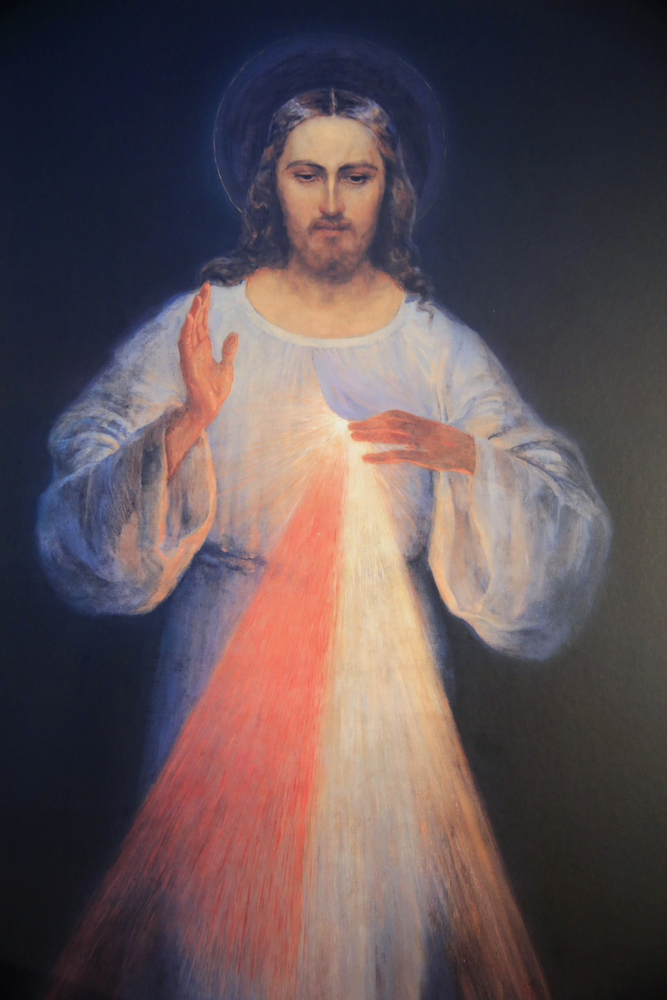
Sister Faustina is most known for her visions of the Sacred Heart of Jesus and His message of mercy. The Chaplet of Mercy as a prayer begs God for pardon and remembers the sacrifice of Christ. It repeats, “for the sake of Your sorrowful passion, have mercy on me and the whole world”. The mercy of Christ and the opportunities given by God through His sacraments seeks for all to be saved. Christ shed His blood for every soul. He shed tears for each soul lost. Many mystics claim this was one of Christ’s greatest agonies–the souls who would reject His passion and grace. Within the Sacred Heart image, Jesus’s Sacred Heart pours out beams of red and white rays from His heart. This displays His infinite mercy to sinners. Like the story of the Prodigal Son, God immediately forgives a soul that seeks forgiveness. This should not be taken for granted though. How many feel they have time to change? Instead of living in the moment, they postpone what matters most.
God’s Justice
God’s justice is referenced throughout Scripture and justice is promised to the faithful. God’s justice while merciful does not permit the wicked to go unpunished. While some may over emphasize this terrifying reality, or over humanize anger and vengeance in the Lord, many need to understand there are consequences of sin. Those who dismiss sin as trivial are led by a lax conscience that does not truly see the disgusting and foul order that sin infects the soul with. God’s standard, His commandments and His laws are not arbitrary but based in the fullness of His own essence. Something is not wrong merely by proclamation for a certain day but intrinsically is wrong for everyone and for everyday. Like evil, sin is a lack of good. It is what God is not. So when one sins, one is committing a grave injustice. Christ’s blood paid the price for sin, but as followers of Christ, we must apply the graces earned through Baptism. As followers one must adhere as best one can to the laws of God. One cannot through one’s own good works earn salvation but it is through faith in Christ and grace of the Holy Spirit that one can follow the laws of God and partake in salvation.
The Divine Judgement
In Christianity, there are two judgements. The Particular Judgement occurs at one’s death bed. The General Judgement is the proclamation and judgement upon all souls. In one’s Particular Judgement, one’s eternal fate is determined. There one sees the balance of God’s justice and God’s mercy. However as discussed early, there are many visual images in Scripture, as well as mystical writings that take these things into account.
One image, as illustrated in Scripture, displays God as judge but in a more human sense. In fact, even St Ignatius in his exercises, portrays an image of God that casts souls to Hell for their wicked deeds. This image emphasizes a strong justice display, with less mercy, but this literal image is an interpretation of that judgement. One can also from a different perspective and interpretation views God as judge from a more theological standpoint immersed in moral theology that balances God’s mercy and justice with the soul.
One may be amazed, according to Padre Pio, how many souls who seemed evil are not in Hell, and how many souls who seemed so pious are not in Heaven. Only God knows the innermost workings of the soul. As Padre Pio also pointed out, one’s judgement before God is usually not based on one event but a life time of choices that led one to become good or evil or lovers of God, or lovers of self.
Ultimately, God as our moral standard serves as the soul’s mirror at judgement. God does not cast a soul He loves into Hell. The judgement speaks for itself. The soul as if looking into a mirror recognizes what it is in all its good and evil. It is left without distraction or excuses. It is stripped of all the noise of the world and only faced with its true reflection. Did it love God in this world or did it love self? According to Padre Pio, the soul who has rejected God is a soul who will reject God at judgement. It will acknowledge His truth finally but it will reject the truth and its implementation upon itself. The imagery of God casting a soul into Hell in some ways is hence misleading. God finds no joy in this. He loves the soul despite its total corruption but due to His standard, the soul cannot accept. Like the demons and corrupt souls before, the soul in mortal sin rejects God’s friendship, His love and companionship.
Many believe that one is saved by faith alone, but believing in God does not give one salvation. Satan and his demons believe in the reality of God but they are not with Him. The simple act of faith must be energized through the grace of the Holy Spirit to produce charity. This charity varies among individuals. Scripture attests that love can cover many sins. Ultimately, everyone is unworthy of God through one single act of sin, but it is through God’s mercy that saints and sinners alike are made worthy. So, while one’s good deeds are important choices to salvation, one must attest they are never enough. It is ultimately God’s mercy and reciprocal love that is fed through faith and grace that saves the soul before the Partial Judgement. A soul that still loves God, even imperfectly, can not cease loving God. If one loved God on earth till the end, one will love God at judgement. Hell’s greatest reality is the absence of any love. A soul at judgement who goes to Hell is a soul that refused on earth to love God and continues to refuse to love God at judgement. The soul may be well aware of what he is losing but this does not lead to contrition but only further anger , blaming and blasphemy.
Ignatius sometimes appears in his exercises to sow fear of how a soul can so easily lose God and at judgement be cast away by an angry God. There is good reason to mediate upon this, but a soul that loves God, even despite mistakes, even when some sins were in the past mortal, cannot lose God if the pattern of love remains. This entails remorse for serious sin, but God does not send a soul to Hell over a trip or fall, the soul sends itself to Hell for remaining on the ground and never acknowledging the sin or seeking forgiveness. A soul that maintains love of God, may trip and fall in life, but it always bounces back up. That same soul, no more or less than a far more virtuous soul, nevertheless shares one same common theme. No-one meets the standard of God, no mirror can display a an image that makes one worthy, whether mortal or venial, but it is the grace of God that reaches out and if love is returned, then salvation is procured. Learning to love more deeply may be required before standing fully before God, but Christ and His infinite mercy supplies the necessary gap through His blood that ultimately saves the soul.
Now I do not mean to dismiss the haste in which Ignatius says a soul can lose friendship with God through mortal sin, but the act of mortal sin as an objective act and its consequences upon the subjective agent can be quite differently applied. There are many souls who share sins committed on earth who are in Heaven as those who are in Hell. The difference is contrition but also charity. A soul that occasionally falls into certain sins that are classified as mortal, such as many sexual sins, does face severe danger than mere minor sins, but again all sin separates the soul from God to some degree and how the soul responds to hurting God via love matters. A soul that goes to Hell obviously exists in Mortal sin at the time of death. Obviously, these sins have defined the soul’s character and sealed its fate. Whether they were sexual sins, or sins of murder, rape, or even cases of extreme self love and unkindness to others and complete worship of this world over God, these sins represent a pattern. There are some sins especially among the deadly that represent a median line that show a point of no return or least hint towards it. Despite this, all can be converted and changed while alive, one merely needs to look at the story of St Augustine or even St Paul, but when a serious sin becomes more than an “oops” and “mistake” but enters into a habitual state of sin that renounces God and exalts self then a serious condition of darkness envelops the soul. Unlike the angels, the human intellect cannot make a decisive decision regarding to love or serve God, instead over time, the soul develops into what it will be. Hence eventually, a soul can cross a line that has led to a serious life threatening level that if one dies in it, will result in Hell. There are death bed conversions, but when one examines the life of Hitler, Stalin, or even pedofiles and sex traffickers or those consumed by lust and the sexual industry, one can see a strong difference in the deformation of the soul between one who occasionally yet with regret fell into a few serious sins as opposed to those who lived in it all the time and became committed it to the most extreme levels.
These souls at the Partial Judgement are stripped of their distractions or excuses and left with the cold verdict of God. The verdict is a lack charity or love of God or others but instead complete love of self and the world. God’s verdict and justice is declared but His mercy still extends to these individuals. This may seem surprising but God still reaches out to those who even reject His love. God is still willing to forgive, but the judgement of His perfect and true self shines so brightly that such a broken and disordered soul cannot disagree with its own deformation and mutation. The soul going to Hell knows what it is and through this mirror and judgement openly rejects the mercy that comes with the justice. So, in a complete truthful image, God does judge, but God also grants mercy. In way, God’s justice does send the soul to Hell, but it is in a far different way than one’s human sense imagines it. The soul going to Hell instead rejects God and His assessment and mercy. It rejects consequences or needed remorse. It rejects even God’s mercy. This self inflicted wound is a continuation of the habitual sinful choices during life on earth that sends the soul to Hell.
On the contrary, a soul that is both saint and sinner, reflects on its image and is brought to shame and guilt but still expresses love. This soul did not die void of grace that serious sin strips from the soul but it died with grace and its most important fruit which is love. Whether more perfectly or less perfectly, a person’s love for God travels with person before the judgement of God. This love of God over love of self is the starting point of salvation for that soul. Again whether a great saint or a pitiful sinner who still finds love of God, neither are worthy of Heaven based on their individual merit due to one’s broken nature. It is solely the grace earned by Christ and one’s cooperation throughout life with grace that permits anyone to enter into union with God. The graces that energized faith and hope now fade because faith and hope have delivered what was promised. As Scripture foretells, what then remains is love. If love remains in a soul, then that soul remains in the state of grace. This soul tried its best to avoid sin, as well as serious sin, and when it fell, it humbly sought forgiveness and purged itself with tears and penance. Unlike the soul that chose Hell by its continual choices on earth, the same soul that chose Heaven chose God for most of its life and at the very end. Despite its sins, despites its failures, God and the saved soul share a reciprocal love that manifests acceptance of God’s love and will. The soul then understands clearly that it may not have loved God as much as it needed on earth but God’s love and grace has sanctified it and made it worthy.
Conclusion
When exploring the judgement of God and his justice and mercy, the motifs of God as judge, are applicable, and true. God is just. However, He is also merciful. He is both the God of justice but also the God of mercy as the Prodigal Son illustrated in Christ’s parable. God understands human beings are broken despite His Son’s death on the cross. He is patient, He is loving and waits for His sheep like the Good Shepherd. He does not despise the wicked but rejects their actions. He judges them based on their own deeds and decisions in life. He offers justice but also offers mercy. Ultimately, the soul dictates its future. I think it is important pending on the season or need to review both God’s justice and mercy. Ignatius will presenting a merciful God, also presents a terrifying view of judgement, Hell and the nature of sin. In addition balance this with Padre Pio’s teaching on the choice of Hell being usually more so a life time choice over time and self love and to be aware of how sin breaks us down over time. We still must be alert of individual sin in the moment, but we must remain strong and steadfast to identify it and repent from it. Sister Faustina’s Divine Mercy also displays Christ’s great love and mercy that one can find. So balance in understanding God’s mercy but also justice can help one remain steadfast in confidence of God’s love but also our own important role in keeping the commandments.
In closing, f anyone is a parent, then one understands the deep love one has a for one’s child or children. One never gives up on a child and loves the child even when the child does wrong. When the child does not seek reconciliation, it painfully hurts. Even when they walk away, the hand still extends for the child who never looks back again. While God in Scripture is seen as judge and rightfully so, it is important to see God also as a parent. Unlike some of the more vivid meditations of St Ignatius, God’s judgement does cast those to Hell but not maybe the way one envisions it, but more so as a parent who displays what must be obeyed if one chooses to return and the consequences hereafter. If the child shows just the bit of love, God, like a parent, can capitalize on that but if the child shows no love or desire to obey, and chooses instead to reject the parent, then based off his analogy, God can only watch the person enter into Hell. The terrifying reality that one sends oneself to Hell. So remain vigilant to sin, but most importantly avoid serious sin. If one falls, allow one’s conscience to identify and seek repentance. Sin is deadly and builds upon the soul and hopes to turn one serious event into continuous a life style. Maintain charity and love of God with remorse. If so, when one stands before God, it will not be a strange judge, but a loving parent.
Please also review AIHCP’s Christian Counseling Certification as well as its future Spiritual Direction Program.
Additional Blogs
Theological Views on Hell. Access here
St Ignatius and the Spiritual Exercises. Access here
Additional Resources
The Story of Divine Mercy. Jesus is Mercy. Access here
Padre Pio Vision Of The Judgment Of Individual souls. Youtube. Access here
Pastor David. (2025). 30 Powerful bible verses about the final judgement (Full Commentary). Bible Study for You. Access here