The Devastating Impact of Trauma on Children and Adolescents

The mental health crisis in the world is not just due to mental pathologies but also equally due to trauma induced upon children.  The World Health Organization estimates that 2 out of 3 children in the United States to 75 percent of children worldwide will experience some type of trauma before age 16 (Compton, 2024., p. 199).  This can range from a variety of natural traumas but also human induced traumas and social settings that lead to Adverse Childhood Experiences or ACE.    Aside from natural disasters or deaths of family members, many traumas include physical violence, sexual abuse, emotional abuse and neglect and communal levels of poverty, lack of resources, or communities with higher crime rates (Compton, 2024, p. 200).   Other children may experiences war zones, terrorism, refugee life, human trafficking, or famine and disease.

Trauma has devastating effects on children’s life schemas, neural development and social and behavioral interactions. Please also review AIHCP’s Behavioral and Mental Healthcare Certifications

Innocent minds that are exposed to the cruelty of life at an early age without care or guidance can lead to future mental crisis that lashes out against the world and society.  While never justified, many of these injured individuals later injure others through crime, violence, shootings, and abuse.  Broken creatures abused can sometimes fail to see a loving God, or fair world and see life as a competition of kill or be killed.  Amazingly, many still become good people but nonetheless suffer from immeasurable emotional and mental pain that can cripple them from having a successful life in interacting and behaving with others.

The corruption of innocence is the purest form of evil.  When littles ones are corrupted, one can only think of the verse from the Bible and the words of Jesus Christ, “Whoever causes one of these little ones who believe in me to sin, it would be better to him to have a great millstone fastened around his neck and drowned in the depth of the sea (Matt 18:6).  I think whether Christian or Atheist, religious or secular, one can agree with these words and understand the importance of protecting children and helping them heal.  The scars of trauma can cause future traumas to society, so it is important to understand the affects of trauma on children and how if left untreated can realign a child’s future into one of increased pain, maladaptive coping and social dysfunction.

Please also review AIHCP’s Mental and Behavioral Health Certifications, including its Trauma Informed Care Program.

The Vulnerability of Children to Effects of Trauma

The innocence of children makes them more susceptible to abuse.  In addition, their size and inability to defend themselves emotionally and physically also make them targets for further abuse or less able to defend themselves against various threats.  Since children’s brains are still developing, trauma of any type can have greater long term negative effects on their development.  Trauma and abuse can stunt social development because of the  increased neuroplasticity of the child’s brain as compared to any other age,  During this phase, the brain is forming new neuropathways and cognitively is learning and associating learning and new experiences with how one interacts and properly behaves.  Neglect, trauma and abuse can alter proper pathways and instead create negative lasting impressions on the brain that reduce trust and the concept of safety, as well as mental health, relationships, and overall life schemas (Compton, 2024, p. 141).

The brain itself during developed can be damaged due to severe trauma in children. Trauma in children can negatively affect the brain’s ability to cooperate and communicate with other parts of the brain.  Compton refers to this as Neural dis-integration (2024, p. 142). When trauma occurs the brain dis-integrates neural networks causing this lack of communication and cooperation which leaves some parts of the brain disrupted from certain important neurochemicals.  This can also lead to various issues with the amygdala, hippocampus and other prefrontal cortex regions (Compton, 2024, p. 142).  The longer chronic trauma remains, the more altered the child’s world view may become leading to less reasoning, learning and impulse control and replaced with distorted thinking and feelings about the world.

Children who respond to trauma exhibit the same responses adults experience when the sympathetic nervous system is activated.  Children will fight, flight, freeze or fawn like anyone else but these reactions by children also exhibit within their daily lives.  Children in chronic stress due to abuse or neglect will experience not only physical health issues but also cognitive and emotional issues.  Children who display fight as a primary response will exhibit more aggressive, defiant or confrontational behavior in life.  Children who display flight as a primary response will exhibit avoidance and escapism in life.  Children who display freeze as a primary response will exhibit lack of lack of normal emotional responses or motor activity in life.  Finally, children who display fawn will exhibit more appeasing and pleasing behaviors in life (Compton, 2024, p. 143).


ACE AND PCE

Adverse childhood experiences and Positive childhood experiences play a large role in a person’s life and their future mental health.  It also plays a large role in a person’s ability to form healthy attachment schemas in life.  Adverse childhood experiences refer to events that affect a child’s life in a negative way. These adverse childhood experiences can be  actual events but also deeper seeded social issues that act as roots to the trauma tree and its many branches and fruits.  Adverse Community Environments or roots of the problem include multiple negative social issues such as poverty, discrimination, community disruption, lack of economic mobility and opportunity, poor housing and frequent exposure to social violence.

Braffenbrenner proposed various systems that play a large role around one’s development.  The microsystem is a person or child’s immediate circle of family, friends, school, or for adults work.  The next phase in the circle includes the exosystem which includes mass media, extended family, as well as local government.  The macrosystem and next layer to the circle includes major economic, political and cultural issues.  Finally, the most outward layer i the chronosystem of major changes and shifts in life which can be personal losses, or major national changes in life such as a pandemic or war.  These shifts are predictable and unpredictable, as well as positive and negative.   These systems can all affect other systems which in turn can affect the child or person.

In regards to positive childhood experiences, or PCE, the Hope National Research Center did substantial research on the effect of PCE in a person’s life.  Obviously, a person with more positive events in childhood will have a more stable mental outlook in life.  Even those with 1 to 2 positive experiences, according to the research, showed a 51 percent of better mental health outcomes.  3 to 5 positive experiences led to 75 percent better chance of good mental health, and 6 to 7 PCE illustrated over 90 percent better mental health.  Even if one experienced 4 ACE or adverse childhood experiences, the presence of PCE balanced out less stability in the person’s mental health.  Those with higher PCE in their childhood, move on to not only have better mental health, but also better academic scores, degrees, income and employment.   Even more amazing is the fact that even individuals with very little ACE, but also very little PCE or none, grew up to have more mental health issues just due to the fact there was nothing positive as a child.  This leads to the crucial importance of PCE laid out by the Hope National Research Center.  Children need stability and positive experiences to balance out any bad but to also give them the tools they  need to grow into healthy adults.  This falls into place with healthy and stable relationships, environments, engagements in social developments, and emotional growth opportunities.  In many ways, these correlates with Maslow’s Hierarchy of Needs and ensuring these basic needs are met for children to promote healthy emotional and mental health.

In essence, as caregivers, what we give our children is what our future will be.

Attachment Schemas

A child void of unnecessary traumas and who is supported by loving caregivers during times of distress form a healthy worldview about life.  There is trust and there is safety and there are resources available to overcome negative events.  These secure attachment schemas leave the child with hope and as the child enters into adulthood, presents the child with the necessary beliefs and skills to form health and secure relationships.  In addition, the child will have a healthier self worth of one’s value as a human being.  This does not mean, the child’s life was perfect.  No-one has a perfect and suffering free life, but the child was given support in the good and bad days physically, emotionally and mentally (Compton, 2024, p. 145).

Children who are neglected, abused, exposed to trauma and receive no support, care, or safety grow up with a very different view on life.  Different attachment schemas develop from this neglect.  Anxious attachment in children is one type schema that develops from lack of a safe and loving environment.  Children with anxious attachment schemas possess a fear and uncertainty of how a caregiver will respond in a negative event.  Due to lack of consistent love and care, these children experience a lack of self confidence. They may doubt their own abilities and became very dependent on others.  Anxious attachment is closely associated with heightened anxiety to threats which in turn leads to children have exaggerated responses that deny the child the ability to soothe oneself (Compton, 2024, p. 146).  This type of anxious disorder leads to a behavior that does not trust, nor is able to with confidence handle life long issues without dependence upon others.  Children can exhibit this when stressors strike.

Children who experience trauma and neglect from primary caregivers can develop anxious, avoidant or disorganized attachment schemas to understand life

Another schema that can develop is the Avoidant attachment schema.  This dismissive attitude is the opposite reaction of the Anxious attachment schema because it leaves the child to avoid all help from caregivers.  It forges a unhealthy self reliance that fears intimacy and the words of others.   These individuals are hesitant to ask for help and are skeptical of others intentions.  In turn, they have a difficult time forming relationships and working with others.  This prevents the child and later adult from forming meaningful and emotional relationships (Compton, 2024, p. 147).

Finally, some children develop a Disorganized attachment schema.  Due to inconsistent and unpredictable caregiver outcomes, these children do not form a consistent reaction but present a disorganized reaction that at times can turn to someone and in other instances push someone away.  This chaos results from the caregivers inconsistent approaches of giving security at one moment, then perhaps abuse in another moment.  This type of chaos creates a very confused child with multiple internal conflicts.  This leads to severe dysregulation and lack of emotional control.  Many who develop Disorganized attachment are at higher risk for mental health issues such as anxiety, depression, PTSD, and ADHD (Compton, 2024, p. 147).

Reestablishing Health Schemas

Fortunately, safe-guarders such as teachers, educators, counselors, pastors, or even friends can help reestablish healthier schemas.  The brain can re-learn that security exists but this takes time, patience, and love.  The relearning of healthier schemas is referred to as “earned-secure attachment” (Compton, 2024, p.148).  Helpers can reinitiate the attachment cycle and help children heal.  Calm caregivers can help children by hoping them co-regulate their emotions.  The child can borrow and regulate from the safety and peace of a regulated adult (Compton, 2024, p. 148).  Through this newly forged relationship, new trust and new secure schemas can re-emerge.  This is by far not easy.  The previous schemas are firmly planted but they can slowly give way to new ways of thought within the neuroplasticity of the brain and form new neuropathways with better experiences.  It is important to note that individuals from trauma go through phases of reintegration.  First they feel unsafe with the world.  As security arises, they may start to feel safe but still trust no-one.  Once trust and security is given, victims can begin to regain power, build self esteem and then finally reconnect in secure attachments.
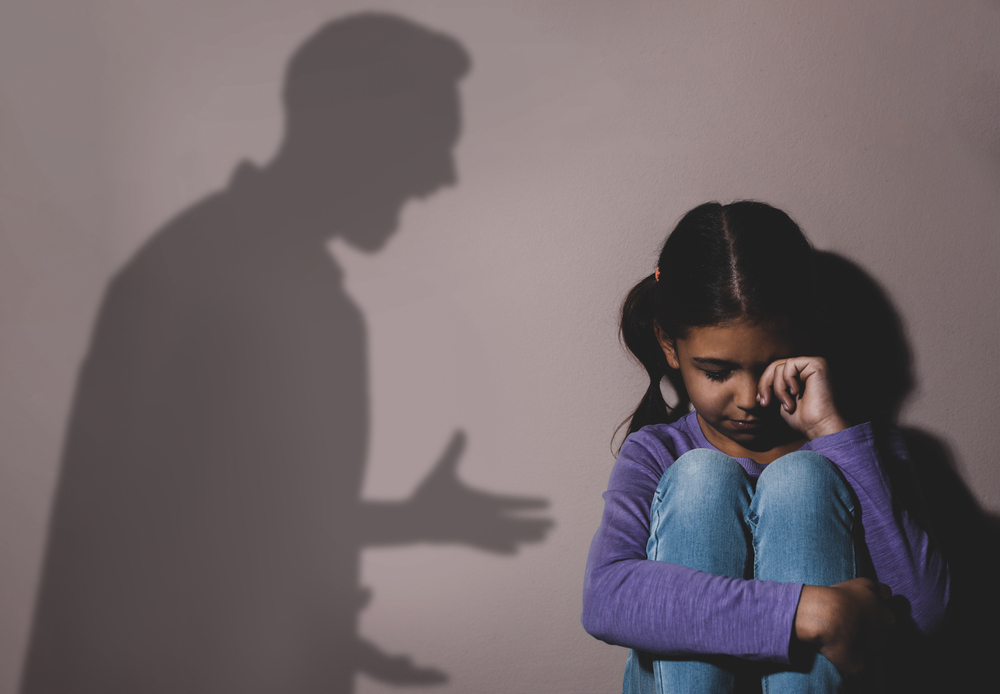
Counselors and caregivers can help children recover and heal from abuse.

Compton lists a few key elements that must be present in this re-scheming of a child’s worldview.  Children should feel safety in the emotional connection with the counselor or pastor.  They should feel a nurturing environment that accepts them.  When the child feels unconditionally loved and also secure, then the child can begin to lower his/her defenses.  Safety must also be experienced in guidance and discipline.  Children should be able to express their emotions without fear of ridicule or scolding or judgement.  Behavioral outbursts due to trauma need to be measured and understood as negative reactions to a traumatic event.   Instead of discipline, the child needs to learn to express and emotionally regulate and communicate the distress.  Instead, the counselor or new caregiver needs to communicate boundaries and the expected and consistent behavior associated with those boundaries.  Boundaries that are given with consistency, empathy and love can help the child understand better appropriate and inappropriate reactions that he/she has developed due to bad attachment schemas.   These types of boundaries lead to predictability.  When establishing a new and healthy schema, the child needs to again find security in a consistent responses to situations.  The inconsistent care is what caused the anxious and avoidant and disorganized schemas, so a consistent care plan can help a child feel security and what to expect in life.  This consistency and predictability gives order and the order gives the child security.  Finally, Compton emphasizes the importance of safety in play and connection.  Children need to play.  Play is a key part of their growth and where they also express themselves.  Children need to understand they are safe when playing and able to grow in a safe environment.  When such safety to play and feel secure is afforded on a consistent basis, the child is able to form more secure attachments (2024, P.149-152)>

Conclusion

The most criminal act is to steal a childhood from a child and rip away the innocence through abuse and trauma.  Unfortunately, many children suffer from trauma worldwide without any loving or healing voice.  Some may experience trauma at the hands of persons, others due to extreme poverty and crime, while others due to war and natural disaster.  These traumas negatively effect the whole child.  In turn, abused and traumatized children experience distorted schemas and views on life which included various mental and emotional issues that later creep into adult life. In regards to relational attachments, many children exhibit anxious, avoidant or disorganized patterns that negatively affect their socialization and trust.  Without trust, safety, and predictability many children develop anxiety, depression, and PTSD.  Fortunately, the human soul is resilient.  Caregivers can reconnect with children and help them form new experiences by allowing them to lean on and borrow from their healthy regulated mind.  In addition, new secure schemas can be reformed by providing safety, security, empathy, love, patience and forming boundaries and schedules that help the child heal and grow from past experiences.

Caregivers can help children and their minds heal. Please review AIHCP’s Trauma Informed Care Certification Program

Please also review AIHCP’s Behavioral Healthcare Certifications, as well as its Trauma Informed Care Certification.

Additional Blogs

Attachment Disorder: Click here

RAD: Click here

Trauma and Counseling: Click here

Resource

Compton, L & Patterson, T (2024). “Skills for Safeguarding: A Guide to Preventing Abuse and Fostering Healing in the Church”.  Academic

Additional Resources

“Understanding Childhood Trauma and Its Long-Term Impact”. (2025). American SPCC. Access here

Copley, L. (2024). “Childhood Trauma & Its Lifelong Impact: 12 Resources”. Positive Psychology.  Access here

Morin, A.. (2023). “Understanding the Effects of Childhood Trauma” Very Well Mind.  Access here

“Post-Traumatic Stress Disorder in Children” (2025). CDC. Access here

“Child Trauma” SAMHSA.  Access here



Counseling and Dealing with Sexual Harassment


I. Introduction

Sexual harassment is continued problem despite awareness.

Sexual harassment remains a pervasive issue across various contexts, necessitating effective counseling strategies to address its impact on individuals and communities alike. As society evolves, so too does the recognition of the complexities surrounding sexual harassment, leading to a pressing need for comprehensive approaches in counseling that can adequately meet these challenges. This essay explores the multifaceted nature of sexual harassment, which encompasses a range of behaviors and scenarios that can cause profound distress, and underscores the importance of implementing preventive measures, especially in formative settings such as seminaries, where training about sexual health and boundaries is often insufficient and poorly executed (Burnett et al.). Furthermore, the experiences of peer supporters reveal significant insights into the emotional and psychological dimensions of this pressing issue, highlighting both the benefits and challenges associated with supporting survivors of such traumatic experiences (Levenson et al.). These peer supporters often serve as crucial lifelines for individuals navigating the aftermath of harassment, yet they also face considerable emotional tolls themselves. By delving into these themes, the essay aims to illuminate the critical role of counseling in fostering a more informed and supportive environment for those affected by sexual harassment. It is essential to advocate for equitable training and resources that empower both counselors and peer supporters in their efforts to combat this epidemic effectively. Ultimately, this exploration strives to contribute not only to the academic discourse surrounding sexual harassment but also to practical solutions that can lead to meaningful change within various communities.

Please also review AIHCP’s behavioral health certification programs


A. Definition of sexual harassment

Sexual harassment is a pervasive issue that manifests in various forms, primarily defined as unwelcome conduct of a sexual nature that creates an intimidating, hostile, or offensive environment for the individuals who experience it. This troubling behavior can occur in numerous settings, including workplaces, educational institutions, and public spaces, and it significantly affects individuals of all genders, encompassing a wide range of ages and backgrounds. Sexual harassment can manifest through comments, gestures, or even physical actions that carry sexual connotations, ultimately violating personal boundaries and infringing on an individual’s right to feel comfortable and safe in any environment. It not only highlights individual discomfort but also emphasizes systemic gender inequality, as highlighted by the United Nations, which recognizes such violence as deeply rooted in societal norms and institutional failings related to power dynamics and gender roles (Bott et al.). Moreover, the recent societal movements surrounding sexual harassment, notably the #MeToo movement, have helped bring widespread awareness to the issue, prompting organizations across various sectors to reassess their policies and practices. In this climate of heightened awareness, there are growing opportunities for fostering safer environments through improved reporting mechanisms and more comprehensive training practices aimed at educating all individuals about what constitutes harassment and how to effectively combat it (Boyle et al.). Ultimately, understanding the definition and implications of sexual harassment is not only crucial for creating supportive spaces but also essential for effective counseling and developing proactive strategies to address and prevent such behaviors in diverse settings, ensuring that everyone can engage in their environments free from fear and intimidation.


B. Importance of addressing sexual harassment

Sexual harassment hits more than just individuals—it shakes up whole communities and disrupts everyday work life. When we confront this issue, we chip away at the deep-seated, unhealthy habits that allow such behavior to keep rolling along. In many cases, this misconduct brings on painful injuries and long-term health problems that can really erode a survivor’s quality of life and drag down productivity (Bott et al.). Plus, society ends up paying a steep price—slower economic growth and rising health care costs, which clearly signal the need for safer, preventive steps (Bott et al.). Setting up strong, accessible counseling services can change the conversation around harassment, empowering survivors to gradually take back their lives, even if the progress sometimes feels uneven. All in all, stressing the need to tackle sexual harassment helps build environments where people can genuinely thrive both as individuals and as a community.


C. Overview of counseling as a response

Counseling is one of the main ways we respond to sexual harassment. It gives survivors a space to work through their feelings—even if that process is messy at times—and lets them build coping habits while slowly easing deep emotional wounds like anxiety and depression. Many support programs, which lean on research-tested methods, stress safety, empowerment, and a gradual recovery, and often repeat key ideas to keep them fresh. Generally speaking, these sessions also help people see how society sometimes sets up conditions that allow gender-based violence to flourish. It’s not just about one-on-one therapy, either; effective counseling hinges on working together with sectors such as justice, health, and education, a mix that really brings out how complex the impact of sexual harassment can be (Bott et al.), (Bott et al.). In the end, counseling stands as a vital resource for softening the blow of sexual harassment and building resilience among survivors.


II. Understanding Sexual Harassment

Sexual harassment is a tough, complicated topic that shows up in all sorts of ways. Instead of just thinking about neat definitions, one must really consider how its effects hit different people—especially those already dealing with other challenges. Victims from marginalized backgrounds seem to get hit with extra layers of impact. Often, overlapping aspects of a person’s identity—race, gender, class—play a big role and make the experience uniquely painful (Bird et al.). Take, for instance, women in Latin American communities; they frequently face relentless, gender-based violence (Bott et al.). In most cases, this means that cultural and societal factors twist the issue in unexpected ways. It’s not just a call for faster action; we really need to dig into counseling techniques that can work right within the community. Recognizing these tangled issues lets counselors mix up and tailor their approach, creating a space that feels supportive and genuine. Ultimately, such methods leave room for healing that fits the real, messy lives people lead.

Sexual harassment exists at many levels in professional circles but also within numerous types of social relationships


A. Types of sexual harassment

Sexual harassment can hit people in a bunch of ways, messing with both their emotions and their bodies. It shows up in all sorts of spots—offices, schools, pretty much anywhere—often taking the form of rude comments, offhand jokes, or suggestive remarks that set a negative tone; that’s one way it shows up verbally. Sometimes, though, the signs are quieter: a weird gesture or an unwanted display of offensive material can speak volumes without a word, which is what we call non-verbal harassment. Then there’s the physical side—the one that’s arguably the worst—in which unwanted touching or advances occur, and these actions can end up leaving lasting, even traumatic, marks. In most cases, this kind of behavior really underlines the need for solid support systems, like counseling and intervention strategies, to help those affected cope. Generally speaking, grasping all the twists and turns of these actions matters a lot, especially when you consider that gender-based violence (of which sexual harassment is a part) can deeply impact womens health and well-being, as some studies on community and institutional responses have pointed out (Bott et al.), (Bott et al.).


B. Legal implications and workplace policies

Sexual harassment at work is a tricky landscape, and figuring out its legal implications isn’t just about knowing a company’s policy manual—it means really getting into how those rules protect people. For many, a safe environment springs from having clear guidelines that pay attention to the needs of those who might otherwise be sidelined. Research generally shows that when official LGBT guidelines are paired with genuinely supportive workplace bonds, it lifts employee morale and even reduces risks of discrimination – which helps folks speak up (Allan et al.). Companies that jump in early to set and enforce these standards aren’t just ticking off legal boxes; they’re carving out spaces where workers feel secure and truly valued. Plus, ongoing studies remind us that these protective measures aren’t fixed; in most cases, a steady flow of new research suggests that keeping policies fresh and adaptive is key to meeting shifting legal demands and evolving social expectations (School CUI). All in all, effective advice on sexual harassment really depends on a deep, hands-on understanding of both the law and the everyday policies that build trust at work.


C. Psychological impact on victims

The psychological impact of sexual harassment on victims is profound and multifaceted, often leading to long-term mental health issues that can persist long after the initial ordeal. Survivors may experience a complex array of symptoms, including debilitating anxiety, persistent depression, and significant post-traumatic stress disorder, all of which can significantly hinder their daily functioning and overall quality of life. The ramifications of these symptoms are extensive, as victims frequently grapple with overwhelming feelings of shame, profound isolation, and a severe loss of self-esteem, which stem from the societal stigma associated with such experiences. This stigma not only isolates individuals but can also complicate their relationships with family, friends, and colleagues, further entrenching their emotional distress. Research indicates that gender-based violence, including sexual harassment, has severe ramifications not only for individual mental health but also for the broader dynamics of societal health, as highlighted by the harmful consequences outlined in (Bott et al.) and (Bott et al.). The pervasive nature of these effects reflects a societal failing to adequately address and mitigate the impact of such trauma. Furthermore, the economic costs associated with these psychological effects can impede workforce productivity and contribute to wider developmental setbacks for communities and economies alike. As a result, effective counseling and intervention strategies become essential not only for addressing these deep psychological wounds but also for facilitating recovery and reintegration into society for victims. A comprehensive approach to healing is therefore critical for both the individuals affected and the community as a whole.

III. The Role of Counseling in Addressing Sexual Harassment

Sexual harassment can be especially traumatizing for those in counseling recovering from past trauma. Please also review AIHCP’s behavioral health certifications

Counseling plays a crucial role in addressing sexual harassment by providing survivors with the emotional and psychological support necessary for recovery and empowerment. It fosters a safe environment where individuals can articulate their experiences and feelings surrounding the trauma of harassment, which can often lead to severe psychological consequences, including anxiety and depression. In this therapeutic setting, survivors are encouraged to express their emotions freely, facilitating a crucial step in their healing journey. Furthermore, through counseling, survivors can receive education on their rights and the systemic nature of gender-based violence. This education is particularly important, as research indicates that violence against women is deeply rooted in gender inequality and societal norms (Bott et al.). By understanding these underlying issues, survivors can better contextualize their experiences, leading to increased awareness and advocacy. This therapeutic approach not only aids individuals in processing their experiences but also equips them with valuable coping strategies to confront their situations effectively. Such strategies may include mindfulness techniques, assertiveness training, and skills for setting boundaries, which contribute to empowering survivors in their daily lives. Moreover, an informed counseling framework can contribute to broader community initiatives aimed at preventing gender-based violence, as noted in studies that highlight the importance of good practice approaches across various sectors (Bott et al.). By working collaboratively with community organizations, counselors can help to promote awareness and instigate change, making a significant impact not just on individual lives, but on society as a whole, ultimately fostering a culture of respect and safety for all.


A. Types of counseling available for victims

Addressing the emotional and psychological needs of victims of sexual harassment requires a multifaceted approach through various types of counseling that cater to the diverse needs of those affected. One prevalent method is individual counseling, where a trained therapist provides a safe, confidential, and supportive environment for victims to process their experiences and emotions at their own pace. This personalized space not only allows victims to articulate their feelings but also fosters self-reflection, which is crucial for healing. Group counseling is another effective option, as it creates an opportunity for individuals to share their stories and gain valuable insights from others who have undergone similar traumatic experiences. This shared journey fosters a sense of community and belonging, reducing feelings of isolation. Furthermore, trauma-informed counseling specifically tailors therapeutic techniques to acknowledge and address the effects of trauma, which can be crucial for victims recovering from harassment. This approach recognizes the importance of establishing safety, trust, and empowerment through the therapeutic relationship. Research indicates that integrating elements of bullying prevention into these counseling practices may enhance overall efficacy, suggesting a potential paradigm shift in therapeutic approaches that could positively impact the healing process of victims (Levy N et al.). Additionally, considering the links between bullying and sexual violence, implementing comprehensive strategies may further benefit victims seeking healing and empowerment. By addressing the intertwined nature of these issues, counselors can offer more holistic services that not only provide support but also foster resilience and recovery in a structured yet empathetic manner (Basile et al.).


B. Techniques used in counseling sessions

In addressing sexual harassment, counselors frequently employ a variety of evidence-based techniques aimed at facilitating healing and promoting empowerment among survivors. One widely utilized method is cognitive-behavioral therapy (CBT), which plays a crucial role in helping clients reprocess traumatic memories and reshape negative thought patterns that may have developed as a result of their experiences. This therapeutic approach fosters a more positive self-image and equips individuals with effective coping strategies, enabling them to better navigate their emotional landscapes. Additionally, integrating mindfulness practices can assist individuals in managing anxiety and stress levels associated with their experiences. Mindfulness techniques encourage present-moment awareness and emotional regulation, which are essential for survivors seeking to reclaim their sense of self and well-being. Peer support groups represent another vital technique in this framework, providing survivors the opportunity to share their experiences in a safe and supportive environment. This communal sharing can significantly reduce feelings of isolation, fear, and stigma, promoting a sense of belonging and understanding among participants. By combining these diverse methods, counselors can create a comprehensive support system tailored to each client’s unique needs and personal journey. This ultimately enhances their resilience against the adversities faced in the aftermath of harassment. Such a holistic approach underscores the importance of addressing both emotional and psychological ramifications—a concept that is deeply rooted in current therapeutic practices and supported by recent research findings (Ernould et al.)(Ernould et al.). Through these efforts, counselors strive to empower survivors on their paths toward recovery and renewed strength.


C. Importance of creating a safe space for victims

The significance of creating a safe space for victims of sexual harassment cannot be overstated, as such environments facilitate healing and empowerment in profound ways. A supportive atmosphere plays a vital role in encouraging victims to share their experiences without fear of judgment or retaliation, which is crucial given the psychological burdens often associated with harassment, including anxiety, depression, and traumatic memories that can persist long after the incidents themselves (Kevin L Nadel). Furthermore, safe spaces can actively help dismantle the pervasive societal tolerance of behaviors like catcalling and other forms of harassment, which often trivialize the victim’s experience and mask the underlying trauma, leaving individuals feeling isolated and unheard (Maulidya et al.). By fostering a culture of respect, understanding, and validation, counselors and caregivers can promote resilience among victims, ultimately contributing to their emotional recovery while reinforcing the validity of their experiences. This supportive environment is not just beneficial for the victims; it also plays a significant role in educating the community about the serious ramifications of such behavior. In doing so, the creation of safe spaces serves as a crucial mechanism for empowerment, drawing attention to the need for systemic changes in how we address sexual harassment. Additionally, as these safe spaces proliferate, they contribute to a broader societal shift toward greater accountability and compassion, encouraging others to speak out against harassment and ensuring that victims are believed and supported in their journeys toward healing.


IV. Strategies for Prevention and Response

Smart ways to tackle sexual harassment are a must for keeping schools, workplaces, and other spaces safer. In many cases, it isn’t just about responding quickly when something goes wrong; it’s about setting up changes that work on several levels. Changing laws, tightening up policies inside organizations, and getting community groups to rally together all play a part, generally speaking, in fighting back against everyday gender violence. The United Nations calls this kind of violence “gender-based” – really pointing to deep-seated inequality (Bott et al.). Various projects in fields like justice and education keep showing that solid legal rules and hands-on awareness programs can actually shift behavior (Bott et al.). Plus, backing survivors with counseling and available resources gives response efforts an extra boost. In the end, when communities commit to these ideas, they end up not only handling incidents as they appear but also working ahead to stop them from happening.


A. Training programs for employees and management

Sexual harassment at work is a tough issue, and training – not just for employees but for managment too – really sets the stage for a safer, more respectful environment. You get programs where folks learn to spot when something’s off, grasping that even small missteps can snowball into serious problems; this, in turn, builds a kind of accountability that sticks. Sometimes a broader, everyday training approach lets companies blend their core values with solid labor rights and fair working conditions (reports such as FLA_2006_Nike_TC_India_12023286BV.pdf and FLA_2006_Reebok_TC_India_12023286BV.pdf hint at this trend on a global scale). Generally speaking, by betting on ongoing education and support, organizations not only raise employees’ awareness but also arm managers to step in quickly when issues crop up—even if occasionally the explanations get a little rough around the edges. All in all, such training efforts morph into a key, proactive piece of the larger puzzle in tackling sexual harassment.


B. Establishing clear reporting procedures

Handling sexual harassment effectively starts with clear ways for people to report incidents. A simple, well-made reporting system can prompt quick actions that, in most cases, ease the long-term emotional and social fallout for those involved. These reporting methods need to be easy to find and explained in everyday language within schools, offices, and other settings—this way, any obstacles that might keep a victim silent are reduced. It also helps to have a workplace or academic setting that truly backs openness. When there’s a genuine promise of transparency and protection against backlash, victims tend to feel more comfortable coming forward—a key part of dealing with gender-based violence issues (Bott et al.). Inviting a mix of perspectives—say, from faculty, admin staff, and other involved parties—adds extra depth to the process. Their varied input makes the system feel more complete and tuned in to what people really need (Adu‐Sarkodie et al.). In the end, a dependable reporting mechanism is simply essential if we want to nurture spaces that are both safe and respectful.


C. Promoting a culture of respect and accountability

Building a culture that values respect and accountability is a key step when tackling sexual harassment. In most cases, success hinges on geting everyone involved—from employees, managment, and even local community members—to craft a space where people feel genuinely safe and appreciated. (Russo A et al.) shows how creative, community-driven projects can transform our approach to violence against women, moving away from the old, predictable fixes. These efforts stir up accountability on every level and spark casual chats that, at times, challenge long-standing oppressive patterns while building networks of real support. Generally speaking, blending insights from psychology with everyday practices (see (Fahrudin et al.)) reminds us that policies shouldn’t just counter harassment—they also need to care for our mental well-being. By embracing these broad, all-around strategies, organizations can nurture an atmosphere of respect that lifts individuals up and actively prevents harassment, paving the way for healthier, more vibrant work environments.


V. Conclusion

Harassment of any type needs addressed not only in the workplace but also in counseling. Please also review AIHCP’s behavioral health certification programs

In conclusion, addressing sexual harassment requires a multifaceted approach, particularly within educational environments where students are disproportionately affected by these incidents. It is essential for effective counseling strategies to incorporate not only robust support for victims but also proactive preventative measures that foster awareness and promote a culture of respect among peers. Such strategies involve educating both students and staff about the nuances of harassment and empowering individuals to speak up against such behaviors without fear of retribution. Successful interventions can indeed reshape the dynamics of school environments, with indications suggesting that increased awareness coupled with appropriate institutional responses can significantly reduce the instances of harassment that occur within these settings. Furthermore, the judiciary’s reinforcement of protections against student-on-student harassment, as established in landmark cases such as Davis v. Monroe County Board of Education and Oncale v. Sundowner Offshore Services, Inc., underscores the profound obligation of schools to actively implement and refine policies that address both same-sex and heterosexual harassment (Mayes et al.). This legal framework sets a critical precedent for schools, emphasizing their responsibility to create a safe learning environment. Additionally, demographic insights from reports such as those mentioned in (N/A) can prove invaluable in guiding tailored interventions that resonate with the unique challenges faced by diverse student populations, ultimately fostering a safer and more inclusive educational atmosphere where every student feels valued and protected. Through a comprehensive approach that includes education, policy enhancement, and judicial backing, we can work toward a significant reduction in the pervasiveness of sexual harassment in schools.

Please also review AIHCP’s multiple behavioral health programs in crisis counseling, as well as grief and Christian Counseling.  The programs are online and independent study and open to both non clinical and clinical professionals. Please click here

Also please review AIHCP’s video on Helping Others Through Sexual Assault. Click here


A. Summary of key points

Helping people work through sexual harassment issues and counseling starts with getting a handle on several key ideas that really shape how we all respond. Recent research generally shows these traditional, cookie-cutter methods just don’t cut it anymore, highlighting the need for fresh, community-minded strategies that rethink our old frameworks ((Russo A et al.)). It’s becoming clear that violence against women often springs from deep-rooted gender inequality, so in most cases our approach has to support individuals while also pushing for major changes in institutions and social norms ((Bott et al.)). This twofold view opens up our understanding of the problem, stressing—albeit a bit repetitively—the importance of community involvement and safe spaces for tough talks. By checking out what works across different settings, stakeholders can adjust tactics to better handle the messy realities of sexual harassment, ultimately nurturing a culture built on respect and accountability.


B. The ongoing need for awareness and education

Sexual harassment is still a serious problem that we need to tackle through honest education and everyday discussions. Creating safer communities starts with people knowing their rights and realizing that violence—especially against women—not only tramples on basic human rights but also holds back our national progress (some studies note this (Bott et al.)). Too often, acts like intimate partner violence and coercion get treated as just another part of life, which forces us to reexamine what we really mean by consent and respect (Bott et al.). Instead of limiting these lessons to classrooms, we should pull the community into the conversation; in many cases, mixing legal insights with everyday social talk fuels real change. When folks grasp both the rules and the human impact of harassment, they’re more likely to speak up, report issues, and build accountability. Regular training and genuine advocacy remain crucial in breaking down the silence and stigma that cling to these challenges.


C. Call to action for individuals and organizations

Sexual harassment pushes everyone to get involved—individuals and companies alike share the duty of making spaces safer. People, by learning about what harassment really is and chatting with others about it, help make a difference, while companies need to back that up with real policies that support survivors and keep things accountable. The violence against women report ((Russo A et al.)) kind of shows that when communities get involved, traditional roles blur a bit, letting survivors and even alleged perpetrators share responsibility in unexpected ways, which can lead to healing. In most cases, when we see that violence against women comes from deep-rooted gender imbalances—a point the United Nations has made clear ((Bott et al.))—it tells us that one simple solution isn’t enough; a mix of ideas and actions is needed. Generally speaking, by keeping conversations open and working together, folks and organizations can gradually break down the long-standing culture of harassment and, hopefully, spark real lasting change.


References:

    • Bott, Sarah, Ellsberg, Mary, Morrison, Andrew. “Addressing gender-based violence in the Latin American and Caribbean Region : A critical review of interventions”. 2025, https://core.ac.uk/download/pdf/6372976.pdf
    • Bott, Sarah, Ellsberg, Mary, Morrison, Andrew. “Preventing and responding to gender-based violence in middle and low-income countries : a global review and analysis”. 2025, https://core.ac.uk/download/pdf/6645361.pdf