
A soul that has finally turned inward to the reality of existence and its purpose has taken a big first step. The intellect and will has finally identified the empty promises of the world. It has acknowledged the existential void that only materialism, lust, and drugs promise. The soul has finally realized that this temporal world is far from perfect and can never grant one’s complete needs, much less quench the thirst for meaning.
The soul in this state has acknowledged the reality that something is very wrong in the temporal realm and that something is truly messing. The sounds, sights and scents of the world have become like a child’s toy or a rattle that entertains the infant that one as an adult has overgrown. One’s spiritual sight recognizes the empty lies and temporary function of these realities. Maybe this movement is due to a loss, or a disease, or merely the depression of life that seems to never offer that perfect solution. Driven by dopamine experiences, the soul realizes that its overall mood after the excitement is quite alone and unfulfilled. There needs to meaning attached to life. There needs to be a meaning beyond the loud noises and excitement that fades so quickly in the morning dawn.
In essence, the soul is awakening from the matrix of temporal life. It is hearing, albeit faint, the whisper of Christ and the need of grace. Whether through someone’s prayer, or a slight brush with the divine, or spiritual movement, the Holy Spirit is gently calling the soul away from its errors, its imperfections and its follies. It offers the soul something lasting, something real and something that will help one fulfill one’s true end and vocation in this life.
Please also review AIHCP’s Spiritual Direction Certification or also its Christian Counseling Certification. A Spiritual Director is different from a Christian Counselor. Spiritual Direction is almost as Life Coaching for the body. It entails not necessarily facing a particular problem but oversees the process of the soul towards God. It helps remove spiritual traps and help the soul become closer to God through goals and spiritual exercises. The Spiritual Director is usually a priest or minister but can also be someone of a educated level and spiritual closeness to God. A Spiritual Director also knows the person’s spiritual life and has the ability to offer insight.
The Conversion and Movement Towards Change
Habits, whether virtuous or viceful, do not change overnight. A person’s neuro pathways form trodden trails that are set as a person’s default system still have control. Even when a soul becomes awakening and seeks exciting and monumental changes, one many times experiences lapses. Whether this be a sinful vice, a drug addiction, or one’s daily routines, it takes discipline and accepting the grace of the Holy Spirit to begin upon the route of change.
Counselors, even more so than spiritual advisors, encounter the desire of their clients to change. This change may be due to something that has occurred, or a spiritual distress, or close moment of death, but despite all good intentions, change itself is an arduous journey. For example, a person on Jan 1st, proclaims a new life and healthy body via diet and attendance at the gym. While this goal is noble and good, many see it fade overtime. The individual overtakes too big a change, or does not foresee the difficulties and obstacles. The person may be tempted of past neuro-wired behaviors that push one back to a default. For instance, the late night snacks, or the extra nap after work, or the desire to escape a particular vice of swearing that has overtaken the person, are not magical and miraculous changes. These changes are rare and the Saul to Paul moment is not the paradigm to follow. In most cases, one’s free will must seek that change and go forward with it. Through discipline and fortitude, one continues to rewire the subconscious of bad habits through reward and punishment, as well as repetition. Beyond forming new habits or virtues, repetition leads to altering the conscious mind to a new default mode. This type of change requires accountability, repetition, and a firm amendment.
These changes again are not instant and lapses occur. These lapses sometimes can be the final call to retreat for a person. The person is overcome by the change, finds shame and guilt in lack of progress or in failure, and returns to the original default mode of physical or spiritually unhealthy habits. While some can fall to one knee and arise the next, many have various anxiety or depression issues or lack of family support that all but guarantee relapse.

This is why as Christians, and especially mentors and directors to other Christians, one must not only identify spiritual malady but also become a coach or counselor who helps individuals meet goals. Like any counselor, plans are created for new goals and ways of life. A coach or dietician may help a player or client develop a way to facilitate change but with a tiered goal approach that rewards the person for stepping stone achievements that are well before the finish line. Through this guidance, the director can help a person formulate a change in one’s life who faces a particular vice. The director expects one to fall, or take a step back, but nevertheless, inspires the person to push forward.
It would be prudent to note that despite all one’s efforts and works that lead to salvation cannot be earned. Unlike the heretic Pelagius, one cannot imitate Christ and become truly holy and enter salvation without grace. Even the greatest saint due to a few sins is not worthy to stand before the most Divine, but through Christ’s death on the cross, the grace of the Holy Spirit and the numerous sacramental graces given to God’s people, the soul has hope. Grace brings salvation and through opening our eyes but also giving one the ability to cooperate with God in attaining salvation. Thinking one can work out one’s own salvation, or for that matter the opposite which assumes a simple declaration of faith suffices errors theologically. Salvation and change is through the grace and gift of faith but that is merely the starting point. Grace ensures that faith is a working faith. One where the soul cooperates with the graces that God has showered upon him or her, to facilitate change. That change may have psychological or mental road blocks of habit, but through the grace of the Holy Spirit and cooperation of that grace, then faith becomes a working faith carved through the desire of love of God.
Directors help the individual cultivate the spiritual change and remain as personal coaches who help the soul utilize the grace to produce fruits within the person. This ensures that the spiritual advisor is more than a religious dogmatist, but one who also is pastoral in nature and helpful in introducing and sustaining the person to that change.
Challenges to Change and Early Roadblocks
As a spiritual advisor, one is not to judge, but to aid. One understands that the transformation taking place is the grace of Holy Spirit which utilizes the spirituality of the director and the desire of the person to work towards a better spiritual life. Namely, a life that seeks to know, love and serve God in this world. When one places God as his or her ultimate end and ties one’s will to the desires of God, then true change can occur. The grace of the Holy Spirit can begin to excite the soul beyond its prior programming. The soul turns to more spiritual concepts and ideals, as well as enters into a more Christo-centric life style. The soul begins to rewire neuropathways with bad default modes that easily scurry back to the world and its lies. The new pathways recognize other ways to do things through the the habit of virtue over the habit of vice.
Teaching the soul patience, humility and obedience are key elements in helping the soul continue in its journey to a better relationship with God but make no mistake, the evil one and his many legions of demons find great discomfort in conversion. Spiritual warfare will intensify as the soul becomes closer to God. What once was under the control of the demonic now has escaped his hold of vice.
St Teresa of Avila in her classic, the “Interior Castle” speaks of the soul who has first acknowledged this awakening to God but points out in this first encounter or first mansion of the soul. the soul is very exposed. While the soul has made a crucial declaration to God, it still faces numerous hardships associated with the new change. If it was not already difficult to alter neuro pathways for better habits, one is still bombarded with the physical senses and whispers of the devil. St Teresa refers to this occasions of sin as “reptiles” in the first room that run freely in and out. These “reptiles” represent worldly desires that serve as distractions to the newly converted soul. Reminders of the past that can include a scent, or a place, or a substance. The devil attempts to distract the soul again to these “childhood rattles”. He knows the soul is still very susceptible to its callings and can utilize dreams, or events to persuade the soul to do something one last time, or that the soul is overreacting in its change towards God. The occasion of sin is a true stumbling block for many. While some may stand back up, confess and become more resolute, many in this early mansion or relationship phase with God, can easily fall back into the previous life. Whether its a physical addiction, or a vice, the area of comfort and default still remains powerful and, in many cases, the devil just merely needs to present something to the struggling soul.

This is why when someone in the early phases of religious conversion emerges, they are still surrounded and may even be fond of certain activities. Whether it porn from the cell phone, or gluttony with a dessert, or an addictive substance, the desire to utilize these things remain strong urges. This is why the soul must flee those occasions of sin. One should not attempt to challenge it or expose oneself to rediscover new strength, but as many saints have proclaimed, to flee without reserve and cast oneself into the lap of Christ for protection.
As a spiritual director, these souls do not deserve harsh judgement but instead mercy and understanding. It is important to not permit the evil one to cast guilt and shame to such a level as to prevent one from getting back up again. While guilt is good in identifying wrong, it can become toxic and lead to shame which makes the soul feel unworthy of God’s infinite mercy. It leads to a new sin which is despair. This is the reality of those within its first relationship level with God. It is a back and forth motion of serving two masters.
St Ignatius in his exercises also points out that like a sick man who goes to the physician, will the person completely reject the medicine? Many souls never return or take their spiritual medicine, but instead remain trapped in the deep mud of the temporal world. They continue to be blinded and fooled by the illusions of this world. St Ignatius points out that the spiritual sick may have desire to become better but this is in desire only for it forfeits the necessary steps to become more healthy. Hence in spiritual direction, these early souls need encouragement, daily prayer, and repetition of new habits to replace the sinful or unhealthy default. This involves a patient director but also a patient counselor who continues to work with the person despite setbacks.
St Teresa of Avila listed in total, 7 mansions of relation with God. Most persons never make it out of the third level, much less the first two levels of awakening. So let us briefly continue to take a look at the evolution of the soul that is energized by Holy Spirit to desire the greater good. Individuals within the second level of relation have a greater intent to do what is right but like their counterparts are still distracted by the world. They, however, are more aware of God’s call and do not become deaf or as easily confused. They have the desire and push beyond it in certain good habits, but they are still very much exposed to the howls of the evil one. While their religious consistency is greater, they still have many bad habits that need to be removed from their life.
Spiritual Directors may see a more intensified attempt to please God, but will see moments of release and failure. Yet, these individuals are not as quick to dismiss the laws of God as not existent. They accept the laws, but have difficulty sometimes keeping them. Many of them may go to confession with the same sin but again committed, but unlike others, they feel the need to again rise when they fall. It takes more than a sin to shake their faith but larger incidents. Maybe a death in the family can cause bitterness to God. They may very well see their new found spiritual awakening as a contract not a covenant. In this they expect their good behavior to be rewarded. When rewards or feelings of closeness to God never manifest, they can easily slip back into the first mansion. Many have a poor understanding of the deeper mysteries of faith and can be lead astray despite their acknowledgement of Christ.
Those souls who enter the third level, or third mansion are still very young in their spiritual development. While they have developed some basic virtues, and look to avoid sin, they have their own unique battles. Their worldly needs are not always met with prayer and Christ first. They many times find to balance the world with Christ. They may not entertain more serious sin in the world but they still are very much provoked by it at times.
Their spiritual interior life has increased and their consistent devotion is becoming more habit like, but the devil will re-devise others ways to weaken these souls. St Teresa of Avila warns that these souls can become victims of pride, become judgmental, and became also distressed upon bad events, or lack of consolations or good feelings of God’s presence. In regards to pride, souls who are “doing the right thing” much like the rich man who asked Jesus what he must do to gain eternal life, find themselves in an impasse. The pride whispers that they are holy and good because they pray everyday and attend service on Sunday. They fail to see that their works are not their own but the work of the Holy Spirit. In regards to others, they may begin to lecture others on how well spirituality and prayer works for them. This may have a base of charity in it but for many it is pride in their decisions. Some may also develop into those as the Pharisees, where the faith becomes more stuck than progressing because the soul feels it is doing everything right and can do no more. In addition, the overt zeal of their conversion pushes them to more mechanical prayer and not personal prayer. They can become more concerned with appearance. For those who properly enter this phase, there must remain a humility and obedience. One must continually pray for grace and center oneself on Christ and never permit oneself to see themselves as “holy”. They need to show obedience to Christ and have a pure charity for one’s neighbor. Instead of seeing relationship with God as contractual, they need to see it a covenant. Those at this level of religious maturity should understand suffering, repentance, and continued vigilance are crucial as one becomes closer to God. Whether secular or religious, individuals still face the world. God’s grace and a good relationship helps one better see this world. It helps one see the good and the bad and what to associate with, but God’s grace also seeks to transform oneself as one prepares for one’s final end. This is why St. Ignatius so commonly points out choices . An election or choice must have God at its end. Any means to that end must be free from sin and proclaim God’s glory. Learning to choose wisely is key in this phase of relationship with God. One needs to continue to plan accordingly with that ultimate end in mind.
Giving to God one’s daily duty helps to fortify the soul and its ability to meet the proper goals and ends. As temporal beings, one cannot also remain in contact with God. One has temporal duties which God does not chastise. Christ Himself was a carpenter and had temporal duties. The daily duty at every morning offers these tasks to God through Christ. By united daily duties and task as well as sufferings, one gives to God one’s entire self. This helps one meet goals and ends, while tying them to God’s will. This is the core focus of covenant. Christ walks with us everyday–in the good and the bad. Through such a close relationship, one is better to have better elections of what to do or not do, as well as discernment regarding good endeavors and bad ones.
Prayer and Guidance
Those in a deeper contemplative life also face their own inner demons. A soul that enters into a deeper relationship such as the 4th and 5th levels or mansions face different issues. St Teresa of Avila notates that beyond pride, there can also exist spiritual discontent, as well as despair in aridity as well as fear of failure. The devil crafts all temptation plans based on the person. Instead of outward assaults or occasions of sin that seem to bear the person no harm, he can start to dig at the soul’s relationship with God. Is it as good as one wanted? Does one feel ripped off? Does one feel God abandoned them in desolation? The devil will play on these insecurities to lessen the connection with God.
These souls may find discontent in their prayer life. They may feel no presence, or they may feel despair or that they are not good enough. Desolation and aridity are common, according to St Teresa of Avila. Whether it is the state of the soul or God’s will, sometimes it is harder to find tears, or emotion in prayer. It can also become barren, as if Christ is not there. This can serve as a test of the soul’s resolve, or also show the soul how much it needs God. It can also aid the soul in understanding that God, as Creator, owes one nothing. Yet, His love is always present, even if not experienced each time. According to Avila, the soul needs sometimes to experience these states of aridity but to pray all the more strongly as a gift to God and as reparation for sins.
Many souls in prayer life also can become mechanical and lack meditation. While the words are said, the mind wanders. Avila realized that the broken human soul is weak. When our mind wanders, one can again re-center, but one should not be cruel with oneself if it does occasionally wander. Instead, brush it off and return to the prayer. The words themselves still have come from one’s lips and mind. Padre Pio encourages the soul to pray with sincerity but also warns of souls who become static in these later states. Prayer becomes ritual instead of conversation. The soul is no longer moving closer to God but is trapped in ritual of service or prayer. Padre Pio believed that such states of a stagnant soul can be as a dangerous as a soul with no relationship. Padre Pio believed that constant motion towards God is key no matter the spiritual level. Is the soul growing? Spiritual Directors need to assess the health of the prayer life and understand the inner motions of the soul itself.
In addition, some souls strive for perfection but again lose focus of the power of grace to transform. It is not one’s deeds or works that can save oneself or bring one closer to perfection, but God’s grace. The works of charity and love and prayer are fruits of that grace and a manifestation of working through faith via love. So perfectionism is not something even the greatest saint can gain. Individuals need to focus more so on love of Christ and allow that to take them to where they need to be. Simple acts of love transform the soul and allows the Holy Spirit to perfect it in its final state in paradise. Ones perfection is only through Christ. The sooner one learns this complete dependence, the sooner one will have a more rewarding prayer life. One cannot earn holiness, but only partake in it.
This is why it is wrong to be difficult with oneself during difficult times in prayer. It permits despair and fear. However, the moment one realizes that all sins are forgiven and covered through the Blood of Christ, one can find reassurance that the path is a noble one but one of cooperation with grace. One should rightfully despise sin and attempt to avoid it at all costs, but one cannot allow pride or despair to undo the goodness. Some souls hence experience dread because they lose focus on the mercy of God. They analyze their prayer life. They become scrupulous over the most minor of things and torment themselves without faith in Christ who loves them. Directors need to be aware of these types of internal struggles of the soul who is attempting to become closer to God. The director needs to understand times of spiritual aridity and lack of consolation in prayer. The directors needs to help guide the soul away from self doubt, harshness in little things, and discontent. Some souls may need reprimand, but others definitely require patience and mercy. The soul who enters into deeper prayer and meditation is still very open to demonic attack which will impose within it these levels of pride, or levels of despair, or levels of fear. This is why charity, humility and obedience are crucial for this level of spiritual development.
Conclusion
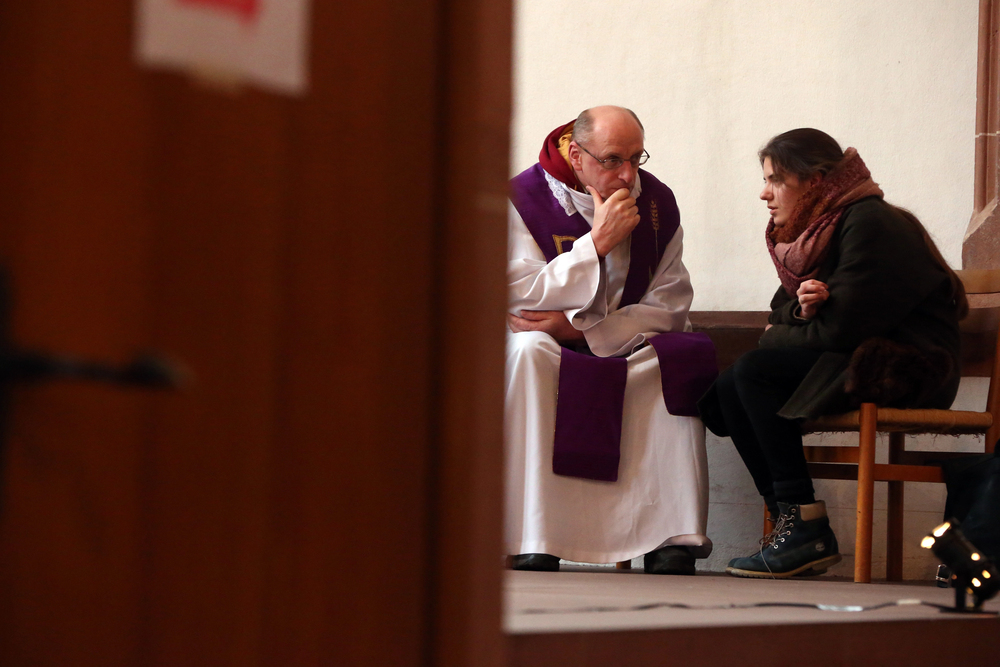
Spiritual life is an awakening. Spiritual Directors can help guide souls through the phases of a relationship with God. Whether the soul is first becoming awake, or a soul who is more seasoned with a relationship with Christ, they both face unique challenges at different levels of their spiritual development. Some souls will face constant temptations or occasions of sin associated with the world and the bad habits they are hoping to leave. Other souls will face more advanced issues in connecting with God. At every level, Satan has a designed temptation to weaken union with God. Spiritual Directors help souls in all states of development. They help them in choice, discernment, spiritual warfare, and enhancement in spiritual life with God. However, beyond just teaching, they also guide and coach the soul to reach its most highest level of perfection. Within all of this movement, the director must point to God as the source and grace of one’s transformation. While one cooperates with one’s salvation, one cannot save oneself but must submit oneself to Christ and the grace of the Holy Spirit to help one become changed.
Please also review AIHCP’s Christian Counseling Program as well as its Spiritual Direction Program
Other AIHCP Blogs
Spiritual Discernment: Access here
Spiritual Desolation: Access here
Crisis and Doubt in Faith. Access here
Other sources
Consider reading St Teresa “Interior Castle” as well as St Ignatius “Spiritual Exercises”
“St. Teresa of Avila”. Daily Readings; Catholic Online. Access here
Practical Steps to Discernment. Bible Hub. Access here
“The Interior Castle”: A Spiritual Masterpiece by St. Teresa of Avila. Catholic Heroes. Access here