Discipline and a good Christian upbringing for children is difficult in this secular society. Christian parents must work hard to preserve the faith and also raise good, moral, and respectful children. Discipline is important
Raising children in post Christian America is a struggle. Please also review our Christian Counseling Certification
The article, “Christian parents, you’re not alone in discipling your kids” by Lyndsey Koh states,
“In America’s post-Christian society, it can be daunting to make sure your kids have a strong foundation of faith. Today’s Generation Z kids tend to be less religious and more relativistic than the generations before them.”
Suicide is a very stigmatizing act. Fortunately, it is being more and more seen from a pastoral way than a condemning way. While it can contain elements of the sin of despair, modern psychology is showing more than not, it is a mental issue revolving around a deep depression. In essence, it is a sickness.
Suicide can be brought on by multiple issues. Most contend suicidal thoughts are more pathological than sinful. Please also review our Christian Counseling Certification
The article, “What does the Bible say about suicide?” by Jim Denison takes a closer and theological look at the sinful history and nature it can have but also its inherent relation to pathological state of mind. In this, Christianity is less harsh on this “unforgivable” sin as maybe in the past. This is not only good news for the deceased but also for the state of the mind of the family who endures this horrible cross. The article states,
“More people die from suicide than from homicide in America. Suicide is the third leading cause of death for those aged fifteen to twenty-four and is most common among those aged sixty-five and older. Suicide rates among the elderly are highest for those who are divorced or widowed. In the last half-century, the suicide rate among adolescents and young adults has nearly tripled.”
Hence a theological as well as a pastoral standard are needed when dealing with suicide and the family. Grief Counseling, Crisis Counseling, as well as Christian Counseling are all important disciplines in helping those facing suicide or families who have been hurt by the act itself
Lent is a time of renewal and rebirth. We enter into the desert with Christ for forty days and hope to re-emerge stronger and ready. We die with Christ in hopes of resurrecting with him.
Part of this rebirth is fasting and prayer. Prayer is the first step because it directs our fasting and begs for the graces to fulfill the tasks of Lent. We commit acts of goodness and self sacrifice during Lent to strengthen our souls in our reshaping of our spiritual lives.
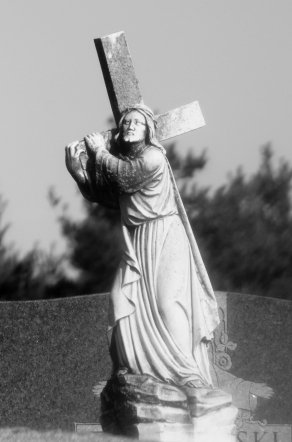
As Lent approaches we must prepare to spiritually renew ourselves through the cross. Like all crosses, this involves self denial and fasting. Please also review our Christian Counseling Certification
Fasting helps one to curb inclinations and passions. Fasting that is self imposed has benefits in this but the greatest fasting is from above. This is why the Church provides general fasting and days of abstinence. The first day of Lent is a full day of fasting, while Friday, in the West, and Wednesday and Friday in the East are days of abstinence throughout the Lenten calendar.
It is critical when targeting vices in our spiritual life to utilize prayer and fasting as a way to overcome our human weaknesses. Prayer and fasting strengthens the soul against the inclinations of the flesh and reinforces spiritual discipline. Both personal and social fasting is key. This is why we not only observe the Church’s Lenten rules, but also offer our own small sacrifices during Lent.
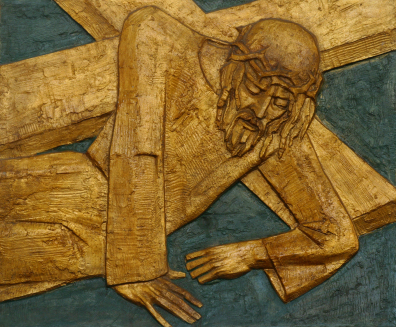
During Lent, we carry our crosses with Christ. Please also review our Christian Counseling Certification
Ultimately our sacrifices are not just for the sole purpose of spiritual rebirth but also as an offering to Christ. Christ gave us his life as an example of how to live the good life in a fallen world. Lent helps us to show Christ our love and thankfulness in emulating and imitating his ways. Through the grace of the Holy Spirit through prayer, we are able to fulfill our Lenten goals. We must remember, our own works are fruitless before the Lord, unless done in His name and through His grace.
Please have a blessed Lent and find strength and growth in Christ through the Holy Spirit. May this Lent also bring us not only closer to Christ, but also to our other Christian brothers and sisters through the variety of Lenten services.
Lent prepares us to walk with Christ. Christ is our ultimate example in carrying our crosses and fasting helps us give back to Christ.
Please also remember to review our Christian Counseling Certification to see if it matches your academic and professional goals. The online program is best for counselors and clergy who wish to utilize Christ in their counseling.
Dealing with grief in schools is a big issue as more and more shootings and tragedies occur in our nation. Schools do not always have the resources or grief counselors on hand to help students overcome grief.
Schools are trying to become better equipped for dealing with student grief.
The article, “Schools fall short when it comes to helping grieving students” by David Schonfeld states,
“An adolescent experiences the death of his mother after a lengthy illness. When I ask what services he would like to receive from the school, he initially says he didn’t expect special treatment, would be embarrassed by counseling from the school mental health staff and wouldn’t feel comfortable if many of his teachers asked to talk to him about his grief.”
Great article on the Epiphany. Christians celebrate this solemn feast because it celebrates the worship and divinity of the Christ child by the magi.
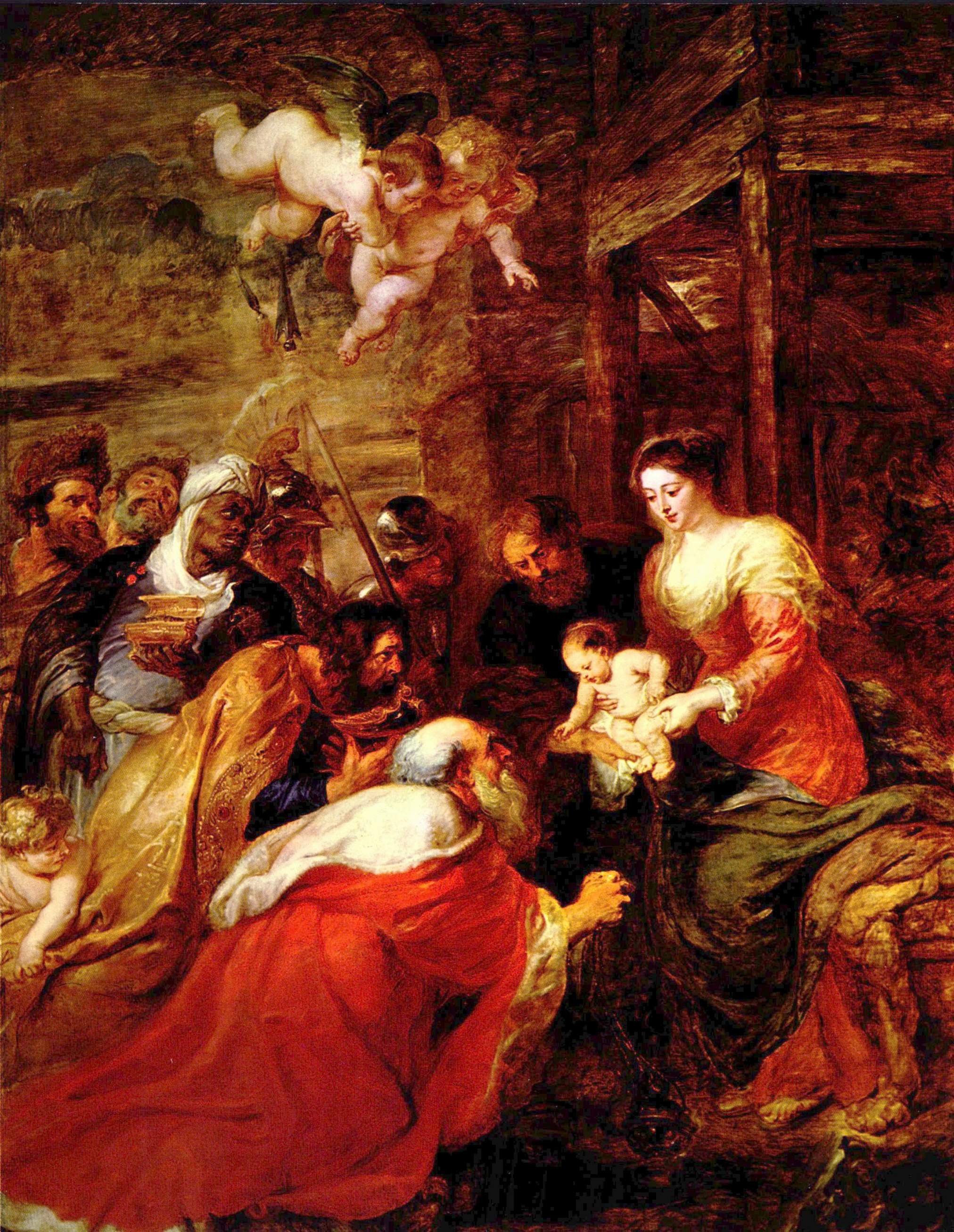
The coming of the magi. Please also review our Christian Counseling Certification
The article, “What do Christians really celebrate at Epiphany?” by Mark Woods takes a closer look at this feast. The article states,
“This Sunday churches in the Western tradition will be marking Epiphany, traditionally the end of the Christmas season. It commemorates the visit of the Magi to the infant (or toddler) Jesus in Bethlehem, a story usually folded into the Christmas carol service but actually separated in time by as much as a couple of years.”
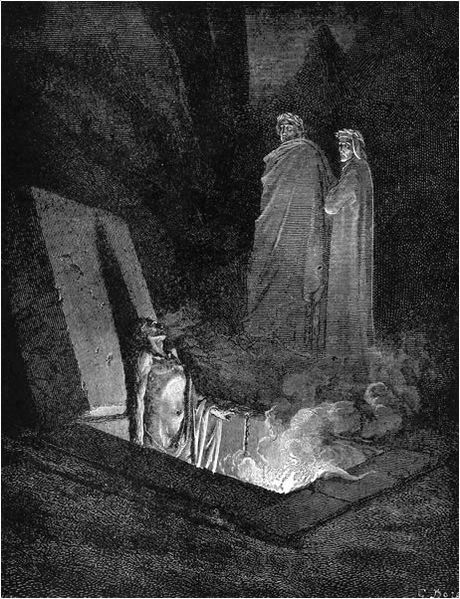
One of the most frightful aspects of Christianity is exorcisms. Exorcisms though have a deep rooted history in Christianity dating back to Christ. Christ himself cast demons out and taught the apostles how to. Today, the practice continues in the Church, but most especially within the Catholic Church.
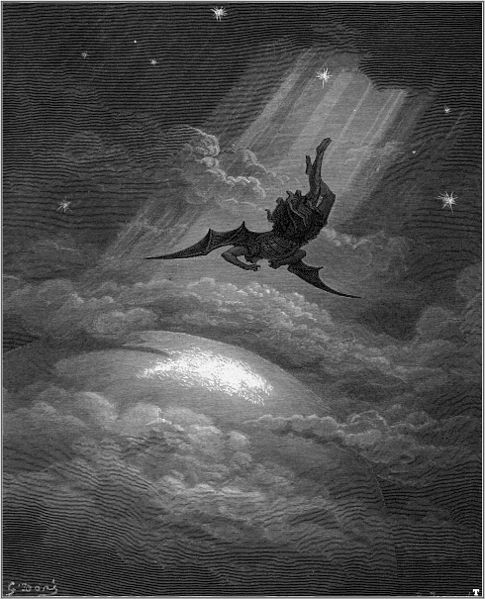
Demons play a dangerous role in our spirituality. Exorcisms cast them from our body. Please review our Christian Counseling Certification
The article, “Exorcisms have been part of Christianity for centuries” takes a closer look at exorcisms and their history in the church. The article states,
“The Exorcist,” a horror film released 45 years ago, is a terrifying depiction of supernatural evil. The film tells the story of a young American girl who is possessed by a demon and eventually exorcised by a Catholic priest.”
Please also review our Christian Counseling Certification
The title of this blog, the “Joy of Receiving” may surprise a few at first but the role a Christian plays in accepting something is as important in the role they play in giving. We have heard the phrase, “it is truly better to give than to receive” but like all reciprocal relationships, there needs to a proper balance.
If one only takes, then obviously one can detect a clear selfish individual who preys upon the generosity of others. If one only takes, then they are unable to share, or help others in life. These individuals tend to be more materialistic and greed filled. They feel no need to share their talents, or share their gifts to others. They care very little for the poor or others in need. The thought of making someone’s else day a better day through a simple generous gesture is beyond their comprehension. Ultimately, they are unable to experience the reciprocity of love because they only take. I feel many of the Biblical warnings of greed and selfishness address their spiritual deficiencies.
And yet upon the opposite spectrum, while the Christian who only gives truly sees the more spiritual path, they must also learn to occasionally take with joy as well. If they do not learn to accept or take, then first, how can they ever accept the greatest gift of all, redemption? Jesus Christ gave us the ultimate gift through his death and we must accept this gift without hesitation if we are to have salvation.
In this reality, love is a reciprocal act. It is not poached through greed or selfishness but mutual self-giving. Love is a reciprocal action of mutual giving and receiving. In this reality, a Christian must not only give, but also be able to receive. This is critical to understand if one is to understand love and its relational status.
Love is recipocal and involves giving but also receiving for it to be able to function
Those who tend to the extreme of only giving, fail to experience the love of being accepted, being loved and given something special, but they also fail to allow others to experience the same joy of giving they experience. Sometimes even the saintly fail in this category. They are very dismissive to receive from another out of an over religious zeal of unworthiness. At the other extreme, some may feel the obligation to give and give out of a sense of duty and when that duty is challenged, their pride is hurt.
Jesus taught us the opposite. He gave completely but when the times came, he permitted others the joy of giving. We see this clearly when the women at the house cleaned his feet with the most previous oils. We also see it at his birth, when the Magi brought the three precious gifts.
As Christians, we must have a balanced spiritual life. We must give as Christ gave, but we must also allow others to experience the joy of giving as well. This means letting go of possible pride, or false unworthiness and accept gifts with Christian joy. In doing so, we balance the reciprocity of love and allow others to experience the gift of giving itself. We must learn to accept gifts, the way we accept Christ’s ultimate gift on the cross with love. In doing so, we will better be able to share in the reciprocity of love that is both giving and accepting.
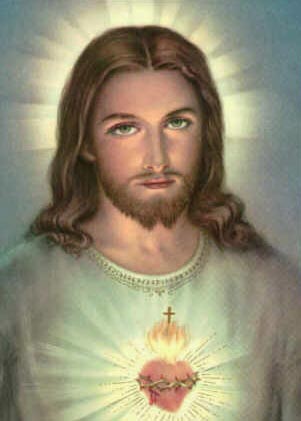
As Christians, we are always looking for ways to develop a closer relationship with Christ. Many turn to many devotions, such as the Sacred Heart, others find recourse to the Eucharist. Some delve deeply into scripture and meditate upon the life of Christ and his message. In order to grow, we must all have a closer and more personal relationship with Christ.
The Sacred Heart of Jesus. Please also review our Christian Counseling Training
The article, “21 Ways to Revive Your Relationship With Christ” lists a variety of ways we can remember Christ and become closer. The article states,
“Even the most dedicated Christian may sometimes struggle with their relationship with God. They love Christ and want to be close to Him, but for whatever reason, they have begun to drift away from Jesus. It may have been the result of a tragedy or simply from allowing spiritual growth to take the backseat while they focus on more immediate seeming concerns. Once your spiritual growth stagnates, however, it can be difficult to find your way back to Christ.”
By becoming closer to Christ, we can become better Christians and bring Christ to the world. Christ is our Redeemer and as our Redeemer, we need to find faith in Him, and what better way to strengthen faith than to become closer. Please also review our Christian Counseling Training.
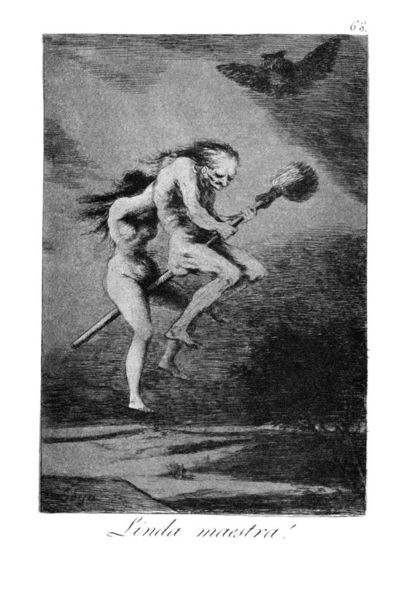
Hexes and curses are a reality that many Christians overlook. The ability to have a hex put on oneself can happen. Christians can protect themselves with prayer, sacramentals and a close devotion to Christ, Mary and the saints.
The reality of witchcraft and hexes are real. Please also review our Christian Counseling Program
The article, “Hexes and Curses Reveal Need for Spiritual Vigilance” by Patti Armstrong states,
“Of late, the war between good and evil has made news as the veil is pulled back, revealing who the players are and their intent. This, we just witnessed with a call to curse and cause harm to the newest Supreme Court Justice. The three-hour, event to “Ritual to Hex Brett Kavanaugh” took place Oct. 20 at Catland Books in Brooklyn, New York. They scheduled another one for Nov. 3.”
Hence, it is important to remember that Christians must always remain vigilant in their spiritual hygiene in protecting oneself from the evils of the occult and witchcraft. Please also review our Christian Counseling Program and see if it matches your academic and professional needs.
The dramatic shift from a day of paganism and occult to a day of holiness and Christianity is not a coincidence on the liturgical calendar, but was planned by the Church. In fact, All Saints Day was purposely switched from May to November 1st to show the victory of Christ and Christianity over Satan and paganism.
Please also review our Christian Spiritual Counseling Program.
Samhein, the ancient Druid feast. Celebrated the changing of the seasons from Fall to Winter. In it, a celebration was given to the ancient gods for a good harvest and a safe winter. During this period, it was thought that the portals between the temporal plane and supernatural plane overlapped, allowing the communication with the dead.
This led to many occultic rituals and the celebration of many pagan traditions. Many of these traditions dealt with warding off evil spirits, communicating with the dead, and offering sacrifice to the old gods. To combat this, the Church looked to show the people the victory of Christ over Satan and Christianized the day to All Hallows Eve to be followed by All Saints Day
To this day though, the neo pagan movement and occult celebrates Halloween with all of its rituals and sacred pagan beliefs. While secular society may trick or treat and dress up, the day has a sinister history and deep meaning to those in the occult. Many innocent traditions, such as bobbing for apples, or carving a pumpkin all have ancient meanings that predate Christianity and the faith.
The occult has strong roots in Halloween
Christians can still partake in Halloween from a secular view, but they need to avoid any of the divinizations, or practices of spiritualism that can dominate the feast, even if in jest or fun. It is important to avoid Ouija boards, as well as tarot cards and to remain vigilant to one’s faith.
In fact, the remembrance of the saints can still be portrayed on Halloween during trick or treat with various Christian themed costumes that remember, God, Mary, and the saints.
The following day, or All Saints Day, portrays the ultimate victory of God and his saints over Satan and paganism. It celebrates the holiness of the saints and how we are all called to that holiness to emulate them and imitate them in their lives.
In doing, so the Western Church has made November 1st a holy day of obligation for Western Catholics to jointly affirm the victory of Christ over Satan and the celebration of holiness found in his saints.
If you would like to learn more about All Saints Day, please take the time to study the deep and rich history of the day. Also, please review the Christian Spiritual Counseling Program offered at AIHCP and see if it matches your academic and professional needs.