
I. Introduction
The fear of monsters or TERAPHOBIA has permeated human culture throughout history, serving as a compelling lens through which to examine psychological anxieties and societal norms. Such fears often reflect deeper concerns, including the unknown, loss of control, and existential dread, which can manifest in various forms, from folklore to modern horror media. This essay seeks to explore the psychological underpinnings of these fears, particularly how monstrous figures symbolize our innermost anxieties. By drawing parallels between literary representations and psychological theories, we uncover the ways in which these fears can illuminate our understanding of the human condition. The phenomenon of monsters in narratives can be likened to the prophetic literature found in the Hebrew Bible, where fear is intimately tied to the moral and ethical discourse of society, drawing connections that reveal the nuanced relationship between fear, representation, and individual experience (Uhlenbruch F et al., 2016). In a similar vein, the analysis of art and its interpretations during wartime highlights the subjective nature of fear and memory, emphasizing that understanding these emotions is crucial for comprehending the broader context of human experience (Waters et al., 2017).
Please also review AIHCP’s Behavioral Health and Mental Health Certifications. Click here

A. Definition of monsters in psychological context
In the psychological context, monsters often serve as metaphors for deep-seated fears and anxieties that individuals grapple with, illustrating the complex interplay between perception and reality. These entities may embody societal fears or personal traumas, which can manifest through various psychological pathways as described by Rachman’s theory of fear acquisition. This theory posits that fears can emerge through direct conditioning, vicarious learning, or through the transmission of information, revealing how external stimuli can shape an individuals understanding of monstrosity (Ajzen et al., 2001). Moreover, the societal stigmatization of certain behaviors and conditions contributes to the crafting of monsters within the psyche, emphasizing the harmful consequences of metaphorical dehumanization, as seen in discussions surrounding disability. This phenomenon not only reinforces boundaries of normality but also reflects how such narratives can lead to destructive social attitudes and actions, like the troubling concept of ‘mercy killing’ in response to perceived monstrosity (Waltz et al., 2008).
B. Overview of fear as a psychological phenomenon
Fear, as a psychological phenomenon, serves a critical role in human cognition and behavior, especially in the context of monstrous narratives. Traditionally regarded as an adaptive response, fear prepares individuals to confront perceived threats—whether real or imagined. This response is particularly evident in horror genres, where monsters symbolize deeper societal anxieties and moral dilemmas, thereby allowing audiences to explore their fears in a controlled environment. Such interaction can evoke feelings of pleasure and discomfort simultaneously, reflecting the complex interplay between fear and fascination. For instance, the interplay of sex and horror has been noted to elicit competing responses, resulting in both attraction and revulsion from viewers, suggesting that fear may not only be a mere reaction to threats but also a complex emotional experience that challenges societal norms, as discussed in (Jones et al., 2017). Ultimately, understanding fears role assists in unpacking the psychological motives behind our fascination with monsters, revealing its roots in cultural narratives and individual psychologies, as highlighted in (Burton et al., 2019).
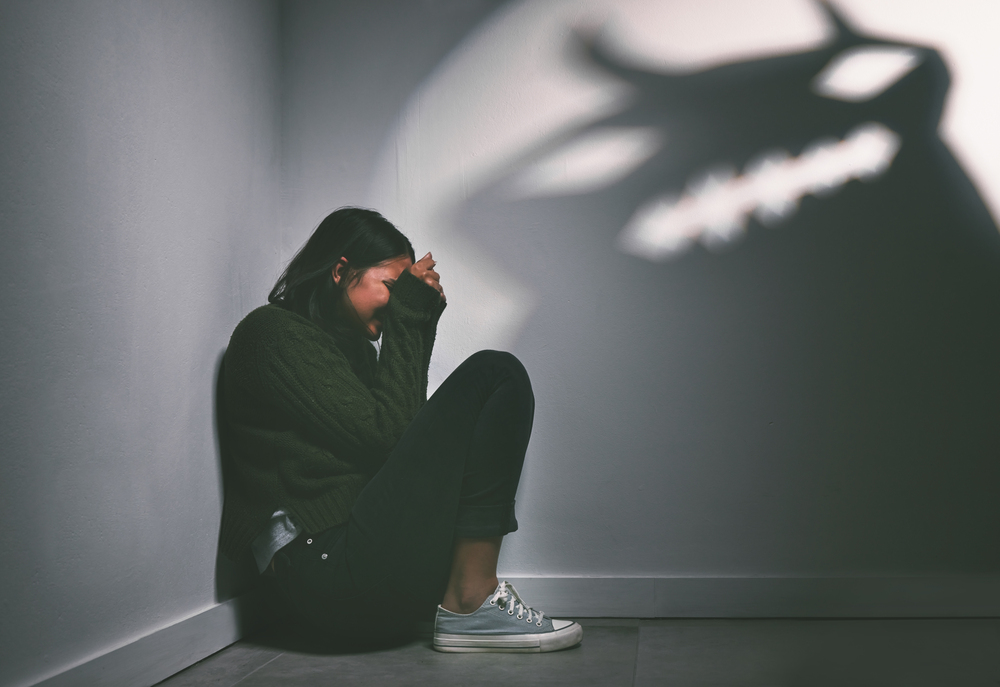
The exploration of fear, particularly the fear of monsters, serves as a profound means of understanding psychological development and societal values. Monsters often symbolize our deepest anxieties, embodying fears of the unknown or unresolved trauma. By studying these fears, psychologists can unveil underlying emotional and cognitive processes that shape human behavior. This analysis can also encourage discussions about the nature of good and evil, paralleling Tolkiens exploration of beauty and despair in his narratives, which reveals how joy is often intertwined with sorrow and loss (Philpott et al., 2016). Furthermore, addressing the fear of monsters allows for a critical examination of societal beliefs, reflecting our collective fears and the ways these fears manifest in cultural narratives. This understanding is crucial for developing therapeutic interventions, as mitigating fear can ultimately lead to healthier coping mechanisms and a better comprehension of individual and shared human experiences (A Lathrop et al., 2015).
While fear can serve a protective device, teraphobia can cause unnecessary anxiety due to the irrational fear. It can cause clinging in children, avoidance and cripple people from living life. This can disrupt sleep and cause other emotional issues. It can also cause nightmares and night terrors as well as create unhealthy ritualistic behaviors to face these fears.
II. Historical Perspectives on Monsters
The historical perspectives on monsters reveal a profound interplay between cultural narratives and psychological fears, reflecting societal anxieties that transcend time. In literature and mythology, monsters have often represented societal fears, embodying the unknown or the other in various forms. As these depictions evolved, they became reflections of the moral and cultural sentiments of their respective eras, revealing underlying societal concerns, such as justice and transgression. The work of positivist criminology illustrates this connection, positing that monsters—like criminal behavior—cannot be purely understood through scientific frameworks devoid of cultural context; they are instead shaped by the irrational tropes and images that society generates (Burton et al., 2019). Furthermore, the examination of prophetic literature in the Hebrew Bible highlights how monsters also symbolize warnings or prophetic truths, demonstrating their role in both societal critique and psychological exploration (Uhlenbruch F et al., 2016). Thus, the historical discourse on monsters serves as a window into the evolving fears and cultural dynamics of humanity.
The evolution of monster myths across cultures reflects deep-seated psychological fears that transcend geographical and temporal boundaries. Historically, monsters have served as embodiments of societal anxieties, from the grotesque beings of mythological narratives to contemporary representations in popular media. These creatures often symbolize the unknown, encapsulating fears related to mortality, chaos, and the supernatural. As detailed in the exploration of cognitive dissonance, individuals grapple with conflicting beliefs about empirical knowledge and transcendent forces, leading to a persistent discomfort that fuels the creation and adaptation of monster myths (Montell et al., 2001). Furthermore, examining prophetic literature through the lens of science fiction reveals how modern cultures reinterpret ancient fears, linking both the imaginative and empirical realms (Uhlenbruch F et al., 2016). This cyclical process of myth creation not only reflects cultural values but also offers insights into the psychological mechanisms that drive humanitys enduring fascination with the monstrous.
Whether it is Dracula, loch ness, or bigfoot, monster stories evolve across cultures. Some monster myths surprisingly share similarities across cultures to point towards a common consciousness of human fear that is universal.

B. Psychological interpretations of historical monsters
The phenomenon of historical monsters often serves as a lens through which we can explore societal fears and psychological interpretations. These figures, whether real or mythologized, reflect the cultural anxieties and moral uncertainties of their times. For instance, the grotesque behaviors attributed to notorious figures not only illustrate individual psychopathy but also reveal broader societal concerns about deviance and order. The study of these monsters allows us to analyze the inherent contradictions in criminological thought; as noted, “positivist criminology confronts an inherent contradiction in purporting to develop a purely scientific account of phenomena that are defined by the moral and cultural sentiments of a society” (Burton et al., 2019). Furthermore, examining these figures provides insights into the collective psyche, suggesting that their “marginality” and the fear they evoke can illuminate deeper truths about a societys self-image and moral landscape (Chin et al., 2011). Thus, historical monsters are integral to understanding both psychological trauma and cultural identity.
C. The role of folklore in shaping fear of monsters
Folklore serves as a vital cultural construct, profoundly shaping human perceptions of fear, particularly in the context of monsters. It embodies collective anxieties and societal fears, transforming them into recognizable narratives that both illustrate and amplify the psychological terror associated with the unknown. For instance, the concept of Thin Places in Celtic mythology reflects an enduring belief in liminal spaces where the veil between the ordinary and the supernatural becomes tenuous, creating an atmosphere ripe for the emergence of fearful entities (Healy et al., 2014). Similarly, during the tumultuous period of World War II, the Italian populaces collective fear gave rise to the mysterious figure of Pippo, a spectral aircraft that unites their anxieties about warfare and the unseen dangers lurking above them (Perry et al., 2003). These examples illustrate how folklore not only reflects but actively constructs a societal framework for understanding and contextualizing fear, particularly in the manifestation of monstrous figures.
Many stories of monsters also delve into deeper human lessons about humanity, corruption and also protecting the self from that corruption. Monsters serve as a fear device to keep us away from forbidden things that can corrupt or hurt us. The stories of not entering the forest at night in both European and American folklore all teach of the inherent dangers that exist in the woods at night. Teaching children to lock the door, or not to wander off, are all important lessons to protect but through that use of fear to protect, phobias can later develop that create irrational fears of being alone or walking in the woods.
I think many religious traditions have their teachings as well on evil. While many do not delve as far as the mythos of monsters and folkore surrounding monsters, many monster architypes develop from religious concepts based off of demonic. For many, the demonic is fearful and real enough to add any other dimension of monster in the world. For this reason, while closely connected, demons need out of respect to religious traditions to be categorized differently. While beliefs are beliefs and not up to empiric observation, the concept of demons surrounds religious dogma, while folklore delves more into the imagination. This is not to say, demon fear and craze can erupt from ultra religious minds and create pathology but the dogmatic belief of demons within the creeds of the the faiths remains something different in extreme than monster fears but at the same time, something open to possible extremism. I think this needs to be understood when looking at the human experience and demonology.
III. Psychological Theories of Fear
An understanding of psychological theories of fear provides significant insights into the anxiety surrounding monsters, both real and fantastical. Rachmans theory of fear acquisition posits that fears can emerge through direct conditioning, vicarious learning, and information processing; notably, childhood experiences with frightening narratives can shape perceptions of monsters ((Ajzen et al., 2001)). For instance, exposure to stories about monsters can foster fear-related beliefs, demonstrating how verbal information influences emotional responses. This interplay is particularly evident in children, whose fear may be heightened based on the source of the information, such as whether it comes from a trusted adult or peer ((Ajzen et al., 2001)). Furthermore, the broader implications of fear reveal how cultural narratives surrounding monstrosity draw on psychological principles, blending empirical research with societal beliefs. This intersection suggests that psychological frameworks not only explain individual fears but also highlight the cultural constructs that shape our collective understanding of monstrosity ().
Theories of fear development in childhood offer insights into why children often harbor irrational fears, particularly regarding monsters. Rachmans theory of fear acquisition posits that these fears can develop through several pathways, including direct conditioning, vicarious learning, and information or instruction, suggesting a multifaceted origin for phobias that include the fear of fantastical creatures (Ajzen et al., 2001). Moreover, the influence of information, particularly verbal cues from significant adults, can substantially alter a childs fear-related beliefs. For instance, children exposed to narratives about monsters from trusted figures demonstrated increased fear perceptions, highlighting the power of verbal instruction in shaping their understanding and responses to the unknown (Ajzen et al., 2001). Additionally, the concept of strangeness further elucidates the conditions under which fears arise; as children encounter unfamiliar stimuli that disrupt their sense of control, they often react with alarm, thus perpetuating their fear of such entities .
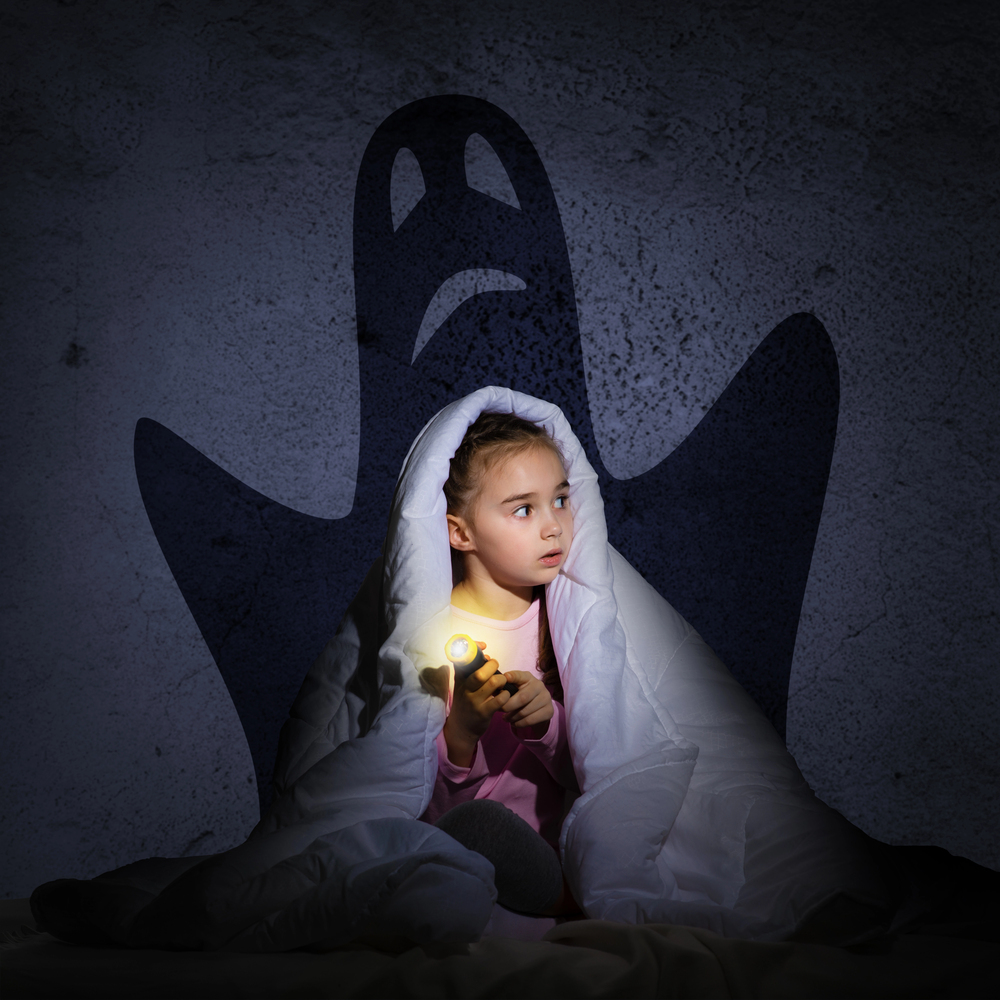
Ultimately, how many children fear the dark, the monster in the closet or under the bed. These fears have roots in observation, digestion of social content, and stories handed down, whether for the protection of a child to avoid something, or out of pure superstition. Yet these stories can cause intense anxiety in children, sleep disturbances, night terrors, fears of the dark, avoidance of certain rooms, as well as clinging to parents. Children with these fears need comforted to avoid more trauma, as well as reassurances and awards for being brave and facing fears.
When teraphobia becomes crippling then serious mental help is needed. Some individuals rooted in deep superstition, or certain belief can become terrified beyond the rituals of protection but also negatively affected in their daily activities or stricken with a deep sense of fear. Others may face psychosis. Many due to this can face deep trauma that is unneeded but still nevertheless present.
The media definitely has a big impact on how scared people get, especially when it comes to “monsters”—whether we’re talking about real creatures or just scary ideas. You can see this in the way the news spreads really dramatic stories. For instance, when there’s a lot of coverage of something rare, like kids getting abducted, it can cause a huge panic, even if the actual danger isn’t as high as people think. That whole “stranger danger” idea is a good example. It’s often based on emotional stories and a general sense of moral panic pushed by the media, which can make it hard to have a reasonable conversation about how to keep kids safe (Wodda et al., 2018). Plus, the way people with disabilities are often talked about—using metaphors that make them seem weak or broken—keeps fear alive. It reinforces stereotypes, makes differences seem like problems, and ultimately, dehumanizes entire groups of people (Waltz et al., 2008). So, the things we see in the media not only make society more afraid but also make it harder to understand what the real risks are. What we really need are stories that are more thoughtful and show the world as it is, instead of just trying to shock us.
Cognitive-behavioral methods offer solid strategies for tackling irrational fears, like a fear of monsters, using systematic intervention. A key piece of this is cognitive restructuring. Essentially, this involves spotting and then challenging distorted beliefs about threats we think we see. Research points to how the information kids get really matters; it can reshape those fear-based beliefs. Verbal narratives, studies show, can profoundly change how children view scary things, like monsters, more so than visual aids (Ajzen et al., 2001). Also, it’s helpful to understand how early anxiety and what’s happening at home plays into all this. This can make treatment better. Addressing, say, maternal anxiety and temperament becomes pretty vital for prevention (Briggs-Gowan et al., 2010). By mixing cognitive restructuring with exposure therapy—gradually facing fears in a safe way—people can build resilience and dial down the emotional pain these long-held phobias cause.
Counselors can help individuals identify irrational fears, as any phobias, and cognitively approach the reality behind it. It is important to validate the emotions behind the fears but to help the person recognize the irrationality behind them intellectually. In addition, counselors can help individuals who may have phobia induced trauma and face these fears through controlled exposure of those fears over a modified period of time. Meditation and breathing to help calm anyone with unneeded anxiety are also excellent ways to help individuals face phobias and trauma itself. Many other coping skills can be utilized as well that best help the person. Finally, positive reinforcement is key in helping progress.
Ultimately it comes to cognitive recognition of the irrational nature of the fear, learning to face the fear through exposure and utilizing coping strategies to face those fears.
IV. The Role of Monsters in Modern Society
Monsters, those figures of dread, have always been crucial cultural icons. They embody our deepest anxieties, and their place in today’s world really mirrors how complex our minds are. Theories about how we learn to fear things, like Rachman’s pathways theory, shows us that our fears aren’t just there; they’re grown through what we experience ourselves, what we see others go through, and even what we hear about, especially when we’re kids (Ajzen et al., 2001). You see, through the stories we take in from media, monsters tend to become these figures that represent bigger issues in our society. They sort of act like a lens, helping us deal with what makes us uneasy. This dance between our culture and our fears makes you wonder if just cold, hard science can really explain why we do what we do and how we feel, which is pretty evident when you look at how criminology has changed over time (Burton et al., 2019). As the monsters we see in stories today evolve, they give us a peek into what we’re all afraid of. It allows us to have conversations about right and wrong, the rules of society, and those parts of us that just don’t make sense. And that’s really why they continue to be relevant in understanding the human psyche of our world
A. Monsters as metaphors for societal fears
Monsters popping up in stories, you know, kind of show what a society’s afraid of, especially as those fears change. Take zombies, for example. They weren’t always about the end of the world type stuff, but now they’re like, a big symbol of our worries about everything falling apart and a general sense of “what’s the point?” Their historical backdrop, as some have pointed out, reveals how they echo worries about revolutions, gender roles, and even different political ideas, really capturing a wide range of societal troubles (Mendoza et al., 2016). Then, there’s the uncanny valley idea. That helps explain why things that are almost human, but not quite—like, well, zombies—freak us out so much (Mendoza et al.). It’s like a built-in survival thing, trying to keep us away from danger and sickness. It really just shows how our brains and what we’re afraid of are all tangled up together in our culture. So, these monsters are more than just fun to watch; they give us a peek into what society’s worried about and what’s going on in our collective minds, generally speaking.
B. The influence of horror films and literature on fear
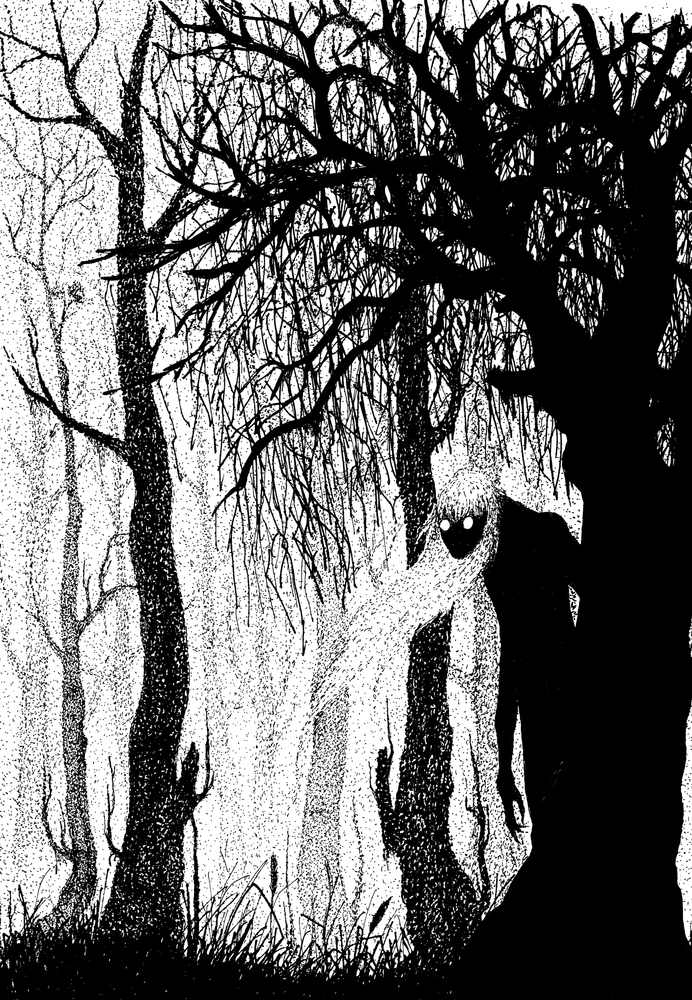
Horror films and literature, in their vastness, have significantly molded how society perceives fear, especially the unease we feel about monsters—both the real ones and those we conjure in our minds. These narratives, frequently combining psychological tension with vividly descriptive scenes, manage to reach deep into our most basic fears, letting us face the unknown from a secure vantage point. It’s a portrayal of monsters, frightening yet strangely captivating, that seems to embody broader societal anxieties, in most cases. This sort of depiction encourages a distinctive look at what makes humans vulnerable (Uhlenbruch F et al., 2016). The way fantastical aspects mix with emotions we can all identify with does more than just entertain; it prompts us to think hard about what fear really is. Then there’s the effect of these genres on how we see authority figures, which offers further insight into the intricate dance between how things are shown and how audiences take them (Dagaz et al., 2011). Generally speaking, horror becomes a reflection of our deepest terrors, offering a mirror—and a lens—through which we examine the shadows that exist both inside and outside us.
I think some good examples as well include Mary Shelley’s “Frankenstein” where we sometimes discover that the true monster is not the monster itself but who we are and what we can be. Finding the monster within and using the monsters as symbols of the worst mankind has to offer sometimes is a way to express evil. As human beings, we all fear evil and our deepest worst side. Again, if we look at the Robert Stevenon’s classic “Dr Jekyll and Mr Hyde” we see the motif and fear of the monster inside of all of us.
In addition, we see this darker and evil side of humanity in the many zombie movies and series that show the corruption of humanity. This same motif is found in the folklore of vampires and the corruption of humanity.
Monsters, frequently thought of as just products of our minds, can actually be quite helpful in therapy. They act as stand-ins, in a way, for what we’re afraid of and the battles we fight inside ourselves. Psychology suggests that picturing our problems as monsters can assist individuals in dealing with doubt and difficulty. The idea is to change these anxieties into something we can handle, not something that overwhelms us. This approach aligns with the idea of being in-between, as described in (Hay A et al., 2016), where people are working out who they are and how they see themselves. By thinking of emotional problems as monsters, people in therapy can sort of put those fears outside themselves, which then makes it easier to talk about them and start feeling better. What’s more, neurorhetoric shows us that these monster metaphors not only connect with our psychological challenges but also change how we react to fear, which makes the therapy even more effective (Jewel et al., 2017). Seen in this light, monsters become useful for building strength and helping people grow, as they navigate their psychological landscapes.
V. Conclusion
To summarize, when we consider the relationship between psychological ideas and that common fear of monsters, we can glean interesting points about why we behave the way we do and how we grow as people. This discussion looked at how fears of monsters, which frequently take hold in our childhood, turn up in different psychological situations, such as anxiety and specific phobias. Adolescent studies, for instance, illustrate the link between personality and phobic reactions, suggesting that these fears aren’t just random thoughts but are actually connected to our psychological nature (Alibrandi et al., 2019). Also, the history of these fears suggests that cultural stories have historically had an impact on how we view monstrosity, demonstrating a close connection between what society values and what an individual thinks (Burton et al., 2019). Grasping the fear of monsters is important for dealing with individual anxieties and for starting a wider conversation about how our culture influences our views of fear and safety.
Please also review AIHCP’s numerous behavioral health certifications for qualified mental health and healthcare professionals.
A. Summary of key points discussed
So, when we’re talking about psychology and why we’re scared of monsters, we’re really digging into a lot of different stuff that shows us both who we are as humans and the things society builds around us. We touched on a few big ideas, like how fear might have started as a way to keep us alive, making us wary of the unknown. This means that our basic need to survive is actually tied to how we understand monsters in our culture. Also, the way movies and books show us monsters really matters, since these stories don’t just entertain us—they also show us what we’re afraid of as a society, acting like a mirror reflecting our worries. Like, these stories often pull from what’s happened in the past, mixing together psychology with cultural stories. That sort of makes figuring out fear and its different forms a bit complicated. It’s worth pointing out that the connection between science and what scares us reveals some disagreements within scientific thinking, (Uhlenbruch F et al., 2016) and (Burton et al., 2019) pointed this out, proving that what we believe culturally has a huge impact on how we see monsters, and it’s not just about science.
Psychological studies of fear offer crucial insights into how we react to perceived dangers, like, say, monsters. Fear, as Rachman theorized, can arise from direct experience, learning by watching others, or simply from what we’re told. This indicates that the ways children form fear-based ideas about things like monsters are significantly affected by these routes (Ajzen et al., 2001). Interestingly, what adults tell children can change what they believe about fear, stressing how important context and social influences are in the psychology of fear (Ajzen et al., 2001). However, grasping fear isn’t just about individual experiences. It also sets the stage for understanding broader anxieties molded by stories we all share. Sometimes, these stories paint the unknown as something monstrous, impacting how society acts and feels about fear. Therefore, a thorough understanding of fear is beneficial in psychology from both theoretical and hands-on perspectives.
Future research on the fear of monsters really needs to embrace interdisciplinary work to help us truly understand this common fear. We need to look at more than just psychology; we have to consider the context, too. The context can really change how we perceive and feel fear toward monsters. For example, studying the “ecological” side of fear – think about how family or the community plays a role – could give us important clues about how fear changes. It’s also helpful to remember how studies have connected temperament with childhood anxiety; so, understanding how personality and the environment interact might point us toward new ways to help. (Briggs-Gowan et al., 2011). Plus, monster stories often have cultural roots. That said, comparing how different cultures react to monsters could broaden our understanding and improve therapeutic treatments (A Lathrop et al., 2015). Overall, when researchers use these different strategies, we will get a deeper, more detailed view of the fear of monsters and what it means.
Additional AIHCP Blogs
Alien Abduction Syndrome. Access here
Additional Resources
Fritscher, L. (2023). “Coping With Teraphobia or the Fear of Monsters”. Very Well Health. Access here
Pedersen, T. (2024). “Understanding Teraphobia (Fear of Monsters)” PsychCentral. Access here
What is Teraphobia: Unmasking the Fear of Monsters”. Psychology. Access here
“How To Manage Teraphobia In Children And Adults”. (2024). Better Help. Access here