

Exposure therapy is a main psychological tool for treating anxiety disorders like phobias, panic disorder, and post-traumatic stress disorder. This method lowers fear responses by slowly showing people the sources of their anxiety in a safe setting. Exposure techniques are part of cognitive behavioral therapy and originally stemming from the first wave of behavioral therapies. Research supports these methods for anxiety. Scientists look for parts shared between exposure therapy and other methods like psychoanalysis. Shared traits make the treatment more successful. Clinicians combine different treatment parts to fit the needs of each person. This creates an active and helpful way to heal. Researchers continue to study these therapies. Effective strategies in exposure therapy help mental health and well-being.(Aloufi KK et al., 2019). Additionally, the exploration of commonalities between exposure therapy and other therapeutic modalities, such as psychoanalysis, suggests that understanding shared mechanisms can enhance treatment efficacy (Nicholas P, 2010). By integrating different therapeutic elements, clinicians may better tailor exposure practices to individual needs, fostering a more dynamic and responsive therapeutic landscape. Ultimately, as researchers continue to investigate the nuances of these therapies, the development of effective strategies in exposure therapy stands as a critical component in promoting mental health and well-being.
Bear in mind, application of exposure therapies are reserved and used only by licensed professionals and those trained in these particular modalities. Those who operate within the Human Service field and help others with grief, stress or crisis must remain confined within their professional scope if not licensed by the state.
Please also review AIHCP’s Behavioral Health Certifications
Definition and Purpose of Exposure Therapy
The concept of exposure therapy stems from behavioral therapies. Joseph Wolpe introduced the concept of systematic desensitization. In this, one is gradually exposed to the irritant or object. The person gradually, like stepping into icy water, acclimates. With new experiences, the thought process and reaction is hoped to be altered with better experiences to alter past reactional behavior. Systematic desensitization includes first reading the word, say “spider” and then evaluating the tensions and feelings associated with it. Proceeding, one moves to pictures of spiders, to actual dead spiders to small spiders and larger ones. It continues to the point actually touching various spiders (Tan, 2022).
Exposure therapy is a psychological treatment. It helps people face their fears in a controlled and organized way. This process helps people lose their sensitivity to things that cause anxiety over time. This method uses the principles of cognitive behavioral therapy (CBT). It shows facing feared situations many times can lower emotional pain over time. Patients face their anxieties in a safe place. Exposure therapy works to change the responses people have learned to feel toward those fears. Studies show this treatment works well. It helps people with anxiety disorders. Research shows it works better than other cognitive therapies in some cases. Exposure therapy and psychoanalysis start from different theories, but they still share basic similarities. These similarities show mixing different methods can improve results for specific anxiety disorders.(Aloufi KK et al., 2019). Additionally, while exposure therapy and psychoanalysis may stem from differing theoretical backgrounds, they share fundamental similarities, which underscore the potential for integrating various therapeutic techniques to enhance treatment outcomes for specific anxiety disorders (Nicholas P, 2010).
Flooding is a more rapid response than gradual exposure. It involves exposing the patient to maximum anxiety rather than minimal (Tan, 2022).
Overall, exposure therapies can help with phobias, stress, and trauma.
Please also review AIHCP’s Stress Management Certification
Overview of Different Types of Exposure Therapy
Exposure therapy includes many techniques. These help people face and process their fears or things causing anxiety. This process allows for gradual desensitization. Common types include in vivo exposure and virtual reality exposure. In vivo exposure involves direct contact with a feared object or situation. Virtual reality exposure uses technology to create simulations of scary environments. Flooding is another method. It immerses the patient in their fear until the anxiety drops. Systematic desensitization combines relaxation techniques with gradual exposure. The success of these therapies often relies on the setting. Phototherapy shows great results for skin conditions like psoriasis. This fact shows the need to tailor treatment plans (). Comparing treatments like cryotherapy and trichloroacetic acid for warts shows the many strategies available. These options confirm exposure therapy can combine with other treatment forms ()..(N de Barros et al., 2021)). Moreover, comparing therapeutic modalities such as cryotherapy and trichloroacetic acid for warts highlights the diverse strategies available, reinforcing that exposure therapy can also integrate other treatment forms ((Meguid AMA et al., 2018)).
In Vivo Exposure Therapy
In Vivo Exposure Therapy is a key type of exposure therapy. It focuses on real-world encounters with things that people fear. This method differs from in vitro exposure therapy. That version uses virtual or imagined scenarios. In Vivo Exposure Therapy works on the idea that direct experiences reduce anxiety. These experiences help people desensitize their emotions and change how they think. Patients confront fears within a controlled setting. This process helps them build coping skills and mental strength. Safety rules and testing methods improve how well the therapy works. These tools let doctors change the treatment for each patient. These detailed steps help more doctors accept the therapy for anxiety and phobias. This success shows how important the method is for mental health work.(Goumenou M, 2016)(Icrp, 2007).
Description and Process of In Vivo Exposure
In vivo exposure therapy is a key part of many therapy methods and styles. It lets people face their fears and anxieties in real life situations. The process starts with a thorough check and assessment of the patient’s specific phobia or anxiety condition. This check helps the therapist plan the exposure scenarios. During treatment, clinicians guide patients. These patients face feared things in a slow and safe way. This method helps lower fear responses. It also helps with habituation. So the person learns to handle the anxiety from the exposure. Many studies support the use of in vivo exposure therapy. These studies show how it works to reduce symptoms of anxiety disorders. This therapy technique lets people engage with what they fear. It uses risk assessment and the main rules and steps related to exposure. These things are critical for good results.(Goumenou M, 2016). Ultimately, by facilitating direct engagement with feared situations, this therapeutic technique utilizes the principles of risk assessment and the fundamental mechanisms related to exposure, which are critical for effective outcomes (Icrp, 2007).
Common Disorders Treated with In Vivo Exposure
In vivo exposure therapy works well for various anxiety disorders, trauma conditions, and phobias. It focuses on gradual desensitization to things people fear. This therapy treats common issues like specific phobias, including fear of heights or spiders. The method also helps with generalized anxiety disorder (GAD) and post-traumatic stress disorder (PTSD). Patients face these fears in a controlled space. This process reduces their anxiety, and they become less likely to use avoidance behaviors. These behaviors keep their conditions going. The method helps treat obsessive-compulsive disorder (OCD) and lets people face their obsessions directly. This action reduces compulsive behaviors. The principles of exposure therapy match how acute and chronic exposure affects the mind. Toxicology describes these ideas in dose-response assessments and . These facts help get the best therapeutic results.(Aljamali NM et al., 2021) and (Goumenou M, 2016). Such insights into exposure dynamics are crucial for optimizing therapeutic outcomes.
Imaginal Exposure Therapy

Imaginal Exposure Therapy (IET) is a specialized type of exposure therapy. It uses mental pictures to help people face painful memories or fears of the future in a safe setting. IET asks patients to relive traumatic events in their minds. This lets them process emotions tied to those memories without facing the actual object of fear. The method became popular, and it works for many anxiety disorders. It helps when facing a fear in real life is too hard or not possible. Research shows that IET is like other exposure therapies. It shares core traits with methods that focus on feelings. This shows why emotional awareness is a key part of treatment . Combining methods from psychoanalytic and exposure therapies might improve results. This shows we need to study the topic more ..(J Markowitz et al., 2024). Additionally, the integration of techniques from both psychoanalytic and exposure therapies may enhance therapeutic outcomes, underlining the need for further exploration in this area (Nicholas P, 2010).
Explanation and Methodology of Imaginal Exposure
Imaginal exposure is a method used in exposure therapy. It treats anxiety disorders by letting patients face fears in a controlled mental space. A person intentionally and systematically calls up upsetting thoughts or memories linked to their fear. This lets them process experiences without the trigger being present. Unlike traditional therapies that use direct contact, imaginal exposure offers a safe way to meet fears step by step. This work helps with emotional processing. It builds an ability to handle strong feelings from their fears. The method combines ideas from therapies focused on emotions and exposure. Research shows this leads to healing and resilience. Doctors continue to study this method to find better ways to treat various anxiety disorders.(J Markowitz et al., 2024)(Nicholas P, 2010).
Applications and Effectiveness in Treating Trauma-Related Disorders
Doctors now treat trauma disorders like Post-Traumatic Stress Disorder (PTSD) with tested methods. One common method is Prolonged Exposure (PE) therapy. PE therapy helps people face painful memories through repetition. This allows patients to process their experiences and learn that they are safe now. Studies show PE works for many people, including veterans and those with childhood trauma. But problems still exist in how doctors use it. Most experts see PE as a success, but many people still have symptoms. This shows a gap between research and clinical work. We must study why results vary between patients. Different backgrounds and trauma types change the results. Solving these issues could make treatments work better for people with PTSD.(Kramer et al., 2013). In light of these findings, a deeper exploration of therapeutic variability is crucial, as differing patient backgrounds and trauma types can affect treatment outcomes (S Michałowska, 2025). Addressing these nuances may enhance the efficacy of interventions for those suffering from PTSD.
Virtual Reality Exposure Therapy
Virtual Reality Exposure Therapy (VRET) uses a new method for mental health care. It is a major step forward for exposure therapies used in clinics. Traditional therapy often uses a fixed method to face fears. VRET puts patients in a virtual environment instead. This environment mimics their specific fears. The setting stays under control but feels real for the person who uses it. This experience helps patients stay involved during the process. It allows them to process trauma more deeply. This helps them become less sensitive to their triggers. Their fear begins to fade over time. Clinical studies show VRET works well for PTSD and anxiety disorders. It changes the treatment to fit how each person responds. Some challenges remain. Experts must fix technical problems and think about ethical issues.(Eskandar K, 2024)(Ju Y, 2024).
Technology and Implementation of Virtual Reality Exposure
Doctors use Virtual Reality Exposure Therapy (VRET) to treat many types of anxiety disorders like PTSD. This method marks a new step in care. It uses digital tools to create deep healing spaces for patients. Standard exposure therapies often fail. Doctors struggle to copy real life stress. VRET lets patients face their fears in a safe and steady room. The system changes to fit the needs of each person. This custom care keeps people focused. It supports the desensitization process. These steps lead to better results for the patients (). VRET has problems like gear issues and patient safety rules. It still gives people custom care that shows a good path for future work. Can better screens and easier use solve these problems and transform how doctors provide mental health care? ()..(Ju Y, 2024)). Furthermore, while VRET presents unique challenges—such as technical limitations and ethical considerations regarding patient safety—its ability to provide customized treatment marks a promising direction for future research. Can advancements in user-friendly interfaces and accessibility effectively mitigate these challenges, potentially transforming mental health care practices? ((Eskandar K, 2024)).
Benefits and Limitations Compared to Traditional Methods
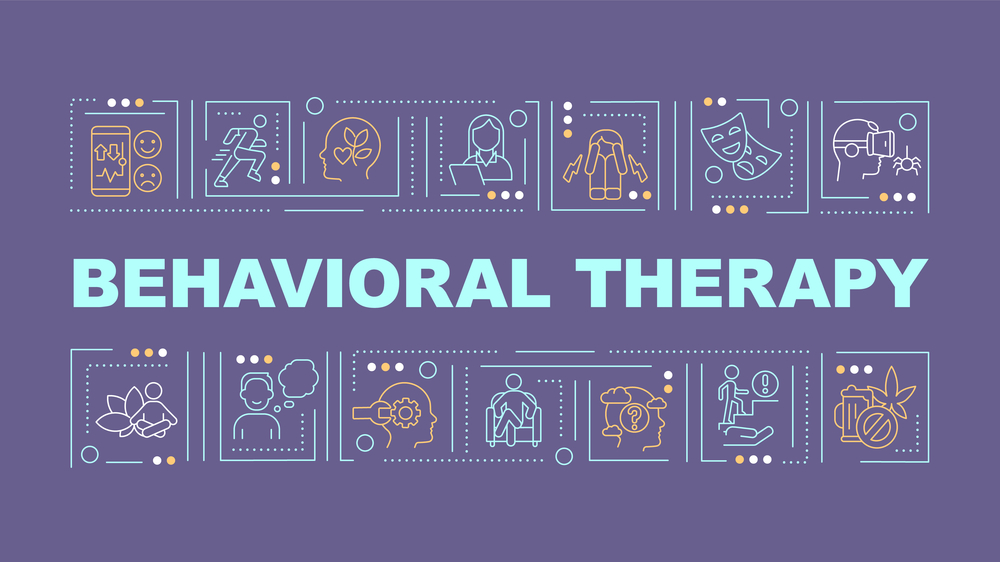
Studying exposure therapy shows clear benefits and clear limits compared to traditional methods. Exposure therapy uses an organized plan for patient care. This applies to Prolonged Exposure (PE) therapy. Patients face traumatic memories in a safe space. They process these experiences over time in a gradual way. The method reduces symptoms of Post-traumatic Stress Disorder (PTSD) well. Much research supports this claim. Difficulties and challenges still exist. Some people do not improve with these treatments. Facing traumatic memories involves an intense process. It causes pain or bad reactions for some. These facts limit therapy use and participation. Traditional methods like psychoanalysis look for hidden emotional conflicts in the patient. These methods offer a different path. They help people skip direct exposure and give them another choice. Therapists combine ideas from many methods today. They look at common points between psychoanalytic theory and exposure therapy. This makes treatment for anxiety disorders work better.(Kramer et al., 2013). However, challenges remain; not all individuals respond positively to exposure-based treatments, and the intensity of confronting traumatic memories can evoke discomfort or adverse reactions, limiting overall accessibility and adherence to therapy. Furthermore, traditional methods such as psychoanalysis, which emphasize exploration of underlying emotional conflicts, may offer alternative paths for those averse to direct exposure techniques. By integrating insights from various approaches, including the commonalities between psychoanalytic theory and exposure therapy, therapists can enhance treatment efficacy for anxiety disorders (Nicholas P, 2010).
Other Types of Exposure
EMDR or Eye Movement Desensitization Reprocessing is a type of exposure therapy that has success with trauma (Tan, 2022). It involves the movement of the eyes and how memories, especially traumatic ones are processed in the brain. Francine Shapiro originally developed it to help those with PTSD. EMDR involves eye movement but also deep visualization while reprocessing the event. Under the guidance of the clinician, one is able to review the traumatic event in a safe way and cognitively restructure the event and dismiss past damaging ideas as well as file the memory properly. Various levels of discomfort mentally and physically are evaluated at each start and end. For more on EMDR, please review AIHCP’s EMDR blog. Click here
Other types of exposure include Donald Meichenbaum’s Stress Inoculation Therapy. The first aspect involves focusing on the stresses using imagery and the second teaches stress management techniques.
Conclusion
The study of exposure therapy and its various types shows a critical way to treat anxiety-related disorders, such as PTSD and OCD. Experts note a problem. Clinics do not use exposure therapy enough. Doctors often hold negative beliefs about the treatment results. These views make the treatment work less well in real settings. Practitioners need specific training. Good training teaches them exposure methods. This training links clinical work to the growing scientific proof of its success. Exposure therapy and psychoanalytic methods seem different at first. They share basic traits. Putting these methods together improves how well people recover. Future research bridges gaps between theories. It helps people understand various ways to treat patients with these conditions. This work helps experts improve important exposure therapy strategies. Solid research makes mental health care better for many different groups with anxiety disorders.(Jason I Racz et al., 2024). This underscores the necessity for targeted training that not only equips practitioners with exposure techniques but also aligns clinical practice with the burgeoning scientific evidence supporting its effectiveness. Furthermore, while exposure therapy and psychoanalytic approaches may initially seem divergent, they share foundational similarities that could enhance therapeutic outcomes when integrated (Nicholas P, 2010). By bridging theoretical gaps and fostering a comprehensive understanding of various treatment modalities, future research can play a pivotal role in refining exposure therapy strategies, ultimately improving mental health interventions for diverse populations suffering from anxiety disorders.
Please also review AIHCP’s Behavioral Health Certifications, including grief, trauma, stress, crisis and spiritual counseling programs.
Summary of Key Types and Their Uses
Exposure therapy includes several types that meet different therapeutic needs. These methods are necessary to treat anxiety disorders. Prolonged Exposure therapy (PE) serves as a central treatment. It works well for people with Post-Traumatic Stress Disorder (PTSD). This method requires patients to relive traumatic memories many times. It helps people process their feelings and recognize that the danger has decreased. Combining methods from psychoanalysis with exposure therapy shows many shared traits, and these common therapeutic factors help the treatment work better for the patient. Each type of exposure therapy treats specific symptoms and challenges. This shows that various methods fit each unique person. This variety helps promote effective healing and recovery.(Kramer et al., 2013). Additionally, the integration of techniques from psychoanalysis with exposure therapy has revealed significant similarities, highlighting common therapeutic factors that enhance treatment outcomes (Nicholas P, 2010). Each type of exposure therapy addresses specific symptoms and challenges, demonstrating the need for diversified approaches tailored to individual experiences in order to promote effective healing and recovery.
Future Directions and Considerations in Exposure Therapy
Exposure therapy is changing as the field grows. New methods will use technology and custom ways to treat people. This helps therapy work better and reach many more people who need help. Virtual reality (VR) and augmented reality (AR) let doctors create digital situations for their patients. These tools give patients safe and controlled spaces to face their specific fears and phobias. Scientists are learning more about how the brain and biology cause anxiety disorders. This knowledge will help create personal treatment plans that help more people succeed. Rules for making choices and doing things well appear in [citeX]. These rules stay key to the ethics of using these new methods. We are moving into new and unknown areas. We must use new tools alongside proven and evidence-based methods. This protects how therapy works and helps many different patients. The future of this work depends on this balance.(Icrp, 2007), will remain critical in guiding the ethical frameworks surrounding such innovations. As we venture into these uncharted territories, it will be essential to balance technological advancements with evidence-based practices to ensure that the core effectiveness of exposure therapy is upheld while meeting diverse patient needs. The future of exposure therapy lies in this delicate balance.
Reference
Tan, S-Y. (2022). Counseling and psychology: A Christian perspective (2nd Edition). Baker Academic.
Additional AIHCP Blogs
Trauma Informed Care and PTSD/CPTSD. Access here
Narrative Therapy. Access here
Additional Resources
“What Is Exposure Therapy” APA. Access here
Gupta, S.(2025) “How Does Exposure Therapy Work?”. VeryWellHealth. Access here
“Exposure Therapy” (2023). Cleveland Clinic. Access here
Catanese, L (2024). “Exposure therapy: What is it and how can it help?” Harvard Health Publishing. Access here