
They say the only two certain things in life are death and taxes. Death is indeed definite. Ironically though is part of life. Every breath and heart beat is determined from then on and into the future the very moment a the infant takes its first breath outside the womb and its first heartbeat within it. Every day brings one closer to death but when living, the inevitability of death is rarely focused on or discussed. Death anxiety is a cultural norm. The myth and fear that one should not speak about such fearful things as to summon it remains fixed in society. The moment of death is shunned while birth is celebrated. Even those of faith, still fear its grasps despite the hope of a better world to come. Due to the unknown and fear, death subjects become taboo or too morbid to discuss in some families as if the grim reaper is outside the door itself.
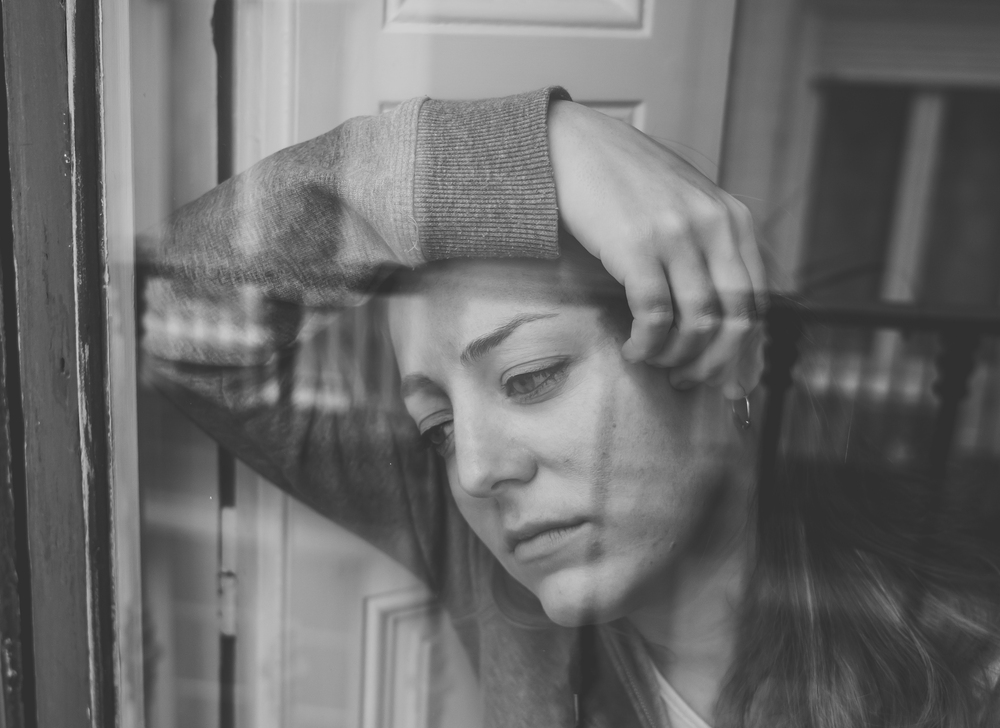
Obviously such fears of death, or to even discuss the critical part of our entire existence is not healthy. Death and loss occurs everyday and eventually death finds one’s family and friends. Those who flee death are less prepared, while those who study it and discuss it understand its implications. This does not guarantee one escapes the pain of loss associated with death of a friend or loved one, but it does recognize the reality which is crucial in understanding and coping with loss.
With every death, there is pain and loss experienced within a family, community, or culture. It is unavoidable because with death comes change. The change of no longer sharing a life with someone or being able to speak with someone or experience that person’s friendship. Death of a loved one brings emptiness and sadness, but these are not adverse or pathological reactions to be dismissed, rejected, or hidden. They are instead natural responses to losing someone that is loved. The reactions of death and loss are a result of love. Without love or attachment to someone, then there is no grief. There may be the simple statement of regret for that family, or person, or at a communal level or national level, a sense of anger and injustice, but true loss and pain is directly correlated with a more intense connection. Connection and attachment correlate with the degree of adjustment and pain in loss.
Every loss is unique and one cannot judge a mere relationship or assume connection with every type of death one experiences within a family or community. Different deaths have different meanings for people and how they react. One could lose a parent and be devastated over the loss, while someone estranged to a parent one never knew may feel no connection or intense pain. One may lose a pet that was the center of one’s world, while another may just see a pet as a pet. In other cases, one may be deeply struck by losing a grandparent, while others may not even know their grandparent.
In this blog, I preface that while we will discuss types of deaths, this is a general guide to reactions and common feelings. It in no way attempts to say this is the way one will feel if this person or that person dies. This should be seen as a general map of the more common grief reactions based on healthy connections without extraordinary circumstances. So, very well, the reader may connect to one point, but completely disagree with his or her own experience in the next. So, consider these different types of grief to different types of deaths as a general review.
Please also review AIHCP’s Grief Counseling Certification and see if it matches your academic and professional goals.
Accidental Qualities to Consider in Death and the Reaction to It
Accidental qualities are the unique elements that make deaths different for different people experiencing them. One could classify a particular relational death but the accidental and subjective aspects the story can increase emotional intensity or decrease. Some can complicate normal trajectory of grieving into complicated and prolonged grief disorders itself. Here are some things to consider as accidental qualities
Sudden Death or Expected Death
This is a huge factor in complications in grieving for some. While complicated grief is less common than normal grieving, complications are tied to sudden deaths at a higher level. Sudden death also brings more shock and awe and denial than other types of death. It is the sudden call on the phone at night with the horrible news. It is the call that one wishes was a nightmare and forever changes one’s life. One can be at work, or dinner, or at an event and the sudden news forever shatters the person. Sudden death can also create and imprint upon the person a fearful death anxiety. Unexpected death makes one question one’s own mortality.
Likewise, expected death while not as abrupt can bring about different reactions. If someone is very elderly, or if someone is terminal, the death is expected. One in fact is experiencing anticipatory grief and may be grieving already before the death occurs. The death can be seen as a relief for caregivers, or for family members who see the deceased as free from suffering. Some may experience guilt for this reprieve but they should not allow it to overtake them. Others may feel the intense pain of choosing to take a person off life support or a particular drug. The choices of palliative care can be a painful one for a family. Family should openly discuss their feelings when someone terminal or elderly finally passes. Again, this loss could be far more intense for a child who dies of cancer, as opposed to an elderly person in palliative care. Does this mean the loss is painless or not deserving to be experienced based on these things? Obviously, one is more tragic, but one should not be felt to pretend to be happy merely because one is finally relieved of suffering. There is an ambiguous as well as bitter sweet feeling when one loses an elderly family member over a stretch period of time.
Tragic Loss
A tragic loss usually coincides with a sudden loss but also includes a horrible death scene, or way the person died. This could involve war, a murder, or a tragic violent act. This can lead the survivor into a deep sense of mourning and anger. In addition, successful suicides can deeply hurt with with additional emotions of anger, guilt, or increased suicidal thoughts oneself. Tragic loss does not necessarily mean complications for the survivors, but it can lead to it.
Ambiguous Loss
Some family losses remain ambiguous and one never experiences closure. These deaths involve unrecovered bodies in war, or acts of nature. In addition, mourning a person who is kidnapped or loss leaves a person with a perpetual what if scenario. One cannot grieve death for fear of accepting it or even worst a horrible situation existing for a loved one.
Estranged Family Relationship
Estranged family relationships can intensify or lessen the impact of a loss. In some cases, when a family member who passes is estranged, there can be a feeling of anger, guilt, or a mixture of sadness and anger. Whether the justification for estrangement was legitimate or not, it can lead to an array of issues at the funeral with other family members who may feel estranged members are not welcome.
Abuse and Trauma
Abuse leaves trauma and when an abusive family member dies there may exist sadness, but also joy and justification. Some may feel a mixture of these feelings. Abuse can also make the abused feel guilty for the death of the abuser.
Emotional Connection
How attached to someone is essential to the equated pain, suffering and adjustment. Some individuals are closer to siblings or cousins than others. Some have a deeper connection to a friend than a different friend. So the mere title of the relationship does not always entail the emotional response. The more attached and connected to a person emotionally, physically, spiritually and financially, the more intense the change. Loss always equals change which equals grief.
Age of the Griever
Children grieve differently than adults. Those with mental issues also express grief differently. It is important to be aware of the age of the griever and their relationship with the deceased to fully understand their ability to understand death, much less express it in a healthy way.
Family Support
Support or no support plays a large role in reaction to loss. One who loses a spouse and has no other family or friends can experience deeper loneliness and pain. Those with support can share their grief and also receive additional care in funeral planning and post funeral life.
One can consider numerous other accidental qualities to even add to this list which make every death for someone unique and different in their grieving journey
Types of Losses to Death
Loss of a Child
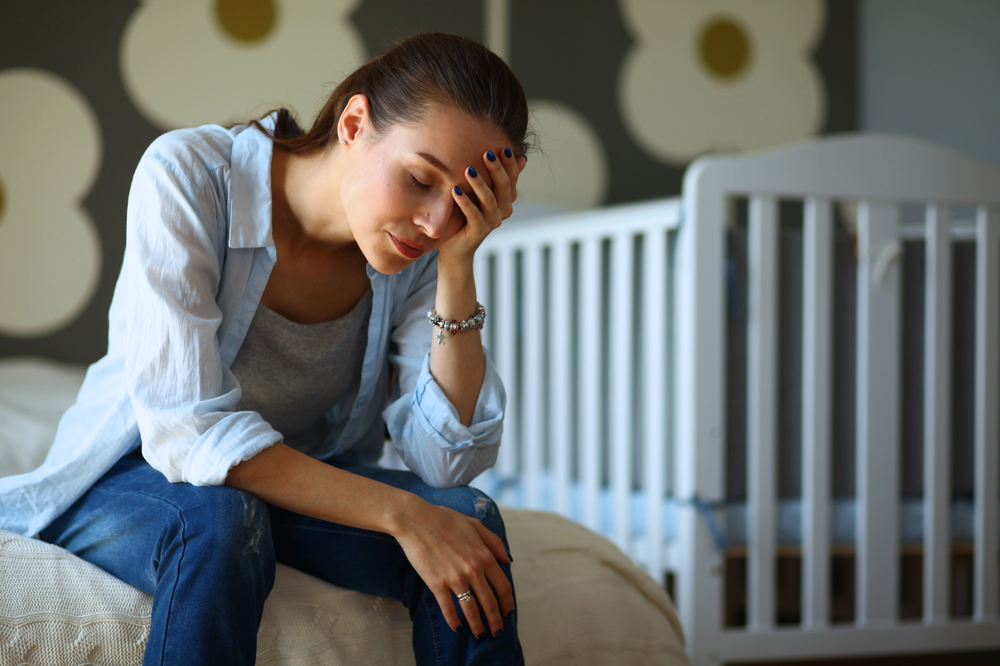
This is considered objectively to be the most painful loss despite subjective accidental qualities. Losing a child has its own accidental qualities that have a strong universal impact on any healthy parental relationship with the child. Again, the way it occurred suddenly in an accident, or in a cancer ward, shapes different experiences, but the emptiness, pain, and life long mark upon the heart never leaves. Losing a child in the womb, at birth, in infancy, adolescence, or young adult are all horrible in their own unique ways for the parent. It is singularly the most destructive change agent in a person’s life. The universal component captures the essence of unnatural. Children bury their parents, not the other way around. So while, some situations may give different perspectives on the loss, the grim reality remains a parent has buried his or her child. This type of loss that individuals like to avoid to even think about. The intense anxiety that the thought itself produces in the mind is painful enough. The intrusive image, or even conversation usually is immediately dismissed abruptly. One can then only imagine the nightmare and pain a parent carries in his or her heart when this loss occurs within any accidental possibilities. The nature of itself is horrible enough to keep one awake at night.
Loss of a Parent
Losing a parent is considered objectively to be the second most painful loss. Again, without a variety of accidental qualities, this loss ties oneself to one’s very existence. The caregiving and connection over life itself bonds the child to the parent. This attachment matures and changes throughout life to different needs. Obviously a child who loses a parent experiences a far greater blank in life. The pain of growing up without the parent and experiencing the parent in one’s life into adulthood. For adults who lose their parents, there is still a pain but it does follow a logical and natural course of burying an elderly parent. This too can have complications in whether the parent suddenly passed away or was terminal. Grievers may feel they are no orphans to the world when the final piece of source of physical existence no longer remains. For many, this emptiness comes sooner while others are blessed to experience this pain far later, but whether sooner or later, the loss of a parent leaves a deep emptiness and existential question of self. It also shifts one responsibility. One becomes, in adulthood, the new patriarch or matriarch of the family and with that new responsibilities and worries.
Loss of a Grandparent
For many, the loss of a grandparent is something that occurs in younger adulthood. Again, it can strike at any age which also creates different responses. For some, a grandparent may have raised them while others may have rarely seen the grandparent. Grandparents usually represent the first experience of death at a intimate and closer level of relationship for individuals. It introduces the person to the reality of death and that everyone will eventually die. For others, a grandparent represents unconditional love. In many cases, one represents reprieve from harder discipline that comes from parents. They are sources of wisdom, family history, and wit them dies a certain era and part of one’s life. Some may even feel guilt for not seeing them enough, which is a natural reaction and not one that should be allowed to fester.
Loss of a Sibling
Losing a sibling, especially, at a younger age, or in a sudden and horrible accident can have great impacts on an individual. For many, siblings, as well as cousins, are a a loss a long term relationships that are meant to span across one’s entire life. Siblings should be a person’s first friend. A shared story and identity in culture and family values and traditions binds brothers and sisters, and cousins, together. The assumed outcome is a long life, but when lives are shortened, this can bring one to horrible life changes and death anxieties. The closer the bond, even twins, the more intense the pain of loss.
Loss of a Spouse
Losing a spouse should be an intense loss equal to that a parent in some cases. With divorce and so many bad decisions, the modern world has come to see spouses as replaceable, but for those truly in love, losing a partner can leave one truly alone in life. A younger couple who experiences this may subjectively suffer differently from a couple with children as opposed to a couple who has spent 50 years of marriage together. With these losses, unique challenges emerge. Younger spouses look to rebuild, spouses with children look to raise children alone, and older spouses may very well die of a broken heart. With these losses, roles of duties, income disparity, and other secondary losses with groups of people can all emerge and create further pain and discomfort in the new adjustment of life.
Loss of a Pet
This is the most disenfranchised of losses because according to some, pets are not people. The connection and love that human beings share do not need to be confined to merely other humans. In fact, many pets carry higher family values than some actual family members. Many pets are considered children to the person and play a deep connective and important emotional role to the person. While, pathology can exist in some extreme cases, for most pets, they are family and deserve the same love and grief when they are gone and people will grieve their pets as grieving any other family member. In fact, this is normal in itself and should be respected.
Conclusion
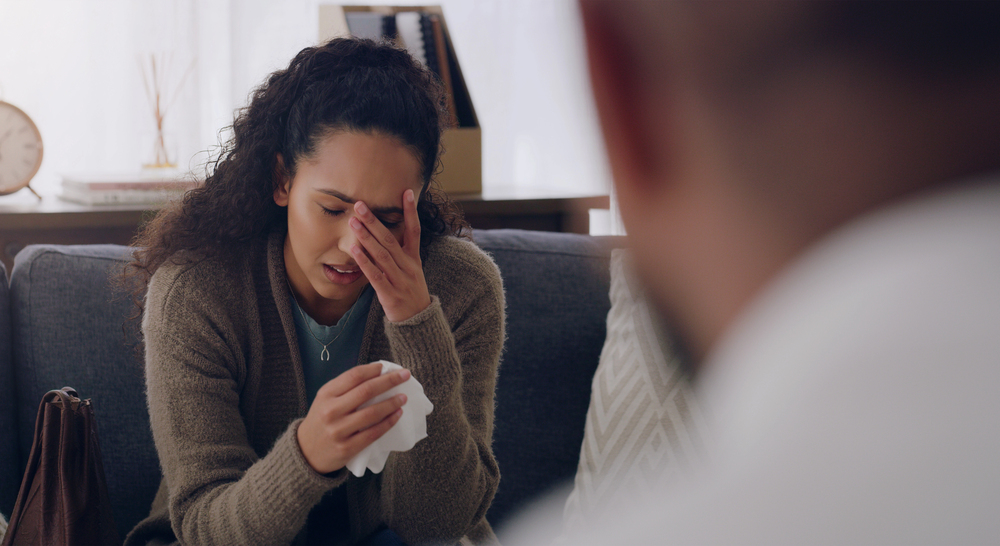
While the death of a person creates loss for other people, the type of death and the accidental qualities surrounding it make one singular event a very different experience for other people. Grief Counselors need to be aware of the whole story surrounding the grief of someone who has lost a friend or family member. Grief Counselors can just not assume the loss will be felt in a certain way due to relationship status, but must instead understand the subjective relationship the person had with the deceased. There will be some common threads with particular losses but there will also be numerous accidental qualities to a particular loss that can play a key role how the person reacts and how the person adjusts to the loss.
Please also review AIHCP’s Grief Counseling Certification, as well as its Child and Adolescent Grief Counseling Program, Pet Loss Grief Counseling Program, Christian Grief Counseling Program, Grief Diversity Counseling Program, Grief Perinatal Program, Grief Practitioner Program and finally its Grief Support Group Leader Program.
All programs are open to qualified clinical and non clinical professionals.
Additional Blogs
Death of a Friend: Click here
Child Grief and Death. Click here
Additional Resources
Fisher, J. (2023). 5 stages of grief: Coping with the loss of a loved one. Harvard Health Publishing. Access here
Solomon, D. (2025). Do’s and Don’ts When a Loved One Is Dying. Psychology Today. Access here
Ten Reasons Why Losing a Grandparent Still Hurts Deeply as an Adult — Understanding Adult Grief and Ways to Cope. Grief Support Center. Access here
Bahou, C. (2025). “Coping with the loss of a parent: Handling grief and more”. MedicalNewsToday. Access here