
When a person is confronted with a life and death situation, the body responds with a fight, flight, or freeze response. Other responses can include fawning, or complete total shutdown of the body. These behavioral responses to stressors, life altering events, or trauma in forms of abuse or loss correlate with inner workings of the sympathetic nervous system which activates the body to respond. While in the acute phase of reaction to threats, this evolutionary reaction system is good and beneficial but when trauma becomes stuck and unresolved resulting in constant hyperarousal or hypoarousal manifested in PTSD, then it can become pathological and require intense therapy to resolve the unresolved trauma. This article will review the inner workings of trauma response within the brain and why unresolved trauma becomes an issue for some individuals.
Please also review AIHCP’s Healthcare Certifications, especially in Trauma Informed Care, Grief Counseling and Crisis Intervention
The Brain and Threat Reaction
All reactions within the body are due to stressors. When something is perceived as a threat, the body responds. This fear circuitry promotes safety and survival (Evans, 2014, p. 20). The old part of the brain is the emotional part and possesses the feelings while the newer more evolved part of the brain processes the feelings from an intellectual perspective. Both these processes interact in stress response over riding each other. The primary reactions to stress include the autonomic nervous system which activates the sympathetic for fight or flight, the hypothalamic-pituitary-adrenal axis which releases hormones and cortisol for stress response and the limbic system of the brain which processes threats and emotions during a threat.
Evans notes that the fear response to threats is a crucial part of human survival and the process in which human beings react to fear in the brain is essential (2014, p. 21). Unfortunately, some events are not processed properly in the moment due to extreme emotional imprinting and this leads to unresolved issues.
In any fear, terror, or stress moment, the brain analyzes the threat. Within seconds, the sympathetic nervous system is activated to the perceived threat. The body releases norepinephrine and epinephrine , also known as noradrenaline and adrenaline into the body. The hypothalamus and pituitary gland also then releases cortisol into the body. This increases blood flow and heart rate, tightens muscles and prepares the body for fight or flight. In turn the amygdala processes these emotions and stores them. While the amygdala is operating, the prefrontal cortex or thinking part of the brain is less active. Once the threat is distinguished, the body is supposed to return to a base line state. Evans refers to this process as fear extinction (2014, p., 21). Individuals who continue to experience heightened fear responses when the threat is no longer an issue exist in a state of dysfunction with unresolved trauma since the brain cannot tell the difference between the memory and current non-threatening state.
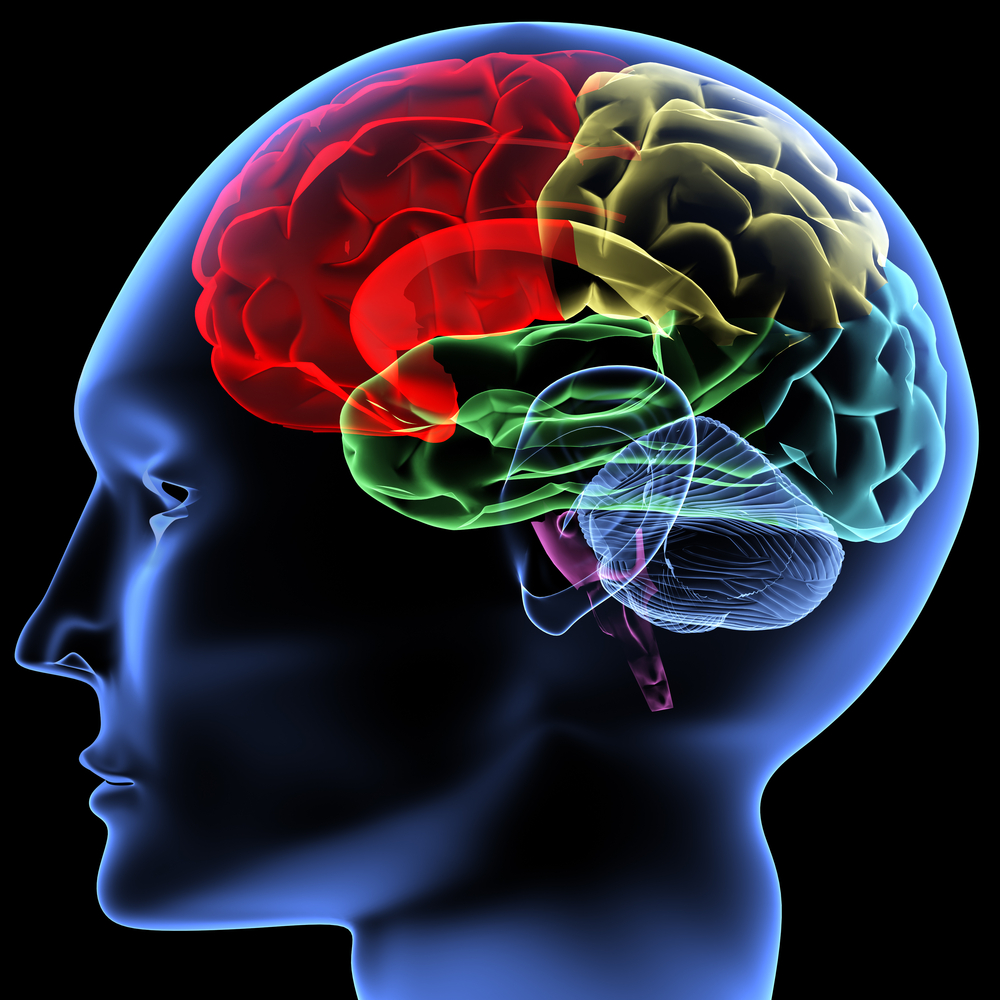
Key to stress response are three key parts of the brain. This includes the hippocampus, the amygdala and the prefrontal cortex which make up the limbic system. These three interplay with each other and are key to fear extinction, emotional regulation and cognitive reasoning (Evans, 2014, p. 22). They also play a key role in storing memories from short term to long term storage and differentiating between past and present threats. The hippocampus deals with memory and context. It plays a key role in processing and storing memories and when the hippocampus is in dysfunction this can negatively effect trauma resolution. The amygdala during the stress response also becomes activated. The amydala is the alarm system of the brain. Those with PTSD are said to have a hyperactive amygdala due to unresolved trauma which prevents fear extinction (Evans, 2014, p.24). The pre-frontal cortex which manages cognitive thought, emotional regulation and decision making. It can also become impaired during trauma. When not working, it can lead to subjective fears and lack of emotional regulation and loss of rationale. Under normal circumstances, fear is extinguished and the body returns to a normal state via the hippocampus processing the context of here and then, the prefrontal cortex processing the event, and the amygdala activation decreasing. In cases when trauma is unresolved, the hippocampus is unable to process the here and now, while the amygdala remains hyperactivated, preventing the prefrontal cortex from processing the event. This hinders the ability of the hippocampus to store the memory properly in the past and the hyperactivation of the amygdala inhibits the prefrontal cortex from problem solving (Evans, 2014, p. 31-32).
Unresolved Trauma and PTSD
Individuals exposed to extreme cases of pain, loss, abuse, war, or inhumane treatment have the potential for PTSD. Post Traumatic Stress Disorder or PTSD is one of the most common forms of unresolved trauma disorders that individuals face. Once considered only a war time disorder, it now can effect any trauma survivor of abuse, rape, or natural disaster. Yet it is important to note that the same horrific event may be processed by some and not others. Most can process the traumatic event within 3 months, while others may experience prolonged trauma (Evans, 2014, p. 29). Numerous subjective variables about the person’s genetics, brain structure, past trauma, resilient traits and social support all play roles why some persons process trauma without dysfunction and others do. It is not a sign of weakness but merely an inability for a particular case and reason that the brain is unable to properly process the situation. As seen above, this sometimes has much to do with the amygdala and the inability to extinguish the fear.

Due to these issues, hyperarousal or hypoarousal can occur in those with PTSD. This leads to re-experiencing symptoms, avoidance, as well as hyperarousal which can lead to hypervigilance (Evans, 2014.. p. 29). Those with PTSD are unable to regulate emotions when hyperarousal or hypoarousal occur. To learn more about hyperarousal or hypoarousal and emotional regulation, please click here. Whether hypoarousal and its symptoms of numbing, withdraw and dissociation, or hyperarousal and its symptoms of anxiety and hypervigilance, the brain is unable to differentiate the past trauma with current triggers. This can cause flashbacks where the person loses contact with time, or location. Only until the person learns grounding techniques and ways to regulate emotion can he/she find a window of tolerance to experience the event, process it, recreate new neuropathways associated with the memory, and store it long term without unresolved trauma symptoms.
Many counselors utilize exposure therapies such as EMDR, or cognitive therapies such as CBT to help clients and victims revisit and reframe the event in a healthy fashion and learn to process it as well as manage and regulate emotions that can be triggered due to the event.
Conclusion
The purpose of this short article was more so to understand the parts of the brain associated with the stress response and how the brain normally operates to better understand why when it does not operate correctly, one experiences unresolved trauma and PTSD. An overactive amygdala and underactive prefrontal cortex play off each other and cause the inability for the body to continue the process of fear extinction. This causes an inability of the hippocampus and prefrontal cortex to properly process, understand and store the memory. While most resolve traumatic experiences within 3 months, some do not. There are many subjective variables as to why one person and not another may experience unresolved trauma. Trauma Informed Care specialists understand the neuroscience behind PTSD and help the client or victim find windows of tolerance and teach them emotional regulation and grounding techniques to heal from cope as well as heal from past trauma.

Please also review AIHCP’s Trauma Informed Care Certification as well as its many healthcare certification programs.
Reference
Evans, A. & Coccoma, P. (2014).”Trauma Informed Care: How Neuroscience Influences Practice”. Routledge.
Additional Resources
“The Neurobiology of Trauma: Understanding the Brain’s Response to Adverse Experiences 2025”. Kaplan Therapy. Access here
“How the Brain Reacts to Stress and Trauma” Science News Today. Access here
Kubala, K. (2021). “The Science Behind PTSD Symptoms: How Trauma Changes the Brain”. PsychCentral. Access here
“Trauma and the Brain: PTSD Brain Diagrams Explained” (2024). NeuroLaunch. Access here