
 Written by Deepika,
Grief is a complex process, one that involves some type of loss in most cases. Not everyone possesses the internal resources needed to deal with overwhelming or crippling grief. While this emphasizes the demand for grief counselors, it’s important to understand that their role is not confined to a box.
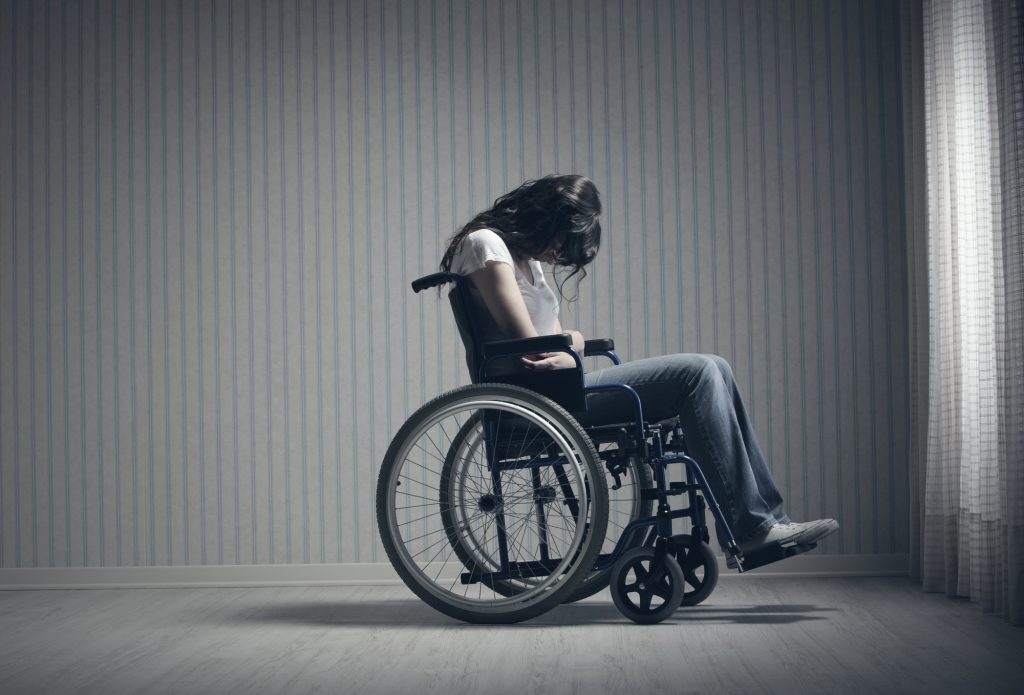
Many people only think of bereavement when a major loss is discussed. What about a life-altering injury that can leave someone grieving abilities they once had, a career they valued, or a future they had dreamt of? These losses can be just as important to address as the physical effects of the injury.
Healthcare professionals interested in this area can specialize in grief counseling to support patients through a part of recovery that medical treatment may not suffice for. This article explains how to prepare for a specialization in grief counseling to support people after catastrophic injuries.
Understand How Grief Works When Life is Forever Changed by Injury
The first thing about injury that every healthcare professional must understand is that it is not always the same. As the Loewy Law Firm notes, a catastrophic injury causes permanent damage to the body and makes the victim unable to return to their former life or work.
What differentiates a catastrophic injury from other kinds is the duration and the intensity of medical care required. Here, instead of losing another person, the individual may be coming to terms with changes in their body, abilities, independence, or the future. Such losses can continue to affect them long after the initial injury and medical treatment.
At the heart of it, a patient may be grieving several changes at the same time, including:
- The loss of mobility, strength, coordination, and other physical abilities
- The need to seek help with activities that were previously normal or private
- Being unable to return to a former career or support themselves in the same way
- An unexpected change in responsibilities and relationships because of the injury
- The internal struggle with changes in appearance or the roles that once shaped their sense of self
- Having to reconsider plans or goals that once seemed achievable
The reason such injuries are called life-altering is that their physical and emotional effects are severe. A 2025 study of people with moderate-to-serious brain injuries found that almost half of the participants continued to experience symptoms of anxiety/depression eight years after their injury.
Moreover, difficulty dealing with the effects of the injury was also associated with higher emotional distress and poorer quality of life. Family and friends can provide valuable support, but they may not know how to deal with the situation. Motivating a patient to ‘stay positive’ or focus only on physical health leaves no room to process their loss.
For healthcare professionals counseling victims of catastrophic injuries, this means looking beyond the immediate physical consequences of the injury. A counselor also needs to help clients express difficult emotions, work through changes in identity, and understand how their losses are affecting their relationships/future.
Build the Skills to Guide Others Through Grief
A general understanding of grief is not enough to counsel someone after a life-altering injury. There are several things patients often deal with at once, including physical disabilities, family responsibilities, changes in work, and plans for the future.
A counselor must be able to understand such different concerns without assuming that every patient experiences them in the same way. So, what are some important skills professionals interested in becoming a grief counselor for catastrophic injuries must develop? They include the following:
- Active listening, as patients require time and room to open up about their difficult experiences and emotions
- Empathy without reservations, as two people with similar injuries may grieve very differently
- Trauma-aware communication, where calm, respectful language is used without any pressure on patients to discuss their painful experiences
- Respect for independence, as patients need opportunities to make choices wherever possible to retain a sense of control
- Awareness of serious emotional concerns, since counselors must recognize when grief may occur alongside major depression, anxiety, or thoughts of self-harm
A 2026 CBS News report showed how recovery can continue long after the initial injury. It shared the story of Hannah Strom, who survived a 2020 crash that injured 10 students and their coach. The incident left her with a broken leg and pelvis, a collapsed lung, and a traumatic brain injury (TBI). Over six years later, she was working as a rehabilitation aide at the same hospital where she had recovered.
The report also highlighted the importance of looking beyond the immediate treatment of a serious injury. From the outside-in, a bird’s-eye view would suggest the need to prevent such injuries in the first place.
Joseph Nugent, a fourth-year resident neurosurgeon at Oregon Health and Science University and a former paramedic, said, “When I was a paramedic, I brought countless patients to the hospital with traumatic brain injuries.”
He continued, “Skilled neurosurgeons can accomplish a lot, but my fire department and public health mentors showed me the best way to optimize outcomes for trauma is to direct efforts toward preventing the injury in the first place.” Indeed, prevention and grief counseling address different parts of the recovery process, but the crux is to extend care beyond the immediate injury.
Finally, one cannot neglect the limits of grief counseling. Some patients may require assessment or treatment from another qualified mental health professional, especially when emotional challenges become severe. Even then, knowing when to involve others from the care team is an important part of preparing for this specialization.
Lay the Groundwork for a Counseling Specialization
Once you know your interest is in the area of grief counseling for life-altering injuries, it’s time to materialize that interest. What this means is that professionals need a strong foundation in grief, counseling, trauma, and the way serious injuries affect a person’s daily life and sense of self.
The right preparation will depend on your existing healthcare background and professional goals. For instance American Institute of Health Care Professionals (AIHCP) has been offering grief counseling certification and CE courses in grief/bereavement for over 25 years. Receiving specialized continuing education and certification is a great way to increase your knowledge and lay the groundwork for your own grief practice.
Be mindful that even college level healthcare training may not always give you the extensive knowledge/experience you need for dealing with grief. A 2026 exploratory survey of US medical schools found that, among the 10 schools that responded, 60% devoted fewer than five hours to teaching students how to cope with grief. Where as a certification with AIHCP is worth 100 continuing education hours.
What’s more, 60% did not formally include physician grieving or coping in their curriculum. Only 20% reported offering specific clinical experiences involving end-of-life care during the preclinical years. Now, the survey had a low response rate, so it cannot be treated as representative of every US medical school.
However, the findings make it clear that general healthcare experience does not always provide all the specialized knowledge needed to support people through a major loss. Deliberation on your part is a must. Therefore, consider preparing in the following ways:
- Familiarize yourself with how people cope with different forms of loss.
- Strengthen your ability to listen attentively, ask useful questions, and communicate with empathy.
- Learn how traumatic experiences can affect emotions, behavior, relationships, and a person’s ability to recover after an injury.
- Understand the different types of complex grief responses.
- Develop a clear understanding of confidentiality, informed consent, and professional boundaries.
- Look into the emotional demands of working with people experiencing grief and how they may affect your ability to provide care.
It is equally helpful to connect your grief counseling education with the type of injuries you may encounter. For example, someone working with people who have traumatic brain injuries may benefit from learning more about cognitive and behavioral changes. Similarly, those likely to work with people experiencing spinal cord injuries may require a deep understanding of changes in mobility and daily living.
Gain relevant practical experience by exposing yourself to rehabilitation settings, hospitals, support groups, and community services. No matter the course you choose, do not forget to earn a proper license, especially when your role demands it.
Join Hands With the Patient’s Wider Circle of Care
The process of recovering from any sort of trauma is so complex that it cannot happen in a vacuum. Patients often have to work with physical therapists, social workers, rehabilitation specialists, and other healthcare professionals. If you plan to specialize in this area, it’s vital to understand how a host of professionals contribute to recovery.
That’s the key to knowing where grief counseling fits into the big picture. Let’s consider a 2025 study that analyzed data from 79,604 people with moderate-to-severe traumatic brain injuries in the US Traumatic Brain Injury Model Systems database. Researchers compared 4,620 people who began rehabilitation early with 2,722 who joined much later.
Earlier rehabilitation was found to be associated with improvements in productivity and life satisfaction. The latter included aspects like regaining independence, rebuilding relationships, and participating in daily activities. As you prepare for the specialization of grief counseling, learn to understand where your role stands amid the work of other professionals.
Here’s an example: A patient who gets frustrated with rehabilitation may need a physical therapist to address a functional problem. At the same time, a counselor can help the patient work through the grief and frustration surrounding that limitation. Once you develop an understanding of how everything is interconnected, it will help you in the following ways:
- You will know the role and contribution of each healthcare provider in the patient’s recovery.
- It becomes easier to understand the patient’s goals, such as what they wish to accomplish for themselves.
- Communication becomes smoother as you learn to share information between team members while preserving patient privacy.
- The changing needs of the patient are easier to spot, which may shift from surviving the injury to dealing with relationships or their future expectations.
FAQs
What does a grief counselor do for someone with a life-altering injury?
A grief counselor helps patients process losses related to independence, abilities, relationships, work, identity, and future plans. They provide emotional support, help patients understand their changing circumstances, and recognize when additional mental health care or support may be needed.
What skills are required to counsel people after catastrophic injuries?
Important skills include active listening, empathy, respect for patient independence, trauma-aware communication, and asking thoughtful questions. Professionals should also understand grief, trauma, professional boundaries, and how emotional challenges affect recovery.
What preparation is needed to work with patients experiencing injury-related grief?
Preparation to work with patients experiencing injury-related grief may include education in grief and counseling, trauma awareness, relevant healthcare knowledge, practical experience, and ongoing professional development. Professionals must also understand their licensing requirements and learn how to work with a multidisciplinary care team.
Key Data Points to Consider
| 2025 study of people with moderate-to-severe acquired brain injuries | Almost half of the participants continued to experience symptoms of anxiety/depression eight years after their injury. |
| 2026 exploratory survey of US medical schools |
|
| 2025 analysis examining 65 studies for group-based psychosocial interventions for adults with acquired brain injury | The meta-analysis of 48 studies involving 2,653 participants found a small but statistically significant improvement in psychosocial outcomes. The outcomes considered were anxiety, depression, emotional distress, quality of life, and social support. |
Healthcare professionals cannot afford to rip apart the emotional and social aspects of recovery after a catastrophic injury. A 2025 analysis examined 65 studies for group-based psychosocial interventions for adults with acquired brain injury. In the meta-analysis, 48 studies involving 2,653 participants were included.
The review discovered a small but statistically significant improvement in psychosocial outcomes. The outcomes that were examined included anxiety, depression, emotional distress, quality of life, and social support. Now, this does not mean that a single counseling approach will work for every patient.
However, it does bring our original exploration full circle: recovery has to do with more than the immediate injury. So, your goal is not just to help someone feel better about what happened. It is to support them in working through the losses and discovering new ways to participate in family life, work, relationships, and the community.
References
- Lgoe Anna et al. 2025. Psychological outcomes following moderate-to-severe acquired brain injury: A longitudinal study. PubMed.
https://pubmed.ncbi.nlm.nih.gov/40521926/
- Robinson, Erik. August 2026. Causes of traumatic brain injury vary widely worldwide, study finds. Oregon Health and Science University.
https://news.ohsu.edu/2026/08/19/causes-of-traumatic-brain-injury-vary-widely-worldwide-study-finds
- Vishwanath Vineet, Plummer M Maria, et al. March 2026. Grief and coping education in US preclinical medical curricula. Findings from an exploratory survey. PubMed Central.
https://pmc.ncbi.nlm.nih.gov/articles/PMC13039567/
- Thomson Kate, Haslam Catherine, et al. August 2025. Group Psychosocial Interventions Following Acquired Brain Injury: A Systematic Review and Meta-analysis of Group Process and Outcomes. Springer Nature Link.
https://link.springer.com/article/10.1007/s11065-025-09670-w
Author Bio
Deepika has over six years of experience as a writer and editor. Passionate about words and learning, she takes an interest in a variety of niches. Her knack for turning complex ideas into relatable narratives allows her to resonate with the reader. When her pen falls silent, you can find her engrossed in a novel or getting her hands messy with fine arts. Through these, Deepika is committed to keeping her curiosity and creativity alive.
Please also review AIHCP’s Grief Counselor Certification program and CE courses see if it meets your academic and professional goals. These programs are online and independent study and open to qualified professionals seeking a four year certification