
Carl Jung is one of the pioneers of modern psychology, along side Sigmund Freud and Alfred Adler. In fact, Jung for the longest period was part of Freud’s Psychoanalytic society, but like Adler, Jung also soon became at odds with all of Freud’s concepts. Despite this, Jung nevertheless maintained a strong affinity for the study of the conscious and unconscious mind and how they can be better aligned for optimal health. In this blog, we look briefly at some key concepts of Jungian psychology and what aspect of these theories hold strong modern day weight and significance for counselors.
Please also review AIHCP’s numerous behavioral and healthcare certifications, including programs in Grief Counseling, Christian Counseling and as well as Trauma Informed Care and Crisis Intervention.
Jungian Psychology

Carl Young’s psychology was based upon the conscious mind, subconscious mind and collective unconscious. Jung looked to help individuals find find individualization by awakening the subconscious mind but also integrated both the subconscious and conscious for a more healthy and whole person (Tan, 2022). Jung considered the conscious mind to be a person’s accessible aspect of one’s nature in which the psyche or personality of the person resided. Within the psyche, the ego exists as a unifier of memories and conscious thoughts of the entirety of the person. Within this development, the self emerges as the center of self realization. One’s personality is comprised of both the self and persona. The persona is the mask or behavior one exhibits in public, but the true self is what defines the person. Personas that overlap to far into self, can cause complexes and deeper issues in knowing oneself perfectly. Jung, also developed theories that have been more developed today with two of the most core basic personality traits of introvert or extrovert (Tan, 2022).
Beneath the layer of consciousness, the personal unconscious exists. This, according to Jung, is the aspect of one’s personality where thoughts, feelings, experiences, as well as perceptions are screened out of the conscious mind. These unconscious aspects of oneself need to be discovered and integrated with the conscious self. It is there that one can find repressed memories, forgotten experiences or various personal complexes. Finally, unique to Jung was the concept of the collective unconscious which consists of all universal human qualities that are shared and transpersonal to all human beings. People, according to Jung, are predisposed to certain feelings or archetypes in how one perceives oneself and experiences. Archetypes have form but not true content (Tan, 2022). Archetypes work in such a way to help the unconscious connect to the conscious and influence one’s behavior.
Jung spent many years studying diverse populations and cultures to try find universal archetypes and symbols of those archetypes in the human collective unconscious. Among the many included death, birth, power, the child, the hero, the sage, the earth mother, the snake, the demon and unity (Tan, 2022). Also included were the anima or animus sexual archetypes that exist within male and female. The anima representing the female qualities within a male, and the animus representing the male qualities within a woman (Tan). Also of importance was the persona or mask of the individual’s personality as well as the darker more primitive side of the shadow, which correlated with Freud’s ID.
Jung believed that through understanding one’s unconscious mind, both personal and collective, as well as identifying one’s archetypes, one could find self actualization and balance in life. However, since many of these concepts took time to unearth, he did not feel that anyone until their middle age could truly emerge as their true self.
Dream Analysis
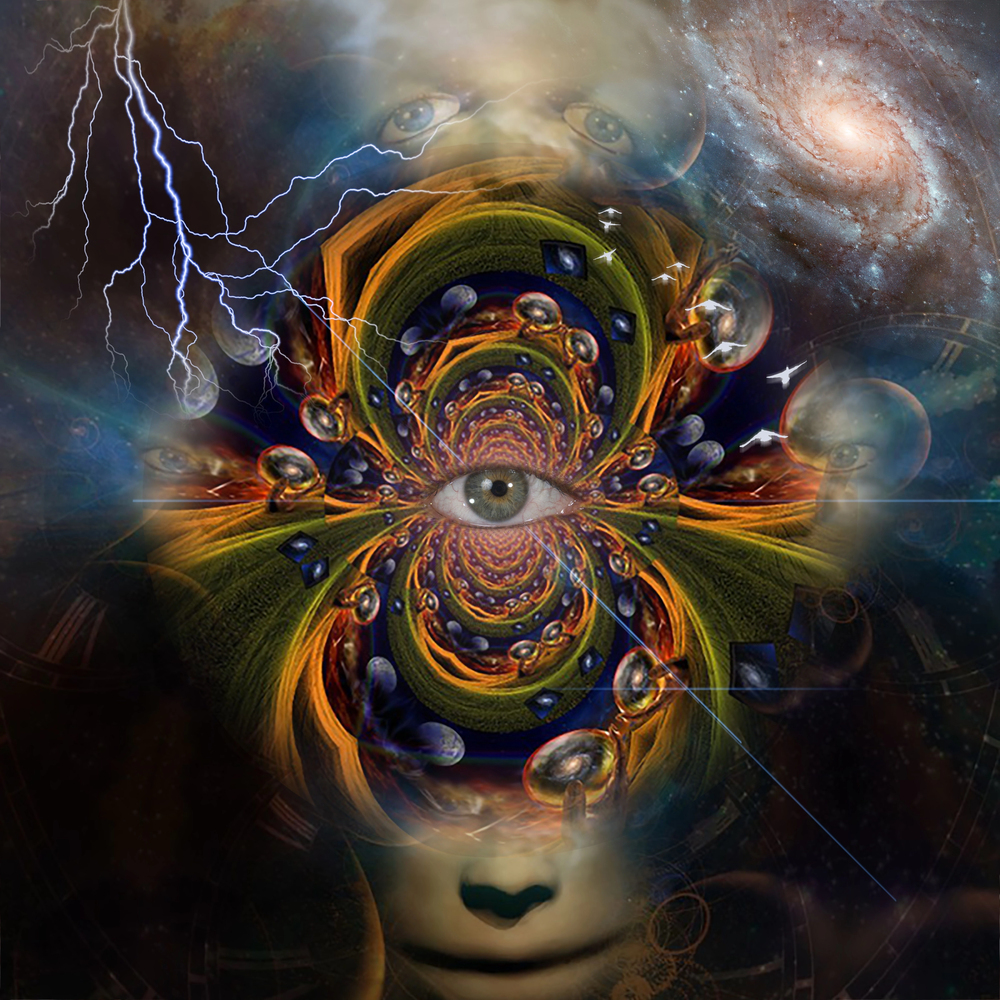
A key aspect of Jungian psychology and therapy involves dream analysis. The trained Jungian therapist is able to help individuals understand the subconscious and collective unconscious mind through dreams and better identify one’s true self. Jung did not necessarily see dreams as repressed thoughts as did Freud, but Jung saw dreams as reminders to important things or what one should be attentive towards. He believed dreams could display a person’s fear, wishes, impulses or solutions to problems (Tan, 2022). In analysis, the parts of the dream, if recalled, are divided and interpreted through various symbols in dreams. Jung, believed that therapy is a journey between therapist and client, not so much a distant observation. He believed that through thee interpretation of dreams, as well as other techniques, therapists could help clients transform, individualize and self actualize their true self.
Modern Significance
While only a small percentage of therapists identify as Jungian or for that matter train within the school of Jungian Psychology, there still exists therapists who employ his methods and train under this discipline. Like Freudian Psychology, there still are many benefits that can have been seen in case studies to show benefit, although many lack a more intensive case study with controlled and uncontrolled groupings. Many counselors may utilize some concepts from Jung and apply as needed to individual cases, while not completely and totally undertaking a Jungian theme in their practice.
According to Tan, Jung made meaningful contributions to the developments on the study of personality, the focus on midlife, and the potential of wisdom and knowledge latent within the unconscious mind. In addition, Jung emphasized in these dialogues of self with the unconscious to become aware of the shadow self, or the darker side of one’s nature, to not free it, but to acknowledge it and learn to control it. Finally, Jung contributed greatly to the concepts of dream analysis as well as transference and countertransference between counselor and client.
Tan also discussed possible weaknesses within Jungian psychology. He points out that the concept of the collective unconscious as theory remains impossible to verify empirically and also the lacks controlled case studies. In addition, many of the concepts are very gnostic in theory. Tapping into unknown levels of unconsciousness to discover knowledge resembles a gnostic ideal, as well as Jung’s belief in the spiritual realm, which instead of finding a spiritual relationship with a personal God, views this spiritual relationship as a archetype to help one to know thyself. Obviously, Jung’s spirituality was something that drew a wedge between Freud and himself. Jung’s spirituality is far from one that would resemble most Christian traditions but better resembles those who consider themselves more spiritual than religious. In addition, evil or the shadow side of human nature while identified as not good, remains in many ways more so like an equal power to the good that must be balanced. This also differs greatly from many monotheistic ideals on morality.
One can still state overall that Jungian psychology has numerous unique elements and many useful techniques and tools in understanding the human mind. For that reason, many of his concepts are still studied and adapted to modern therapies and can be used for a wide variety of issues ranging from anxiety to depression, to phobias and and issues of self esteem.
Grief and Trauma
Carl Jung remains a pioneer in the area of psychology and one would be very naive to discredit many of his contributions or even not apply when applicable some of his ideas, especially in the areas of human philosophy, personality, human development and self actualization and individualization to a more holistic and mental health.
From a grief perspective, human loss and pain involves adjustment and change. Jungian concepts of helping the conscious mind and subconscious mind find each other can help one find more meaning in loss and work out any pathological reactions to loss itself. Dream analysis can also aid the person in understanding the loss and the time it takes for the mind to process the loss. The same can be true for trauma. Trauma exists within the subconscious mind. Traumatic memories due to intense emotional imprinting and survival mechanisms can leave the subconscious mind in a survival default mode causing anxiety. Understanding the unconscious mind, finding balance and self actualization can all play key roles in helping one process trauma properly.
Conclusion

Please also review AIHCP’s numerous Healthcare Certifications, as well as its Grief Counseling Program. Other programs include Christian Counseling, Trauma Informed Care, Anger Management, Crisis Intervention and also Stress Management. Many Jungian theories can help counselors in these areas.
Additional Blogs
Freudian Defense Mechanisms- Access here
Additional Resources
McCleod, S. (2025). Carl Jung’s Theory of Personality. Simply Psychology. Access here
Jungian Therapy. Psychology Today. Access here
Heyl, J. (2025). Carl Jung: Biography, Archetypes, Theories, Beliefs. VeryWellMind. Access here
What is Jungian Psychology? (2024). Routledge. Access here