
I. Introduction
The interplay between fear and trauma recovery presents a complex landscape that merits thorough exploration. Trauma engenders not only immediate emotional distress but also long-term psychological effects, often compounded by societal misconceptions surrounding emotional harm and its validity. Judicial skepticism toward claims of emotional injury, as discussed in recent legal discourse, reflects a broader cultural reluctance to acknowledge the profound impact of fear. The limitations placed on emotional harm claims, as seen in the Restatement (Third) of Torts, hinder recovery for those whose lives have been irrevocably altered by trauma (Grey et al., 2015). This entrenched skepticism must be reevaluated, particularly in light of advancements in neuroscience that illuminate how fear reshapes the brain and influences recovery pathways (Grey et al., 2015). By comprehensively analyzing the role of fear in trauma recovery, this essay seeks to underscore the significance of addressing emotional harm within both psychological treatment and legal frameworks.
Please also review AIHCP’s Healthcare Certifications as well as its Trauma Informed Care Program

A. Definition of trauma and its impact on individuals
Trauma is fundamentally defined as an emotional response to distressing events, significantly affecting an individual’s mental and physical health. This psychological phenomenon can arise from a range of experiences, including violence, accidents, or natural disasters, leading to lasting emotional scars that hinder everyday functioning. Recent studies indicate that psychological trauma may exert more profound effects on a persons well-being than physical ailments, highlighting the critical need for comprehensive understanding and intervention strategies . Individuals grappling with trauma often exhibit altered life perspectives, including negative assessments of their past and distorted hopes for the future, demonstrating how trauma reshapes one’s outlook on life (N/A, 2024). Ultimately, recognizing the complexities of trauma is essential in facilitating recovery, as the interplay of fear and healing becomes pivotal in the therapeutic process (N/A, 2024). Thus, understanding traumas definition and its multifaceted impacts is crucial for effective recovery strategies.
B. Overview of fear as a natural response in trauma recovery
In the context of trauma recovery, fear serves as a fundamental natural response that can profoundly influence the healing process. This emotional reaction, albeit distressing, is rooted in evolutionary biology; it acts as a protective mechanism, alerting individuals to potential dangers and fostering survival strategies during threatening situations. In trauma survivors, fear can manifest as hypervigilance, avoidance behaviors, or intrusive memories, which are common reactions to trauma that hinder recovery. However, understanding and acknowledging this fear is essential for therapeutic interventions. When fear is framed not merely as an obstacle but as a natural component of the fallout from trauma, individuals can begin to process their experiences more effectively. Engaging with fear through various therapeutic modalities can facilitate desensitization and promote resilience, ultimately aiding in the reconstruction of a safe emotional environment for recovery (Gingrich HD et al., 2017-12-19). This nuanced perspective highlights the complexity of fear in the long journey towards healing.
While fear is a natural response, it can become an obstacle when one hopes to later recover from the traumatic event. While the threat is no longer present, the mental state of fear can prevent individuals from facing it, as well as working in therapy to lessen its effects on recovery.
II. Understanding Fear in the Context of Trauma
Fear, as a fundamental response to trauma, significantly shapes the recovery process, manifesting in various psychological and behavioral challenges. This emotional response is not merely a consequence of the traumatic event but is intricately linked to the neurobiological changes that occur during such experiences. Research utilizing animal models indicates that a single traumatic event in childhood can alter fear learning strategies, predisposing individuals to increased vulnerability to post-traumatic stress disorder (PTSD) later in life (Emerenini S et al., 2017). Moreover, maternal mental health during pregnancy has been shown to impact both the mother and child, with fear of childbirth and postnatal PTSD affecting their emotional and psychological well-being (S Ayers, 2014). Understanding these dynamics is crucial in addressing trauma recovery, as it allows for targeted interventions that focus not only on the trauma itself but also on the complex emotions of fear that permeate the healing process.
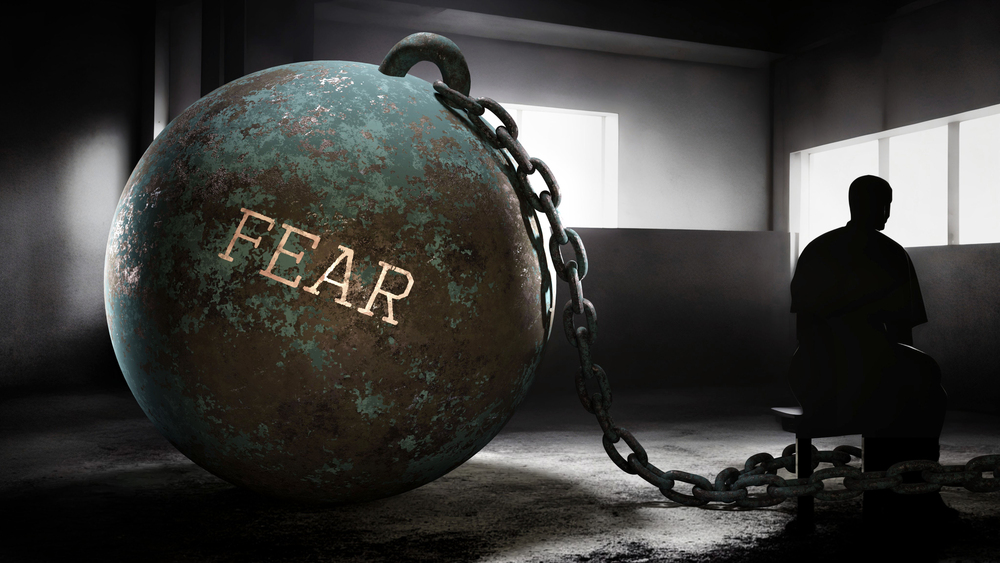
A. The psychological mechanisms of fear in trauma
Understanding the psychological mechanisms of fear in trauma is critical for effective recovery strategies. Fear is not merely an emotional response; it activates complex neural circuits that can perpetuate trauma, especially in individuals suffering from post-traumatic stress disorder (PTSD). Research indicates that conditions such as PTSD can lead to significant alterations in brain regions like the anterior cingulate cortex (ACC), which plays a vital role in fear-conditioning processes, thereby influencing how individuals cope with traumatic memories (Boccia et al., 2015). This neurobiological basis underscores the importance of targeted therapeutic interventions that focus on desensitizing fearful responses. Furthermore, traditional judicial skepticism regarding emotional harm, often rooted in practical concerns about causation and credibility, has been challenged by advancements in neuroscience, suggesting a more equitable recognition of emotional distress claims (Grey et al., 2015). By integrating these perspectives, professionals can foster a more holistic approach to trauma recovery that acknowledges the profound impact of fear on psychological well-being.
B. The role of fear in the fight-or-flight response
Fear serves as a critical catalyst in the fight-or-flight response, an evolutionary mechanism that prepares individuals to confront or evade perceived threats. This physiological and psychological reaction is mediated by the autonomic nervous system, activating the release of adrenaline and cortisol, which heighten alertness and increase heart rate, thus preparing the body for immediate action . Such responses can be particularly influential in the context of trauma, where fear not only prompts survival behaviors but also significantly shapes the subsequent recovery process. For those who have experienced traumatic events, understanding and managing fear become vital to mitigating its potentially debilitating effects. Consequently, fear may hinder recovery if it remains unaddressed, perpetuating a cycle of avoidance and anxiety (Cardin F). By acknowledging fear as an intrinsic part of the healing journey, therapists can aid individuals in harnessing their natural responses to foster resilience and promote recovery from trauma.
III. Fear as a Barrier to Recovery
The presence of fear serves as a significant barrier to recovery, profoundly affecting individuals willingness to engage in therapeutic processes. This emotion can stem from a variety of sources, including the fear of stigma and the anticipated difficulty of confronting past traumas. As indicated by the findings of the Department of Behavioral Health’s Trauma Task Force, an ingrained reluctance to pursue recovery-oriented pathways can hinder progress within existing mental health frameworks (Sandra L Bloom et al.). Meanwhile, research on Mental Health and Psychosocial Support (MHPSS) highlights that fear often leads to the prioritization of immediate survival over long-term mental health needs, resulting in a cyclical pattern of trauma that affects not only individuals but entire communities (Palivani P, 2025). Consequently, it is crucial to create environments that mitigate fear, fostering trust and enabling individuals to embark on their recovery journeys without the burden of anxiety and self-doubt.

A. How fear can hinder the healing process
The intricate relationship between fear and the healing process in trauma recovery is profoundly impactful, often creating barriers that impede progress. Fear can manifest as a protective response, causing individuals to avoid confronting traumatic memories or situations, thereby hindering their ability to process and heal from these experiences. This avoidance can lead to a cycle of disconnection, where the individual feels increasingly isolated from both their personal emotions and supportive social networks. As highlighted in literature addressing trauma, cultural aspects and personal experiences greatly influence pathways to healing (Hook MV et al., 2016). Moreover, fear can distort perception, impeding engagement in therapeutic activities that might otherwise facilitate recovery. In a study examining the experiences of trauma survivors in a leisure-based psycho-educational context, participants revealed their fear often prompted resistance to change, highlighting the complex interplay between fear, leisure, and the healing process (Susan M Arai et al., 2008). Awareness and management of these fears are crucial for fostering resilience and promoting effective recovery strategies.
B. The impact of avoidance behaviors on trauma recovery
The role of avoidance behaviors in the recovery from trauma is profoundly detrimental, as these behaviors often serve to reinforce the cycle of fear and anxiety surrounding traumatic experiences. Individuals may engage in avoidance as a protective strategy, seeking to evade reminders of their trauma; however, such actions can impede the processing of traumatic memories and prevent emotional healing. Research indicates that difficulties in emotional regulation are closely linked with the severity of PTSD symptoms, rendering avoidance behaviors particularly problematic ((Bidart S et al., 2019)). Moreover, effective trauma recovery necessitates confronting and reprocessing traumatic memories, an endeavor often thwarted by avoidance mechanisms. Notably, advancements in the understanding of extinction learning suggest that addressing these behaviors through targeted interventions could enhance recovery outcomes ((Carpenter et al., 2019)). Ultimately, fostering an environment where individuals can confront their fears and engage in adaptive coping strategies is essential to facilitating meaningful trauma recovery.
IV. Transforming Fear into a Tool for Healing
Fear, often viewed as a debilitating emotion, can be transformed into a powerful tool for healing in the context of trauma recovery. By reframing fear as a catalyst for personal growth, individuals can utilize it to confront and process their traumatic experiences. This transformative approach aligns with the principles outlined by the Department of Behavioral Health, which emphasizes the necessity for a recovery-focused transformation in behavioral health systems, underscoring the importance of recovery and community integration (Sandra L Bloom et al.). Additionally, therapeutic techniques such as Focusing-Orientated Art therapy can facilitate this transformation by creating a safe space for expression, thereby enabling survivors to explore their fears without becoming overwhelmed (Husum C). This process not only fosters resilience but also cultivates a deeper understanding of the self, allowing individuals to harness their fear as a stepping stone toward healing, rather than as a barrier to it.
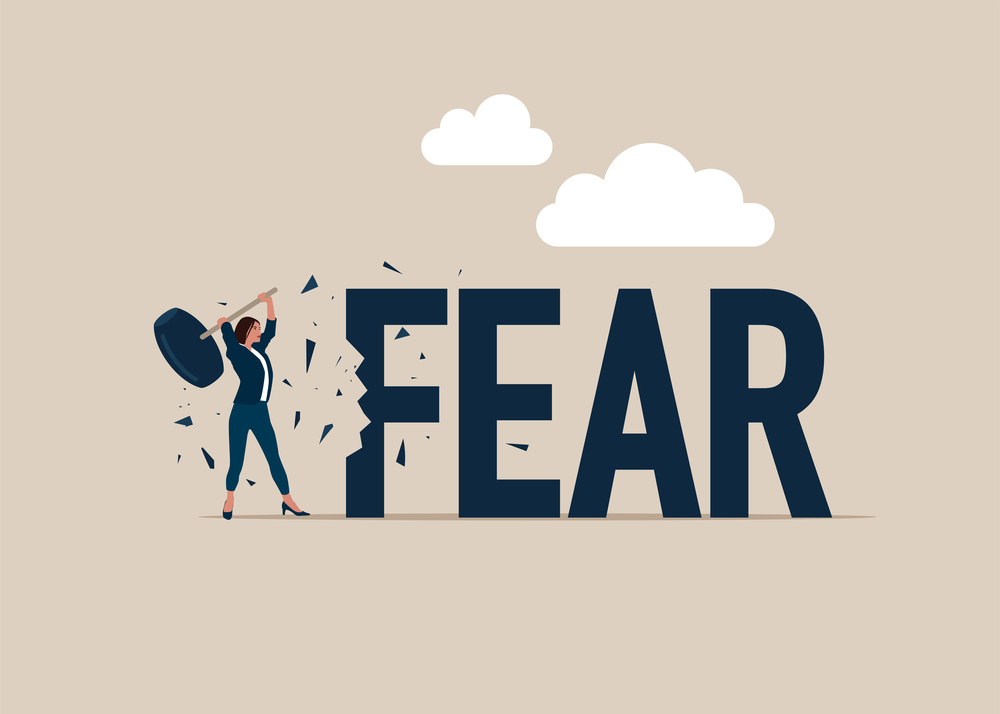
A. Techniques for confronting and managing fear
Dealing with fear, especially during trauma recovery, requires a blended approach that uses both psychological tools and a supportive care framework. One effective method is Accelerated Resolution Therapy, or ART, which has been shown to help ease trauma symptoms quickly while building emotional resilience. This treatment usually takes just a few sessions, giving patients a way to face their fears that feels structured but gentle, which helps build a sense of safety and trust (Finnegan et al., 2015). On top of that, understanding what survivors actually go through shows us just how important it is to personalize their care. Techniques that focus on who the individual is and encourage supportive communication help patients feel secure as they navigate their fears (Astin et al., 2018). By combining these strategies, healthcare professionals can improve the overall experience for patients and truly support their journey toward healing.
B. The role of therapy in reframing fear as a catalyst for growth
Therapy does a lot of heavy lifting when it comes to helping us see fear not as an enemy, but as a catalyst for growth. This is especially true during trauma recovery. By using trauma-informed frameworks, like those highlighted in (Sandra L Bloom et al.), therapists create a safe environment where clients learn to voice their fears instead of shoving them down. That process lets people look at the root causes of their fear, shifting the focus from avoidance to actually engaging with life again. On top of that, approaches like cognitive behavioral therapy (CBT) and recreational psychotherapy encourage clients to reconstruct what happened to them. It is about finding meaning and building resilience, as detailed in (IV S et al., 2025). This kind of reframing takes the paralyzing weight out of fear and turns it into motivation that drives personal development. Ultimately, therapy provides the insights and tools we need to face future challenges with a healthier outlook.
V. Conclusion
Fear plays such a complex role in trauma recovery. It brings plenty of challenges, sure, but it also opens the door to deep healing. When we stop trying to push the fear away and start acknowledging it, that is often when the real resilience kicks in. We are seeing this shift happening on a larger scale, too. Now that neuroscience can actually show us how trauma rewires the brain, the legal world is having to catch up and evolve how it handles emotional distress (Grey et al., 2015). This change is long overdue. It pushes us to rethink the old biases in tort law and finally admit that emotional wounds deserve just as much attention as physical injuries (Derluyn et al., 2012). At the end of the day, accepting fear as part of the ride empowers survivors. It gives them the tools to handle the hard days and creates a more complete, human approach to getting better.
Ultimately since fear is a conditioned response and subjective, it can be reprogrammed within the mind, understood as not immediate threatening and understood within its proper context. This permits the person to face the trauma without fear stepping in the way. In many ways, fear becomes a mental state than merely a reactive emotion in trauma survivors.
Please also review AIHCP’s Trauma Informed Care Program as well as AIHCP’s numerous healthcare certification programs

A. Summary of the dual role of fear in trauma recovery
Fear plays a surprisingly complicated role in trauma recovery, acting a bit like a double-edged sword. It has the power to hold you back, but it can also push you forward. On the difficult side, fear often stands in the way like a wall. It keeps the cycle of trauma going by encouraging avoidance and spiking anxiety, which stops people from facing what actually happened to them. This avoidance just feeds the symptoms of post-traumatic stress and drags out the pain, making the climb toward recovery feel that much steeper. Then you have the other side of the coin. Fear can actually work as a powerful motivator. When you are able to acknowledge those fears and work through them, you start building real resilience and understanding your own story better. That willingness to confront the scary parts can be a release, helping you build coping skills that lead to genuine healing and growth (Prof. Dr. Bozdemir BS). This is why it is so important for practitioners to understand this balance. It allows them to craft therapy that helps people use fear as fuel for their journey instead of letting it block the road.
B. The importance of addressing fear for successful healing and resilience
In the world of trauma recovery, you cannot really move forward without looking at fear. It is often the wall that stops healing in its tracks. Fear can be paralyzing, keeping people from facing what happened to them and effectively pausing their recovery. But leaning into those fears is actually what helps build resilience. We are seeing more and more that resilience is not just a personality trait you either have or you don’t. It is a dynamic mix of your biology, your psychology, and your environment helping you adapt and bounce back (Patel P, 2025). By confronting these fears, people can go through a major shift, where the trauma actually becomes a push for personal growth. For instance, look at Ellie’s therapeutic journey. By recognizing and working through her fear of abandonment, she discovered a strength she didn’t know she had and developed new capabilities (Fosha D et al.). So, addressing fear is what clears the path for real healing. It allows people to reclaim their own stories and view life with a lot more resilience.
Additional Blogs
Helping Children Heal from Trauma. Access here
Additional Resources
“Fear, Anxiety, and Guilt After A Traumatic Event”. Northern Illinois University: Center for Innovative Teaching and Learning. Access here
Shepherd, K. (2025). “The Neuroscience of Fear and Trauma: Understanding and Overcoming PTSD” Alter Your Perspective. Access here
Schwartzberg, C. (2024). “Processing Trauma: What It Means & How to Do It”. ChoosingTherapy.com. Access here
Webb, M. “How to Process Fear and Trauma Stored in the Human Body”. Web Therapy. Access here