
 Written by Daniel Mercer
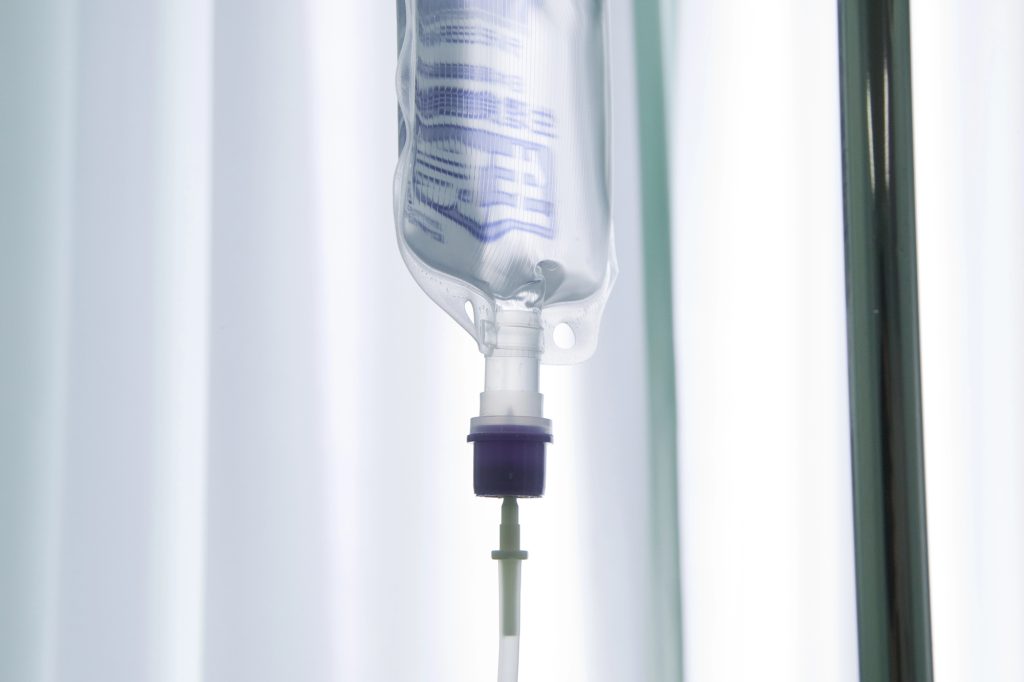
Many people think that when you swallow a vitamin, your body gets the full amount listed on the package. The digestive system includes built-in checkpoints that prevent excess nutrients from entering the bloodstream. Stomach acid can break down some substances, and intestinal transporters can get full. Low stomach acid, gut inflammation, or taking certain drugs might make absorption even worse. The timing of food intake is also important, since some nutrients compete for the same pathways, while others require fat or specific enzymes for efficient absorption. Vitamin IV therapy follows a different path. The infusion delivers nutrients directly into a vein, placing them into circulation without waiting for digestion or relying on intestinal uptake. This modifies both the speed and the amount of tissue that can use it.
From the gut to the bloodstream directly
- Digestion Creates Bottlenecks for Many Nutrients
The digestive tract is a long system that breaks down, moves, and filters food. Nutrients eaten must survive the acidity of the stomach, combine with bile and enzymes, and then pass through the intestinal lining before entering the bloodstream. Even when the gut is healthy, it can’t absorb everything. Many vitamins and minerals depend on carrier proteins that can only transport a limited amount at a time. This implies that taking more of them doesn’t always guarantee that your blood levels will rise. Some nutrients are also affected by when and what you eat, while others are affected by your genes, age, and how hydrated you are. People who are under a lot of stress all the time, use antacids a lot, have had stomach surgery, or have inflammatory bowel diseases may have even more problems since their digestive system is different. One important thing to remember is that the body actively controls nutrient absorption, which is good for balance but can be annoying when someone is trying to fast to restore low nutrient levels.
- How IV Delivery Changes Bioavailability and Timing
Vitamin IV therapy alters how nutrients enter the body by delivering them directly into the bloodstream. This bypasses stomach digestion, prevents transporter saturation in the gut, and reduces the effects of food interactions that usually lower absorption. Because the infusion enters the bloodstream, nutrients are quickly available to tissues that need blood to function, such as muscles, the nervous system, and organs that require a lot of energy. People often talk about Nad IV Therapy in the same way, since it also uses an IV to deliver compounds that may support energy-related pathways. However, results can vary for each person depending on their health and medical care. Another difference is pacing. When IV infusions are given over a specified period, they can be tolerated at higher concentrations than when large doses are administered all at once. The body still controls what it uses, stores, or eliminates, so IV delivery doesn’t guarantee endless benefits. It just alters how much enters into circulation and how fast it gets there.
- The Role of First Pass Metabolism and Why It Matters
Oral nutrients do not enter the blood that supplies the entire body. Much of what enters the portal vein first goes to the liver after being absorbed by the intestines. This stage, known as first-pass metabolism, is one of the ways the body breaks down and filters substances. It can be good because it keeps things from getting too much, but it also prevents some substances from entering the bloodstream. The liver changes some vitamins into active or inactive forms, and some parts of supplements may need to be changed before tissues can use them. Nutrients enter the systemic circulation more immediately with IV delivery. This reduces the time it takes to get there and skips some of the early processing that occurs when you ingest a capsule.
In some cases, this is why IV therapy can elevate blood levels faster than taking medicine by mouth. The liver still has a job to do after infusion, though, because it remains a primary site for storing, processing, and eliminating nutrients. IV delivery alters the initial stages, although it does not eliminate the body’s overall regulation.
- Digestive Limitations That Make IV an Appealing Option
People who think their gut isn’t absorbing nutrients adequately, or who need to raise specific nutrient levels more quickly with physician supervision, may consider vitamin IV therapy. Even with a decent diet, it can be challenging to get enough food if you have a low appetite, nausea all the time, chronic diarrhea, or changes in your digestion after surgery. Some people have problems taking oral supplements because they make them feel sick, cause reflux, or make them constipated. This is especially true with iron, magnesium, or high-dose multivitamins. Some people may have trouble absorbing nutrients because they don’t have enough intrinsic factor, which affects how well they take in B12. Others may take medications that make it harder for their bodies to absorb nutrients. Some people see IV therapy as a way to deliver nutrients without placing extra strain on the digestive system. It also makes it easier to take vitamins with meals, which can help with consistency. IV therapy is not a quick way to get better; it is a medical process that requires needles, sterile handling, and adjusted dosing based on health condition and lab findings when necessary.
- What Happens After Nutrients Enter the Bloodstream
Once nutrients enter the blood, the body distributes them based on blood flow, tissue need, and transport mechanisms. Water-soluble vitamins, like vitamin C and many B vitamins, move freely through the body. However, the kidneys may filter excess amounts and excrete them as urine. Fat-soluble vitamins act differently because they are easier to store in tissues and can build up. This is why they need to be taken carefully, no matter what. Minerals are particularly important to consider because they affect heart rhythm, neuronal communication, and muscle function. The infusion rate is also important because giving certain minerals too soon can cause discomfort or adverse effects. IV therapy clinics often stress keeping the body hydrated and balanced in electrolytes. This is because fluids administered through an IV can support circulation and may make some people feel better more quickly, especially if they were dehydrated. The key mechanism isn’t magic. The bloodstream is a direct distribution highway, so the body can use what it needs sooner while still getting rid of what it doesn’t.
- Safety, Screening, and Realistic Expectations
Vitamin IV therapy can address digestive issues, but it also requires careful screening and reasonable goals. Low vitamin levels don’t always cause symptoms, and not every low level requires IV treatment. People who have kidney disease, heart problems, electrolyte issues, are pregnant, or are on certain medications may need to be extra careful since changing fluid and mineral levels can be dangerous. If you don’t follow sterile methods or provide the wrong dose, you could get an infection, have your veins irritated, get bruises, or, in rare situations, have more serious problems. A competent approach includes taking medical history, discussing goals, and paying attention to symptoms that something isn’t working, such as flushing, chest pain, dizziness, or unusual tiredness during an infusion. It also helps to think of IV therapy as just one aspect of a broader approach that includes eating well, getting enough sleep, staying hydrated, managing stress, and looking for underlying conditions like anemia, thyroid imbalance, or gut disease. IV administration can quickly raise blood levels, but for long-term recovery, it’s generally important to figure out why levels were low in the first place.
Practical clarity and context
Vitamin IV therapy bypasses the digestive process by delivering nutrients directly into the bloodstream. This means the stomach doesn’t break down nutrients, transporters don’t block the intestines, and some effects of first-pass processing don’t occur. People who can’t tolerate oral supplements, have trouble absorbing them, or need nutrients available quickly under medical supervision may find this therapy helpful. The body still controls how nutrients are consumed, stored, or eliminated after they enter circulation. This means the advantages can vary, and taking too much can be useless or dangerous. A meticulous, professionally directed approach that considers health history, hydration status, and personal goals makes the experience safer and more effective. When used correctly, IV administration can be a helpful addition to a healthy diet and lifestyle. It can also provide a direct path for nutrients that the digestive system may not easily absorb.
Author Bio
Daniel Mercer is a medical and health-focused content writer who covers topics related to nutrition, integrative therapies, and patient-centered care. With an interest in how emerging treatment methods align with physiology and clinical safety, he aims to provide balanced, research-informed insights that help readers make educated decisions about their health.
Please also review AIHCP’s Holistic Nursing Certification program and Nurse Courses see if it meets your academic and professional goals. These programs are online and independent study and open to qualified professionals seeking a four year certification