
 Written by Veronica Turner
People today invest a great deal of time, effort, and money in having a beautiful smile. As a result, the global dental industry is expected to reach $87.65 billion by 2032, from $37.86 billion in 2024.
But oral health is not just about pearly-white, straight teeth, and minty-fresh breath. There’s a lot more going on under the surface. Between 1913, when Alfred C. Fones opened the first dental hygiene school, and today, we’ve gathered enough data to know there is a strong connection between oral and systemic health.
A growing body of scientific literature shows that the immune system and oral health are closely interconnected. In today’s piece, we’ll analyze this connection between oral health and the immune function, what good oral health is, and the role nutrition plays.
The Connection Between Oral Health and the Immune System
The oral cavity is the entryway to our internal systems. We use it primarily for nutrient intake, but it’s also the gate for a wide range of bacteria, viruses, fungi, and foreign antigens. The mouth is one of the most heavily colonized sites in the body, right after the large intestine, and its health is critical in managing a massive microbial population.
First on the defense lines is the oral mucosa (the lining of the mouth), acting as a physical and immunological barrier. Its job is twofold as it has to limit microbial colonization and prevent penetration into deeper tissues, while also tolerating the ones that are beneficial for the gut.
Coming to its aid are the salivary glands and saliva, which contain a range of antioxidants (like uric acid and antioxidant enzymes) that protect the oral tissues from oxidative stress. Saliva continuously flushes non-adherent bacteria and food debris, while its mucins lubricate the oral mucosa, protecting it from mechanical irritation and dryness.
The oral mucosa contains immune cells, such as innate lymphoid cells. These act as a rapid defense system and modulate tolerance to the normal microbial flora. However, if oral health is compromised, such as through periodontitis (gum disease), severe decay, poor hygiene, smoking, or systemic diseases (diabetes), a breach occurs.
This allows oral pathogens and their inflammatory byproducts (like lipopolysaccharides (LPS)) to enter the bloodstream (a process called microbial translocation or bacteremia), triggering a systemic immune response and inflammation.
This low-grade, sustained inflammation elevates systemic inflammatory markers (like IL-6 and CRP), taxing the overall immune system and setting the stage for systemic disease.
The Link with Chronic Systemic Diseases
Data shows there is a clear bidirectional connection between poor oral health and certain systemic diseases, such as cardiovascular diseases and diabetes.
Cardiovascular Disease (CVD)
Studies consistently show that individuals with periodontitis face an increased risk of heart disease, stroke, and myocardial infarction. That’s because chronic periodontal inflammation promotes endothelial activation and atherogenesis (plaque formation in arteries), which is the central process underlying CVD.
If initiated early, periodontal treatment may reduce systemic inflammatory markers and improve vascular parameters.
Diabetes Mellitus (DM)
Periodontitis is often cited as the “sixth complication of diabetes mellitus”. This is a strong, well-studied, bidirectional association.
DM increases the risk and severity of periodontitis by impairing blood flow, weakening the immune response, and leading to high sugar levels in saliva. Conversely, periodontitis exacerbates DM by contributing to systemic inflammation, which is directly linked to insulin resistance (a hallmark of Type 2 DM), worsening blood sugar control.
Other Associated Conditions
Scientific literature also links poor oral health to:
- Respiratory infections: Aspiration of oral bacteria into the lungs can worsen conditions like Chronic obstructive pulmonary disease (COPD) or increase the risk of pneumonia.
- Adverse pregnancy outcomes: Systemic inflammation caused by oral health diseases leads to the release of pro-inflammatory cytokines, which may affect fetal development.
- Rheumatoid Arthritis (RA): The periodontal pathogen Porphyromonas gingivalis is specifically implicated in generating peptides that may trigger RA markers.
- Neurodegenerative diseases: Oral bacteria, including P. gingivalis, have been identified in the brains of Alzheimer’s disease patients.
Oral Health Prevention and Treatment
Oral diseases are largely preventable, yet, according to the U.S. Centers for Disease Control and Prevention (CDC), tooth decay is one of the most common health conditions across the world.
Data from the World Health Organization (WHO) estimates that nearly 3.7 billion people suffer from oral diseases, which could have been prevented with good oral care.
This is, in large part, due to a lack of access to professional dental services (in many low- and middle-income countries) or high costs. Advanced dental services can be expensive and are not typically covered by national universal health coverage (UHC) benefit packages.
The good news is that good oral hygiene habits and regular dental screenings can drastically improve oral health worldwide.
Mechanical cleaning habits such as brushing, interdental cleaning, and tongue cleaning disrupt and remove the plaque biofilm, which is the main cause behind decay and gum disease. According to the American Dental Association, cleaning one’s teeth twice a day is optimal for reducing the risk of caries (decay) and periodontitis.
It’s important to use a fluoride toothpaste. Fluoride promotes enamel remineralization and inhibits the metabolic activity of cariogenic bacteria, helping keep teeth healthy and strong.
The Importance of Regular Screening
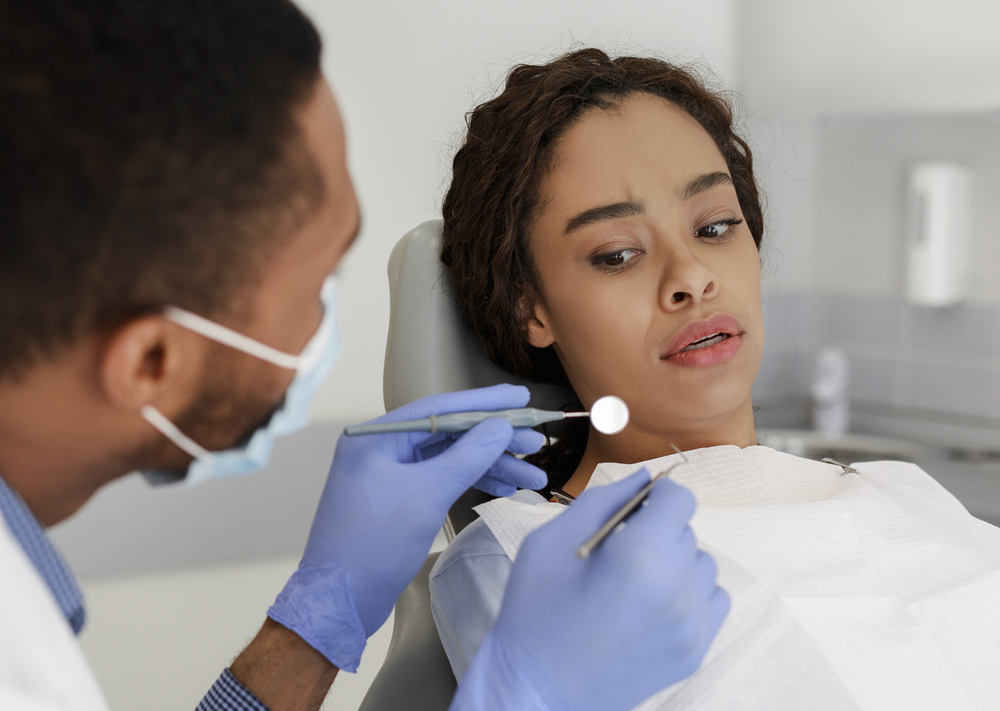
Adequate oral care requires proper mechanical cleaning and regular screening. Daily mechanical cleaning helps keep bacteria in check at home, while regular dental screenings help detect and treat any underlying issues before they become a problem.
In a country like the US, where there are over 139k delta practices, getting a regular screening is not that difficult. A local practice, like this Sarasota Dentist cabinet, can see 10 to 15 patients per day, which means it can oversee regular screenings and treatments for around 1,600 patients per year.
Dental professionals are trained to spot subtle, early indicators of disease that an individual may not notice at home. For example, some individuals have genetic, systemic, or lifestyle risk factors that can lead to periodontitis, even if they have impeccable oral hygiene. On the other hand, correct brushing can miss deep pits, grooves (fissures), or areas where teeth touch.
Dentists also perform a thorough soft-tissue examination to look for suspicious ulcers, lumps, or discolorations that may indicate oral cancer or a pre-cancerous lesion. Early detection significantly increases survival rates.
Professional Calculus and Biofilm Management
Once a year (or more often if needed), dentists must remove calculus (hardened dental plaque) and certain biofilms from their patients’ teeth. These build up in time, no matter how diligently one brushes and flosses. If left unaddressed, they can cause additional damage.
Calculus cannot be removed by brushing or flossing once it forms, and it creates a rough surface that allows plaque to accumulate rapidly. This is why professionals use specialized ultrasonic and hand instruments (scaling) to remove this material above and below the gumline.
In summary, regular screenings serve as an essential quality-control measure and early-warning system, providing diagnostic tools (X-rays, probes) and therapeutic services (calculus removal) that turn good home care into comprehensive preventive care.
The Role of Nutrition in Oral Health
The scientific consensus is that nutrition influences oral health, but oral health also affects the nutrients we consume. It’s a bidirectional relationship that requires a state of balance to function optimally.
During the development phase, calcium, phosphorus, and Vitamin D are essential for proper tooth mineralization (calcification). Once permanent teeth are fully formed, the same nutritional elements are needed to support the protective layer (enamel) and maintain integrity.
Vitamins and minerals support the resilience of the gingival and mucosal tissues, influencing wound healing and immune function in the mouth:
- Vitamin C is crucial for collagen synthesis, which forms the structural basis of healthy gingival connective tissue.
- B Vitamins (especially B12, Niacin, and Riboflavin) are essential for maintaining healthy epithelial tissues and preventing lesions like angular cheilitis or glossitis.
Furthermore, what you eat every day shapes the oral microbial environment.
Frequent intake of sugars (sucrose, glucose, fructose) and refined starches (fermentable carbohydrates) lowers the pH in the mouth, weakening tooth enamel and creating a favorable environment for tooth decay.
On the other hand, a diet rich in antioxidants (found in fruits, vegetables, and whole grains) is crucial for controlling oxidative stress and inflammation. Vitamins E and A, Beta-carotene, Zinc, and Selenium support the immune system’s ability to regulate inflammatory responses in the gums.
Research also suggests that increasing the intake of long-chain omega-3 fatty acids (e.g., from fish oil) may have a protective effect against periodontitis due to their known anti-inflammatory and pro-resolving effects.
When it comes to oral health, nutrition is not just about avoiding sugary foods and snacks; it is about providing the essential building blocks for repair while minimizing the fuel for pathogens.
Conclusion: Oral Health is Essential for Disease Prevention
Healthy gums and teeth maintain a protective barrier, preventing oral pathogens from entering the systemic circulation. Compromised oral health can lead to the seeding of pathogens that may aggravate conditions such as heart disease, diabetes, and more.
Good oral hygiene, regular screenings, and a healthy diet help prevent the formation of cavities (dental caries) and gum disease, which are the leading causes of acute dental pain and abscess formation.
Author Bio: Veronica Turner is a health and lifestyle writer with over 10 years of experience. She creates compelling content on nutrition, fitness, mental health, and overall wellness.
References
Dental market size, share & growth: Industry trends [2032]. Dental Market Size, Share & Growth | Industry Trends [2032]. (n.d.). https://www.fortunebusinessinsights.com/dental-market-106251
Centers for Disease Control and Prevention. (n.d.). About cavities (tooth decay). Centers for Disease Control and Prevention. https://www.cdc.gov/oral-health/about/cavities-tooth-decay.html
Pelaez-Prestel, H. F., Sanchez-Trincado, J. L., Lafuente, E. M., & Reche, P. A. (2021). Immune Tolerance in the Oral Mucosa. International journal of molecular sciences, 22(22), 12149. https://doi.org/10.3390/ijms222212149
Saini, R., Saini, S., & Sugandha, R. (2011). Periodontal disease: The sixth complication of diabetes. Journal of family & community medicine, 18(1), 31. https://doi.org/10.4103/1319-1683.78636
Fábián, T. K., Hermann, P., Beck, A., Fejérdy, P., & Fábián, G. (2012). Salivary defense proteins: their network and role in innate and acquired oral immunity. International journal of molecular sciences, 13(4), 4295–4320. https://doi.org/10.3390/ijms13044295
Matsuoka, M., Soria, S. A., Pires, J. R., Sant’Ana, A. C. P., & Freire, M. (2025). Natural and induced immune responses in oral cavity and saliva. BMC immunology, 26(1), 34. https://doi.org/10.1186/s12865-025-00713-8
Bida, F. C., Curca, F. R., Lupusoru, R. V., Virvescu, D. I., Scurtu, M., Rotundu, G., Butnaru, O. M., Tudorici, T., Luchian, I., & Budala, D. G. (2025). The Systemic Link Between Oral Health and Cardiovascular Disease: Contemporary Evidence, Mechanisms, and Risk Factor Implications. Diseases (Basel, Switzerland), 13(11), 354. https://doi.org/10.3390/diseases13110354
D’Aiuto, F., Suvan, J., Siripaiboonpong, N., Gatzoulis, M. A., & D’Aiuto, F. (2025). The root of the matter: Linking oral health to chronic diseases prevention. International Journal of Cardiology Congenital Heart Disease, 19, 100574. https://doi.org/10.1016/j.ijcchd.2025.100574
Centers for Disease Control and Prevention. (n.d.-b). Preventing oral diseases and conditions in communities. Centers for Disease Control and Prevention. https://www.cdc.gov/oral-health/prevention/index.html
World Health Organization. (n.d.). Oral Health. World Health Organization. https://www.who.int/news-room/fact-sheets/detail/oral-health
U.S. Department of Health and Human Services. (n.d.). Oral Hygiene. National Institute of Dental and Craniofacial Research. https://www.nidcr.nih.gov/health-info/oral-hygiene
James Myhre & Dennis Sifris, M. (n.d.). The hard facts about fluoride toothpaste. Verywell Health. https://www.verywellhealth.com/facts-about-fluoride-toothpaste-4587999
Please also review AIHCP’s Case Management Certification program and see if it meets your academic and professional goals. These programs are online and independent study and open to qualified professionals seeking a four year certification