
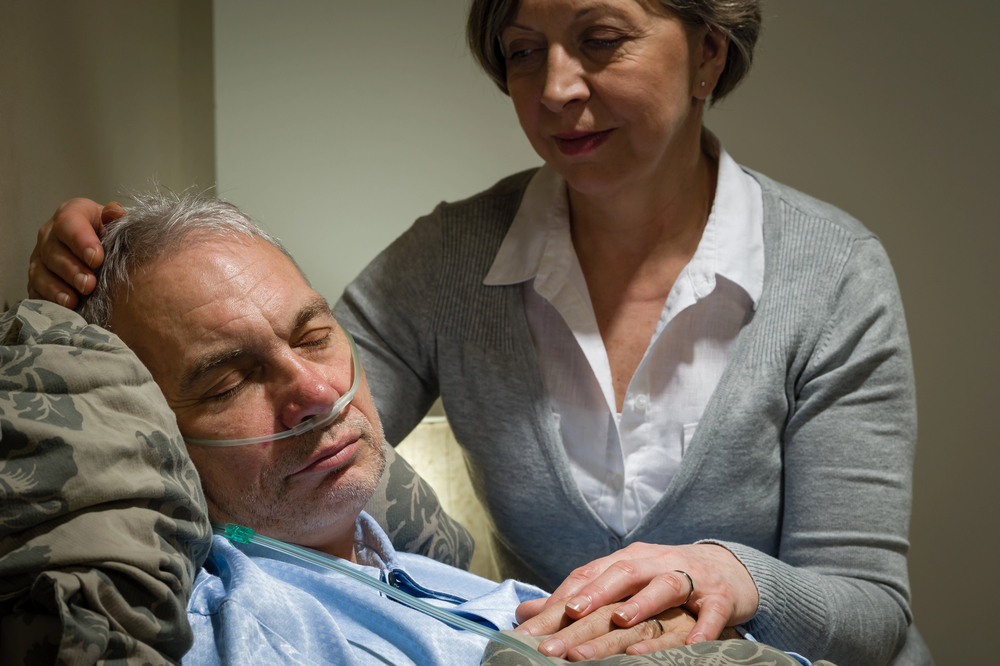
 The American Institute of Health Care Professionals’ pastoral thanatology certification aims to provide better care and support for those grieving after a loss. Our multi-course offering aims to provide professionals with the necessary knowledge and skills to provide invaluable care to those who have recently lost loved ones. We also strive to provide valuable context for counselors working with specific cultural or religious affiliations to ensure effective care in times of need. Register today to start your certification journey and add these essential skills to your offerings.
Pastoral Thanatology Program Requirements & Prices
To participate in our certification program, you need to meet certain professional prerequisites, and you can fill out our qualification review form to see if your current credentials and professional experience match one of our following prerequisites for the program:
- Be a licensed healthcare professional.
- Hold a college degree in the fields of health care, human services, psychology, or human behavior, and have past experience working with end-of-life care.
- Hold a college degree in theology and/or have a ministry from a legitimate school providing a curriculum to meet defined objectives to obtain a degree.
- Hold a current certification in pastoral care.
- Be a licensed minister or any legal clerical representative of a religion.
- Currently work in pastoral care under the direct supervision of a clergy, church, or other type of organization, or have a sponsorship by a licensed clergy/minister to study pastoral thanatology.
The program itself consists of seven required CE courses, which will cost a total of $1,065 and include the courses below. After completing the courses there is a certification fee for Pastoral Thanatology Certification of $220, plus shipping and handling, which includes the official certificate, ID card, and other related documents. The full list of courses includes:
- GC 400 – Death, Dying & Mourning
- PT 450 – Needs of the Dying
- PT 460 – Physical, Emotional and Pastoral Care of the Dying Patient
- PT 470 – Bereavement Ministry & Support Groups
- PT 480 – Pastoral Response to Multiple Social/Cultural Variable in Grief and Thanatology
- PT 490 – Pastoral Care of Families of the Dying
- PT 500 – Death, Dying, and World Religions
After passing the program, you can fill out our application for certification to become certified through the AAGC for a period of four years. With the certification, you can use the initials/credentials “PT-CSp”, after their names: “Certified Specialist in Pastoral Thanatology”.
AIHCP also offers healthcare fellowship status for the pastoral thanatology certification. To get this credential, you must complete 250 hours of continued education over six years from the date of the application to the fellowship program. Once completed, you can add the “FAIHCP” or “Fellow in the American Institute of Healthcare Professionals in Pastoral Thanatology” to your title.

Renewing Your Pastoral Thanatology Certification
Once you receive your pastoral thanatology certification, you can continue using it for four years, but you can continue using the certification for longer by signing up for our recertification program. The fee is $220, plus shipping and handling, and you will need to provide evidence of at least 50 contact hours of continuing pastoral thanatology course education in the form of studies, lectures, and learning activities. You will also have to show proof of at least 500 hours of practice with your pastoral thanatology certification over the initial four-year certification period.
Pastoral Thanatology Certification Testimonials
AIHCP continues its mission of providing high-quality education and skills to various healthcare professionals, and its continued success is due to the many candidates who take the courses and improve their current skills and gain new techniques. For instance, the Reverend Ronald J. Hammock used the pastoral thanatology certification courses to get a better understanding of the grieving and caring process to better address the needs of patients and clients.
“My journey to become a Board Certified Chaplain included a desire in specializing in Palliative and Hospice care. Taking the certification courses in Pastoral Thanatology have certainly put me in a good position to do so. First, the courses reinforced much of what I already knew from the training I already received. Secondly, I also learned from these courses a more in depth understanding of death, grief and caring for the patient as well as their family. Learning about cultural nuances is a must, and these courses broadened my cultural understanding of people groups beyond my own. Now that I am a Hospital Chaplain, all that I have learned from these courses with AIHCP will help to bring about continued professional development and enable me to share with my peers didactics on grief, the process of dying and death itself. If you are interested in helping and caring for those in the process of dying or supporting families who have experienced death, these courses will certainly point you in the right direction. Much appreciation is given to those who created and prepared these courses for us.”
Rev. Ronald J. Hammack M-Div, BCC, PT-CSp
Learn more about the benefits of AIHCP certification courses on our testimonials page.
The Benefits of a Pastoral Thanatology Certification
Obtaining the pastoral thanatology certification from AIHCP provides professionals with the necessary knowledge and tools needed to provide more than adequate care for those in bereavement. Whether it’s a single client or family and friends, the pastoral thanatology courses at AIHCP offer valuable strategies that are effective in end-of-life scenarios while also respecting specific cultural and religious values.
AIHCP also understands that pastoral thanatology is a constantly evolving space. Our pastoral thanatology blog topics are dedicated to keeping professionals informed of these innovations and insights that can be a benefit to the professional and the client. Keep an eye out for our blog’s new posts that provide valuable information for all healthcare professionals.
FAQs on AIHCP’s Pastoral Thanatology Program

What are the benefits of a pastoral thanatology certification?
AIHCP’s pastoral thanatology program provides valuable skills and knowledge that can help professionals provide comprehensive, yet sensitive care during a highly emotional time. Learning to balance expert-level care with patient emotions during a period of bereavement is not easy and can be intimidating. However, the skills gained from AIHCP’s pastoral thanatology courses help you prepare to meet these challenges head-on with confidence and grace.
Do I have to take the program and its courses to achieve my certification?
Our model for certification is designed so that our certified members have accomplished the same educational achievements and have consistency in knowledge and skills attainment. Many have experience in many types of specialty practices, but they are varied. Our model focuses on core and solid, comprehensive knowledge and skills that have been determined to practice the specialty at a higher level of quality practice. However, there are instances where past education may be used to waive some of the courses required. View our FAQ page to learn more.
Do you offer a curriculum of continuing education courses for recertification?
Each of our certification programs offers continuing education curricula designed to meet the full requirements for recertification.
Do your continuing education courses have any board approvals?
Most of our continuing education courses do have some or many board approvals, though specific approval depends on the type of professional boards. You can see the full list on our health care CE approvals page.
Is the certification necessary for pastoral thanatology?
Obtaining and showing your pastoral thanatology certification is more than just another list of initials in your title; it shows a commitment to providing a high-quality level of care during tough moments. It shows a willingness to be patient, provide guidance and techniques in trying times, and offer invaluable support to specific people or entire families. Taking time to learn about these situations and having the appropriate skills to provide expert care is only possible with AIHCP’s robust and detailed pastoral thanatology program.
What is the process for your Certification programs? How do I enter and complete a the case management certification program?
We have a dedicated page that provides a quick over-view of our certification process. It will provide you with good information about the process/phases of both the education courses and application for certification.