
The nurse acts as the lead clinical coordinator in telehealth care. They manage health services through digital platforms. Telehealth Nurses conduct virtual assessments and monitor chronic conditions from a distance. They provide patient education and use tools to keep care continuous. This work improves health results and lowers hospital readmissions for many different groups of patients.
Adding telecommunications technology to healthcare has changed clinical practice. This change creates a need for skilled staff to manage remote patient visits safely and well. The nurse leads in this digital setting. Health groups rely on their skills to triage symptoms, evaluate patient data, and start care plans. They work without the help of being physically near the patient.
Working in a virtual space requires certain clinical skills. Registered nurses combine verbal reports with video cues and data from monitoring tools. This process helps the nurse build a clear clinical picture. They then decide on the right level of intervention. Without physical touch, telehealth nurses need sharp critical thinking and expert interviewing methods.
Professional certification and more education prepare nurses for the challenges of remote care. Groups like the American Institute of Health Care Professionals Inc. provide programs that give nurses advanced knowledge. Getting national recognition through certification improves how a nurse works. It makes them more competitive and labels them as an expert in remote health delivery.
What Are the Primary Clinical Duties of a Telehealth Nurse?
The Telehealth Nurse performs many complex clinical tasks. These tasks match traditional nursing work. The nurse adapts to the challenges and benefits of digital communication tools. These duties changed with the growth of telemedicine. This growth focuses on the needs of the patient and good care methods. Reports show that telehealth technology helped patients get better results. It made care easier to reach for people with few resources. These changes expanded the roles and duties of the nurse in this area. New systems in this field help track patients and manage appointments. This technology meets new health needs. Remote health services are popular, and these tools are now very important.
How do Nurses Conduct Virtual Patient Assessments?
Virtual patient assessment needs a highly structured clinical evaluation method. Recent studies show that telemedicine works well in orthopedic practices. The Telehealth Nurse relies on detailed algorithms and standard triage rules to check how sick a patient is. These tools create an organized way to give care. During a video or phone call, the nurse asks when symptoms started and how bad they feel. They also ask about other related health factors. The nurse watches the patient’s breathing, skin color, and facial expressions through the screen. They monitor the patient’s mood too. Telehealth nurses lead patients through self-checks. They teach the patient to press on their own stomach or check their pulse. They show the patient how to aim a phone camera at a skin spot or a surgical cut. This shared assessment helps the patient. It gives the nurse the clinical facts needed for triage. If the check shows the patient is getting worse, the nurse calls emergency services right away. They send the patient to the closest hospital. This makes sure the patient gets fast and correct treatment.
Remote Patient Monitoring in Telehealth
Remote patient monitoring devices send health data from the home of the patient to the clinic. These data streams are continuous or sent at intervals. The registered nurse reviews readings for blood pressure, blood sugar, oxygen levels, and heart rhythms. The nurse compares this data to clinical baselines to find early signs that health is failing. A remote monitoring system alerts the team for abnormal readings. Then, the telehealth nurse speaks with the patient. The nurse looks for the cause of the abnormal readings. These causes include missed medicine, diet choices, or broken equipment. The registered nurse finds and fixes these issues fast. This action stops the disease from getting worse and keeps the patient stable. This work avoids a hospital stay. This method follows the rules of telenursing. Telenursing values effective remote care. This care puts the patient first for long-term health. These efforts improve health results and help the patient stay independent.
 How Do Telehealth Nurses Deliver Patient Education and Counseling?
Teaching patients is a central part of professional nursing practice. Telehealth platforms provide a great way for nurses to offer these lessons. The registered nurse uses secure video conferencing to teach patients how to manage diseases, take medicines, and change their daily habits. Online meetings often help patients learn at a deeper level. Patients can study the new facts from the comfort and safety of their own homes. The nurse adjusts the teaching materials to fit the patient’s reading level and their cultural background. In a video call, the nurse asks the patient to show a skill. The patient shows how to inject insulin or run a continuous positive airway pressure (CPAP) machine. This “teach-back” method lets the nurse check what the patient knows. The nurse fixes any mistakes right away. This work makes sure the patient has the facts. These facts help them manage their own health independently.
What Specialized Skills Do Nurses Need for Telehealth Practice?
Nurses learn new skills to move from bedside care to telehealth work. A successful nurse in telehealth combines years of clinical work with tech skills and clear ways to communicate. This helps them provide good care from a distance. This change in nursing practice requires expert use of telehealth tools and the ability to talk with patients online. These methods keep care focused on the person and easy to reach. Healthcare continues to change, so nurses now need these skills to handle the hard parts of telehealth well.
Why Is Advanced Clinical Communication Essential in Telehealth?
Effective communication is the main tool for a Telehealth Nurse to diagnose and treat patients. The nurse must build rapport, show empathy, and gain trust through a digital screen. Active listening is a key skill. The nurse listens for small changes in the patient’s vocal tone, breathing patterns, and speech rhythm. The Telehealth Nurse asks highly specific, open-ended questions to get full clinical histories. Nurses cannot use physical touch to comfort a patient or check for physical problems. So, verbal communication handles the work of the whole clinical interaction. Clear, short, and professional talk prevents misunderstandings. This helps the patient feel supported and understood by the healthcare system.
How Do Telehealth Nurses Navigate Healthcare Technology and Privacy Laws?
Telehealth Nurses must have high skills with various healthcare software systems, electronic health records (EHR), and communication hardware. These tools are a necessary part of giving remote care that is effective. Research shows that the evolution of telehealth is rapid. This fast change shows why nurses must use digital tools well to keep patient care steady and high quality. Nurses should use effective strategies to manage patient data in these systems. This step keeps patient information safe, secure, and private.
The Role of Telehealth Nurses in Virtual Consultations
Nurses solve basic technical problems during virtual visits to keep the meeting going. Modern healthcare needs this skill more now than in the past. The nurse records clinical findings in the electronic health record (EHR). They do this and stay focused on the patient on the screen. This task shows why clinical digital literacy matters for good telehealth services. Data security and patient privacy shape legal and ethical rules in telehealth. The nurse monitors all virtual visits to follow HIPAA or local regulations. This proves why ethical and organizational digital competence matters. The nurse checks the identity of the patient at the start of the call. They confirm the patient is in a private and safe place. This allows them to talk about private medical facts safely. Nurses use these steps to give kind and patient-centered care online.
How Does Telehealth Nursing Improve Population Health Outcomes?
Using telehealth nurses solves several large problems in the modern healthcare field. Telenursing practices bring remote nursing care to more people. These practices close gaps in the current medical system. This work reaches people in rural and underserved areas the most. These same methods lower healthcare costs by a large amount. Patients manage chronic diseases better with this help. Patients now ask for care. This care focuses on individual patient needs.
How Do Telehealth Nurses Expand Healthcare Access for Rural Populations?
Patients in rural or medically underserved areas often face large hurdles when they seek specialty care. They deal with long travel times and have few medical tools. Telehealth removes distance as a problem and links patients in far places to experienced nurses and specialists. This helps lower the hurdles they face. Recent studies show that telehealth can fill the gap in medical access. People living hundreds of miles from hospitals can get expert help. They receive expert triage and chronic disease management. They get follow-up care after surgery and avoid long trips. This method makes care easier to get and improves health results. People in the countryside can communicate well and get fast care.
How Do Remote Nursing Interventions Reduce Hospital Readmission Rates?
Hospital readmissions create large financial and clinical problems for healthcare groups. Telehealth Nurses start specific follow-up programs for patients who just left the hospital. The nurse calls the patient within 24 to 48 hours of their release. They go over instructions, check home medications against the hospital list, and look for early signs of trouble. The nurse uses regular monitoring and direct talk to find health issues before they turn into emergencies. For example, a heart failure patient starts to hold water. The nurse sees the weight gain on the monitor and works with the doctor to change the water pill dose. This fast help keeps the patient stable at home and stops an expensive trip back to the emergency room. This work shows how telehealth services can improve health and cut costs.
Why Should Nurses Pursue Professional Health Care Certification?
Telehealth services expanded fast. This growth shows that nurses need specialized skills and proven abilities. Nurses who want to do well in remote care environments gain much from professional certifications and continuing education programs. AIHCP offer a clear education pathways for nurses who want to specialize in telehealth & triage nursing. Learning more about sub-specialty healthcare practices like case management, holistic health, or crisis intervention directly improves a nurse’s ability to give full and thorough telehealth care.
Safe Remote  Care
Care
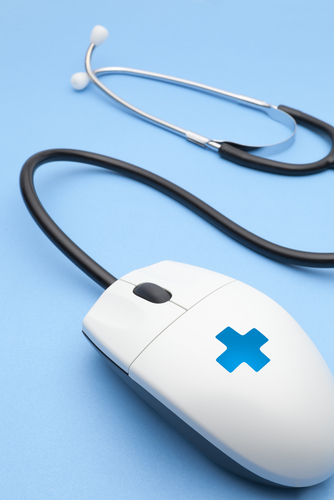
Virtual nursing assessment uses visual checks, patient reports, and data from remote monitoring devices instead of hands-on touch or listening to body sounds. This move to technology means the nurse must use strong clinical interview skills and guide the patient to perform their own physical checks. This method helps gather accurate facts for a diagnosis and keeps care standards high. Telemedicine shows better results and easier access for people with fewer resources. Telenursing is common now, and the nurse helps with these checks to meet growing needs for good care that focuses on the patient.
TELEHEALTH PATIENT CARE BLOG: Please visit our interactive Nursing web blog.
Are you interested in becoming a Certified Telehealth Patient Care Professional?
If this practice specialty interests you then please review our program and feel free to speak with our advisors regarding our complete education program and courses leading to qualifications to achieve the certification. Want to see if you meet our qualification? Please fill out a Qualification Review Form here.